Introduction
California is the undisputed capital of American food culture. With over 90,000 licensed food service establishments spread across Los Angeles, San Francisco, San Diego, Sacramento, and hundreds of smaller cities and towns, the state generates more restaurant revenue than any other in the nation. It is also the birthplace of some of the country's most influential food trends — from farm-to-table dining and plant-based fast food to celebrity ghost kitchens and premium fast-casual concepts that have since gone national.
For restaurant chains operating in this environment, the competitive intensity is extraordinary. A new plant-based burger concept in the Arts District in Los Angeles can go from launch to fully priced competitor in a matter of weeks. A regional taco chain expanding from San Diego to the Bay Area enters an entirely different pricing landscape with different consumer expectations, cost structures, and competitive densities. Navigating these dynamics requires a level of market intelligence that traditional research methods simply cannot deliver at the required speed or granularity.
This is precisely why web scraping California restaurant pricing trends has become a core data practice for chains, franchise operators, and food industry analysts across the state. The ability to extract California restaurant chains for menu and pricing insights programmatically — from delivery platforms, restaurant websites, review aggregators, and open data sources — turns the complexity of the California market from a liability into an analytical advantage.
90,000+
Licensed CA food establishments
$97B
CA food service annual revenue
3.2x
Price range across CA cities
AB 1228
CA fast food wage law driving menu repricing
Why California Is the Most Complex Market for Menu Pricing Intelligence
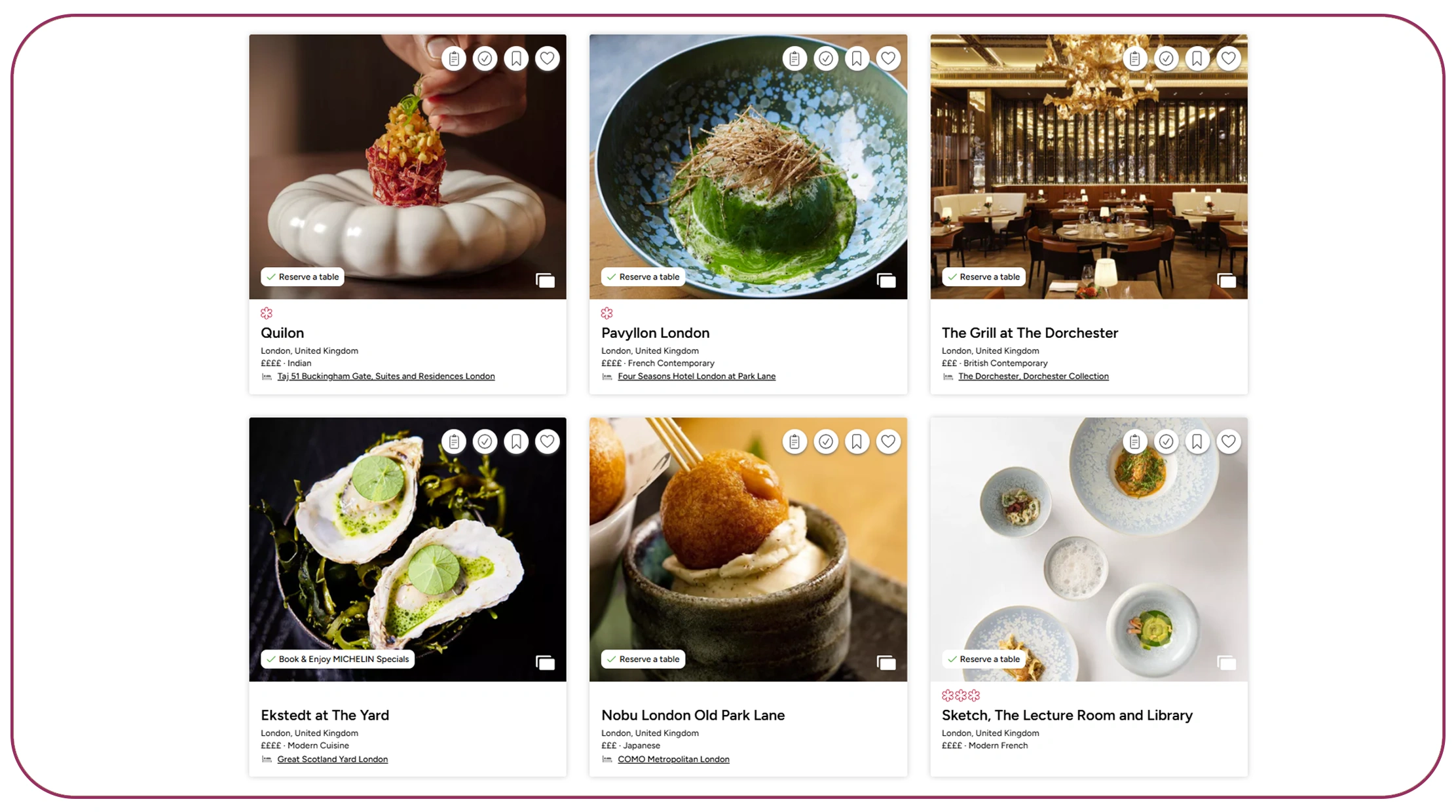
Understanding how to Scarpe California competitor menu prices requires grappling with a set of compounding market forces that exist nowhere else in the country at the same concentration. Labor costs in California are among the highest in the US — the state's landmark AB 1228 fast food minimum wage law, which raised hourly wages for fast food workers to $20 in 2024, sent a ripple of menu price adjustments through chains across the state almost immediately. Web scraping California restaurant pricing trends during and after this transition revealed price increases ranging from 3% to 14% across major QSR chains in the first two quarters following implementation — intelligence that was visible in scraped menu data weeks before it appeared in any industry report.
Beyond labor costs, California's sheer geographic and demographic diversity creates micro-market pricing dynamics that national averages obscure entirely. A burger at a fast-casual chain in Beverly Hills is priced differently than the same burger at the same chain in Fresno — not just because of rent differentials, but because of consumer income levels, competitive density, and local brand positioning that a systematic California restaurant menu data collection program can quantify precisely.
"California's restaurant chains don't just compete on food — they compete on data. The brands winning on pricing strategy are the ones who can see the whole market, not just their own dashboard."
Los Angeles
$24.80
Avg fast-casual entrée
San Francisco
$27.40
Avg fast-casual entrée
San Diego
$21.60
Avg fast-casual entrée
Sacramento
$18.90
Avg fast-casual entrée
Fresno
$15.70
Avg fast-casual entrée
Key Data Sources for California Menu and Pricing Scraping
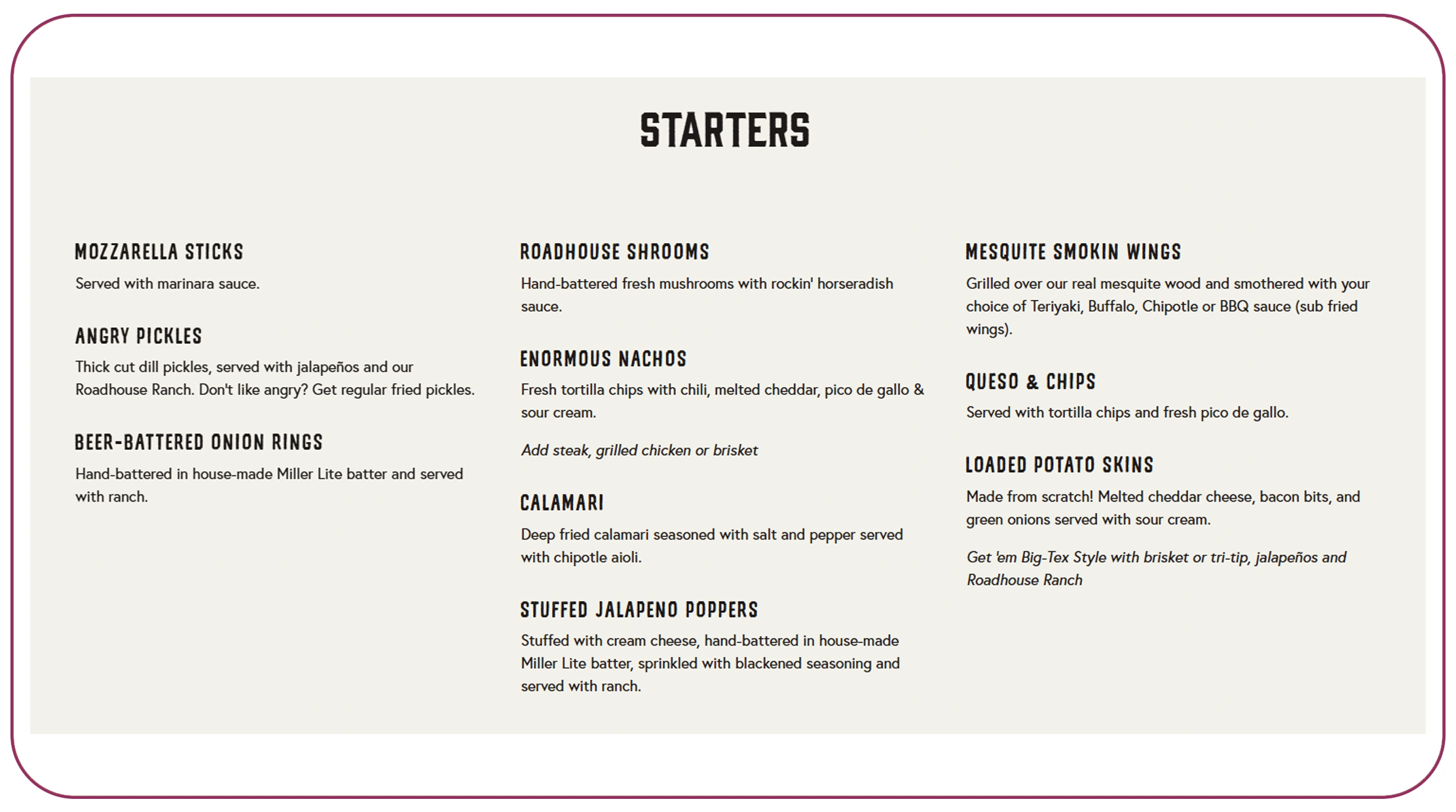
An effective California restaurant menu data collection program draws from multiple source layers, each contributing a different dimension of pricing and competitive intelligence.
Delivery Platforms — DoorDash, Uber Eats, and Grubhub collectively list the vast majority of California's restaurant chains with current item-level menus, pricing, delivery fees, and promotional offers. These platforms are the primary target for any real-time California restaurant menu price data scraping workflow — they reflect what customers are actually paying today, including delivery markup differentials that reveal how chains manage platform commission costs.
Restaurant Websites and Mobile Apps — Chain restaurant websites and branded apps often list dine-in and takeout prices separately from delivery platform prices, making them an essential source for scraping California competitor menu prices across the full price spectrum. Comparing website prices to delivery platform prices for the same item quantifies the delivery markup strategy each chain is employing — a critical input for competitive positioning decisions.
Yelp, Google Maps, and Review Aggregators — Review platforms provide pricing tier classifications, review volume and sentiment trends, peak hours data, and cuisine category rankings by neighborhood — enrichment layers that transform raw menu prices into fully contextualized competitive intelligence for market research purposes.
California Open Data and Health Records — The California Department of Public Health and county environmental health agencies publish restaurant inspection records and licensing data that expose establishment density, new opening rates, and closure patterns by city and ZIP code — powerful inputs for competitive landscape mapping when joined to scraped menu and pricing data.
Tools for Real-Time California Restaurant Menu Price Data Scraping
Python + Playwright
Browser automation for JS-rendered delivery platforms like DoorDash and Uber Eats that load California menu content dynamically
Scrapy
High-throughput crawling framework for simultaneously extracting menus across hundreds of California restaurant locations
BeautifulSoup
Lightweight HTML parser for extracting structured pricing from static chain restaurant websites and California open data portals
Real Data API
Structured food data API with pre-built California restaurant coverage — menu prices, ratings, chain-level benchmarks, and city-wise trends delivered clean and ready to query
Actowiz Solutions
Managed end-to-end food data scraping service for California restaurant chains requiring large-scale, continuous menu price extraction
Web Data Crawler
Scalable multi-platform crawler configured for ongoing extraction of California menu price updates across delivery platforms and chain websites
# Real-time California chain menu price scraper
import asyncio
from playwright.async_api import async_playwright
import pandas as pd
async def scrape_ca_chain_menu(chain_slug, city):
async with async_playwright() as p:
browser = await p.chromium.launch(headless=True)
page = await browser.new_page()
await page.goto( f"https://example-delivery.com/{city}/{chain_slug}", wait_until="networkidle" )
items = await page.query_selector_all(".menu-item")
records = []
for item in items:
name = await item.query_selector(".item-name")
price = await item.query_selector(".item-price")
category = await item.query_selector(".item-section")
records.append({
"city": city,
"chain": chain_slug,
"item": await name.inner_text() if name else None,
"price": await price.inner_text() if price else None,
"category": await category.inner_text() if category else None,
})
await browser.close()
return pd.DataFrame(records)
# Compare same chain across CA cities
la_df = asyncio.run(scrape_ca_chain_menu("in-n-out", "los-angeles"))
sf_df = asyncio.run(scrape_ca_chain_menu("in-n-out", "san-francisco"))
sd_df = asyncio.run(scrape_ca_chain_menu("in-n-out", "san-diego"))
combined = pd.concat([la_df, sf_df, sd_df])
combined.to_csv("ca_chain_menu_comparison.csv", index=False)
Competitive Pricing Insights Web Scraping Reveals
AB 1228 Price Increase Tracking – Regulatory Impact
By scraping menu prices from the same California chain locations before and after the AB 1228 wage increase took effect, analysts built a precise picture of how chains absorbed the cost — some passed it through via across-the-board price hikes, others restructured combo pricing, and a few quietly reduced portion sizes without changing ticket prices. This kind of real-time before-and-after analysis is only possible through systematic California competitor menu price scraping.
City-to-City Price Differential Analysis – Pricing Strategy
Comparing menu prices for the same chain across Los Angeles, San Francisco, San Diego, and Sacramento reveals deliberate geographic pricing strategies — some chains apply uniform statewide prices while others localize aggressively by market. Understanding which approach competitors are using, and at what price points, directly informs expansion pricing decisions for chains entering new California cities.
Delivery vs. Dine-In Price Gap Benchmarking – Platform Intelligence
Scraping both delivery platform prices and restaurant website prices for the same California chain simultaneously quantifies the delivery markup differential — typically 15–25% above dine-in prices across major chains. Monitoring how this gap changes over time, and how competitors are managing it differently, reveals platform commission negotiation dynamics and margin management strategies that are otherwise invisible.
Fast Food Chain Opening Hours Across US Cities
Beyond menu prices, one of the most operationally valuable data points that restaurant chains can extract through web scraping is fast food chain opening hours across US cities. Opening hours data — collected at scale across thousands of chain locations nationwide — reveals operational strategy differences that directly impact competitive positioning and revenue capture.
| Chain | Typical CA Hours | Late-Night Coverage | Delivery Availability |
|---|---|---|---|
| McDonald's (CA) | 6am – 12am | 24hr select locations | Full hours |
| In-N-Out Burger | 10:30am – 1am | 1am Fri–Sat | No delivery |
| Chipotle (CA) | 10:45am – 10pm | Closes 10pm | Full hours |
| Jack in the Box | 6am – 3am | 24hr select | Full hours |
| Panda Express | 10am – 9:30pm | Closes 9:30pm | Delivery varies |
At scale, scraping fast food chain opening hours across US cities reveals patterns that are strategically significant: which chains are expanding late-night operations in specific markets, where 24-hour locations cluster relative to competitor density, and how delivery platform availability hours correlate with evening revenue capture. For California chains evaluating extended hours as a competitive lever, benchmarking against what every major competitor is doing — city by city, neighborhood by neighborhood — provides exactly the context needed to make that decision with data.
Building a California Food Dataset for Market Research

A production-grade California restaurant food dataset built through systematic menu and pricing scraping is far more than a price list. When properly structured and enriched, it becomes the foundation of a comprehensive market research program. The dataset should include canonical chain and location identifiers that resolve across platforms, item-level price histories with timestamps enabling trend analysis over months and quarters, city and neighborhood classification using consistent geographic boundaries, delivery markup flags distinguishing platform prices from direct prices, opening hours by location and day of week, promotional event markers, and rating and review count time series.
This kind of structured food dataset powers applications well beyond competitive pricing — including site selection analysis for new California locations, franchise territory valuation, investor due diligence on California chain performance, and consumer demand forecasting by cuisine category across the state's major metros.
California Food Dataset — Key Fields for Market Research
- Item-level menu prices with platform source, dine-in vs. delivery flag, and timestamp
- Chain-level price index by city — normalized average across all menu items per location
- Opening hours by location, day of week, and holiday schedule across California and US cities
- Delivery platform coverage flags — which platforms carry each chain location in each city
- Review volume and average rating time series for competitive reputation tracking
- Promotional activity log — dates, discount types, and platform where each offer appeared
Conclusion: California's Smartest Restaurant Chains Run on Data
In California's restaurant market, every advantage is hard-won. Labor costs, regulatory complexity, hyper-local consumer preferences, and relentless competitive pressure from new concepts entering every cuisine category mean that pricing decisions made without data are pricing decisions made at risk. Web scraping California restaurant pricing trends, building a structured food dataset from multi-platform menu data, and tracking fast food chain opening hours across California cities and the broader United States gives restaurant chains the market intelligence infrastructure that turns complexity into competitive advantage.
For chains and market research teams seeking this capability without the overhead of managing multi-source scraping pipelines, Real Data API is the most direct path to structured, production-ready California restaurant data. Real Data API provides clean, continuously refreshed access to a comprehensive food dataset covering California restaurant chain menus, item-level pricing, city-wise price benchmarks, opening hours across US cities, delivery platform availability, and market trend signals — all through a food data scraping API purpose-built for competitive intelligence and market research workflows. Whether the goal is benchmarking menu prices across California cities, tracking the impact of regulatory changes on chain pricing, or building a food dataset that powers franchise strategy decisions, Real Data API delivers the data infrastructure that makes it possible — without building it from scratch.
Real Data API — California Restaurant Intelligence, Ready to Query
Access structured California chain menu prices, city-wise pricing benchmarks, fast food opening hours across US cities, delivery platform data, and food market trends — all through a single, clean API built for restaurant chains, analysts, and market research teams.
Pricing figures and opening hours shown are illustrative estimates based on publicly available data. Always verify against current platform listings. Review each platform's Terms of Service before initiating any data collection program.
Latest posts

How Myntra scraper for online fashion retail analytics Helps Track Trends, Prices, and Product Demand
Web scraping services for real-time market insights - How Businesses Can Track Trends and Competitors
How to Use a Meesho ecommerce scraper 2026 to Analyze Product Listings, Pricing, and Market Opportunities
How a Blinkit scraper for retail market research Helps Brands Track Competitor Pricing and Product Trends







.png)