
Introduction
In today’s fast-moving property market, accurate listing information and timely pricing updates are essential for investors, brokers, proptech firms, and analysts. Businesses that rely on outdated listing feeds often struggle with missed opportunities, inconsistent valuations, and slow market response. That’s why companies increasingly use Extract property listings and pricing data From USA Marketplace strategies to gain reliable insights into changing inventory, buyer behavior, and neighborhood pricing shifts. By leveraging Web Scraping Real Estate Data API, businesses can collect structured listing details, price histories, amenities, seller patterns, and market trends at scale.
From rental platforms to residential marketplaces, U.S. property data has become a valuable competitive asset. According to industry estimates, over 80% of homebuyers begin their search online, while listing prices can change multiple times before closing. Real-time access to marketplace intelligence helps businesses improve lead quality, refine valuations, and respond faster than competitors.
This blog explores how real estate data extraction helps solve listing accuracy and competition issues. We’ll examine six critical areas shaping the U.S. property market from 2020 to 2026, backed by stats and insights that show why data-driven decisions are becoming the new standard.
Market Signals That Improve Property Valuation Accuracy

Property prices in the U.S. have seen significant fluctuations over the last six years due to inflation, migration, mortgage rates, and regional housing shortages. Businesses that Scrape real estate property price trends in USA gain deeper visibility into micro-market shifts that traditional reports often miss.
Accurate listing intelligence helps:
- Identify neighborhood-level appreciation trends
- Detect underpriced or overpriced listings
- Compare historical and current asking prices
- Improve automated valuation models (AVMs)
| Year | Avg. USA Home Price Growth | Key Trend |
|---|---|---|
| 2020 | 6.8% | Pandemic migration surge |
| 2021 | 15.4% | Record demand |
| 2022 | 10.1% | Rate hikes begin |
| 2023 | 4.3% | Stabilization |
| 2024 | 5.1% | Urban recovery |
| 2025 | 4.9% | Inventory shifts |
| 2026* | 4.6% | Balanced market forecast |
By tracking marketplace listings in real time, businesses can compare price changes by ZIP code, property type, and listing age. This allows agencies and investors to reduce pricing errors and identify opportunities before market reports are published.
In competitive regions such as Texas, Florida, and Arizona, timely listing updates can mean the difference between acquiring profitable inventory and missing a deal. Property intelligence also supports better negotiation strategies and portfolio risk assessment. Businesses that integrate listing data into pricing models gain a measurable edge in both short-term transactions and long-term planning.
Faster Response to Price Changes in Competitive Markets
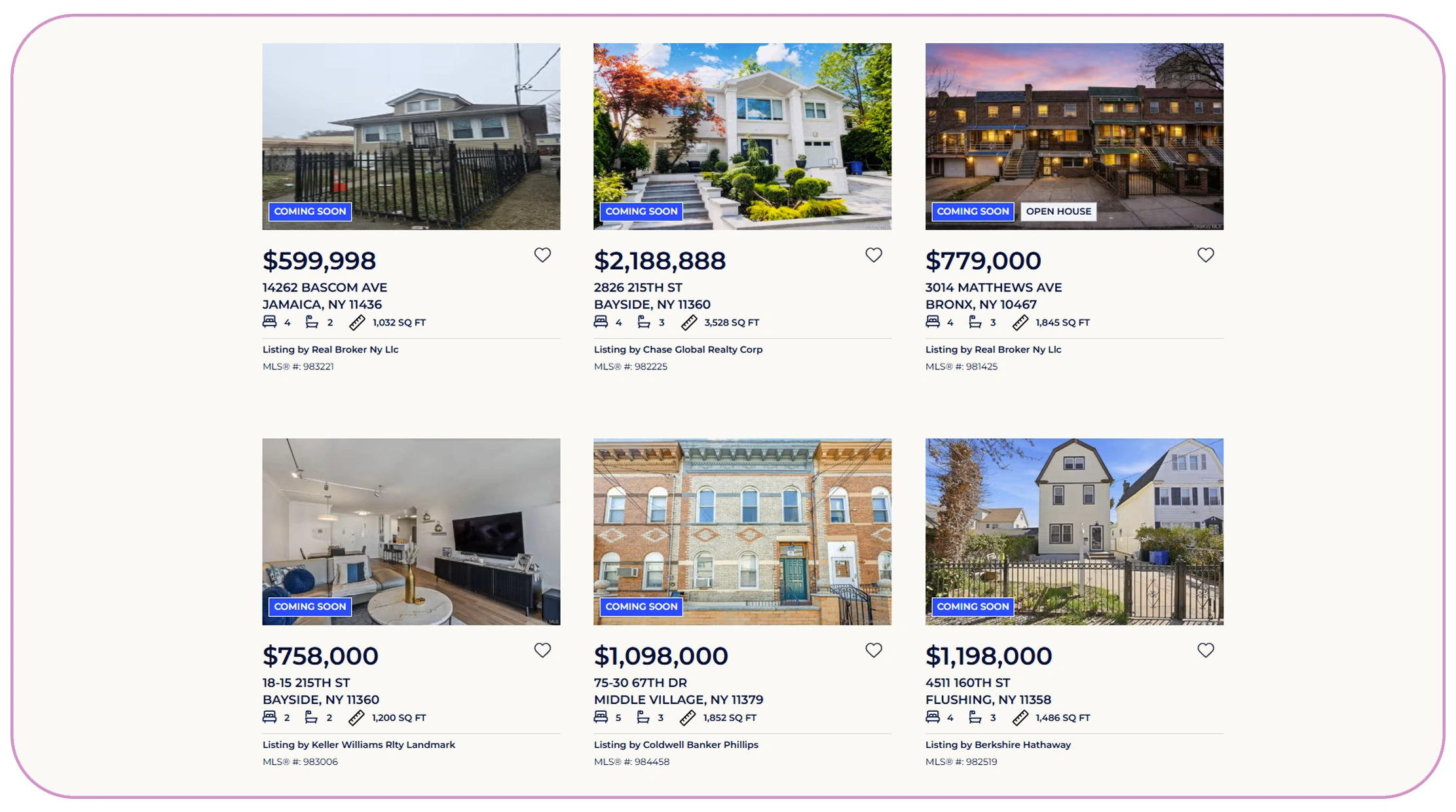
The U.S. real estate market moves quickly, especially in high-demand metros. With real-time real estate price monitoring using data scraping USA, businesses can react instantly to listing edits, price drops, inventory changes, and seller activity.
Real-time price tracking solves issues like:
- Delayed competitor awareness
- Missed discount opportunities
- Slow inventory refresh cycles
- Inaccurate lead qualification
Marketplace data reveals live changes that static databases often miss. For example, a property listed at $450,000 may drop to $429,000 within days based on buyer demand.
Benefits of Live Monitoring:
- Better pricing recommendations for clients
- Faster lead scoring for agents
- Early access to hot listings
- Smarter rental investment decisions
| Metric | Without Live Data | With Live Monitoring |
|---|---|---|
| Listing refresh speed | 24–72 hrs | Real-time |
| Price drop alerts | Delayed | Instant |
| Lead conversion | Moderate | Higher |
| Competitive response | Slow | Fast |
Between 2020 and 2026, listing turnover in top U.S. cities increased by nearly 22%, making speed a major differentiator. Businesses that automate data extraction can monitor thousands of listings daily without manual effort.
Real-time marketplace intelligence also helps rental platforms optimize occupancy and pricing. Whether tracking short-term rentals or residential homes, live pricing visibility enables businesses to stay agile and maintain accuracy in rapidly changing environments.
Smarter Competitive Benchmarking Across Regions
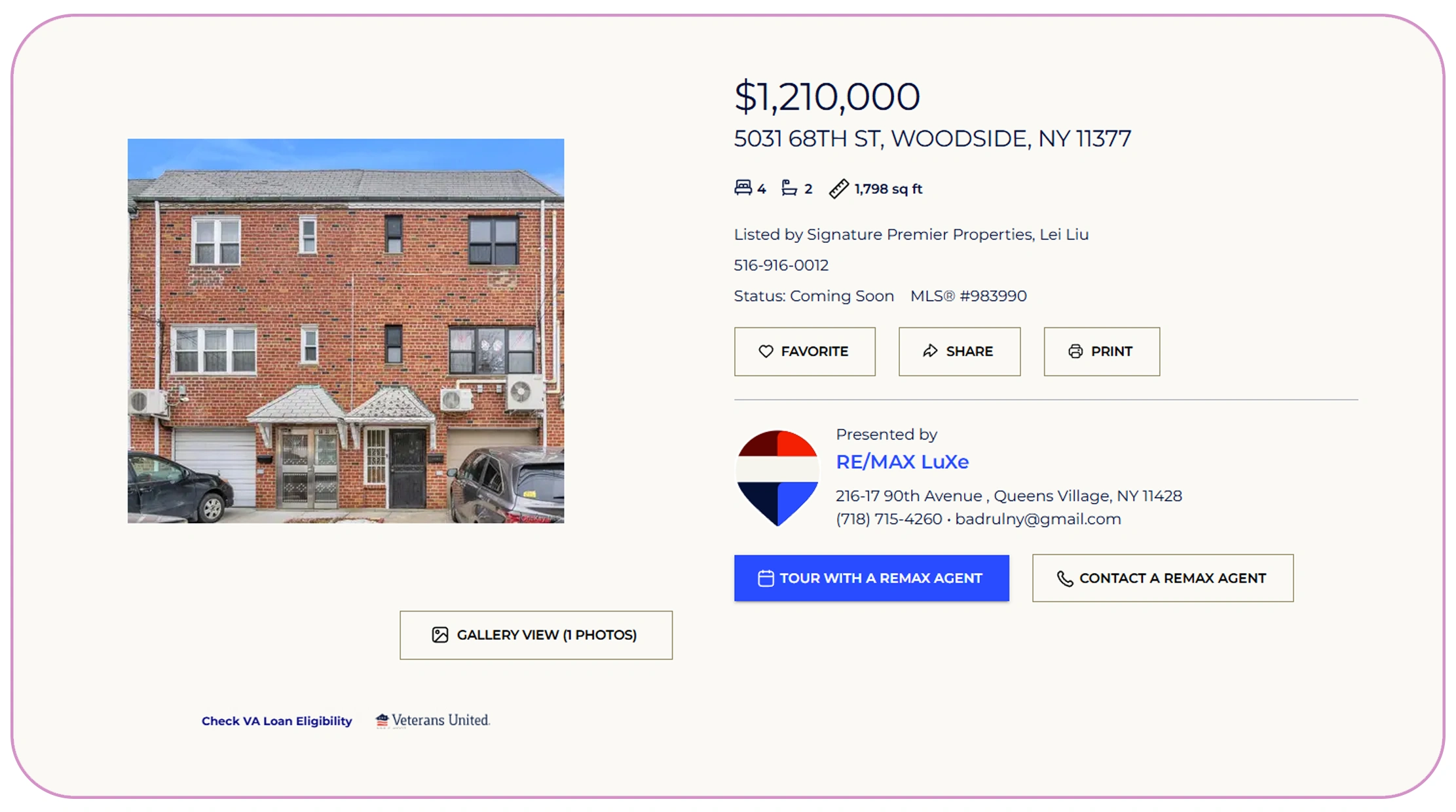
Competition in real estate is no longer limited to local agencies. National portals, investors, and institutional buyers all compete for the same opportunities. This is where Web scraping solutions for USA real estate price intelligence become essential.
Competitive intelligence helps businesses:
- Compare listing strategies across competitors
- Track time-on-market performance
- Analyze amenities driving price premiums
- Understand regional pricing gaps
Real estate platforms can benchmark:
- Similar properties in nearby ZIP codes
- Listing descriptions and image strategies
- Seller frequency and broker activity
| Region | Avg. Listing Competition Growth |
|---|---|
| California | 31% |
| Texas | 28% |
| Florida | 34% |
| New York | 22% |
| Arizona | 26% |
This data enables firms to identify where competitors are pricing aggressively or where listing gaps exist. For example, investors can detect neighborhoods where properties are selling below nearby market averages.
Price intelligence also supports better campaign targeting. Brokers can market homes more effectively by aligning pricing with buyer expectations and local demand signals.
Ultimately, structured property data turns guesswork into actionable insights, allowing businesses to compete smarter instead of simply reacting to market changes.
Understanding Buyer Demand and Inventory Patterns
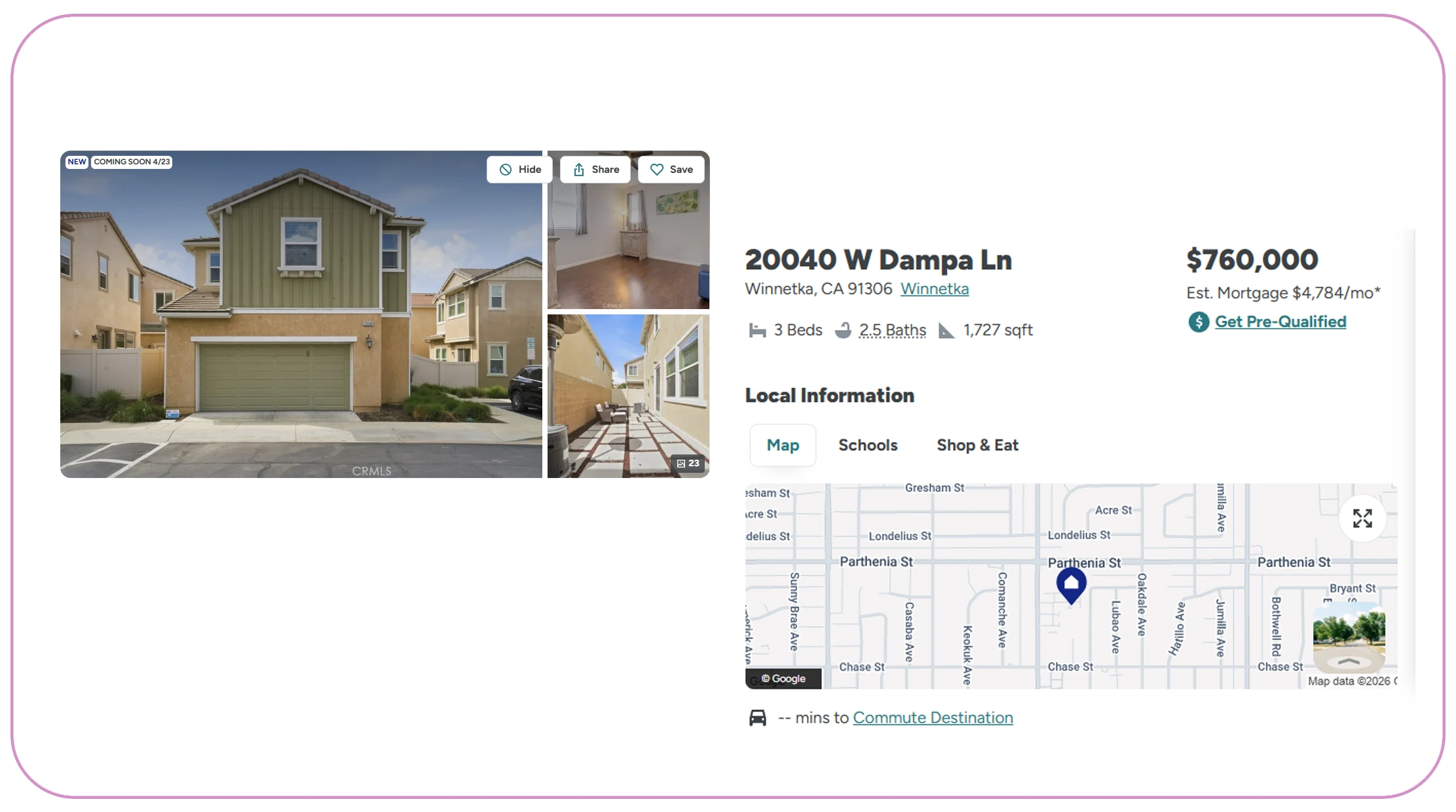
Understanding what buyers want—and where demand is shifting—is critical to market success. Businesses using a housing demand and pricing trends data scraper can uncover patterns that help improve acquisition, pricing, and inventory decisions.
Demand insights include:
- Popular property types
- Preferred price ranges
- Search hotspots
- Seasonal trends
For example:
- Suburban homes surged in demand during 2020–2021
- Multifamily rentals rose in 2022–2024
- Smart-home properties gained premium value in 2025
| Year | Key Demand Trend |
|---|---|
| 2020 | Remote work relocation |
| 2021 | Low mortgage-driven buying |
| 2022 | Affordability concerns |
| 2023 | Rental demand growth |
| 2024 | Secondary city expansion |
| 2025 | Sustainable homes |
| 2026* | Smart housing demand |
Demand tracking helps businesses:
- Improve location targeting
- Predict inventory shortages
- Plan marketing campaigns
- Refine buyer personas
Without accurate demand data, firms risk overpricing, delayed sales, or investing in low-performing markets.
Real-time listing intelligence also helps developers identify where to launch new projects based on supply-demand balance. With marketplace data, companies can move from reactive decisions to proactive market positioning.
Building Reliable Property Intelligence Systems
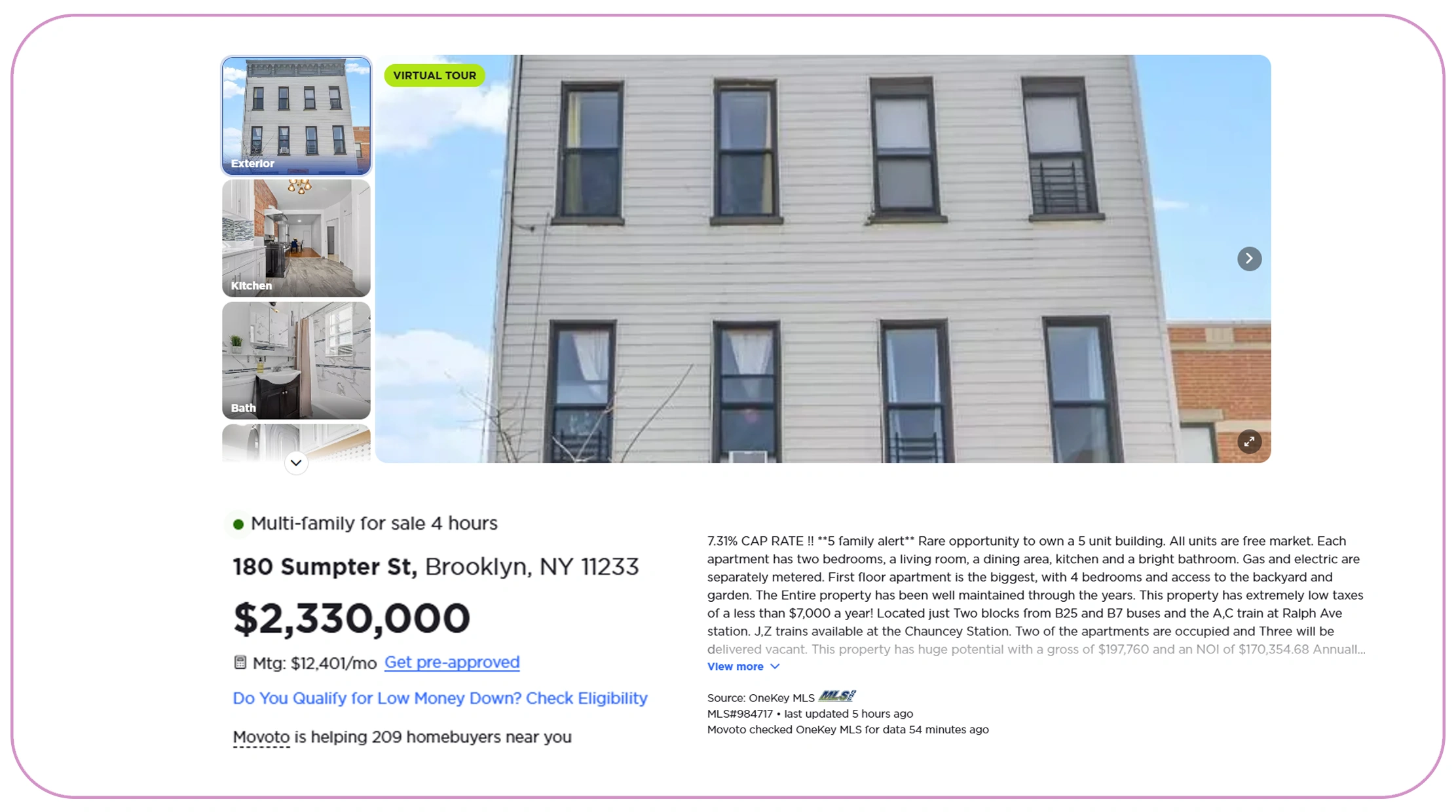
Scalable real estate operations depend on clean, structured, and comprehensive Real Estate Dataset pipelines. Raw listing pages alone are not enough—businesses need standardized property data that supports analytics, automation, and reporting.
A quality dataset includes:
- Address and ZIP code
- Property type and size
- Bedrooms/bathrooms
- Price history
- Listing duration
- Amenities
- Agent details
Why Structured Data Matters:
- Better forecasting models
- CRM integration
- Lead segmentation
- Investment scoring
From 2020 to 2026, proptech adoption increased sharply, with over 60% of real estate firms investing in data tools.
| Dataset Use Case | Business Impact |
|---|---|
| Price forecasting | Higher valuation accuracy |
| Lead targeting | Better conversions |
| Investment analysis | Reduced risk |
| Market reporting | Faster decisions |
A strong dataset reduces duplicate listings, false pricing signals, and incomplete records. It also enables cross-platform comparisons, helping firms validate listing authenticity.
Reliable data infrastructure is especially valuable for:
- MLS aggregators
- Investment firms
- Real estate marketplaces
- Mortgage providers
Structured listing data is now a foundation for long-term growth and operational efficiency.
Continuous Visibility for Smarter Decision-Making

Consistent Price Monitoring helps businesses stay ahead of fluctuations and reduce revenue leakage. U.S. property markets can shift weekly based on mortgage rates, economic news, or local inventory spikes.
Continuous monitoring supports:
- Listing freshness validation
- Seller behavior analysis
- Dynamic pricing updates
- Risk reduction
For example:
- Detect repeated price drops indicating distress
- Identify overpriced assets sitting too long
- Spot emerging high-demand areas
Key Outcomes:
- Better pricing accuracy
- Faster acquisition cycles
- Stronger client trust
- Higher ROI
| Monitoring Factor | Value Delivered |
|---|---|
| Daily listing scans | Real-time insights |
| Price change alerts | Faster action |
| Trend dashboards | Strategic planning |
| Regional comparisons | Market clarity |
By 2026, firms using automated monitoring are expected to outperform slower competitors in lead conversion and deal closure rates.
Businesses that continuously monitor property data are better prepared for market shifts and can make informed decisions faster than firms relying on delayed reports.
Why Choose Real Data API?
Real Data API helps businesses unlock actionable property intelligence with reliable Web Scraping Services tailored to the U.S. real estate market. Our solutions are designed to support agencies, investors, brokers, and analytics firms with scalable tools that reduce manual effort and improve market visibility.
Why businesses trust us:
- Real-time listing updates
- Clean and structured datasets
- Custom API integrations
- Geo-specific monitoring
- Scalable delivery pipelines
With expertise in marketplace intelligence, we help clients Extract property listings and pricing data From USA Marketplace efficiently and securely.
Whether you need rental trends, price intelligence, or lead enrichment, Real Data API provides dependable real estate data solutions that support smarter business growth.
Conclusion
As listing volumes grow and pricing becomes more dynamic, accurate property intelligence is essential for staying competitive. Businesses that Extract property listings and pricing data From USA Marketplace gain faster access to opportunities, better pricing visibility, and stronger market positioning.
From live listing updates to predictive demand analysis, data extraction solves the biggest challenges in listing accuracy and competition. Companies that invest in real-time marketplace intelligence can improve decision-making, reduce risk, and unlock higher returns.
Ready to transform your real estate strategy? Partner with Real Data API today to access accurate, scalable marketplace data that drives smarter property decisions!
Latest posts
E-commerce data scraper for inventory analysis 2027 - Real-Time Stock Tracking and Demand Forecasting

How Meesho API data extraction for product research Helps E-Commerce Brands Improve Product Selection and Market Intelligence?
How AliExpress API integration for automated data collection Streamlines Product Monitoring, Price Tracking, and Seller Intelligence

How H&M data scraping for fashion retail analytics Enhances Stock Monitoring, Apparel Pricing, and Product Category Insights







.png)