
Introduction
In today’s hyper-competitive food delivery landscape, data has become the backbone of smart decision-making. Platforms like Uber Eats and DoorDash generate massive volumes of real-time data, including restaurant listings, menu prices, customer ratings, and delivery trends. Businesses that can harness this data gain a significant advantage in pricing strategy, menu optimization, and market positioning.
To stay ahead, companies are increasingly turning to advanced data extraction techniques to extract Uber Eats and DoorDash food delivery data in New Zealand and uncover actionable insights. From identifying top-performing dishes to tracking competitor pricing changes, data-driven strategies eliminate guesswork and enable precision.
Additionally, businesses can Scrape DoorDash Restaurant List and Menu Data to understand market saturation, cuisine demand, and regional preferences. This approach helps restaurants, aggregators, and SaaS platforms refine their offerings and improve profitability. As New Zealand’s food delivery market continues to expand, leveraging structured data is no longer optional—it’s essential for sustainable growth.
Understanding Market Dynamics Through Data
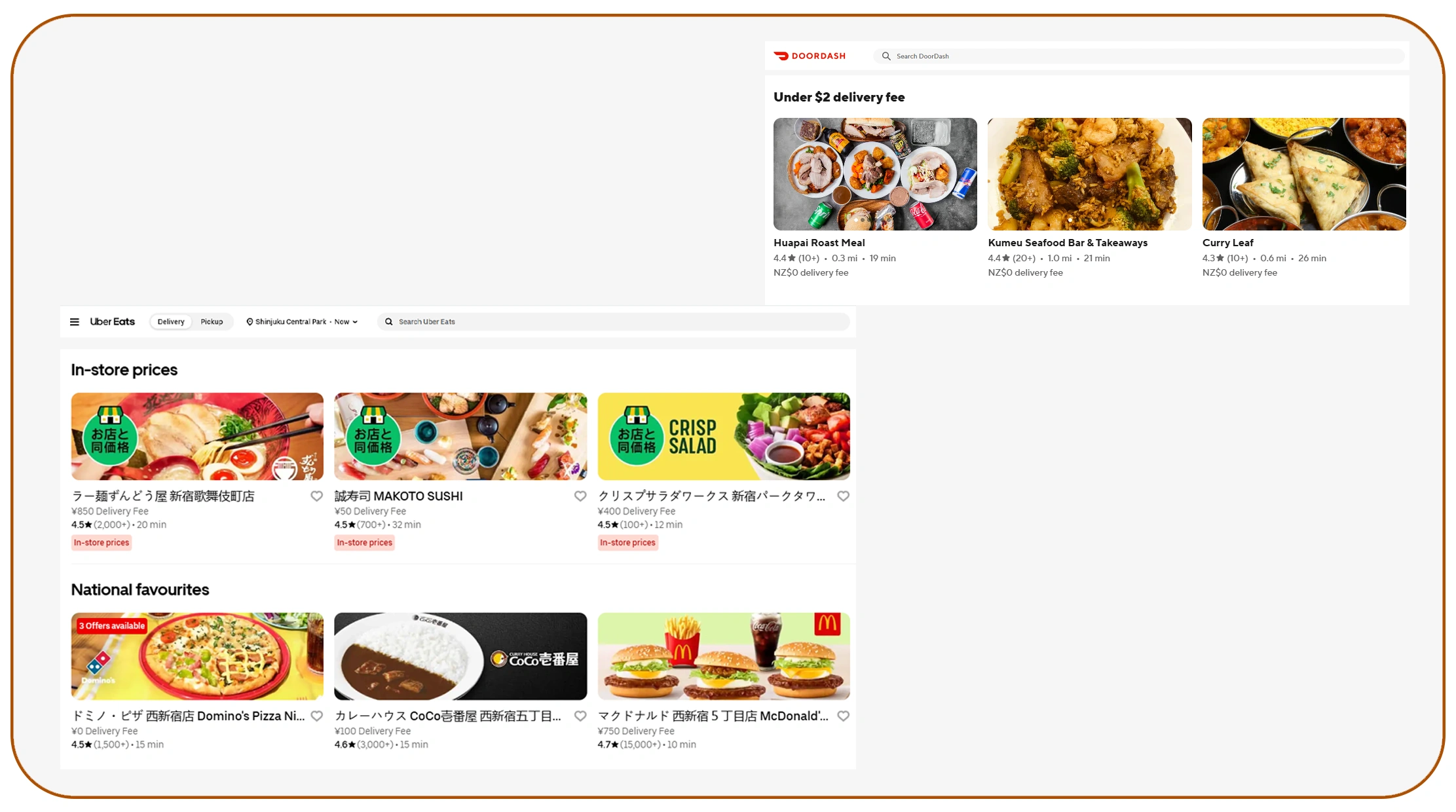
Food delivery platforms in New Zealand have experienced rapid growth between 2020 and 2026, driven by changing consumer behavior and increased digital adoption. Restaurants now rely on data insights to understand market trends, customer demand, and competitive positioning.
By leveraging tools to scrape Uber Eats and DoorDash data for restaurant insights in NZ, businesses can access granular information about restaurant density, cuisine popularity, and pricing benchmarks. This data enables companies to identify underserved areas and expand strategically.
From 2020 to 2026, the number of food delivery users in New Zealand has grown significantly, with urban regions accounting for the majority of orders. Restaurants that analyze competitor menus and pricing structures can better position themselves within this ecosystem.
Table: Food Delivery Growth Trends (2020–2026)
| Year | Users (Millions) | Avg Order Value (NZD) | Growth Rate (%) |
|---|---|---|---|
| 2020 | 2.1 | 28 | 12% |
| 2021 | 2.5 | 30 | 18% |
| 2022 | 2.9 | 32 | 16% |
| 2023 | 3.3 | 34 | 14% |
| 2024 | 3.7 | 36 | 12% |
| 2025 | 4.0 | 38 | 10% |
| 2026 | 4.3 | 40 | 8% |
With such steady growth, extracting structured data helps businesses stay aligned with evolving market demands and make informed operational decisions.
Leveraging Pricing and Ratings Intelligence
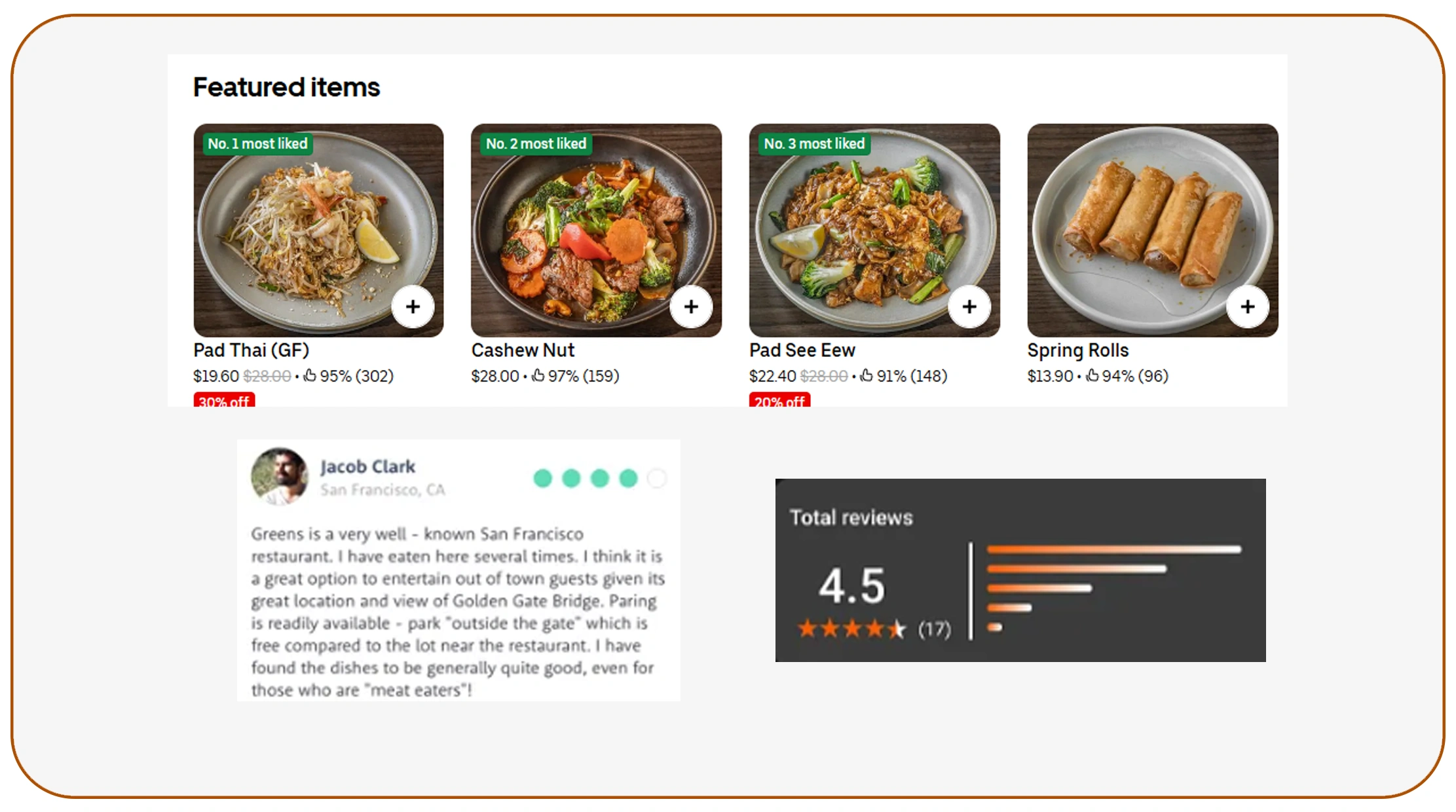
Pricing transparency and customer feedback are critical factors influencing food delivery success. Restaurants often struggle to maintain competitive pricing while ensuring profitability.
Using techniques for scraping menu prices and ratings data from Uber Eats and DoorDash, businesses can monitor competitor pricing strategies and adjust their own offerings accordingly. This includes tracking discounts, surge pricing, and seasonal variations.
Ratings data also plays a crucial role in understanding customer satisfaction. By analyzing review patterns, restaurants can identify common complaints and improve service quality. Between 2020 and 2026, customer reliance on ratings has increased significantly, making it a key decision-making factor.
Table: Impact of Ratings on Customer Choices
| Rating Range | Conversion Rate (%) | Customer Trust Level |
|---|---|---|
| 4.5 – 5.0 | 85% | Very High |
| 4.0 – 4.4 | 70% | High |
| 3.5 – 3.9 | 50% | Average |
| Below 3.5 | 30% | Low |
By combining pricing and ratings intelligence, businesses can create optimized menus that balance affordability with quality perception.
Building Scalable Data Extraction Systems
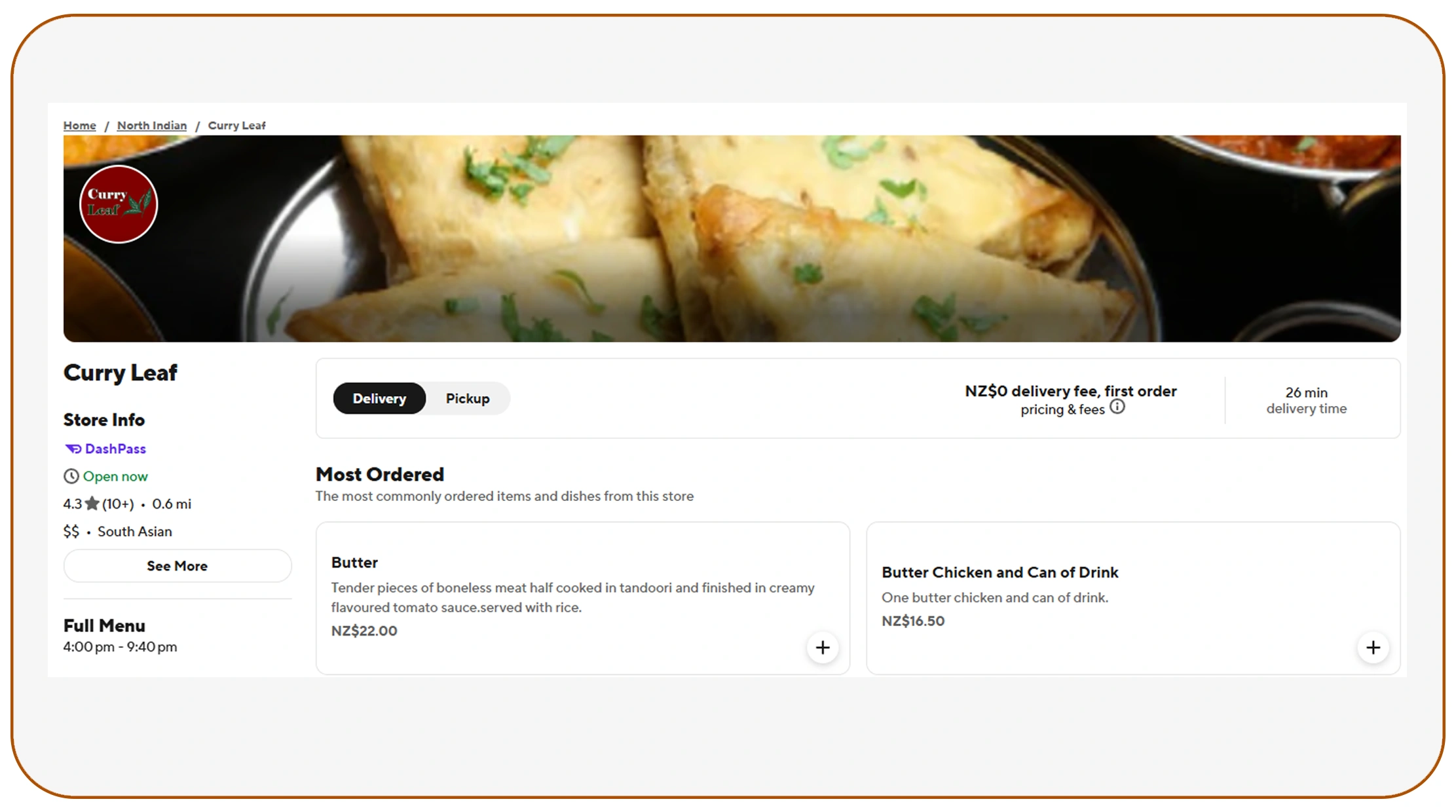
As the demand for data increases, businesses need scalable solutions to handle large datasets efficiently. A New Zealand food delivery apps data scraper enables automated extraction of structured information from multiple platforms.
These systems collect data such as restaurant names, cuisines, delivery times, pricing, and availability. Automation ensures consistency and reduces manual effort, allowing businesses to focus on analysis rather than data collection.
Between 2020 and 2026, the adoption of data scraping tools has grown rapidly among SaaS providers and analytics firms. Companies are investing in robust APIs and cloud-based solutions to process millions of data points daily.
Table: Adoption of Data Scraping Tools (2020–2026)
| Year | Adoption Rate (%) | Key Users |
|---|---|---|
| 2020 | 25% | Startups |
| 2021 | 35% | SMEs |
| 2022 | 45% | Mid-size enterprises |
| 2023 | 55% | SaaS platforms |
| 2024 | 65% | Analytics firms |
| 2025 | 72% | Large enterprises |
| 2026 | 80% | Industry-wide adoption |
Scalable scraping infrastructure ensures businesses can keep up with real-time changes in the food delivery ecosystem.
Understanding Customer Behavior Patterns
Customer preferences play a vital role in shaping menu strategies and marketing campaigns. By performing NZ customer preferences analysis via Uber Eats and DoorDash data, businesses can uncover trends related to cuisine choices, ordering frequency, and spending habits.
From 2020 to 2026, there has been a noticeable shift toward healthier options and premium dining experiences. Customers are also increasingly influenced by promotions and personalized recommendations.
Analyzing this data helps businesses tailor their offerings to meet evolving consumer demands. For example, identifying peak ordering times allows restaurants to optimize staffing and delivery logistics.
Table: Popular Cuisine Trends in New Zealand
| Cuisine Type | Popularity (%) 2020 | Popularity (%) 2026 |
|---|---|---|
| Fast Food | 40% | 35% |
| Asian | 25% | 30% |
| Healthy | 10% | 18% |
| Italian | 15% | 12% |
| Others | 10% | 5% |
Understanding these patterns enables businesses to stay relevant and competitive in a dynamic market.
Enhancing Restaurant Listings and Visibility
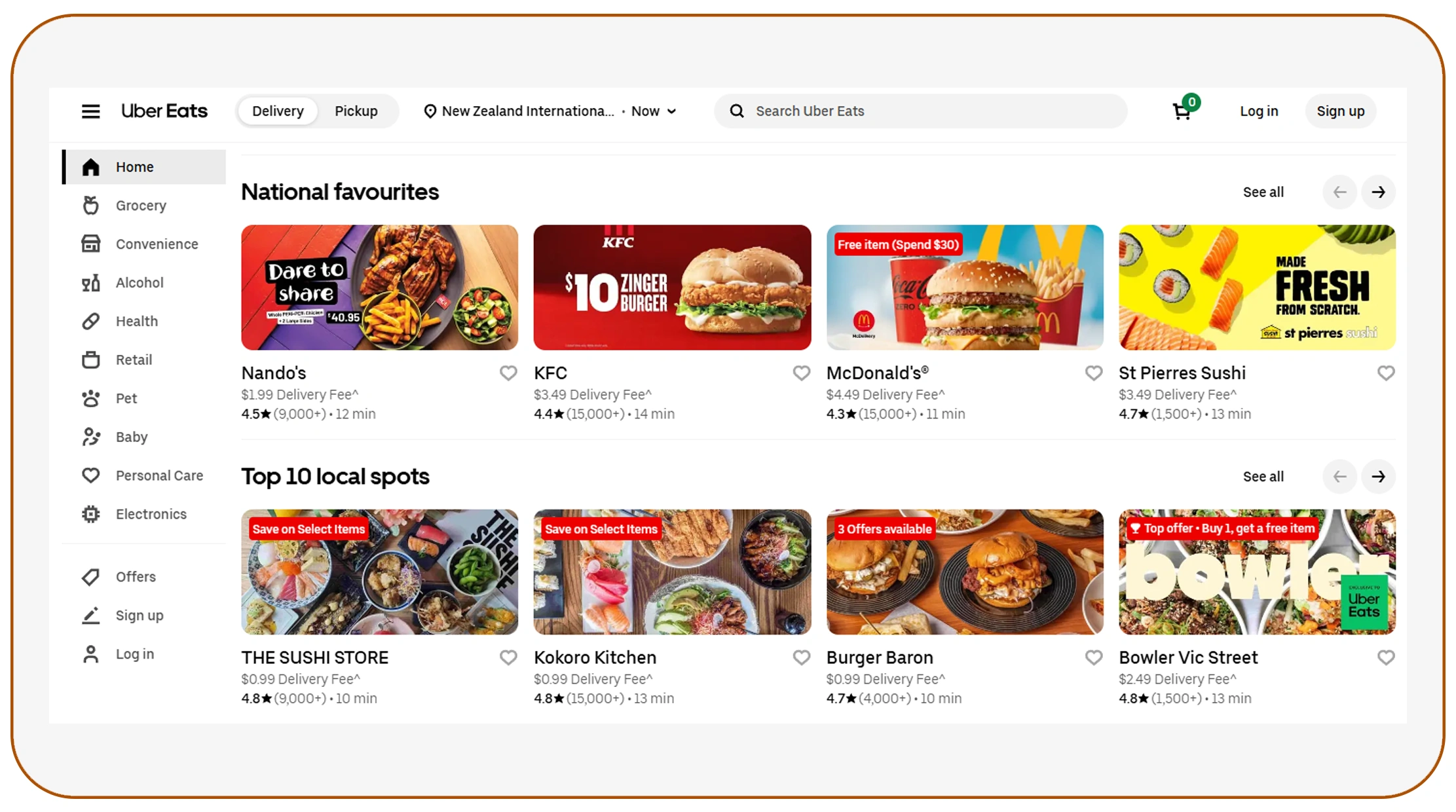
Accurate and comprehensive restaurant data is essential for visibility and customer engagement. By leveraging methods to Scrape Uber Eats Restaurant List and Menu Data, businesses can maintain updated records of restaurant offerings and availability.
This data helps aggregators and SaaS platforms build detailed directories, enabling users to discover restaurants easily. It also supports better categorization and filtering, improving the overall user experience.
From 2020 to 2026, the number of restaurants listed on food delivery platforms has grown significantly, increasing competition. Businesses that maintain accurate listings and highlight unique selling points are more likely to attract customers.
Table: Growth in Restaurant Listings
| Year | Restaurants Listed (Thousands) |
|---|---|
| 2020 | 15 |
| 2021 | 18 |
| 2022 | 21 |
| 2023 | 24 |
| 2024 | 27 |
| 2025 | 30 |
| 2026 | 34 |
Structured data extraction ensures businesses can manage listings effectively and stay competitive.
Accessing Comprehensive Restaurant Insights
Detailed restaurant data provides deeper insights into operations, customer engagement, and market positioning. By using techniques to Scrape Uber Eats Restaurant Full Details, businesses can gather information such as delivery times, pricing tiers, reviews, and promotional offers.
This comprehensive dataset allows companies to perform advanced analytics, including competitor benchmarking and performance tracking. Between 2020 and 2026, the demand for full-detail datasets has increased as businesses seek more precise insights.
Table: Key Data Points Extracted
| Data Type | Use Case |
|---|---|
| Menu Items | Menu optimization |
| Pricing | Competitive analysis |
| Ratings | Quality improvement |
| Delivery Time | Logistics optimization |
| Reviews | Customer sentiment analysis |
Access to detailed data empowers businesses to make strategic decisions and improve overall performance.
Why Choose Real Data API?
Real Data API offers reliable and scalable solutions for food delivery data extraction. Businesses can Scrape Food Delivery Trend Analysis via DoorDash API, extract Uber Eats and DoorDash food delivery data in New Zealand to gain real-time insights into market trends, pricing strategies, and customer behavior.
With advanced infrastructure, Real Data API ensures high accuracy, fast data delivery, and seamless integration with analytics platforms. Whether you are a startup or an enterprise, these solutions help you unlock the full potential of food delivery data.
Conclusion
In a rapidly evolving market, the ability to extract Uber Eats and DoorDash food delivery data in New Zealand provides a significant competitive edge. From pricing intelligence to customer insights, data-driven strategies enable businesses to make informed decisions and achieve sustainable growth.
Leverage the power of Real Data API today to transform your food delivery analytics and stay ahead of the competition.
Latest posts
How Foodpanda Food Dataset Helps Businesses Track Restaurants, Menus, Prices, Ratings, and Food Delivery Trends?

How IKEA E-commerce Dataset Helps Businesses Solve Product, Pricing, Category, and Retail Trend Challenges?
How Target e-commerce dataset Helps Brands Track Products, Prices, Availability, and Retail Market Trends for Smarter Insights?

How Dior fashion dataset Helps Brands Track Luxury Products, Prices, Collections, and Fashion Trends for Smarter Insights?






.png)