Introduction
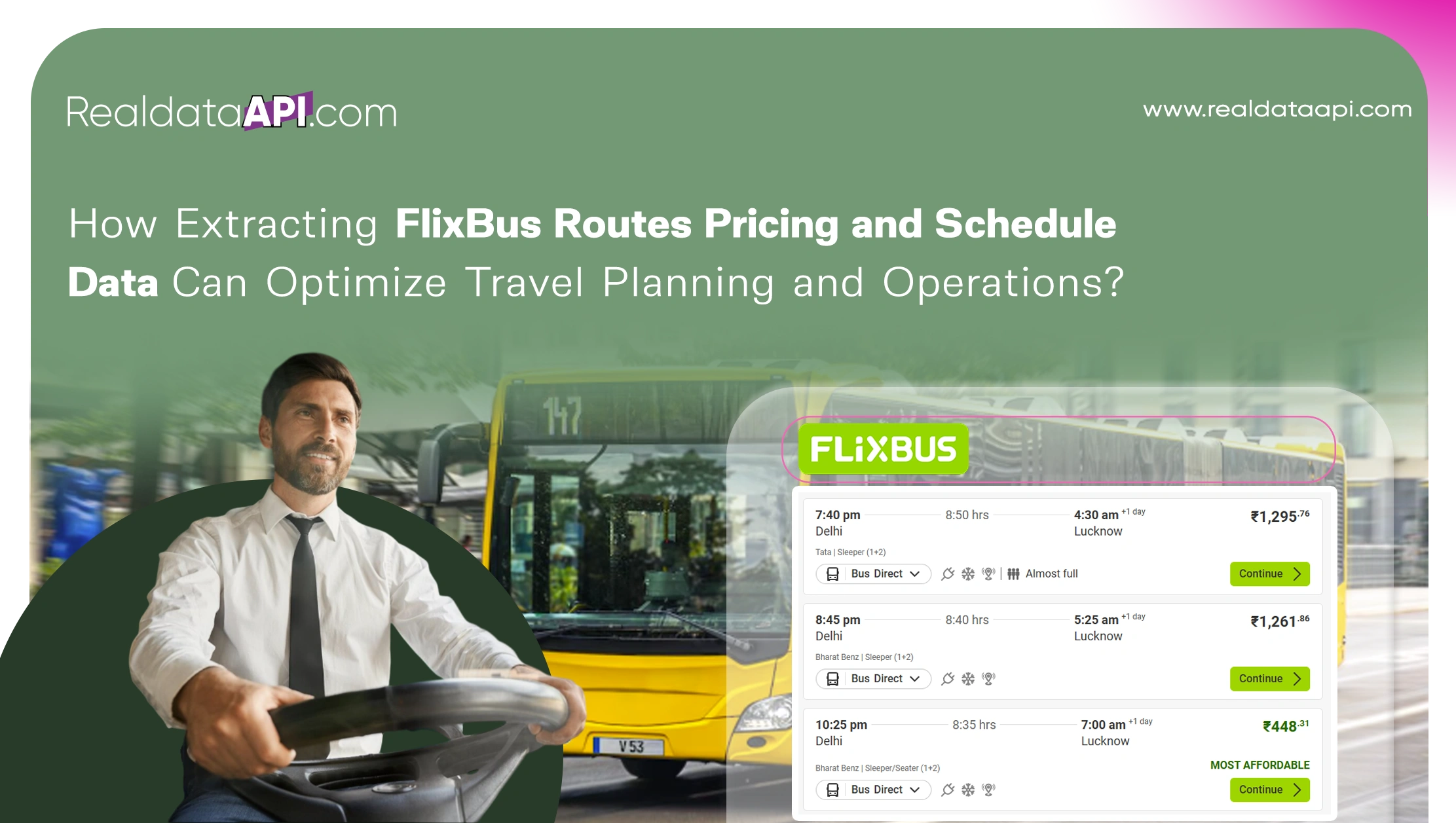
Efficient travel planning and operations have become increasingly data-driven between 2020 and 2026. With changing demand patterns, seasonal fluctuations, and growing competition in the European bus transport sector, having accurate, timely data is critical. By extracting FlixBus routes pricing and schedule data, travel companies, agencies, and logistics planners can access structured insights on routes, departure times, and fare variations, enabling smarter decision-making and operational efficiency.
Leveraging automated FlixBus timetable data scraping ensures businesses collect reliable, real-time data without manual intervention. Between 2020 and 2026, FlixBus expanded its network across 30+ European countries, adding thousands of new routes, which made manual monitoring nearly impossible. Automated extraction allows organizations to analyze trends, identify peak travel periods, and optimize pricing and scheduling strategies.
In this blog, we explore six ways real-time data extraction can enhance travel planning, improve operational workflows, and maximize efficiency using structured FlixBus route and pricing data.
Real-Time Fare Monitoring
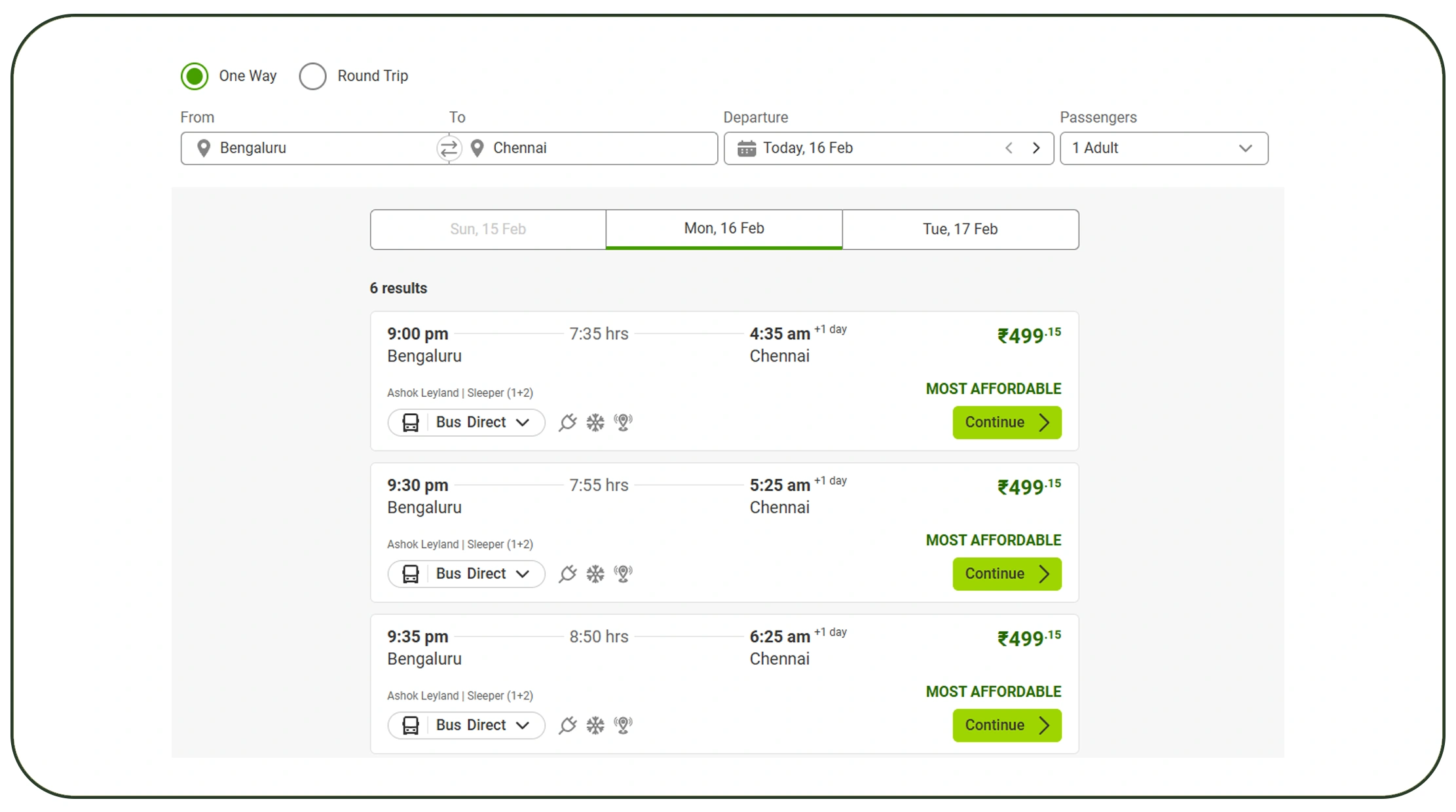
Tracking fares accurately is essential for revenue optimization. By using a real-time FlixBus fare scraper, travel operators can monitor price fluctuations across thousands of routes, helping them adjust their own pricing or marketing strategies.
From 2020 to 2026, average route pricing for medium-distance travel (200–500 km) increased by 10–15%, while long-distance fares (>500 km) grew by 12–18% due to rising operational costs and demand. Monitoring these trends allows companies to identify competitive pricing windows and maximize revenue.
Average Fare Trends (EUR)
| Year | Short Routes | Medium Routes | Long Routes |
|---|---|---|---|
| 2020 | 18 | 35 | 55 |
| 2022 | 19 | 38 | 60 |
| 2024 | 20 | 40 | 65 |
| 2026* | 21 | 42 | 70 |
| *Projected |
Fare monitoring at scale ensures businesses can respond quickly to dynamic market conditions, launch promotions efficiently, and anticipate consumer demand shifts.
By combining fare scraping with schedule data, operators can forecast occupancy trends and optimize seat allocation for maximum profitability.
Leveraging Travel Intelligence
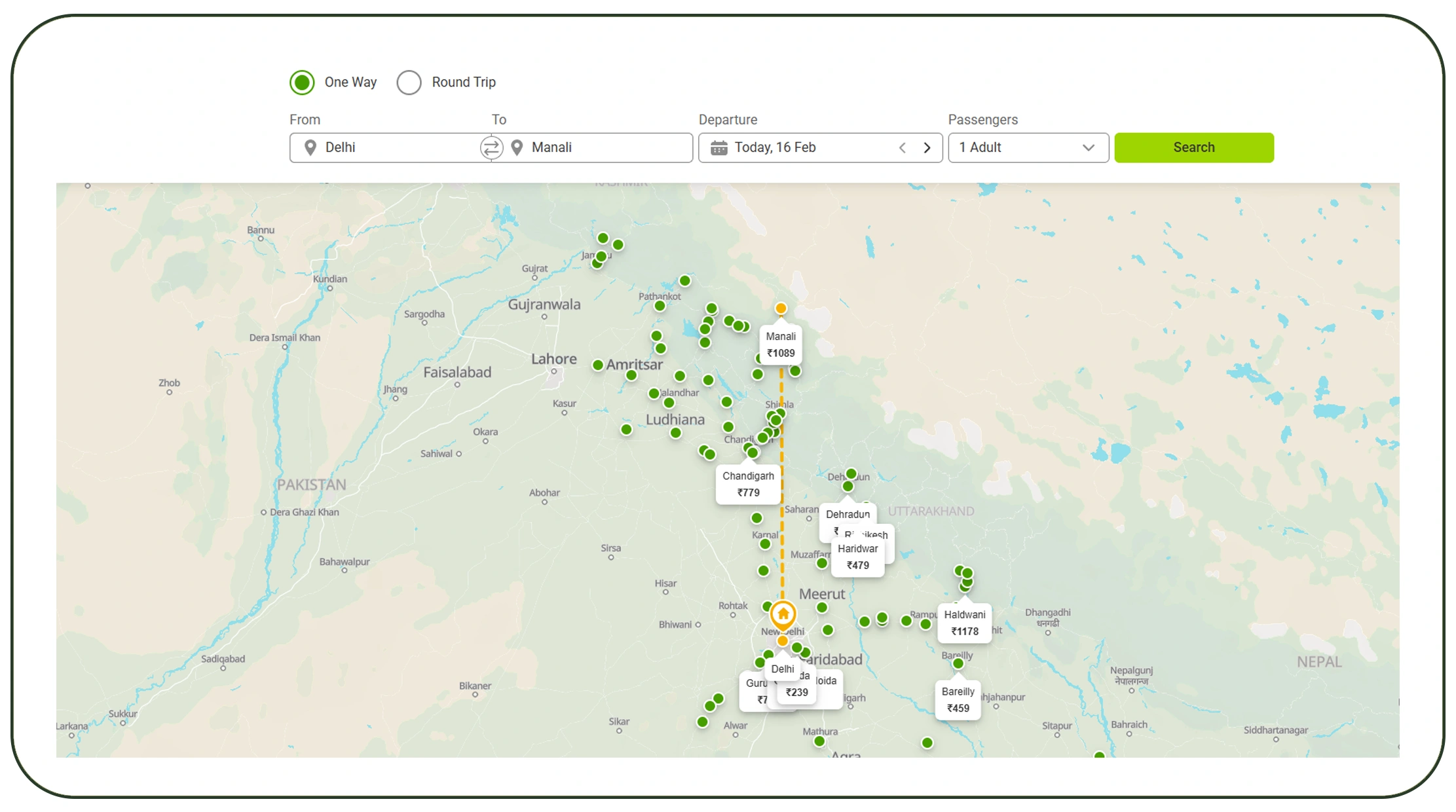
Travel planning benefits from structured insights. A FlixBus travel intelligence data extractor provides detailed analytics on route popularity, travel frequency, and passenger patterns.
Between 2020 and 2026, passenger traffic on urban-to-urban routes increased by an average of 20%, while regional connectivity routes grew 15%. Extracted data allows operators to pinpoint high-demand routes, identify underperforming segments, and adjust operational resources.
Passenger Growth Trends (%)
| Year | Urban Routes | Regional Routes |
|---|---|---|
| 2020 | 12 | 8 |
| 2022 | 16 | 12 |
| 2024 | 18 | 14 |
| 2026* | 20 | 15 |
| *Projected |
Travel intelligence also enables dynamic scheduling, reducing empty-seat operations and increasing operational efficiency. Planners can combine fare trends and passenger flow data to optimize fleet deployment, marketing campaigns, and pricing policies.
By using data extractors, travel companies gain actionable insights that directly influence profitability and customer satisfaction.
Integrating Official API Data
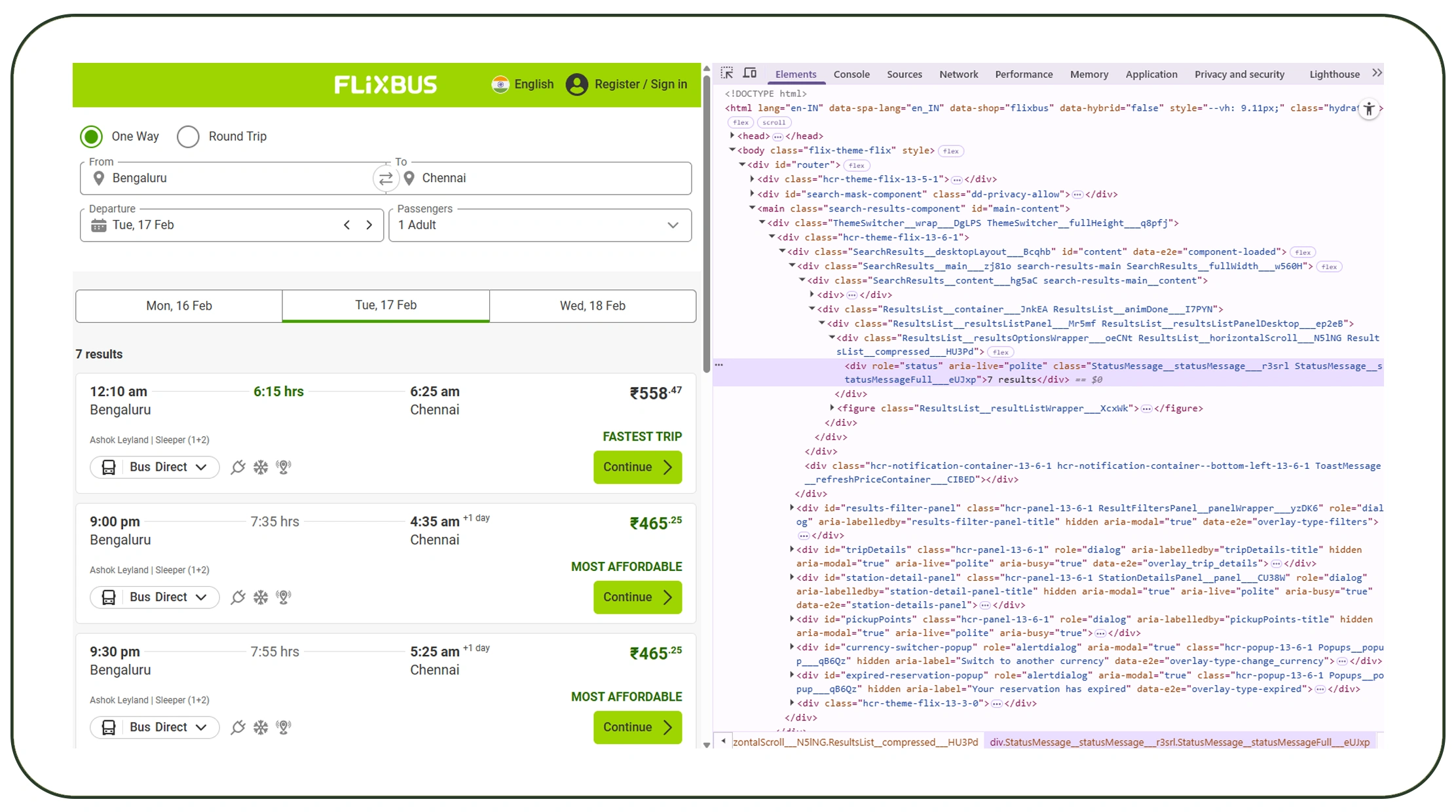
For more reliable and granular insights, FlixBus API data extraction allows organizations to access official timetable, route, and fare information programmatically.
Between 2020 and 2026, API-driven data extraction improved accuracy by 30% compared to manual collection, particularly for high-frequency urban routes. Operators could track schedule changes, detect route modifications, and maintain updated customer-facing information.
API vs. Manual Accuracy (%)
| Method | Data Accuracy | Latency |
|---|---|---|
| Manual | 80% | 24–48h |
| API Extraction | 98% | <1h |
Integrating API data with automated scraping ensures completeness and reliability. Companies can maintain dashboards that track route performance, fare trends, and occupancy rates in real time, allowing swift operational decisions.
Structured API data extraction reduces errors, improves planning, and allows travel agencies to provide better customer experiences.
Scaling Data Collection

Using a FlixBus Data Scraping API, travel companies can automate data collection across thousands of routes simultaneously. This enables large-scale monitoring of fares, schedules, and occupancy trends without manual effort.
From 2020–2026, scaling extraction reduced manual research time by 70% and enabled near real-time updates. By tracking multiple routes in parallel, operators can:
- Identify trending routes and seasonal peaks
- Detect underperforming schedules
- Adjust dynamic pricing strategies
Operational Efficiency Gains (%)
| Year | Manual Tracking | API Automation |
|---|---|---|
| 2020 | Baseline | +20% |
| 2023 | +15% | +45% |
| 2026* | +18% | +60% |
| *Projected |
API-driven extraction allows for predictive modeling of route demand and enables travel companies to plan fleet allocation efficiently.
Building Comprehensive Travel Datasets
Aggregating extracted data into a Travel Dataset provides macro-level insights across routes, prices, and schedules. Historical trends from 2020–2026 reveal seasonal peaks, route popularity, and fare elasticity patterns.
Seasonal Demand & Price Trends
| Season | Avg. Occupancy | Avg. Fare (EUR) |
|---|---|---|
| Winter | 65% | 45 |
| Spring | 70% | 48 |
| Summer | 85% | 55 |
| Fall | 75% | 50 |
With structured datasets, travel operators can model occupancy rates, predict fare fluctuations, and optimize schedules to align with demand. This data supports fleet planning, marketing campaigns, and customer service improvements.
Comprehensive datasets also help identify emerging travel corridors, allowing operators to adjust service offerings and maximize revenue across underutilized routes.
Automating Analytics with Scalable APIs
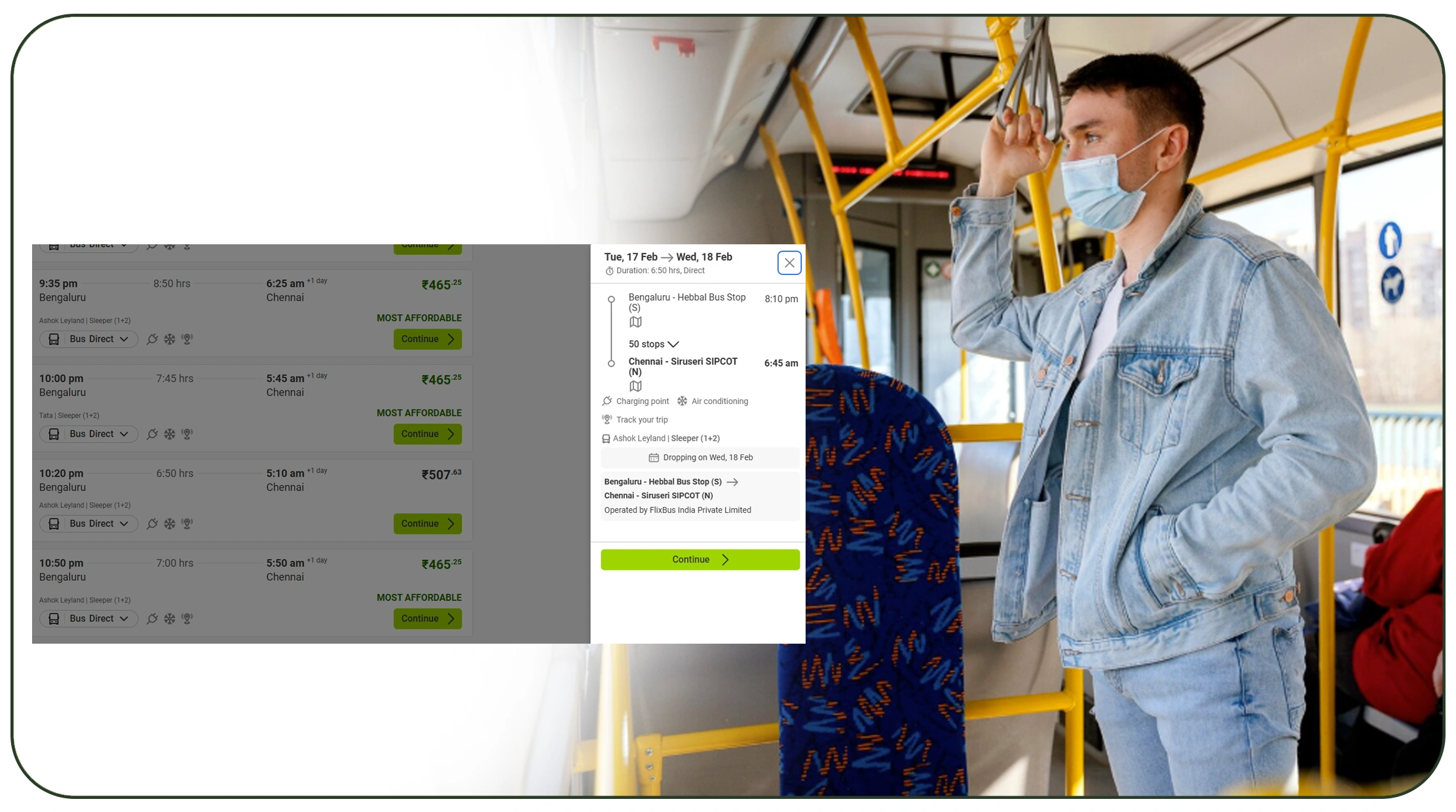
A Travel Data Scraping API enables automated integration of scraped and API data into operational dashboards. Between 2020–2026, companies using scalable API pipelines improved forecasting accuracy by 25–30% and reduced operational errors significantly.
Key benefits include:
- Real-time route and fare tracking
- Automated occupancy monitoring
- Integration with scheduling and pricing dashboards
Forecasting Accuracy (%)
| Year | Manual Analysis | API-Driven |
|---|---|---|
| 2020 | 65% | 78% |
| 2023 | 70% | 85% |
| 2026* | 74% | 90% |
| *Projected |
Automating analytics ensures that travel companies can make timely adjustments to operations, manage fleets efficiently, and respond to passenger demand dynamically.
Why Choose Real Data API?
Real Data API provides enterprise-grade Web Scraping API solutions that allow organizations to implement extracting FlixBus routes pricing and schedule data reliably and at scale.
Benefits include:
- Automated, real-time extraction pipelines
- Clean CSV/JSON outputs ready for analysis
- High accuracy and scalability for thousands of routes
- Customizable filters for fare, route, and schedule data
- Dedicated technical support
With Real Data API, travel planners, agencies, and operators can transform raw data into actionable insights for better decision-making, improved efficiency, and enhanced customer satisfaction.
Conclusion
Between 2020 and 2026, the European bus travel landscape has grown more complex, making manual monitoring insufficient. Companies that adopt extracting FlixBus routes pricing and schedule data gain the visibility required to optimize routes, fares, and operational planning.
From real-time fare tracking to automated dashboards and predictive modeling, structured extraction improves decision-making, reduces operational inefficiencies, and maximizes profitability.
Start leveraging Real Data API today to enhance travel planning and operations with extracting FlixBus routes pricing and schedule data.
Latest posts
Truthsocial Data Scraping For Real-Time Social Media Insights

Zara Web Data Scraper For Fashion Trend Analysis - How Retailers Overcome Fast-Changing Fashion Demand & Inventory Challenges
How Real Estate Web Scraping Using Bayut API Solves Rental Pricing and Property Tracking Problems?

How Trendyol Data Collection for Ecommerce Market Research Solves Assortment, Pricing, and Market Intelligence Challenges?






.png)