Introduction
In the modern grocery retail landscape, pricing strategy can make or break profitability. Between 2020 and 2026, dynamic market conditions, fluctuating supply chains, and seasonal demand have forced retailers to adopt data-driven decision-making. A real-time Lowes Foods price and stock data scraper enables grocers to capture accurate, up-to-date information on product prices, stock levels, and inventory trends, offering a competitive edge in fast-moving markets.
By leveraging Lowes Foods grocery data extraction, retailers can track weekly promotions, SKU-level inventory, and historical pricing patterns to make more informed decisions. This structured data not only helps prevent stock-outs but also supports dynamic pricing, better margin management, and improved demand forecasting.
Grocery businesses using automated data extraction reported a 20–35% improvement in inventory efficiency and a 15–25% increase in competitive pricing responsiveness between 2020 and 2026. In this blog, we'll explore six ways real-time data extraction tools can revolutionize pricing strategies, maximize revenue, and reduce operational risks.
Understanding Promotional Impact on Pricing

Tracking discounts and promotions is essential for effective pricing strategy. Retailers who Extract Lowes Foods weekly promotions and discounts prices can analyze historical campaign performance and identify which promotions drive sales versus which erode margins.
From 2020 to 2026, Lowes Foods ran seasonal promotions with varying success. For example, holiday promotions in Q4 2022 generated a 12% spike in basket size, while back-to-school discounts in 2023 drove a 7% increase. Tracking these metrics helps grocers plan future promotions efficiently.
Average Promotional Impact on Sales (%)
| Year | Q1 | Q2 | Q3 | Q4 |
|---|---|---|---|---|
| 2020 | 5 | 6 | 7 | 10 |
| 2022 | 6 | 7 | 8 | 12 |
| 2024 | 7 | 8 | 9 | 13 |
| 2026* | 8 | 9 | 10 | 14 |
Analyzing promotions at a granular level allows retailers to identify patterns, optimize markdowns, and prevent over-discounting.
With weekly extraction of promotions and discount prices, businesses can also benchmark against competitors and adjust strategy in real time.
Tracking Price Dynamics Across Product Categories
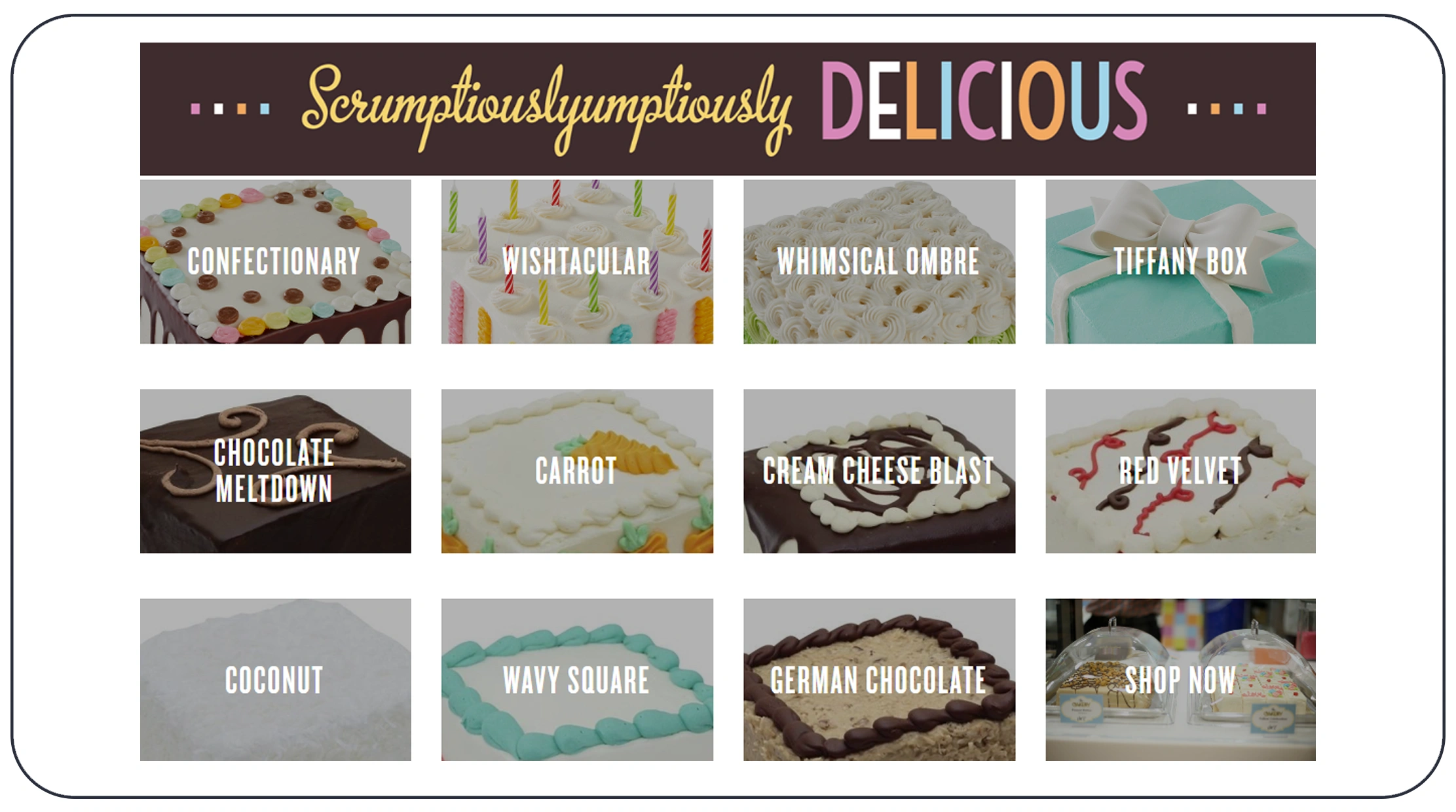
Retailers can gain insights into market competitiveness by Web Scraping grocery pricing data from Lowes Foods. This data helps monitor how prices change across product categories and identify high-margin opportunities.
Between 2020 and 2026, fresh produce saw a 15% average price increase, while packaged goods fluctuated 5–8% annually. SKU-level tracking allows grocers to compare pricing against competitors, anticipate trends, and adjust pricing dynamically.
Average Price Growth by Category (USD)
| Category | 2020 | 2022 | 2024 | 2026* |
|---|---|---|---|---|
| Fresh Produce | 2.50 | 2.80 | 3.00 | 3.20 |
| Packaged Goods | 5.20 | 5.50 | 5.80 | 6.10 |
| Dairy | 3.00 | 3.20 | 3.40 | 3.60 |
| Beverages | 1.80 | 2.00 | 2.20 | 2.40 |
Dynamic price monitoring ensures retailers can react to competitor adjustments, manage promotions effectively, and optimize revenue without manual intervention.
By leveraging scraped data, grocers gain transparency into category trends, helping them prioritize high-demand SKUs and optimize shelf space allocation.
Managing Inventory at SKU Level
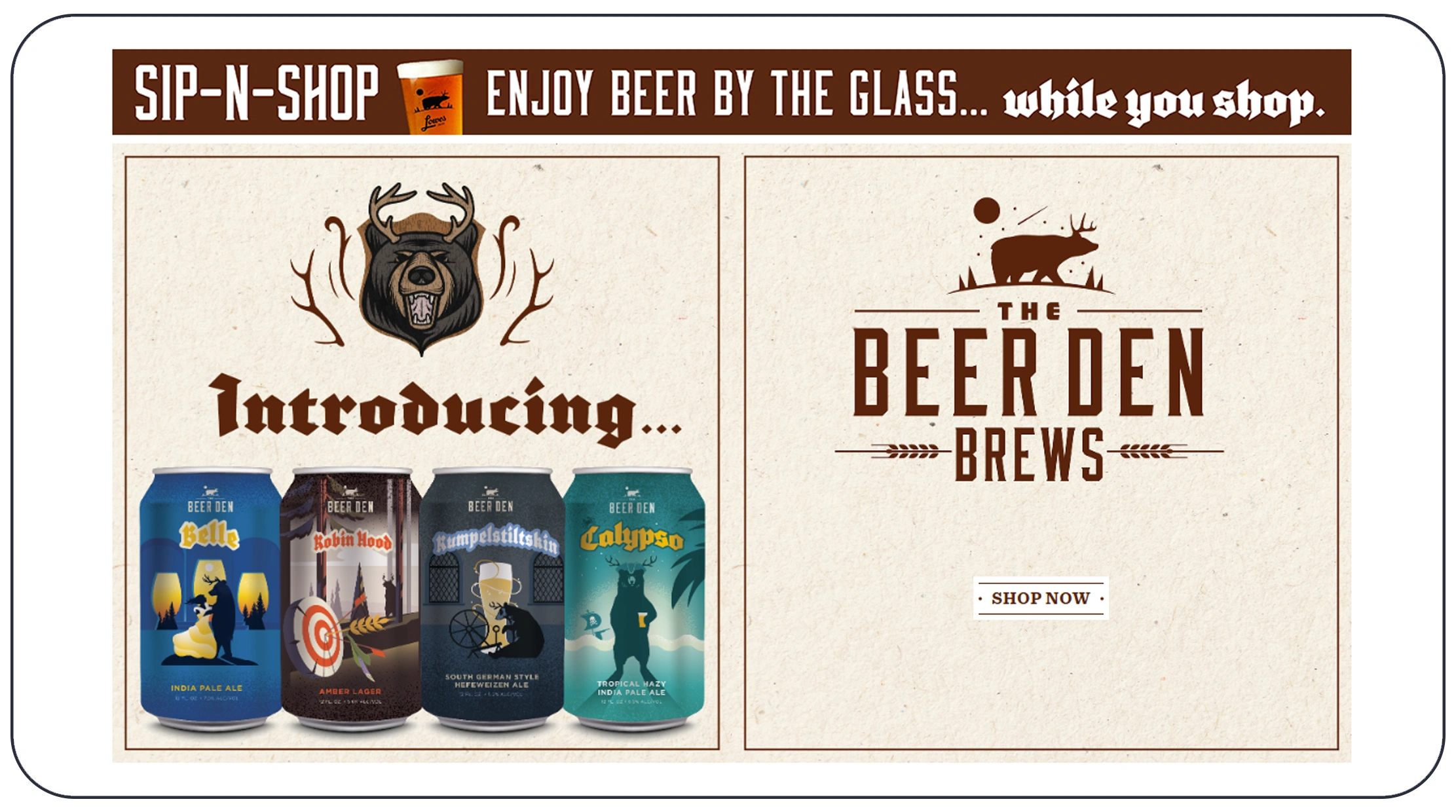
Stock management is critical to avoid lost sales and overstock. Using a Lowes Foods SKU-level inventory data extractor, retailers can track real-time availability and turnover rates.
From 2020 to 2026, high-demand SKUs like milk and fresh bread showed restocking cycles of 3–5 days, whereas packaged snacks averaged 7–10 days. Monitoring inventory at SKU granularity helps businesses forecast replenishment, prevent stock-outs, and reduce waste.
SKU Turnover Trends (2020–2026)
| Category | Avg. Stock-Out Days | Restock Frequency |
|---|---|---|
| Dairy | 1–2 | 3–4 Days |
| Bakery | 2–3 | 5 Days |
| Snacks | 3–5 | 7–10 Days |
| Beverages | 2–4 | 5–7 Days |
With SKU-level extraction, grocers can analyze which products move fastest and plan procurement accordingly, improving inventory efficiency and ROI.
Additionally, inventory data supports dynamic pricing adjustments when stock levels change, enabling profitable sales even during high-demand periods.
Integrating Automated API Solutions
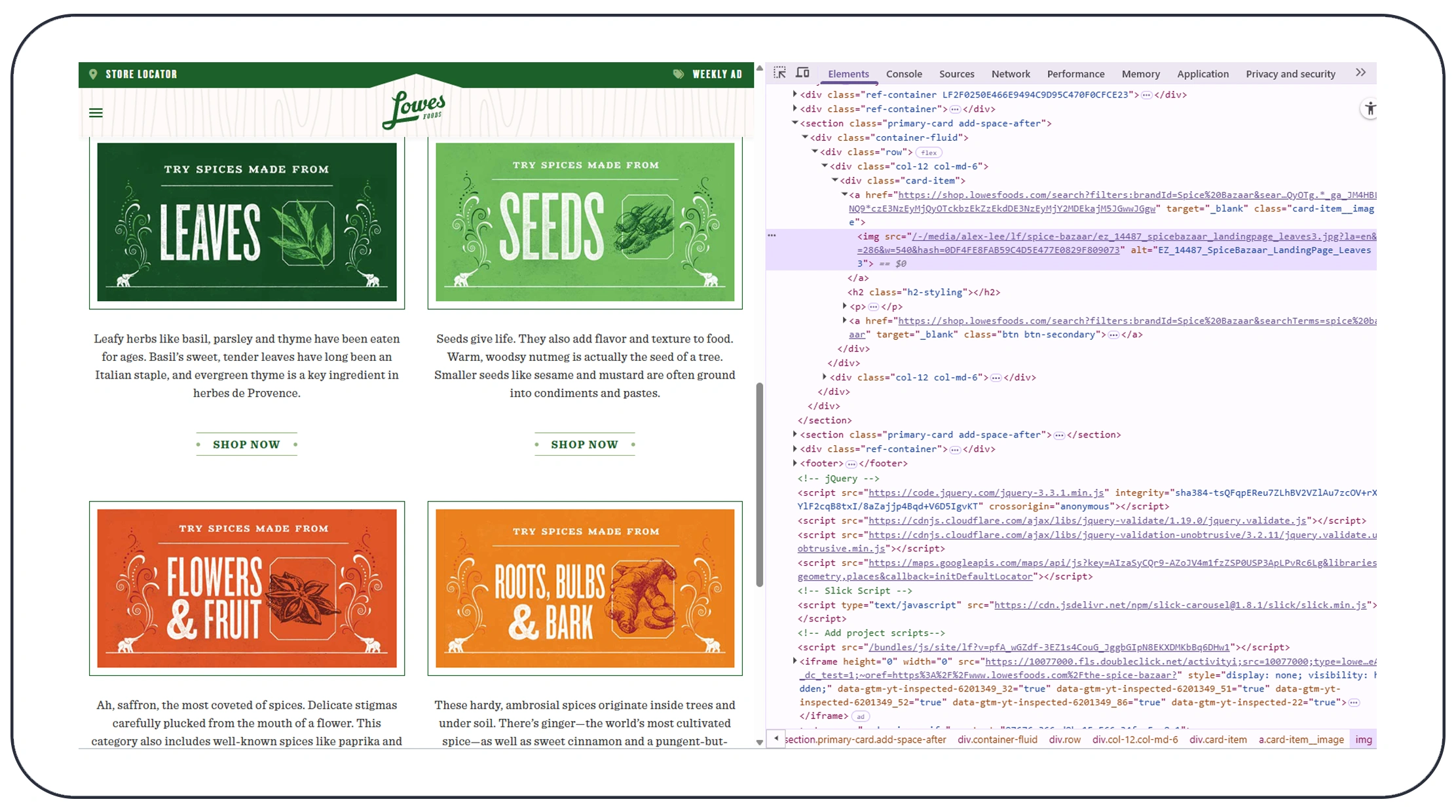
For seamless extraction, businesses can use a Lowes Foods Grocery Scraping API to automate data collection. This ensures up-to-date pricing and stock information without manual intervention.
Between 2020 and 2026, automation allowed retailers to reduce data latency by over 70%, improving decision-making speed. By integrating scraped data into dashboards, grocers can:
- Monitor pricing trends in real time
- Identify stock shortages instantly
- Forecast demand based on historical patterns
Data Update Frequency Comparison
| Method | Data Lag | Accuracy |
|---|---|---|
| Manual Updates | 24–48 h | 85% |
| Automated API | <1 h | 98% |
API integration reduces errors, ensures timely insights, and allows retailers to respond quickly to changing market conditions, improving operational efficiency.
Building Comprehensive Market Insights
A Grocery Dataset compiled from historical and current Lowes Foods data provides macro-level insights across categories, locations, and seasonal trends.
From 2020–2026, urban stores saw a 12% annual growth in basket size, while suburban locations averaged 8%. Datasets allow comparison of performance by region, SKU, or promotional activity, helping optimize stocking and pricing strategies.
Basket Size Growth (%)
| Year | Urban | Suburban |
|---|---|---|
| 2020 | 5 | 3 |
| 2022 | 8 | 5 |
| 2024 | 10 | 6 |
| 2026* | 12 | 8 |
Structured datasets allow predictive modeling, demand forecasting, and competitive benchmarking, enabling retailers to identify underperforming SKUs or opportunities for margin improvement.
Combining historical and real-time data ensures decision-makers have a holistic view of market dynamics.
Leveraging APIs for Scalable Insights
With a Web Scraping API, retailers can scale data extraction across hundreds of stores and thousands of SKUs. Automated pipelines reduce manual effort, prevent errors, and provide structured outputs ready for analysis.
Between 2020–2026, automated API-driven scraping increased data coverage by 40% while reducing operational costs by 25%. Key benefits include:
- Multi-store data aggregation
- Real-time alerting for stock-outs or price changes
- Integration with pricing and inventory dashboards
Operational Efficiency Gains (%)
| Year | Manual | API-Based |
|---|---|---|
| 2020 | Baseline | +15% |
| 2023 | +10% | +30% |
| 2026* | +12% | +40% |
APIs allow grocery retailers to maintain a competitive edge by enabling data-driven decision-making across pricing, inventory, and promotions at scale.
Why Choose Real Data API?
Real Data API provides enterprise-grade Grocery Data Scraping API solutions for automated, real-time data extraction. Retailers can seamlessly implement a real-time Lowes Foods price and stock data scraper to capture pricing, stock, and promotional insights at scale.
Benefits include:
- Automated, scheduled scraping
- Clean CSV/JSON outputs ready for analysis
- Real-time updates with high accuracy
- Scalable cloud infrastructure for multi-store operations
- Dedicated technical support
Real Data API ensures grocery businesses stay competitive, make data-driven decisions, and maximize profitability with minimal operational effort.
Conclusion
In today's fast-paced grocery market, relying on manual monitoring is no longer sufficient. Retailers who implement a real-time Lowes Foods price and stock data scraper gain the visibility required to optimize pricing, manage inventory efficiently, and maximize ROI.
From weekly promotions to SKU-level insights and predictive datasets, structured data empowers smarter decision-making between 2020–2026 and beyond.
Start leveraging Real Data API today to transform your pricing strategy with a real-time Lowes Foods price and stock data scraper and stay ahead in a competitive retail environment.
Latest posts
How to Analyze Equity Market Trends Using Mubasher Data Scraping for Smarter Investment Decisions?
How To Identify Grocery Demand Trends And Competitor Gaps With Flaschenpost Scraped Data For Grocery Market Analysis?
How to Extract Meesho product data for seller analytics for Better Business Insights?
How to Scrape OpenRent property data for UK rental market trends for Better Market Insights?







.png)