.gif)
.png)
Introduction
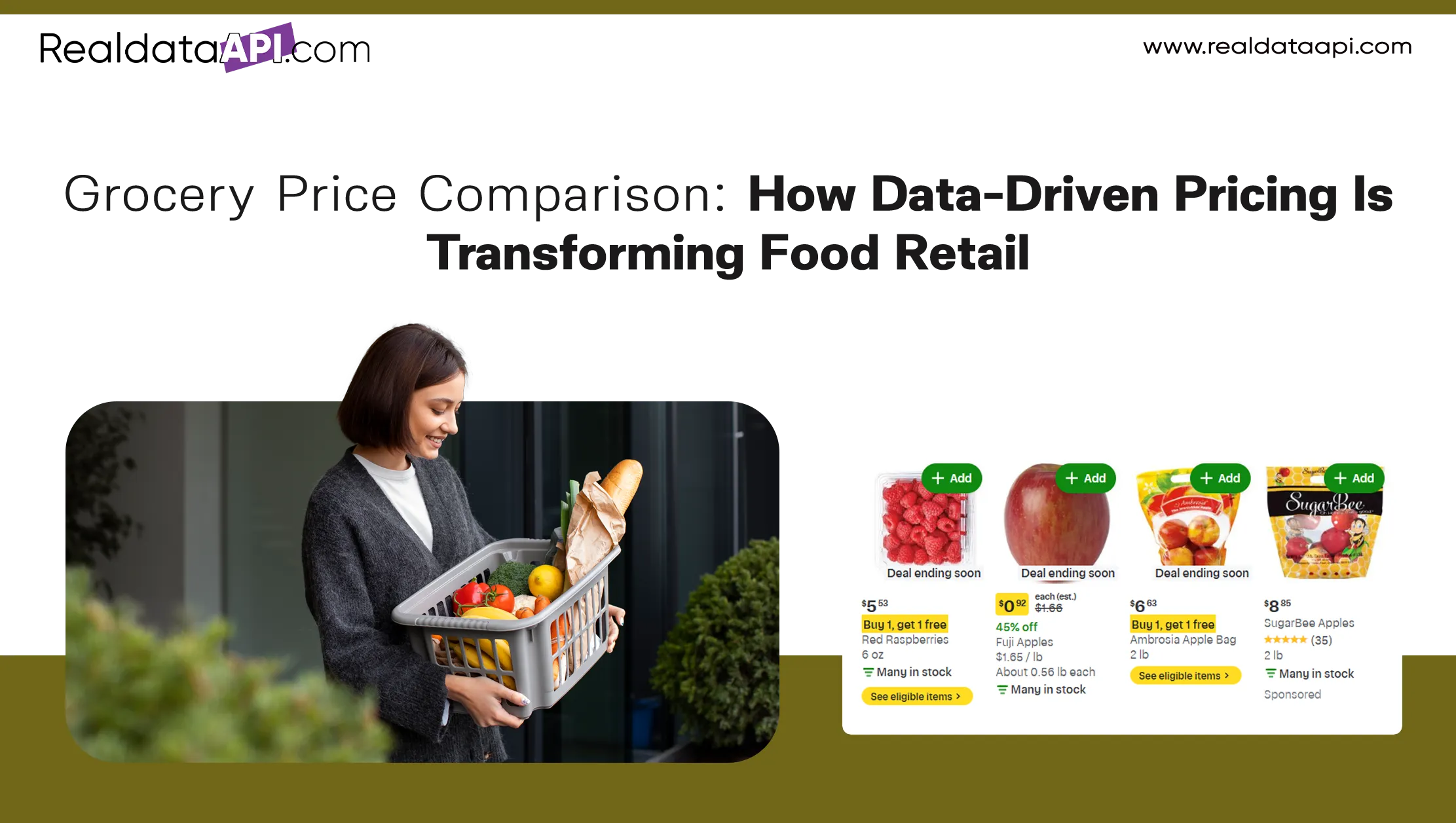
Grocery prices affect every household, business, and economy. From daily essentials like milk and bread to fresh produce and packaged foods, even small price differences can significantly impact monthly budgets. With inflation, supply chain disruptions, and intense retail competition, grocery price comparison has become more important than ever.
For retailers, brands, and market intelligence firms, comparing grocery prices manually across multiple stores is no longer feasible. This is where data-driven grocery price comparison, powered by web scraping and price intelligence, plays a critical role.
In this blog, we explore how grocery price comparison works, why it matters, how Grocery Data Extraction enables real-time price monitoring, key use cases, challenges, and the future of pricing intelligence in the grocery industry.
What Is Grocery Price Comparison?
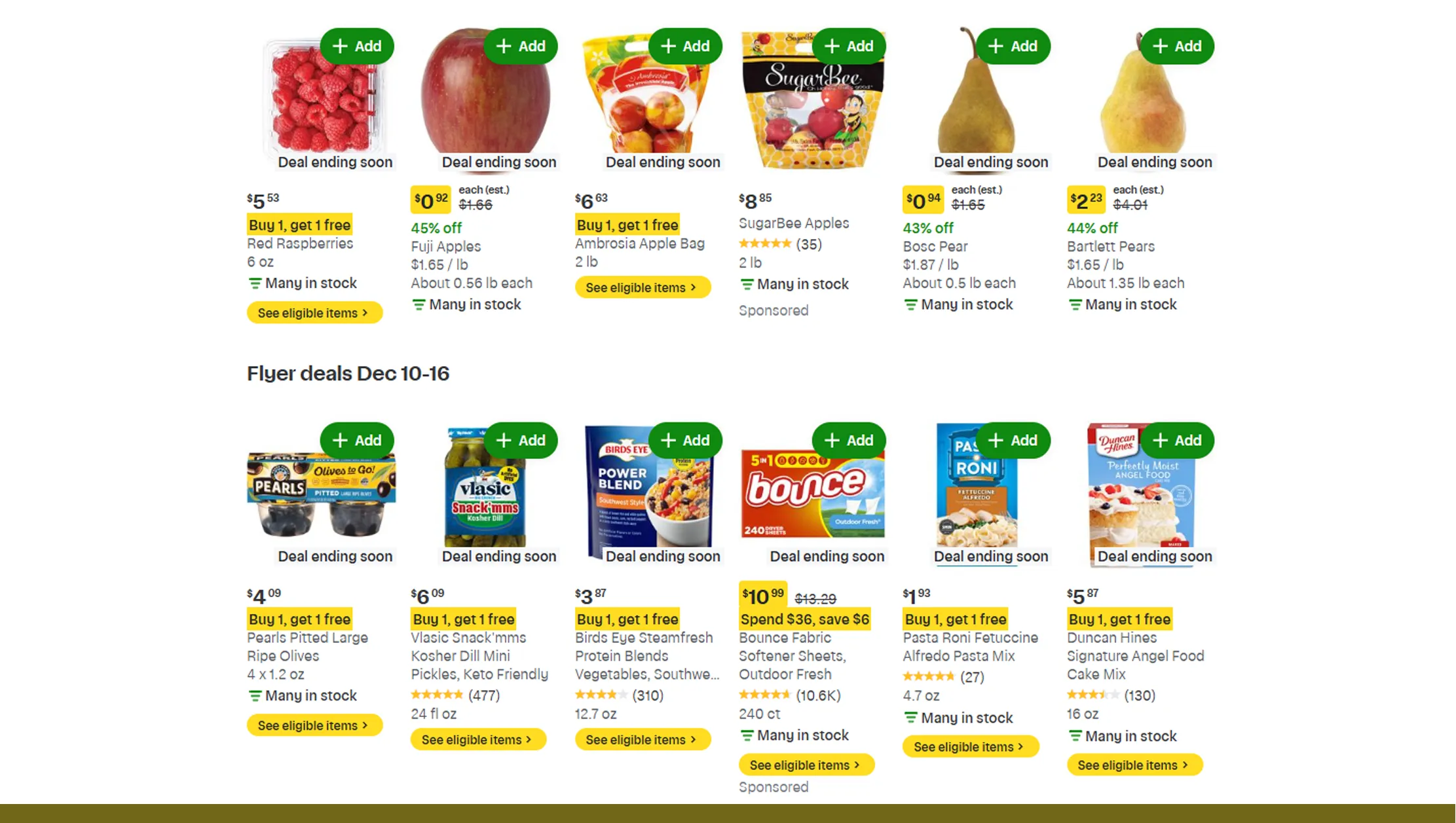
Grocery price comparison is the process of collecting, analyzing, and comparing prices of food and grocery items across different retail stores, regions, and time periods. This includes:
- Comparing prices between competing grocery chains
- Tracking price changes over time
- Analyzing promotions, discounts, and deals
- Evaluating private-label vs branded product pricing
Modern grocery price comparison relies on automated data extraction, not manual surveys.
Why Grocery Price Comparison Matters
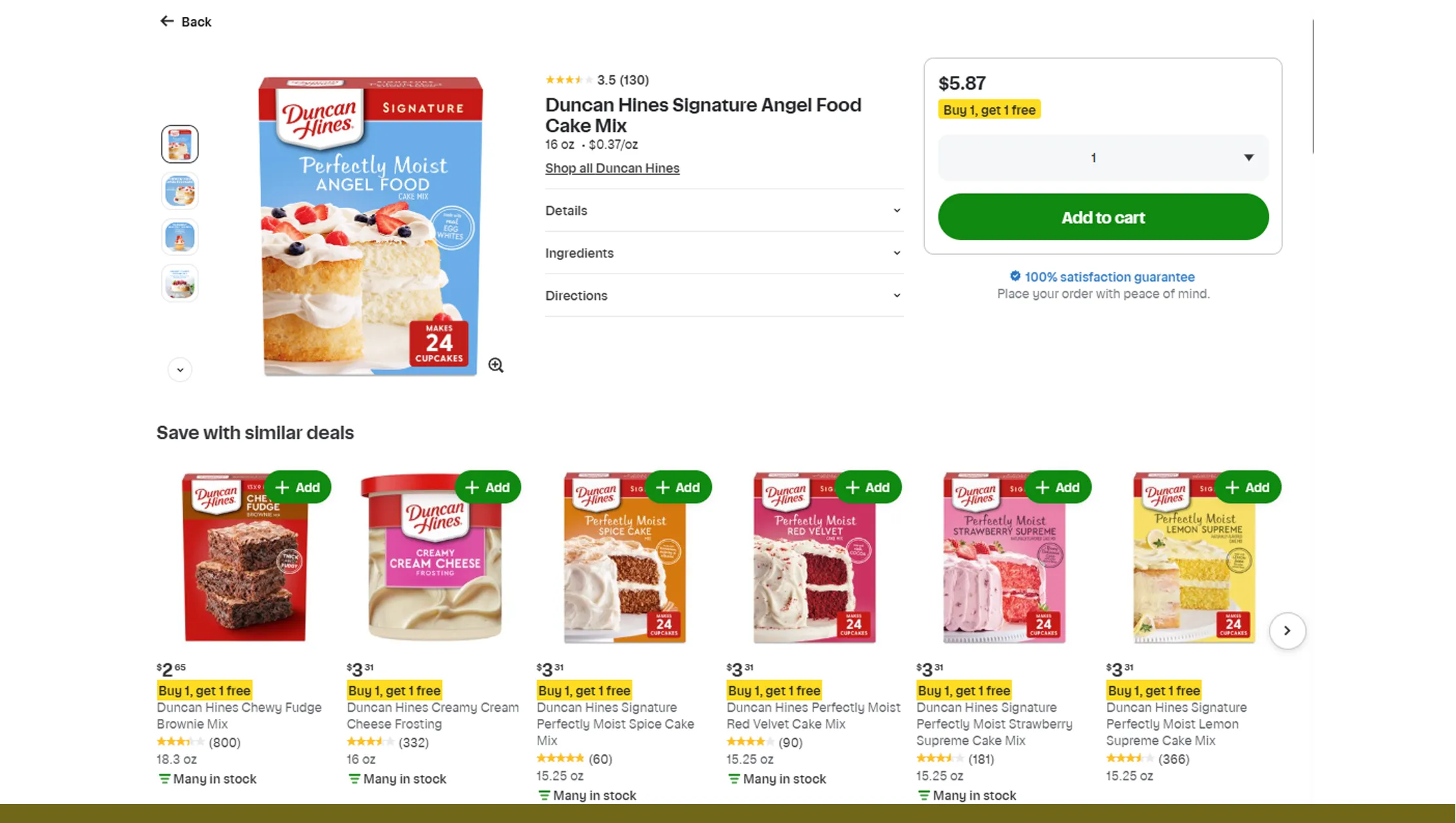
1. Rising Grocery Costs
Food prices fluctuate due to:
- Inflation
- Seasonal supply changes
- Transportation and fuel costs
Price comparison helps consumers and businesses make informed decisions.
2. Intense Retail Competition
Major grocery chains compete aggressively on price, promotions, and private labels. Retailers must constantly monitor competitors to remain relevant.
3. Informed Consumer Behavior
Today's consumers actively compare prices online before choosing where to shop. Accurate price comparison builds trust and loyalty.
4. Data-Driven Retail Strategies
Retailers and brands use price data to:
- Optimize pricing strategies
- Improve promotional planning
- Increase margins
Traditional vs Modern Grocery Price Comparison
Manual Price Tracking (Traditional)
- Time-consuming
- Limited SKU coverage
- Prone to errors
- Not scalable
Automated Price Comparison (Modern)
- Real-time data
- Thousands of SKUs tracked
- Store- and region-level accuracy
- Scalable and repeatable
Modern grocery price comparison depends on web scraping and data automation.
Role of Web Scraping in Grocery Price Comparison
What Is Web Scraping?
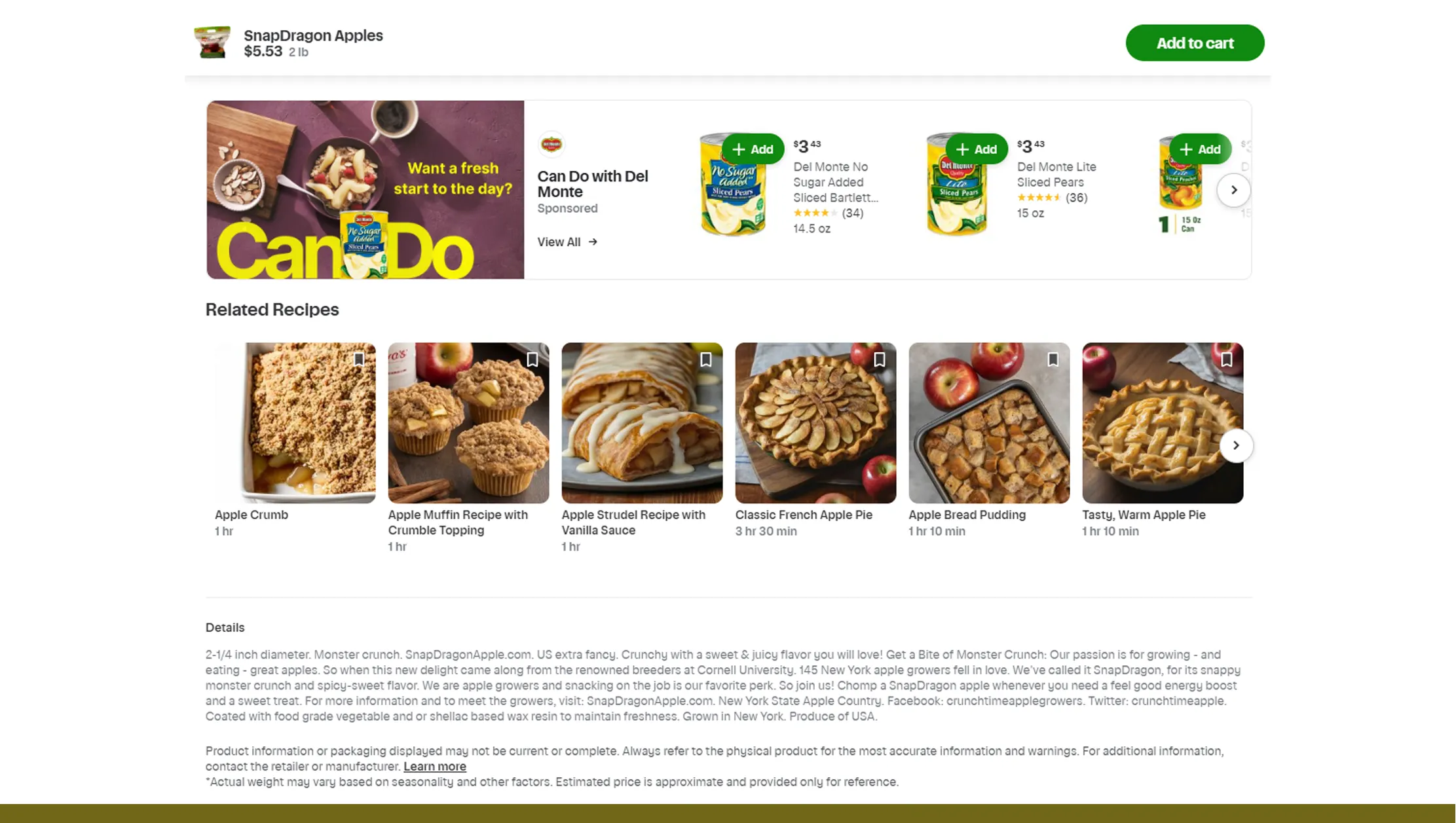
Web scraping is the automated process of extracting publicly available data from websites. In grocery retail, it is used to collect:
- Product prices
- Promotions and deals
- Product availability
- Package size and unit pricing
Why Web Scraping Is Essential for Grocery Price Comparison
Grocery prices change frequently—sometimes multiple times a day. Web scraping enables:
- Continuous price monitoring
- Cross-store price comparison
- Historical price tracking
- Real-time competitive intelligence
Without scraping, accurate grocery price comparison is impossible at scale.
Types of Grocery Data Collected for Price Comparison
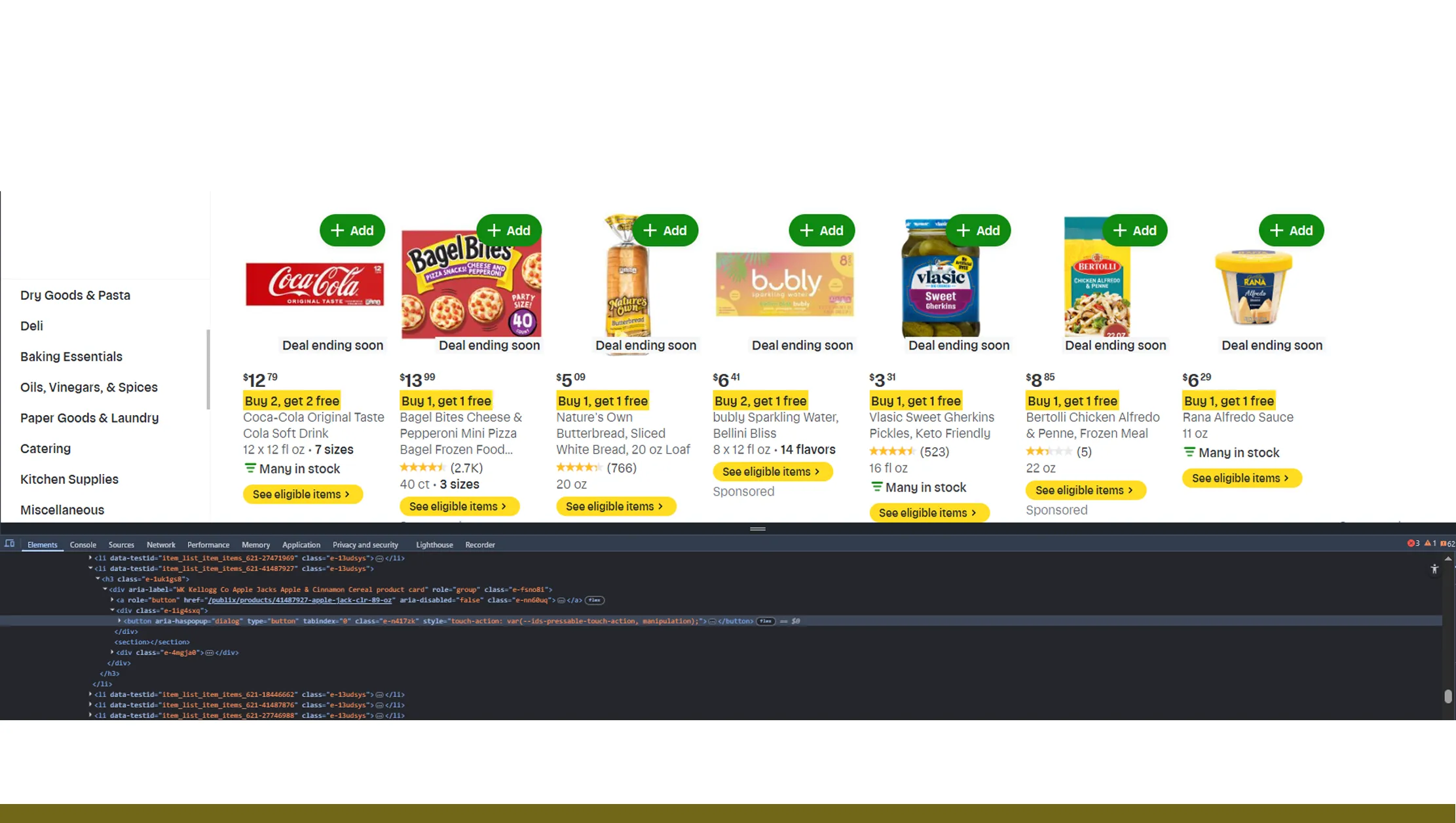
1. Product Information
- Product name
- Brand
- Category and subcategory
- Package size
2. Pricing Data
- Regular price
- Discounted price
- Unit price (per oz, lb, or kg)
3. Promotional Data
- Buy One Get One (BOGO) offers
- Weekly ads
- Loyalty discounts
4. Availability Data
- In-stock / out-of-stock status
- Store-level availability
5. Location-Based Data
- City-wise or store-wise pricing
- Regional price differences
This structured data forms the foundation of grocery price analytics with the help of Grocery Dataset.
Use Cases of Grocery Price Comparison
1. Competitive Price Monitoring
Retailers track competitor prices to:
- Adjust pricing strategies
- Prevent customer churn
- Maintain competitive positioning
2. Promotion Effectiveness Analysis
Analyzing price data helps measure:
- Impact of discounts
- Performance of BOGO deals
- Promotional ROI
3. Brand & Manufacturer Insights
Brands monitor:
- Retailer pricing behavior
- Private-label competition
- Regional price variations
4. Consumer Price Comparison Platforms
Apps and websites use scraped data to:
- Show cheapest store for each item
- Recommend cost-saving shopping baskets
5. AI & Predictive Analytics
Grocery price data feeds:
- Demand forecasting models
- Price elasticity analysis
- Automated pricing engines
Challenges in Grocery Price Comparison
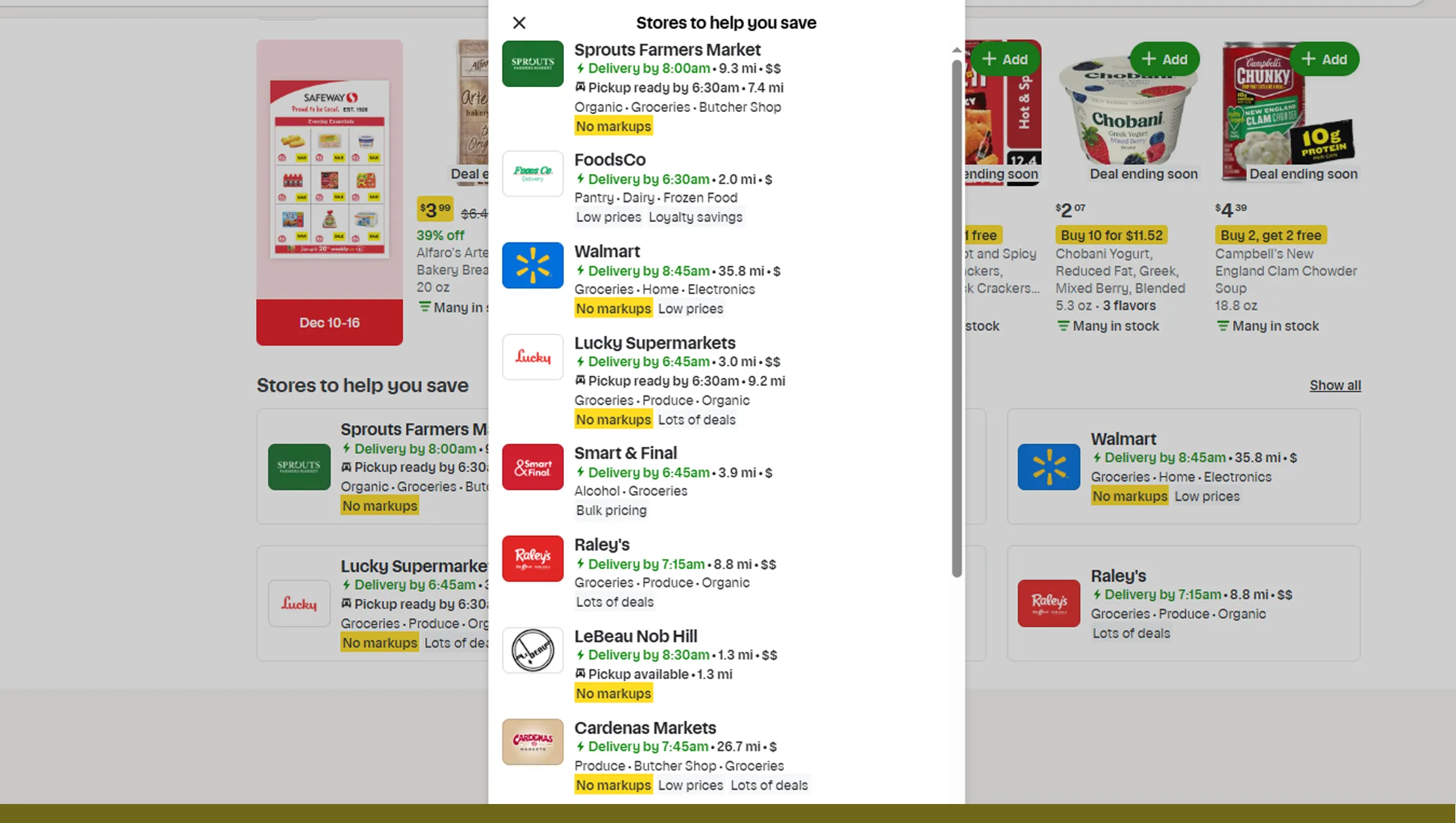
1. Dynamic Pricing
Prices change frequently, especially during promotions.
2. Product Matching
Same product may have different names or package sizes across stores.
3. Promotion Complexity
BOGO and loyalty discounts require advanced normalization.
4. Website Restrictions
Retailers use anti-bot measures that complicate data extraction.
Professional Grocery Data Scraping API overcome these challenges.
Best Practices for Accurate Grocery Price Comparison
To ensure reliable insights:
- Normalize prices by unit size
- Track prices daily or hourly
- Validate data consistency
- Store historical price data
- Monitor website structure changes
These best practices improve accuracy and reliability.
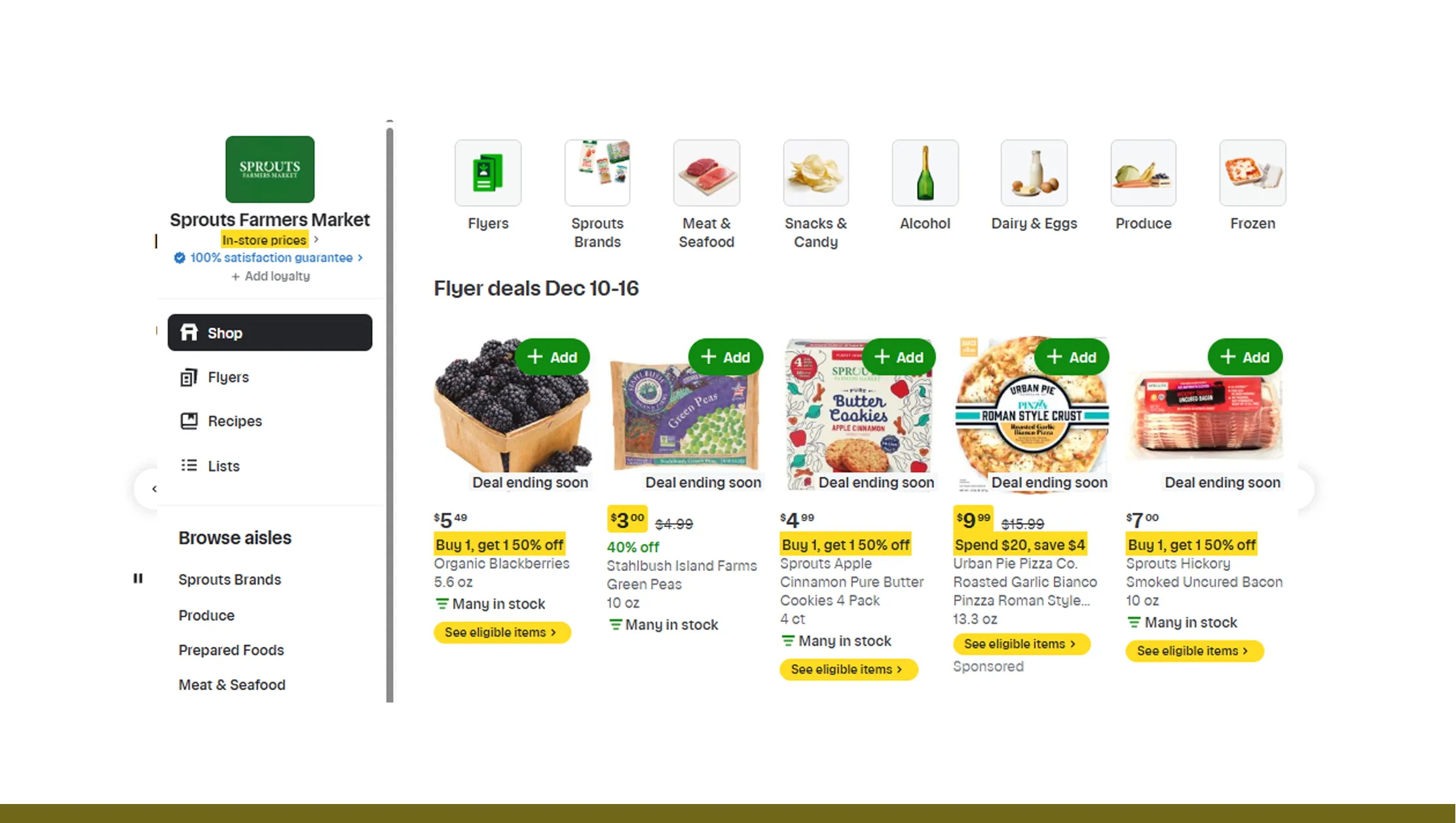
Grocery Price Comparison Across Major Retailers
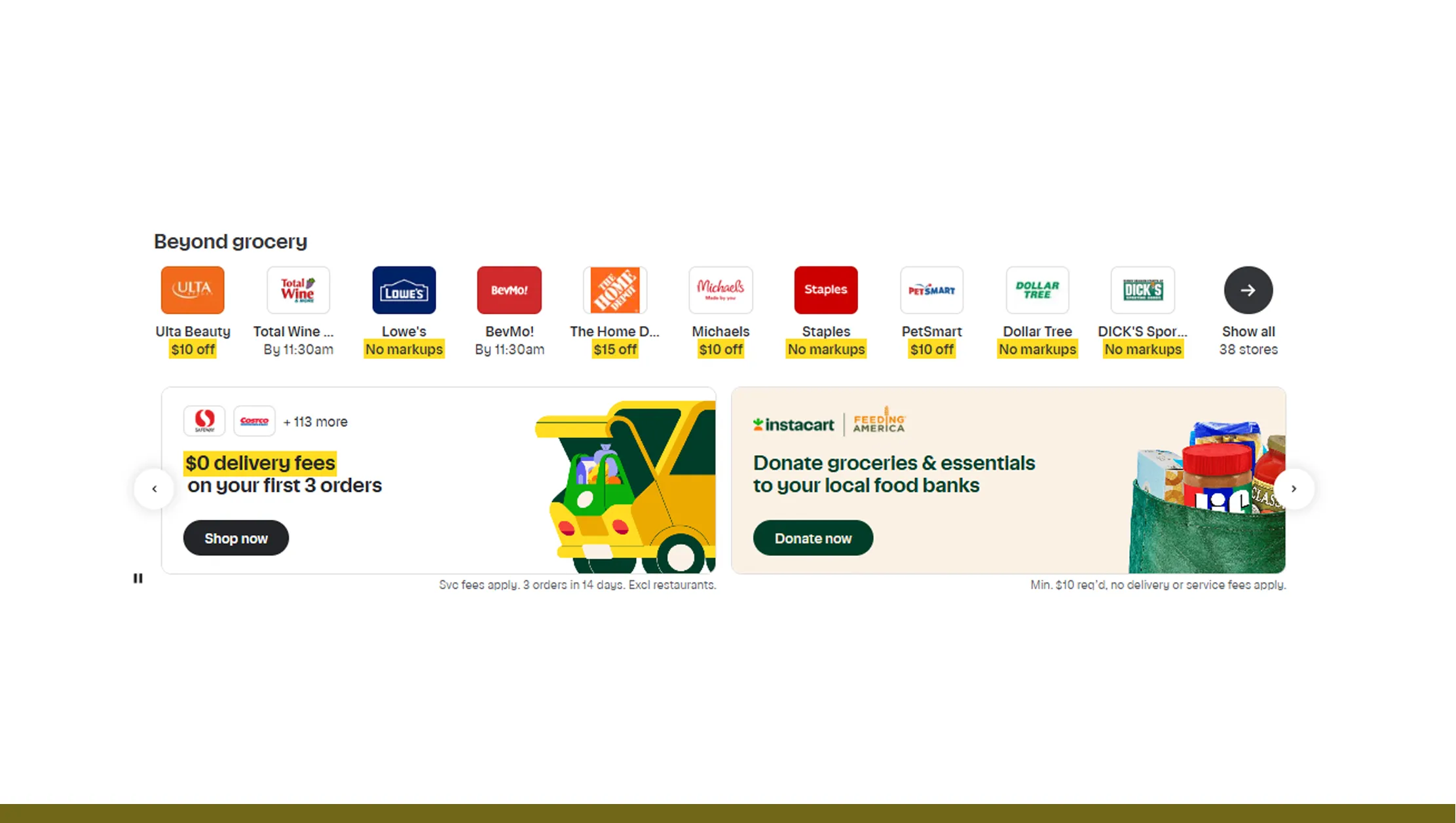
Price comparison often reveals:
- Discount chains lead on everyday staples
- Premium stores compete via promotions
- Private labels offer consistent savings
Only data-driven analysis provides the full picture.
Data Delivery & Integration
Grocery price comparison data can be delivered in:
- CSV / Excel
- JSON
- APIs
- BI dashboards
Flexible formats allow easy integration into existing systems.
The Future of Grocery Price Comparison

The future of grocery price comparison is shaped by:
- Real-time data collection
- AI-driven pricing models
- Hyper-local pricing intelligence
- Automated decision-making
As competition increases, businesses without accurate price data will fall behind.
Ethical & Responsible Data Collection
Responsible price comparison includes:
- Respecting crawl limits
- Avoiding personal data
- Using only publicly available information
- Maintaining transparency
Ethical scraping ensures sustainable data access.
Conclusion
Grocery price comparison is no longer a manual or occasional exercise—it has become a continuous, data-driven necessity. With rising food costs, frequent promotions, and intense competition among grocery retailers, accurate and real-time price visibility is critical for smarter decision-making.
By leveraging web scraping and automated grocery price monitoring, businesses can track thousands of products across multiple stores, normalize pricing by unit size, analyze promotions, and uncover actionable pricing insights. This data empowers retailers, brands, and analytics platforms to optimize pricing strategies, improve margins, and better serve price-conscious consumers.
Real Data API specializes in advanced grocery price comparison and web scraping solutions, helping businesses collect clean, reliable, and real-time grocery pricing data at scale. Whether it's competitive price monitoring, promotion analysis, or historical price intelligence, Real Data API transforms raw grocery data into actionable insights that drive smarter retail strategies and sustainable growth.
Latest posts
HungerStation Food Data Scraping for Restaurant Market Research - Key Benefits and Insights
Shopee API for Competitive Pricing Optimization - How Seller Data Analysis Improves Product Price Tracking
BigBasket scraper for competitor price analysis - How to Identify Price Gaps and Improve Pricing Decisions
How Carrefour API Solutions for Retail Data Integration Improve Business Intelligence






.png)