.webp)

Introduction
Travelers today seek the best flight deals, but tracking fares manually across airlines is time-consuming and inefficient. Using a Flight Fare Scraper API, you can automate the process and gain insights into pricing trends. By learning how to scrape airline pricing trends analysis for travelers, users can monitor real-time fare changes, identify patterns, and make informed booking decisions.
From historical trends to seasonal fluctuations, airfare data provides valuable intelligence for budget-conscious travelers and travel planners. With structured datasets, users can compare airlines, track competitive pricing, and optimize booking timing for maximum savings. Real-time alerts allow travelers to act immediately on price drops or promotions.
Integrating automated scraping into travel planning not only saves money but also improves decision-making. Platforms that provide APIs for scraping flight fares enable continuous monitoring, trend analysis, and actionable insights for both individuals and travel businesses. Leveraging this data ensures smarter purchases and a seamless travel experience, turning complex fare data into clear, actionable intelligence.
Tracking Price Alerts
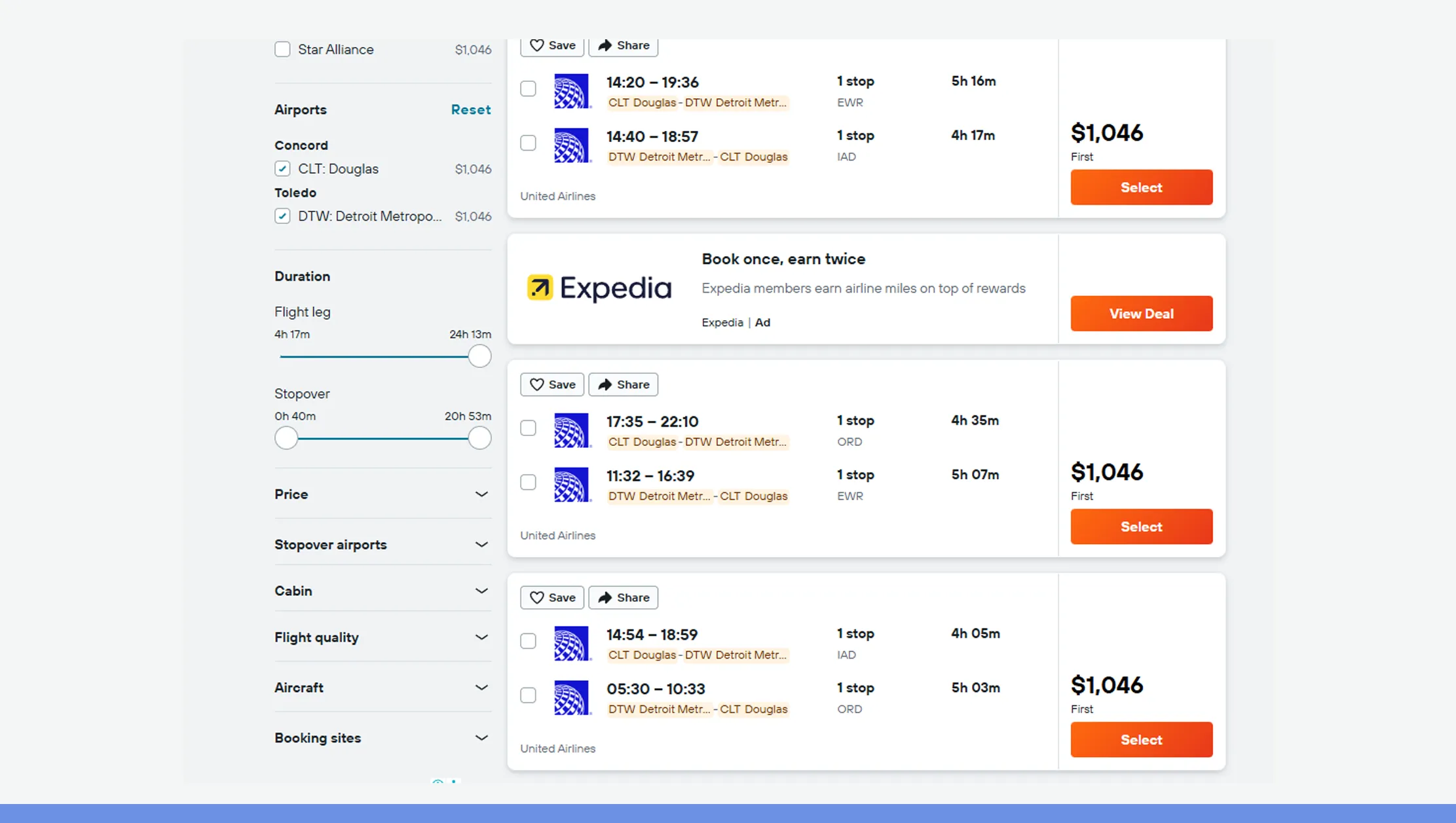
By setting up flight price alerts data extraction, travelers can monitor fares for their preferred routes continuously. Between 2020 and 2026, airfare for popular routes fluctuated significantly, with certain months showing up to 15% lower fares due to seasonal promotions or reduced demand. Using data scraping, travelers can capture historical and real-time price information for airlines such as Delta, Emirates, and Turkish Airlines.
Table 1: Average Round-Trip Fares for Major Routes (USD, 2020–2026)
| Year | NYC-London | LA-Tokyo | Paris-Dubai | Sydney-Singapore |
|---|---|---|---|---|
| 2020 | 850 | 1,200 | 780 | 1,050 |
| 2021 | 820 | 1,150 | 760 | 1,020 |
| 2022 | 840 | 1,180 | 770 | 1,040 |
| 2023 | 860 | 1,210 | 790 | 1,070 |
| 2024 | 880 | 1,230 | 810 | 1,100 |
| 2025 | 900 | 1,250 | 830 | 1,120 |
| 2026 | 920 | 1,280 | 850 | 1,150 |
Price alerts ensure that travelers never miss opportunities to book at optimal rates, helping plan trips with confidence and savings.
Finding Cheap Tickets
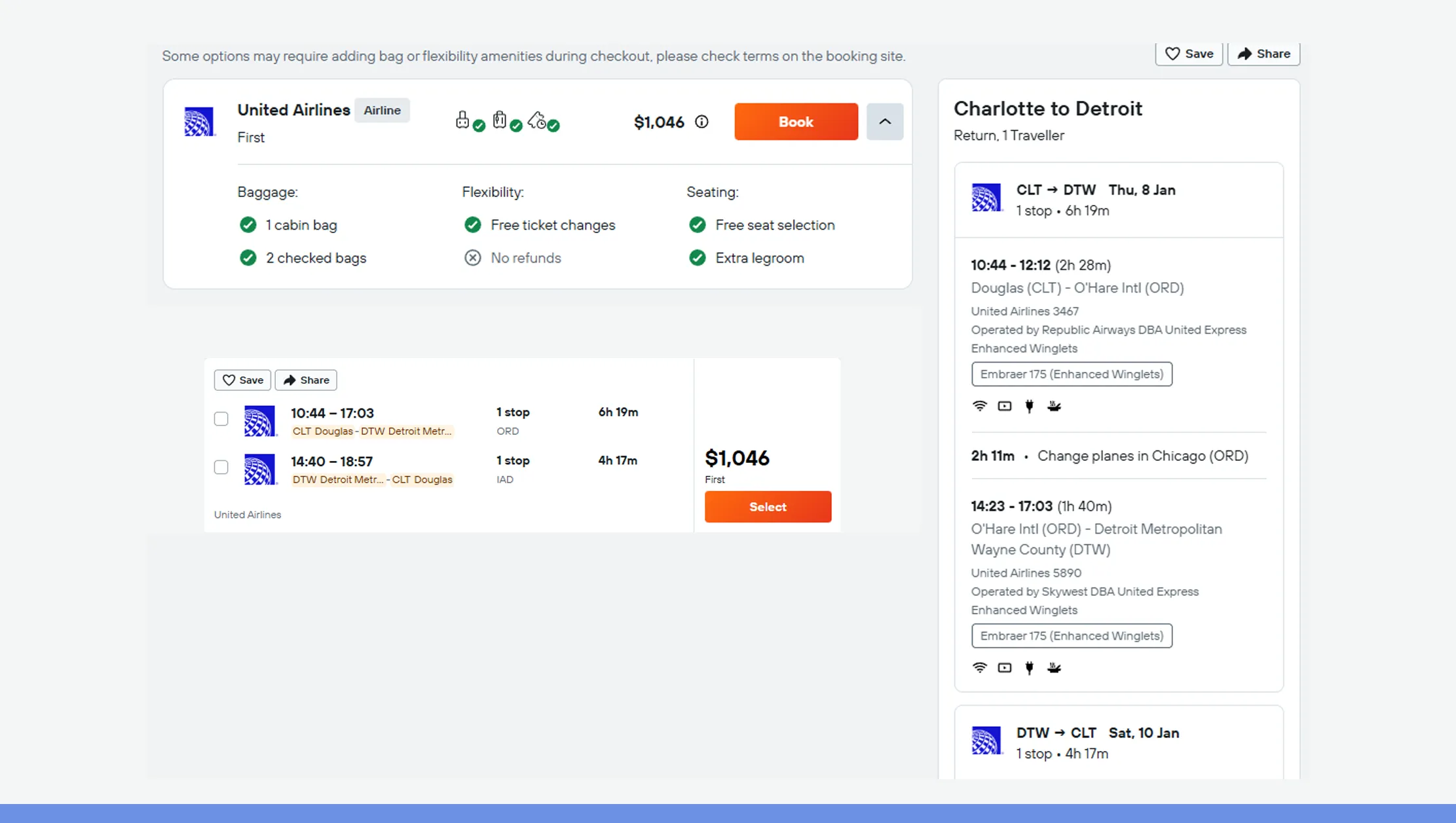
A tool for cheap tickets allows travelers to scrape airline websites and OTAs to detect the lowest fares on specific dates. Historical analysis from 2020–2026 shows that booking 3–6 weeks in advance consistently yields savings of 10–20% on popular international routes. Using automated scraping tools, users can evaluate fare trends across multiple carriers and compare them in real time.
Table 2: Average Savings Using Ticket Tools (%)
| Year | Domestic Flights | International Flights |
|---|---|---|
| 2020 | 12% | 15% |
| 2021 | 13% | 16% |
| 2022 | 11% | 14% |
| 2023 | 12% | 15% |
| 2024 | 13% | 16% |
| 2025 | 14% | 17% |
| 2026 | 15% | 18% |
These tools leverage real-time scraping and alert mechanisms, enabling travelers to purchase tickets at the best prices while considering seasonality, airline promotions, and demand variations.
Monitoring Fare Fluctuations
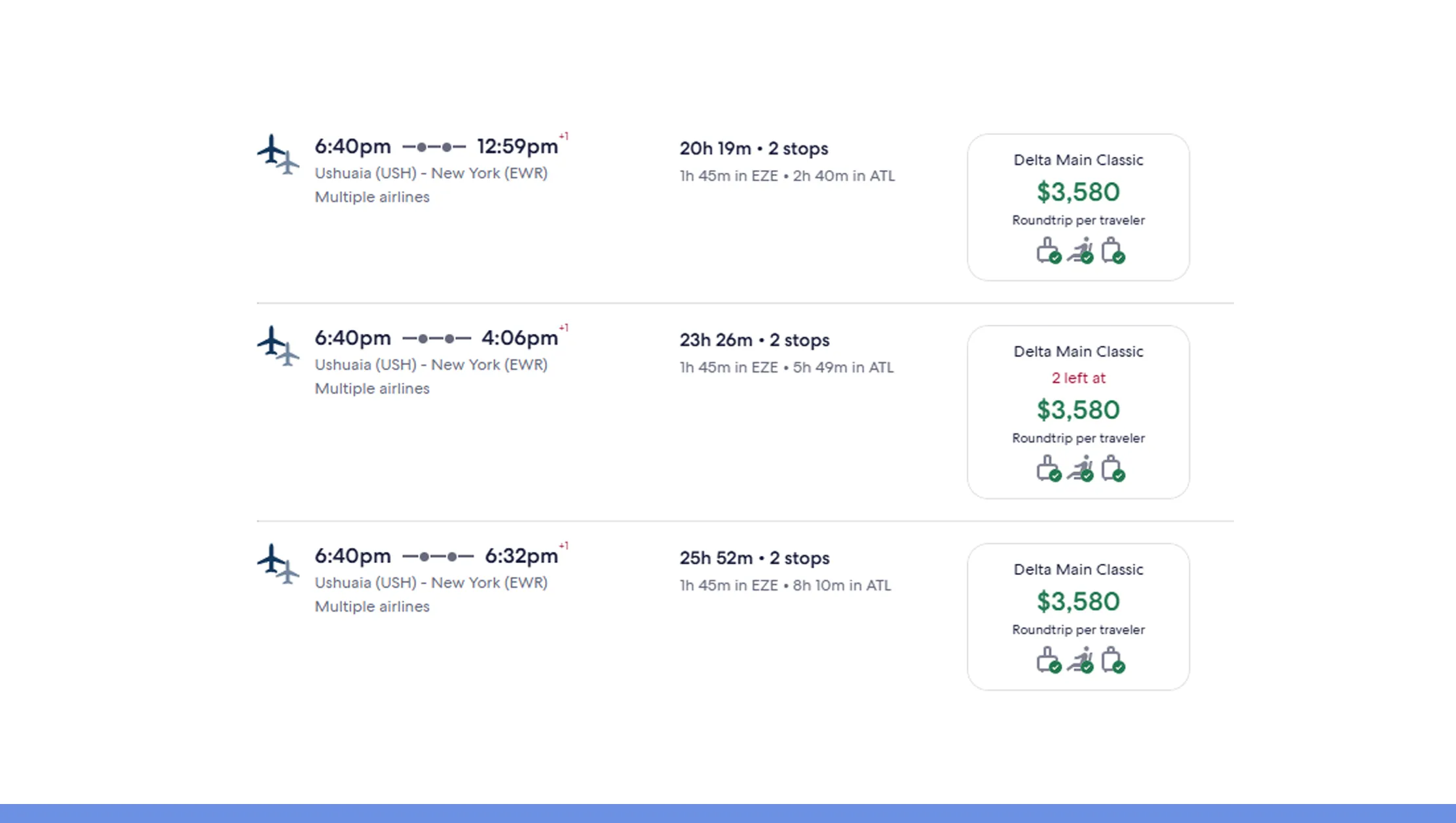
Using extract data about airline fare fluctuations, travelers and travel businesses can identify patterns that affect ticket prices. From 2020 to 2026, peak months such as July and December saw average fare increases of 12–18%, while off-peak periods offered 10–15% discounts. Scraping data from airlines allows users to capture fare histories, trend anomalies, and competitive pricing.
Table 3: Seasonal Fare Variations (USD, Avg Price per Route)
| Month | 2020 | 2021 | 2022 | 2023 | 2024 | 2025 | 2026 |
|---|---|---|---|---|---|---|---|
| January | 780 | 760 | 770 | 790 | 810 | 830 | 850 |
| April | 720 | 710 | 730 | 740 | 760 | 780 | 800 |
| July | 900 | 920 | 940 | 960 | 980 | 1,000 | 1,020 |
| October | 750 | 760 | 770 | 780 | 800 | 820 | 840 |
Analyzing these trends enables travelers to plan bookings strategically, capturing the best prices and avoiding high-demand surcharges.
Airfare API Extraction
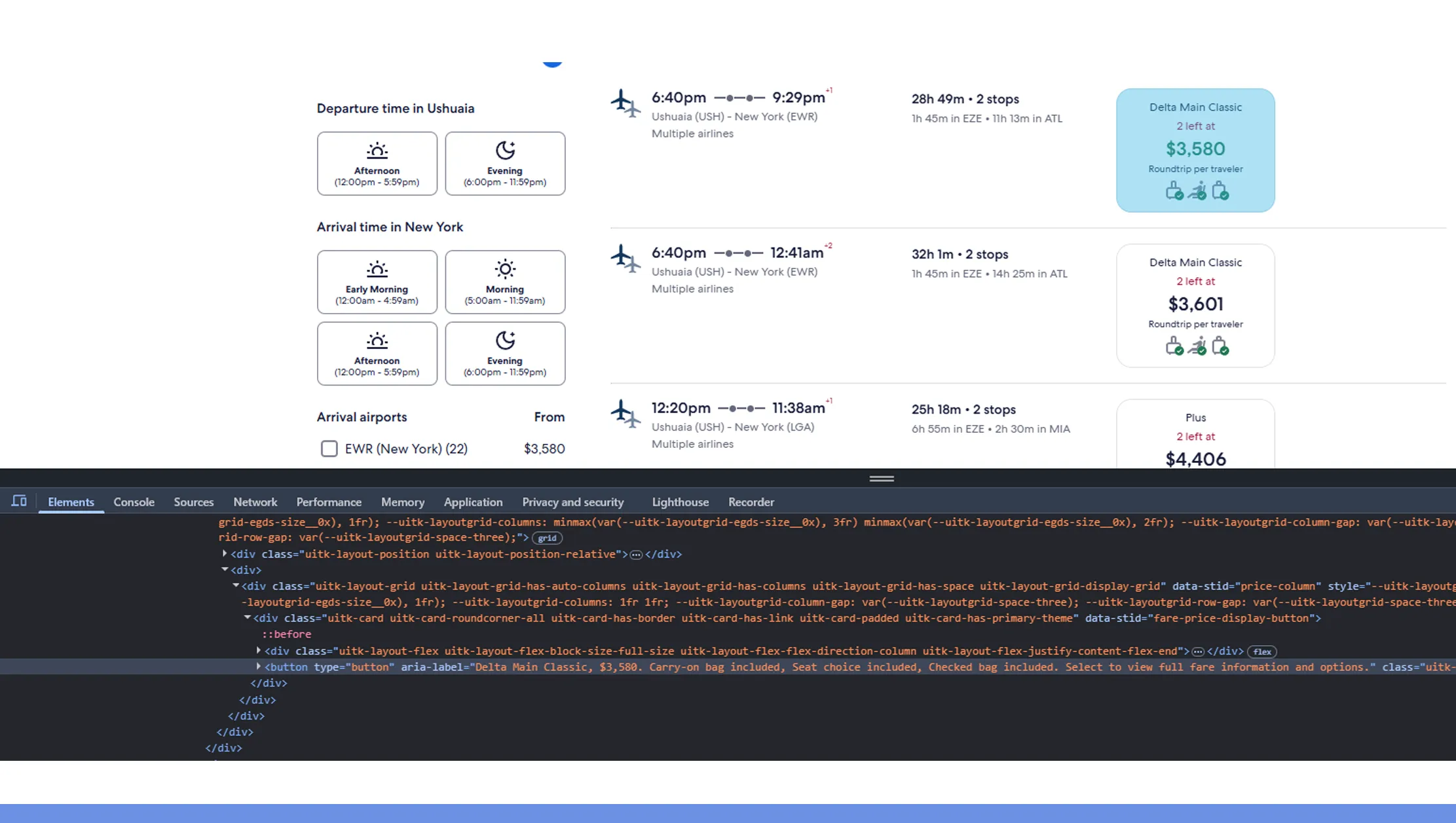
The airfare pricing API extractor simplifies large-scale data collection across airlines. It gathers flight availability, pricing, fare rules, and ancillary fees in real-time. Between 2020 and 2026, API-extracted datasets show consistent fare differences among budget, premium, and full-service carriers, with budget airlines offering 15–25% lower fares on average.
Table 4: Average Fare Differences by Airline Type (USD)
| Year | Budget Airlines | Full-Service Airlines | Premium Airlines |
|---|---|---|---|
| 2020 | 520 | 850 | 1,200 |
| 2021 | 540 | 820 | 1,180 |
| 2022 | 550 | 840 | 1,200 |
| 2023 | 560 | 860 | 1,220 |
| 2024 | 580 | 880 | 1,250 |
| 2025 | 600 | 900 | 1,280 |
| 2026 | 620 | 920 | 1,300 |
APIs allow travel platforms to integrate real-time price feeds, provide fare alerts, and compare multiple carriers effectively.
Analyzing Airline Fares
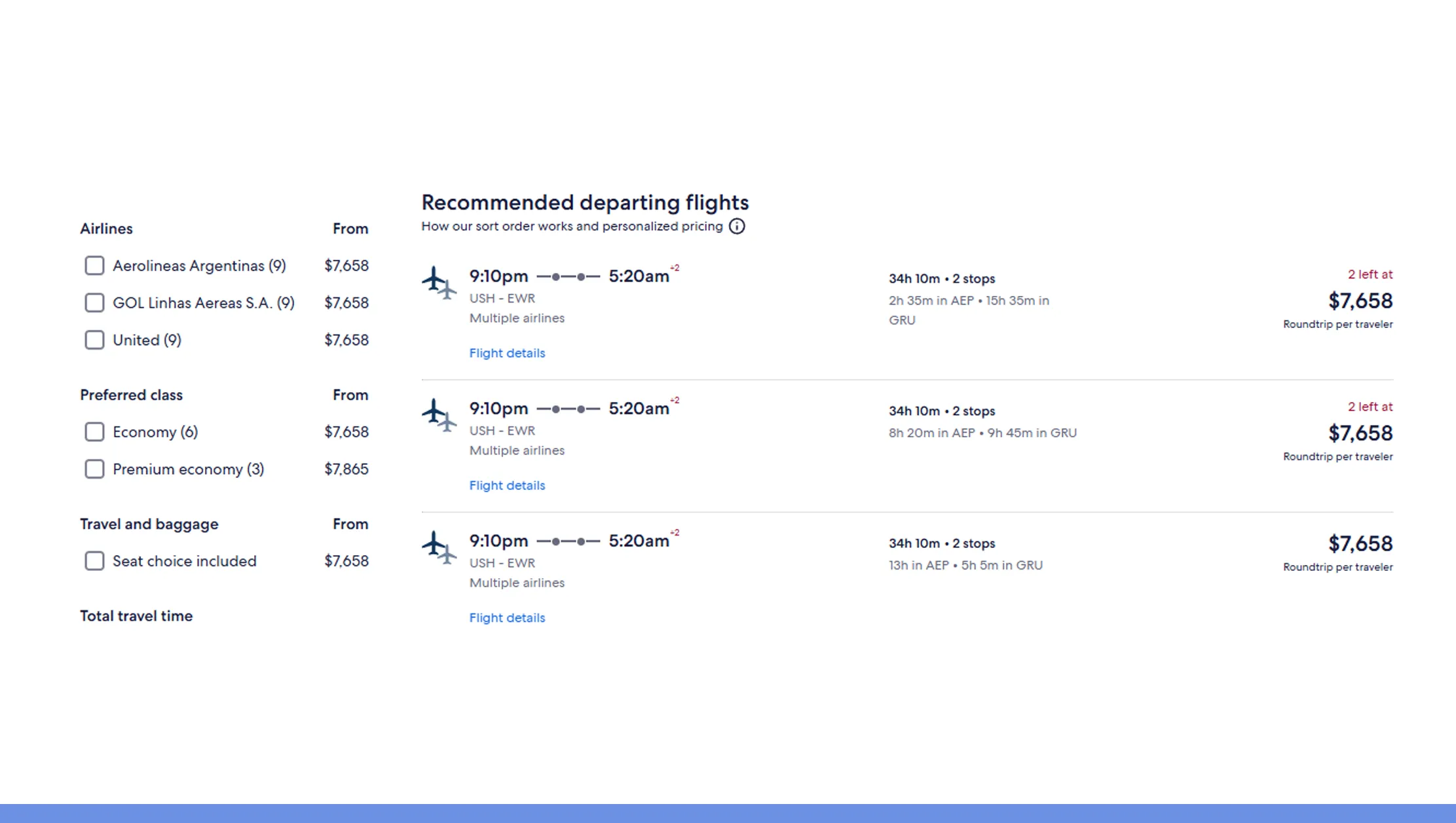
Airline fare analytics uses historical and current data to forecast price trends. From 2020 to 2026, average domestic flight prices increased by 10% due to fuel costs, inflation, and demand spikes, while international fares saw a 12% average increase annually. Scraping allows tracking of high-demand routes, seasonal promotions, and competitor pricing.
Table 5: Annual Airline Fare Trends (USD, Avg Price)
| Year | Domestic | Short-Haul International | Long-Haul International |
|---|---|---|---|
| 2020 | 320 | 720 | 850 |
| 2021 | 330 | 740 | 880 |
| 2022 | 340 | 760 | 910 |
| 2023 | 350 | 780 | 940 |
| 2024 | 360 | 800 | 970 |
| 2025 | 370 | 820 | 1,000 |
| 2026 | 380 | 840 | 1,030 |
Fare analytics helps travelers and agencies predict price trends, identify optimal booking windows, and maximize savings.
Continuous Price Monitoring
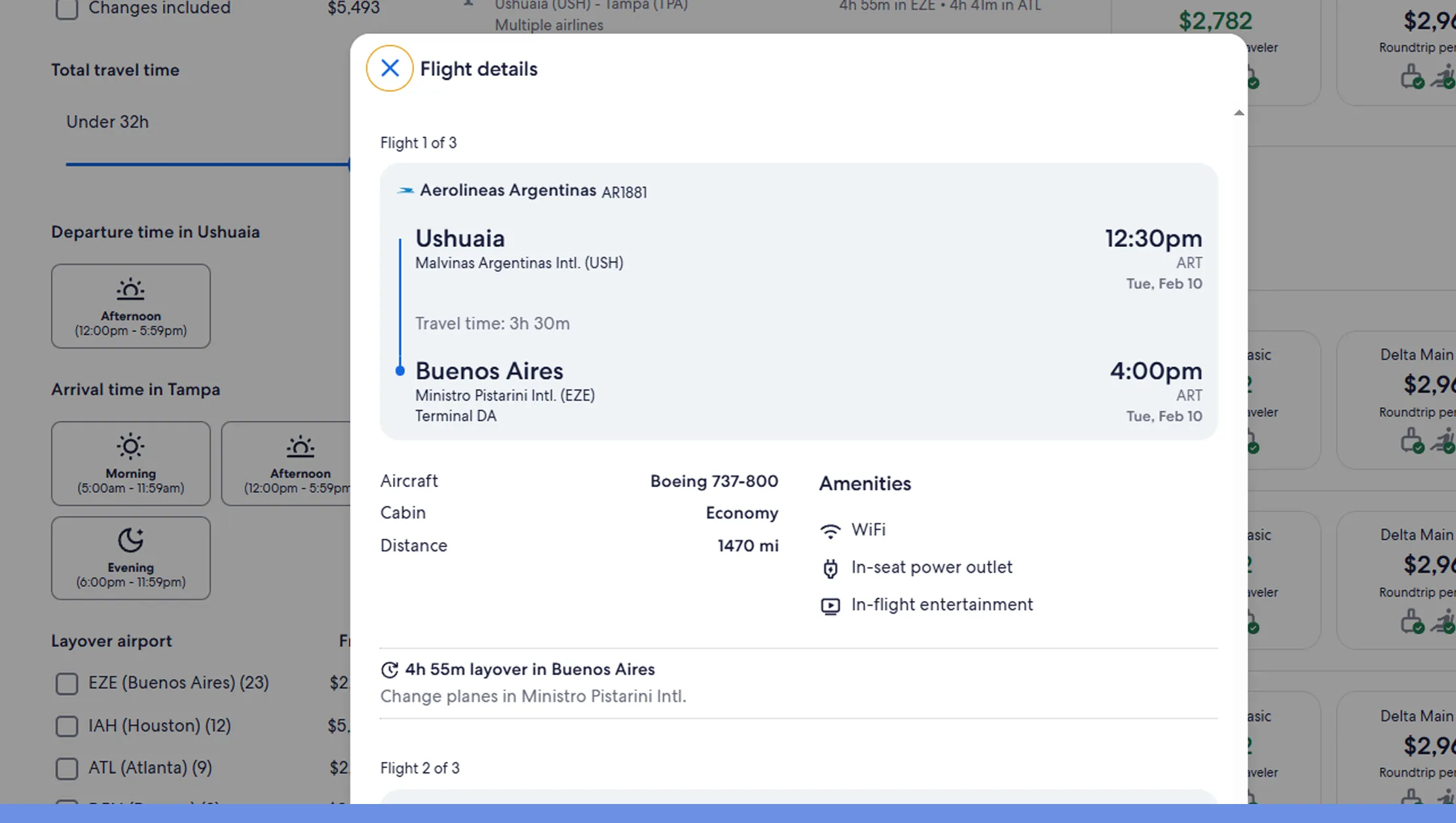
Real-time price monitoring ensures travelers never miss fare drops. Data from 2020 to 2026 shows that airlines frequently adjust fares multiple times per day. By scraping and monitoring prices automatically, users can trigger alerts for their preferred flights, capturing savings opportunities.
Table 6: Average Daily Price Fluctuations by Route (USD)
| Route | Avg Fluctuation 2020 | Avg Fluctuation 2023 | Avg Fluctuation 2026 |
|---|---|---|---|
| NYC-London | 15 | 18 | 20 |
| LA-Tokyo | 22 | 25 | 28 |
| Paris-Dubai | 12 | 15 | 17 |
| Sydney-Singapore | 18 | 20 | 23 |
Continuous monitoring enables travelers to buy at the optimal time, avoid last-minute price surges, and plan their trips with confidence.
Why Choose Real Data API?
Real Data API offers a robust Travel Data Scraping API to automatically scrape airline pricing trends analysis for travelers. It provides structured, real-time data across routes, airlines, and fare classes. With historical insights, real-time alerts, and integration capabilities, users can optimize bookings, track competitor fares, and identify cost-saving opportunities. The API supports JSON and CSV outputs, making it easy to integrate with dashboards, BI tools, and travel planning platforms. By leveraging Real Data API, travelers, agencies, and travel businesses gain actionable intelligence for smarter flight purchasing and strategic planning.
Conclusion
Monitoring airfare trends has never been easier. By using a Travel Dataset from Real Data API, travelers can scrape airline pricing trends analysis for travelers, identify optimal booking windows, and secure the best deals. Historical and real-time data helps track seasonal variations, price drops, and competitor offers. Automated scraping reduces manual effort, ensures accurate data, and empowers travelers with insights to make cost-effective flight choices. Start leveraging Real Data API today to transform airline fare monitoring into a strategic advantage, save money, and travel smarter.
Unlock real-time airline insights and book smarter flights with Real Data API now!
Latest posts

How Travel Dataset Solves Destination Intelligence Gaps with Flights, Hotels, Prices, Destinations, and Travel Market Trends

How Zomato Food Dataset Helps Businesses Solve Restaurant, Pricing, and Food Delivery Data Challenges

How Apple TV OTT Dataset Helps Solve Movie and Show Performance, Ratings, and Streaming Intelligence Challenges
How Musafir scraper Helps Businesses Extract Travel Information Efficiently?







.png)