Introduction
How can startups use data scraping to scale faster?
Startups can scrape market and competitor data for startup growth strategies to gain real-time insights into pricing, customer preferences, industry trends, and competitor activities. These insights help founders make informed decisions, identify growth opportunities, and accelerate business scaling while reducing uncertainty.
Industry Insight: According to industry estimates, data-driven startups are nearly 23% more likely to acquire customers efficiently and 19% more likely to achieve profitable growth compared to competitors relying on traditional research methods.
Modern startups operate in highly competitive markets. Decisions based on assumptions often lead to wasted resources and missed opportunities. Data has become the foundation of successful business growth.
With AI startup web scraping and data collection solutions, founders can automate the collection of market intelligence from websites, eCommerce platforms, review portals, social media channels, and competitor websites. This enables faster decision-making and more accurate forecasting.
This guide is designed for startup founders, product managers, growth marketers, investors, and business analysts looking to solve the challenge of limited market visibility and competitive uncertainty.
What market insights help startups identify growth opportunities?
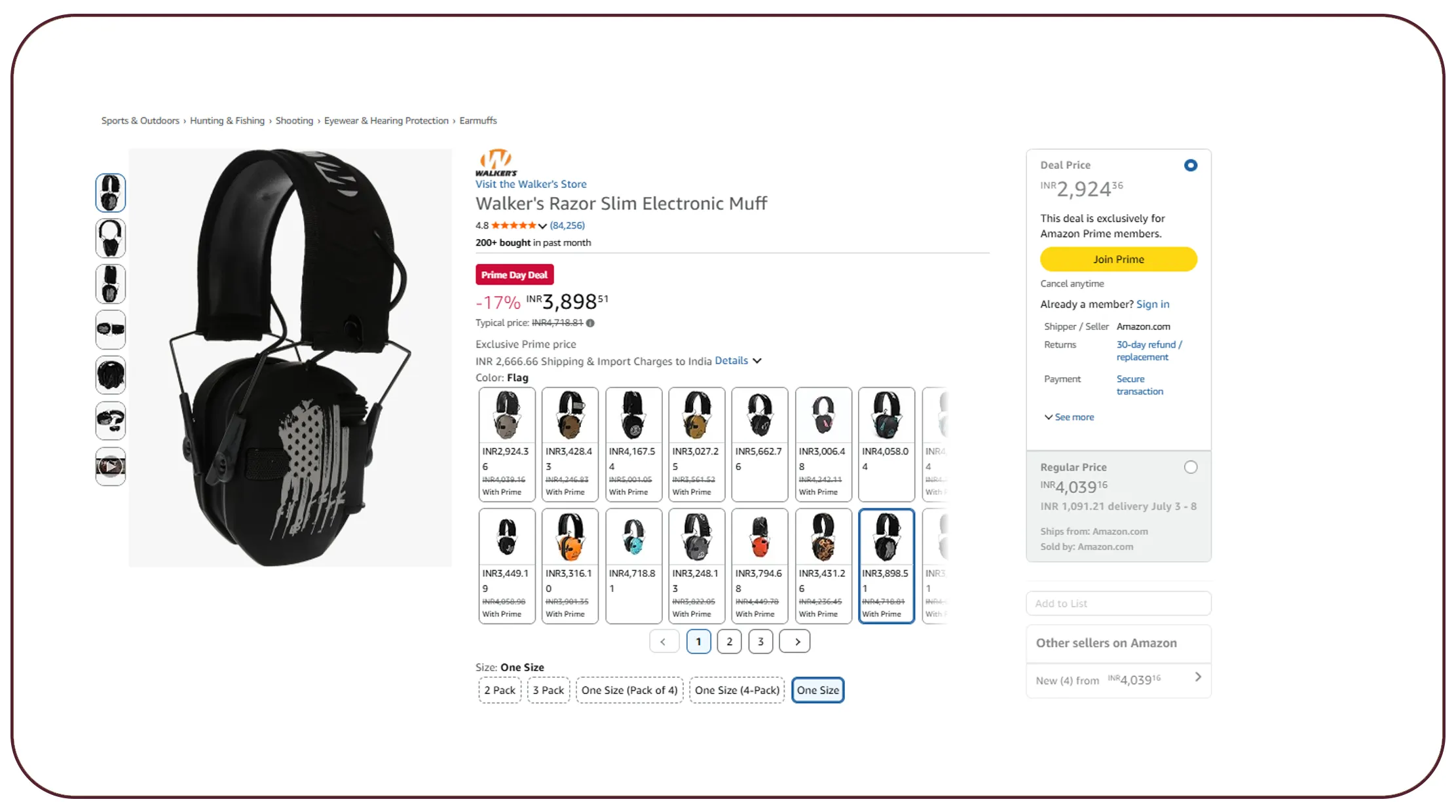
Understanding market demand is critical for business expansion. Companies leveraging startup market intelligence using data scraping gain access to real-time information that reveals emerging opportunities before competitors recognize them.
Data scraping enables startups to monitor industry trends, customer behavior, pricing shifts, product demand, and competitor positioning.
Market Intelligence Adoption Among Startups (2020–2026)
| Year | Startups Using Market Intelligence (%) |
|---|---|
| 2020 | 28 |
| 2021 | 35 |
| 2022 | 43 |
| 2023 | 52 |
| 2024 | 61 |
| 2025 | 69 |
| 2026 | 77 |
Key benefits include:
- Identifying emerging customer needs.
- Discovering underserved market segments.
- Tracking industry growth trends.
- Understanding seasonal demand fluctuations.
- Improving product-market fit.
Market intelligence allows startups to avoid guesswork. Instead of relying solely on surveys and interviews, businesses can analyze thousands of real-time data points collected directly from relevant online sources.
Founders can also identify geographic expansion opportunities by monitoring consumer interest and purchasing behaviors across regions. These insights help prioritize investments and reduce growth risks.
How can competitor analysis improve startup decision-making?
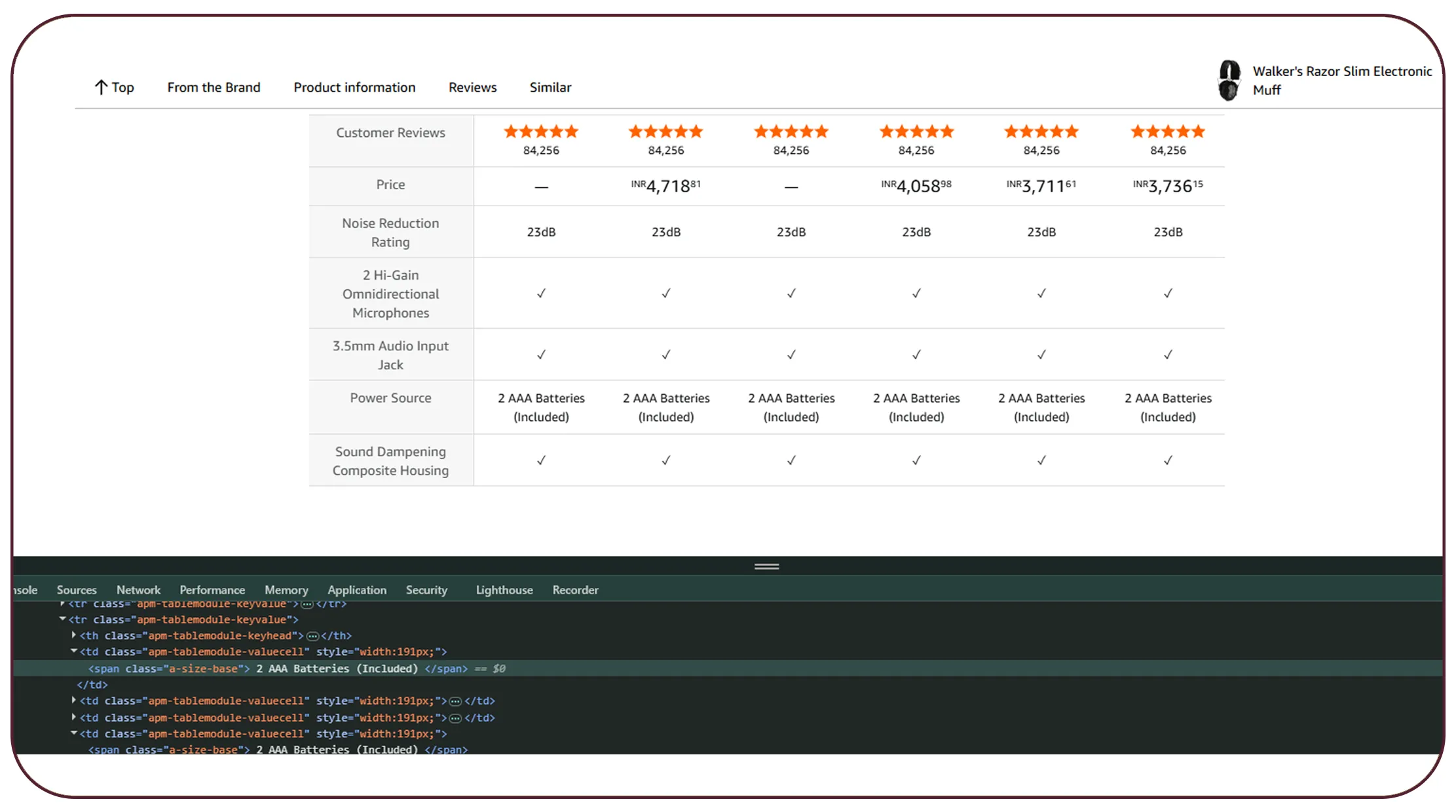
Competitor intelligence provides visibility into how rival businesses operate, price products, launch features, and engage customers. Using web scraping data for startup business strategies, organizations can continuously monitor competitor activities without manual effort.
Competitive monitoring helps startups benchmark performance and identify strategic advantages.
Competitor Monitoring Adoption (2020–2026)
| Year | Companies Monitoring Competitors (%) |
|---|---|
| 2020 | 32 |
| 2021 | 39 |
| 2022 | 47 |
| 2023 | 55 |
| 2024 | 63 |
| 2025 | 71 |
| 2026 | 79 |
Important metrics startups monitor include:
- Product pricing.
- Feature launches.
- Customer reviews.
- Marketing campaigns.
- Promotional offers.
Competitor intelligence helps answer critical questions:
- Which products are gaining traction?
- How are competitors pricing their services?
- What features are customers requesting?
- Which marketing strategies generate engagement?
These insights allow startups to refine positioning, improve offerings, and react quickly to market changes.
By continuously monitoring competitors, businesses can make smarter product development and customer acquisition decisions while minimizing strategic blind spots.
How can startups gather actionable competitive intelligence?
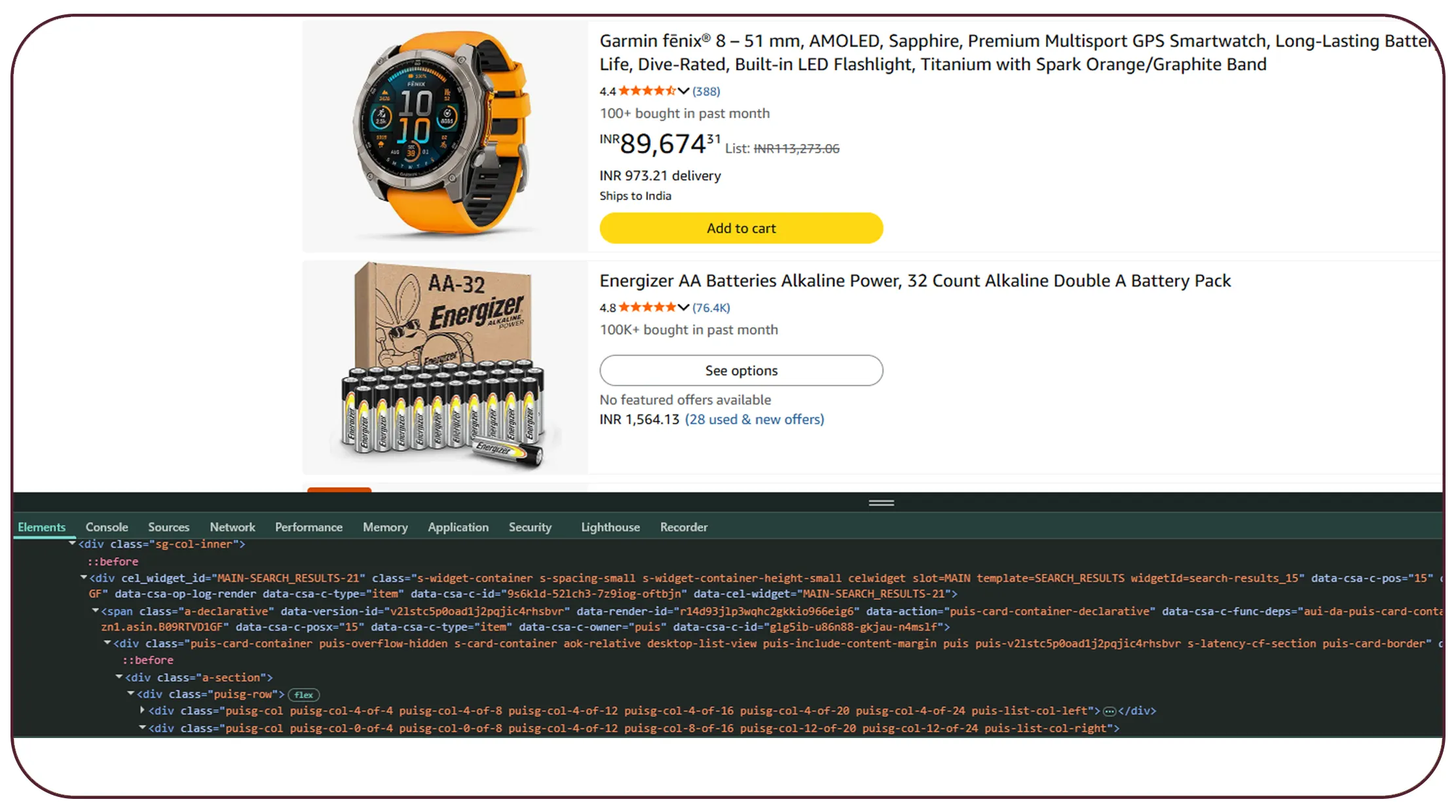
Competitive intelligence goes beyond tracking prices. It involves collecting data that reveals competitor strengths, weaknesses, opportunities, and market strategies. Businesses that extract competitive data intelligence for startups gain a deeper understanding of market dynamics.
Data can be gathered from:
- Company websites.
- Product catalogs.
- Review platforms.
- Job boards.
- News websites.
- Social media channels.
Competitive Intelligence Usage Growth (2020–2026)
| Year | Businesses Using Competitive Intelligence (%) |
|---|---|
| 2020 | 24 |
| 2021 | 31 |
| 2022 | 40 |
| 2023 | 50 |
| 2024 | 61 |
| 2025 | 71 |
| 2026 | 82 |
Key advantages include:
- Faster product innovation.
- Better pricing optimization.
- Improved customer targeting.
- Enhanced market forecasting.
- Reduced business risks.
For example, startups can analyze customer reviews across competing products to identify common complaints. These insights help build superior solutions that directly address unmet customer needs.
Actionable intelligence transforms raw data into strategic direction, enabling startups to compete more effectively regardless of company size.
What role does artificial intelligence play in modern data collection?
Artificial intelligence is transforming how businesses gather and process online information. Recent AI Web Scraping trends show increasing adoption of machine learning algorithms for extracting and analyzing large-scale datasets.
AI-powered systems automate:
- Website monitoring.
- Data classification.
- Content extraction.
- Pattern recognition.
- Sentiment analysis.
AI-Powered Data Collection Adoption (2020–2026)
| Year | AI-Based Data Collection Usage (%) |
|---|---|
| 2020 | 18 |
| 2021 | 25 |
| 2022 | 34 |
| 2023 | 46 |
| 2024 | 58 |
| 2025 | 69 |
| 2026 | 81 |
Benefits include:
- Faster data processing.
- Higher accuracy rates.
- Reduced manual effort.
- Real-time intelligence generation.
- Improved scalability.
AI helps startups collect information from thousands of sources simultaneously. Machine learning models also detect trends and anomalies that humans might overlook.
As markets become increasingly complex, AI-driven scraping technologies provide businesses with the speed and scale needed to maintain a competitive advantage.
How are AI-powered assistants improving business intelligence?
Modern startups increasingly use conversational technologies to support decision-making. An AI Chatbot integrated with intelligence platforms can help teams instantly access insights and scrape market and competitor data for startup growth strategies more efficiently.
Instead of manually analyzing spreadsheets, users can ask questions and receive immediate answers based on collected market data.
AI Chatbot Adoption in Business Analytics (2020–2026)
| Year | Organizations Using AI Chatbots (%) |
|---|---|
| 2020 | 15 |
| 2021 | 22 |
| 2022 | 30 |
| 2023 | 41 |
| 2024 | 54 |
| 2025 | 66 |
| 2026 | 78 |
Use cases include:
- Market trend discovery.
- Competitor monitoring.
- Customer sentiment analysis.
- Product performance tracking.
- Strategic planning support.
Benefits for startups:
- Faster insight generation.
- Improved team productivity.
- Better access to intelligence.
- Simplified reporting processes.
- Reduced research costs.
AI-powered assistants democratize access to business intelligence by making complex data easier to understand and utilize.
Why is continuous monitoring essential for startup success?
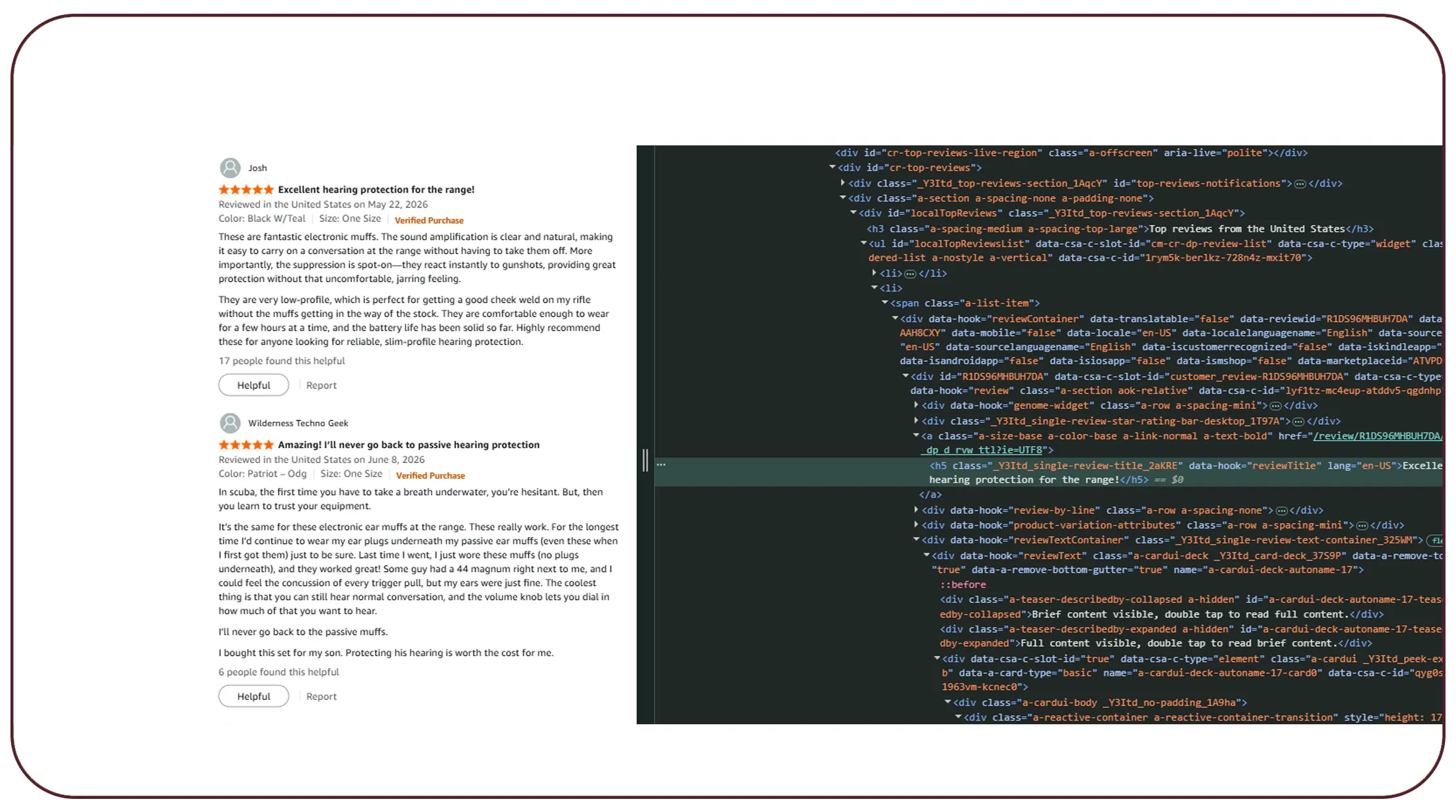
Markets evolve rapidly. Customer preferences, competitor activities, and industry trends change daily. Businesses utilizing AI Web Data Monitoring gain real-time visibility into these changes and can respond proactively.
Continuous monitoring ensures startups remain informed and agile.
Real-Time Monitoring Adoption (2020–2026)
| Year | Businesses Using Real-Time Monitoring (%) |
|---|---|
| 2020 | 21 |
| 2021 | 29 |
| 2022 | 38 |
| 2023 | 49 |
| 2024 | 61 |
| 2025 | 73 |
| 2026 | 84 |
Monitoring systems track:
- Competitor pricing changes.
- Product launches.
- Customer reviews.
- Industry announcements.
- Market demand signals.
Key benefits include:
- Faster reaction times.
- Improved forecasting accuracy.
- Enhanced customer understanding.
- Better risk management.
- Increased competitive awareness.
Real-time monitoring enables startups to identify opportunities before they become mainstream. This advantage often determines whether a company leads or follows market trends.
Why Choose Real Data API?
Businesses seeking reliable intelligence solutions need scalable technologies that deliver accurate and timely information. At Real Data API, we help organizations scrape market and competitor data for startup growth strategies through advanced automation, AI-driven extraction, and real-time monitoring systems.
Our solutions provide:
- Real-time competitor intelligence.
- Market trend monitoring.
- Pricing analytics.
- Product intelligence.
- Customer sentiment tracking.
- Industry research automation.
- Scalable API-based delivery.
Why startups choose us:
- High-quality structured data.
- Enterprise-grade infrastructure.
- Flexible integrations.
- Real-time updates.
- Customized intelligence solutions.
We empower startups with the actionable insights needed to scale faster and compete effectively.
Conclusion
Data-driven startups consistently outperform competitors because they make informed decisions based on real market signals. Organizations that scrape market and competitor data for startup growth strategies gain valuable insights into customer behavior, pricing trends, competitive positioning, and emerging opportunities.
From AI-powered intelligence systems to real-time monitoring platforms, modern data collection technologies enable businesses to scale efficiently while reducing uncertainty.
Ready to accelerate startup growth with actionable market intelligence? Contact Real Data API today and discover how our advanced data solutions can help you scrape market and competitor data for startup growth strategies and drive faster business scaling!
Latest posts
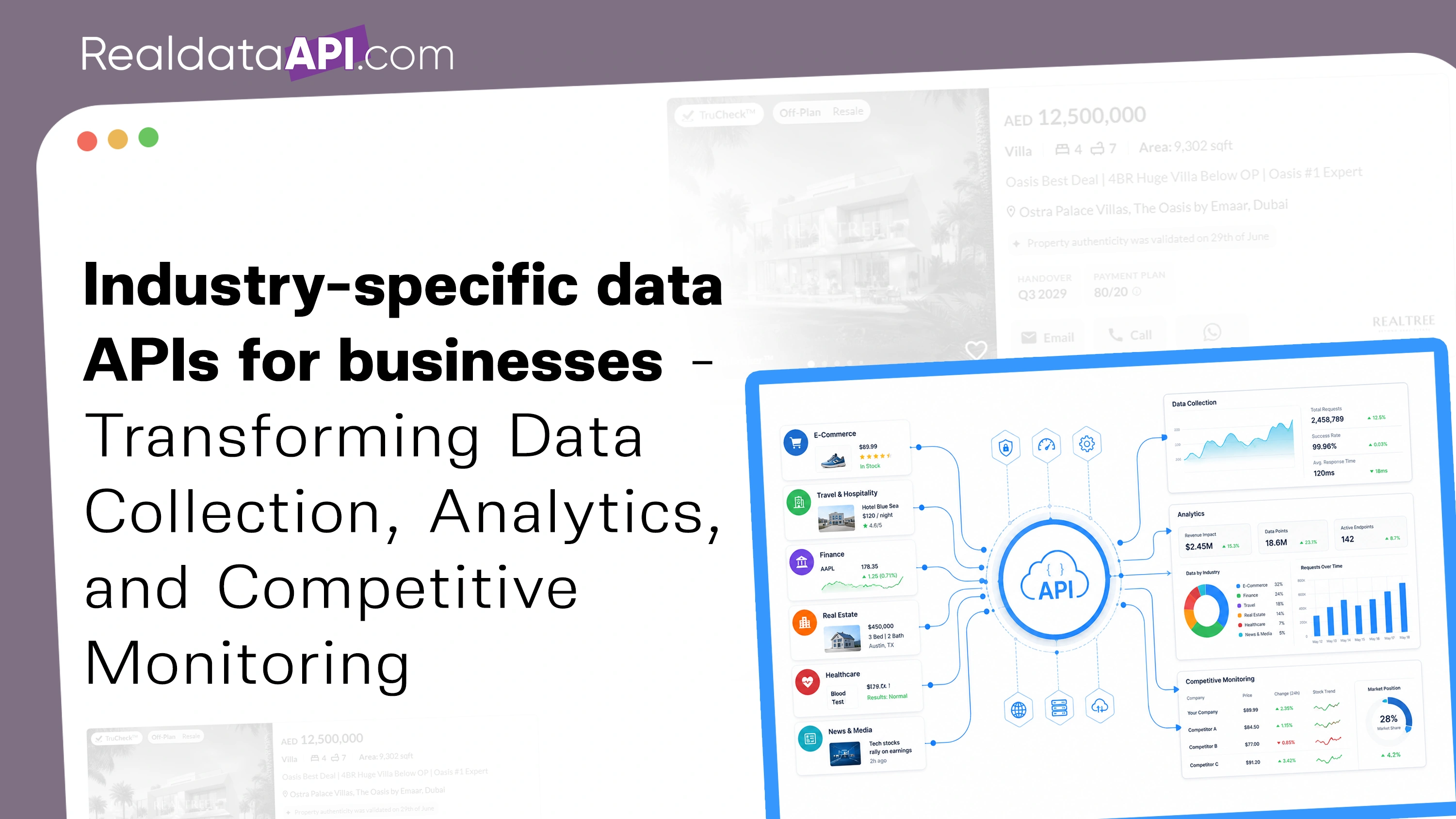
Industry-specific data APIs for businesses - Transforming Data Collection, Analytics, and Competitive Monitoring
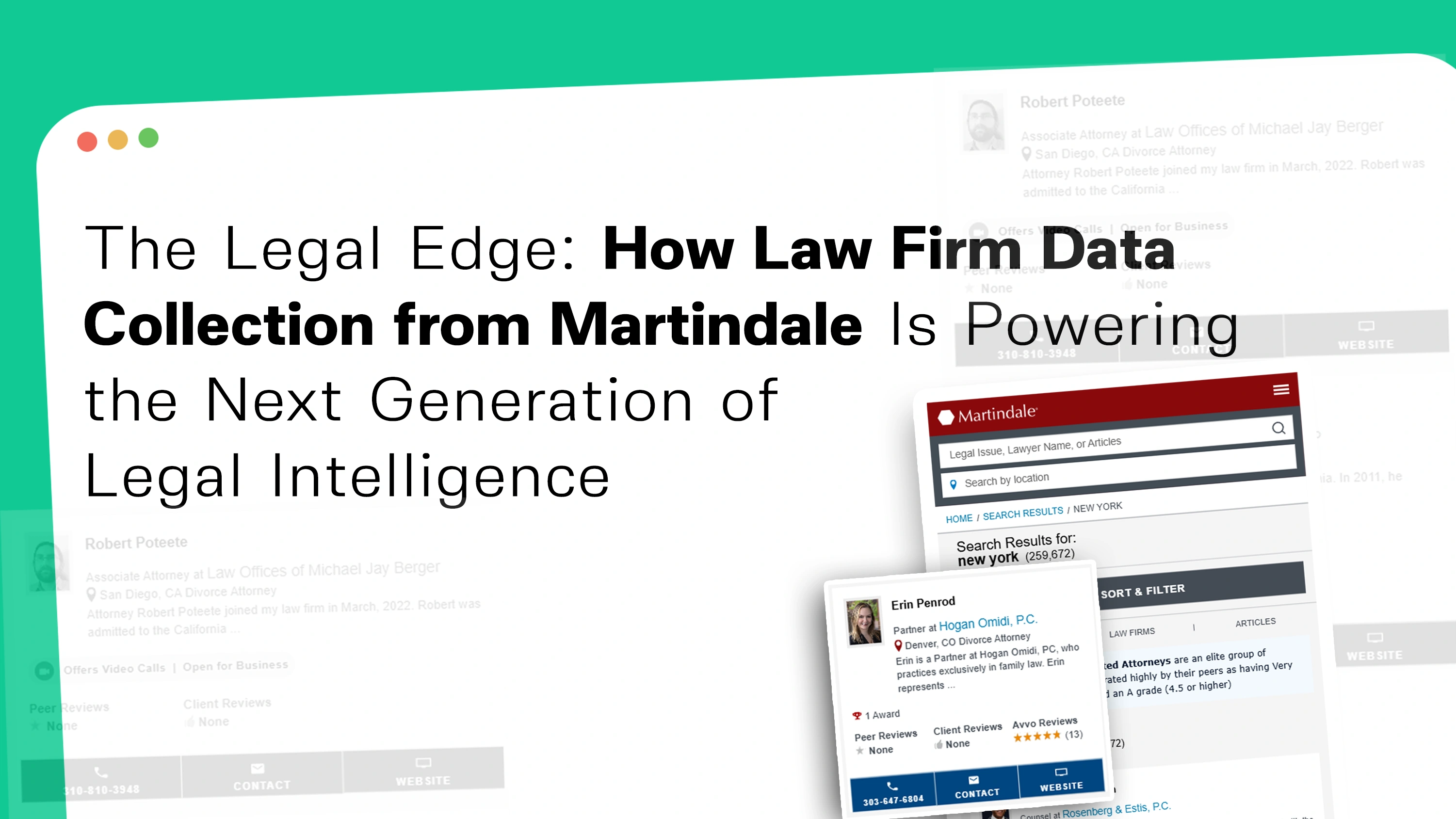
The Legal Edge: How Law Firm Data Collection from Martindale Is Powering the Next Generation of Legal Intelligence

The Complete Guide to Web Scraping Grocery Data from Sobeys
How to Scrape Market and Competitor Data for Startup Growth Strategies and Faster Business Scaling?

Real Data API stands out as one of the premier global companies specializing in web data Scraping and web extraction.





.png)


Rating 4.7
Rating 4.7
Rating 4.5
Rating 4.7
Rating 4.7


Disclaimer : RealData API functions solely as an independent data infrastructure and technology solutions provider. We build customized automation workflows designed to collect publicly accessible web data based exclusively on client instructions. RealData API neither owns proprietary datasets nor engages in the sale or redistribution of extracted information. Our operations are limited strictly to lawful public web data processing and never involve unauthorized access to restricted systems or private networks. Any company names, trademarks, logos, or brand references displayed on this website are used purely for demonstrative and illustrative purposes to showcase our technical capabilities and do not imply endorsement, partnership, or affiliation. Use of our platform and services remains subject to our Terms of Service.