Introduction
The U.S. food delivery market has experienced explosive growth over the past decade. Platforms such as DoorDash, Uber Eats, Grubhub, Postmates, Instacart, and Seamless have transformed how consumers discover restaurants, browse menus, compare prices, and place orders. With millions of restaurants, constantly changing menus, dynamic pricing, and location-based availability, these platforms generate massive volumes of valuable data every day.
For businesses operating in food tech, market research, pricing intelligence, analytics, and competitive monitoring, Scraping Restaurant and Menu Data from Major Food Delivery Platforms in the USA has become a strategic necessity. Manual data collection is no longer scalable, accurate, or timely.
In this blog, we explore why businesses need restaurant and menu data, what data can be extracted from major U.S. food delivery platforms, how Food Data Scraping API enables structured datasets, key use cases, challenges, best practices, and the role of APIs in delivering actionable food delivery intelligence.
Overview of Major Food Delivery Platforms in the U.S.
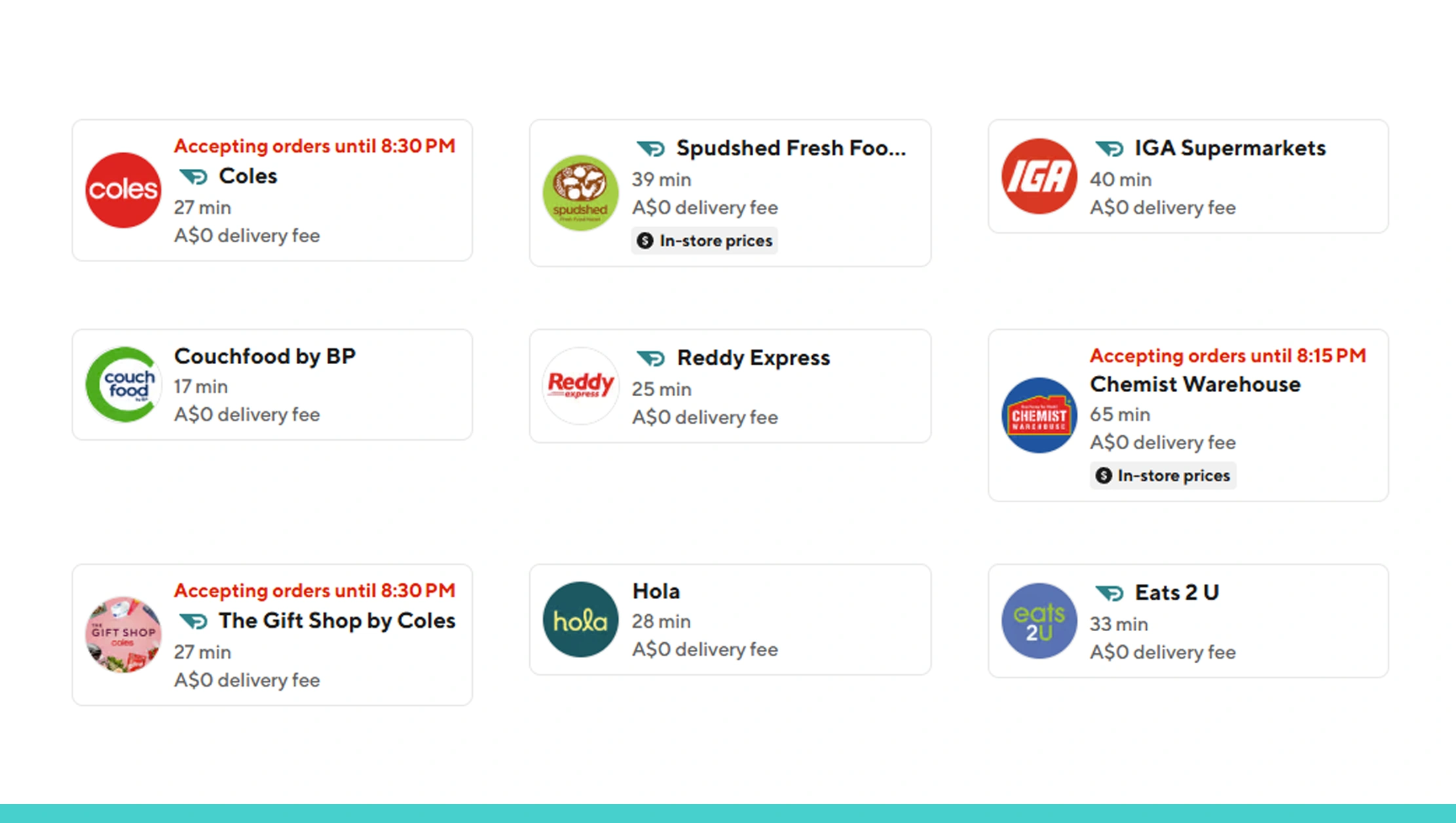
The U.S. food delivery ecosystem is dominated by several large platforms, each with unique data structures and business models:
- DoorDash – Largest market share, strong local restaurant presence
- Uber Eats – Global reach with dynamic pricing and promotions
- Grubhub / Seamless – Established platform with extensive restaurant data
- Postmates – Focused on convenience and urban delivery
- Instacart – Grocery and restaurant hybrid data (select markets)
Scraping data across all these platforms enables comprehensive restaurant intelligence With the help of Food Dataset.
Why Scraping Restaurant and Menu Data Matters
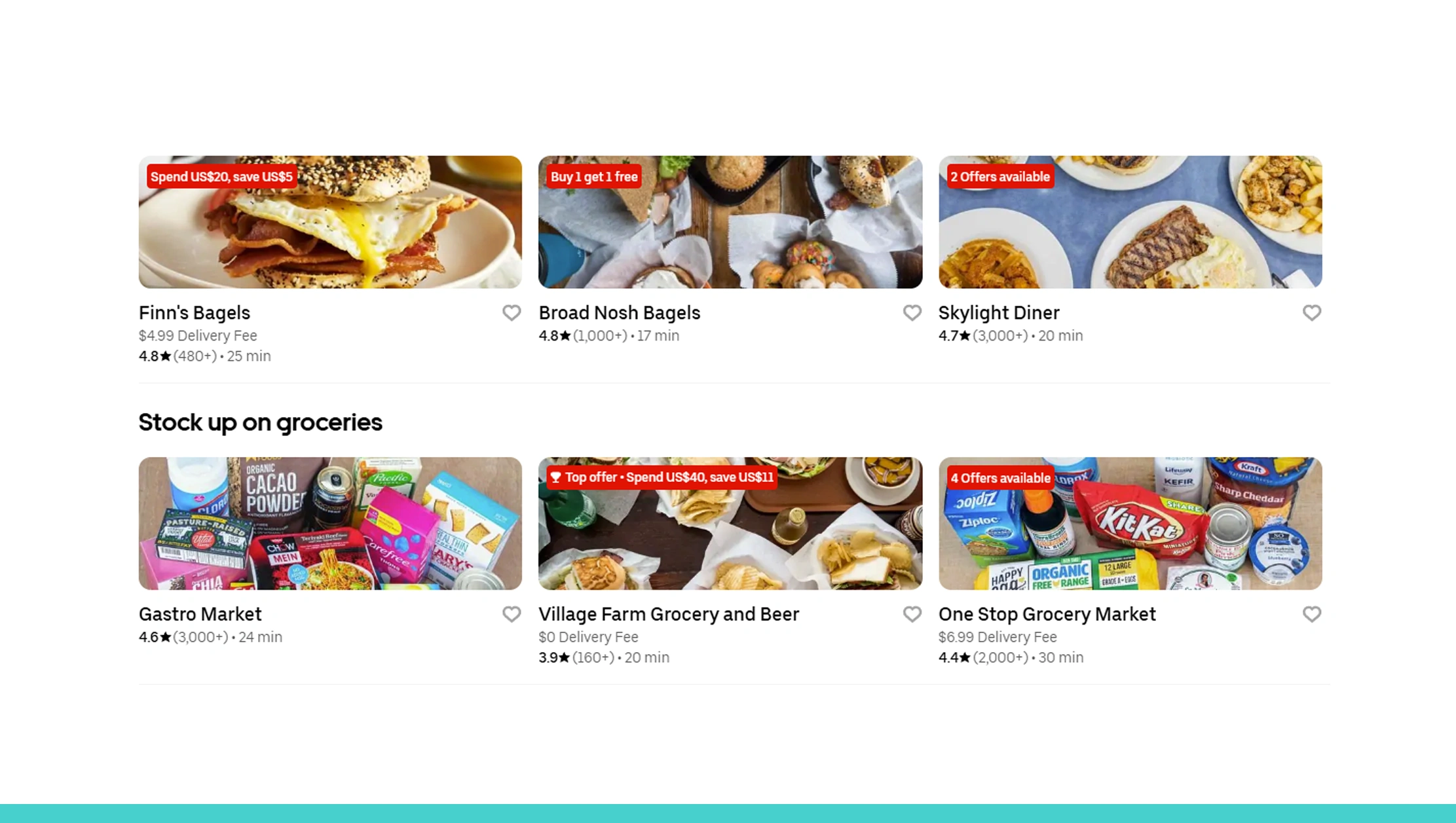
1. Highly Dynamic Menus & Pricing
Restaurant menus change frequently due to:
- Seasonal ingredients
- Inflation and supply costs
- Promotions and discounts
Scraping ensures real-time or near real-time visibility.
2. Location-Based Availability
Menu items, prices, and availability vary by:
- City
- ZIP code
- Delivery radius
Only automated scraping can capture this level of granularity.
3. Competitive Intelligence
Restaurants and brands need to know:
- How competitors price similar items
- Which platforms offer better visibility
- Promotion frequency and discount depth
4. Consumer Decision-Making Insights
Food delivery platforms reflect real consumer demand patterns, making scraped data invaluable for analytics and forecasting.
Types of Restaurant & Menu Data That Can Be Scraped
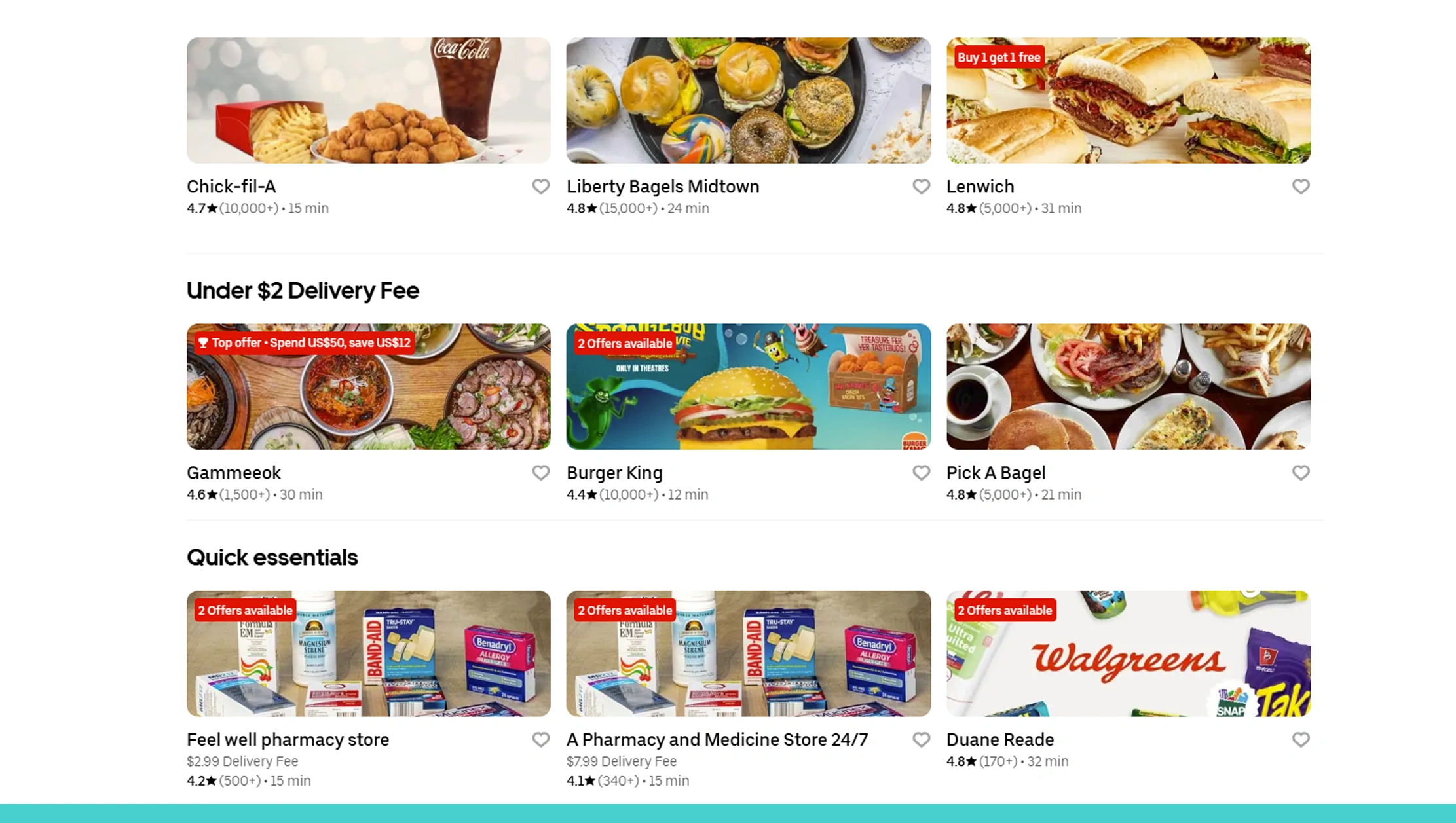
Using web scraping for food delivery platforms, businesses can extract structured and unstructured data at scale.
1. Restaurant-Level Data
- Restaurant name
- Cuisine type
- Address and delivery area
- Opening hours
- Ratings and review counts
2. Menu Data
- Menu categories (pizza, burgers, beverages, etc.)
- Item names and descriptions
- Ingredients and modifiers
- Customization options
3. Pricing Data
- Base price per item
- Size-based pricing
- Add-on and topping prices
- Service and delivery fees (where visible)
4. Promotions & Deals
- Discounts and coupon offers
- Buy-one-get-one (BOGO) deals
- Platform-specific promotions
5. Availability & Status
- In-stock / out-of-stock menu items
- Delivery time estimates
- Pickup vs delivery availability
Role of Web Scraping in Food Delivery Data Extraction
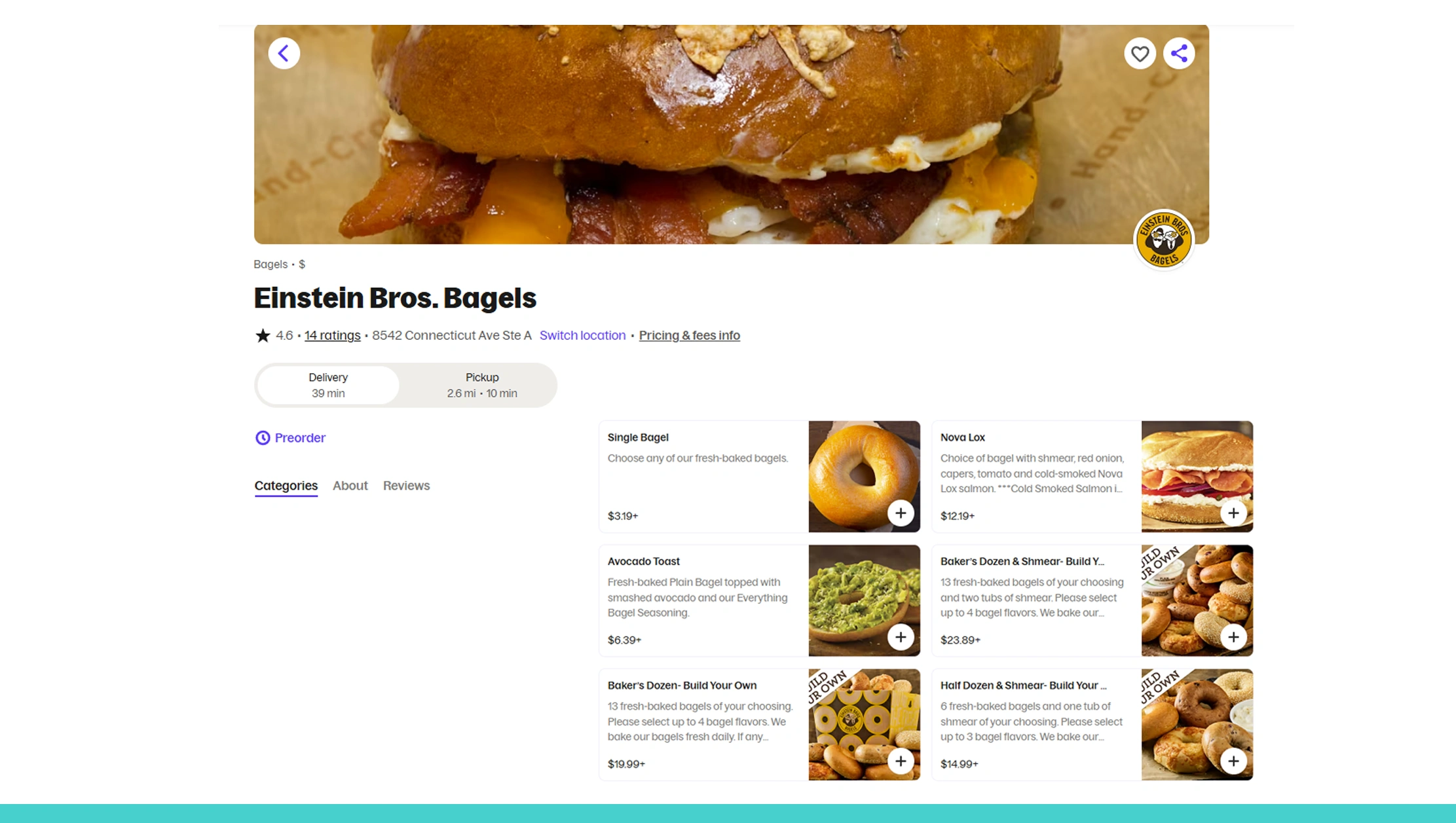
Why Web Scraping Is Essential
Most food delivery platforms:
- Do not offer public APIs for bulk data access
- Restrict data visibility by location
- Use dynamic, JavaScript-heavy interfaces
Web scraping enables:
- Automated, scalable data collection
- Location-aware menu and pricing extraction
- Structured datasets for analytics and APIs
Scraping-Related Keywords in Practice
Businesses rely on:
- Restaurant menu data scraping
- Food delivery data extraction
- Web scraping DoorDash menus
- Uber Eats menu scraping
- Grubhub restaurant data scraping
These approaches power modern food-tech analytics via DoorDash Scraper.
How Scraping Restaurant and Menu Data from Major Food Delivery Platforms in the USA Works
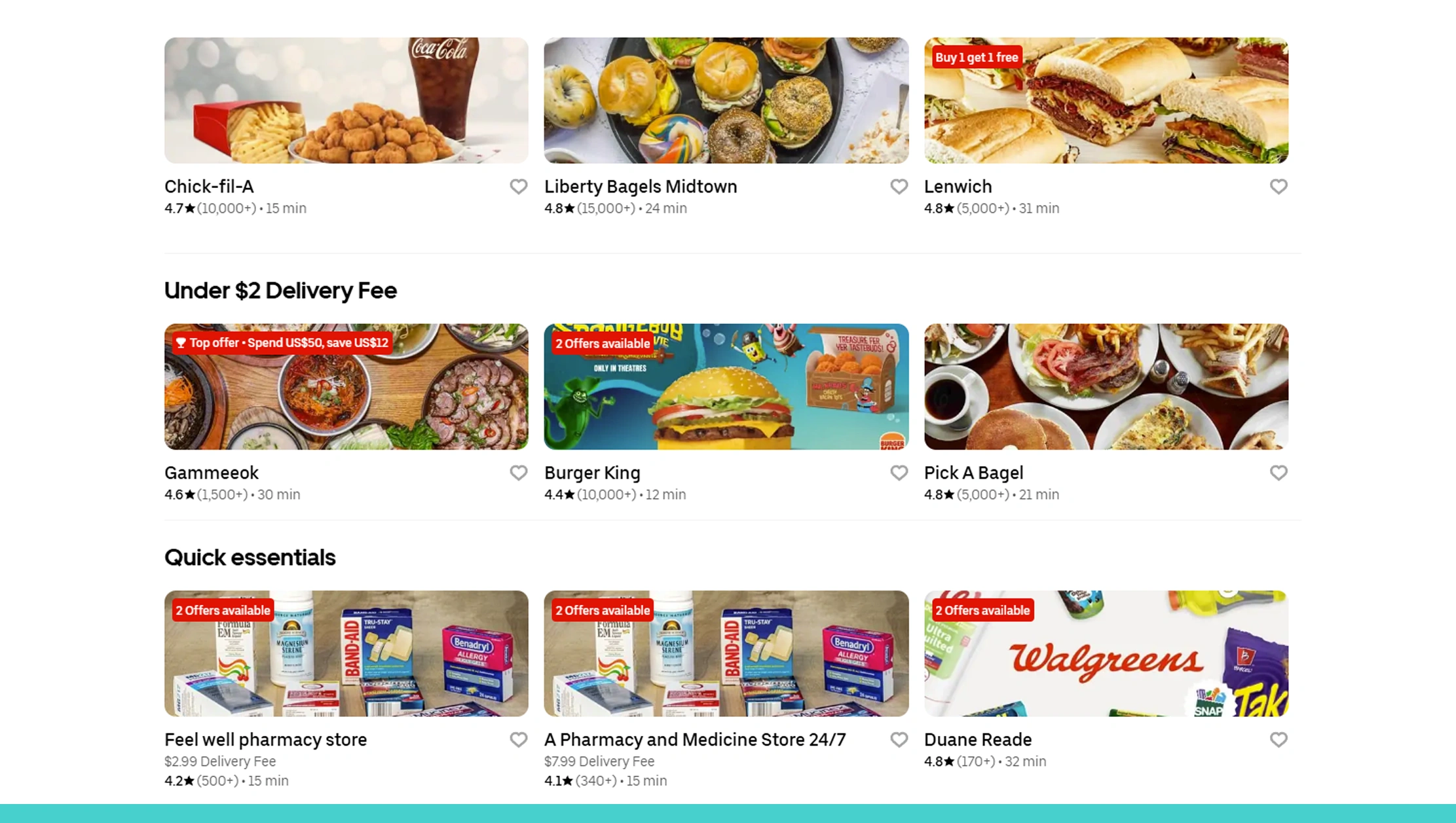
Step 1: Define Data Requirements
- Platforms to scrape
- Cities or ZIP codes
- Data fields required
- Scraping frequency
Step 2: Intelligent Crawling & Rendering
Advanced scrapers:
- Handle dynamic content
- Simulate real user behavior
- Manage pagination and filters
- Extract menu and pricing logic
Step 3: Data Cleaning & Normalization
- Remove duplicate restaurants
- Normalize menu item names
- Standardize prices and sizes
- Map restaurants across platforms
Step 4: Data Delivery via APIs
Cleaned data is delivered through:
- REST APIs
- JSON feeds
- Cloud storage
- Dashboards
This enables seamless system integration.
Key Use Cases for Scraped Restaurant & Menu Data
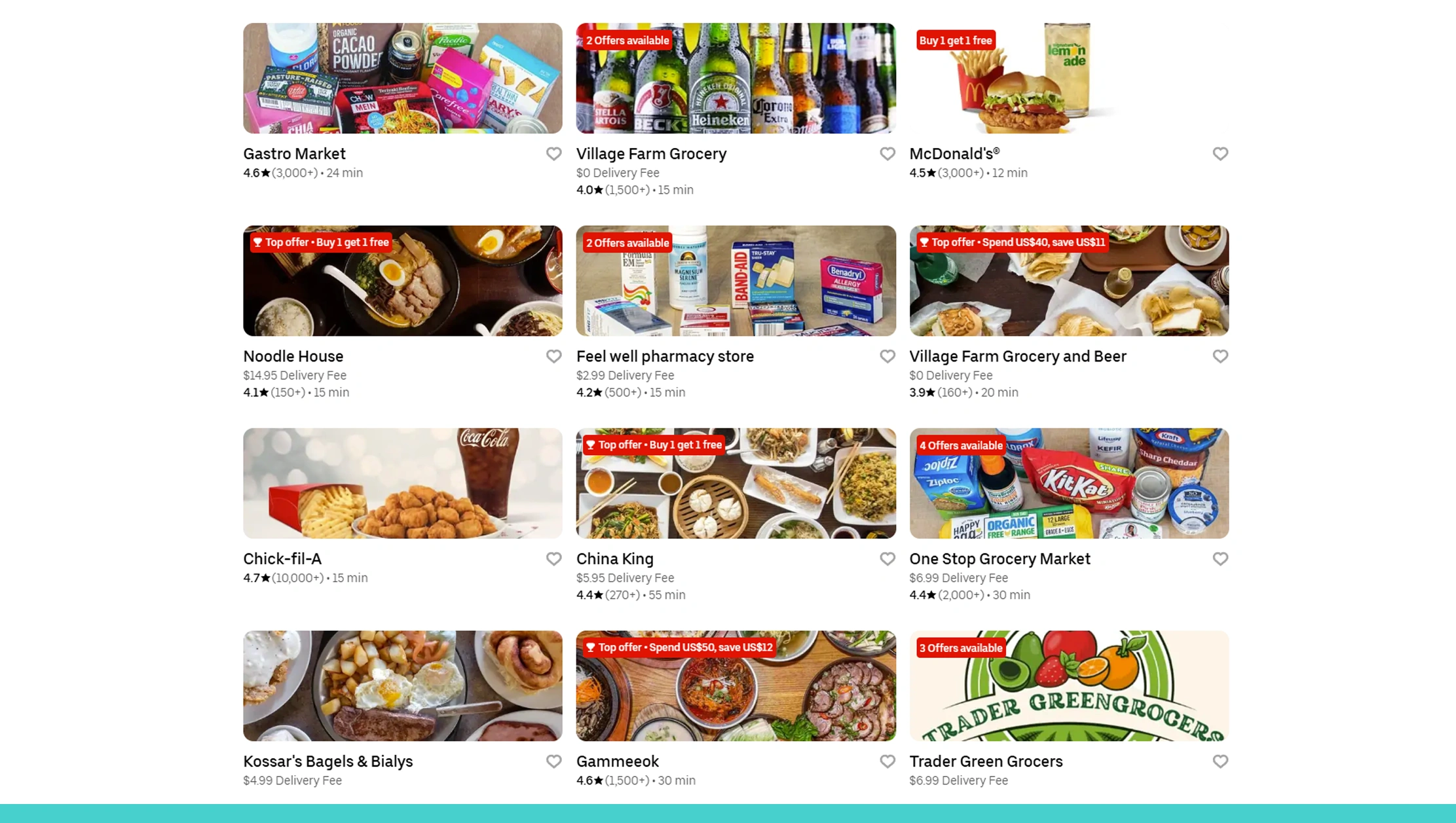
1. Food Price Comparison Platforms
Companies compare:
- Menu prices across platforms
- Delivery fees by location
- Promotion effectiveness
2. Restaurant Competitive Analysis
Restaurants analyze:
- Competitor menu pricing
- Item availability
- Platform-specific strategies
3. Market Research & Consulting
Analysts track:
- Cuisine popularity trends
- Regional food preferences
- Platform market share insights
4. Food Tech & Aggregator Apps
Apps use scraped data for:
- Menu aggregation
- Restaurant discovery
- Recommendation engines
5. AI & Predictive Analytics
Scraped data feeds:
- Demand forecasting models
- Dynamic pricing simulations
- Consumer behavior analytics
Challenges in Scraping Food Delivery Platforms
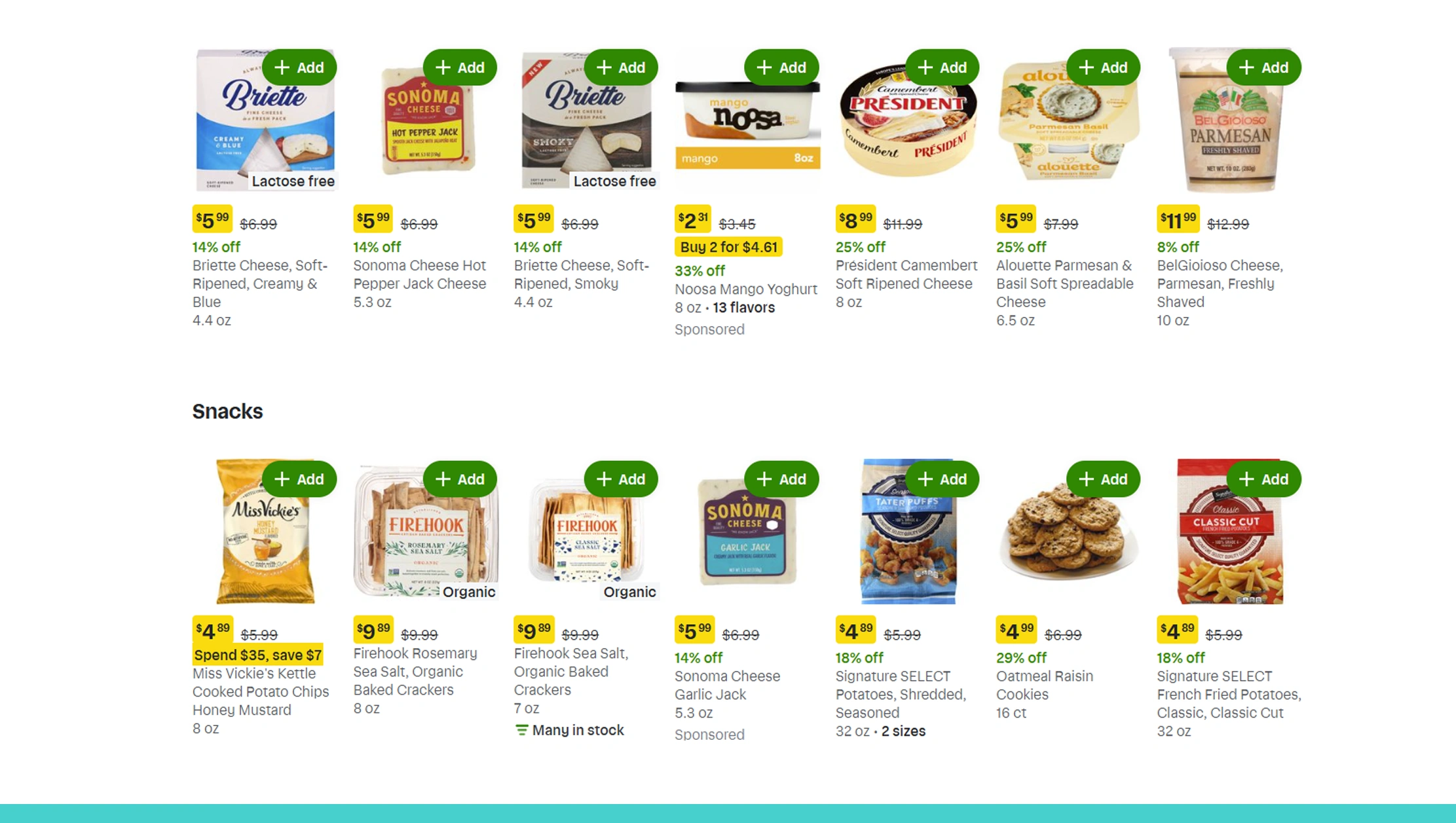
1. Dynamic & JavaScript-Heavy Pages
Menus load dynamically and differ by location.
2. Anti-Bot & Rate Limiting
Platforms implement strict protections.
3. Location & Login Dependencies
Some data is visible only after selecting a location.
4. Frequent UI Changes
Platform updates can break basic scrapers.
Professional scraping infrastructure is required to ensure stability.
Best Practices for Scraping Restaurant and Menu Data from Major Food Delivery Platforms in the USA
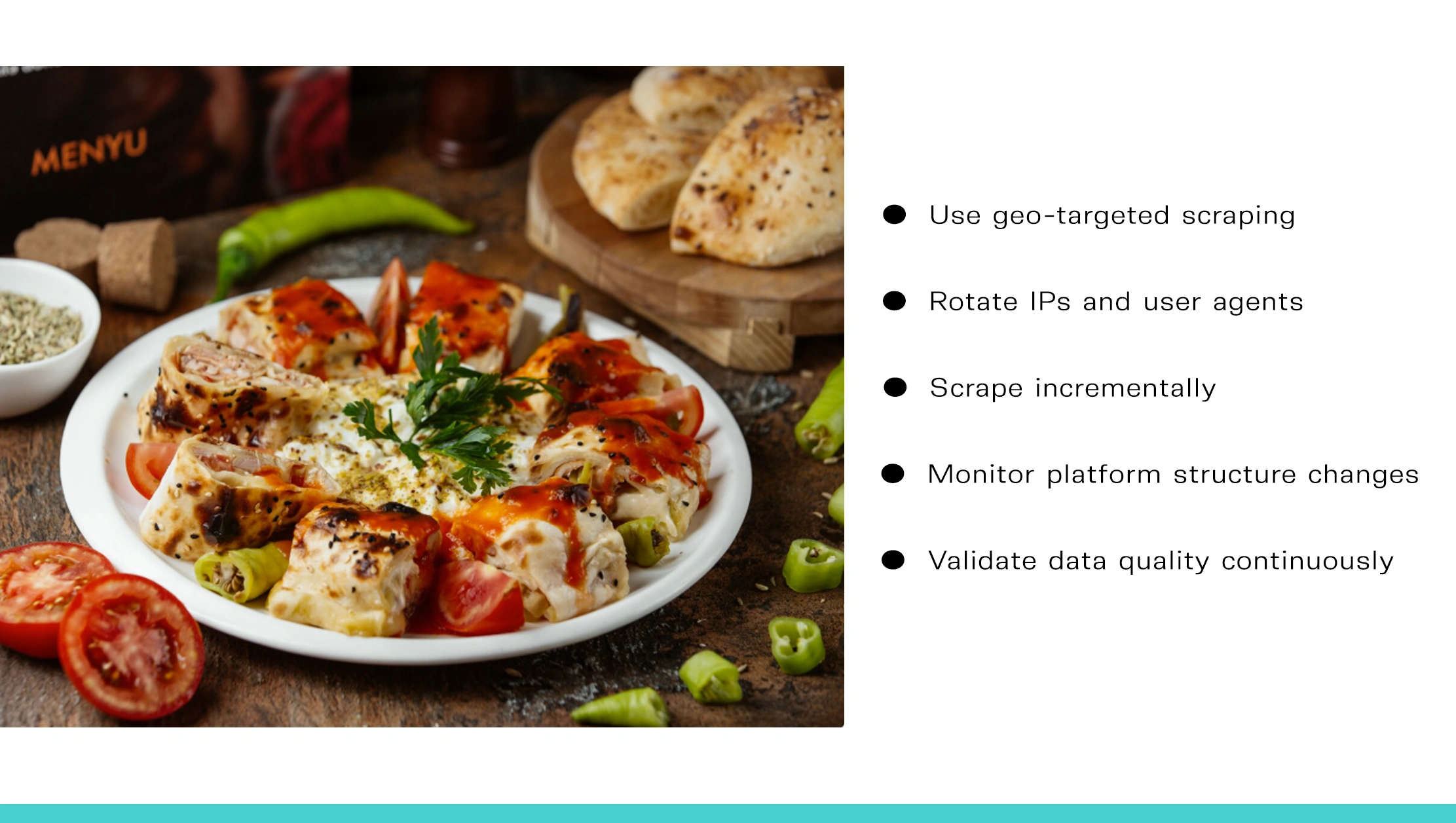
To ensure reliable data extraction:
- Use geo-targeted scraping
- Rotate IPs and user agents
- Scrape incrementally
- Monitor platform structure changes
- Validate data quality continuously
Following best practices ensures long-term success.
Data Output Formats & Integration
Scraped food delivery data can be delivered in:
- CSV / Excel
- JSON
- REST APIs
- Cloud storage
- BI dashboards
Flexible delivery formats support multiple business needs.
Compliance & Ethical Scraping
Responsible scraping includes:
- Extracting only publicly available data
- Avoiding personal user information
- Respecting crawl limits
- Using data for analytics and research
Ethical practices ensure sustainable data access.
Future of Food Delivery Data Scraping
As competition intensifies:
- Real-time menu intelligence will become standard
- APIs will replace manual data collection
- AI-driven food analytics will rely on continuous scraping
Businesses that invest early gain a strong competitive advantage Uber Eats Scraper.
Conclusion: Unlock Food Delivery Intelligence with Real Data API
Scraping restaurant and menu data from major food delivery platforms in the U.S. is no longer optional—it is essential for data-driven decision-making. With constantly changing menus, prices, promotions, and availability, manual tracking simply cannot keep pace.
By leveraging web scraping and automated data extraction, businesses gain real-time visibility into restaurant listings, menu pricing, platform strategies, and regional trends.
Real Data API empowers businesses with scalable, reliable, and ready-to-use APIs for restaurant and menu data scraped from leading U.S. food delivery platforms. From menu intelligence and price comparison to competitive analysis and AI-ready datasets, Real Data API transforms raw food delivery data into actionable insights that drive smarter strategies and sustained growth.
Latest posts
Web Scraping Competitor Product Monitoring Using Marketplace Data for Real-Time E-commerce Insights and Business Growth?
How to Scrape Product Intelligence Platform Using Marketplace Data to Help Brands Optimize Pricing, Inventory, and Product Strategy?
Why Companies scrape business data from Google Maps using keywords to Build Accurate Business Lists and Competitive Insights?
How Review scraping and monitoring services Help Businesses Track Customer Sentiment and Protect Brand Reputation in 2026?
How Real Estate Investment Insights Using RERA Data Scraping Help Investors Minimize Risk and Maximize Returns

Real Data API stands out as one of the premier global companies specializing in web data Scraping and web extraction.





.png)


Rating 4.7
Rating 4.7
Rating 4.5
Rating 4.7
Rating 4.7


Disclaimer : RealData API functions solely as an independent data infrastructure and technology solutions provider. We build customized automation workflows designed to collect publicly accessible web data based exclusively on client instructions. RealData API neither owns proprietary datasets nor engages in the sale or redistribution of extracted information. Our operations are limited strictly to lawful public web data processing and never involve unauthorized access to restricted systems or private networks. Any company names, trademarks, logos, or brand references displayed on this website are used purely for demonstrative and illustrative purposes to showcase our technical capabilities and do not imply endorsement, partnership, or affiliation. Use of our platform and services remains subject to our Terms of Service.