
Introduction
When it comes to rental market momentum in the United States, two states consistently dominate the conversation: Texas and Florida. Both have experienced explosive population growth, surging rental demand, and a flood of domestic and international property investment over the past decade. For anyone trying to navigate these markets — whether as a buy-to-rent investor, a multifamily developer, a short-term rental operator, or a proptech analyst — having access to timely, granular, and reliable rental data is not optional. It is the foundation of every sound investment decision.
This is precisely why Texas and Florida rental market data scraping has become one of the most active areas of real estate data engineering in the country. The sheer volume and variety of rental listings, price signals, occupancy trends, and neighborhood-level dynamics published online every day across apartment portals, vacation rental platforms, and MLS feeds makes manual research impossible at scale. Web scraping and real estate API integration provide the infrastructure to extract, organize, and act on this data at the speed the market demands.
This article is a comprehensive guide to the tools, techniques, data sources, and strategies behind effective rental market data collection in Texas and Florida — and how that data translates directly into sharper property investment insights.
$1,842
Avg Texas metro rent (2025)$2,105
Avg Florida metro rent (2025)14.2%
TX population growth (2020–25)11.8%
FL population growth (2020–25)Why Texas and Florida Are the Epicenter of Rental Investment
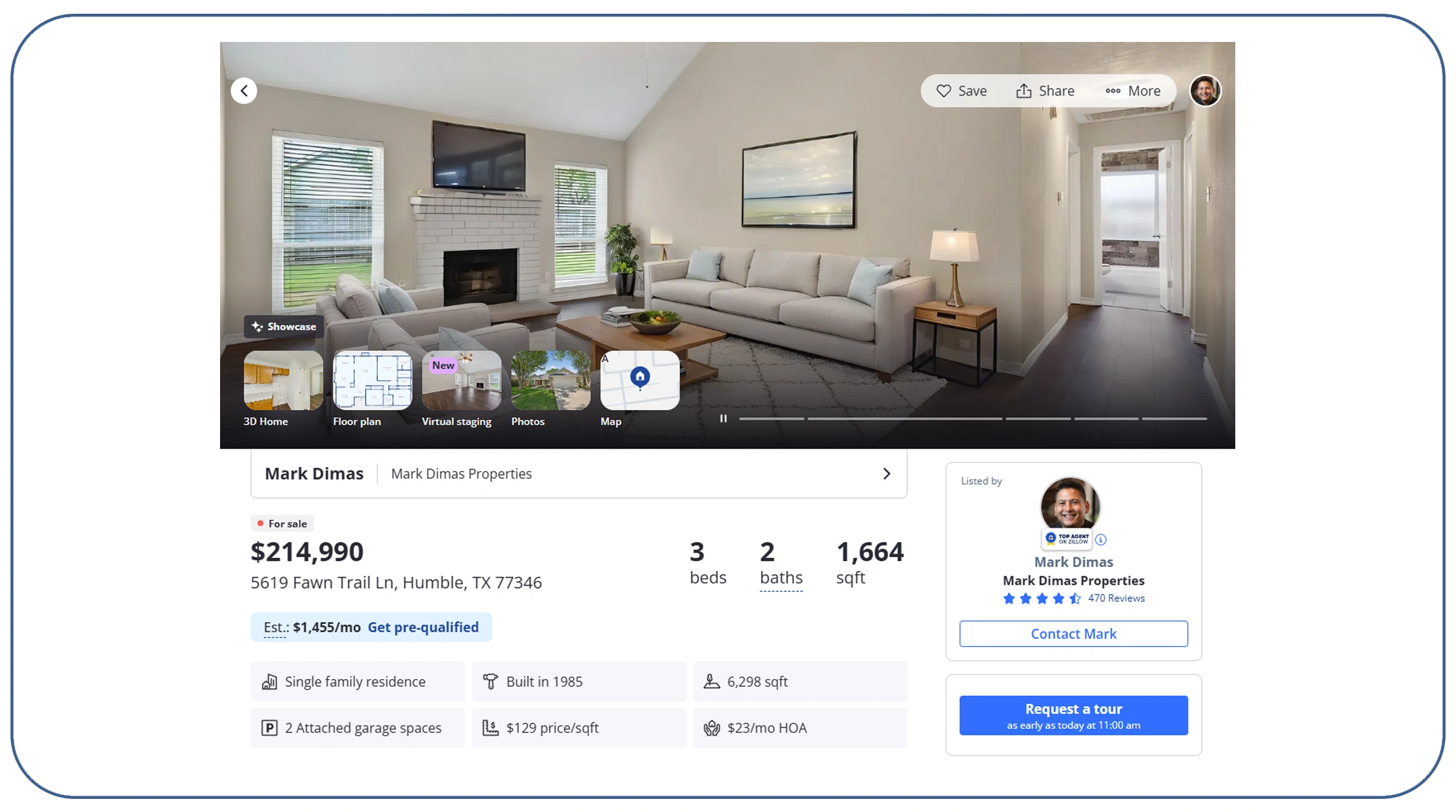
To understand why Texas and Florida rental market data scraping has grown into a sophisticated discipline, you first need to understand what makes these two states so compelling for property investors.
Texas has emerged as the premier destination for corporate relocations, tech industry expansion, and domestic migration from high-cost states like California and New York. Cities like Austin, Dallas-Fort Worth, Houston, and San Antonio have absorbed hundreds of thousands of new residents over the past five years, creating sustained demand for rental housing that has outpaced construction in most submarkets. Meanwhile, property tax structures, landlord-friendly regulations, and no state income tax make Texas uniquely attractive for rental property ownership.
Florida tells a parallel story — but with an additional layer of complexity driven by short-term vacation rental demand. Markets like Miami, Tampa, Orlando, Jacksonville, and Naples are not only experiencing long-term rental growth driven by retirees, remote workers, and transplants from the Northeast; they are also home to some of the most active Airbnb and Vrbo markets in the country. This dual market dynamic — long-term residential rentals and short-term vacation rentals operating side by side — makes Florida particularly rich in data signals and particularly rewarding for investors who can analyze both simultaneously.
Texas — Key Markets
Austin $1,920/mo avg rent
Dallas-Fort Worth $1,740/mo avg rent
Houston $1,610/mo avg rent
San Antonio $1,390/mo avg rent
Florida — Key Markets
Miami $2,850/mo avg rent
Tampa $1,980/mo avg rent
Orlando $1,890/mo avg rent
Jacksonville $1,650/mo avg rent
"In Texas and Florida, the difference between an average investment and an exceptional one often comes down to the quality of rental data collected — and how quickly that data is acted upon."
Key Data Sources for Rental Scraping in Texas and Florida
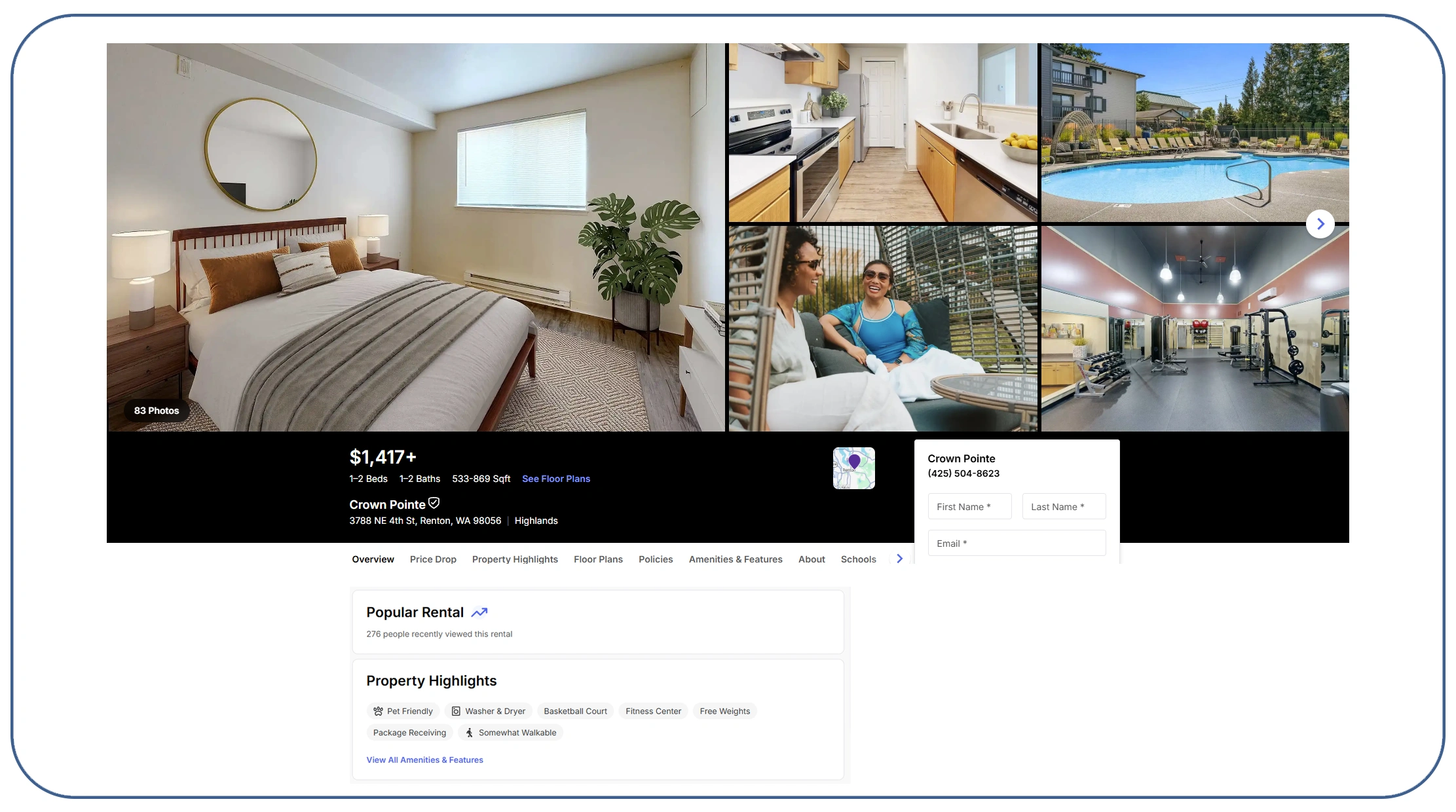
Before designing any scraping pipeline, the first step is mapping the data landscape: which platforms and sources hold the most valuable rental intelligence for these two states?
Long-Term Rental Platforms
For traditional apartment and residential rental data, the primary sources include Apartments.com, Zillow Rentals, Rent.com, Zumper, HotPads, and Craigslist. These platforms collectively list hundreds of thousands of active rental units across Texas and Florida at any given time. Each listing exposes a rich set of data points: monthly rent, unit size, number of bedrooms and bathrooms, pet policies, included amenities, days on market, landlord type (individual vs. property management company), and geographic coordinates. When you scrape apartment and vacation rental data from Texas and Florida across these platforms, you can build a near-complete picture of the long-term rental supply and price distribution in any target market.
Vacation and Short-Term Rental Platforms
Airbnb, Vrbo, and Booking.com are the primary targets for short-term rental data. In Florida especially — where vacation rental income in markets like Orlando's tourist corridor, Miami Beach, and the Florida Keys can dramatically outperform long-term lease income — scraping nightly prices, occupancy calendars, review counts, and host portfolio details provides investment signals that no publicly available dataset captures. Third-party analytics providers like AirDNA and Mashvisor aggregate much of this data commercially, but direct scraping can capture real-time listing details not available through commercial datasets.
MLS and County Records
Multiple Listing Service feeds for Texas (served through state-level associations like HAR in Houston and NTREIS in Dallas) and Florida (FMLS, Stellar MLS) contain the most authoritative listing and transaction data. Combined with county property appraiser records — which are publicly available in both states — these sources allow investors to cross-reference current rental asking prices against assessed values, prior sale prices, and ownership histories.
Tools to Extract Rental Listings Data in Texas and Florida
Choosing the right tools to extract rental listings data in Texas and Florida depends on the scale of data required, the technical sophistication of the team, and the target platforms' structural complexity. Here is a practical breakdown of the most effective tools available today.
| Tool | Purpose |
|---|---|
| Python + Playwright | Browser automation for JS-heavy rental portals like Zillow and Apartments.com |
| Scrapy | High-throughput spider framework for large-scale structured crawling across multiple domains |
| BeautifulSoup | Lightweight HTML parser ideal for simpler static pages like county assessor sites |
| Real Data API | Dedicated real estate data API providing structured rental listings, price benchmarks, and market trends across Texas and Florida metros |
| Actowiz Solutions | End-to-end web scraping service specializing in real estate and rental data extraction across US markets including Texas and Florida |
| Web Data Crawler | Scalable crawler tool designed for extracting large volumes of rental listing data from multiple platforms simultaneously |
For production-grade pipelines that need real-time rental market data scraper Texas and Florida functionality — meaning continuous or near-continuous data collection that updates as new listings appear and prices change — a combination of Playwright or Puppeteer for dynamic page rendering, Scrapy for crawl management, and a residential proxy service for IP rotation represents the current industry standard architecture.
# Example: City-wise rental price extraction — Austin, TX
import requests
from bs4 import BeautifulSoup
import pandas as pd
def scrape_rentals_by_city(city_slug, state):
headers = {"User-Agent": "Mozilla/5.0"}
url =
f"https://example-rental-api.com/listings?city={city_slug}&state={state}"
response = requests.get(url, headers=headers)
soup = BeautifulSoup(response.text, "html.parser")
listings = []
for card in soup.select(".listing-card"):
listings.append({
"address":
card.select_one(".address").get_text(strip=True),
"price":
card.select_one(".price").get_text(strip=True),
"beds":
card.select_one(".beds").get_text(strip=True),
"sqft":
card.select_one(".sqft").get_text(strip=True),
"type":
card.select_one(".prop-type").get_text(strip=True),
})
return pd.DataFrame(listings)
austin_df = scrape_rentals_by_city("austin", "TX")
miami_df = scrape_rentals_by_city("miami", "FL")
Real Estate APIs for Web Scraping in These Markets

Direct scraping is powerful but resource-intensive. For many teams, Real Estate APIs for web scraping provide a faster and more maintainable path to the same rental data — particularly when those APIs are specifically designed to cover Texas and Florida markets at the ZIP code and neighborhood level.
Top Real Estate APIs for Texas & Florida Rental Data
- Rentcast API — delivers city-wise rental price estimates, market comparables, and vacancy rates by ZIP code across Texas and Florida metros, making it a leading choice for city-wise rental price API scraping workflows.
- AttomData API — provides property-level records, rental estimates, neighborhood demographics, and historical transaction data for every county in both states.
- Mashvisor API — specializes in short-term vs. long-term rental yield comparisons, cash-on-cash return estimates, and occupancy projections — highly relevant for Florida vacation rental markets.
- RentSpree API — rental application and screening data that exposes demand signals including application volume and approval rates by market.
- Walk Score API — neighborhood walkability, transit, and bike scores that correlate with rental price premiums in urban Texas and Florida submarkets.
A well-designed web scraping real estate data API workflow typically combines two or three of these APIs to cross-validate rental price estimates, fill geographic coverage gaps, and enrich raw scraped listings with computed metrics like estimated annual yield, cap rate ranges, and price-to-rent ratios.
Property Investment Trends in Texas and Florida: What the Data Reveals
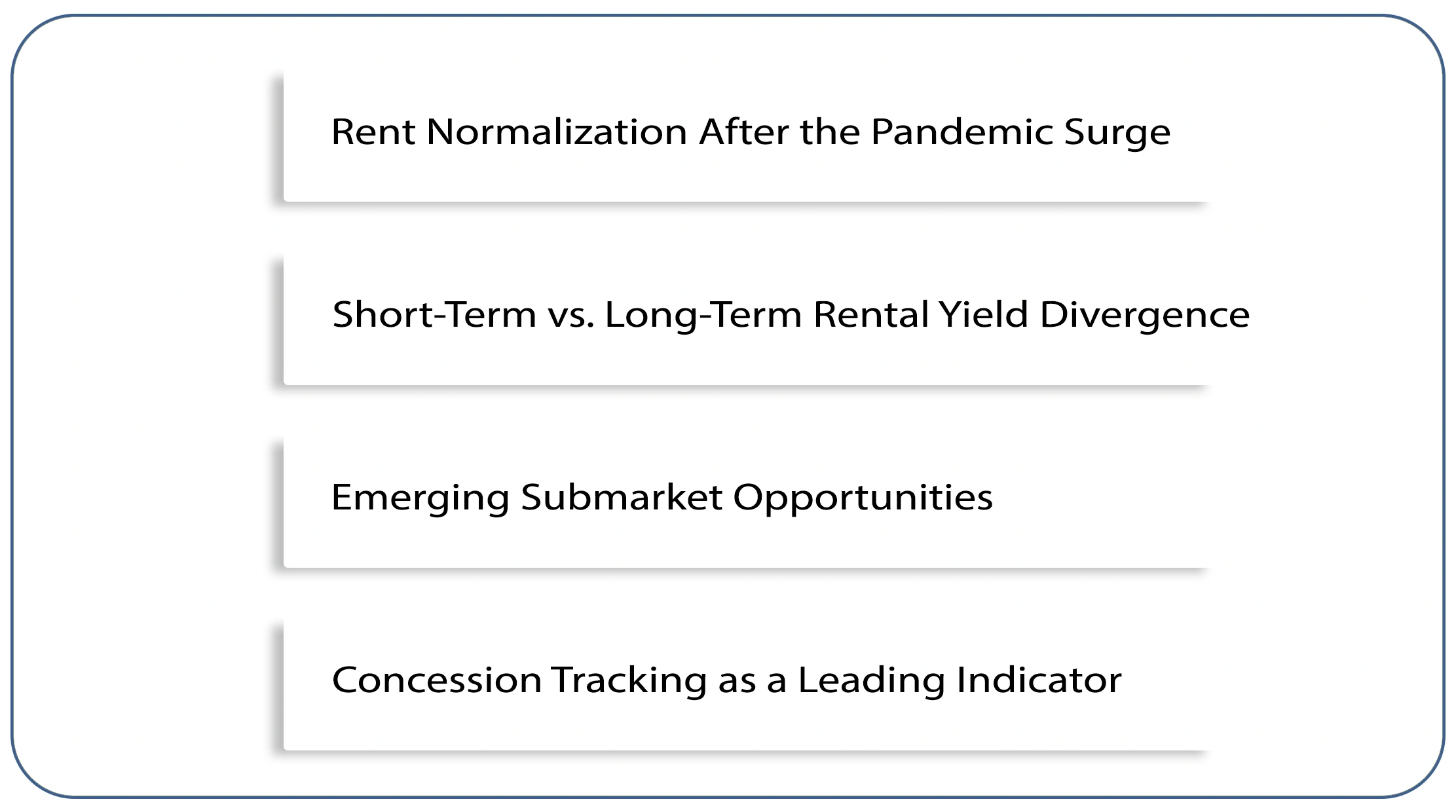
When you systematically apply Texas and Florida rental market data scraping across multiple platforms and combine the results into a unified real estate dataset, several powerful property investment trends in Texas and Florida emerge that are invisible to manual research.
Trend 1 — Rent Normalization After the Pandemic Surge
Both states experienced extraordinary rent growth between 2021 and 2023, with some Florida markets posting year-over-year increases exceeding 30%. Scraped data from mid-2024 onward reveals a normalization phase — rent growth has slowed significantly in most Texas metros, while South Florida continues to hold elevated prices driven by limited supply and sustained in-migration. Understanding where in this cycle each market sits is critical for buy-to-rent entry timing.
Trend 2 — Short-Term vs. Long-Term Rental Yield Divergence
In Florida markets with strong tourism demand — Orlando near Disney, the Gulf Coast, and Miami Beach — short-term rental yields have historically outperformed long-term leases by a meaningful margin. However, scraped Airbnb and Vrbo data from 2024 and 2025 shows increasing supply in these corridors, compressing nightly rates and occupancy. Investors who track this spread in real time can switch strategies — or identify markets where the short-term premium still holds — with data-backed confidence.
Trend 3 — Emerging Submarket Opportunities
City-wise rental price API scraping across secondary Texas cities — San Marcos, Denton, Round Rock, Conroe — reveals rent growth rates that in several cases exceed those of Austin and Dallas proper, driven by spillover demand and lower home prices. Similarly in Florida, markets like Ocala, Cape Coral, and Lakeland are showing accelerating rental demand with significantly lower acquisition costs than Miami or Tampa. These signals are almost impossible to identify without systematic, cross-market rental data collection.
Trend 4 — Concession Tracking as a Leading Indicator
One underutilized signal available through scraping rental listings is the presence and frequency of landlord concessions — free first month's rent, reduced security deposits, waived application fees. When concessions appear in a market at scale, it is an early warning that supply has exceeded demand and that asking rents will likely follow downward. A real-time rental market data scraper Texas and Florida pipeline that flags concession rates by ZIP code provides investors with a leading indicator that lags-based reports miss entirely.
Building a Real-Time Rental Data Pipeline for TX and FL
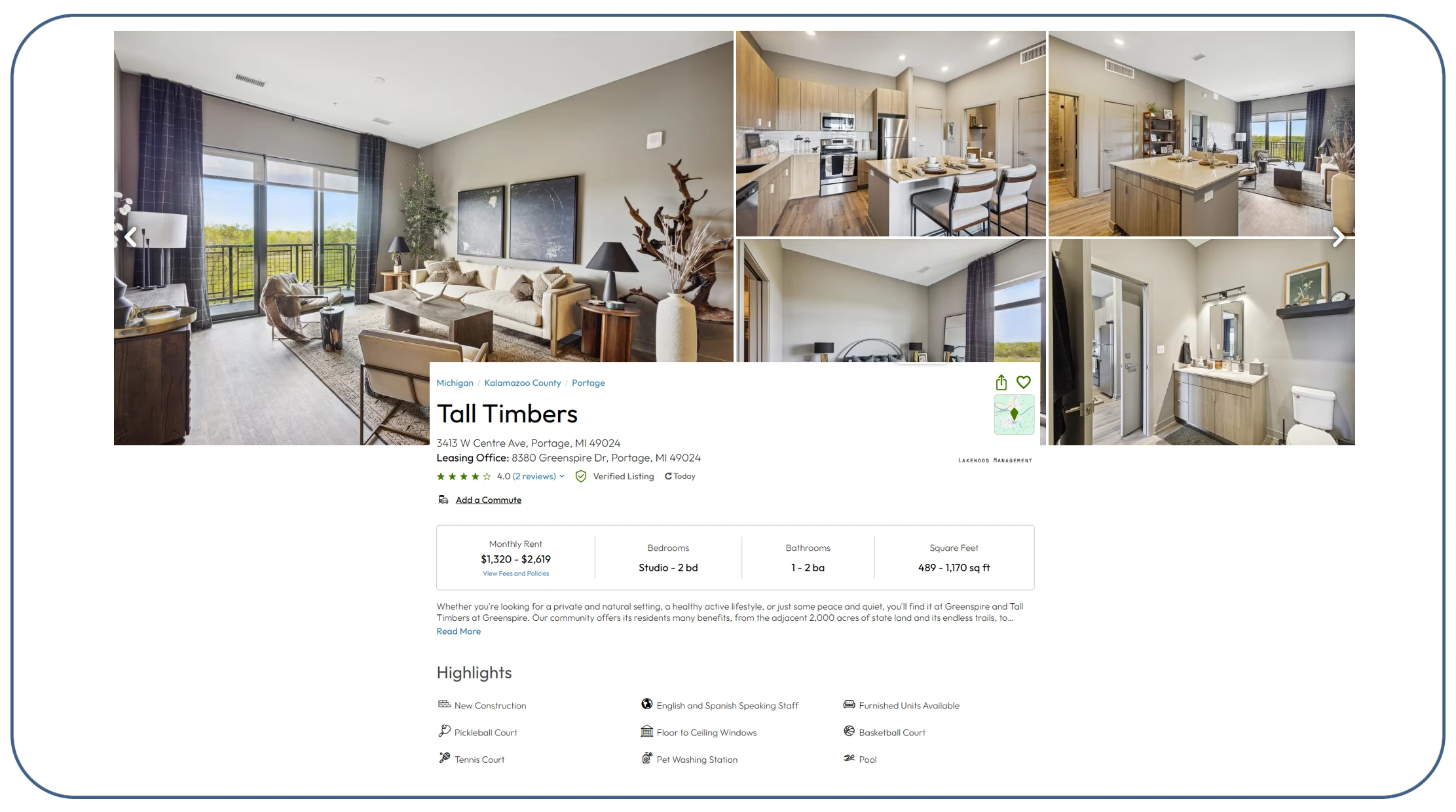
Assembling a real-time rental market data scraper for Texas and Florida requires careful architectural planning. The pipeline must handle high listing volumes, dynamic JavaScript-rendered pages, anti-scraping countermeasures, and continuous incremental updates without losing historical records needed for trend analysis.
A robust pipeline architecture for these markets typically includes the following stages:
- Scheduler and trigger layer: Apache Airflow or Prefect orchestrates scraping jobs on staggered schedules — new listing discovery runs every 4–6 hours, price change detection runs daily, and historical record archival runs weekly.
- Multi-source ingestion: Separate scrapers or API clients for each platform (Apartments.com, Zillow Rentals, Airbnb, Vrbo, county tax records) feed into a unified ingestion queue.
- Deduplication and normalization: A matching algorithm identifies the same property appearing across multiple platforms and consolidates records into a single canonical listing with a consistent address, unit type classification, and price history.
- Geospatial enrichment: Coordinates are geocoded and joined to census tract, school district, flood zone, and neighborhood boundary data — essential for meaningful city-wise analysis.
- Storage and versioning: All records are stored in a time-stamped columnar database that preserves every price change and listing status update, enabling true trend analysis over time.
- Alerting layer: Automated alerts notify analysts when a target market's median rent crosses a threshold, when new listings in a ZIP code spike above baseline, or when concession rates change materially.
Legal and Compliance Considerations
Any serious practitioner of Texas and Florida rental market data scraping must operate within a well-defined legal and ethical framework. The legal landscape for web scraping in the United States was significantly clarified by the Ninth Circuit's 2022 ruling in hiQ Labs v. LinkedIn, which confirmed that scraping publicly accessible data does not violate the Computer Fraud and Abuse Act. However, platform-specific Terms of Service, Florida's property data privacy rules, and applicable federal privacy regulations still place meaningful constraints on what data can be collected and how it can be used.
Best practices for compliant rental data scraping include: collecting only publicly visible listing data and not attempting to access user accounts or private information; rate-limiting requests to avoid service disruption; respecting robots.txt directives as a signal of platform intent; anonymizing any incidentally collected personal data before storage; and reviewing each platform's ToS before initiating any scraping program. For high-volume commercial use cases, licensing data through an official real estate data API is invariably the most compliant and sustainable approach.
Conclusion: Data-Driven Investment Starts Here
The rental markets of Texas and Florida represent two of the most dynamic, data-rich, and opportunity-dense investment environments in the United States. But that opportunity is only accessible to investors and analysts who can see beyond headline numbers and into the granular, real-time signals that drive actual market behavior — rent trajectories by ZIP code, concession rates as leading indicators, short-term vs. long-term yield spreads, and emerging submarket price premiums hidden inside secondary cities.
Texas and Florida rental market data scraping — when done systematically, with the right tools, APIs, and pipeline architecture — makes all of this visible. It transforms the noise of millions of daily listing updates into a structured, queryable real estate dataset that directly informs better investment decisions: when to enter a market, what asset type to target, which neighborhoods are inflecting, and where yield compression is already underway.
For teams looking to build this capability without the overhead of maintaining proprietary scraping infrastructure, Real Data API is one of the most compelling solutions available today. Real Data API provides structured, ready-to-query access to rental listings, price histories, city-wise rental benchmarks, and property-level data across Texas, Florida, and the broader United States. Its endpoints are built specifically for property investment workflows — covering everything from city-wise rental price API scraping to comprehensive real estate dataset delivery — and eliminate the engineering complexity of managing multi-source scrapers, proxy infrastructure, and data normalization at scale. For investors and analysts who want the data advantage without the data engineering burden, Real Data API is the infrastructure layer that makes it possible.
Real Data API — Your Edge in Texas & Florida Rental Markets
Access structured rental listing data, city-wise price benchmarks, short-term vs. long-term yield comparisons, and historical price trends across every major Texas and Florida metro. Purpose-built for property investors, analysts, and proptech teams who need clean, reliable, real-time rental market data without building it from scratch.
In markets moving as fast as Austin, Miami, Dallas, and Tampa, the investors who win are those who see the data first — and act on it with confidence. The tools and strategies outlined in this guide make that possible. The only remaining step is building the pipeline.
Data figures are illustrative estimates based on publicly available market reports. Always verify rental data against current listings and consult a licensed real estate professional before making investment decisions. Review platform Terms of Service before initiating any scraping program.
Latest posts

How Zomato Food Dataset Helps Businesses Solve Restaurant, Pricing, and Food Delivery Data Challenges

How Apple TV OTT Dataset Helps Solve Movie and Show Performance, Ratings, and Streaming Intelligence Challenges
How Musafir scraper Helps Businesses Extract Travel Information Efficiently?

How a Sephora scraper Helps Extract Beauty Product Data at Scale?






.png)