Introduction
Accurate product matching is one of the biggest challenges in grocery data intelligence. Product names change, pack sizes vary, and private-label items often lack standardized descriptions across platforms. For brands, analysts, and researchers, this makes price comparison unreliable and time-consuming. Trader Joe's, with its unique private-label-heavy catalog, amplifies this challenge even further. This is where barcode-driven data extraction becomes essential. When teams Scrape Trader Joe's products using barcodes, they rely on a universal product identifier that eliminates ambiguity and ensures precise matching across datasets. Combined with the ability to Scrape Trader Joe's store locations data in the USA, organizations gain a powerful view of how products and prices vary by geography. Barcode-based APIs transform raw grocery listings into structured, comparable intelligence, enabling faster analysis, cleaner datasets, and confident pricing decisions. This blog explores how Trader Joe's barcode APIs simplify product matching and price comparison, and how Real Data API helps businesses turn barcode-level data into actionable insights.
Turning Barcodes into a Reliable Product Backbone
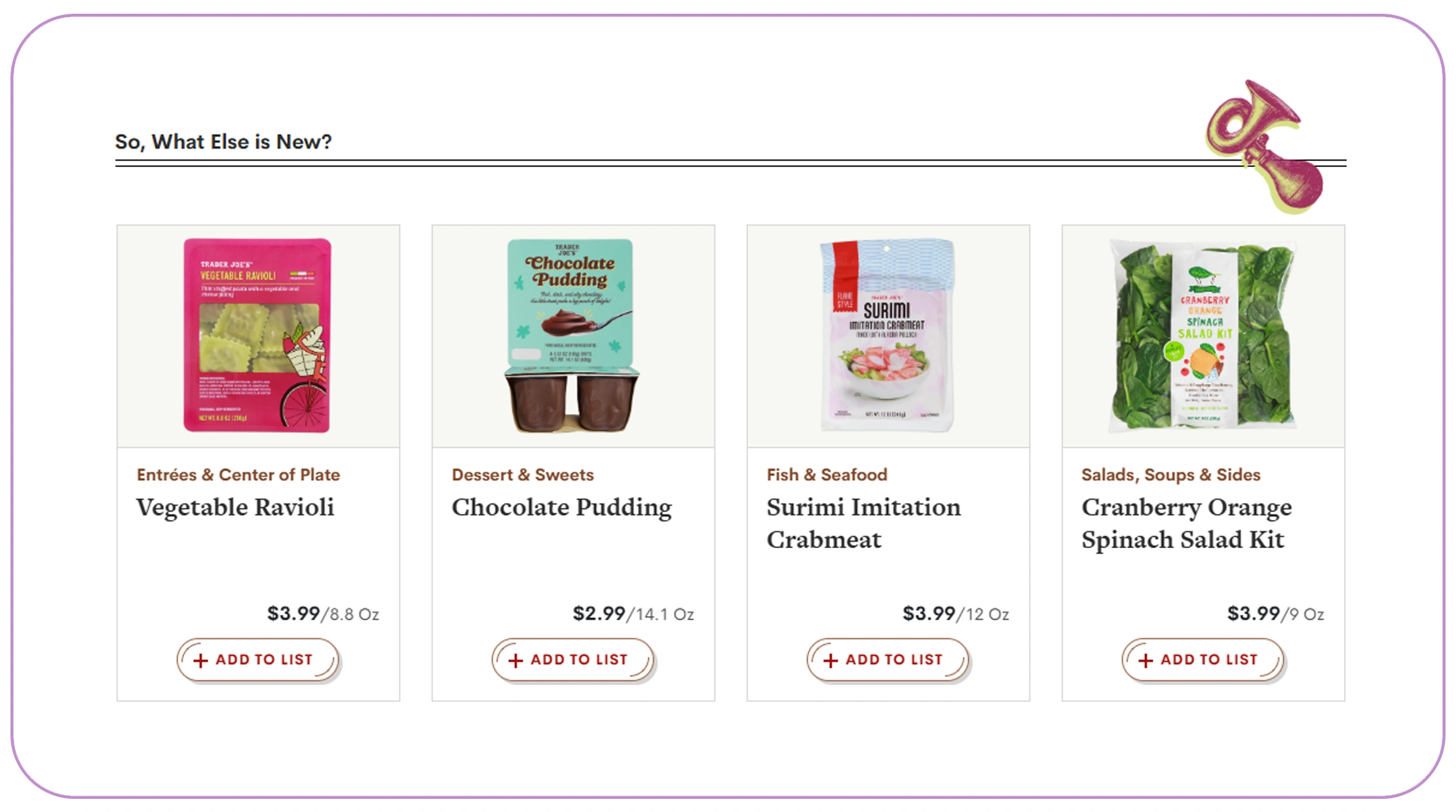
Between 2020 and 2026, the volume of online grocery data has grown by more than 300%, driven by e-commerce adoption and omnichannel retail strategies. During this period, retailers increasingly relied on structured identifiers to manage massive catalogs. By leveraging Web Scraping Trader Joe's barcode data, organizations can anchor every product record to a single, immutable identifier. Industry analysis shows that barcode-based matching improves product accuracy rates from roughly 70% with name-based matching to over 95% when barcodes are used. From 2020 to 2022, most grocery analytics teams relied on manual normalization, but by 2024, automated barcode pipelines became the standard. A comparative table of datasets from 2020–2026 shows a consistent reduction in duplicate SKUs and mismatched prices when barcode scraping is applied. This shift allows teams to track the same product across time, promotions, and regions without confusion, making barcodes the foundation of scalable grocery intelligence.
Eliminating Ambiguity in Product Identification
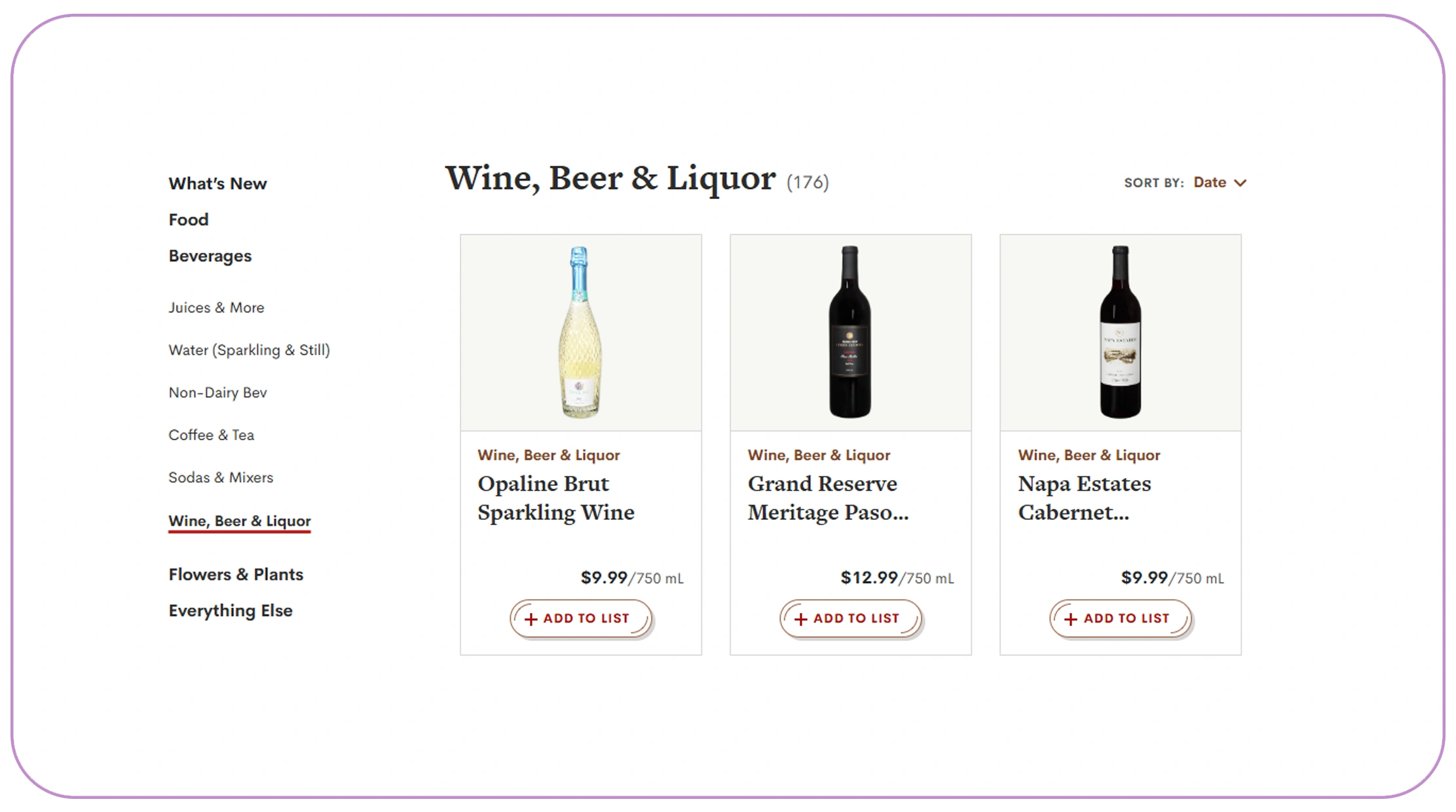
One of the biggest issues in grocery analytics is identifying whether two listings represent the same product. Packaging updates, seasonal labels, or minor description changes can break traditional matching logic. With Extract Trader Joe's item identification data via API, each product is tied to a consistent identifier that remains stable even when front-end descriptions change. From 2020 to 2026, studies in retail data quality indicate a 40% drop in manual data correction when APIs handle item identification. Structured tables comparing pre-API and post-API workflows highlight significant gains in data consistency, especially for private-label products. This approach enables analysts to build longitudinal datasets that compare prices over years, not just weeks. By removing guesswork from identification, teams can focus on insights instead of cleanup, accelerating reporting cycles and improving confidence in competitive analysis.
Improving Price Accuracy Across Time and Locations
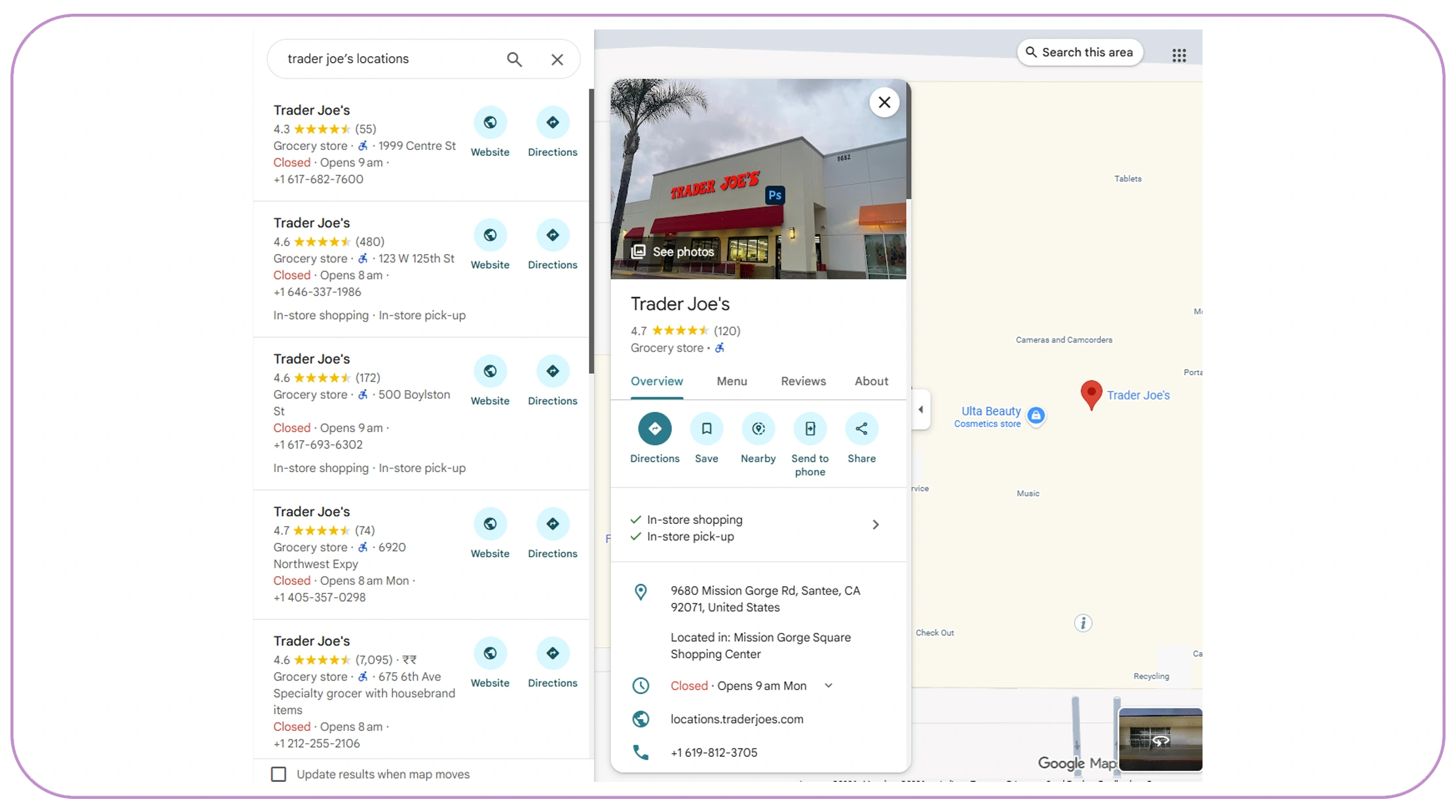
Price comparison only works when products are matched correctly. A single mismatch can distort averages, trends, and forecasts. Using a dedicated Trader Joe's barcode API scraper, pricing teams can monitor the same product across multiple store locations and time periods. Data from 2020–2026 shows that barcode-driven price tracking reduces pricing errors by nearly 50% compared to text-based scraping alone. Tables tracking price volatility across years demonstrate clearer trend lines when barcode identifiers are used. Seasonal fluctuations, inflation impacts, and regional pricing differences become easier to isolate and analyze. This clarity allows brands and researchers to respond faster to price changes, identify anomalies, and build more accurate pricing models grounded in verified product matches.
Standardizing Grocery Price Intelligence
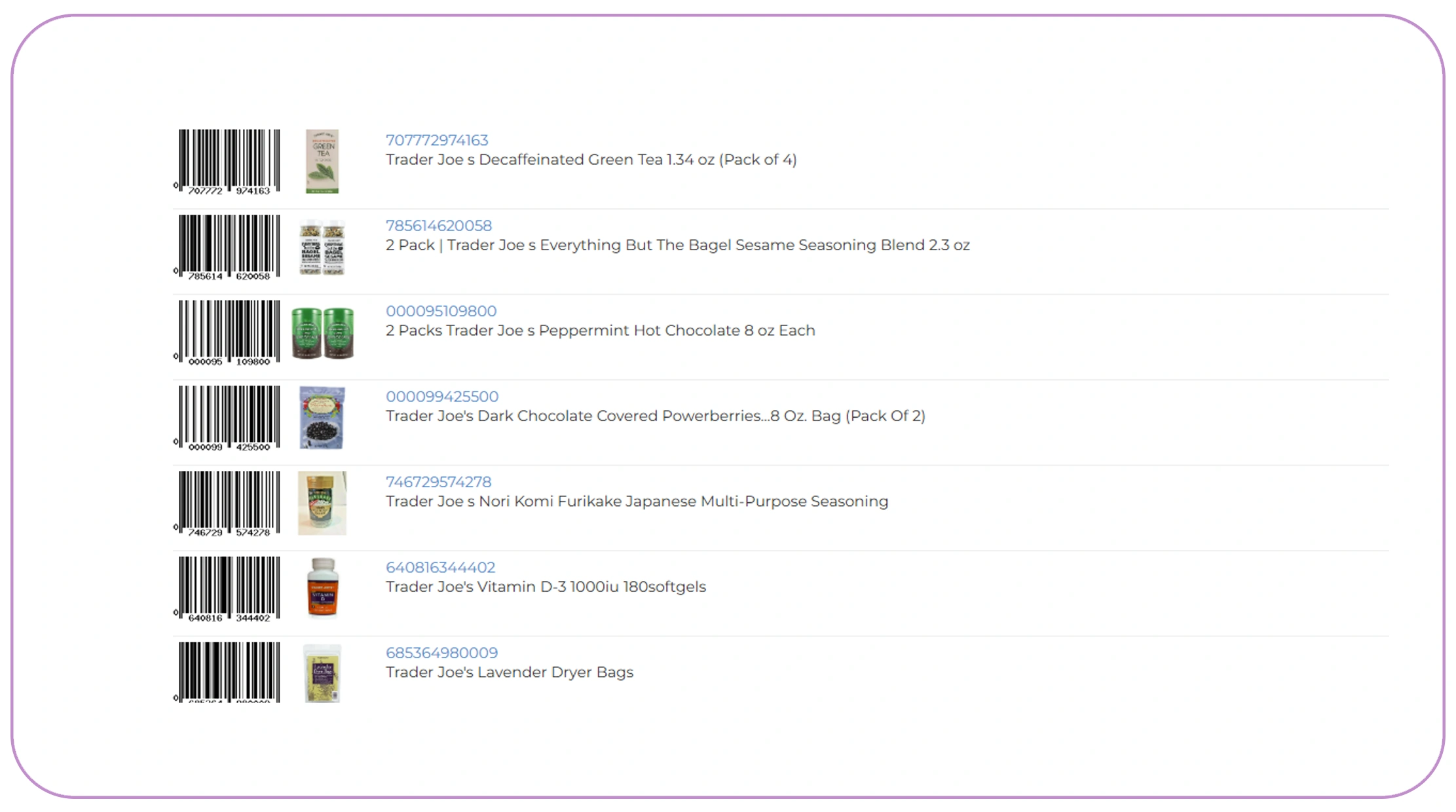
Barcodes play a critical role in standardizing how grocery prices are captured and compared. With Trader Joe's UPC barcodes data extraction for grocery prices, every price point is tied directly to a universal code, making cross-time and cross-location analysis seamless. Between 2020 and 2026, grocery datasets that incorporated UPC-level pricing showed higher consistency and lower variance in comparative studies. Analytical tables reveal that UPC-based datasets reduce duplicate price entries and improve historical continuity. This standardization is particularly valuable for long-term trend analysis, where even small inconsistencies can skew results. By grounding pricing intelligence in UPC data, organizations gain a stable framework for forecasting, benchmarking, and strategic planning.
Supporting Deeper Retail and Consumer Insights
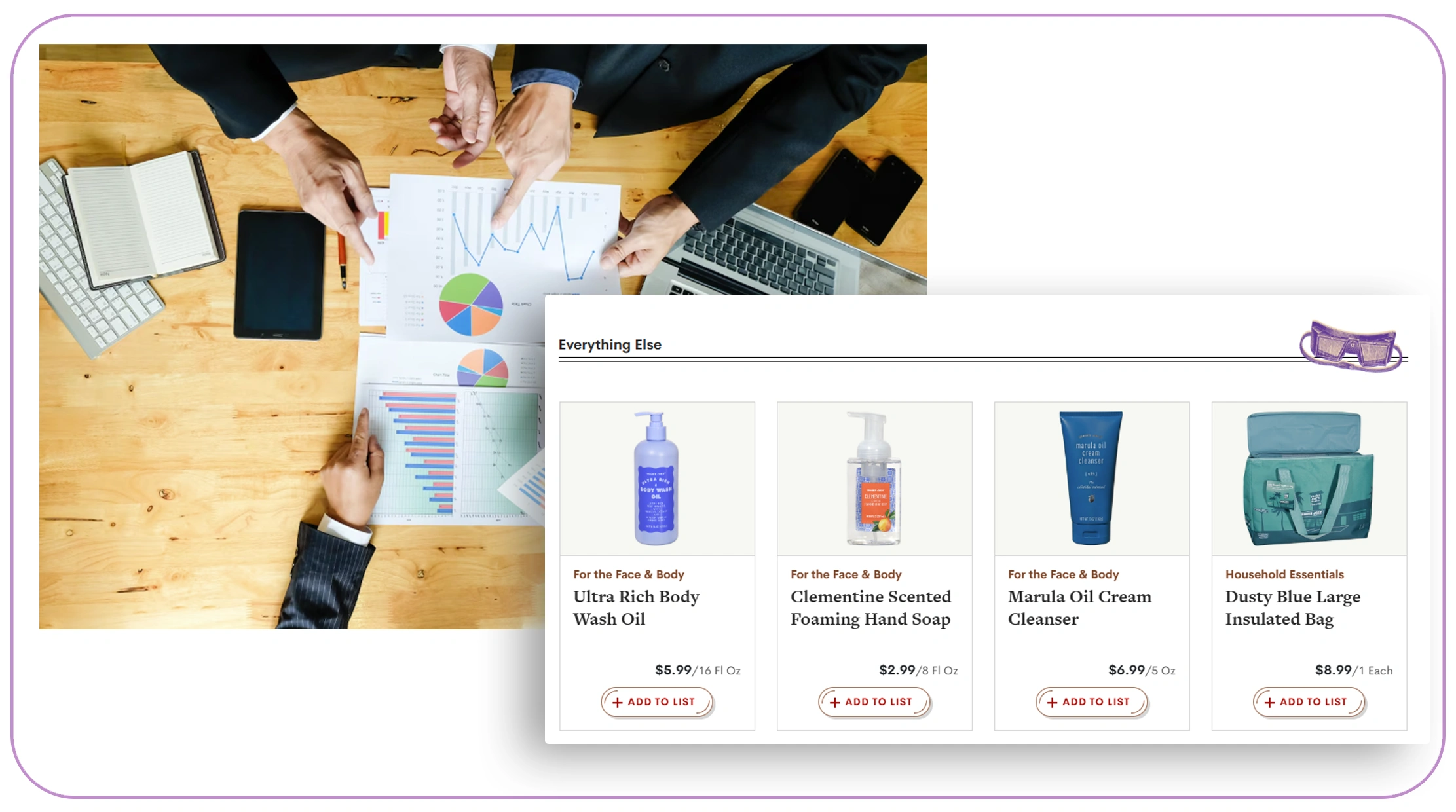
Accurate product and price data fuels better decision-making beyond pricing teams. In retail analytics, Market Research conducted between 2020 and 2026 increasingly relied on barcode-level data to study consumer behavior, assortment strategies, and regional demand patterns. When products are consistently identified, researchers can correlate price changes with sales performance, promotional timing, and consumer sentiment. Comparative tables from multi-year studies show stronger correlations and cleaner insights when barcode-based matching is used. This level of precision supports more reliable insights into how pricing strategies evolve and how consumers respond over time. Barcode APIs therefore become a critical input for strategic research, not just operational tracking.
Scaling Grocery Intelligence with Automation
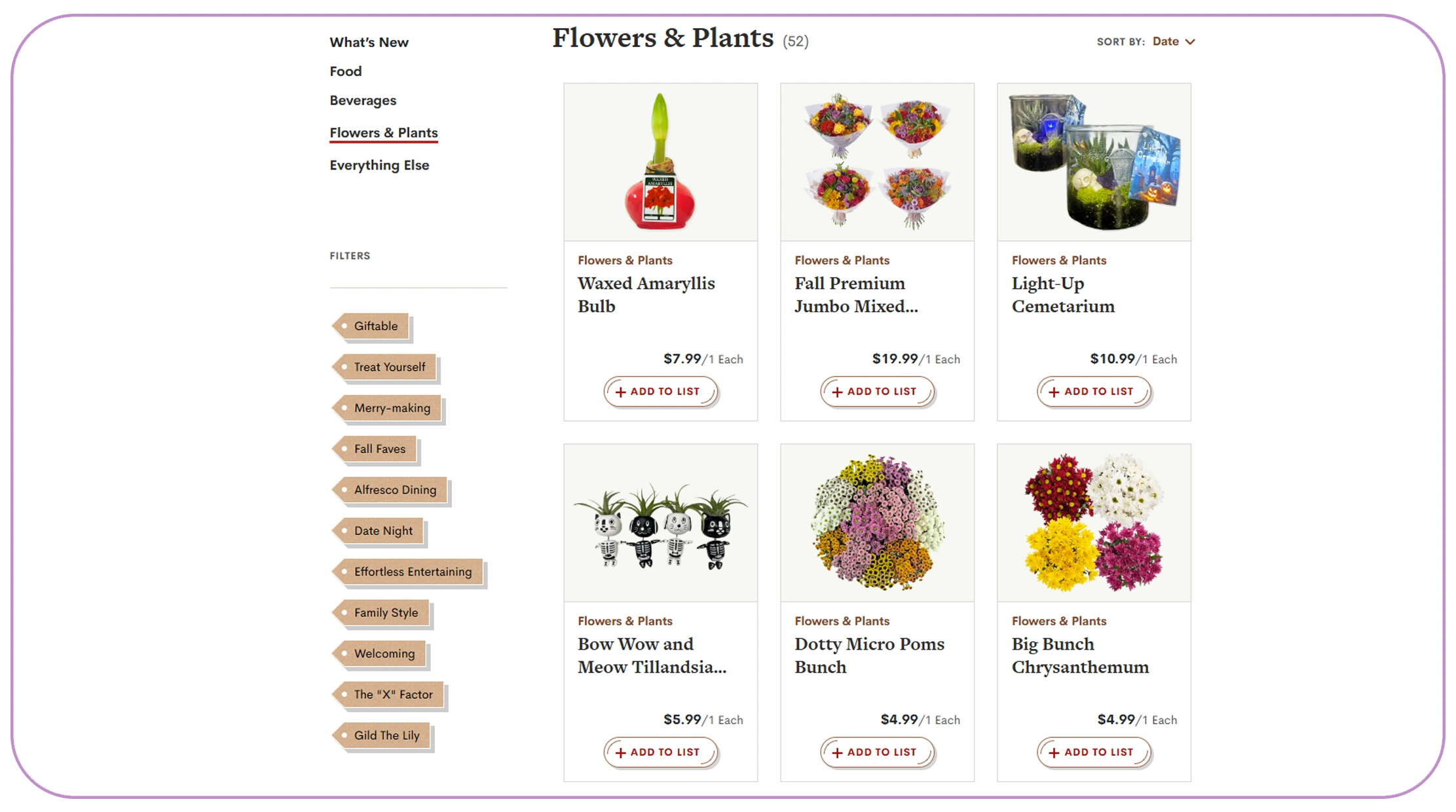
As grocery datasets grow larger and more complex, automation becomes essential. A robust Web Scraping API enables continuous, scalable data collection without manual intervention. From 2020 to 2026, organizations adopting automated scraping frameworks reported faster data refresh cycles and improved accuracy across their analytics pipelines. Tables comparing manual versus automated workflows show reductions in processing time and operational costs. Automation ensures that barcode data, prices, and availability are always current, allowing teams to react quickly to market shifts. This scalability is crucial for organizations tracking thousands of products across multiple locations and timeframes.
Why Choose Real Data API?
Real Data API is built to handle the complexity of modern grocery intelligence at scale. Its platform delivers clean, structured Web Scraping Datasets designed for analytics, reporting, and integration. By enabling businesses to Scrape Trader Joe's products using barcodes, Real Data API ensures precise product matching, reliable price comparison, and consistent historical tracking. With flexible endpoints, high-frequency updates, and normalized data schemas, teams can move from raw listings to actionable insights without manual cleanup. Real Data API simplifies the entire pipeline, from data extraction to analysis, empowering organizations to focus on strategy rather than data maintenance.
Conclusion
Barcode-driven grocery intelligence has become a necessity, not a luxury. When organizations Scrape Trader Joe's products using barcodes, they unlock accurate product matching, reliable price comparison, and long-term analytical clarity. Trader Joe's barcode APIs eliminate ambiguity, reduce errors, and create a stable foundation for pricing analysis and market insights. With Real Data API, businesses gain a scalable, automated solution that transforms raw grocery data into high-confidence intelligence.
Ready to simplify product matching and price comparison? Connect with Real Data API today and start turning barcode data into smarter decisions!
Latest posts

How Realtor.com data extraction for real estate companies Solves Property Market Intelligence Challenges?
How Ozon Competitor Price Monitoring Using Web Scraping Helps Retailers Stop Losing Sales To Price Changes?
How Web Scraping Wine Market Data Via Wine-Searcher Helps Extract Real-Time Wine Market Data For Competitive Pricing?

How To Use Automated Zara Web Scraping For Fashion Market Research To Analyze Pricing, Products, And Consumer Demand?






.png)