
Introduction
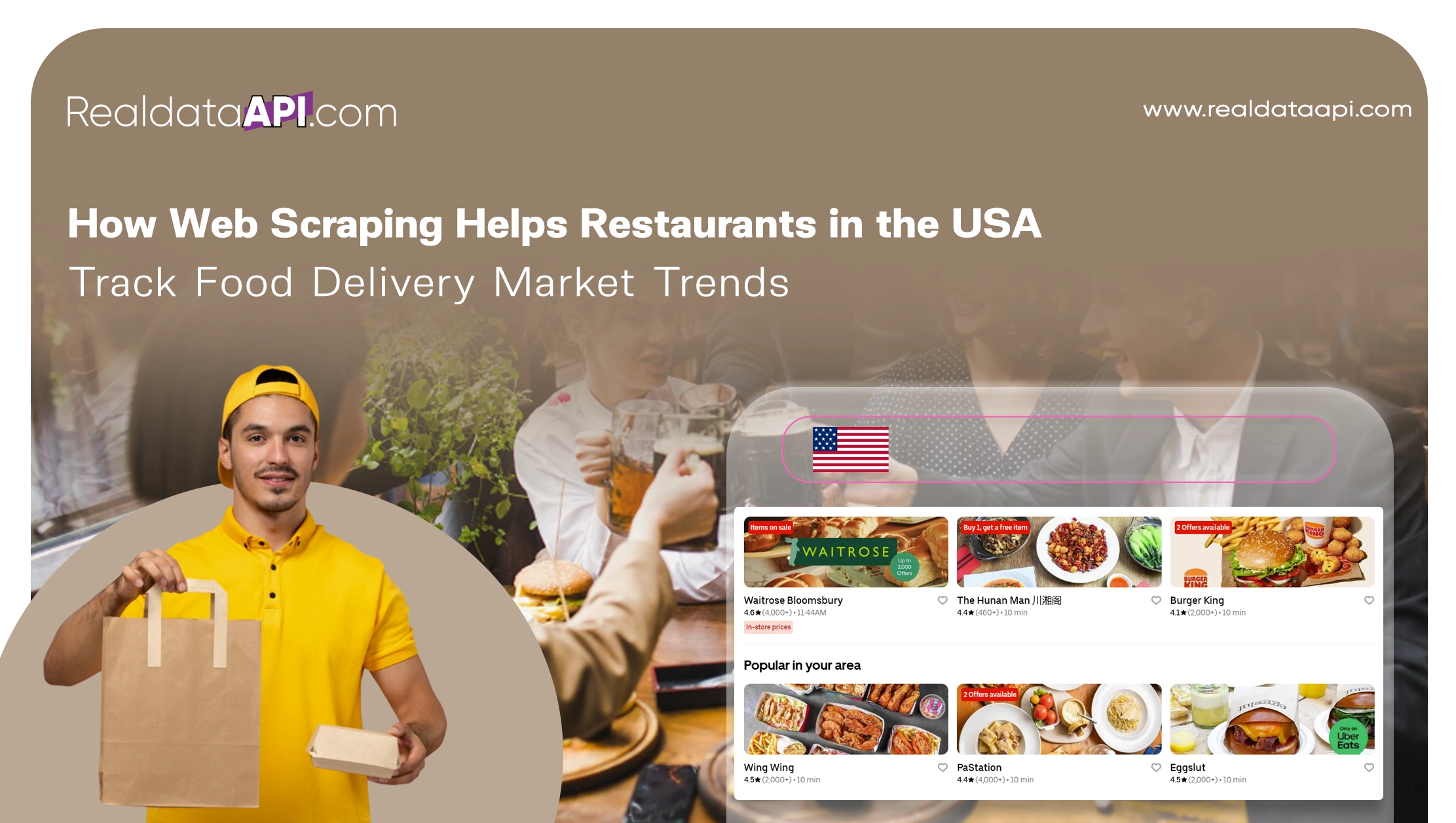
The food delivery industry in the United States has undergone a seismic transformation over the past decade. What was once a niche convenience has become a mainstream consumer behavior — and a fiercely competitive battleground for restaurants, ghost kitchens, quick-service restaurant (QSR) chains, and third-party delivery platforms alike. In 2025, online food delivery revenue in the US exceeded $380 billion, with platforms like DoorDash, Uber Eats, Grubhub, and Instacart collectively processing tens of millions of orders every day across thousands of cities and zip codes.
For restaurants operating in this environment, survival increasingly depends on understanding the market not just locally but dynamically — knowing what competitors are charging, which cuisines are trending, how delivery fees affect order volumes, and where demand is shifting before it shifts. This is precisely where web scraping food delivery trends in the United States becomes a strategic asset. By systematically extracting and analyzing data from delivery platforms, restaurant review sites, and menu aggregators, restaurants and food businesses can build the kind of market intelligence that was once available only to large chains with dedicated research budgets.
This article explores how scraping food delivery data in the United States works in practice, which tools and APIs power this process, what insights it generates for restaurants and QSR operators, and how a structured food dataset can transform market research into competitive action.
$380B+
US food delivery revenue 2025
67%
US adults ordered delivery in 2024
4
Major platforms dominating the US
2.3M+
US restaurants on delivery apps
The Data Challenge Facing US Restaurants Today
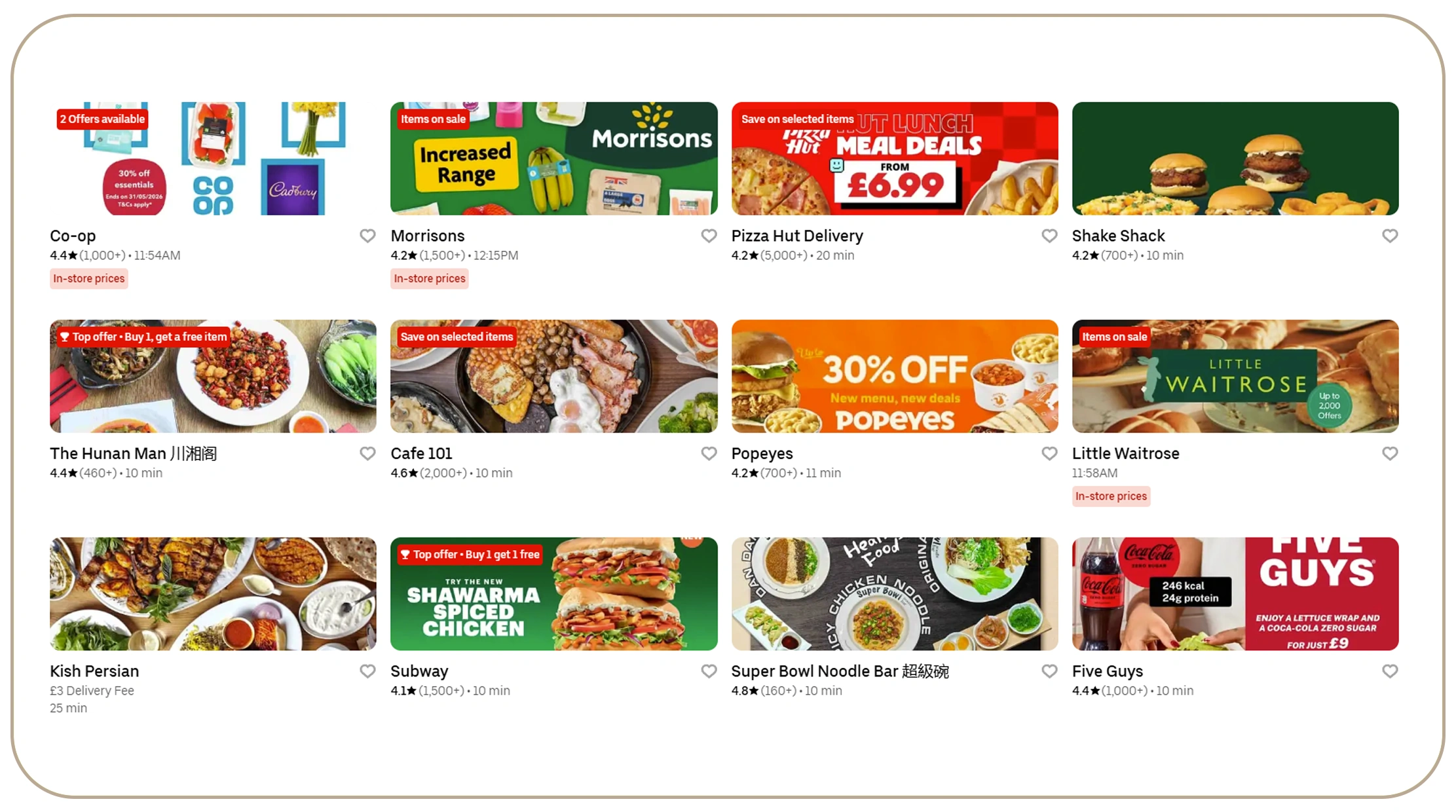
The food delivery ecosystem is simultaneously data-rich and data-fragmented. Every major platform — DoorDash, Uber Eats, Grubhub, Instacart, and regional players — publishes enormous amounts of publicly visible information: restaurant menus with current prices, promotional offers, customer ratings and review counts, estimated delivery times, service fees, and cuisine categories. Yet none of this data is provided to restaurants in a consolidated, actionable format. Restaurants see only their own dashboards. Everything happening outside their own storefront — competitor pricing, category-level demand surges, neighborhood-level order frequency — is invisible without external data collection.
This data gap is where USA food delivery demand and price trends data extraction becomes essential. By scraping this publicly available information systematically and combining it into a unified food dataset, restaurants gain the competitive context their platform dashboards simply do not provide.
"A restaurant that understands what competitors are charging, what dishes are trending, and where delivery demand is peaking has an information advantage that directly translates into revenue."
Key Platforms and Data Sources for Food Delivery Scraping
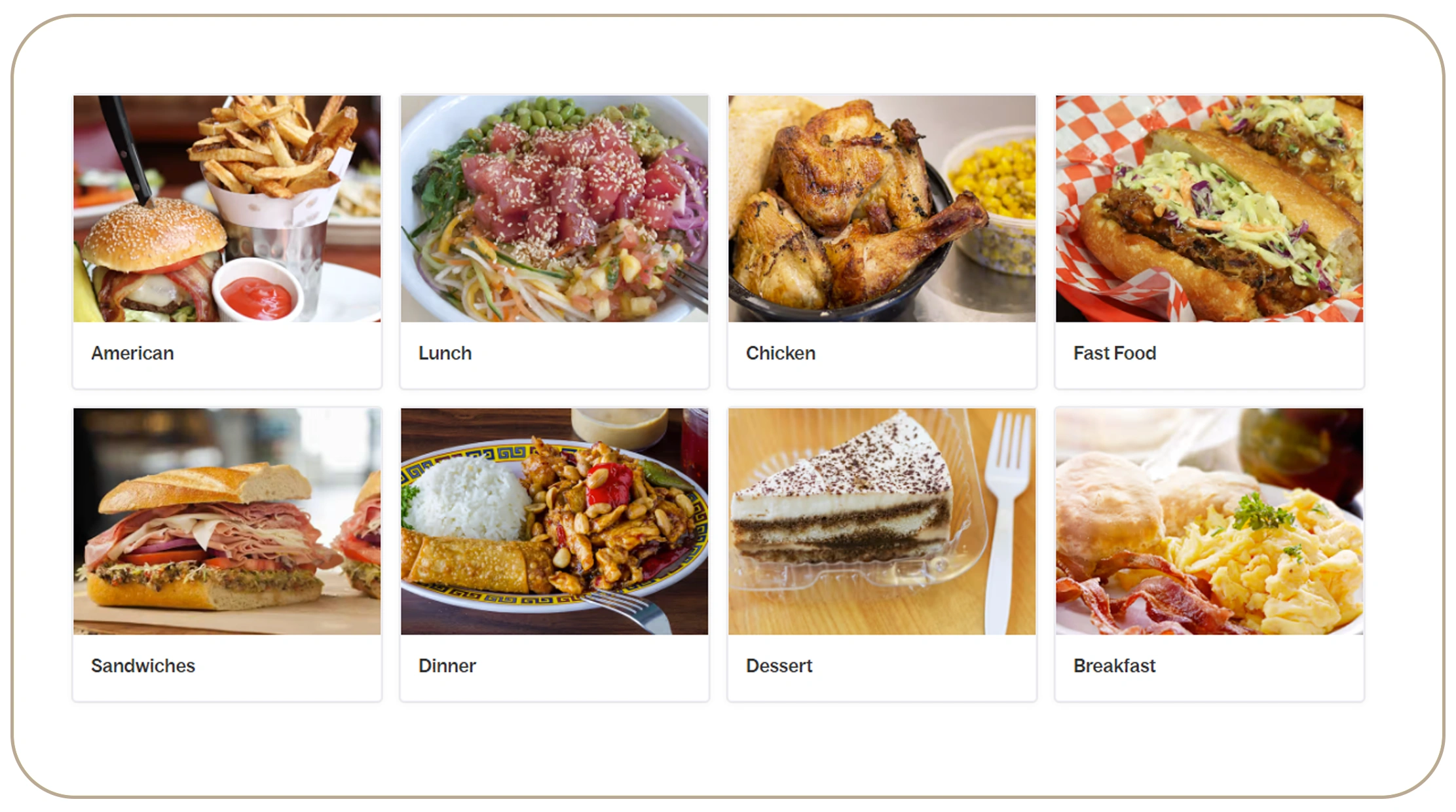
Effective food delivery data scraping begins with identifying the right sources. The US market has a layered data landscape spanning major national platforms, review aggregators, and social channels — each yielding a distinct type of market intelligence.
DoorDash
Menu prices, ratings, delivery fees, promo offers, estimated delivery time, cuisine tags
Uber Eats
Item-level pricing, restaurant ranking, surge fees, service area coverage, category trends
Grubhub
Menu data, order minimums, customer reviews, loyalty program participation, delivery radius
Yelp
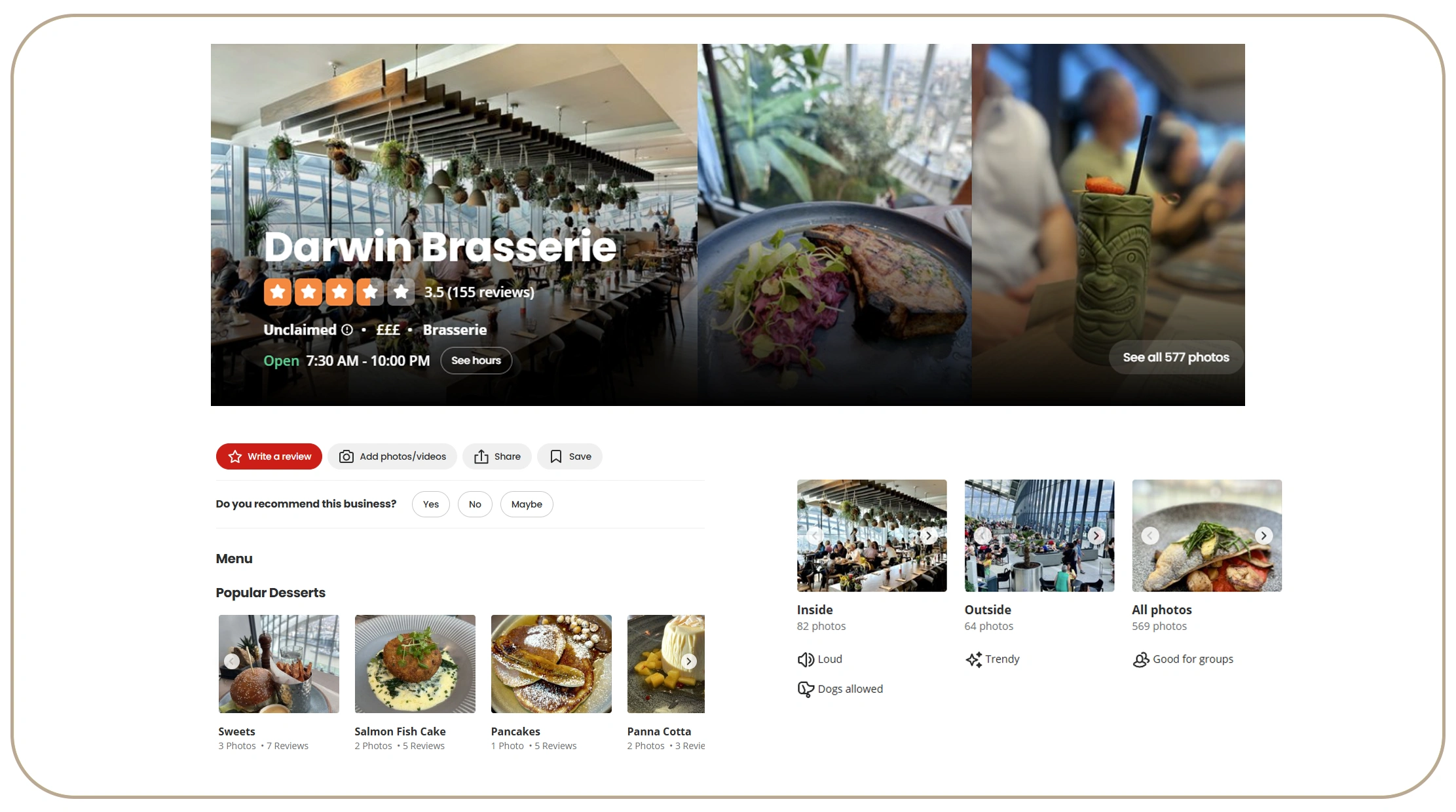
Review volume, rating trends, peak hour patterns, price tier classifications, cuisine demand
Google Maps
Search ranking, popular times, review sentiment, Q&A data, delivery link presence
Grocery and convenience delivery pricing, product availability, regional
demand patterns Each of these platforms represents a different dimension of the food delivery market. A
comprehensive market research program combines data from multiple sources to build a
360-degree
view of the competitive landscape — something no single platform's API or dashboard
offers on
its own. Choosing the right tools to extract restaurant and delivery platform data in the USA
depends on
the scale of the operation, the technical resources available, and whether the goal is
one-time
research or a continuously updated real-time intelligence feed. Browser automation for JS-rendered delivery platforms like DoorDash and Uber Eats that
load content dynamically. High-throughput crawling framework for structured extraction across multiple restaurant
listing pages simultaneously. Lightweight HTML parsing for simpler sources like review pages, static menu sites, and
food blog aggregators. Structured food and restaurant data API delivering menu prices, ratings, delivery trends,
and demand signals across US cities. End-to-end food data scraping service for restaurants and QSR chains needing large-scale,
managed data extraction. Scalable multi-platform crawler for continuous extraction of food delivery listings and
price updates across national platforms. For teams building a real-time food delivery data scraping API for USA markets, the most
robust
architecture combines Playwright or Puppeteer for dynamic content rendering with a
managed proxy
layer and a job scheduler like Apache Airflow — ensuring fresh data flows continuously
into a
structured food dataset without manual intervention. The true value of food delivery data scraping emerges when raw data is converted into
actionable
market research. Here are the most impactful use cases for restaurants and food
operators in the
US market. By scraping menu prices from competing restaurants in the same delivery zone, operators
can
benchmark their pricing in real time. If a nearby competitor drops their burger price by
$2
during a slow period, a scraping-powered alert system flags it immediately — enabling a
data-driven response rather than a delayed, manual discovery weeks later. Tracking which cuisine categories gain or lose restaurant density on delivery platforms
over time
is a leading indicator of consumer demand shifts. A surge in new ramen or birria taco
listings
in a metro signals growing consumer appetite — intelligence that can inform new menu
additions
or ghost kitchen concepts months before the trend peaks. Scraping promotional offers, free delivery thresholds, and platform-driven discounts
across
competitors reveals the promotional cadence shaping customer acquisition in a market.
Understanding when and how often rivals run promotions helps restaurants plan their own
offers
more strategically and avoid margin erosion from unnecessary discounting. Aggregating competitor review counts and rating trajectories from Yelp, Google, and
delivery
platforms over time reveals which restaurants are gaining consumer trust — and which are
losing
it. This competitive reputation intelligence helps operators identify gaps in service
quality or
cuisine offerings that the market is currently underserving. For restaurant groups, food delivery aggregators, and market research firms that need
continuous
data updates rather than periodic snapshots, a real-time food delivery data scraping API
USA
solution is the most scalable approach. Rather than managing scraping infrastructure
in-house,
these API-driven systems deliver pre-structured, continuously refreshed food data
directly into
analytics dashboards, pricing engines, or business intelligence tools. A well-designed food data scraping API for
the US market typically exposes the following data
endpoints: These capabilities make a food data scraping API far more than a data collection tool —
it
becomes the foundation of a living, continuously updated food dataset that drives market
research, operational decisions, and strategic planning simultaneously. The opportunity to scrape QSR market
trends in Canada and the USA extends beyond individual
restaurant operators. Quick-service restaurant chains — from national franchises to
regional
fast-casual brands — have particularly strong incentives to monitor market data
systematically
across both countries, given the cross-border competitive dynamics in chains like Tim
Hortons,
McDonald's, Wendy's, Popeyes, and Chipotle. Market size (2025) $387B Market size (2025) CAD $42B Scraping QSR market trends across both markets simultaneously enables chains to identify
menu
innovations emerging in Canadian cities before they migrate south, monitor cross-border
pricing
strategy differences for the same brand, and track how delivery platform fee structures
vary
between US and Canadian metros — all critical inputs for franchise strategy and new
market entry
decisions. For restaurant groups and food industry analysts who want to institutionalize web
scraping as
part of their market research workflow, the
architecture of a production food data pipeline
involves several interconnected layers working together. The ingestion layer handles multi-platform scraping across DoorDash, Uber Eats, Grubhub,
Yelp,
and Google Maps on staggered schedules — menu prices refreshed daily, ratings and review
counts
updated weekly, demand proxies tracked in near real time. A normalization layer then
reconciles
inconsistencies across platforms: the same restaurant may be listed under slightly
different
names, addresses, or cuisine tags across different platforms, and a matching algorithm
consolidates these into a single canonical record. The enrichment layer appends each restaurant record with geographic context — census
tract
demographics, foot traffic scores, proximity to competitors, and delivery zone overlap —
turning
a raw price listing into a richly contextualized data point. The analytics layer then
surfaces
the insights: competitive pricing dashboards, trend heatmaps by cuisine and city,
promotional
cadence calendars, and rating trajectory charts by market segment. When designed well, this pipeline transforms a fragmented landscape of publicly available
food
delivery data into a structured, continuously updated food dataset that functions as a
genuine
market intelligence system — not just a one-time research exercise. As with all web scraping disciplines, food delivery data extraction must operate within a
responsible legal and ethical framework. The publicly visible nature of menu prices,
restaurant
listings, and customer ratings on delivery platforms means that scraping this data does
not
inherently violate privacy laws or the Computer Fraud and Abuse Act under current US
legal
interpretation. However, platform Terms of Service, rate limiting requirements, and data
usage
restrictions still apply and must be reviewed before any large-scale collection program
begins.
Best practices include scraping only publicly visible data without bypassing
authentication,
respecting platform rate limits and robots.txt files, not reselling scraped data in ways
that
violate platform agreements, and using official food data scraping APIs — like those
offered by
licensed data providers — wherever they exist. This approach ensures that market
research
powered by food delivery data remains both legally defensible and ethically sound. The food delivery market in the United States moves fast — faster than any manual
research
process can track. Menu prices change daily. New competitors appear on delivery
platforms
overnight. Consumer preferences shift with social media trends. Delivery fee structures
evolve
with platform strategy. For restaurants and QSR operators trying to compete in this
environment,
the ability to scrape food delivery data in the United States continuously and convert
it into
structured, actionable market research is no longer a luxury — it is a core operational
capability. From competitive pricing intelligence and demand forecasting to QSR market trend analysis
across
the US and Canada, web scraping and food data API integration give food businesses the
same kind
of real-time market visibility that financial traders expect as standard. The tools
exist. The
data is public. The only question is whether your organization is collecting it — or
leaving
that advantage to competitors who already are. For food businesses, market research firms, and data teams looking to build this
capability
without the complexity of managing multi-source scraping infrastructure, Real Data API offers a
purpose-built solution. Real Data API provides structured access to a comprehensive food
dataset
spanning restaurant listings, menu pricing, delivery platform rankings, promotional
activity,
and city-level demand trends across the United States and Canada. Its food data scraping
API
endpoints are designed specifically for the kind of continuous, scalable market research
that
modern food businesses require — delivering clean, normalized, ready-to-analyze data
without the
engineering overhead of building and maintaining scrapers from scratch. Whether the goal
is
tracking competitor menus across DoorDash and Uber Eats, monitoring QSR market trends
across
multiple cities, or building a living competitive intelligence dashboard, Real Data API
provides
the data infrastructure to make it happen. Access real-time restaurant listings, menu prices, delivery platform rankings, demand
trends, and
QSR market data across the USA and Canada. Purpose-built for food industry market
research,
competitive analysis, and pricing strategy — all through a single, clean API. Market figures are based on publicly available industry estimates. Always review platform Terms of Service before initiating data collection programs. This article is intended for informational and market research purposes only.Instacart / Gopuff
Tools to Extract Restaurant and Delivery Platform Data in the USA
Python + Playwright
Scrapy
BeautifulSoup
Real Data API
Actowiz Solutions
Web Data Crawler
# Example: Scraping menu prices from a food delivery platform
import asyncio
from playwright.async_api import async_playwright
import pandas as pd
async def scrape_menu(restaurant_url):
async with async_playwright() as p:
browser = await
p.chromium.launch(headless=True)
page = await browser.new_page()
await page.goto(restaurant_url,
wait_until="networkidle")
items = await
page.query_selector_all(".menu-item")
menu_data = []
for item in items:
name = await
item.query_selector(".item-name")
price = await
item.query_selector(".item-price")
menu_data.append({
"item":
await name.inner_text() if name else None,
"price":
await price.inner_text() if price else None,
})
await browser.close()
return pd.DataFrame(menu_data)
# Run for multiple restaurants in a target city
asyncio.run(scrape_menu("https://example-delivery-platform.com/restaurant/pizza-house-nyc"))
What Restaurants Can Learn: Key Use Cases
Competitive Pricing Intelligence
Demand and Trend Forecasting
Delivery Fee and Promotion Monitoring
Rating and Review Trend Analysis
Real-Time Food Delivery Data Scraping API for USA Markets
Scraping QSR Market Trends in Canada and the USA
USA — QSR Snapshot
Top platform DoorDash (67% share)
Avg delivery fee $3.50–$6.00
Fastest growing cuisine Korean, Birria, MediterraneanCanada — QSR Snapshot
Top platform Uber Eats (55% share)
Avg delivery fee CAD $4.00–$7.50
Fastest growing cuisine South Asian, Poke, Smash BurgerBuilding a Food Delivery Market Research Pipeline

Legal and Ethical Dimensions of Food Data Scraping
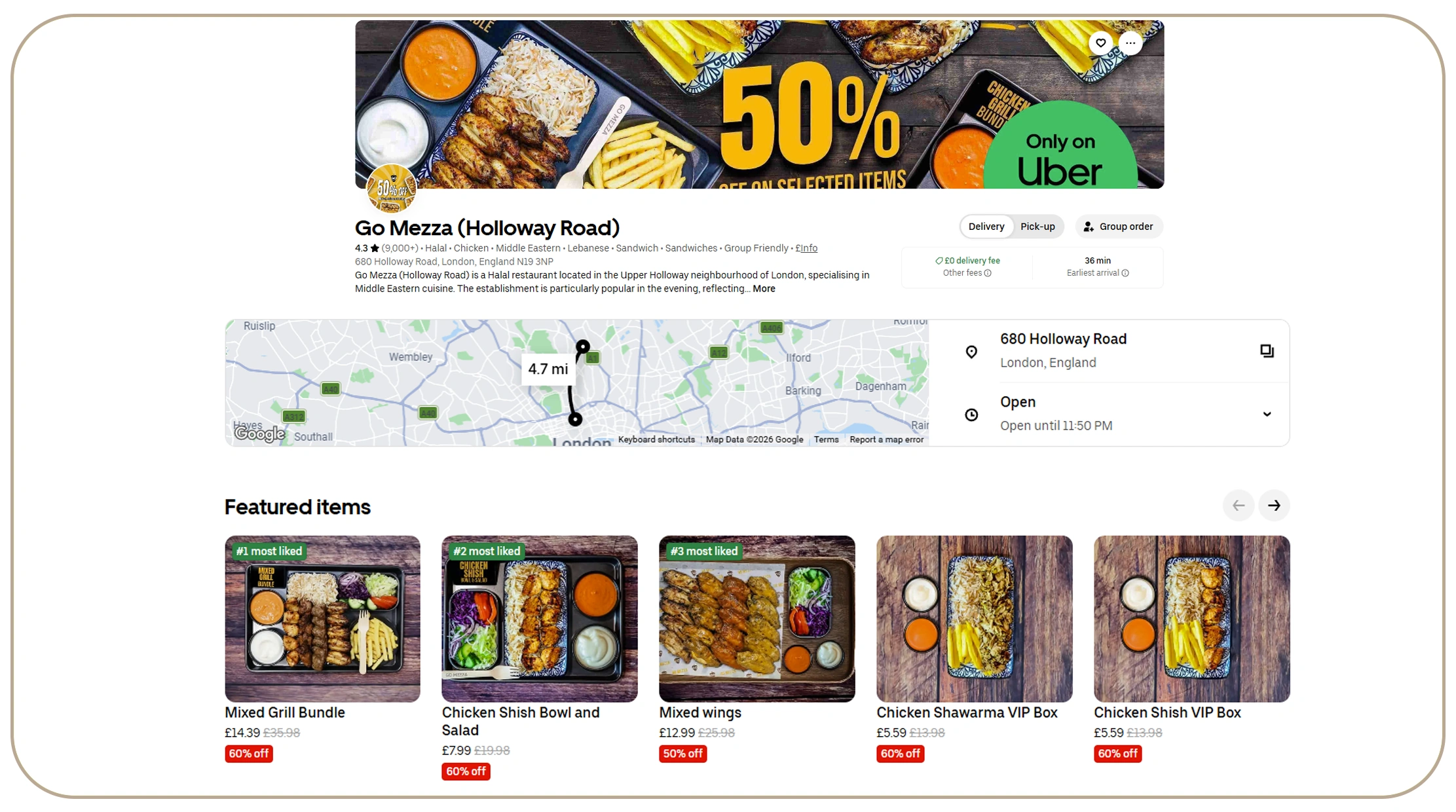
Conclusion: Feed Your Strategy with Better Data
Real Data API — Powering Food Delivery Market Intelligence
Latest posts
How Target API Simplifies Product, Price, Category, Inventory & Retail Data Collection for Retail Intelligence
How Pull & Bear Fashion Dataset Solves Fashion Intelligence Challenges Across Products, Prices, Categories, and Apparel Trends?
How Levi's Fashion Dataset Improves Fashion Intelligence Across Products, Prices, Categories, and Denim Market Trends?

How Myntra Fashion Dataset Solves Fashion Intelligence Challenges Across Products, Prices, Brands, and Fashion Market Trends?






.png)