Introduction
Retailers can automate competitive price monitoring by using AI-powered APIs that collect real-time pricing, inventory, and promotional data across digital retail channels. Real-Time Retail Pricing Intelligence API Solutions help businesses track competitor pricing instantly, improve dynamic pricing strategies, and optimize decision-making. Combined with a reliable Web Scraping API, retailers gain faster access to structured market intelligence for smarter retail operations.
According to industry reports, more than 74% of retailers now rely on automated pricing intelligence tools to stay competitive in digital commerce. Businesses using real-time pricing systems improve pricing accuracy, reduce stock-related losses, and increase revenue optimization opportunities.
For eCommerce retailers, marketplace sellers, grocery chains, FMCG brands, and retail analytics firms, manually tracking competitor prices across thousands of products is time-consuming and inefficient. Automated pricing intelligence systems solve this challenge at scale.
Why Do Retailers Need Real-Time Competitive Pricing Visibility?
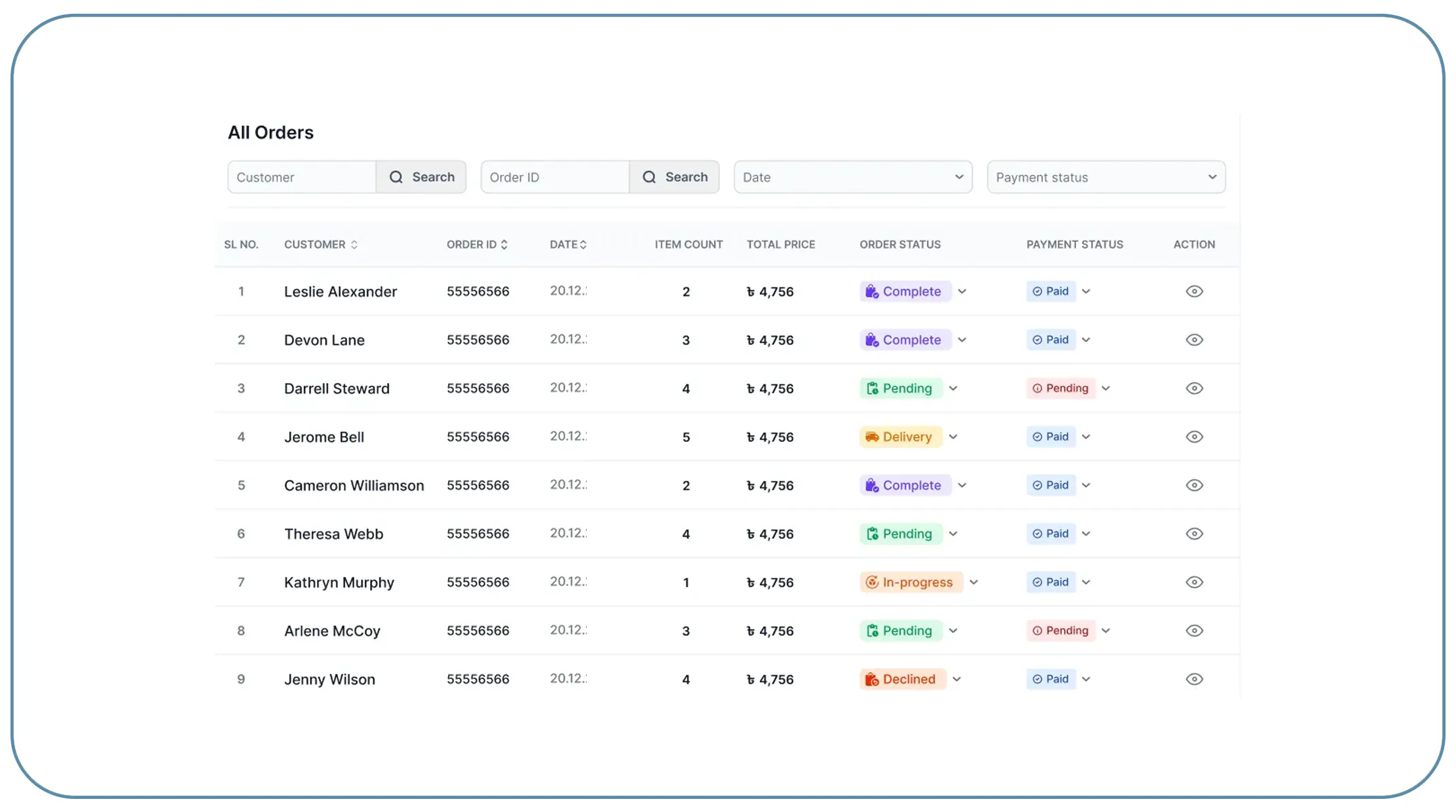
Retail pricing changes constantly. Competitors adjust prices based on promotions, demand, inventory, and seasonal events. Businesses that fail to respond quickly risk losing customers and market share.
Using competitor price monitoring Using Real Time API Scraping enables retailers to collect live pricing data from online marketplaces, retail websites, and digital storefronts.
Real-time pricing intelligence helps retailers:
- Monitor competitor prices instantly
- Detect pricing fluctuations
- Analyze promotional campaigns
- Compare category pricing
- Improve dynamic pricing
- Optimize profit margins
Retail Pricing Intelligence Trends (2020-2026)
| Year | Retailers Using Automated Pricing Tools | Avg. Daily Price Changes Monitored |
|---|---|---|
| 2020 | 26% | 1.8M |
| 2021 | 34% | 2.6M |
| 2022 | 43% | 3.9M |
| 2023 | 52% | 5.5M |
| 2024 | 62% | 7.4M |
| 2025 | 72% | 9.8M |
| 2026 | 81% | 12.7M |
Automated pricing intelligence helps retailers react faster to market changes and maintain competitive positioning.
Businesses can also identify pricing gaps and improve pricing consistency across multiple sales channels.
Real-time visibility improves operational efficiency and customer satisfaction.
How Can Retailers Compare Competitor Pricing More Efficiently?
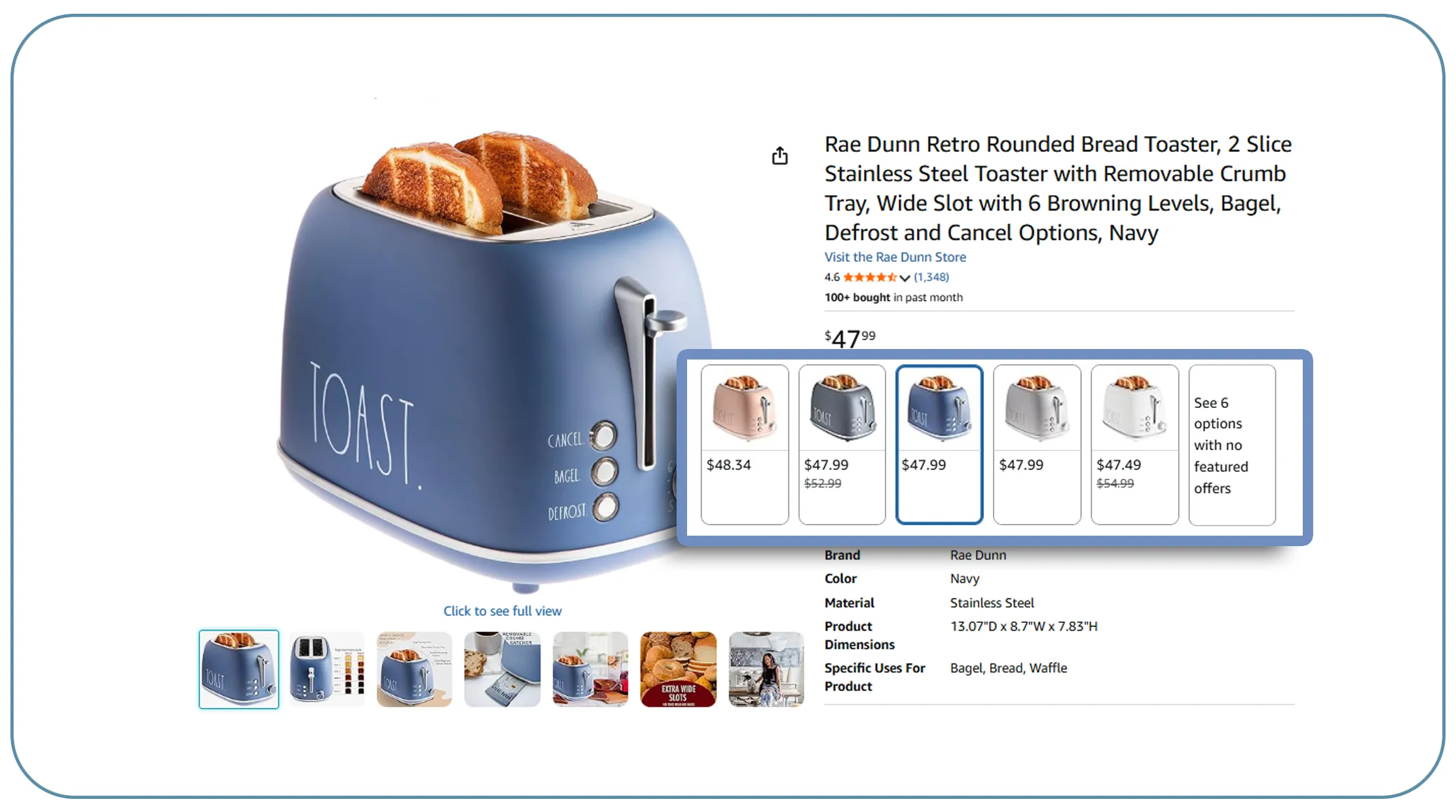
Retailers managing thousands of SKUs need scalable systems to compare competitor prices continuously across marketplaces and product categories.
Using retail data scraping for Competitor price comparison enables businesses to collect structured pricing data automatically and benchmark products against competitors.
Price comparison analytics support:
- SKU-level price benchmarking
- Promotional analysis
- Regional pricing comparisons
- Dynamic pricing optimization
- Competitor assortment tracking
- Margin protection strategies
Competitor Price Comparison Growth (2020-2026)
| Year | Products Compared Daily | Businesses Using Price Benchmarking |
|---|---|---|
| 2020 | 12M | 29% |
| 2021 | 18M | 37% |
| 2022 | 27M | 46% |
| 2023 | 40M | 55% |
| 2024 | 58M | 64% |
| 2025 | 82M | 73% |
| 2026 | 114M | 82% |
Retailers increasingly use automated benchmarking systems to reduce pricing inefficiencies and improve promotional planning.
Price comparison intelligence also supports category management and assortment optimization.
Businesses can analyze historical pricing trends to improve long-term pricing strategies.
How Does Automated Web Scraping Improve Price Tracking?
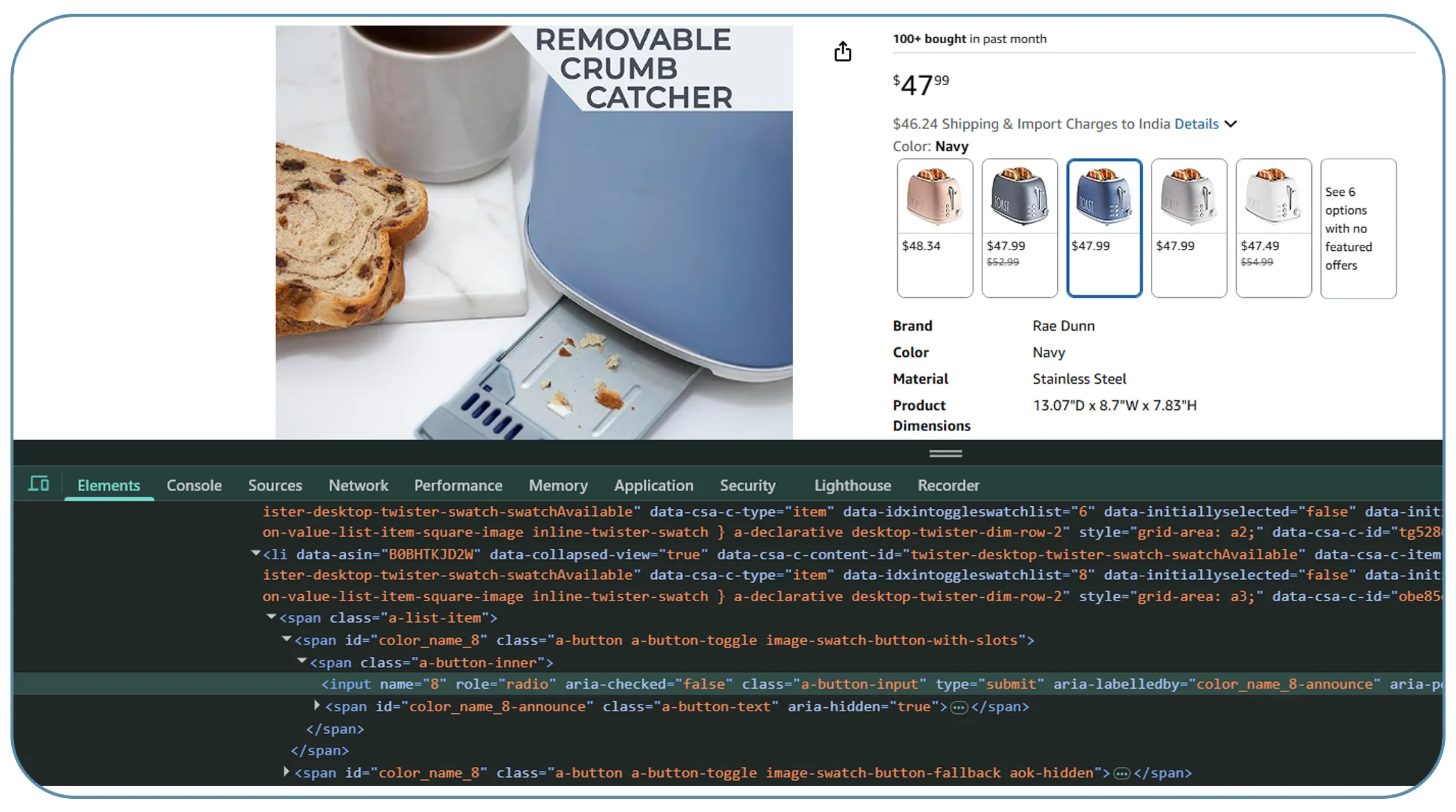
Manual price monitoring cannot keep up with modern retail marketplaces where prices change frequently throughout the day.
Using Track Competitor Prices Using Web Scraping allows retailers to automate large-scale pricing data collection across online stores and marketplaces.
Automated price tracking systems help businesses:
- Capture real-time product prices
- Monitor stock availability
- Analyze pricing patterns
- Detect flash sales
- Track seasonal discounts
- Improve competitive intelligence
Automated Price Tracking Adoption Trends (2020-2026)
| Year | Retailers Using Automated Tracking | Avg. Price Updates Captured Daily |
|---|---|---|
| 2020 | 24% | 950K |
| 2021 | 32% | 1.6M |
| 2022 | 41% | 2.8M |
| 2023 | 51% | 4.3M |
| 2024 | 62% | 6.1M |
| 2025 | 73% | 8.7M |
| 2026 | 83% | 11.9M |
Automated scraping systems improve data accuracy and reduce manual monitoring costs.
Retailers also gain faster access to competitor pricing insights that support dynamic pricing decisions.
Real-time scraping infrastructure improves operational scalability across large retail ecosystems.
Why Is Automated Intelligence Essential for Modern Retailers?
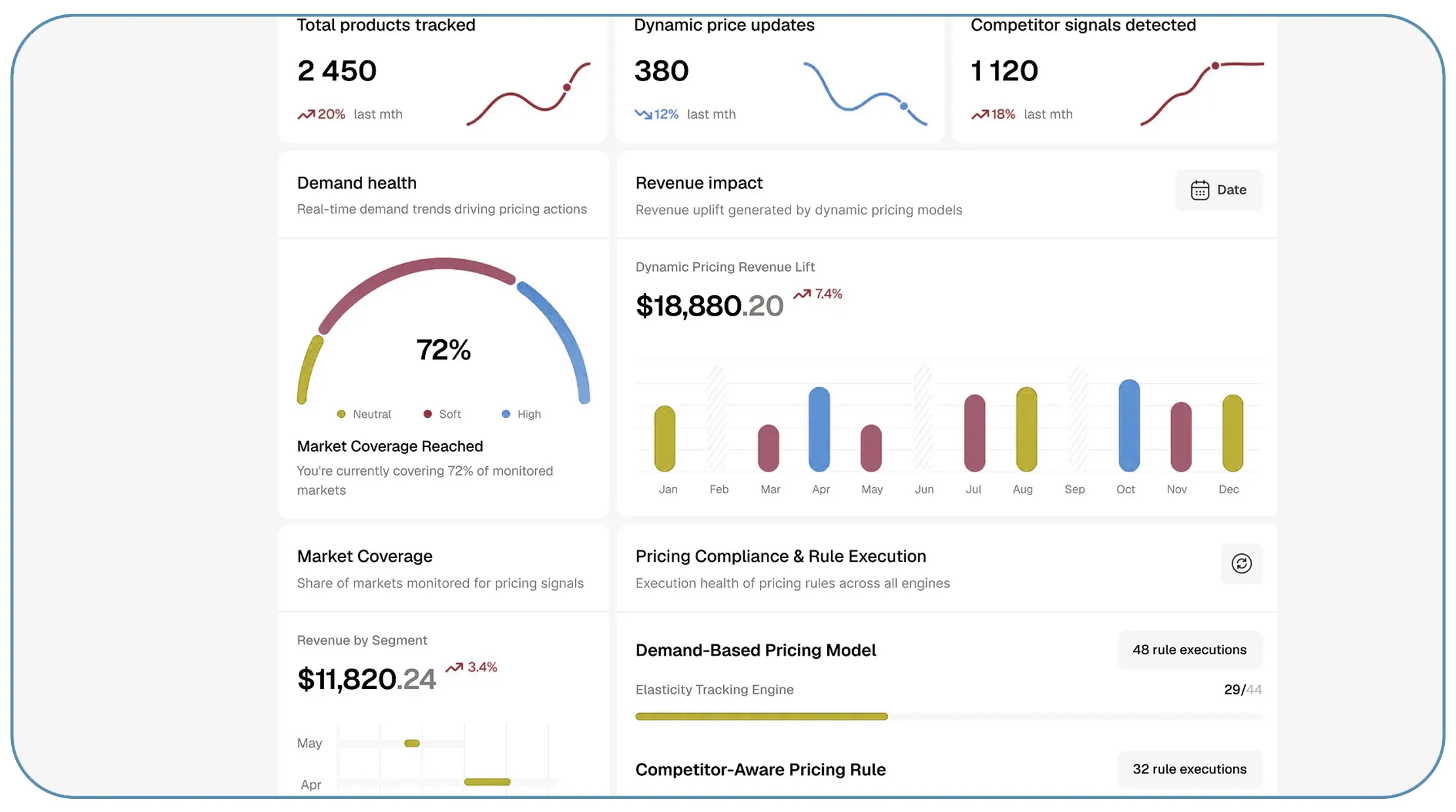
Retail businesses generate large volumes of pricing and inventory data daily. Manual analysis delays decision-making and limits operational efficiency.
Using Competitor Price Scraping to Automate Data Intelligence enables businesses to transform raw retail data into actionable insights automatically.
Automated retail intelligence supports:
- Predictive pricing analytics
- Inventory optimization
- Demand forecasting
- Competitive benchmarking
- Market trend analysis
- Promotion effectiveness tracking
Retail Data Intelligence Growth (2020-2026)
| Year | Retail Data Processed Daily | Businesses Using AI Analytics |
|---|---|---|
| 2020 | 22 PB | 21% |
| 2021 | 31 PB | 29% |
| 2022 | 44 PB | 38% |
| 2023 | 63 PB | 48% |
| 2024 | 88 PB | 58% |
| 2025 | 119 PB | 69% |
| 2026 | 157 PB | 79% |
AI-powered retail intelligence systems help businesses make faster and more accurate decisions.
Automated analytics reduce reporting delays and improve pricing responsiveness.
Retailers can also optimize product assortment strategies using predictive pricing and demand insights.
How Can Businesses Track Prices Across Multiple Retail Platforms?
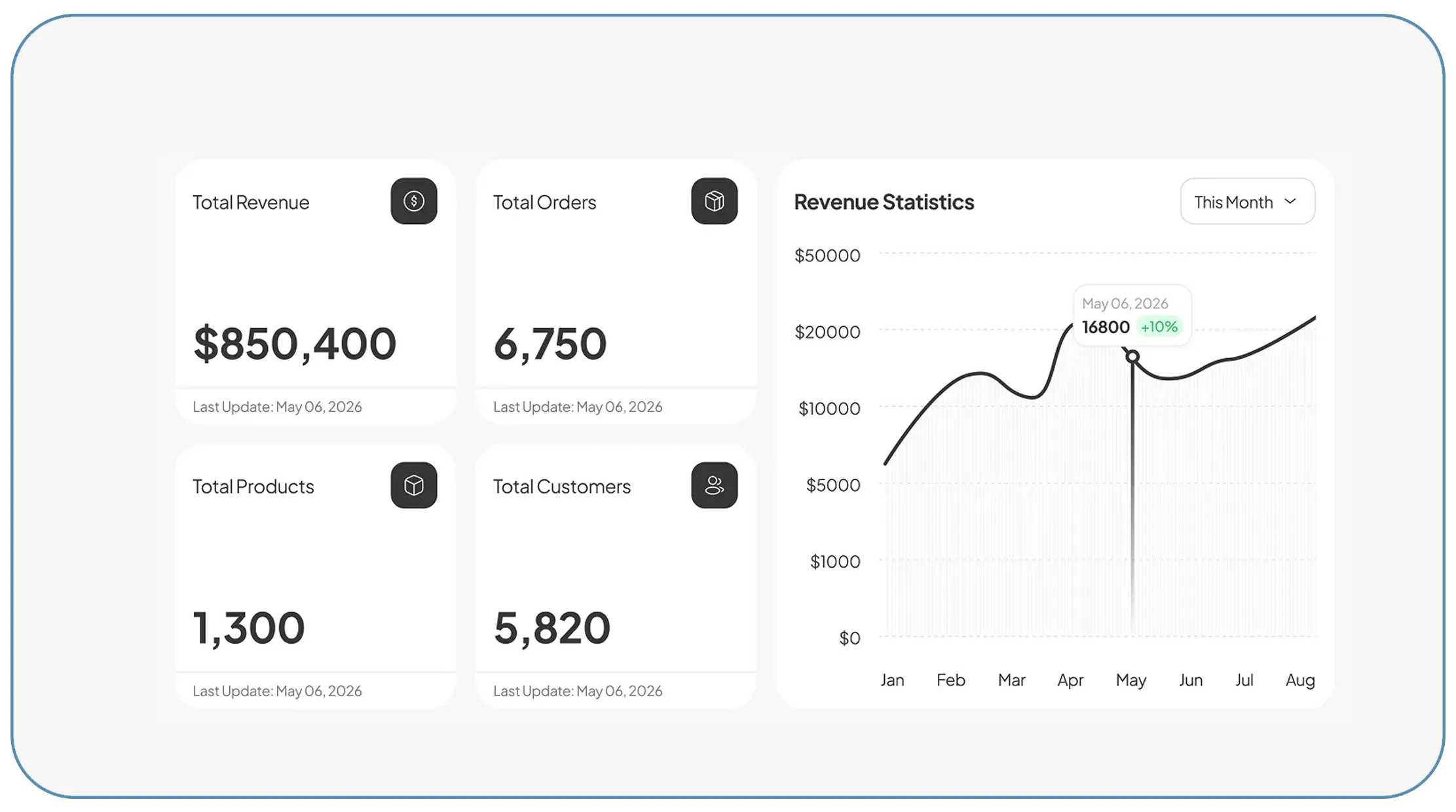
Modern consumers compare prices across marketplaces before making purchases. Retailers need cross-platform visibility to remain competitive.
Using Automate Price Tracking Across Retail Platforms helps businesses monitor pricing consistency across websites, marketplaces, and mobile commerce platforms.
Cross-platform monitoring supports:
- Marketplace pricing analysis
- Regional pricing visibility
- Promotion tracking
- Channel-level pricing optimization
- Digital shelf monitoring
- Omnichannel consistency
Multi-Platform Retail Monitoring Trends (2020-2026)
| Year | Platforms Monitored per Business | Cross-Channel Pricing Accuracy |
|---|---|---|
| 2020 | 7 | 62% |
| 2021 | 10 | 68% |
| 2022 | 14 | 74% |
| 2023 | 19 | 79% |
| 2024 | 25 | 84% |
| 2025 | 32 | 88% |
| 2026 | 40 | 92% |
Retailers increasingly use omnichannel monitoring systems to maintain consistent pricing strategies.
Cross-platform intelligence helps businesses reduce pricing conflicts and improve customer trust.
Automated monitoring also improves promotional synchronization across retail ecosystems.
How Do Web Scraping Services Improve Retail Intelligence?
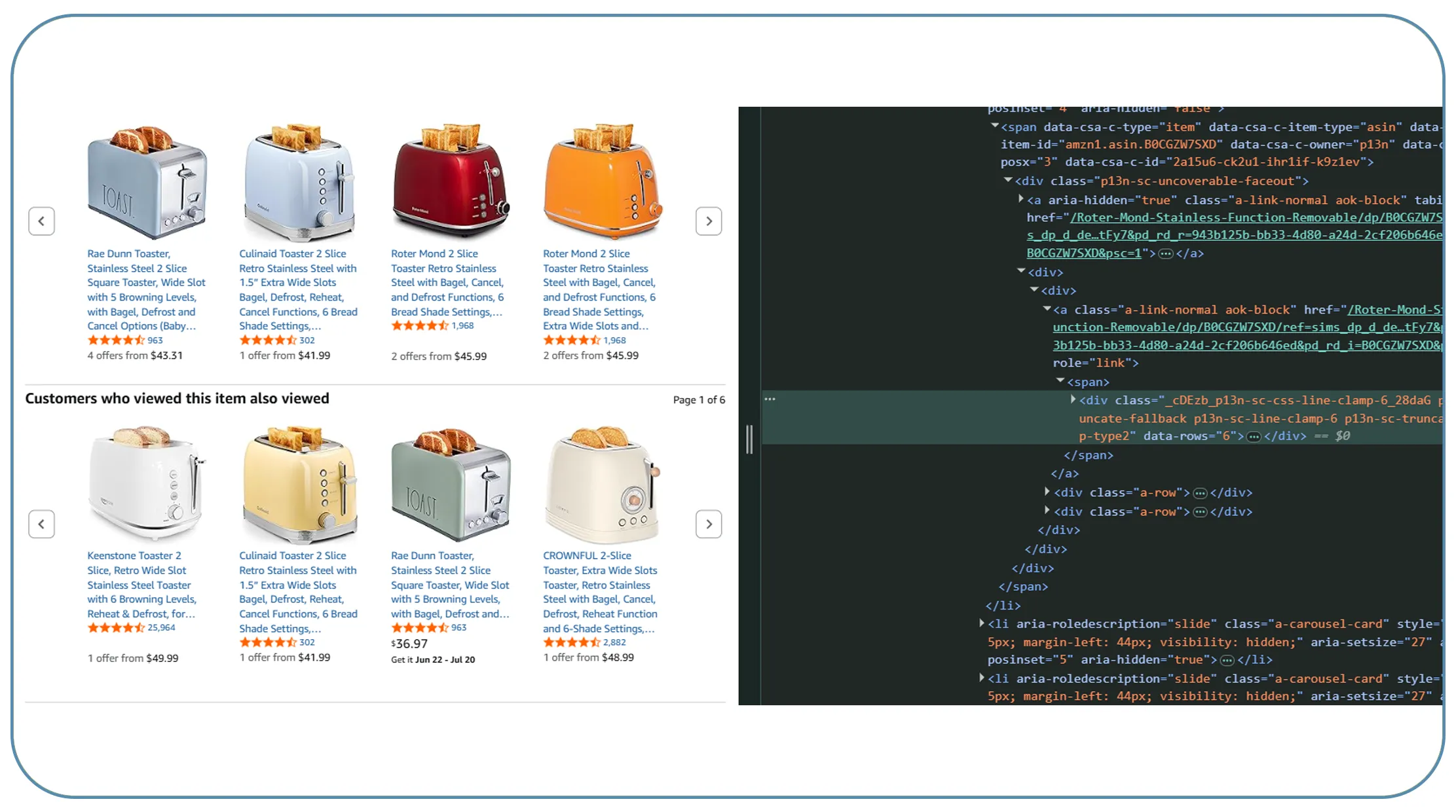
Modern retail depends on continuous data collection and advanced analytics to improve competitiveness and operational planning.
Using Web Scraping Services enables retailers to automate large-scale extraction of pricing, inventory, product, and promotional data from digital retail channels.
Retail intelligence applications include:
- Dynamic pricing optimization
- Competitor analysis
- Inventory monitoring
- Customer sentiment tracking
- Product trend analysis
- Demand forecasting
Retail Intelligence Automation Trends (2020-2026)
| Year | Businesses Using Automated Intelligence | Retail Data Volume Processed |
|---|---|---|
| 2020 | 28% | 18 PB |
| 2021 | 36% | 27 PB |
| 2022 | 45% | 39 PB |
| 2023 | 55% | 57 PB |
| 2024 | 65% | 79 PB |
| 2025 | 75% | 108 PB |
| 2026 | 84% | 145 PB |
Automated scraping systems improve scalability and support faster retail analytics.
Businesses can respond more effectively to changing market conditions and customer demand patterns.
Retailers also use scraping services to improve long-term forecasting and merchandising strategies.
Why Choose Real Data API?
Real Data API provides scalable retail intelligence and enterprise-grade extraction infrastructure for retailers, eCommerce businesses, FMCG brands, analytics firms, and marketplaces.
Using Enterprise Web Crawling together with Real-Time Retail Pricing Intelligence API Solutions, Real Data API helps businesses:
- Monitor competitor pricing in real time
- Automate inventory tracking
- Improve dynamic pricing decisions
- Collect SKU-level retail intelligence
- Track promotional campaigns
- Optimize omnichannel pricing
- Scale retail analytics operations
Real Data API offers distributed scraping architecture, customizable APIs, secure infrastructure, and automated data delivery systems.
Businesses benefit from reliable retail datasets, high-frequency updates, and scalable intelligence pipelines.
The platform supports structured extraction workflows for large-scale retail operations and advanced analytics systems.
Conclusion
Retail competition continues growing across digital marketplaces and omnichannel ecosystems. Businesses that invest in automation and real-time pricing intelligence gain faster access to competitor insights, inventory visibility, and dynamic pricing opportunities. By leveraging Web Scraping Datasets along with Real-Time Retail Pricing Intelligence API Solutions, retailers can improve operational efficiency, optimize pricing strategies, and strengthen competitive positioning across markets.
Ready to automate your retail pricing intelligence strategy? Contact Real Data API today to unlock scalable retail scraping APIs, real-time monitoring, and enterprise analytics solutions for your business!
Latest posts
How Ixigo API Helps Businesses Solve Flight, Train, Hotel, Travel, and Pricing Data Challenges
How to Extract Restaurants, Menus, Prices, Ratings, and Business Data for Market Insights
How Brands Track Restaurant, Menu, Pricing, Rating, and Delivery Data for Competitive Intelligence

How Retailers Track Fashion Products, Prices, Brands, and Category Data for Competitive Intelligence Using AJIO API






.png)



