
Introduction
The UK grocery retail market has become one of the most competitive sectors in Europe, driven by changing consumer preferences, inflationary pressures, and the rapid growth of digital commerce. Supermarket giants ASDA and Tesco continue to dominate the landscape through aggressive pricing strategies, loyalty programs, delivery innovations, and data-driven retail operations. Businesses, analysts, and market researchers increasingly rely on structured grocery datasets to monitor price fluctuations, promotional campaigns, customer buying behavior, and regional product availability.
The growing demand for Asda vs Tesco grocery price comparison for UK retail competition insights has encouraged retailers and analytics firms to adopt advanced scraping technologies and real-time data collection systems. Through automated retail intelligence solutions, companies can track thousands of grocery products daily across multiple categories including dairy, fresh produce, packaged foods, beverages, and household essentials.
Modern retail intelligence platforms such as the ASDA Grocery Scraping API help businesses capture accurate product-level information including pricing trends, discounts, stock availability, and delivery performance metrics. These insights support dynamic pricing strategies, competitor benchmarking, and supply chain optimization while enabling businesses to respond quickly to changing market conditions.
Evolving Pricing Models in UK Grocery Retail
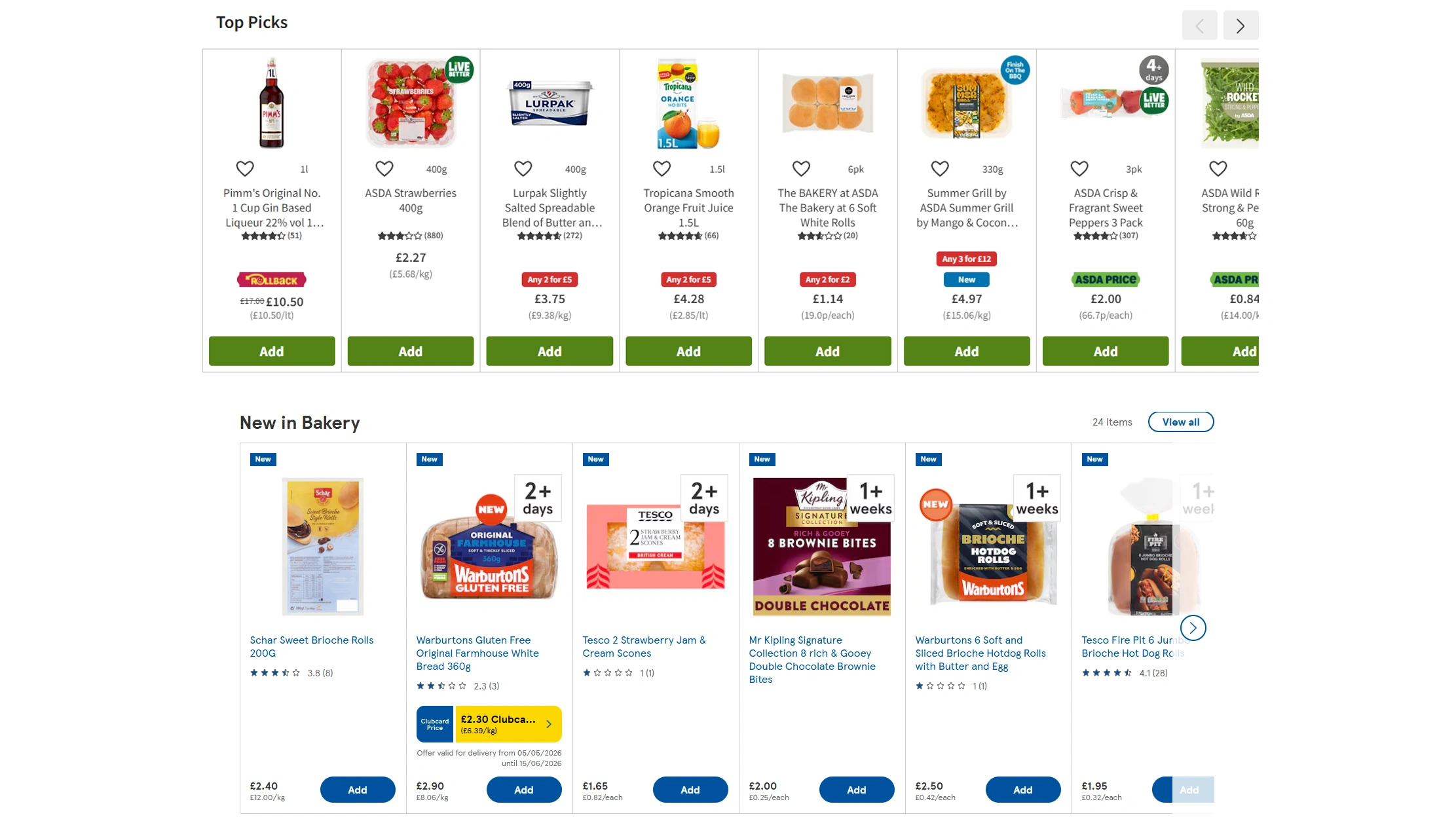
The UK grocery industry has experienced significant pricing volatility between 2020 and 2026 due to inflation, supply chain disruptions, labor shortages, and evolving customer purchasing behavior. Tesco and ASDA have consistently adjusted their pricing frameworks to maintain customer loyalty while protecting profit margins. Digital transformation has also accelerated the adoption of automated retail monitoring systems and advanced analytics platforms.
Businesses increasingly depend on Web Scraping Asda and Tesco pricing strategies to monitor competitor pricing structures and promotional campaigns in real time. Data-driven pricing analysis allows retailers to evaluate product-level pricing differences across multiple categories while identifying high-demand products and regional market trends.
UK Grocery Pricing Trends (2020–2026)
| Year | Tesco Avg Basket Price (£) | ASDA Avg Basket Price (£) | Inflation Rate (%) | Online Grocery Growth (%) |
|---|---|---|---|---|
| 2020 | 82 | 79 | 1.2 | 18 |
| 2021 | 85 | 81 | 2.5 | 21 |
| 2022 | 92 | 87 | 7.8 | 25 |
| 2023 | 97 | 91 | 9.1 | 28 |
| 2024 | 101 | 95 | 5.6 | 31 |
| 2025 | 105 | 99 | 4.3 | 34 |
| 2026 | 109 | 103 | 3.9 | 37 |
Retailers are increasingly investing in automated monitoring tools to evaluate product pricing across categories such as frozen foods, beverages, and household products. Scraped grocery datasets enable companies to identify competitor discount cycles, optimize product assortments, and improve forecasting accuracy. These insights are particularly valuable for retailers seeking to enhance customer retention strategies while maintaining price competitiveness in a rapidly evolving retail market.
Competitive Discounts and Promotional Intelligence
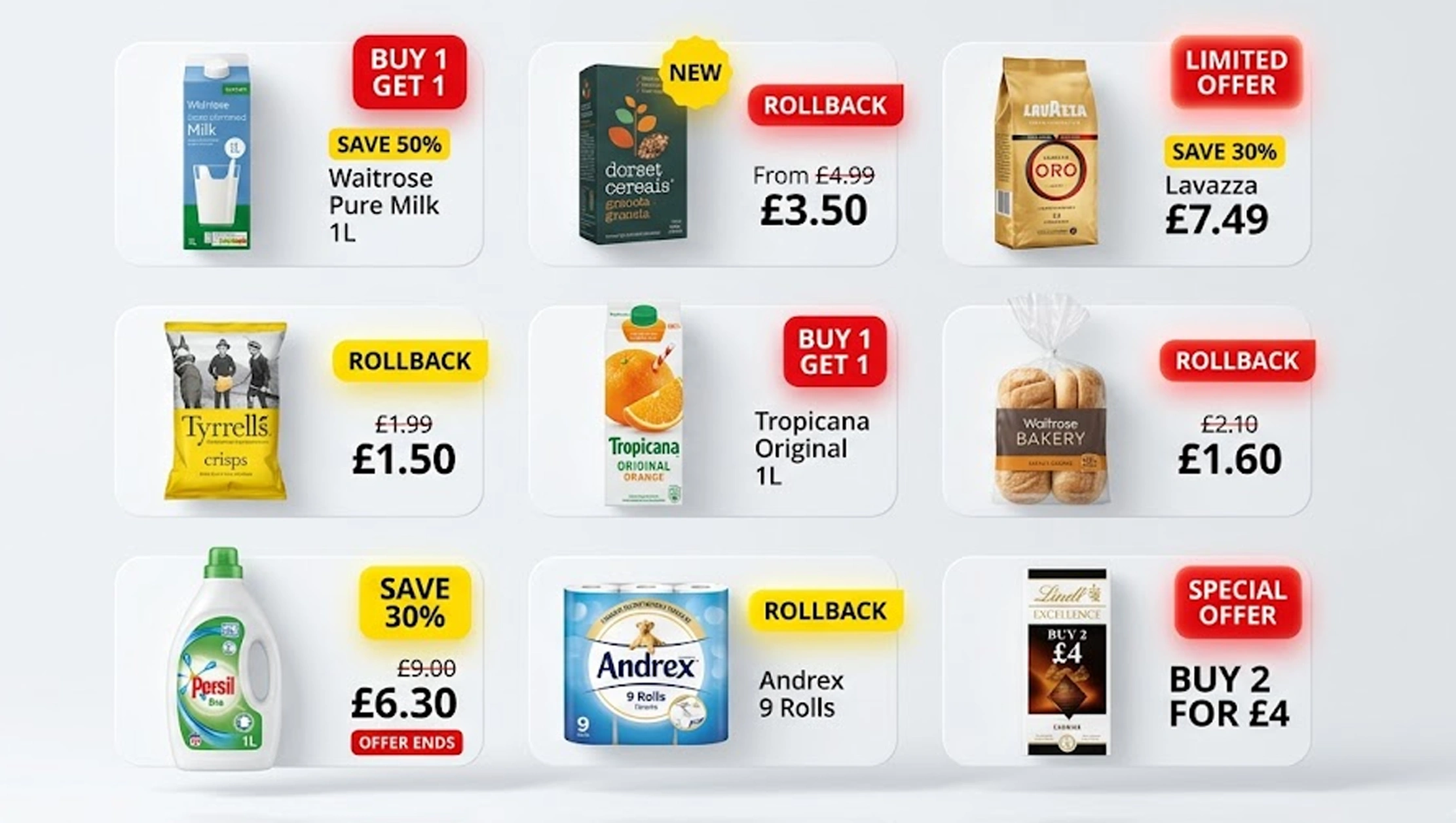
Promotional campaigns play a central role in shaping consumer purchasing decisions across the UK supermarket sector. Tesco leverages loyalty-driven discounts through Clubcard pricing, while ASDA focuses heavily on value-based pricing and large-volume discount campaigns. Both retailers continuously experiment with promotional structures to maximize customer engagement and increase basket size.
Retail analysts increasingly use Asda vs Tesco pricing and promotional strategy analysis to understand discount frequencies, seasonal campaigns, and product category performance. By monitoring real-time promotional activity, businesses can identify pricing gaps and benchmark promotional efficiency across multiple product segments.
Promotional Activity Comparison (2020–2026)
| Year | Tesco Promotions (%) | ASDA Promotions (%) | Loyalty Discounts (%) | Multi-buy Offers (%) |
|---|---|---|---|---|
| 2020 | 28 | 25 | 18 | 14 |
| 2021 | 31 | 27 | 21 | 15 |
| 2022 | 35 | 30 | 24 | 18 |
| 2023 | 38 | 34 | 27 | 21 |
| 2024 | 41 | 37 | 30 | 24 |
| 2025 | 43 | 39 | 32 | 26 |
| 2026 | 45 | 41 | 35 | 29 |
Promotional intelligence gathered from grocery datasets enables retailers to optimize campaign timing, improve inventory planning, and refine pricing structures. Analysts can compare historical discount trends while identifying products with the highest conversion rates during seasonal promotions. The increasing use of automation and AI-driven analytics has transformed how retailers monitor and respond to competitor pricing activity in the UK grocery sector.
Real-Time Grocery Monitoring and Price Transparency
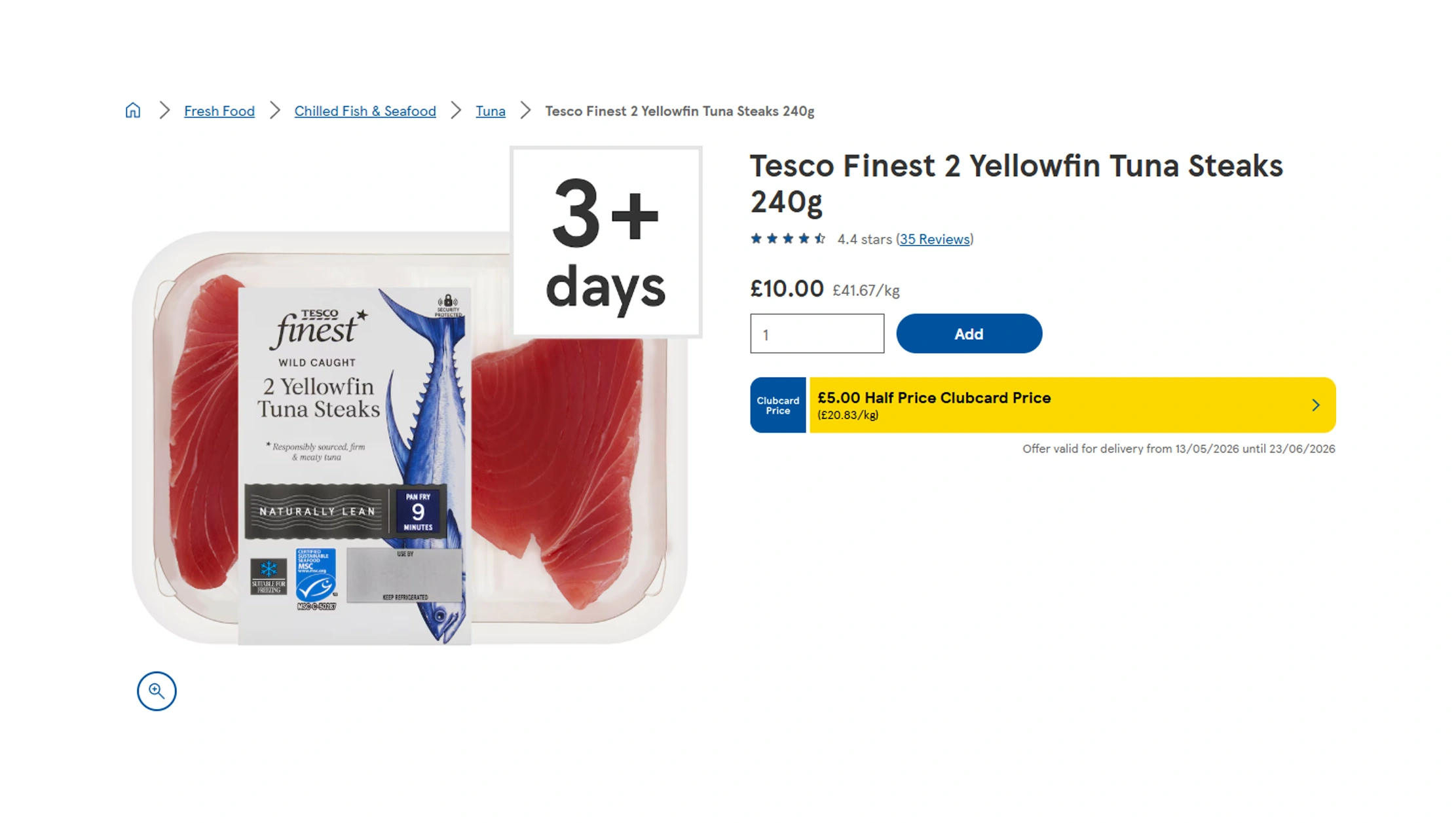
Real-time pricing intelligence has become essential for retailers aiming to remain competitive in the UK grocery market. Dynamic pricing systems now allow supermarkets to update prices rapidly in response to inflation, consumer demand, and competitor activity. Tesco and ASDA both rely on digital pricing infrastructure to improve operational efficiency and customer satisfaction.
The demand for real-time grocery price comparison between Asda and Tesco has increased significantly among retailers, market researchers, and price comparison platforms. Automated data collection systems provide continuous visibility into product pricing, delivery charges, stock availability, and category-level pricing shifts.
Real-Time Pricing Data Insights (2020–2026)
| Year | Products Monitored Daily | Price Updates per Day | Online Orders (Millions) | Delivery Demand Growth (%) |
|---|---|---|---|---|
| 2020 | 25,000 | 3 | 120 | 20 |
| 2021 | 31,000 | 5 | 145 | 24 |
| 2022 | 39,000 | 7 | 168 | 29 |
| 2023 | 46,000 | 9 | 189 | 33 |
| 2024 | 52,000 | 11 | 214 | 36 |
| 2025 | 59,000 | 13 | 236 | 39 |
| 2026 | 65,000 | 15 | 258 | 42 |
Retailers use real-time grocery datasets to evaluate pricing discrepancies between regions, improve delivery logistics, and identify emerging market trends. The ability to monitor pricing activity continuously supports faster strategic decision-making and enables businesses to respond proactively to changing market conditions. Real-time pricing intelligence also improves customer trust by enhancing pricing transparency and product consistency across online platforms.
Retail Analytics and Competitive Benchmarking
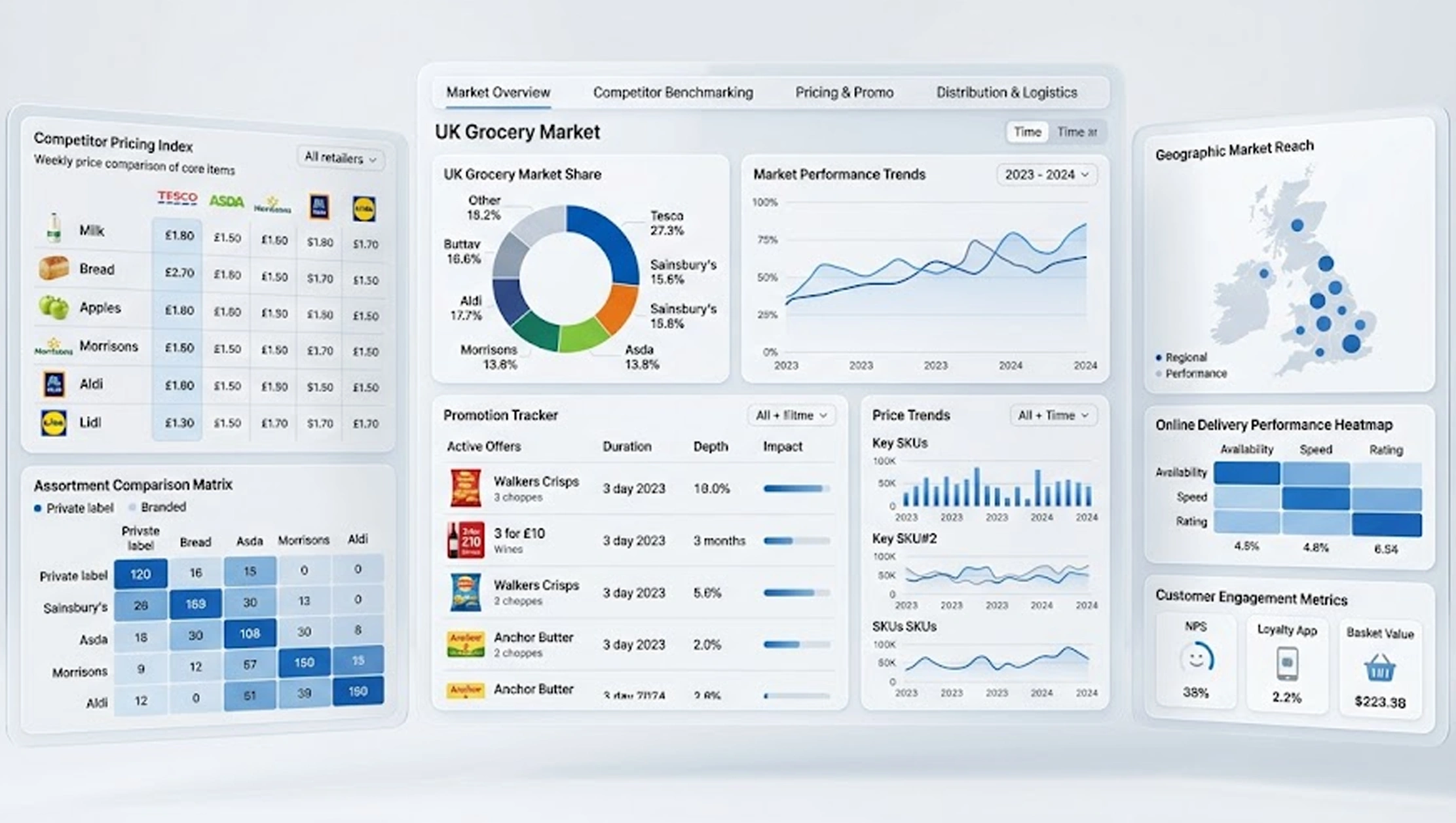
Retail competition in the UK grocery industry has intensified as supermarkets expand their digital capabilities and invest heavily in data analytics. Benchmarking competitor performance has become a crucial strategy for retailers seeking to maintain market relevance and improve customer retention.
Businesses increasingly rely on how scraped grocery data helps analyze retail competition in the UK to monitor market share changes, pricing performance, customer engagement metrics, and delivery efficiency. Scraped datasets provide granular insights into competitor assortments, product availability, and promotional effectiveness across different geographic markets.
UK Grocery Market Share Trends (2020–2026)
| Year | Tesco Market Share (%) | ASDA Market Share (%) | Online Grocery Share (%) | Consumer Price Sensitivity (%) |
|---|---|---|---|---|
| 2020 | 27.1 | 14.8 | 12 | 49 |
| 2021 | 27.5 | 14.5 | 15 | 53 |
| 2022 | 27.8 | 14.2 | 18 | 58 |
| 2023 | 28.1 | 13.9 | 21 | 61 |
| 2024 | 28.3 | 13.7 | 24 | 64 |
| 2025 | 28.6 | 13.5 | 27 | 67 |
| 2026 | 28.9 | 13.3 | 30 | 70 |
Retail intelligence platforms enable businesses to compare pricing strategies, assess competitor delivery coverage, and identify evolving consumer preferences. Market benchmarking also supports strategic expansion planning and product assortment optimization. With increasing pressure from discount retailers and online grocery platforms, data-driven competition analysis has become essential for long-term growth and operational efficiency.
Structured Grocery Datasets and Retail Intelligence
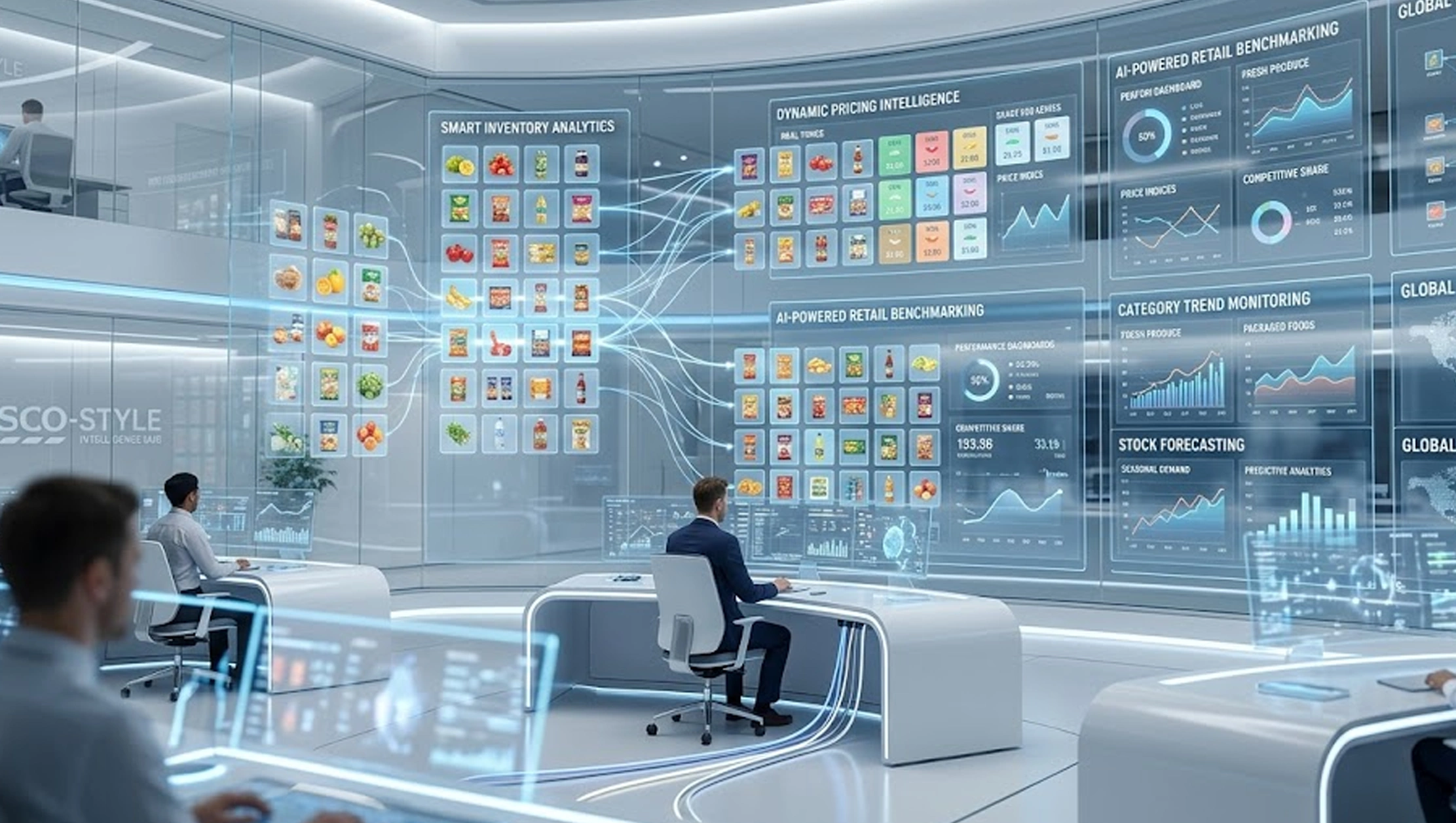
Retail datasets have become critical assets for businesses operating in the grocery analytics ecosystem. Structured grocery data provides visibility into product catalogs, pricing structures, inventory levels, and promotional campaigns. Tesco's digital ecosystem generates vast amounts of structured retail data that can be leveraged for market analysis and operational optimization.
Businesses use Web Scraping Tesco UK Dataset solutions to collect product-level insights from Tesco's online grocery platform. These datasets support competitor benchmarking, pricing analysis, inventory forecasting, and category trend monitoring.
Tesco Grocery Dataset Growth (2020–2026)
| Year | Total Products Listed | Average Daily Visitors (Millions) | Digital Sales Growth (%) | Dataset Accuracy (%) |
|---|---|---|---|---|
| 2020 | 42,000 | 6.1 | 16 | 91 |
| 2021 | 48,000 | 6.9 | 19 | 92 |
| 2022 | 54,000 | 7.8 | 23 | 93 |
| 2023 | 61,000 | 8.6 | 26 | 94 |
| 2024 | 68,000 | 9.4 | 29 | 95 |
| 2025 | 75,000 | 10.1 | 32 | 96 |
| 2026 | 82,000 | 10.9 | 35 | 97 |
Advanced scraping technologies allow businesses to collect high-frequency retail data while maintaining accuracy and scalability. Structured datasets improve decision-making by enabling analysts to monitor product assortment trends, evaluate customer demand, and optimize supply chain operations. As digital grocery platforms continue expanding, retail datasets will remain essential for strategic planning and market forecasting.
Delivery Intelligence and Digital Commerce Expansion
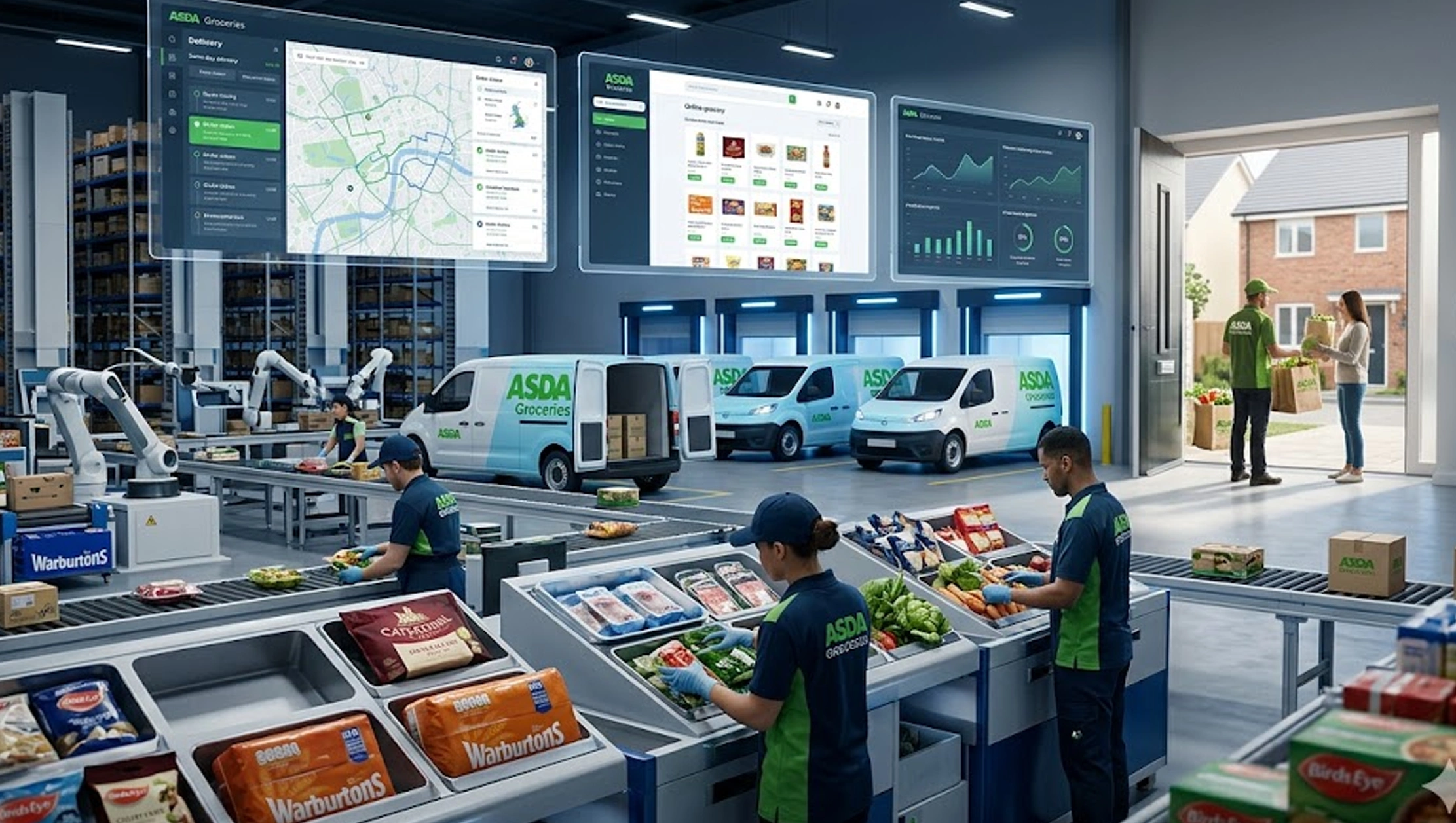
Online grocery delivery has become a major competitive factor in the UK supermarket industry. ASDA and Tesco continue expanding their delivery infrastructure to meet growing customer demand for convenience and same-day fulfillment. Delivery performance metrics now directly influence customer loyalty and market positioning.
Businesses increasingly leverage Data Scraping for ASDA Grocery Delivery to monitor delivery slots, service availability, pricing fluctuations, and fulfillment efficiency. Delivery intelligence helps retailers evaluate operational performance while identifying regional gaps in service coverage.
Grocery Delivery Expansion Metrics (2020–2026)
| Year | ASDA Delivery Orders (Millions) | Tesco Delivery Orders (Millions) | Avg Delivery Fee (£) | Same-Day Delivery Availability (%) |
|---|---|---|---|---|
| 2020 | 58 | 72 | 4.1 | 18 |
| 2021 | 66 | 81 | 4.3 | 23 |
| 2022 | 74 | 91 | 4.6 | 28 |
| 2023 | 82 | 103 | 4.8 | 34 |
| 2024 | 91 | 116 | 5.0 | 39 |
| 2025 | 99 | 128 | 5.2 | 44 |
| 2026 | 108 | 141 | 5.5 | 49 |
Delivery-focused analytics support route optimization, customer experience improvements, and inventory allocation planning. Retailers can use delivery intelligence to identify peak demand periods, improve fulfillment rates, and optimize regional logistics strategies. As consumer reliance on online grocery delivery continues to increase, delivery analytics will play a vital role in shaping future retail competition.
Why Choose Real Data API?
Businesses seeking accurate and scalable retail intelligence solutions require reliable data infrastructure capable of handling large-scale grocery datasets. Real Data API delivers advanced scraping solutions designed for modern retail analytics, pricing intelligence, and competitive benchmarking.
The platform supports comprehensive Web Scraping Tesco and ASDA Grocery Delivery Data capabilities while enabling businesses to generate actionable insights from real-time grocery datasets. Through automated collection systems, companies can efficiently monitor product prices, discounts, stock availability, and delivery performance metrics.
Organizations looking for deeper Asda vs Tesco grocery price comparison for UK retail competition insights benefit from scalable APIs, structured data delivery, high-frequency updates, and customizable scraping solutions. Real Data API supports multiple business use cases including competitor analysis, market research, retail benchmarking, inventory forecasting, and dynamic pricing optimization.
Key advantages include:
- Real-time grocery data extraction
- High dataset accuracy and scalability
- Automated pricing intelligence
- Delivery and inventory monitoring
- Structured retail datasets for analytics
- Competitive benchmarking solutions
- Flexible API integrations
- Multi-category grocery coverage
These capabilities help businesses improve operational efficiency, strengthen pricing strategies, and enhance market intelligence across the UK grocery sector.
Conclusion
The UK grocery market continues evolving through digital transformation, pricing competition, and growing consumer demand for convenience-driven shopping experiences. Tesco and ASDA remain central players in this competitive ecosystem, leveraging data analytics, dynamic pricing strategies, and delivery innovations to strengthen market positioning.
The increasing importance of Asda vs Tesco grocery price comparison for UK retail competition insights highlights the growing need for real-time retail intelligence and structured grocery datasets. Businesses that leverage automated scraping technologies and advanced analytics platforms gain a significant competitive advantage by improving decision-making, monitoring competitor strategies, and responding quickly to market changes.
As online grocery commerce continues expanding between 2020 and 2026, data-driven retail intelligence will remain essential for pricing optimization, market benchmarking, and customer engagement strategies.
Unlock real-time UK grocery intelligence with Real Data API and transform your retail analytics strategy with scalable, accurate, and automated supermarket data solutions!
Latest posts
How Real Estate Competitor Research Using RERA Data Scraping Solves Competitive Intelligence Challenges
.webp)
How to Use RERA scraper for Builder Performance Monitoring to Make Smarter Real Estate Decisions

How to Solve Housing Project Discovery and Competitive Intelligence Challenges When Scrape new housing projects across India using RERA data?
How Businesses Can Scrape Customer Reviews To Increase Product Sales For Better Customer Insights







.png)