
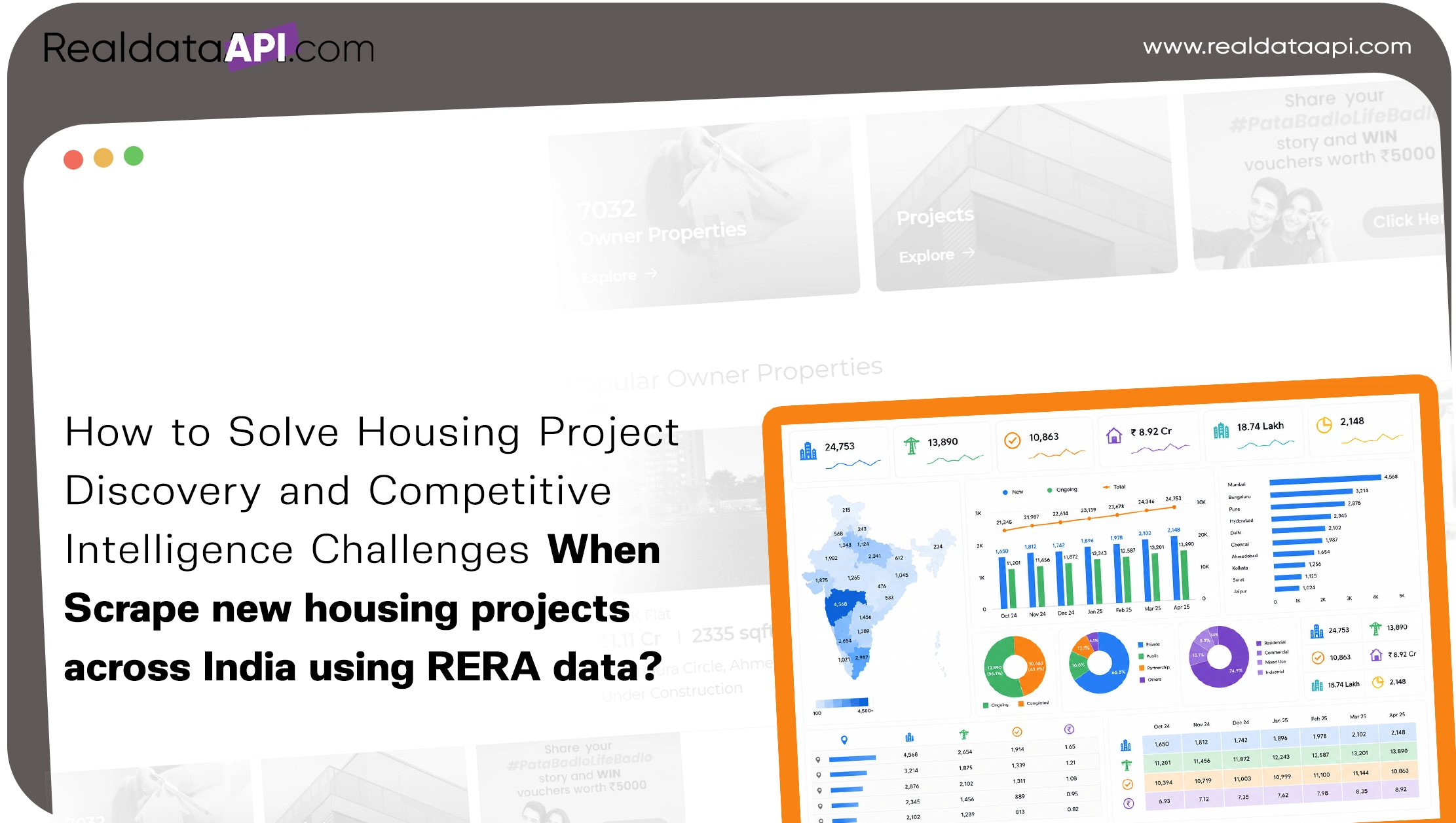
Introduction
India’s real estate sector is expanding rapidly, with thousands of new residential projects being launched every year across metropolitan cities, Tier-II locations, and emerging urban hubs. For developers, investors, PropTech companies, consultants, and financial institutions, identifying these opportunities early is essential for gaining a competitive edge. While every state RERA portal publishes verified project information, manually searching multiple websites for updates is time-consuming, inconsistent, and inefficient.
Businesses now Scrape new housing projects across India using RERA data to automate the collection of project registrations, builder details, approval status, construction timelines, project specifications, and location-based insights. Automated data extraction transforms fragmented regulatory information into structured datasets that support faster and smarter business decisions.
Modern organizations also rely on Web Scraping Real Estate Data API solutions to integrate real-time housing project information directly into CRM platforms, investment dashboards, analytics tools, and PropTech applications. Instead of waiting for periodic reports, businesses receive continuous updates that improve market intelligence, competitor tracking, investment planning, and customer engagement. This blog explores how automated RERA data scraping solves housing project discovery challenges while delivering actionable intelligence for long-term growth.
Transforming Housing Data into Investment Intelligence
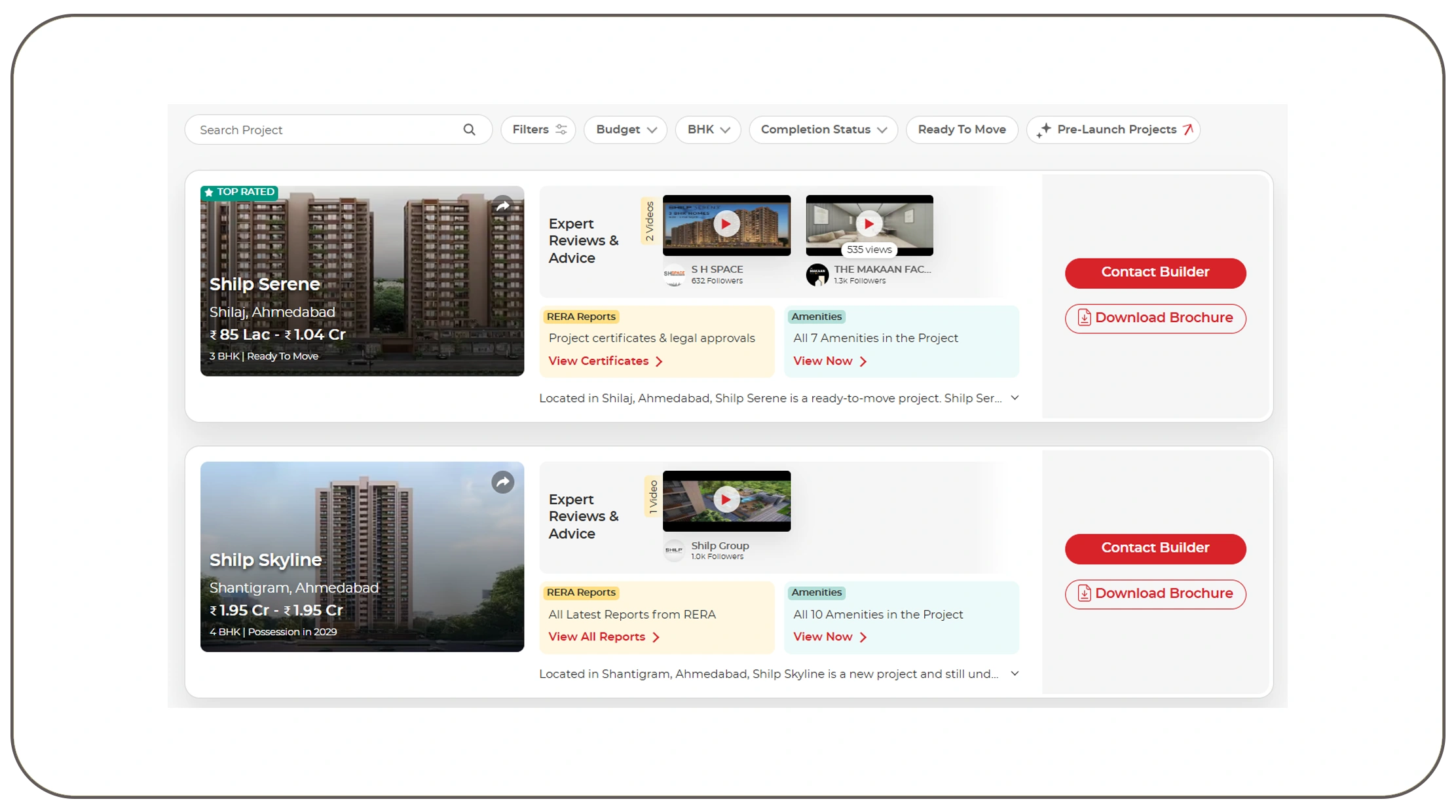
Real estate investment decisions depend on access to timely and reliable information. Whether evaluating residential developments, comparing builders, or identifying high-growth markets, businesses require comprehensive project data collected from trusted regulatory sources. Since RERA portals publish verified project information across multiple states, automated extraction provides an efficient method for converting public records into valuable investment intelligence.
Using Property investment research scraping using RERA data , organizations can collect detailed information about newly registered projects, developer credentials, project size, possession schedules, approval milestones, construction progress, and geographic expansion. These datasets allow investors to evaluate opportunities based on factual regulatory information rather than relying solely on promotional materials or manual research.
Developers also benefit by benchmarking competitor launches, identifying underserved markets, and analyzing demand patterns across regions. Financial institutions use structured RERA datasets to assess project credibility before financing new developments, while consulting firms provide clients with evidence-based recommendations supported by verified records.
Historical data analysis further strengthens investment planning by revealing construction trends, seasonal launch activity, and regional development growth. Integrated with AI-powered dashboards, these datasets help organizations forecast demand, estimate project risks, and prioritize investment opportunities with greater confidence.
By automating data collection, businesses significantly reduce research time while improving decision accuracy. Instead of spending weeks gathering scattered information, decision-makers receive centralized, standardized intelligence that supports strategic planning across India's rapidly evolving housing market.
Key Benefits
- Discover new residential projects faster
- Analyze developer credibility
- Compare investment opportunities
- Monitor construction milestones
- Identify emerging housing markets
- Evaluate project approvals
- Improve investment forecasting
- Reduce manual research efforts
Housing Investment Trends (2020–2026)
| Year | New Housing Projects Indexed | Automated Research Adoption (%) | Investment Decision Accuracy (%) | Market Visibility (%) |
|---|---|---|---|---|
| 2020 | 100 | 24 | 68 | 60 |
| 2021 | 116 | 32 | 73 | 66 |
| 2022 | 134 | 42 | 79 | 73 |
| 2023 | 155 | 54 | 85 | 80 |
| 2024 | 176 | 66 | 90 | 87 |
| 2025* | 198 | 77 | 94 | 92 |
| 2026* | 220 | 87 | 97 | 96 |
Projected industry estimates.
Creating Reliable Visibility Across India's Housing Market
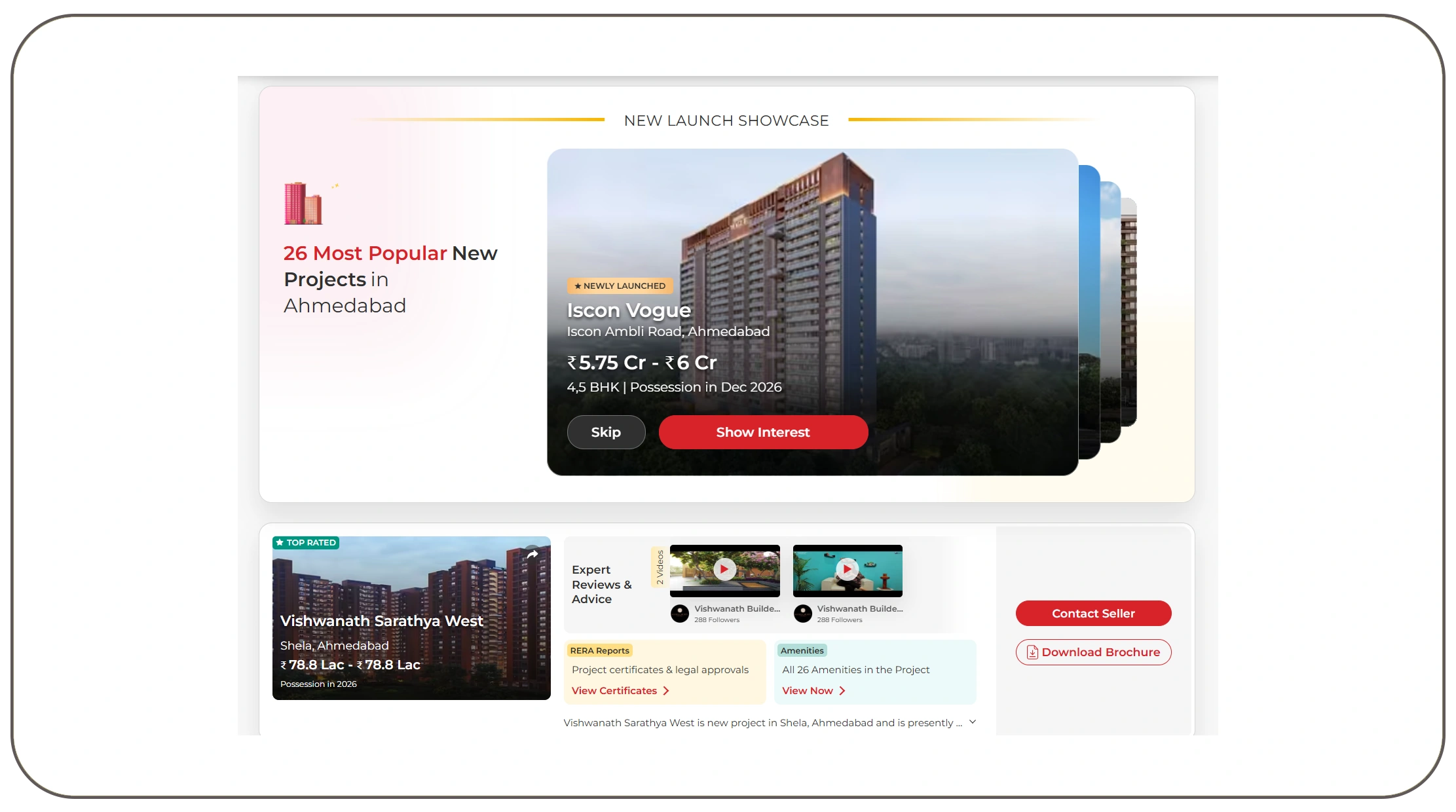
The growing number of residential developments across India makes continuous market monitoring increasingly challenging. Every state maintains its own RERA portal, publishing project registrations, construction updates, approval records, and builder information in different formats. Manual monitoring is no longer practical for organizations seeking comprehensive nationwide intelligence.
This is where RERA Housing Project Data scraping enables businesses to automate large-scale data collection from multiple regulatory portals. Instead of manually downloading records from individual websites, organizations receive structured datasets that consolidate project information into a single, searchable database.
Developers utilize this intelligence to monitor competitor launches, evaluate construction activity, and compare regional development strategies. Investors analyze housing supply, project completion rates, and builder performance before allocating capital. PropTech platforms integrate automated datasets into property portals to display verified project information for homebuyers.
Automated scraping also improves operational efficiency by eliminating duplicate records, standardizing data formats, and providing continuous updates. Organizations can monitor thousands of projects simultaneously while receiving alerts whenever new housing developments are registered or existing projects change status.
Combined with cloud-based analytics and visualization tools, RERA housing data supports pricing analysis, inventory planning, market forecasting, and customer engagement. Businesses gain a comprehensive understanding of regional housing trends without investing significant resources in manual data collection.
As India's real estate market continues to expand, automated RERA housing intelligence has become an essential resource for organizations seeking faster, more accurate, and data-driven decision-making.
Business Advantages
- Track nationwide housing launches
- Monitor project registrations
- Compare regional housing markets
- Analyze construction progress
- Support PropTech platforms
- Improve competitor tracking
- Standardize regulatory datasets
- Enable real-time market monitoring
Housing Data Automation Statistics (2020–2026)
| Year | Projects Monitored (Index) | Automated Housing Data Collection (%) | Enterprise Adoption (%) | Data Accuracy (%) |
|---|---|---|---|---|
| 2020 | 100 | 25 | 21 | 90 |
| 2021 | 119 | 34 | 29 | 92 |
| 2022 | 140 | 45 | 38 | 94 |
| 2023 | 163 | 56 | 49 | 96 |
| 2024 | 187 | 68 | 61 | 97 |
| 2025* | 211 | 79 | 73 | 98 |
| 2026* | 236 | 88 | 84 | 99 |
Projected industry estimates.
Empowering Better Decisions with Verified Project Intelligence
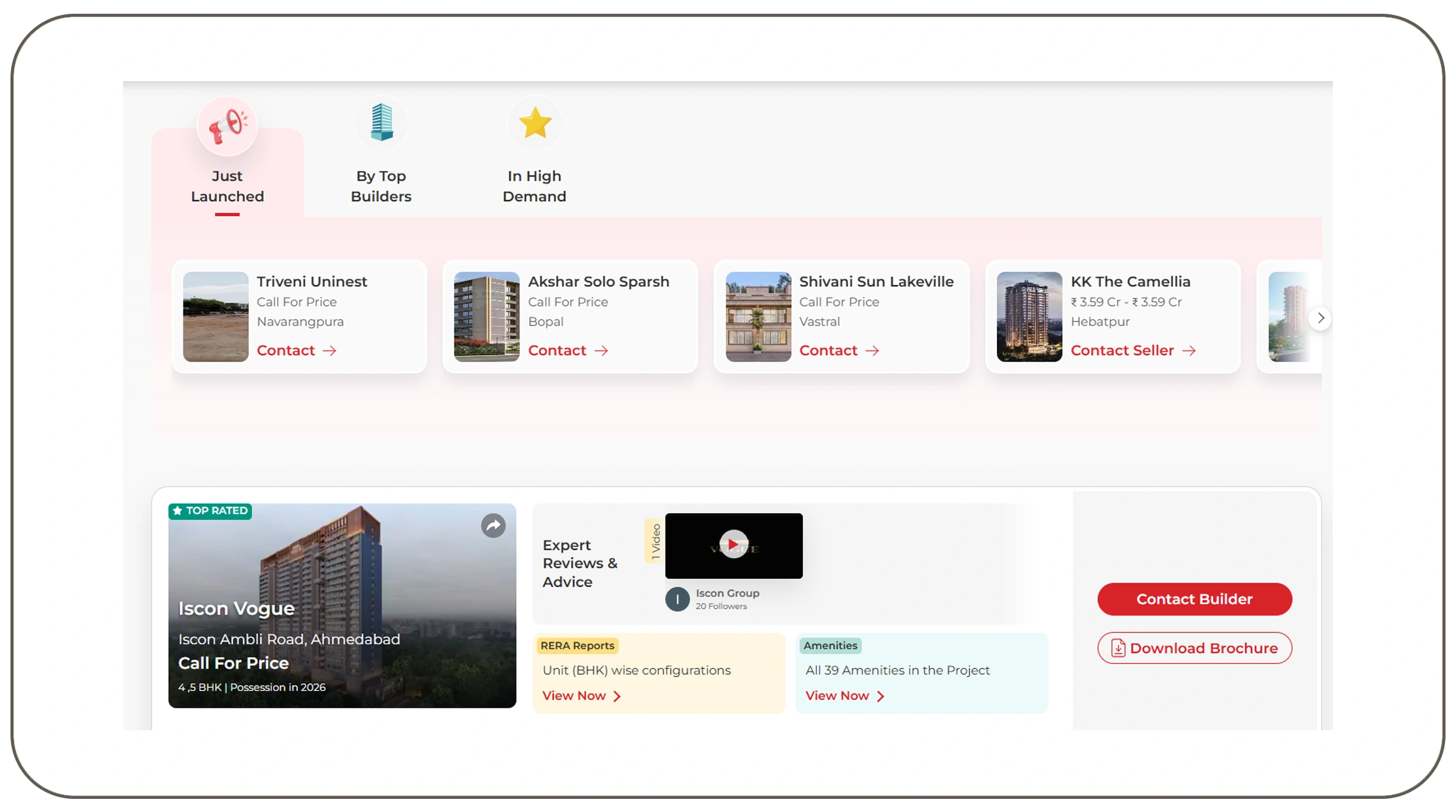
Real estate developers and investors require timely, accurate, and comprehensive project information to make informed business decisions. With thousands of projects registered across multiple state RERA portals, manually tracking new developments, builder activities, approvals, and construction progress has become increasingly difficult. Automated data extraction addresses this challenge by collecting verified regulatory information and transforming it into structured intelligence that supports strategic planning.
Using Web Scraping RERA project data for developers and investors , businesses gain access to real-time datasets covering project registrations, builder profiles, possession schedules, construction milestones, project specifications, and approval statuses. Developers leverage this intelligence to benchmark competitor launches, evaluate market saturation, and identify locations with strong growth potential. Investors use verified project information to assess risks, compare builders, and prioritize investment opportunities based on actual regulatory records.
Automated scraping also enables historical trend analysis. Organizations can compare housing supply growth, monitor regional expansion, and evaluate builder performance over several years. When integrated with AI-powered analytics platforms, these datasets generate predictive insights that improve demand forecasting and investment planning.
Cloud-based dashboards and automated alerts further simplify market monitoring by notifying decision-makers whenever competitors register new projects or update existing developments. Instead of spending valuable time searching multiple RERA portals, businesses receive centralized intelligence that improves operational efficiency and supports faster, evidence-based decisions.
Key Benefits
- Monitor new developer launches
- Compare regional project growth
- Evaluate builder performance
- Analyze construction timelines
- Forecast housing demand
- Identify emerging investment zones
- Improve strategic planning
- Reduce manual research costs
Developer & Investor Intelligence Trends (2020–2026)
| Year | Projects Tracked (Index) | Automated Monitoring (%) | Investment Decision Accuracy (%) | Market Intelligence Adoption (%) |
|---|---|---|---|---|
| 2020 | 100 | 24 | 67 | 30 |
| 2021 | 118 | 33 | 73 | 38 |
| 2022 | 138 | 43 | 79 | 47 |
| 2023 | 160 | 55 | 85 | 58 |
| 2024 | 183 | 67 | 90 | 69 |
| 2025* | 207 | 78 | 94 | 79 |
| 2026* | 232 | 88 | 98 | 87 |
Projected industry estimates.
Turning Regulatory Records into Market Intelligence

Publicly available RERA records contain valuable information that extends far beyond project registrations. When extracted, standardized, and analyzed effectively, these datasets reveal market trends, developer activity, pricing movements, construction progress, and regional investment opportunities. Organizations using automated scraping solutions gain a significant competitive advantage through continuous access to verified market intelligence.
With Real estate market insights using RERA data Scraper , businesses can analyze residential project launches, monitor competitor strategies, compare construction performance, and evaluate housing demand across multiple cities and states. Developers identify underserved markets, investors discover high-growth regions, and consultants provide clients with data-backed recommendations based on verified regulatory information.
Advanced analytics platforms further enhance these insights by combining RERA datasets with AI, geographic mapping, and business intelligence tools. Historical records help forecast future market trends, identify seasonal launch patterns, and measure developer expansion over time. Organizations can also create customized dashboards that visualize project distribution, approval timelines, construction status, and builder rankings.
By automating the collection and analysis of regulatory records, businesses reduce operational costs while improving strategic decision-making. Instead of reacting to market changes after they occur, companies gain real-time visibility that enables proactive planning and faster responses to emerging opportunities.
Business Advantages
- Analyze housing market trends
- Benchmark competitor performance
- Identify growth regions
- Evaluate builder expansion
- Forecast future demand
- Support pricing strategies
- Improve investment research
- Enable AI-driven analytics
Market Intelligence Statistics (2020–2026)
| Year | Organizations Using Market Intelligence (%) | Automated Analytics (%) | Decision Accuracy (%) | Regional Coverage (%) |
|---|---|---|---|---|
| 2020 | 26 | 19 | 69 | 57 |
| 2021 | 33 | 27 | 74 | 64 |
| 2022 | 43 | 37 | 80 | 72 |
| 2023 | 54 | 49 | 86 | 80 |
| 2024 | 66 | 61 | 91 | 87 |
| 2025* | 77 | 72 | 95 | 92 |
| 2026* | 87 | 83 | 98 | 97 |
Projected industry estimates.
Building a Strong Foundation for Data-Driven Growth

Reliable market intelligence begins with high-quality data. Organizations require consistent, verified, and structured datasets to power analytics platforms, investment research, customer applications, and enterprise reporting. Fragmented or incomplete information often leads to inaccurate conclusions, making centralized data collection essential for successful decision-making.
A comprehensive Real Estate Dataset enables businesses to consolidate housing project information, builder profiles, approval records, construction milestones, pricing trends, and regional development statistics into a unified repository. Developers use these datasets to compare project performance, investors analyze long-term market opportunities, and PropTech companies build feature-rich property platforms supported by verified regulatory records.
Enterprise datasets also simplify integration with CRM software, ERP systems, GIS platforms, and AI-powered analytics tools. Standardized data formats eliminate inconsistencies between multiple state RERA portals, improving reporting accuracy and reducing manual data preparation. Historical records further enhance predictive modeling by enabling organizations to identify recurring market patterns and future growth opportunities.
As businesses continue investing in digital transformation, comprehensive real estate datasets become critical assets for competitive intelligence. Organizations that leverage centralized, structured data can respond more quickly to market changes, optimize operational planning, and make smarter strategic decisions backed by reliable regulatory information.
Key Benefits
- Centralized property information
- Standardized regulatory records
- Historical market analysis
- AI-ready structured data
- Faster business reporting
- Better investment decisions
- Enterprise system integration
- Improved competitive intelligence
Real Estate Dataset Adoption (2020–2026)
| Year | Enterprise Dataset Usage (%) | Structured Data Adoption (%) | AI Integration (%) | Business Efficiency Improvement (%) |
|---|---|---|---|---|
| 2020 | 24 | 28 | 18 | 29 |
| 2021 | 31 | 36 | 25 | 37 |
| 2022 | 41 | 46 | 34 | 47 |
| 2023 | 53 | 58 | 45 | 58 |
| 2024 | 65 | 69 | 57 | 69 |
| 2025* | 76 | 80 | 68 | 79 |
| 2026* | 86 | 89 | 79 | 87 |
Projected industry estimates.
Powering Construction Intelligence Through Automated Data Extraction

Construction projects generate enormous volumes of regulatory data throughout their lifecycle, from initial registration and approvals to construction milestones and final possession. While this information is publicly available through state RERA portals, manually collecting and analyzing it across multiple regions is both time-consuming and inefficient. Automated data extraction transforms these fragmented records into structured intelligence that helps organizations make smarter business decisions.
Using RERA Data Extraction for Construction Project Intelligence , developers, investors, financial institutions, and PropTech companies can continuously monitor project registrations, approval updates, construction status, possession timelines, and builder activities from multiple RERA portals. This centralized intelligence enables businesses to compare project performance, evaluate execution efficiency, and identify emerging residential markets before competitors.
Historical construction records also provide valuable insights into project completion trends, regional development patterns, and builder reliability. Combined with AI-powered analytics, businesses can forecast market demand, estimate delivery risks, identify high-growth investment opportunities, and optimize expansion strategies.
Organizations can integrate structured RERA datasets into CRM platforms, ERP systems, GIS applications, and business intelligence dashboards to automate reporting and improve operational efficiency. Real-time alerts notify stakeholders whenever new housing projects are registered or construction milestones change, ensuring continuous market visibility.
As digital transformation accelerates across India's real estate industry, automated RERA data extraction has become an essential capability for organizations seeking accurate, scalable, and real-time construction intelligence.
Key Business Outcomes
- Track project registrations
- Monitor construction progress
- Compare builder performance
- Forecast housing demand
- Improve investment planning
- Analyze regional development
- Automate regulatory monitoring
- Support enterprise intelligence
Construction Intelligence Trends (2020–2026)
| Year | Organizations Using Construction Intelligence (%) | Automated Monitoring (%) | Decision Accuracy (%) | Market Visibility (%) |
|---|---|---|---|---|
| 2020 | 22 | 20 | 68 | 58 |
| 2021 | 30 | 28 | 73 | 65 |
| 2022 | 40 | 38 | 79 | 72 |
| 2023 | 52 | 50 | 85 | 80 |
| 2024 | 64 | 62 | 90 | 87 |
| 2025* | 75 | 73 | 95 | 92 |
| 2026* | 86 | 84 | 98 | 97 |
Projected industry estimates.
Why Choose Real Data API?
Real Data API is a trusted provider of enterprise-grade web scraping, data extraction, and API solutions that help businesses unlock the full value of public real estate data. Our advanced scraping infrastructure collects, validates, and delivers structured information from multiple state RERA portals, enabling organizations to access accurate and real-time housing project intelligence.
Whether you're a real estate developer, investor, PropTech company, financial institution, consultancy, or market research firm, our tailored solutions simplify large-scale regulatory data collection while ensuring exceptional accuracy, scalability, and reliability. We provide automated project monitoring, builder profiling, historical datasets, cloud-based API delivery, AI-ready structured data, and custom business intelligence dashboards.
Businesses looking to Scrape RERA Data for Builders Developers and Property Intelligence can rely on our enterprise solutions to automate competitor monitoring, analyze project pipelines, evaluate construction progress, and identify emerging market opportunities. We also help organizations Scrape new housing projects across India using RERA data , enabling continuous access to verified project registrations, approvals, builder information, and regional development insights that support smarter business decisions.
Why Businesses Trust Real Data API
- Enterprise-grade web scraping infrastructure
- Multi-state RERA data extraction
- Real-time project monitoring
- High-frequency automated updates
- Secure API integration
- Historical and live datasets
- AI-ready structured data
- Custom analytics dashboards
- High data accuracy and validation
- Dedicated enterprise support
Conclusion
India's real estate market is becoming increasingly data-driven, making timely access to verified regulatory information essential for developers, investors, consultants, and PropTech companies. Automated RERA data extraction eliminates the challenges of manual research by delivering structured, real-time intelligence on housing projects, builder activities, approvals, and construction progress.
Organizations can leverage these insights to discover new residential developments, benchmark competitors, evaluate builder performance, identify high-growth investment regions, and improve strategic planning. When combined with AI-powered analytics and enterprise dashboards, RERA datasets become powerful tools for forecasting market trends, optimizing investments, and enhancing competitive intelligence.
Businesses that Scrape new housing projects across India using RERA data gain faster access to reliable market information, reduce operational costs, and make evidence-based decisions that support long-term growth. As the real estate sector continues to evolve, automated regulatory intelligence will remain a critical asset for organizations seeking sustainable competitive advantages.
Ready to transform public RERA data into powerful business intelligence? Contact Real Data API today to automate housing project discovery, streamline competitive analysis, and access accurate, real-time real estate insights that drive smarter investment and business decisions!
Latest posts
How Real Estate Competitor Research Using RERA Data Scraping Solves Competitive Intelligence Challenges
.webp)
How to Use RERA scraper for Builder Performance Monitoring to Make Smarter Real Estate Decisions
How to Solve Housing Project Discovery and Competitive Intelligence Challenges When Scrape new housing projects across India using RERA data?
How Businesses Can Scrape Customer Reviews To Increase Product Sales For Better Customer Insights






.png)