
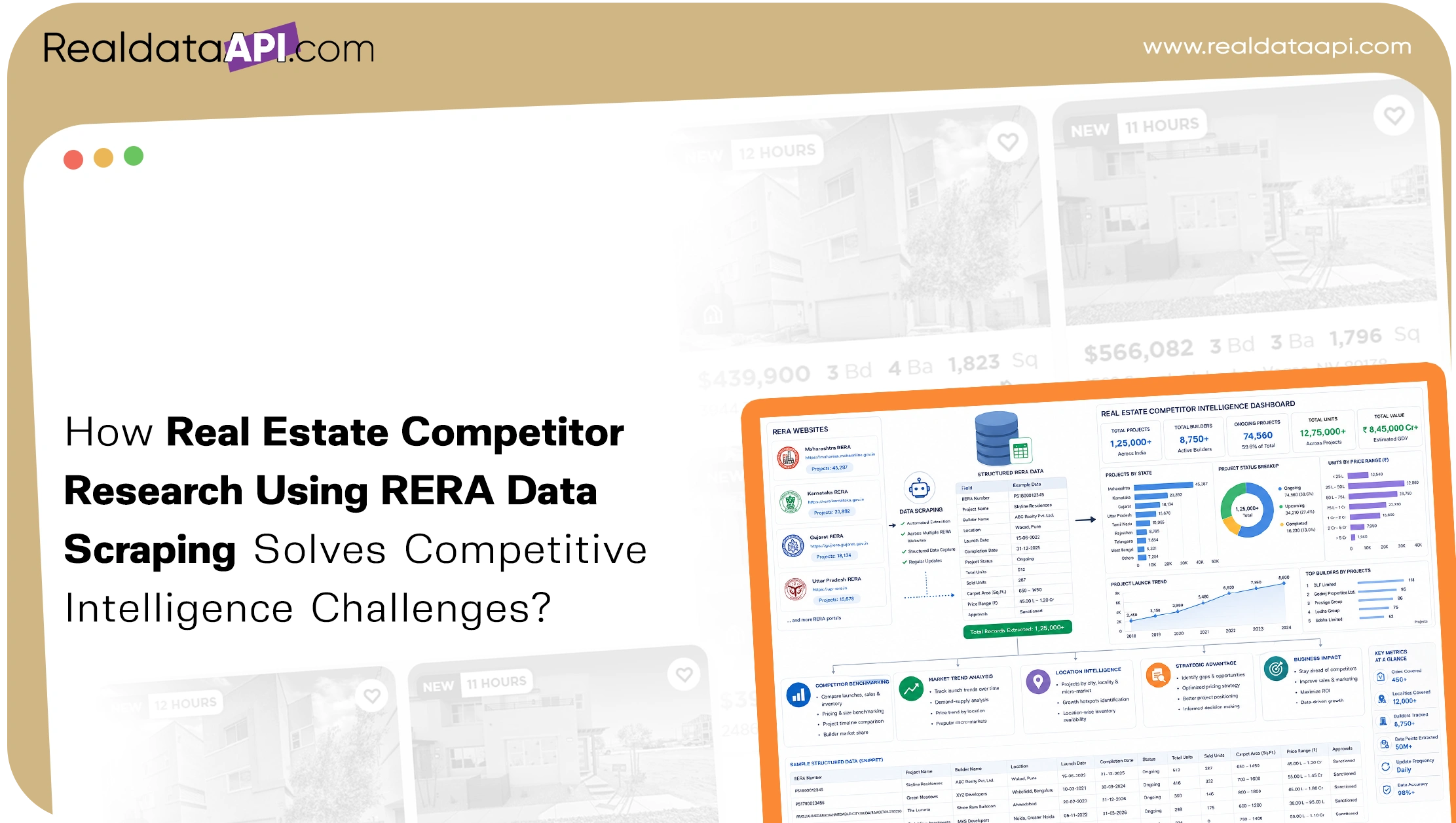
Introduction
India's real estate sector has become increasingly data-driven, with developers, investors, consultants, and PropTech companies relying on verified market intelligence to outperform competitors. Government-backed RERA (Real Estate Regulatory Authority) portals have transformed transparency by publishing comprehensive project registrations, developer information, approvals, construction status, and compliance records. However, manually collecting and analyzing this vast amount of information across multiple state RERA websites is both time-consuming and inefficient.
This is where Real estate competitor research using RERA data scraping empowers businesses with automated access to structured, real-time property intelligence. Organizations can monitor competitor launches, compare pricing strategies, evaluate developer performance, identify regional growth opportunities, and make smarter investment decisions without manual effort.
Modern businesses also depend on Competitive Benchmarking to understand where they stand in comparison to rivals. By combining automated RERA data extraction with AI-driven analytics, companies gain deeper insights into project pipelines, approval timelines, inventory trends, and market positioning. Instead of reacting to market changes, organizations can proactively develop winning strategies based on verified regulatory data. Throughout this blog, we'll explore how automated RERA data intelligence solves today's biggest competitive intelligence challenges while helping businesses make faster, data-backed decisions.
Turning Regulatory Records into Strategic Intelligence
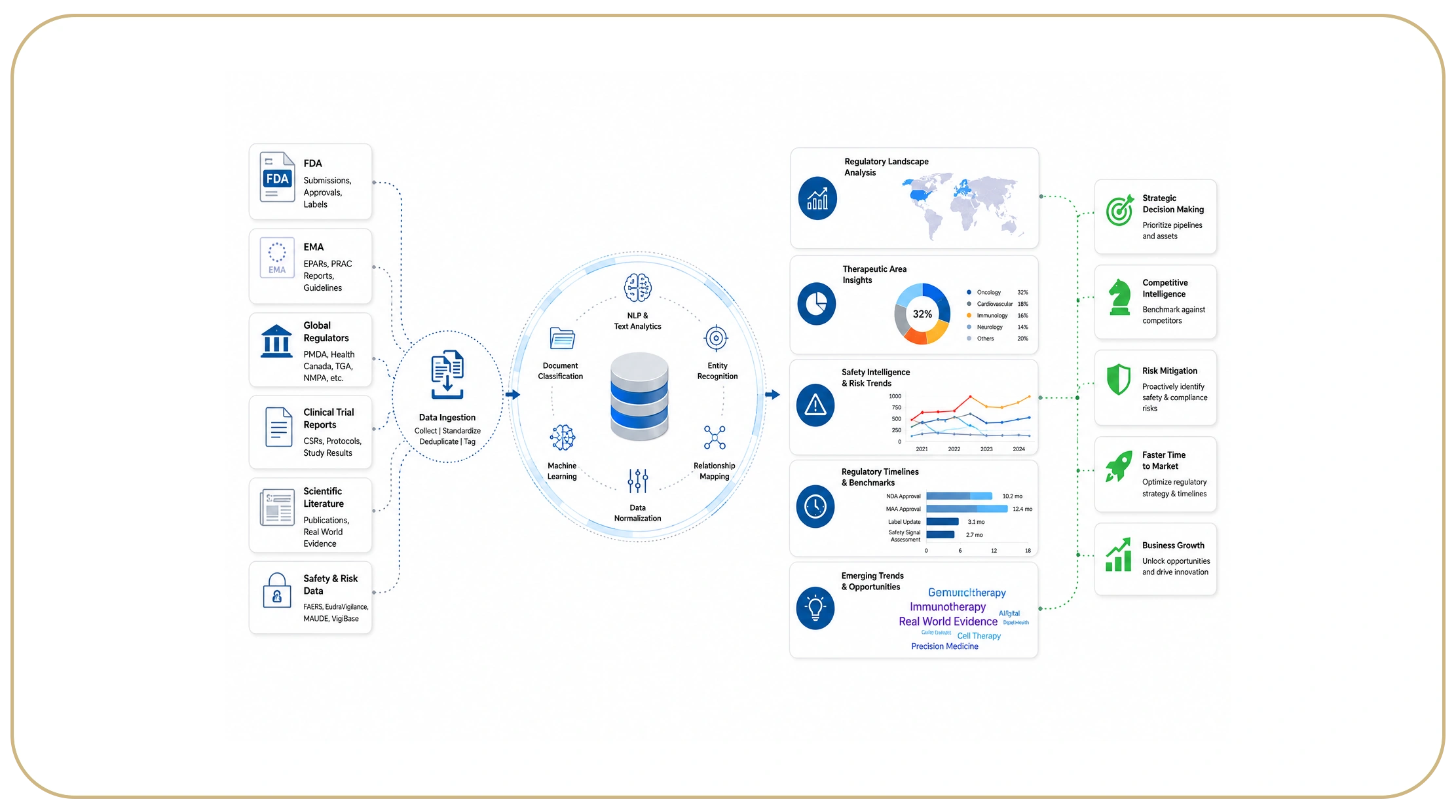
The Indian real estate market has experienced remarkable digital transformation over the past several years. Every registered project generates extensive information across RERA portals, including builder credentials, project approvals, unit details, construction progress, possession schedules, and compliance records. Collecting these records manually across dozens of state portals is nearly impossible at scale. Businesses require automated systems that continuously collect, standardize, and analyze this information to create actionable intelligence.
This is where Real-time RERA market data intelligence becomes invaluable. Instead of waiting for quarterly reports or relying on outdated surveys, organizations can monitor project updates almost instantly. Automated RERA scraping enables companies to identify newly launched residential projects, commercial developments, infrastructure-linked investments, and emerging regional hotspots before competitors react.
Developers use this intelligence to compare project timelines, understand approval delays, evaluate construction speed, and assess how competing builders position their offerings. Investors benefit by identifying high-growth regions supported by increasing project registrations and developer activity. Property consultants leverage these insights to recommend projects based on verified market trends rather than assumptions.
Moreover, standardized RERA datasets help eliminate inconsistencies between multiple state portals. Businesses can integrate information from Maharashtra, Gujarat, Karnataka, Telangana, Tamil Nadu, Uttar Pradesh, and other states into centralized dashboards. These dashboards support pricing comparisons, project lifecycle monitoring, builder performance evaluation, and regional expansion planning.
Rather than spending hundreds of hours gathering regulatory information manually, automated intelligence platforms transform publicly available RERA data into decision-ready business insights.
Key Benefits
- Monitor newly registered projects across states
- Compare builder activity in multiple cities
- Identify project approval timelines
- Track construction progress regularly
- Benchmark regional development trends
- Improve investment planning with verified data
- Reduce manual research efforts significantly
- Enable faster strategic decision-making
Real Estate Intelligence Statistics (2020–2026)
| Year | Registered Projects (Index) | Data-Driven Decisions (%) | AI Adoption (%) | Market Transparency Index |
|---|---|---|---|---|
| 2020 | 100 | 41 | 18 | 60 |
| 2021 | 116 | 47 | 23 | 65 |
| 2022 | 132 | 54 | 31 | 71 |
| 2023 | 148 | 61 | 40 | 77 |
| 2024 | 165 | 69 | 50 | 84 |
| 2025* | 181 | 76 | 58 | 90 |
| 2026* | 198 | 84 | 67 | 95 |
Projected industry trends.
Smarter Decisions Through Intelligent Market Evaluation
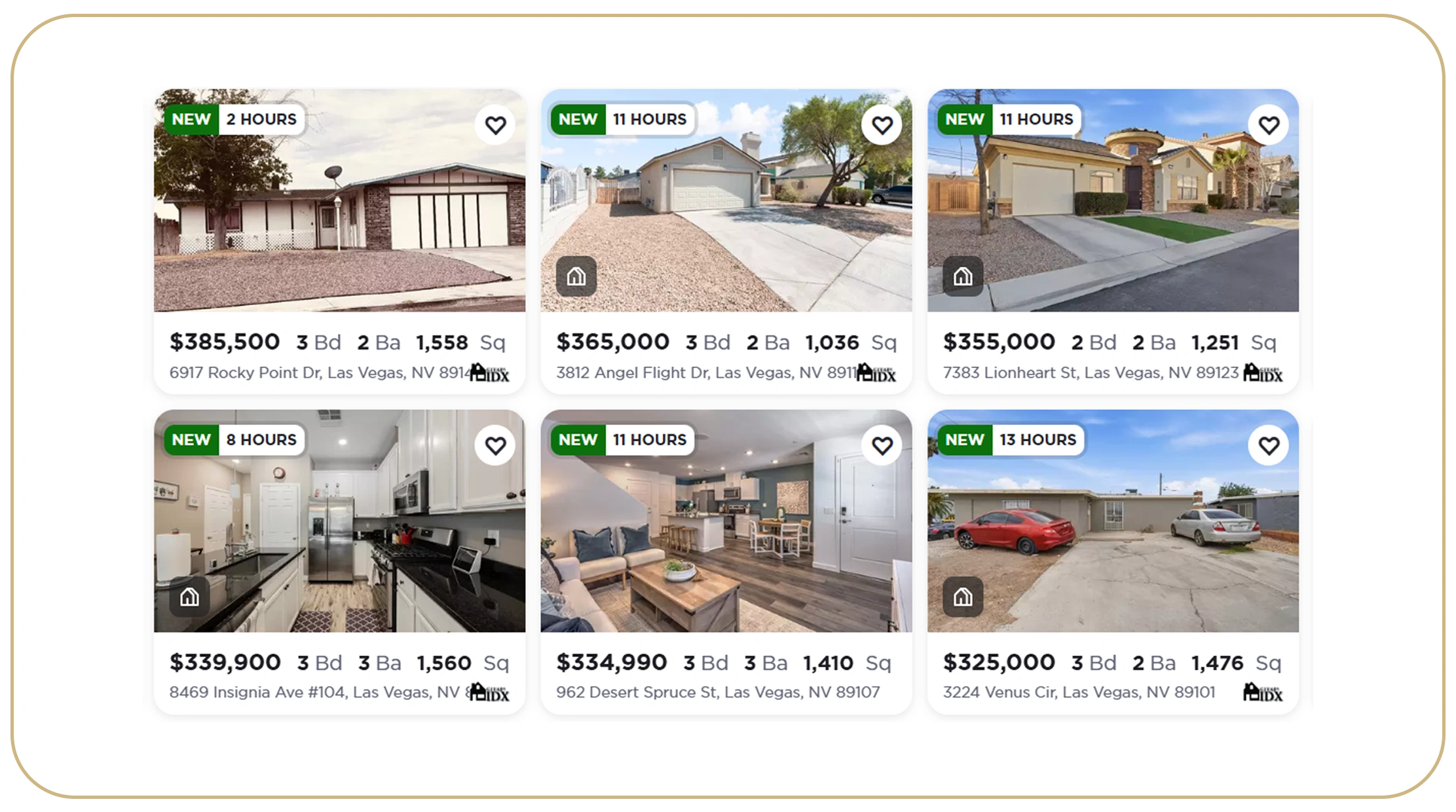
Competitive intelligence is no longer limited to monitoring pricing or counting new project launches. Businesses now require deeper insights into construction performance, project completion rates, builder credibility, inventory expansion, approval speed, customer preferences, and regional demand patterns. Traditional research methods cannot process millions of regulatory records efficiently, making artificial intelligence an essential component of modern market analysis.
Using AI-powered RERA competitor analysis, organizations can automatically identify hidden market patterns that manual analysts often overlook. Machine learning algorithms classify projects by location, budget segment, developer category, property type, construction phase, and completion timelines. Predictive analytics further estimates future market activity based on historical registration trends and ongoing development pipelines.
AI also helps organizations detect competitor expansion strategies. For example, if a developer suddenly increases registrations across multiple cities, automated systems immediately highlight the trend. Companies can evaluate whether competitors are targeting premium housing, affordable projects, mixed-use developments, or commercial investments.
Natural language processing extracts meaningful insights from project descriptions, legal documents, and regulatory filings. Combined with geographic intelligence, businesses gain comprehensive visibility into where competitors are investing, how quickly projects progress, and which markets are becoming increasingly competitive.
Automated dashboards eliminate manual spreadsheet analysis while offering executives interactive visualizations for strategic planning. Instead of spending weeks preparing competitor reports, leadership teams receive continuously updated intelligence that supports pricing optimization, expansion planning, partnership opportunities, and investment decisions.
As India's PropTech ecosystem expands, AI-driven competitor analysis will become a critical advantage for organizations seeking sustainable growth in an increasingly competitive marketplace.
Major Business Advantages
- Detect emerging regional opportunities
- Compare developer growth strategies
- Forecast market expansion trends
- Analyze project completion performance
- Evaluate competitor positioning
- Improve pricing strategy decisions
- Support investment risk assessment
- Accelerate executive decision-making
AI Adoption in Real Estate Intelligence (2020–2026)
| Year | AI-Based Market Analysis (%) | Automated Competitor Tracking (%) | Predictive Analytics Adoption (%) | Business Efficiency Improvement (%) |
|---|---|---|---|---|
| 2020 | 16 | 20 | 12 | 24 |
| 2021 | 22 | 27 | 18 | 30 |
| 2022 | 31 | 36 | 26 | 39 |
| 2023 | 43 | 48 | 37 | 49 |
| 2024 | 55 | 61 | 49 | 61 |
| 2025* | 66 | 73 | 60 | 72 |
| 2026* | 76 | 84 | 71 | 82 |
Projected industry estimates.
Transforming Public Records into Actionable Competitor Intelligence

The ability to collect and analyze verified regulatory information has become a strategic advantage for developers, real estate consultants, investment firms, and PropTech platforms. While RERA portals provide transparent project information, manually navigating multiple state websites, downloading records, and consolidating data into usable reports is labor-intensive and prone to errors. Automated data extraction overcomes these limitations by continuously collecting structured information from official RERA portals and converting it into business-ready datasets.
Businesses that Scrape RERA Data for Competitor Research gain comprehensive visibility into competitor portfolios, project launches, construction milestones, approvals, unit configurations, and developer performance. Instead of reacting to market changes after competitors have already capitalized on them, organizations receive timely intelligence that supports proactive business decisions.
Automated RERA data collection also enables historical trend analysis. Companies can compare how competitor activity has evolved across different cities, identify developers expanding into emerging locations, and evaluate which property segments are experiencing the fastest growth. Investors use this information to assess market risks before committing capital, while developers refine pricing, marketing, and expansion strategies based on verified competitor performance.
Another significant advantage is data standardization. Since each state's RERA portal may present information differently, automated scraping platforms normalize datasets into a consistent structure. This allows businesses to create centralized dashboards for nationwide market monitoring without spending hours cleaning or organizing raw data.
With cloud-based analytics and API integration, organizations can automate competitor alerts, visualize regional growth patterns, and generate executive reports in real time. This dramatically improves strategic planning while reducing operational costs associated with manual research.
Key Business Advantages
- Track newly registered competitor projects
- Compare construction progress across developers
- Monitor project completion timelines
- Analyze approvals and compliance records
- Evaluate regional expansion strategies
- Build centralized competitor dashboards
- Automate market monitoring workflows
- Improve strategic planning with verified data
RERA Data Collection Trends (2020–2026)
| Year | Projects Monitored (Index) | Automated Data Collection (%) | Competitor Insights Accuracy (%) | Research Time Saved (%) |
|---|---|---|---|---|
| 2020 | 100 | 24 | 68 | 30 |
| 2021 | 118 | 33 | 73 | 38 |
| 2022 | 136 | 42 | 79 | 47 |
| 2023 | 157 | 54 | 85 | 58 |
| 2024 | 176 | 66 | 90 | 69 |
| 2025* | 195 | 77 | 94 | 77 |
| 2026* | 214 | 87 | 97 | 85 |
Projected industry estimates.
Expanding Business Value Beyond Market Monitoring
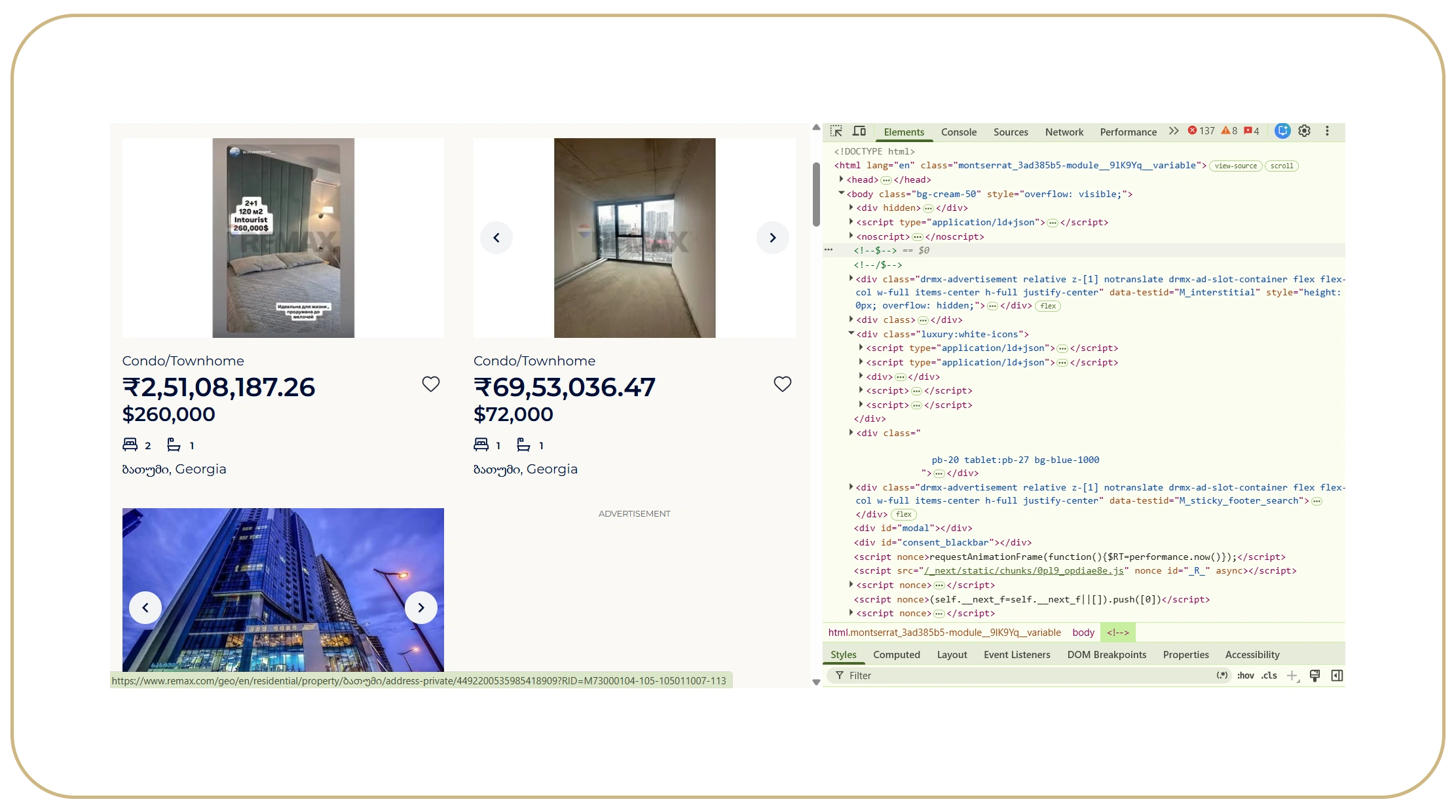
Modern real estate businesses require far more than simple project tracking. They need intelligent systems capable of supporting investment decisions, sales planning, market expansion, customer engagement, and regulatory compliance. RERA datasets serve as the foundation for numerous digital solutions that improve operational efficiency across the real estate ecosystem.
Among the Top Use Cases of RERA Data APIs is the creation of real-time property intelligence platforms. Developers integrate APIs into internal dashboards to monitor competitor activity, while PropTech companies build consumer-facing portals that display verified project information. Investment firms use RERA APIs to identify high-growth markets and compare builder performance before making acquisition decisions.
Banks and financial institutions utilize automated RERA data to validate project registrations during loan approvals. Property consultants analyze regional development patterns to advise clients on profitable investment opportunities. Construction firms monitor competitor timelines to benchmark execution performance, while marketing agencies identify upcoming launches for targeted promotional campaigns.
Insurance providers, valuation firms, and legal advisory companies also benefit from automated access to structured project information. Instead of relying on fragmented records or outdated reports, businesses obtain continuously updated datasets that support faster and more accurate decision-making.
API-driven data delivery further enables seamless integration with CRM platforms, ERP systems, business intelligence software, and AI analytics tools. This creates a connected ecosystem where verified regulatory information powers multiple business functions simultaneously.
As digital transformation accelerates, organizations leveraging RERA APIs gain a significant competitive advantage through faster insights, improved operational efficiency, and better strategic planning.
Major Industry Applications
- Investment research
- Competitor benchmarking
- Property listing platforms
- CRM integration
- Market forecasting
- Loan verification
- Builder performance monitoring
- Business intelligence dashboards
Growth of RERA API Adoption (2020–2026)
| Year | API Integrations (Index) | PropTech Adoption (%) | Investment Firms Using APIs (%) | Enterprise Automation (%) |
|---|---|---|---|---|
| 2020 | 100 | 22 | 18 | 20 |
| 2021 | 122 | 29 | 25 | 28 |
| 2022 | 145 | 38 | 33 | 39 |
| 2023 | 171 | 49 | 43 | 50 |
| 2024 | 198 | 61 | 55 | 63 |
| 2025* | 224 | 72 | 66 | 74 |
| 2026* | 248 | 81 | 76 | 84 |
Projected industry estimates.
Choosing the Right Data Intelligence Partner
As demand for automated real estate intelligence continues to grow, selecting the right technology partner becomes crucial for achieving reliable business outcomes. Organizations require scalable solutions capable of extracting accurate information from multiple state RERA portals while maintaining high data quality, regulatory compliance, and continuous updates.
Working with the best RERA data scraping service provider in India enables businesses to eliminate manual research, accelerate competitor analysis, and integrate verified regulatory data directly into business workflows. A trusted provider offers customized scraping solutions, API delivery, cloud-based dashboards, historical datasets, automated alerts, and enterprise-grade data validation.
Scalability is another important consideration. Large developers and investment firms often monitor thousands of projects across multiple states simultaneously. Advanced scraping infrastructure ensures uninterrupted data collection despite portal updates, pagination challenges, anti-bot protections, or changing website structures.
Businesses should also evaluate data delivery options, including REST APIs, JSON feeds, CSV exports, SQL databases, and cloud storage integration. Flexible delivery formats simplify integration with analytics platforms, CRM software, ERP systems, and AI-powered decision-support tools.
Security and compliance remain equally important. Enterprise-grade providers implement secure infrastructure, encrypted data transmission, scheduled monitoring, and rigorous quality assurance to maintain data reliability.
Ultimately, partnering with an experienced RERA data intelligence provider allows organizations to focus on strategic growth while relying on automated technology for continuous market monitoring and competitor intelligence.
What to Look For
- Multi-state RERA coverage
- Enterprise API integration
- High data accuracy
- Automated daily updates
- Custom dashboards
- Historical data availability
- Secure infrastructure
- Scalable enterprise solutions
Enterprise Adoption Trends (2020–2026)
| Year | Enterprise Clients (Index) | Automated Monitoring (%) | API-Based Delivery (%) | Data Accuracy (%) |
|---|---|---|---|---|
| 2020 | 100 | 26 | 24 | 91 |
| 2021 | 119 | 34 | 31 | 93 |
| 2022 | 141 | 45 | 42 | 95 |
| 2023 | 165 | 56 | 54 | 96 |
| 2024 | 190 | 67 | 65 | 97 |
| 2025* | 216 | 77 | 75 | 98 |
| 2026* | 242 | 86 | 84 | 99 |
Projected industry estimates.
Unlocking Smarter Growth with Verified Property Intelligence

The future of real estate decision-making depends on access to reliable, real-time, and structured data. As regulatory authorities continue digitizing property records and project information, businesses have an unprecedented opportunity to transform raw public data into strategic intelligence. Instead of relying on assumptions or outdated reports, organizations can analyze verified regulatory datasets to identify market opportunities, benchmark competitors, and optimize investment strategies.
Leveraging RERA Data Scraping for Real Estate Insights allows businesses to gain complete visibility into project registrations, developer activities, construction updates, approvals, inventory trends, and geographic expansion. This information enables developers to monitor competing projects, investors to evaluate market potential, and consultants to deliver evidence-based recommendations to clients.
Another major advantage is predictive market intelligence. Historical RERA datasets help organizations identify recurring development patterns, seasonal project launches, and high-growth regions. Combined with artificial intelligence and business analytics, these datasets support demand forecasting, pricing optimization, and risk assessment.
Organizations can also integrate RERA intelligence into enterprise dashboards, CRM systems, ERP platforms, GIS mapping solutions, and property marketplaces. Automated notifications ensure decision-makers receive immediate updates whenever competitors register new projects, modify project timelines, or launch developments in strategic locations.
As India's PropTech ecosystem continues to evolve, organizations investing in automated regulatory data collection will be better positioned to respond quickly to changing market conditions. Accurate, structured, and continuously updated RERA intelligence provides the competitive edge needed to accelerate growth while minimizing uncertainty in today's dynamic real estate market.
Key Business Outcomes
- Monitor real estate market movements
- Improve investment planning
- Track competitor expansion
- Forecast regional demand
- Analyze developer performance
- Support AI-driven decision-making
- Enhance strategic planning
- Build scalable market intelligence systems
Real Estate Intelligence Growth (2020–2026)
| Year | Businesses Using RERA Intelligence (%) | Automated Insights (%) | Decision Accuracy (%) | Market Visibility (%) |
|---|---|---|---|---|
| 2020 | 24 | 18 | 66 | 58 |
| 2021 | 31 | 25 | 71 | 64 |
| 2022 | 40 | 35 | 77 | 71 |
| 2023 | 51 | 47 | 84 | 79 |
| 2024 | 63 | 59 | 89 | 86 |
| 2025* | 74 | 70 | 93 | 91 |
| 2026* | 84 | 81 | 97 | 96 |
Projected industry estimates.
Why Choose Real Data API?
At Real Data API, we empower real estate businesses with enterprise-grade web scraping, data extraction, and API solutions that deliver accurate, scalable, and real-time regulatory intelligence. Our advanced data collection infrastructure is designed to extract structured information from multiple state RERA portals while maintaining exceptional accuracy, consistency, and reliability.
Whether you're a developer, PropTech company, investor, financial institution, research organization, or real estate consultancy, our customized solutions simplify large-scale market intelligence. From monitoring project registrations and developer activities to analyzing approvals, construction progress, pricing trends, and geographic expansion, we provide actionable datasets that support informed business decisions.
Our services include automated data scraping, API integration, cloud-based delivery, custom dashboards, historical datasets, AI-powered analytics, and continuous monitoring. Businesses no longer need to spend valuable resources manually collecting fragmented information from multiple portals.
With extensive experience in enterprise web scraping and public data intelligence, Real Data API helps organizations automate Real estate competitor research using RERA data scraping while ensuring scalable infrastructure, secure delivery, and seamless integration with CRM, ERP, BI, and AI platforms.
Why Businesses Trust Real Data API
- Enterprise-scale web scraping solutions
- Multi-state RERA data extraction
- High-frequency automated updates
- Custom API integration
- Historical and real-time datasets
- AI-ready structured data
- High data accuracy and reliability
- Dedicated enterprise support
- Secure and scalable infrastructure
- Customized solutions for every business need
Conclusion
The increasing availability of digital regulatory records has fundamentally changed how businesses analyze India's real estate market. Instead of depending on manual research or outdated reports, organizations can now leverage automated RERA data extraction to obtain verified information directly from official sources. This enables developers, investors, consultants, banks, and PropTech companies to benchmark competitors, evaluate project performance, identify emerging opportunities, and make faster, data-driven decisions.
From monitoring project launches and construction progress to forecasting regional growth and analyzing developer strategies, RERA intelligence has become an essential component of modern competitive research. Businesses that adopt automated data collection and AI-powered analytics gain greater visibility into market dynamics while significantly reducing research time and operational costs.
Real Data API delivers scalable, enterprise-grade solutions that simplify Real estate competitor research using RERA data scraping, enabling organizations to transform regulatory data into actionable business intelligence.
Ready to gain a competitive advantage with automated RERA intelligence? Contact Real Data API today to build customized data scraping and API solutions that help you stay ahead of the real estate market with accurate, real-time insights.
Latest posts
How Real Estate Competitor Research Using RERA Data Scraping Solves Competitive Intelligence Challenges
.webp)
How to Use RERA scraper for Builder Performance Monitoring to Make Smarter Real Estate Decisions

How to Solve Housing Project Discovery and Competitive Intelligence Challenges When Scrape new housing projects across India using RERA data?
How Businesses Can Scrape Customer Reviews To Increase Product Sales For Better Customer Insights







.png)