Introduction
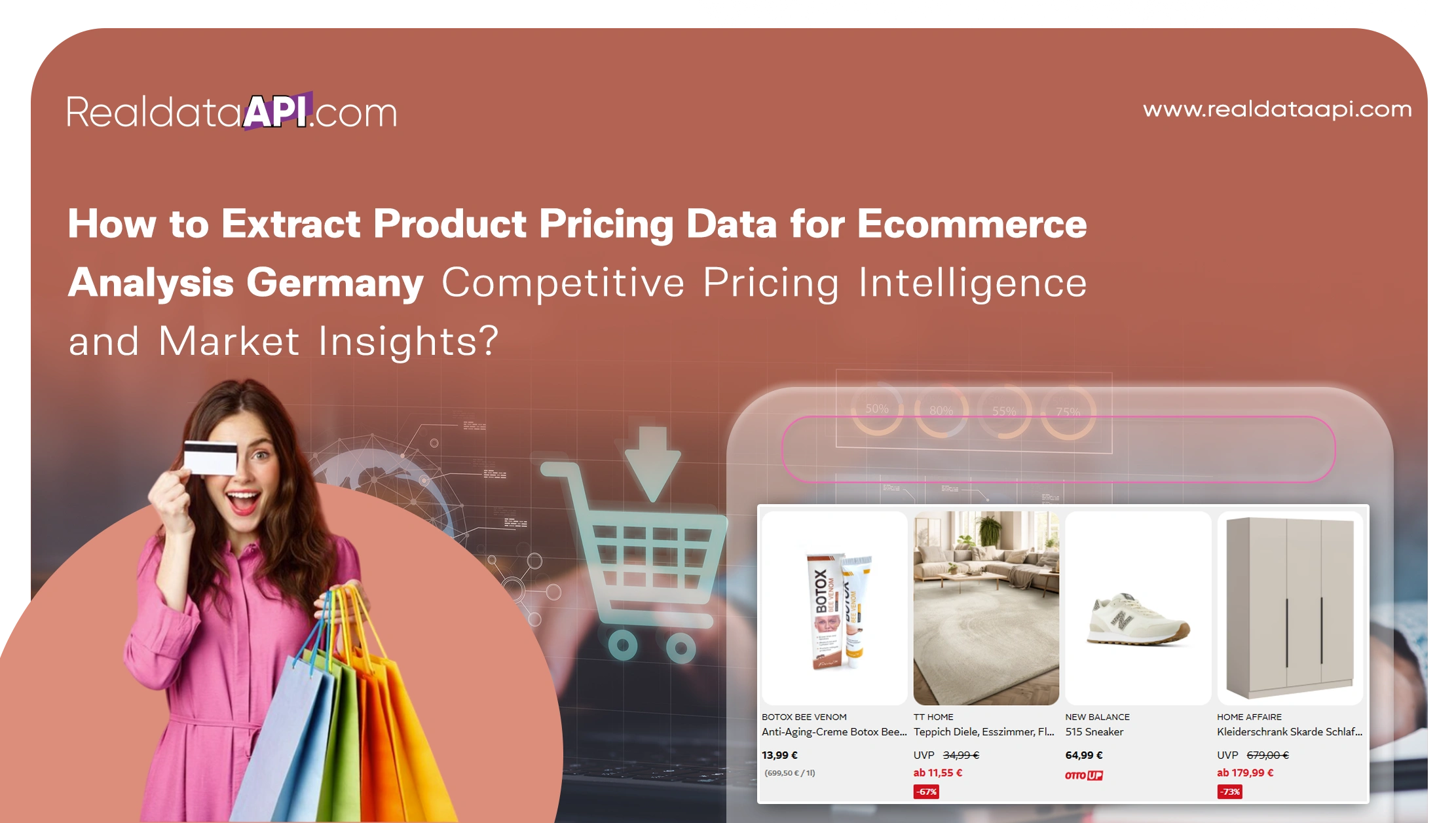
Germany is one of Europe’s largest and most competitive e-commerce markets, driven by tech-savvy consumers, strong logistics infrastructure, and high demand for price transparency. From global marketplaces to local retailers, pricing competition is intense, and even small price differences can influence purchasing decisions.
In this environment, online retailers must continuously monitor competitor prices, track product trends, and optimize pricing strategies to remain competitive. However, manual tracking of thousands of SKUs across multiple platforms is inefficient and unsustainable.
This is where web scraping becomes a critical business tool. By enabling retailers to extract product pricing data for ecommerce analysis Germany, businesses can access real-time insights, improve decision-making, and stay ahead in a highly competitive landscape.
Germany E-Commerce Market Snapshot
| Metric | Value |
|---|---|
| E-commerce Market Size | €150B+ |
| Daily Price Changes | 20–40% |
| Avg Price Variation | 5–20% |
| Major Platforms | Amazon, Otto, Zalando |
| Mobile Commerce Share | 60%+ |
These figures highlight the need for real-time Germany ecommerce price scraping to remain competitive in a rapidly changing market.
Why Pricing Intelligence Matters in Germany
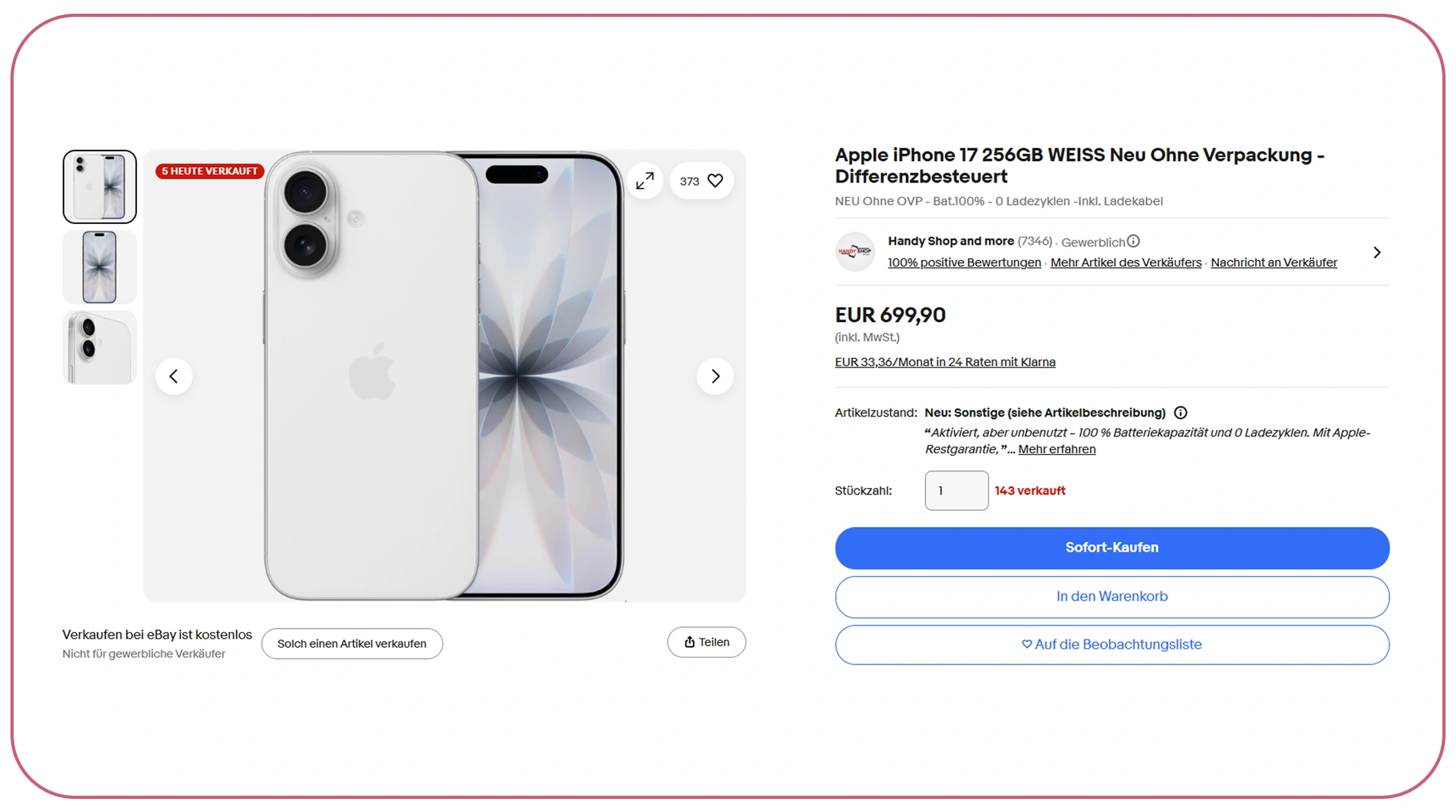
The German e-commerce market is shaped by several factors:
- High consumer price sensitivity
- Strong competition across marketplaces
- Seasonal demand fluctuations
- Cross-border competition within the EU
- Frequent promotions and discounts
For example, during major sales events like Black Friday or seasonal campaigns, prices can change multiple times a day. Without accurate data, retailers risk:
- Losing customers to better-priced competitors
- Reducing margins unnecessarily
- Missing pricing opportunities
By leveraging web scraping ecommerce pricing data intelligence in Germany, businesses can:
- Optimize pricing strategies
- Increase conversions
- Improve profit margins
- Enhance customer satisfaction
The Role of Web Scraping in E-Commerce Intelligence
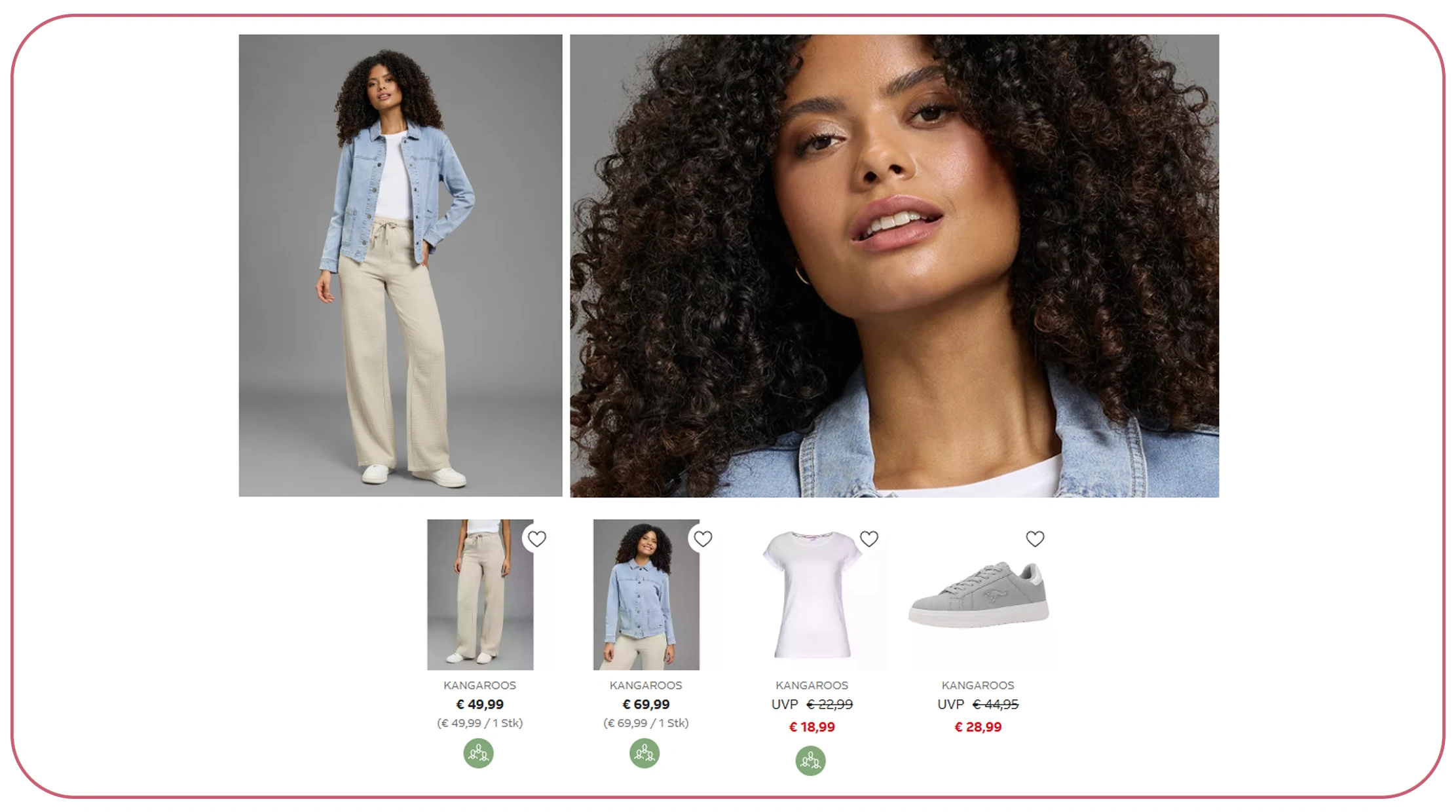
Web scraping automates the collection of pricing and product data across multiple platforms. It allows retailers to:
- Extract product pricing data for ecommerce analysis Germany
- Monitor competitor pricing in real time
- Track inventory availability
- Analyze demand trends
Using advanced tools and web scraping services, businesses can gather large volumes of data and transform it into actionable insights.
Key Data Sources for Pricing Insights
To build a comprehensive pricing intelligence system, retailers rely on multiple data sources:
1. Online Marketplaces
- Amazon Germany
- Otto
- Zalando
These platforms provide:
- Product prices
- Discounts and offers
- Seller competition
2. Retailer Websites
Direct brand and retailer sites offer:
- Exclusive pricing
- Product availability
- Promotional campaigns
3. Price Comparison Platforms
- Idealo
- Check24
Useful for tracking:
- Competitive pricing
- Market positioning
4. Niche E-Commerce Stores
Provide insights into:
- Category-specific pricing
- Regional demand trends
How Retailers Use Scraped Data
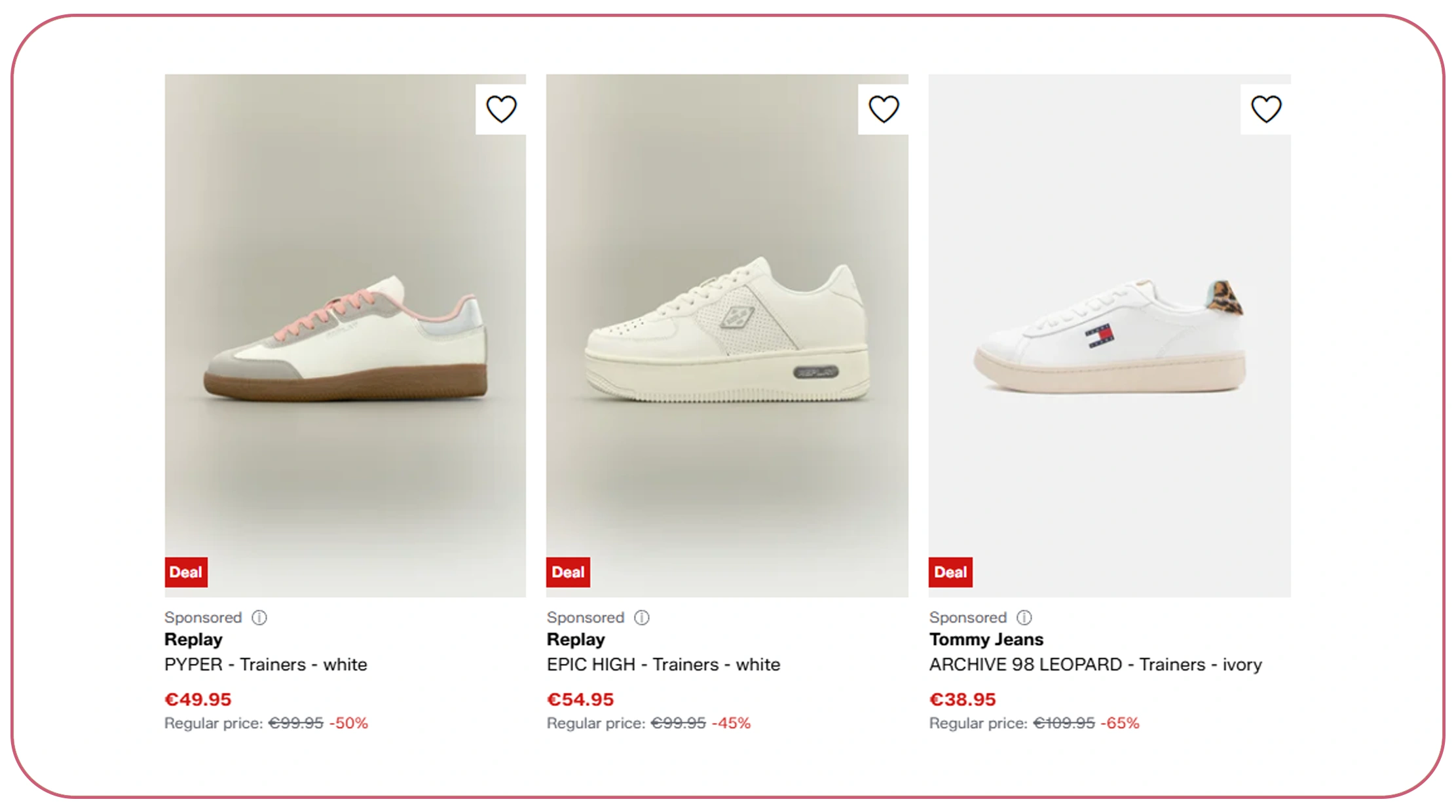
1. Dynamic Pricing Optimization
With dynamic pricing, retailers can adjust prices in real time based on:
- Competitor pricing
- Demand fluctuations
- Inventory levels
This ensures competitiveness while maximizing profitability.
2. Competitor Price Monitoring
By continuously tracking competitors, businesses can:
- Scrape German competitor prices for dynamic pricing strategies
- Identify pricing gaps
- Adjust pricing instantly
3. Demand and Trend Analysis
Scraped data helps retailers:
- Identify trending products
- Analyze seasonal demand
- Forecast future trends
4. Promotion Optimization
Retailers can:
- Track competitor discounts
- Optimize promotional strategies
- Increase campaign effectiveness
Python Code: E-Commerce Price Scraper
Below is a sample Python script to extract product pricing data for ecommerce analysis Germany:
import asyncio
from playwright.async_api import async_playwright
import pandas as pd
from datetime import datetime

async def scrape_prices(product):
   async with async_playwright() as p:
       browser = await p.chromium.launch(headless=True)
       page = await browser.new_page()

       url = f"https://example-ecommerce.de/search?q={product}"
       await page.goto(url, wait_until="networkidle")

       items = await page.query_selector_all(".product-card")
       results = []

       for item in items:
           name = await item.query_selector(".product-name")
           price = await item.query_selector(".price")
           seller = await item.query_selector(".seller")

           results.append({
               "product": await name.inner_text() if name else None,
               "price": await price.inner_text() if price else None,
               "seller": await seller.inner_text() if seller else None,
               "scraped_at": datetime.utcnow().isoformat()
           })

       await browser.close()
       return pd.DataFrame(results)

data = asyncio.run(scrape_prices("laptop"))
data.to_csv("germany_prices.csv", index=False)
This script helps build a structured e-commerce dataset for pricing analysis.
E-Commerce Data Scraping API Use Cases

An E-Commerce Data Scraping API simplifies large-scale data extraction and ensures scalability.
Key Ecommerce Scraping API Use Cases:
- Real-time price monitoring
- Competitor benchmarking
- Demand analysis
- Inventory tracking
- Promotion analysis
Using web scraping services, businesses can focus on insights rather than infrastructure.
Building a High-Quality E-Commerce Dataset
A robust e-commerce dataset includes:
- Product pricing history
- Competitor pricing data
- Inventory availability
- Discount and promotion data
- Regional pricing variations
This dataset enables:
- Trend analysis
- Predictive pricing models
- Strategic decision-making
Challenges in E-Commerce Data Scraping
1. Dynamic Website Structures
Frequent UI changes require updates.
2. Anti-Scraping Mechanisms
CAPTCHA, IP blocking, and rate limiting.
3. Data Normalization
Different formats across platforms.
4. Multi-Language Complexity
Handling German language content.
Best Practices for Retail Price Monitoring
- Use reliable E-Commerce Data Scraping API solutions
- Implement proxy rotation
- Normalize and clean data
- Ensure compliance with regulations
- Use scalable scraping infrastructure
Future of Pricing Intelligence in Germany
The future of e-commerce pricing includes:
- AI-driven pricing engines
- Predictive analytics
- Real-time dashboards
- Automated decision-making
Retailers investing in real-time Germany ecommerce price scraping will lead the market.
Conclusion: Transform E-Commerce Pricing with Real Data API
In today’s competitive German e-commerce market, success depends on how effectively businesses can extract product pricing data for ecommerce analysis Germany and act on it in real time.
From web scraping ecommerce pricing data intelligence in Germany to leveraging e-commerce datasets for strategic decisions, data-driven pricing is essential for staying ahead.
However, building and maintaining large-scale scraping systems can be complex and resource-intensive. That’s where Real Data API provides a powerful solution.
Why Real Data API?
Real Data API is an enterprise-grade platform designed for retail intelligence and pricing analytics.
- Real-time access to product pricing across Germany
- Scalable E-Commerce Data Scraping API
- Clean, structured, analytics-ready datasets
- Support for large-scale scraping operations
- Reliable, maintenance-free data pipelines
Take Action Today
If you're looking to:
- Scrape German competitor prices for dynamic pricing strategies
- Build advanced pricing models
- Monitor market trends in real time
- Scale your retail data strategy
Start using Real Data API today and unlock powerful e-commerce pricing intelligence.
Real Data API — Powering Smarter Pricing Decisions in German E-Commerce.
Latest posts
How A Flipkart Scraper For Product Data Extraction Tracks Product Reviews, Ratings, Prices, And Availability
How Amazon API for real-time ecommerce data Solves Pricing, Availability, and Competitor Monitoring Challenges?
How to Track Prices, Products, and Competitors with Meesho Data Scraping for Ecommerce Market Intelligence?
Indiamart Data Extraction For B2B Market Intelligence - Track Products, Competitors, And B2B Pricing Trends





.png)