Introduction
Travel businesses operate in a fast-changing environment where fares, routes, schedules, operators, and seat availability can change frequently. For travel brands, access to timely transportation intelligence is essential for competitive pricing, route analysis, and market planning. Real Data API helped a travel brand address these challenges by implementing a scalable solution to extract real-time transportation data from Omio. The project focused on collecting structured transportation information that could support fare benchmarking, route comparison, competitor monitoring, and travel market research. The client also required an Omio Data Scraping API to streamline access to organized transportation information and reduce dependency on manual research. Real Data API developed a workflow covering data extraction, parsing, normalization, validation, and structured delivery. This enabled the client to work with transportation information in a consistent format and integrate it into its analytical processes. The solution was designed to support recurring data collection, allowing the brand to monitor changes over time and make faster, data-driven decisions across its travel pricing and competitive intelligence operations.
The Client
The client was a travel technology brand serving customers who actively compare transportation options before making booking decisions. Its business model depended on understanding market pricing, available routes, schedules, operators, and transportation options across European travel markets. As competition increased, the company needed more comprehensive visibility into changing transportation prices and availability. Its existing research process relied heavily on manual checks, which limited the number of routes and time periods that could be monitored consistently. The client partnered with Real Data API to develop a scalable data collection solution capable of supporting its travel intelligence requirements. The project incorporated Omio data scraping for travel pricing to help the business gather structured fare information across relevant routes. The client also wanted to Scrape Travel Pricing Signals via Omio API so that pricing teams could identify market movements and compare transportation options more efficiently. The objective was to create a dependable data foundation that could support competitive benchmarking, pricing research, route analysis, and strategic planning while reducing repetitive manual work.
Key Challenges
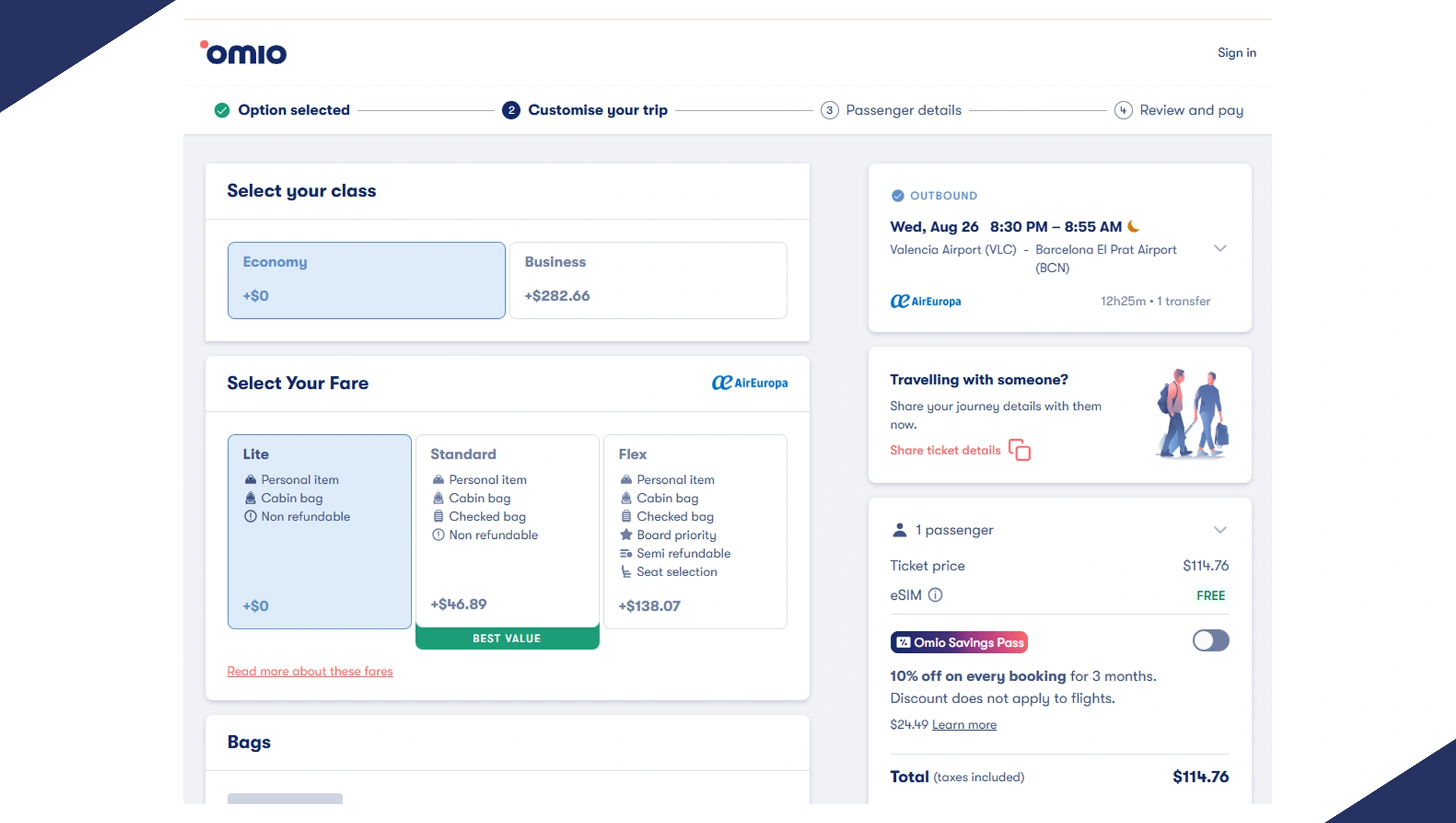
The client faced several challenges in developing a dependable transportation intelligence workflow. The primary issue was the dynamic nature of travel pricing. Transportation fares can vary according to route, travel date, departure time, operator, availability, and other market conditions. As a result, information collected manually at one point could quickly become outdated. The client needed a scalable approach to web scraping Omio transportation data that could support recurring collection rather than occasional manual observations.
Another challenge involved the diversity of transportation information. Routes could include different operators, journey types, departure points, arrival locations, durations, prices, and schedules. These attributes needed to be standardized before they could be compared across routes and collection periods. Inconsistent naming conventions and formatting could otherwise make automated analysis difficult.
The client also needed historical records to understand how transportation prices changed over time. A single snapshot could show the current market but could not explain whether a fare was unusually high or low compared with previous observations. Data quality was another consideration because duplicate records, missing fields, and unexpected changes in page structures could affect analytical accuracy. Real Data API therefore needed to build a workflow that balanced freshness, consistency, scalability, and structured delivery while minimizing manual intervention.
Key Solutions
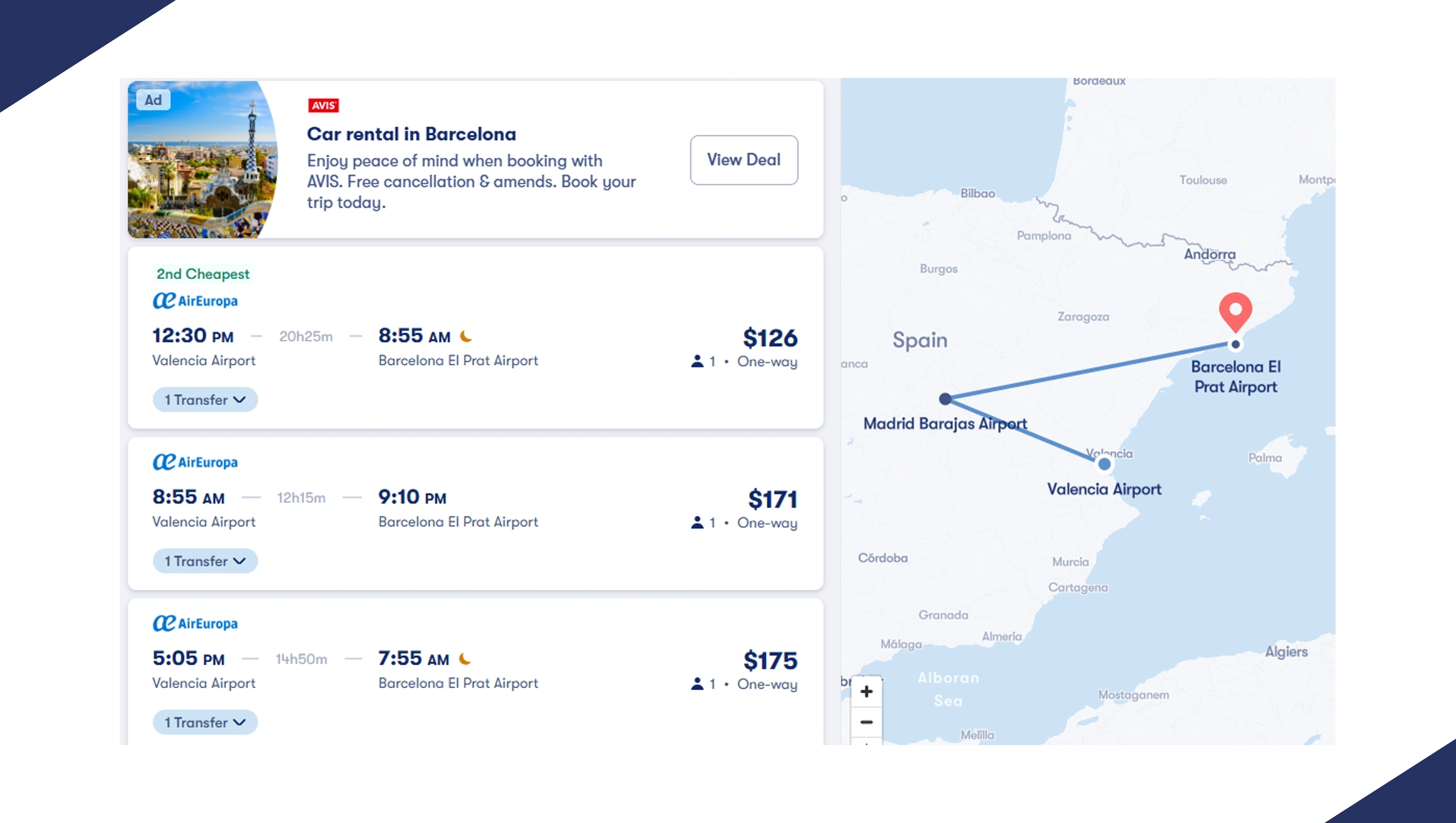
Real Data API developed an automated transportation data workflow aligned with the client's travel intelligence requirements. The solution was designed to scrape real-time Omio transportation data across selected routes, dates, transportation options, and relevant attributes according to the agreed project scope. The extraction process captured structured information such as departure and arrival locations, travel times, transportation operators, journey durations, fare information, availability indicators, and other relevant fields where accessible.
A major focus was data standardization. Raw transportation information was transformed into consistent fields so that the client's analysts could compare routes and prices efficiently. Location names, operator information, journey durations, fare values, and other attributes were normalized to create analysis-ready records. Validation processes were also introduced to identify incomplete, duplicate, or inconsistent records before delivery.
The workflow was designed around recurring collection, allowing the client to obtain updated observations rather than relying on a static dataset. Historical records could be retained and compared with newer observations to identify fare movements, pricing patterns, and changes in transportation availability. This was particularly useful for understanding how prices varied by route and travel period.
Real Data API also developed an Omio API for European travel price trends within the broader data delivery architecture. The API-oriented approach allowed structured transportation information to be consumed by databases, dashboards, analytical platforms, and internal applications. Instead of manually consolidating data from multiple research sessions, the client's teams could access standardized records through a repeatable workflow.
The solution was also built for scalability. As the client's monitoring requirements expanded, additional routes, operators, dates, and data fields could be incorporated without rebuilding the entire architecture. Modular extraction and processing components made it easier to extend coverage while maintaining common data structures.
Quality-control processes were incorporated throughout the pipeline. Data validation helped identify unexpected values, missing attributes, duplicate observations, and inconsistencies between collection cycles. This improved the reliability of the final datasets and reduced the amount of manual cleaning required by analysts.
By combining automated extraction, normalization, validation, historical storage, and structured delivery, Real Data API gave the client a more efficient foundation for transportation market intelligence. The workflow reduced repetitive research while helping the travel brand evaluate competitive fares, route-level opportunities, and changing European transportation market conditions.
Client Testimonial

"Real Data API helped us replace a fragmented transportation research process with a structured and scalable data workflow. The solution gave our teams better visibility into fares, routes, schedules, operators, and transportation options. We especially valued the ability to work with refreshed information and compare current observations with historical records. The real-time Omio data extraction API has made our competitive pricing research significantly more efficient and has helped our teams identify transportation market movements faster. The solution has become an important part of our travel intelligence workflow and supports more informed pricing and route decisions."
— Director of Travel Intelligence, Travel Technology Brand
Conclusion
The project demonstrated how automated transportation intelligence can help travel brands overcome the limitations of manual market research. Real Data API developed a scalable workflow that enabled the client to collect structured information about fares, routes, schedules, operators, journey durations, and availability. Recurring collection and historical storage provided a stronger foundation for identifying pricing movements and understanding competitive transportation markets. The solution also improved accessibility by delivering standardized information through an API-oriented architecture that could support analytical platforms, databases, dashboards, and internal applications.
The resulting Omio Travel Dataset gave the client a structured foundation for fare benchmarking, route analysis, competitive monitoring, and European travel market research. By using automation to extract real-time transportation data from Omio, the brand reduced repetitive manual work while improving the speed and consistency of its market intelligence process.
Real Data API can build customized transportation data solutions based on specific routes, markets, fields, and monitoring requirements, helping travel businesses turn complex online transportation information into actionable intelligence.






.png)