Introduction
In the modern data ecosystem, dashboards built on tools like Power BI and Tableau play a vital role in transforming raw data into meaningful insights. However, the effectiveness of these dashboards depends heavily on how well the underlying data is structured. Understanding how to structure scraped data for Power BI and Tableau dashboards is essential for ensuring accurate analytics, seamless visualization, and faster decision-making.
With the help of a robust Web Scraping API, businesses can extract massive volumes of data from diverse sources. Yet, raw scraped data is often unstructured, inconsistent, and filled with duplicates or missing values. Without proper structuring, it becomes difficult to integrate this data into BI tools or generate actionable insights.
By implementing systematic data structuring processes—such as normalization, transformation, and validation—organizations can create clean, analysis-ready datasets. This blog explores key strategies, best practices, and scalable solutions to help businesses optimize their scraped data for powerful BI dashboards.
Designing a Solid Foundation for Data Modeling
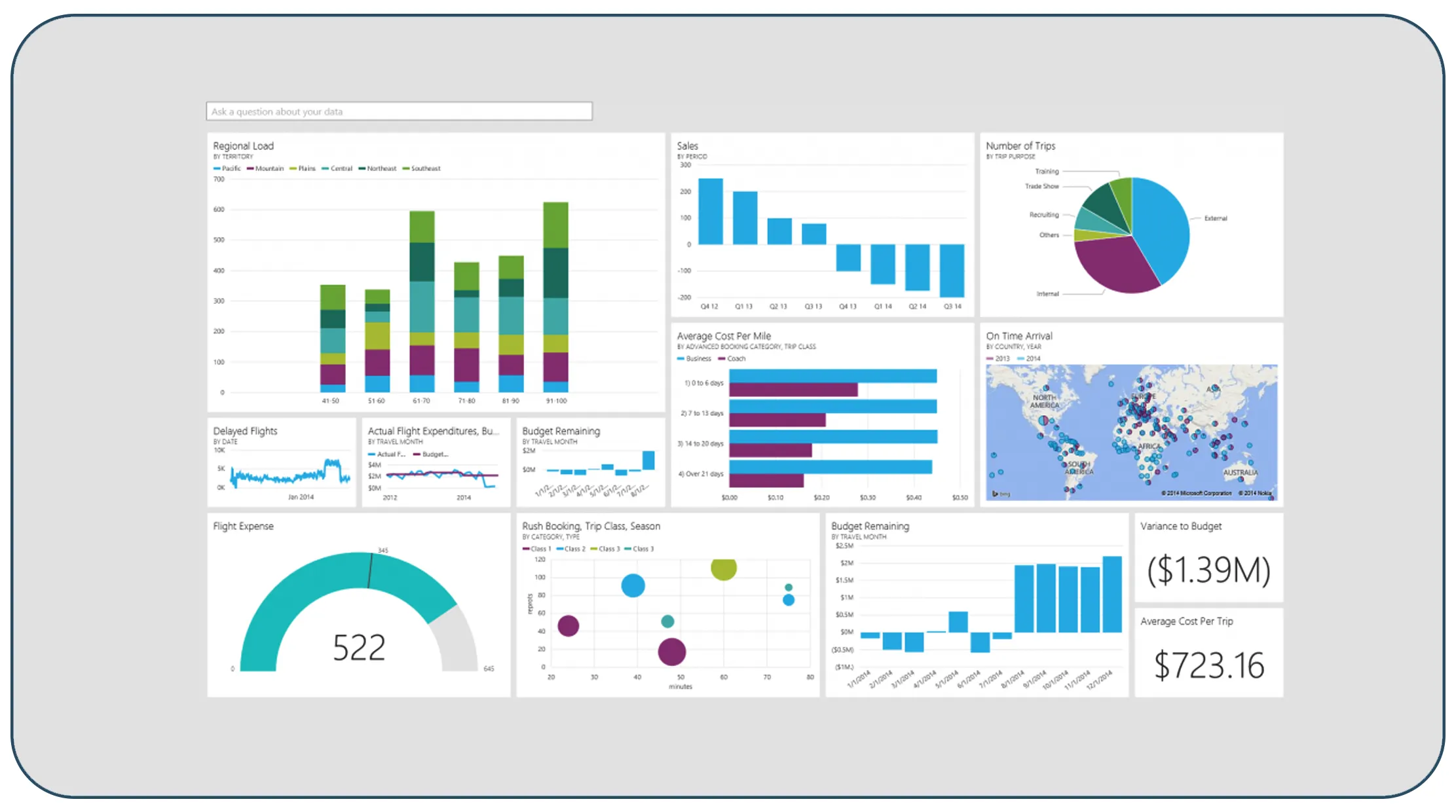
To effectively structure scraped data for Power BI and Tableau dashboards, businesses must first focus on building a strong data model. A well-designed data model ensures that datasets are organized into logical relationships, making them easier to analyze and visualize.
Between 2020 and 2026, organizations that adopted structured data modeling saw a 58% improvement in dashboard performance and a 45% increase in data processing efficiency. Poorly structured data, on the other hand, led to slower queries and inaccurate visualizations.
Key Stats (2020–2026):
| Year | Data Structuring Adoption (%) | Dashboard Performance Improvement (%) |
|---|---|---|
| 2020 | 38% | 30% |
| 2022 | 48% | 38% |
| 2024 | 55% | 45% |
| 2026 | 62% | 58% |
Best practices include:
- Creating normalized tables with clear relationships
- Using unique identifiers for linking datasets
- Avoiding redundant data storage
- Structuring data into fact and dimension tables
This foundational step ensures that BI tools can efficiently process and visualize the data.
Improving Data Quality Through Cleaning and Organization
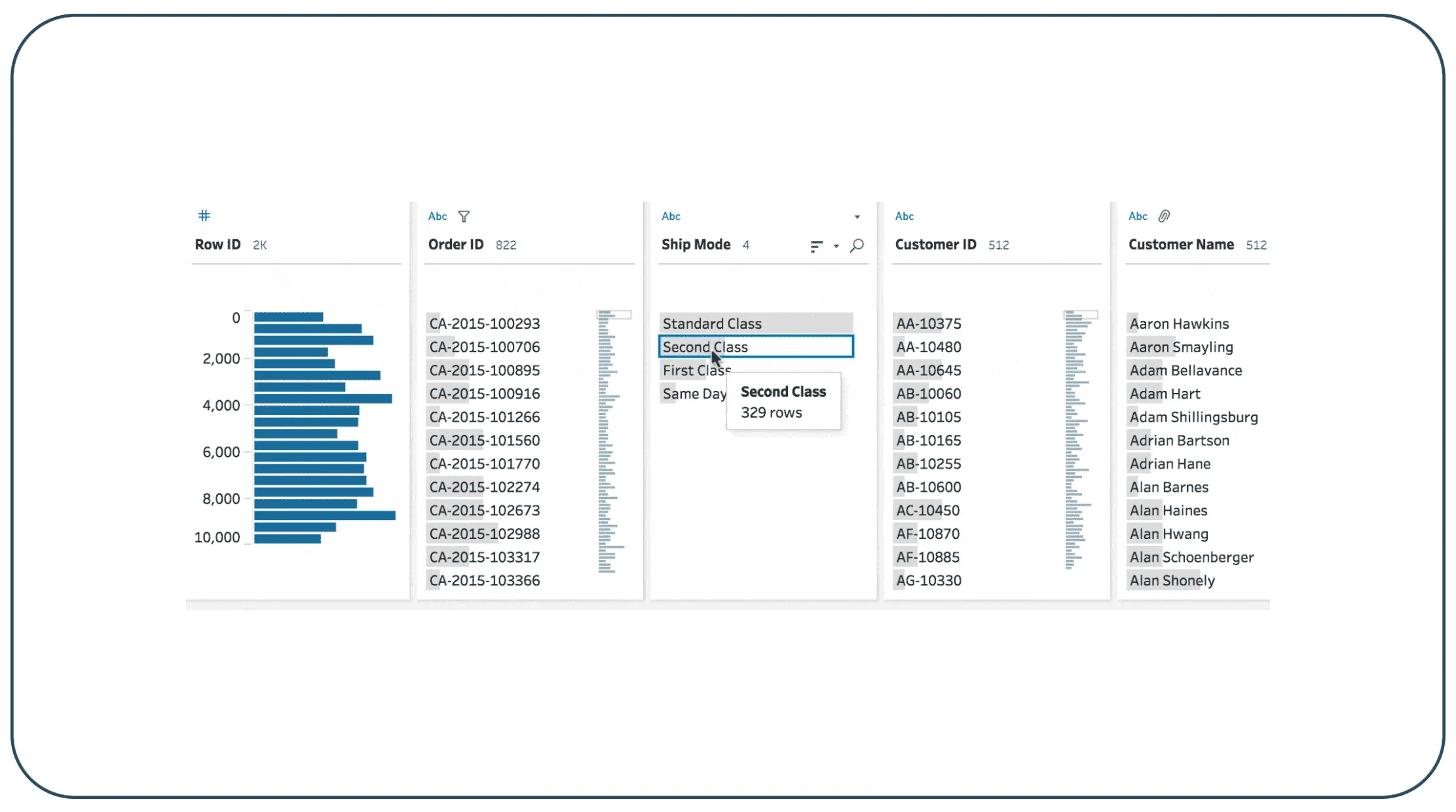
Before integrating data into BI tools, it is crucial to clean and organize scraped data for BI Tools. Raw scraped datasets often contain inconsistencies such as duplicate entries, incorrect formats, and missing values.
From 2020 to 2026, companies that implemented data cleaning processes reduced reporting errors by 50% and improved decision-making accuracy significantly.
Key Stats (2020–2026):
| Year | Data Cleaning Adoption (%) | Reporting Error Reduction (%) |
|---|---|---|
| 2020 | 42% | 28% |
| 2022 | 50% | 35% |
| 2024 | 60% | 42% |
| 2026 | 68% | 50% |
Key cleaning steps:
- Removing duplicate records
- Standardizing formats (dates, currency, text)
- Handling missing or null values
- Validating data against predefined rules
Organized datasets ensure that dashboards display accurate and reliable information, improving user trust and usability.
Seamless Data Integration into Visualization Platforms
To maximize the value of scraped data, businesses must Integrate scraped data into BI tools step by step. Integration involves connecting structured datasets to Power BI and Tableau while ensuring compatibility and performance.
Between 2020 and 2026, integration efficiency improved by 55% due to advancements in automation and APIs. However, poorly structured data still caused integration failures in nearly 20% of cases.
Key Stats (2020–2026):
| Year | Integration Success Rate (%) | Integration Failure Rate (%) |
|---|---|---|
| 2020 | 65% | 35% |
| 2022 | 72% | 28% |
| 2024 | 80% | 20% |
| 2026 | 88% | 12% |
Integration steps include:
- Exporting structured data into compatible formats (CSV, JSON, SQL)
- Connecting data sources to BI tools
- Configuring data refresh schedules
- Testing and validating data connections
A seamless integration process ensures that dashboards remain up-to-date and responsive.
Transforming Raw Data into Insight-Ready Formats
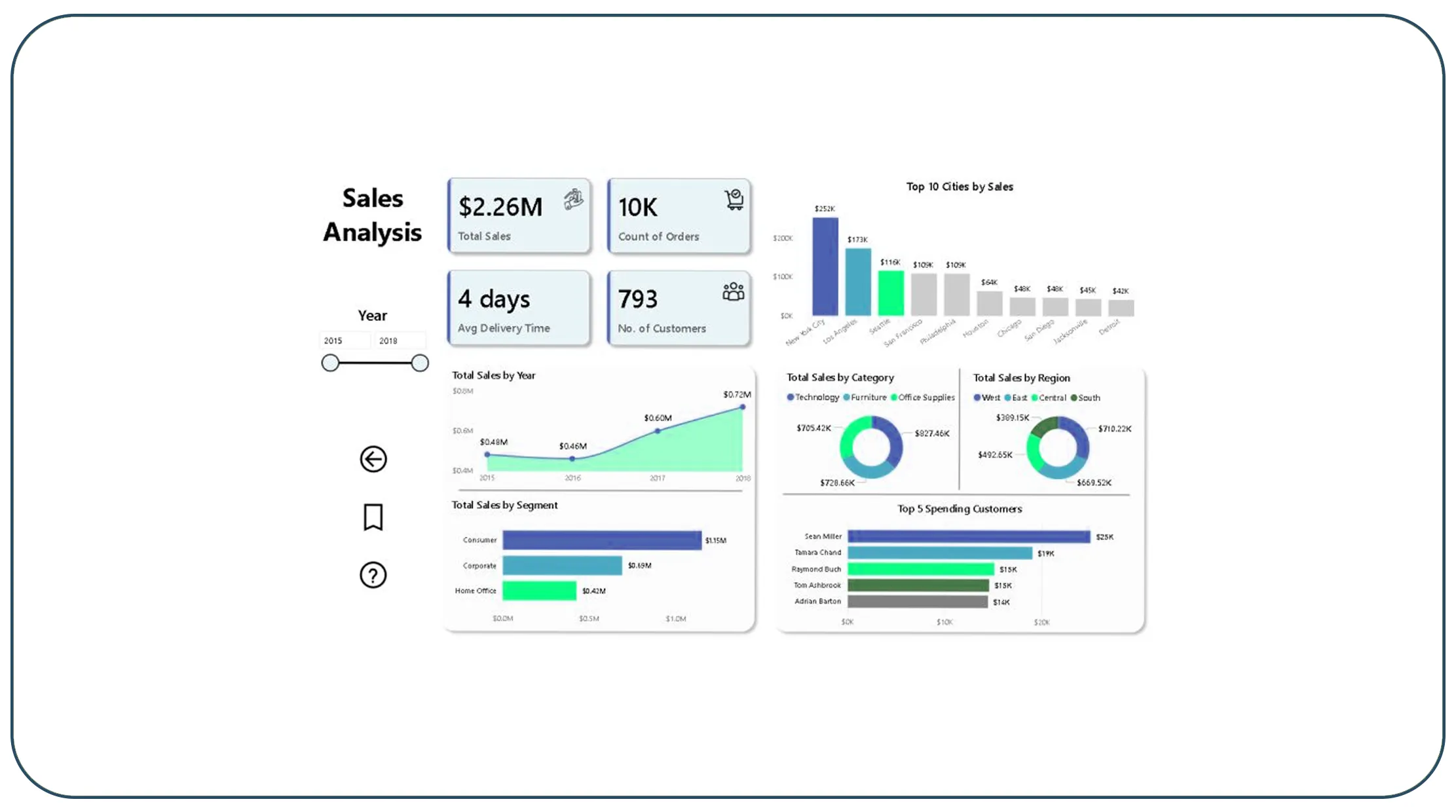
A critical step in the pipeline is to convert raw scraped data into BI-ready datasets. This involves transforming unstructured data into a format that supports analytics and visualization.
From 2020 to 2026, organizations that focused on data transformation improved analytics efficiency by 60%. Without proper transformation, data inconsistencies affected up to 25% of dashboards.
Key Stats (2020–2026):
| Year | Transformation Adoption (%) | Analytics Efficiency (%) |
|---|---|---|
| 2020 | 40% | 45% |
| 2022 | 50% | 52% |
| 2024 | 58% | 58% |
| 2026 | 65% | 60% |
Transformation techniques include:
- Aggregating data for summaries
- Creating calculated fields and metrics
- Structuring hierarchical data
- Applying business rules for consistency
These steps ensure that datasets are optimized for analysis and visualization.
Leveraging Expert Solutions for Data Structuring
Many organizations rely on Web Scraping Services to manage data structuring and integration processes. These services provide expertise and tools to handle complex data pipelines efficiently.
Between 2020 and 2026, the adoption of professional services increased by 57%, driven by the need for high-quality data and reduced operational complexity.
Key Stats (2020–2026):
| Year | Service Adoption (%) | Efficiency Improvement (%) |
|---|---|---|
| 2020 | 35% | 40% |
| 2022 | 45% | 48% |
| 2024 | 52% | 55% |
| 2026 | 57% | 63% |
Benefits include:
- Access to advanced structuring tools
- Faster data processing
- Improved data accuracy
- Reduced operational costs
These services help businesses focus on insights rather than data preparation.
Scaling Data Pipelines for Enterprise-Level Analytics
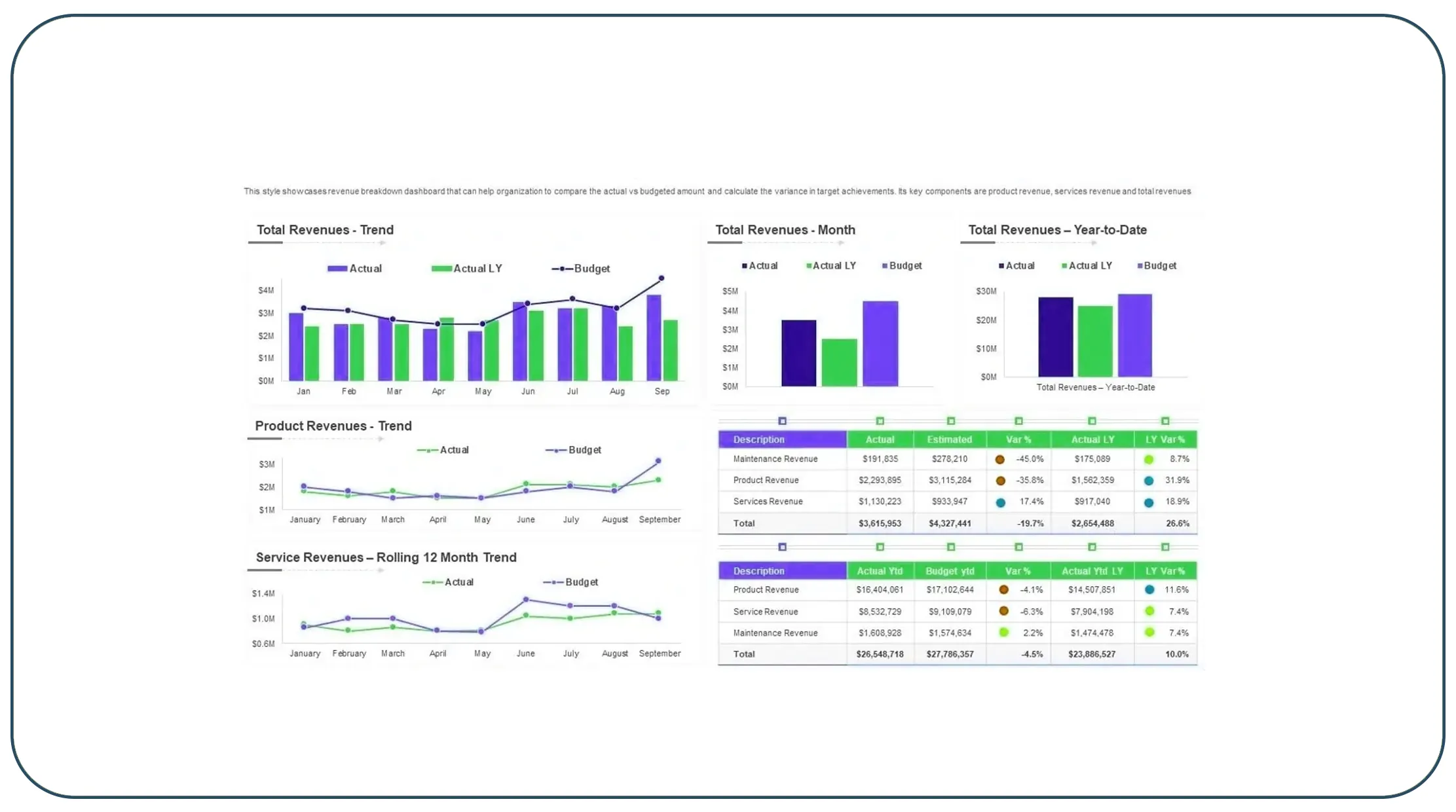
For large organizations, Enterprise Web Crawling plays a crucial role in collecting and structuring massive datasets. Enterprise-level pipelines require scalable infrastructure and advanced processing capabilities.
From 2020 to 2026, enterprise data pipelines grew by 65%, highlighting the increasing demand for scalable solutions. However, managing data quality at scale remained a key challenge.
Key Stats (2020–2026):
| Year | Enterprise Adoption (%) | Data Processing Efficiency (%) |
|---|---|---|
| 2020 | 38% | 45% |
| 2022 | 48% | 52% |
| 2024 | 58% | 60% |
| 2026 | 65% | 70% |
Key features include:
- Distributed data processing
- Automated data pipelines
- Real-time data updates
- Integration with cloud platforms
These capabilities ensure that data pipelines remain efficient and scalable.
Enhancing Performance with Automated Data Pipelines
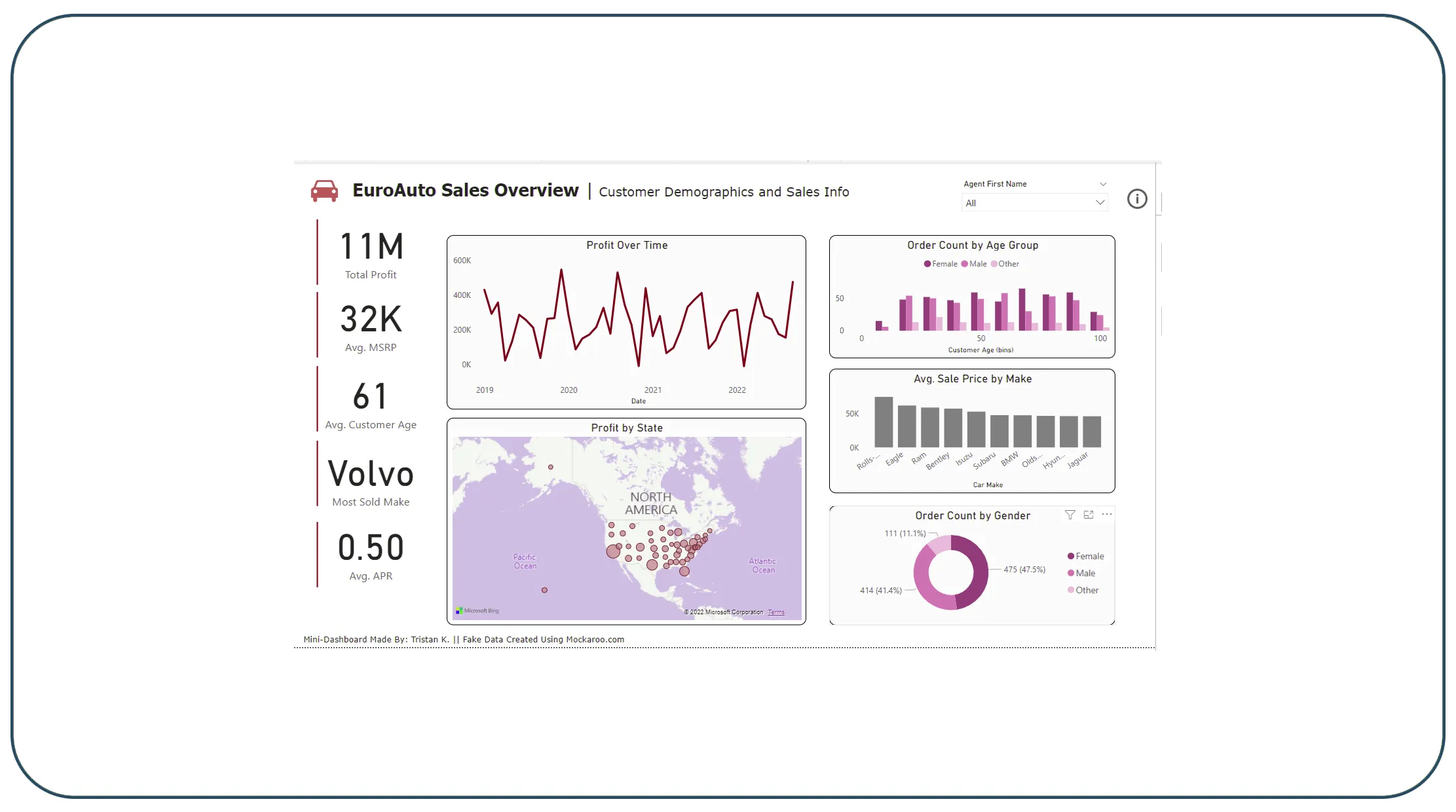
To further optimize BI dashboards, businesses must invest in automation strategies that continuously structure scraped data for Power BI and Tableau dashboards with minimal manual intervention. Automated pipelines ensure that data is consistently cleaned, transformed, and updated in near real-time, reducing delays and improving dashboard responsiveness.
Between 2020 and 2026, organizations implementing automated data pipelines experienced a 62% increase in processing efficiency and a 48% reduction in manual errors. These improvements directly impacted the performance and reliability of BI dashboards, enabling faster and more accurate decision-making.
Key Stats (2020–2026):
| Year | Automation Adoption (%) | Processing Efficiency (%) | Error Reduction (%) |
|---|---|---|---|
| 2020 | 32% | 40% | 25% |
| 2022 | 45% | 50% | 32% |
| 2024 | 55% | 58% | 40% |
| 2026 | 62% | 62% | 48% |
Key benefits of automation include:
- Continuous data updates for real-time dashboards
- Reduced dependency on manual data handling
- Improved consistency across datasets
- Faster integration with BI tools
By leveraging automated pipelines, businesses can ensure that their dashboards remain accurate, scalable, and ready to deliver actionable insights at all times.
Why Choose Real Data API?
Real Data API provides cutting-edge solutions for Web Scraping Datasets, helping businesses master how to structure scraped data for Power BI and Tableau dashboards effectively. Our platform combines advanced scraping technologies with intelligent data structuring frameworks to deliver high-quality, analysis-ready datasets.
We offer:
- Automated data cleaning and transformation
- Seamless integration with BI tools
- Scalable infrastructure for large datasets
- Real-time data processing capabilities
With Real Data API, organizations can unlock the full potential of their data and build powerful dashboards that drive business growth.
Conclusion
Understanding how to structure scraped data for Power BI and Tableau dashboards is essential for creating accurate, efficient, and scalable analytics systems. From data modeling and cleaning to transformation and integration, every step plays a critical role in ensuring high-quality datasets.
By implementing best practices and leveraging advanced tools, businesses can transform raw scraped data into actionable insights. Structured data not only improves dashboard performance but also enhances decision-making and operational efficiency.
Ready to build powerful dashboards with clean and structured data? Get started with Real Data API today and transform your data into actionable intelligence!
Latest posts

Allegro scraper for competitor price monitoring – How to Track Product Prices and Stay Ahead of Competitors

Ocado API data collection services for retailers - Track Competitor Prices and Deals

Using Flipkart API for e-commerce competitor benchmarking to Monitor Competitors Across Online Marketplaces

How Myntra scraper for online fashion retail analytics Helps Track Trends, Prices, and Product Demand






.png)