Introduction
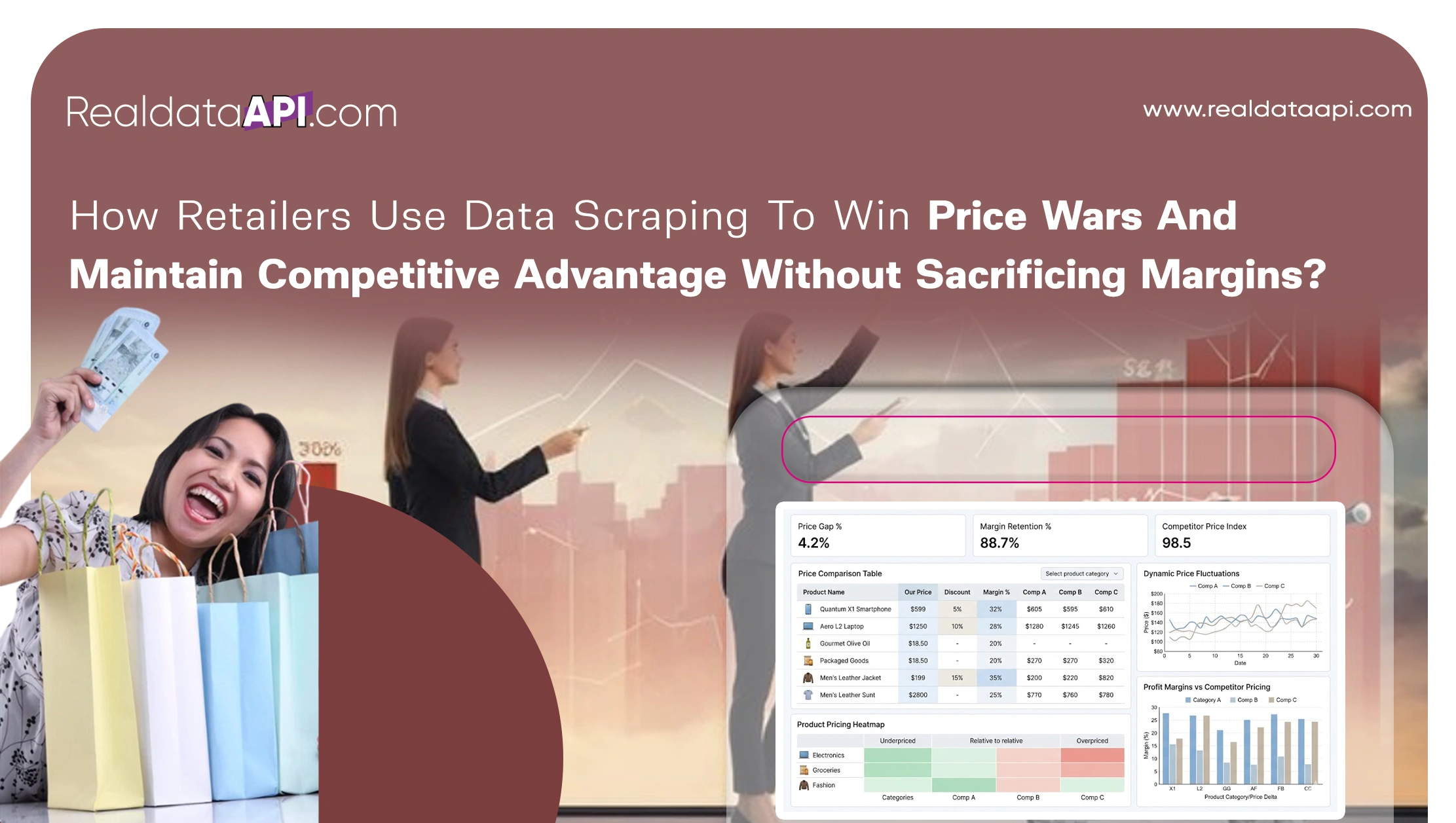
Retail pricing has become one of the most complex and competitive aspects of modern commerce. With marketplaces updating prices multiple times a day and competitors launching aggressive promotions, businesses can no longer rely on static or intuition-based pricing strategies. Instead, understanding how retailers use data scraping to win price wars has become essential for survival and growth.
By leveraging an E-Commerce Data Scraping API, retailers can gather real-time insights into competitor pricing, discounts, product availability, and demand fluctuations. This data empowers businesses to make faster, smarter decisions without blindly cutting prices and eroding margins.
From 2020 to 2026, the retail industry has seen a dramatic shift toward data-driven pricing. Companies using advanced scraping tools have reported up to 30% higher revenue optimization and significantly improved pricing accuracy. Instead of reacting to competitors after the fact, they anticipate pricing moves and adjust strategies proactively.
This blog explores how retailers leverage scraping technologies, structured datasets, and real-time analytics to maintain a competitive edge while protecting profitability—even in the most aggressive price wars.
Gaining full visibility into competitor pricing
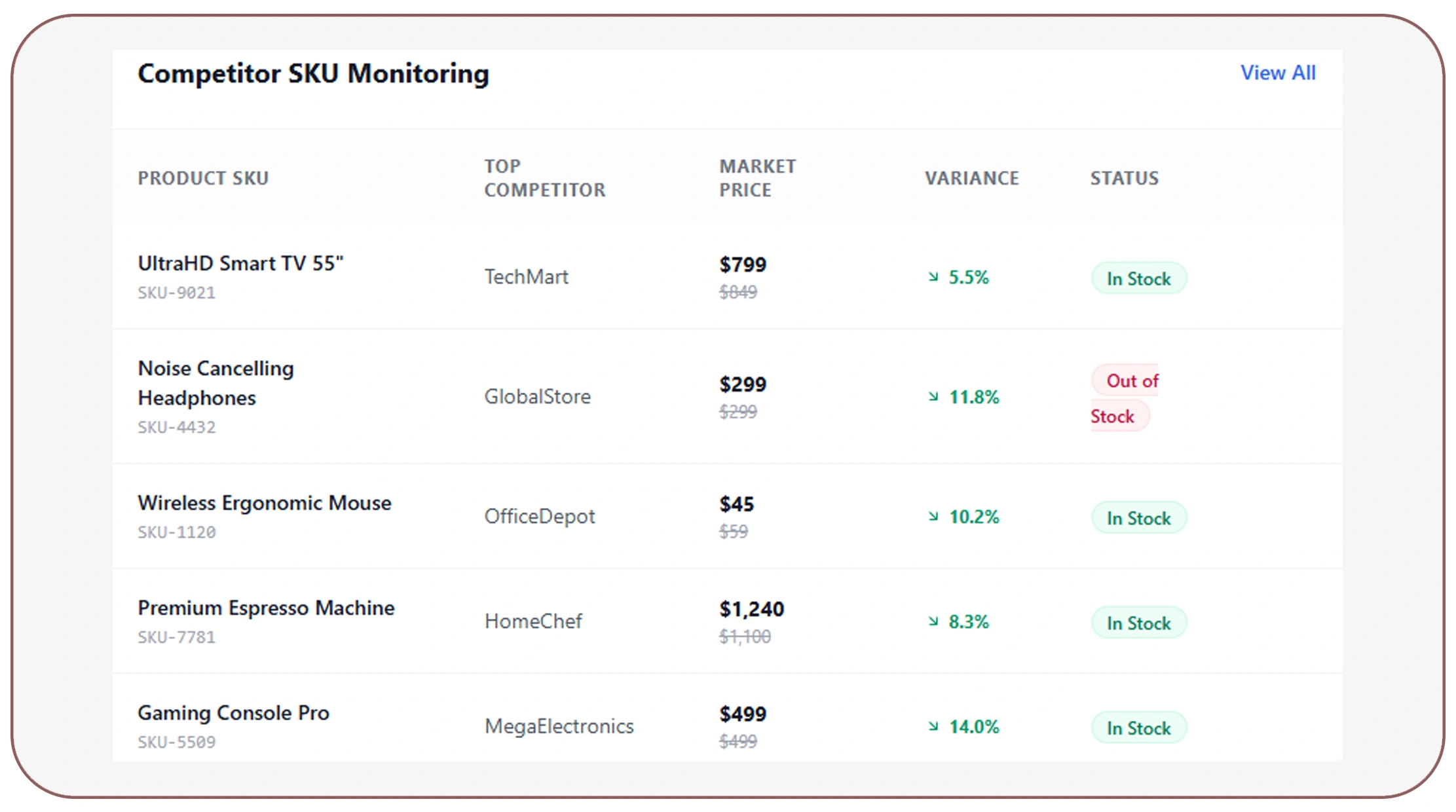
Retailers today depend on web scraping for competitor price monitoring in retail to gain a complete view of market pricing dynamics. Without accurate competitor insights, pricing decisions are often delayed or misaligned with market conditions.
By scraping data across ecommerce platforms, retailers can monitor:
- Product prices across multiple competitors
- Discount campaigns and flash sales
- Stock availability and SKU changes
Market visibility growth (2020–2026):
| Year | Price Visibility | Monitoring Accuracy | Decision Confidence |
|---|---|---|---|
| 2020 | 55% | 60% | 58% |
| 2022 | 70% | 75% | 72% |
| 2024 | 85% | 88% | 85% |
| 2026 | 97% | 94% | 93% |
This level of visibility allows retailers to:
- Detect competitor price drops instantly
- Identify pricing gaps and opportunities
- Avoid unnecessary price undercutting
Instead of reacting late, businesses can position themselves strategically in the market.
Responding instantly with real-time tracking systems
Speed is a defining factor in price wars. Retailers that rely on delayed data often lose sales opportunities. This is why implementing a real-time price tracking system for ecommerce has become critical.
These systems continuously monitor price changes and update dashboards in real time, enabling instant decision-making.
Real-time tracking evolution (2020–2026):
| Metric | 2020 | 2026 |
|---|---|---|
| Data Refresh Rate | Daily | Real-time |
| Response Speed | 24 hours | Minutes |
| Pricing Accuracy | 65% | 95% |
| Lost Opportunities | High | Low |
With real-time tracking, retailers can:
- Respond to competitor price changes within minutes
- Adjust promotional strategies instantly
- Maintain competitive pricing without overreacting
This agility ensures that businesses remain competitive while protecting profit margins.
Automating pricing strategies with advanced tools
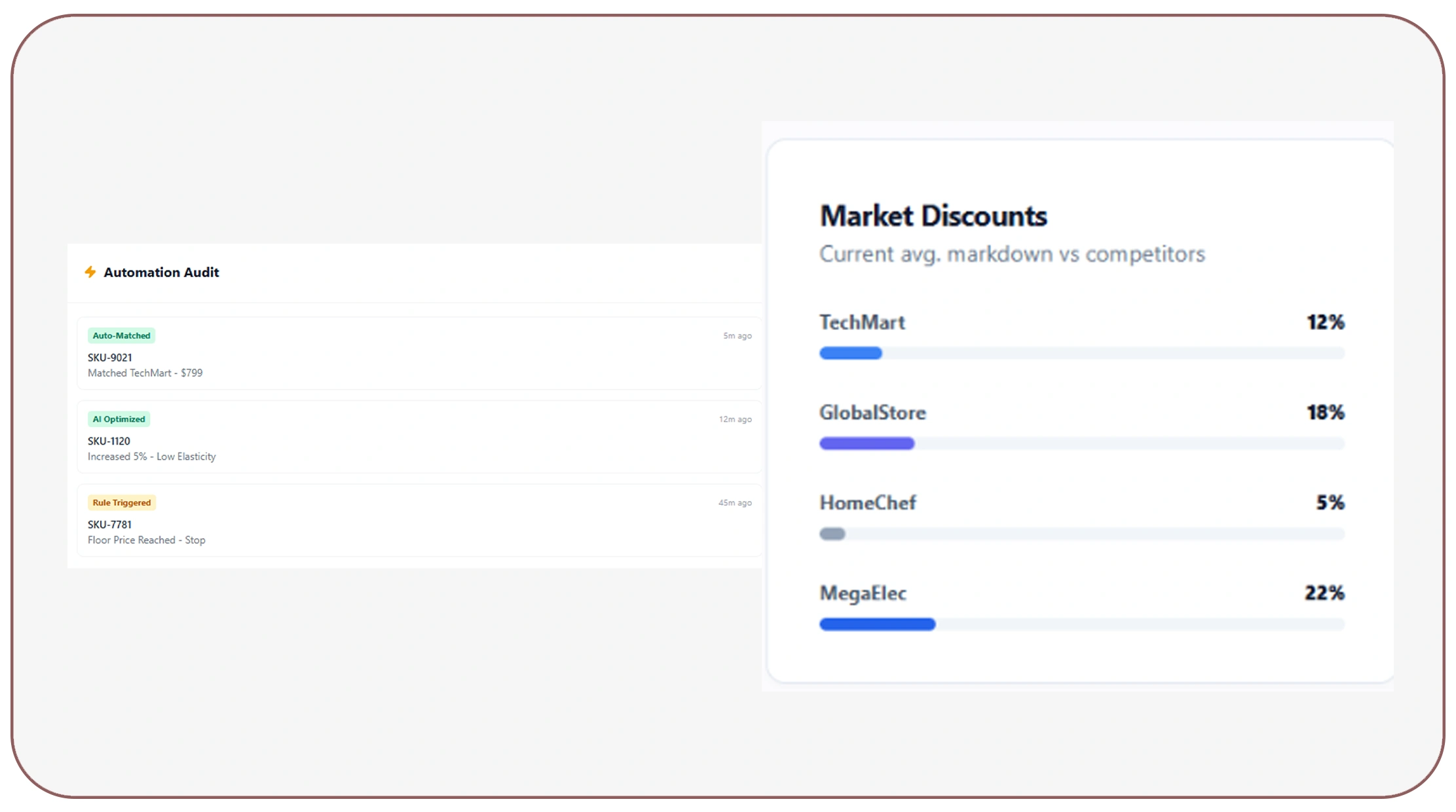
Retailers increasingly rely on tools to win ecommerce price wars using scraper API to automate pricing decisions and reduce manual effort.
These tools integrate with pricing engines, enabling:
- Automated price updates based on competitor data
- Rule-based pricing strategies
- AI-driven recommendations for optimal pricing
Automation impact (2020–2026):
| Year | Automation Level | Operational Efficiency | Pricing Consistency |
|---|---|---|---|
| 2020 | Low | 40% | 50% |
| 2022 | Moderate | 60% | 65% |
| 2024 | High | 75% | 80% |
| 2026 | Very High | 90% | 92% |
Automation helps retailers:
- Reduce pricing errors
- Maintain consistency across large catalogs
- Save time and operational costs
This enables businesses to focus on strategy rather than manual execution.
Turning data into a competitive advantage
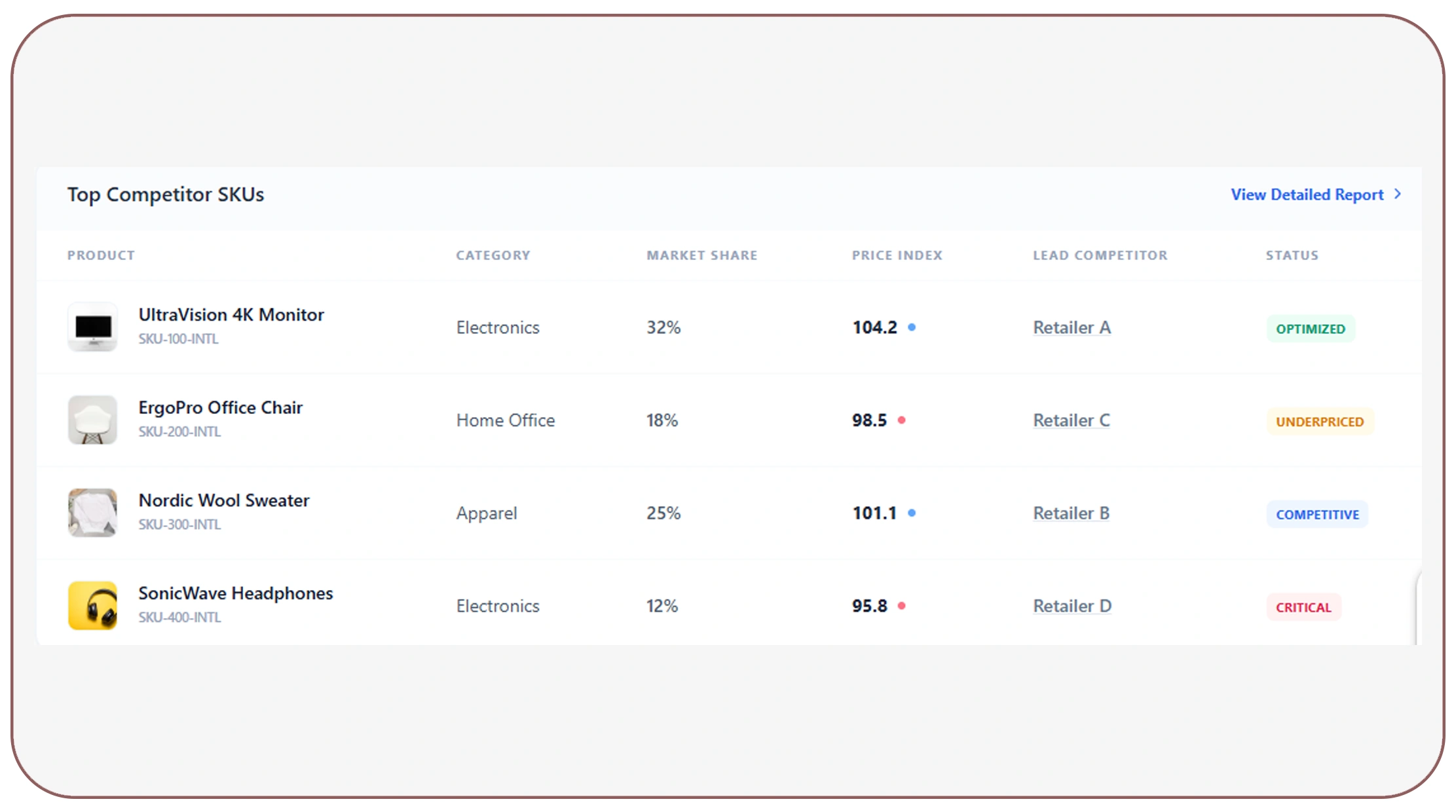
To truly succeed, retailers must go beyond data collection and apply data scraping techniques for competitive pricing advantage.
This involves analyzing:
- Historical pricing trends
- Competitor behavior patterns
- Customer demand signals
Competitive advantage metrics (2020–2026):
| Metric | 2020 | 2026 |
|---|---|---|
| Pricing Accuracy | 60% | 92% |
| Margin Protection | 55% | 88% |
| Sales Growth | 12% | 30% |
| Customer Retention | 58% | 85% |
Retailers using advanced analytics can:
- Identify price-sensitive products
- Optimize discount strategies
- Avoid unnecessary price reductions
This ensures profitability even in highly competitive markets.
Leveraging structured datasets for deeper insights
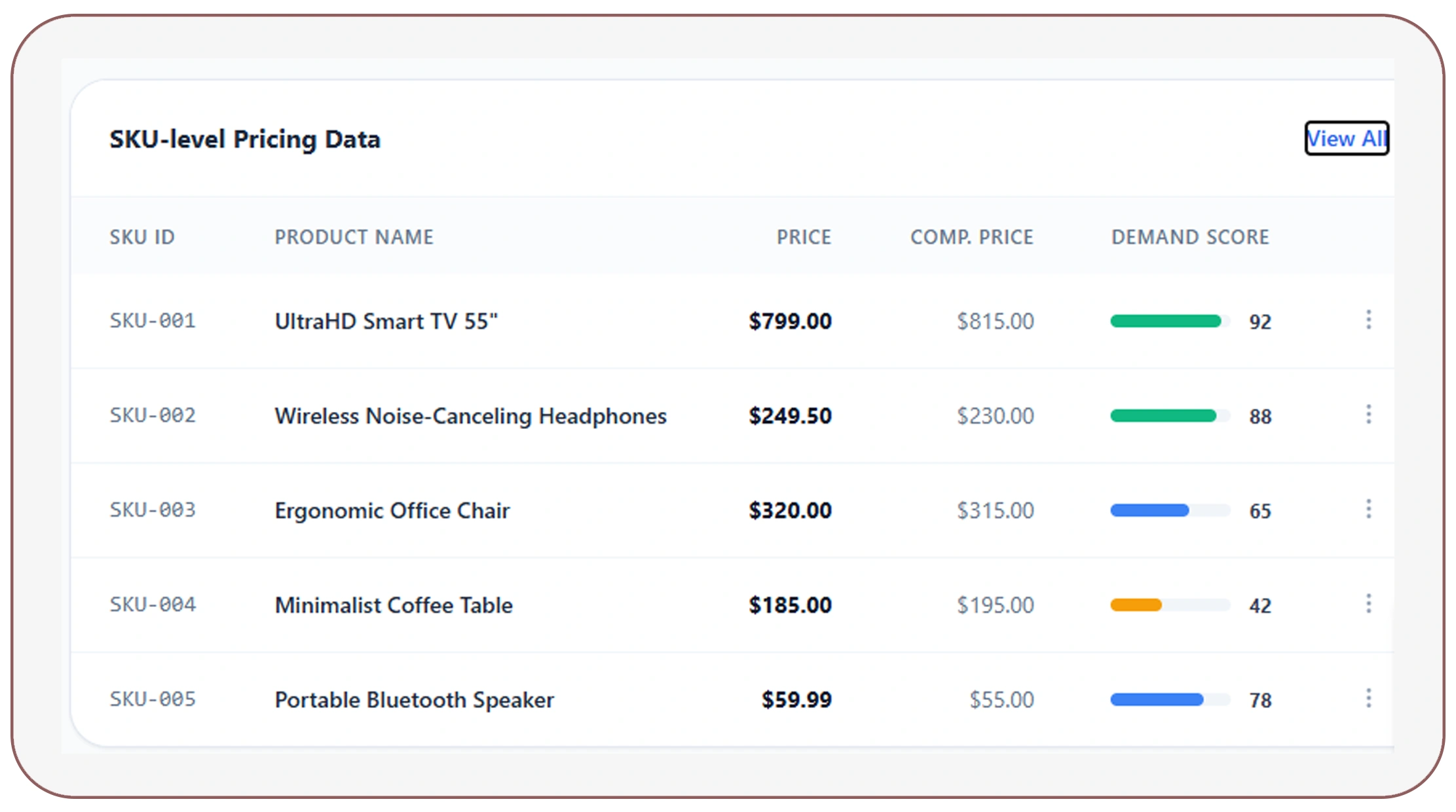
Accurate insights depend on high-quality data. Retailers rely on E-Commerce Dataset to analyze pricing and demand patterns at scale.
These datasets include:
- SKU-level pricing data
- Historical price trends
- Sales and demand metrics
Dataset evolution (2020–2026):
| Year | Data Volume | Insight Accuracy | Forecast Reliability |
|---|---|---|---|
| 2020 | Medium | 65% | 60% |
| 2022 | High | 78% | 75% |
| 2024 | Very High | 88% | 85% |
| 2026 | Massive | 95% | 92% |
With structured datasets, retailers can:
- Predict demand fluctuations
- Identify seasonal trends
- Improve pricing strategies
This data-driven approach leads to more accurate and confident decision-making.
Expanding strategic applications of scraping APIs
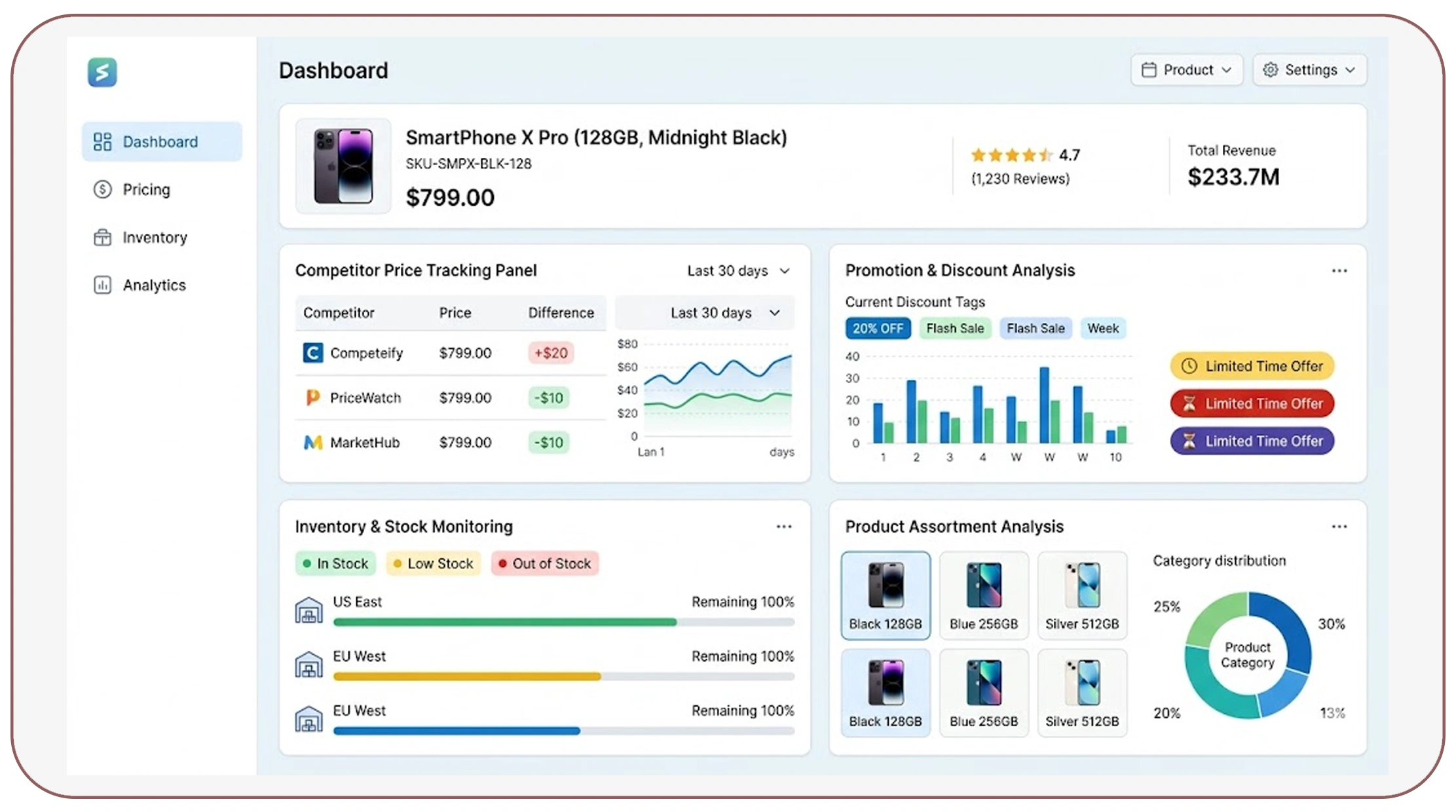
Retailers are continuously discovering new Top Ecommerce Scraping API Use Cases that go beyond price monitoring.
Key use cases include:
- Competitor price tracking
- Promotion and discount analysis
- Inventory and stock monitoring
- Product assortment analysis
API adoption trends (2020–2026):
| Year | API Adoption | Use Case Expansion | Business Impact |
|---|---|---|---|
| 2020 | 30% | Limited | Moderate |
| 2022 | 50% | Moderate | High |
| 2024 | 75% | Extensive | Very High |
| 2026 | 92% | Advanced | Critical |
These use cases demonstrate how scraping APIs have become essential tools for modern retail operations.
Why Choose Real Data API?
In today's competitive retail environment, having access to accurate and real-time data is crucial. With Web Scraping Services, businesses can monitor competitor pricing, track market trends, and make informed decisions instantly.
Real Data API helps organizations understand how retailers use data scraping to win price wars by providing scalable, reliable, and structured data solutions. From real-time price tracking to advanced analytics, it empowers businesses to optimize pricing strategies effectively.
By leveraging these capabilities, retailers can:
- Stay ahead of competitors
- Improve pricing accuracy
- Protect profit margins
This makes Real Data API a valuable partner for data-driven retail success.
Conclusion
Price wars are an inevitable part of modern retail, but winning them requires more than aggressive discounting. Retailers must adopt data-driven strategies to remain competitive while protecting profitability.
By understanding how retailers use data scraping to win price wars, businesses can gain real-time visibility into market dynamics, competitor behavior, and pricing opportunities. This enables smarter decision-making and more effective pricing strategies.
With advancements in automation, analytics, and real-time data, retailers can shift from reactive pricing to proactive optimization.
Start using Real Data API today and discover how retailers use data scraping to win price wars—optimize your pricing, protect your margins, and stay ahead in an increasingly competitive marketplace.
Latest posts
How Restaurant, Menu, Price, Rating, and Delivery Data Helps Businesses Track Food Delivery Markets

How Businesses Solve Restaurant Market Intelligence Challenges with Rating, Review, and Location Data
How Businesses Use Grocery, Product, Pricing, and Retail Food Data for Competitive Analysis

How Etsy API Solves Marketplace Intelligence Challenges with Product, Price, and Seller Data






.png)