TL;DR
- Foodstuff API can help businesses structure grocery, product, pricing, availability, and retail information for competitive analysis and market monitoring.
- Food Data Scraping can create recurring datasets that help brands compare assortments, identify price movements, monitor promotions, and understand changing online grocery behavior.
- Online grocery adoption accelerated sharply after 2020. McKinsey reported that US grocery e-commerce penetration moved from under 4% in December 2019 into the low teens by 2022, while its 2025 North America research shows delivered groceries represented 63% of online grocery purchases among surveyed US online grocery buyers.
Introduction
Businesses increasingly need structured retail intelligence to understand what products are available, how prices change, which brands are competing, and how grocery assortments evolve across digital channels. Foodstuff API can support this requirement by providing a structured approach to collecting and organizing food and grocery information for analytics, benchmarking, and competitive research. Food Data Scraping can complement API-driven workflows by collecting publicly accessible product, pricing, assortment, availability, and promotional information from relevant retail sources.
The need for this intelligence expanded rapidly after 2020. McKinsey found that US grocery e-commerce penetration was below 4% before the pandemic and reached the low teens after the initial acceleration. Its research also identified product comparison, assortment, personalized promotions, convenience, and delivery as important features of online grocery.
For grocery brands, retailers, food-tech companies, distributors, and market intelligence teams, the challenge is no longer simply finding product information. The larger challenge is turning changing retail information into a consistent dataset that can be compared over time. A structured workflow can help teams identify competitor pricing, assortment gaps, promotional movements, availability changes, and category trends without depending entirely on manual research.
How Can Grocery Brands Build a Consistent Retail Data Pipeline?
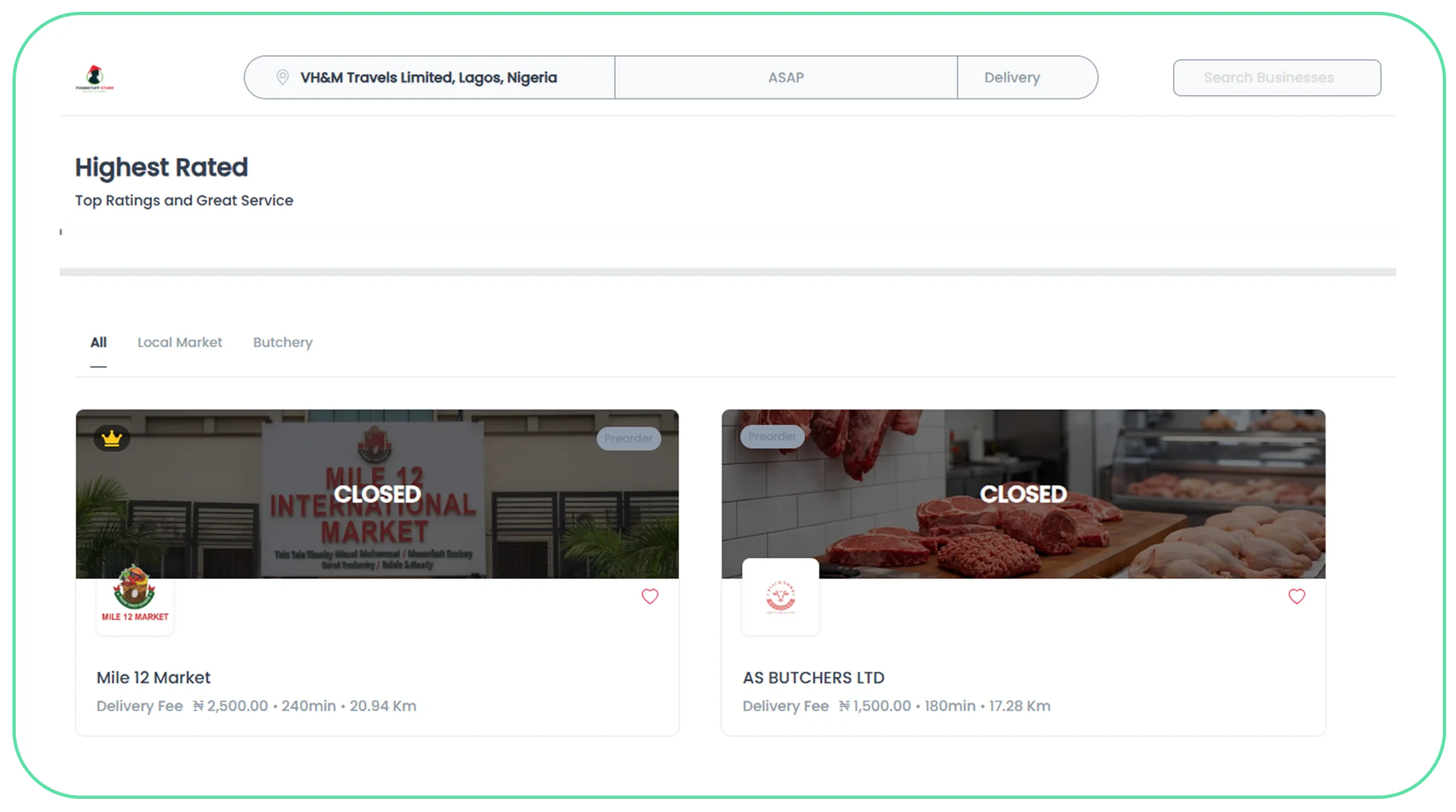
Foodstuff grocery data web scraping can help brands build structured records from publicly accessible grocery and retail pages. Instead of reviewing individual listings manually, businesses can define the fields they need, collect them on a recurring schedule, validate the records, and prepare them for analytics.
| Retail Data Point | Competitive Use |
|---|---|
| Product name | Product benchmarking |
| Brand | Brand comparison |
| Category | Category intelligence |
| SKU/UPC where available | Product matching |
| Price | Price benchmarking |
| Discount | Promotion monitoring |
| Pack size | Value comparison |
| Availability | Stock visibility |
| Product URL | Source verification |
| Rating/reviews where available | Customer perception |
The 2020–2026 period demonstrates why this capability has become more important. In 2020, grocery e-commerce experienced a major acceleration as consumers shifted toward online purchasing. McKinsey reported that during the peak of the pandemic, 20% to 30% of grocery business shifted online in some markets, while US grocery e-commerce penetration moved from below 4% before COVID-19 toward 9% to 12% by the end of 2020.
In 2021, online grocery remained a strategic growth channel rather than simply a temporary pandemic response. McKinsey research found that grocery executives expected e-commerce penetration within their own organizations to more than double over the following three to five years, reaching an average of 23%. In 2022, broader grocery e-commerce penetration remained in the low teens in the US, while consumers continued to value online comparison, assortment, promotions, and convenience.
During 2023 and 2024, the competitive question increasingly shifted from whether grocery brands should participate online to how efficiently they could manage digital assortment and pricing. By 2025, McKinsey reported that delivered groceries accounted for 63% of online grocery purchases among surveyed US consumers who had bought groceries online during the previous 12 months, compared with approximately 54% in 2020.
In 2026, this environment makes recurring retail data especially useful. Brands can use historical records to identify price patterns, assortment changes, new product launches, promotional cycles, and availability shifts. A standardized pipeline also helps category managers compare retailers using consistent fields rather than manually interpreting different website layouts.
What Makes Product-Level Grocery Data Useful for Competitive Analysis?
Foodstuff grocery product data collection services can help businesses capture product-level information at scale and organize it into a common schema. This is particularly valuable when the same category appears across several retailers with different naming conventions, pack sizes, pricing structures, and promotional formats.
| Product Intelligence Field | Example Business Question |
|---|---|
| Product title | Which products are competing directly? |
| Brand | Which brands dominate a category? |
| Pack size | Which products offer comparable value? |
| Regular price | What is the baseline market price? |
| Sale price | Which competitors are promoting products? |
| Discount | How aggressive are promotions? |
| Availability | Which products are consistently in stock? |
| Category | Where are assortment gaps emerging? |
| Ratings | Which products have stronger customer signals? |
From 2020 through 2026, product-level digital visibility has become increasingly important because online grocery gives shoppers the ability to compare products before purchasing. McKinsey identified product comparison and assortment as important advantages of online grocery channels, while its later North American research highlighted growing expectations for delivery speed without sacrificing assortment breadth.
In 2020, the rapid movement toward online grocery created an urgent requirement for digital product visibility. Retailers had to manage changing demand while consumers became more comfortable comparing products online. In 2021, grocery executives anticipated continued expansion in digital grocery penetration, indicating that online assortment would remain strategically relevant beyond the initial pandemic period.
By 2022, consumers increasingly expected online grocery platforms to deliver convenience as well as broad assortment and promotional value. In 2023 and 2024, these expectations created greater pressure on brands to maintain accurate product information and competitive prices across digital channels. In 2025, delivery became particularly important, with 63% of surveyed US online grocery buyers choosing delivered groceries rather than collected groceries, according to McKinsey's analysis of Coresight Research data.
For 2026, product-level data can support SKU matching, price comparisons, assortment benchmarking, and category intelligence. A brand can identify products that are priced above or below comparable competitors, determine whether pack-size differences affect perceived value, and monitor whether competitors introduce new products. This creates a more practical competitive-analysis framework than looking only at headline retail prices.
How Can Businesses Turn Retail Listings Into Actionable Intelligence?
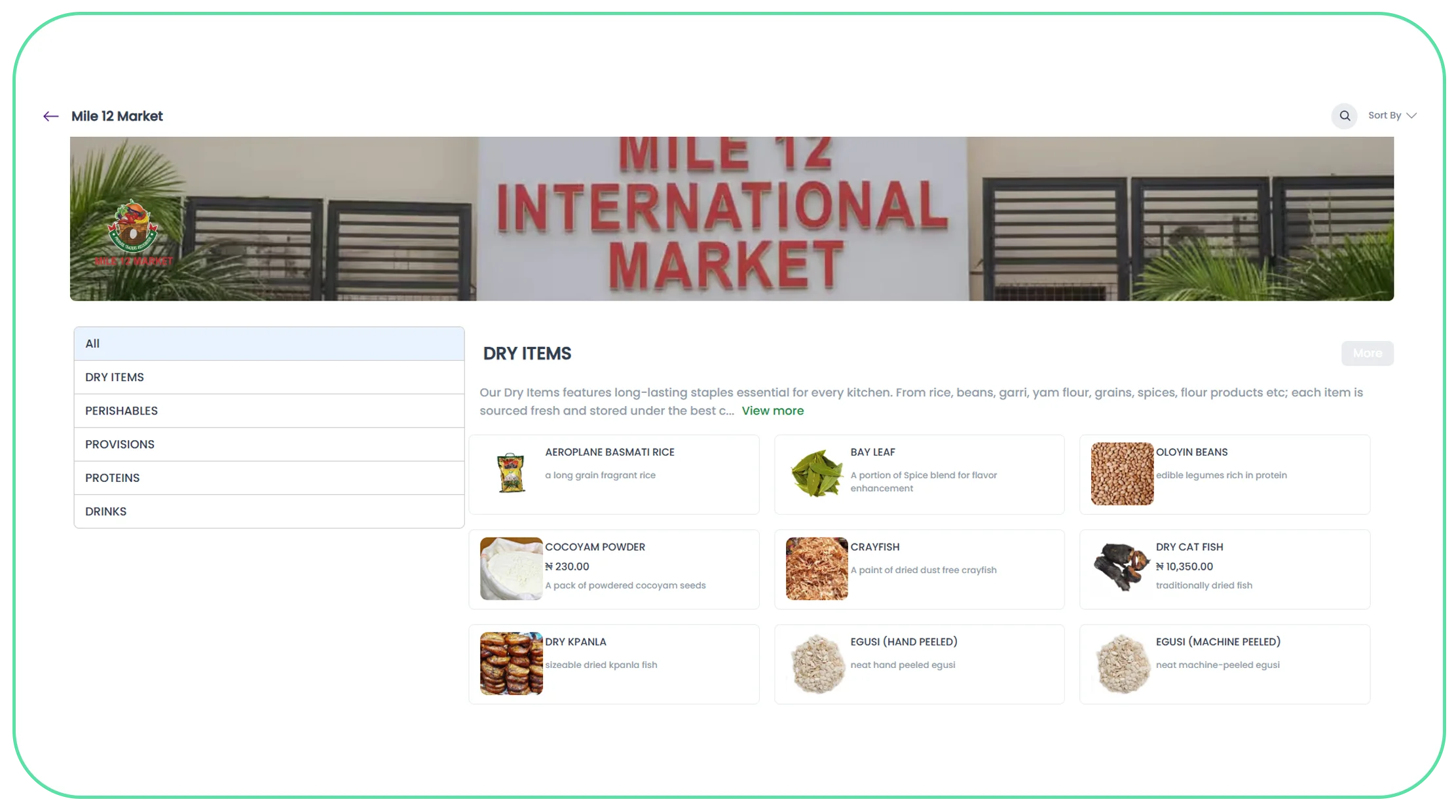
Businesses that extract Foodstuff grocery product information can transform fragmented product pages into structured records designed for analysis. The important step is not simply collecting more data; it is collecting the right attributes consistently and connecting them to business questions.
| Intelligence Area | Actionable Insight |
|---|---|
| Price comparison | Identify price gaps |
| Promotion tracking | Detect discount activity |
| Assortment analysis | Find missing products |
| Brand monitoring | Compare competitor portfolios |
| Availability tracking | Identify stock movements |
| Pack-size analysis | Compare effective value |
| Category monitoring | Detect assortment expansion |
| Historical tracking | Identify market changes |
The evolution from 2020 to 2026 shows why historical data adds significant value. In 2020, grocery businesses experienced an abrupt shift in digital purchasing behavior. Data collected during this period can establish a baseline for measuring later online grocery development. In 2021, research showed that consumers expected to increase online grocery purchasing, while executives anticipated significant increases in organizational e-commerce penetration.
In 2022, online grocery was becoming a mature strategic channel rather than a temporary emergency alternative. Consumers valued the ability to compare products, evaluate assortment, access personalized promotions, and receive home delivery. In 2023 and 2024, these behaviors supported more sophisticated digital merchandising strategies, including broader product discovery and targeted promotions.
In 2025, delivery remained a major component of online grocery behavior. McKinsey reported that delivered groceries accounted for 63% of online grocery purchases among surveyed US online grocery buyers, demonstrating the continuing importance of convenience and fulfillment.
In 2026, historical product records allow businesses to move from observation to trend analysis. A pricing team can compare current and historical prices. A category manager can identify products entering or leaving an assortment. A brand manager can track competitor launches. A market researcher can identify category-level changes. When these signals are combined into one structured dataset, teams can build repeatable dashboards and reports instead of conducting isolated research exercises.
How Can Real-Time Product Visibility Improve Retail Decisions?
real-time Foodstuff product data API workflows can help businesses receive refreshed product information according to defined collection requirements. For pricing and competitive teams, freshness matters because retail prices, promotions, and availability can change frequently.
| Data Signal | Monitoring Frequency Example | Business Application |
|---|---|---|
| Product price | Daily or scheduled | Competitive pricing |
| Promotional price | Daily | Promotion tracking |
| Availability | Multiple refreshes | Stock monitoring |
| New products | Scheduled | Product discovery |
| Category changes | Weekly | Assortment intelligence |
| Pack sizes | Periodic | Value benchmarking |
Between 2020 and 2026, the importance of freshness increased as grocery became more digitally integrated. In 2020, retailers were dealing with unusually rapid changes in consumer demand and online order volumes. By 2021, companies were planning for continued e-commerce adoption rather than treating digital grocery as temporary.
In 2022, consumers increasingly expected online grocery to provide both convenience and useful shopping features such as comparison and assortment discovery. In 2023, brands had more incentive to monitor digital shelf conditions as consumers became accustomed to researching products online. In 2024, digital grocery competition increasingly depended on product availability, pricing, fulfillment, and assortment.
In 2025, the delivery component of online grocery became especially visible. McKinsey's North American research found that delivered groceries represented 63% of online grocery purchases among surveyed US online grocery buyers, up from about 54% in 2020. The same research noted that shoppers expect faster delivery while continuing to care about assortment.
For 2026, this means a static dataset may not be sufficient for businesses managing highly dynamic categories. A scheduled or near-real-time pipeline can provide more current information for pricing decisions, promotion monitoring, product availability, and digital shelf analysis. It can also support alerts when important fields change.
A well-designed API workflow can standardize responses into JSON or another analytics-ready format. Existing food-data APIs demonstrate how structured endpoints can return searchable food and product records, while grocery-focused APIs increasingly emphasize product, price, stock, and availability data.
Which Business Functions Can Benefit From Marketplace Intelligence?
Foodstuff API workflows can support multiple business teams because grocery data connects directly with pricing, merchandising, product management, category strategy, and competitive intelligence.
| Business Team | Data Requirement | Potential Outcome |
|---|---|---|
| Pricing | Current and historical prices | Price benchmarking |
| Category | Product and category data | Assortment decisions |
| Marketing | Promotions and discounts | Campaign analysis |
| Product | New and existing SKUs | Portfolio monitoring |
| Sales | Retailer-level information | Account intelligence |
| Strategy | Market trends | Competitive planning |
| Analytics | Historical datasets | Trend modeling |
The 2020–2026 timeline shows how these functions became increasingly interconnected. In 2020, digital grocery adoption accelerated rapidly. In 2021, retailers began planning for sustained online penetration, while consumers showed stronger interest in digital grocery purchasing.
In 2022, McKinsey research emphasized that online grocery's value proposition included comparison, assortment, personalized promotions, and convenience. These characteristics made structured digital product information useful not only to e-commerce teams but also to pricing and marketing functions.
In 2023 and 2024, brands increasingly had to manage digital shelves alongside physical retail shelves. This required teams to understand how products were presented, priced, promoted, and made available across online channels. By 2025, delivery had become an even more prominent component of online grocery behavior, reinforcing the connection between product availability and customer experience.
For 2026, the most useful approach is to create a shared data layer that different teams can access. Pricing managers can work with price histories, category teams can analyze assortment, marketing teams can review promotions, and strategy teams can examine market movements. Instead of creating separate manual datasets for each department, a centralized pipeline can provide consistent fields across business functions.
This also creates opportunities for automation. Businesses can connect structured retail data to dashboards, alert systems, pricing models, forecasting workflows, or internal reporting tools. The result is a more scalable intelligence process that can reduce repetitive research and improve the speed of commercial analysis.
How Can a Unified Dataset Support Long-Term Market Intelligence?
A structured Food Dataset can provide the historical foundation needed to compare grocery products, prices, availability, brands, and categories over time. The key advantage is consistency: when the same fields are captured repeatedly, businesses can measure change rather than simply observe the current market.
| Historical Period | Major Retail Intelligence Development |
|---|---|
| 2020 | Rapid acceleration in online grocery adoption |
| 2021 | Expectations of continued digital grocery growth |
| 2022 | Greater focus on convenience and assortment |
| 2023 | Digital product comparison becomes more established |
| 2024 | Stronger focus on digital shelf competitiveness |
| 2025 | Delivery remains dominant among surveyed online grocery buyers |
| 2026 | Greater need for automated, continuously refreshed intelligence |
In 2020, the online grocery market experienced an exceptional acceleration. McKinsey reported that online penetration in grocery reached 9% to 12% by the end of the year, approximately three times pre-pandemic levels.
In 2021, retailers began considering how to make digital grocery profitable and sustainable. Research showed that executives expected their own grocery e-commerce penetration to more than double over the next three to five years. In 2022, online grocery had moved into a more mature phase, with consumers continuing to value convenience, comparison, assortment, and personalized offers.
In 2023 and 2024, digital grocery data became increasingly valuable for understanding the competitive digital shelf. Businesses could use historical records to identify how competitors changed their assortment, adjusted prices, or modified promotional strategies. In 2025, delivery represented 63% of online grocery purchases among surveyed US online grocery buyers, compared with approximately 54% in 2020.
For 2026, historical data can support more sophisticated analysis. A retailer can compare its price position against competitors over several months. A manufacturer can identify which products gained or lost visibility. A category manager can identify assortment gaps. A market intelligence team can track emerging product categories.
The greatest value comes from combining historical records with current refreshes. This allows businesses to create a longitudinal view of the market and distinguish temporary changes from persistent trends. Such a dataset can become an analytical asset for pricing, assortment planning, competitive monitoring, and strategic decision-making.
Why Choose Real Data API?
Real Data API can help businesses create scalable retail data pipelines designed around their specific grocery intelligence requirements. The objective is to move beyond disconnected manual research and establish a repeatable process for collecting, validating, normalizing, and delivering structured retail information.
A Food Dataset Scraping API can support automated access to publicly available food and grocery information in a structured format. API-based delivery can make it easier for businesses to integrate product, pricing, availability, and assortment information into internal applications, analytics systems, and dashboards.
The workflow can be customized around required product fields, retailers, categories, geographic markets, refresh frequency, and output formats. Data can also be normalized to make comparisons easier across retailers that use different product naming conventions, categories, units, or promotional structures.
Real Data API can also support recurring monitoring. Instead of receiving a one-time dataset, businesses can establish scheduled collection that creates historical records. This makes it possible to analyze price changes, assortment movements, product launches, availability patterns, and promotional activity over time.
For grocery brands and retailers, this approach addresses a core operational problem: the market changes faster than manual research processes can keep up. A structured data pipeline gives pricing, category, product, and strategy teams a shared information foundation for competitive analysis.
Conclusion
Businesses use grocery and retail food data for a practical reason: competitive conditions change continuously. Prices move, products launch, promotions appear, stock availability changes, and online grocery behavior evolves. From 2020 to 2026, the shift toward digital grocery significantly increased the importance of structured product and retail intelligence. McKinsey's research shows that US grocery e-commerce moved from less than 4% penetration before the pandemic to the low teens after the initial acceleration, while delivered grocery purchases reached 63% among surveyed US online grocery buyers in 2025.
Foodstuff API workflows can help businesses organize these changing signals into structured, reusable data for pricing analysis, assortment monitoring, competitive benchmarking, and market research. The combination of recurring collection, normalization, historical storage, and API delivery can turn fragmented retail information into a practical intelligence layer.
Partner with Real Data API to build a scalable grocery data pipeline and transform product, pricing, assortment, and retail food intelligence into actionable competitive insights!
FAQs
1. What is Foodstuff API used for?
Foodstuff API can support structured access to grocery product, pricing, assortment, availability, and retail information for competitive analysis, market research, category monitoring, and business intelligence.
2. How does grocery data collection help brands?
Food Data Scraping helps brands monitor competitor products, prices, promotions, availability, and assortment changes, creating structured information for recurring market analysis and pricing intelligence.
3. Can businesses monitor products across retailers?
Foodstuff grocery data web scraping can collect publicly accessible product records across selected retail sources, enabling brands to compare product availability, pricing, categories, and promotional activity.
4. Why collect grocery product information regularly?
Foodstuff grocery product data collection services enable recurring monitoring, helping businesses identify new products, discontinued items, price changes, promotions, and assortment movements over time.
5. Can product data be delivered through APIs?
Yes. Real Data API can support Foodstuff grocery product information workflows that transform publicly accessible listings into structured datasets suitable for dashboards, analytics, and competitive research.
Latest posts
How Restaurant, Menu, Price, Rating, and Delivery Data Helps Businesses Track Food Delivery Markets
How Businesses Solve Restaurant Market Intelligence Challenges with Rating, Review, and Location Data
How Businesses Use Grocery, Product, Pricing, and Retail Food Data for Competitive Analysis

How Etsy API Solves Marketplace Intelligence Challenges with Product, Price, and Seller Data






.png)



