Introduction
The automotive industry in the United States is one of the most data-intensive and competitive markets in the world. With millions of vehicles listed across online marketplaces, dealership websites, and classified platforms, pricing and demand signals are constantly evolving.
From used car dealerships and OEMs to automotive marketplaces and analytics firms, every player relies on accurate and timely data to make informed decisions. However, tracking vehicle listings, prices, and demand trends manually is nearly impossible due to the sheer volume and frequency of updates.
This is where web scraping becomes a strategic advantage. By enabling companies to implement web scraping automotive market data intelligence in USA, businesses can collect, analyze, and act on real-time insights to stay ahead of the competition.
USA Automotive Market Snapshot
| Metric | Value |
|---|---|
| Total Used Car Listings | 40M+ |
| Daily Listing Updates | 15–25% |
| Avg Price Fluctuation | $500–$2,500 |
| Major Platforms | 10+ |
| Annual Used Car Sales | 36M+ |
These numbers highlight the need for real-time automotive market data intelligence USA solutions to track and respond to market changes instantly.
Why Automotive Market Intelligence Matters
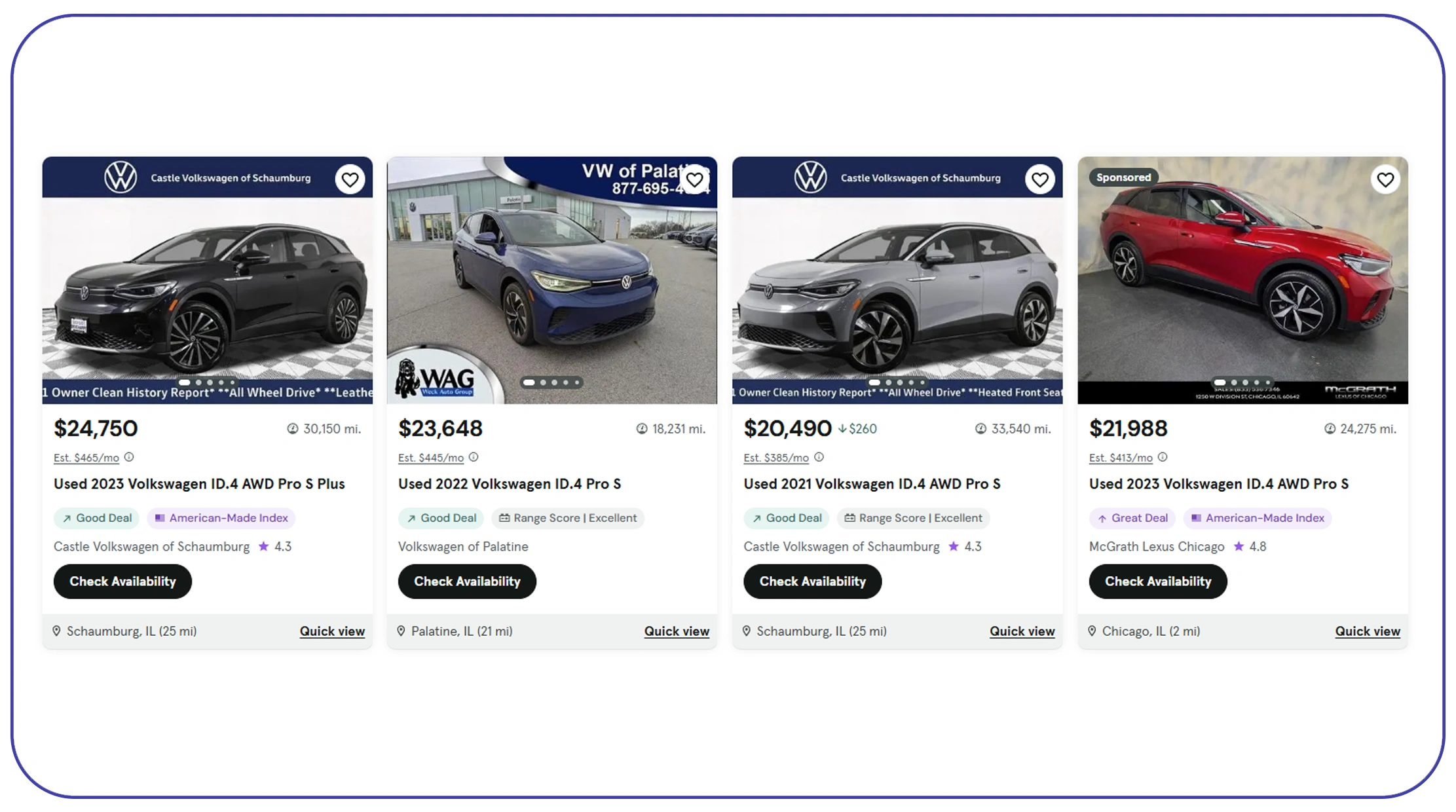
The U.S. automotive market is influenced by multiple dynamic factors:
- Supply chain disruptions
- Consumer demand shifts
- Fuel prices and economic conditions
- Seasonal buying trends
- Regional vehicle preferences
For example, electric vehicles may see higher adoption in urban regions, while trucks and SUVs dominate rural markets. Without accurate insights, businesses risk:
- Overpricing or underpricing vehicles
- Losing competitive advantage
- Inefficient inventory management
By leveraging scrape used car data pricing insights in the USA, companies can:
- Optimize pricing strategies
- Improve inventory turnover
- Enhance customer targeting
- Maximize profit margins
The Role of Web Scraping in Automotive Intelligence
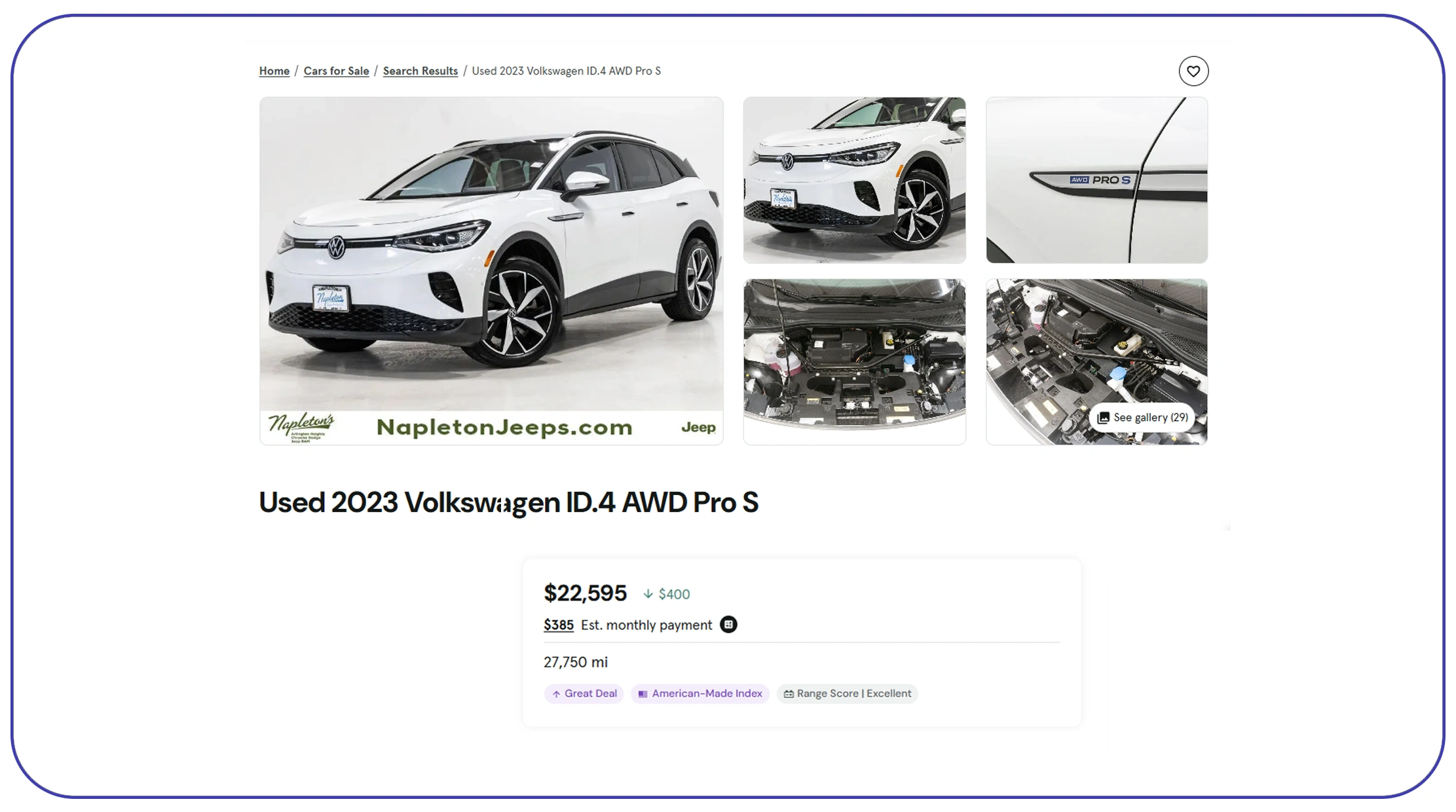
Web scraping automates the collection of data from automotive platforms, enabling businesses to:
- Extract car listings data for automotive market insights USA
- Monitor competitor pricing strategies
- Track vehicle availability and demand
- Analyze historical pricing trends
Using enterprise web crawling, organizations can collect millions of data points daily, transforming raw data into actionable intelligence.
Key Data Sources for Automotive Market Insights
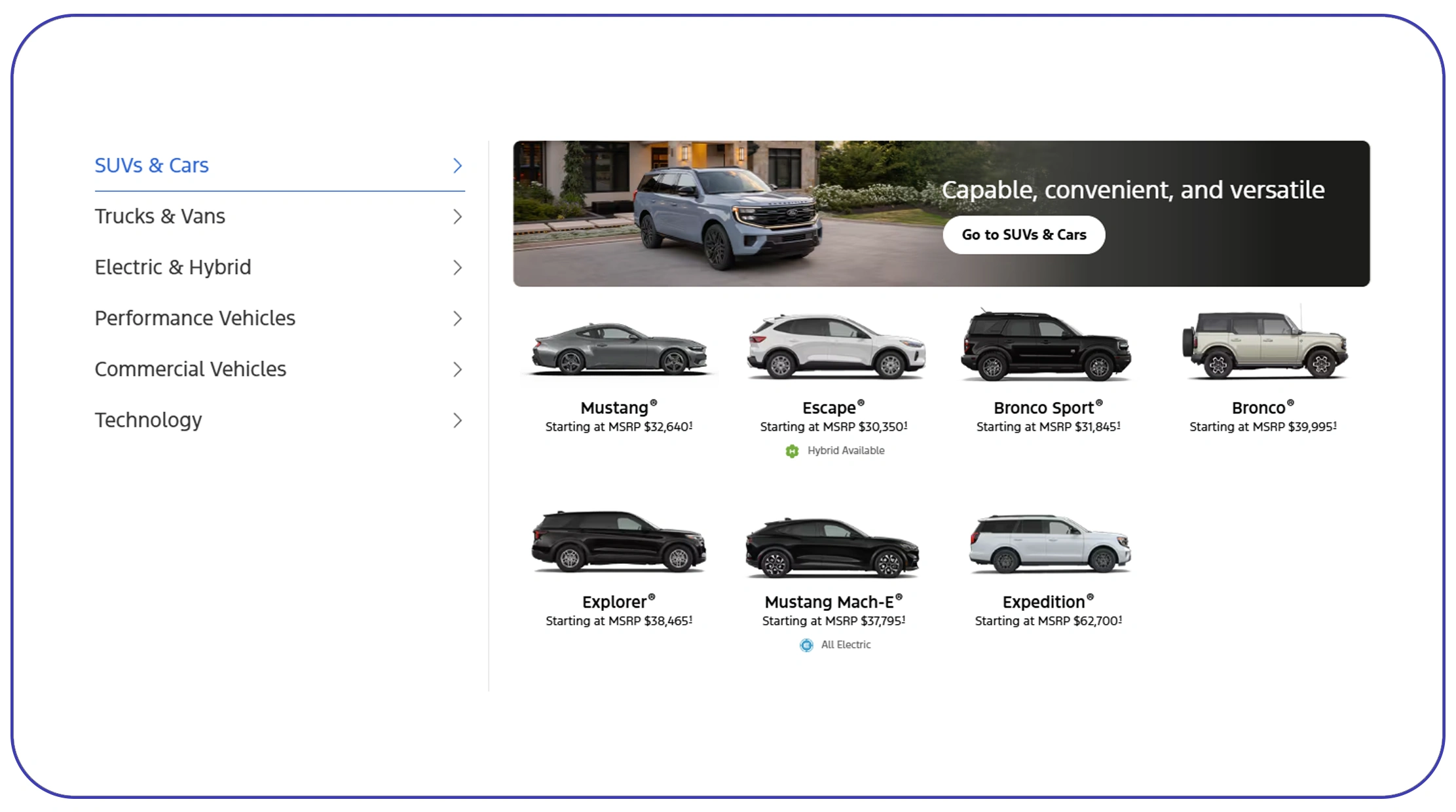
To build a comprehensive automotive intelligence system, businesses rely on multiple data sources:
-
Automotive Marketplaces
- AutoTrader
- Cars.com
- CarGurus
These platforms provide:
- Vehicle pricing
- Specifications and mileage
- Dealer vs private listings
-
Dealership Websites
Direct dealer websites offer:
- Exclusive deals
- Inventory updates
- Promotional pricing
-
Classified Platforms
- Craigslist
- Facebook Marketplace
- Useful for tracking:
- Local demand
- Private seller trends
-
Auction Platforms
- Manheim
- Copart
Provide insights into:
- Wholesale pricing
- Dealer acquisition trends
How Businesses Use Scraped Automotive Data
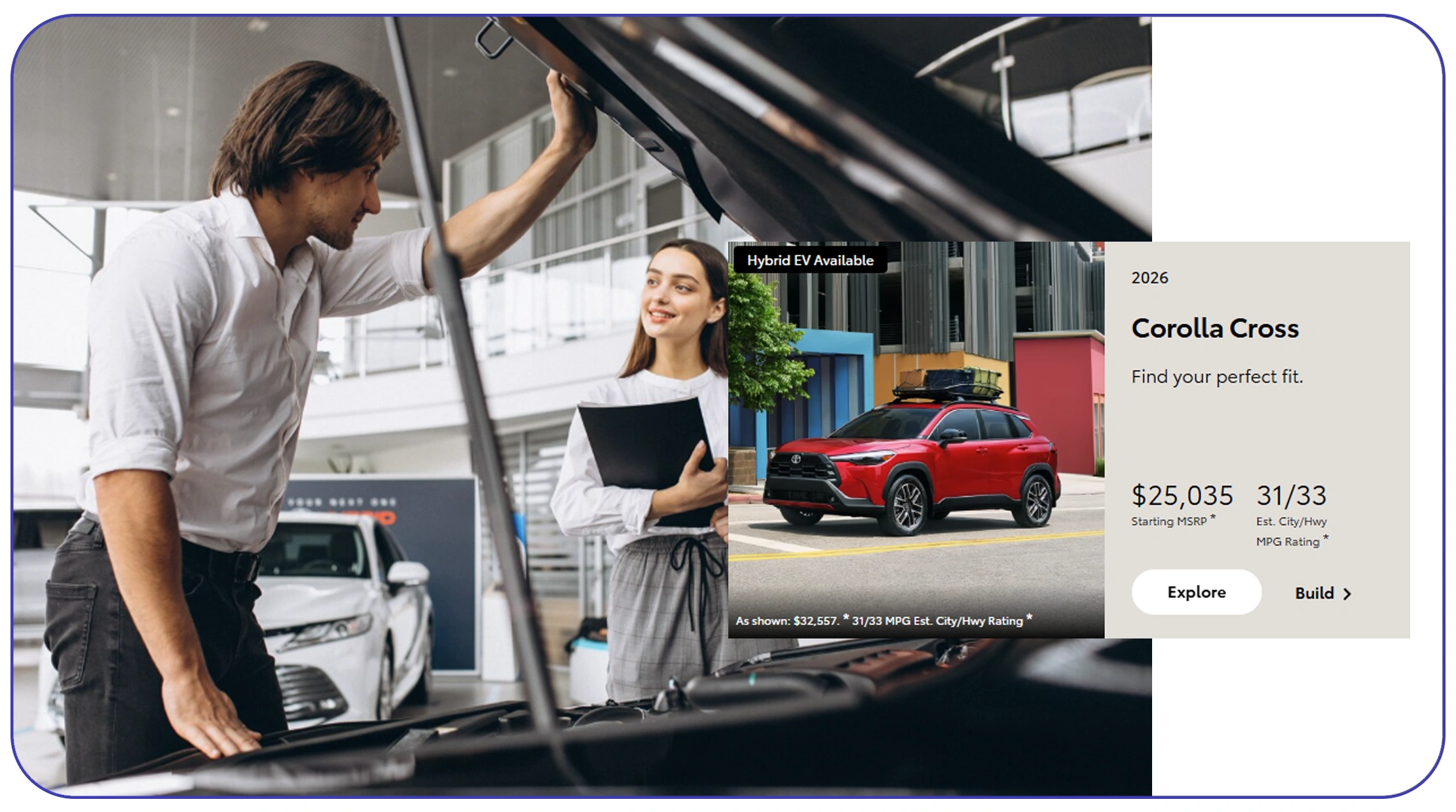
1. Dynamic Pricing Optimization
With dynamic pricing, dealerships can adjust vehicle prices in real time based on:
● Competitor listings
● Demand fluctuations
● Inventory levels
This ensures faster sales and improved margins.
2. Competitive Analysis
Using a USA automotive market data scraper for competitive analysis, businesses can:
● Benchmark competitor pricing
● Identify pricing gaps
● Adjust strategies instantly
3. Demand Forecasting
Scraped data enables businesses to:
● Predict high-demand vehicles
● Analyze seasonal trends
● Plan inventory effectively
4. Inventory Optimization
Data-driven insights help:
● Stock high-demand vehicles
● Reduce unsold inventory
● Improve procurement decisions
Python Code: Automotive Market Data Scraper
import asyncio
from playwright.async_api import async_playwright
import pandas as pd
from datetime import datetime

async def scrape_auto_data(region):
   async with async_playwright() as p:
       browser = await p.chromium.launch(headless=True)
       page = await browser.new_page()

       url = f"https://example-auto-site.com/search?region={region}"
       await page.goto(url, wait_until="networkidle")

       cars = await page.query_selector_all(".listing")
       results = []

       for car in cars:
           name = await car.query_selector(".title")
           price = await car.query_selector(".price")
           specs = await car.query_selector(".specs")

           results.append({
               "region": region,
               "vehicle": await name.inner_text() if name else None,
               "price": await price.inner_text() if price else None,
               "specs": await specs.inner_text() if specs else None,
               "scraped_at": datetime.utcnow().isoformat()
           })

       await browser.close()
       return pd.DataFrame(results)

usa_data = asyncio.run(scrape_auto_data("usa"))
usa_data.to_csv("automotive_market_data.csv", index=False)
This helps build a structured dataset for real-time automotive market data intelligence USA.
Web Scraping API Use Cases in Automotive Industry
A Web Scraping API simplifies large-scale data extraction and ensures scalability.
Key Use Cases:
- Real-time vehicle price tracking
- Competitive benchmarking
- Demand analysis
- Inventory optimization
- Predictive pricing models
Using web scraping services USA, businesses can focus on insights rather than infrastructure.
Building a High-Quality Automotive Dataset
A robust dataset includes:
- Vehicle pricing history
- Mileage and specifications
- Location-based demand
- Seller type (dealer/private)
- Listing duration
This dataset powers:
- Trend analysis
- Forecasting models
- Strategic decision-making
Challenges in Automotive Data Scraping
1. Dynamic Website Changes
Frequent UI updates require maintenance.
2. Anti-Scraping Mechanisms
CAPTCHA, IP blocking, and rate limiting.
3. Data Inconsistency
Different formats across platforms.
4. Scalability
Handling millions of listings daily.
Best Practices for Automotive Data Extraction
- Use reliable Web Scraping API solutions
- Implement proxy rotation
- Clean and normalize data
- Follow compliance guidelines
- Use scalable enterprise web crawling systems
Future of Automotive Market Intelligence
The automotive industry is moving toward:
- AI-driven pricing models
- Predictive analytics
- Real-time dashboards
- Automated decision systems
Businesses investing in web scraping automotive market data intelligence in USA will lead the future of automotive analytics.
Conclusion: Transform Automotive Intelligence with Real Data API
In today’s competitive automotive ecosystem, success depends on how effectively businesses can scrape used car data pricing insights in the USA and convert that data into actionable strategies.
From extract car listings data for automotive market insights USA to implementing dynamic pricing, web scraping enables organizations to stay ahead in a rapidly evolving market.
However, building and maintaining large-scale scraping systems can be complex and resource-intensive. That’s where Real Data API becomes a game-changer.
Why Choose Real Data API?
Real Data API is a powerful, enterprise-grade solution designed to deliver real-time automotive market data intelligence USA at scale.
- Access millions of vehicle listings across platforms
- Scalable and reliable Web Scraping API
- Clean, structured, analytics-ready datasets
- Support for enterprise web crawling
- Minimal maintenance with maximum performance
Take the Next Step
If you want to:
- Build a USA automotive market data scraper for competitive analysis
- Track vehicle pricing trends in real time
- Optimize inventory and pricing strategies
- Scale your automotive data intelligence
Start using Real Data API today and unlock the full potential of automotive data.
Real Data API — Driving Smarter Decisions in Automotive Intelligence.
Latest posts

How Myntra Fashion Dataset Solves Fashion Intelligence Challenges Across Products, Prices, Brands, and Fashion Market Trends?
How Hyatt Travel Dataset Helps Businesses Track Hotels, Room Prices, Amenities, Locations, and Travel Trends?

How Louis Vuitton Fashion Dataset Enables Better Analysis of Luxury Products, Prices, Brands, and Fashion Trends?
How Blinkit Grocery Dataset Enables Smarter Analysis of Products, Prices, Availability, and Quick-Commerce Trends?







.png)



