
Introduction
Pricing is one of the most critical factors influencing success in the online retail industry. E-commerce companies constantly compete with thousands of sellers offering similar products across marketplaces and brand websites. Even a small pricing mistake can lead to significant revenue loss—either through underpricing that cuts into profit margins or overpricing that drives customers to competitors. This is why web scraping competitor prices in USA for e-commerce businesses has become an essential strategy for modern retailers. By collecting competitor pricing information at scale, companies gain visibility into market positioning, discount patterns, and product demand across different platforms.
Businesses now rely on advanced tools like E-Commerce Data Scraping API solutions to automate the process of collecting pricing data from multiple e-commerce websites. These tools enable brands, retailers, and analysts to monitor price fluctuations in real time, evaluate competitive positioning, and adjust pricing strategies dynamically. According to industry reports, nearly 72% of online retailers adopted automated price intelligence tools between 2020 and 2025 to remain competitive in digital marketplaces. Data-driven pricing decisions help businesses protect margins while ensuring their products remain attractive to price-sensitive shoppers. By leveraging automated data collection and analytics, e-commerce companies can make smarter pricing decisions, reduce revenue leakage, and stay competitive in an increasingly dynamic online retail environment.
Market Visibility Through Competitive Price Intelligence
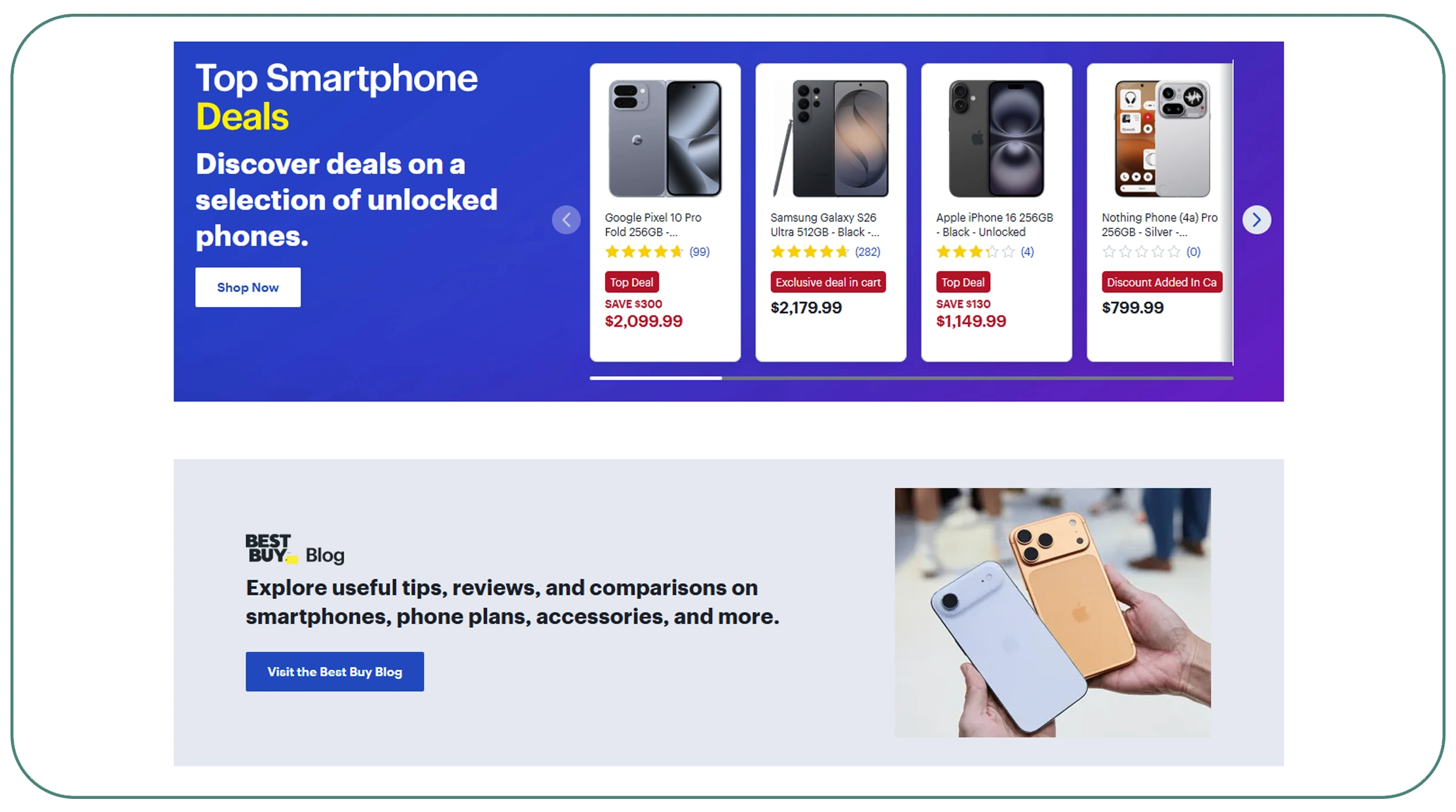
One of the biggest challenges e-commerce retailers face is maintaining visibility into competitor pricing strategies. Retailers operating in the U.S. market compete with thousands of brands selling across Amazon, Walmart, Target, and independent online stores. To stay competitive, businesses increasingly scrape product prices from e-commerce websites USA to understand how competitors price similar items and respond to market fluctuations.
Between 2020 and 2026, the adoption of automated price monitoring tools increased dramatically as retailers recognized the value of competitor insights. Companies using automated price intelligence platforms reported improved margin management and better promotional strategies. By continuously monitoring competitor product listings, retailers can identify pricing gaps, detect aggressive discounting campaigns, and adjust prices before losing customers.
Year
| Year | Retailers Using Price Monitoring Tools | Avg. Pricing Adjustment Frequency |
|---|---|---|
| 2020 | 38% | Weekly |
| 2022 | 51% | Daily |
| 2024 | 64% | Multiple times per day |
| 2026 | 73% | Real-time |
Price monitoring also supports inventory management and promotional planning. For example, retailers can align their sales campaigns with competitor promotions or strategically reduce prices when competitors increase theirs. This proactive approach enables brands to retain customers and maximize profitability. With automated data pipelines collecting pricing data continuously, businesses gain a clearer understanding of competitive dynamics and make smarter pricing decisions that protect revenue and market share.
Dynamic Pricing in Modern Online Retail
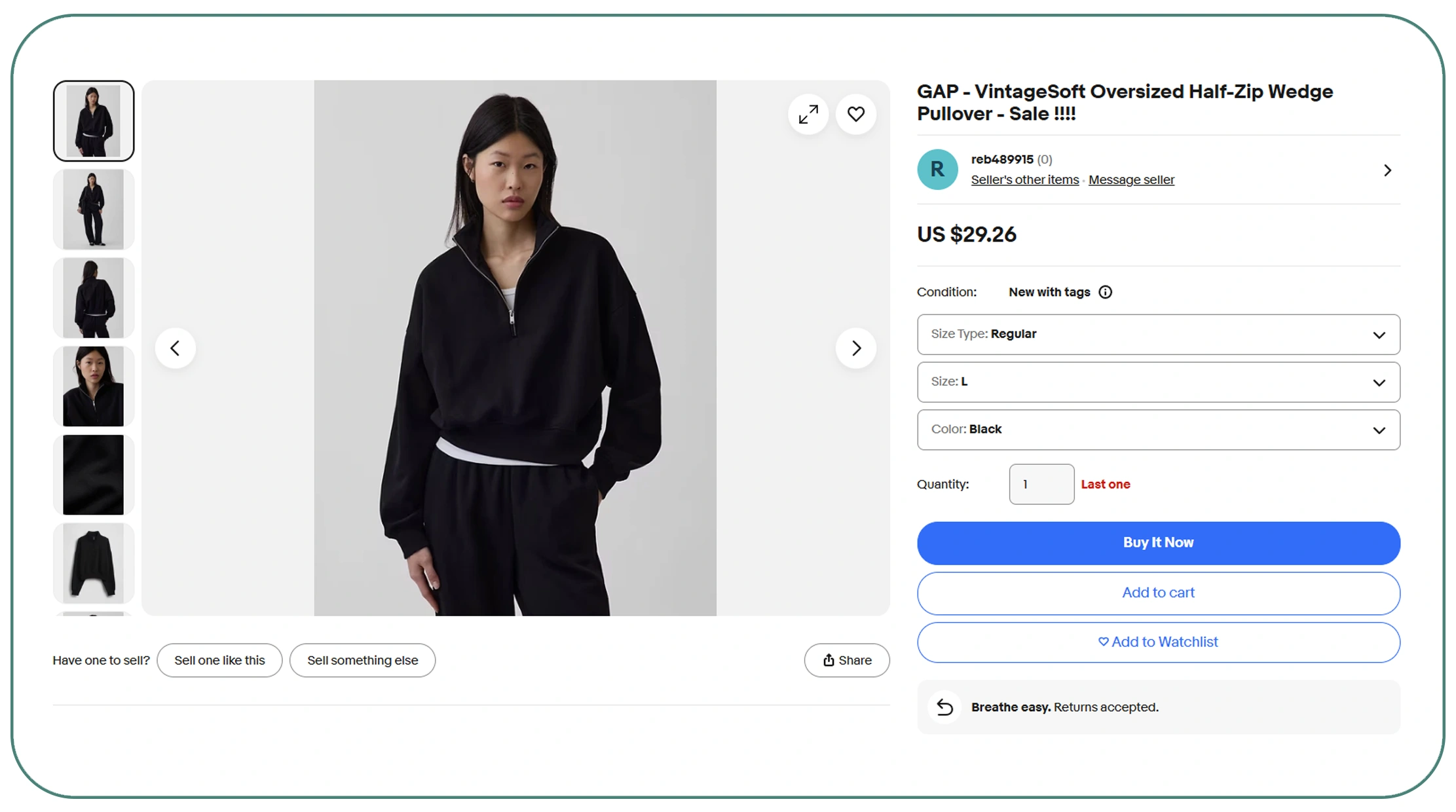
Dynamic pricing has become a core strategy for online retailers seeking to remain competitive in fast-moving digital marketplaces. Instead of maintaining static prices, companies rely on real-time price data scraping for online retailers to adjust prices automatically based on competitor activity, demand signals, and market conditions.
Real-time pricing intelligence allows businesses to react quickly to market shifts. For example, if a competitor lowers the price of a high-demand product, retailers can instantly update their pricing to remain competitive. Conversely, if competitors increase prices due to limited inventory, businesses can capitalize on higher margins. These adjustments can occur multiple times per day depending on demand fluctuations.
Year
| Year | Avg. Price Changes per Product (Monthly) | Revenue Impact from Dynamic Pricing |
|---|---|---|
| 2020 | 4 | +5% revenue improvement |
| 2022 | 9 | +9% revenue improvement |
| 2024 | 15 | +13% revenue improvement |
| 2026 | 22 | +18% revenue improvement |
Retailers leveraging automated pricing data systems gain a strategic advantage because they can make faster decisions than competitors relying on manual monitoring. Additionally, real-time insights help businesses identify seasonal trends, promotional opportunities, and competitor discount cycles. By integrating pricing intelligence into their analytics workflows, companies create adaptive pricing strategies that maximize both competitiveness and profitability in crowded e-commerce marketplaces.
Understanding Marketplace Competition

Online marketplaces such as Amazon, Walmart Marketplace, and eBay have transformed the competitive landscape for retailers. Sellers must constantly evaluate competitor pricing across these platforms to maintain their product visibility and Buy Box eligibility. Businesses that Extract online e-commerce marketplace pricing data gain critical insights into how competitors price products, run promotions, and manage inventory.
Marketplace pricing intelligence provides a comprehensive view of product positioning. For example, businesses can track price differences between brand websites and marketplaces, identify which competitors dominate specific categories, and understand how promotional discounts influence sales volume. This information enables retailers to optimize pricing strategies across multiple sales channels.
Year
| Year | Marketplace Share of U.S. E-Commerce | Sellers Using Price Intelligence |
|---|---|---|
| 2020 | 56% | 41% |
| 2022 | 60% | 52% |
| 2024 | 63% | 65% |
| 2026 | 67% | 74% |
Marketplace data also supports strategic decision-making around product launches and category expansion. By analyzing competitor pricing across marketplaces, businesses can identify underserved price segments or premium opportunities. Ultimately, comprehensive marketplace price monitoring ensures that retailers maintain competitive listings and maximize their visibility in high-traffic online marketplaces.
Data-Driven Market Trend Analysis
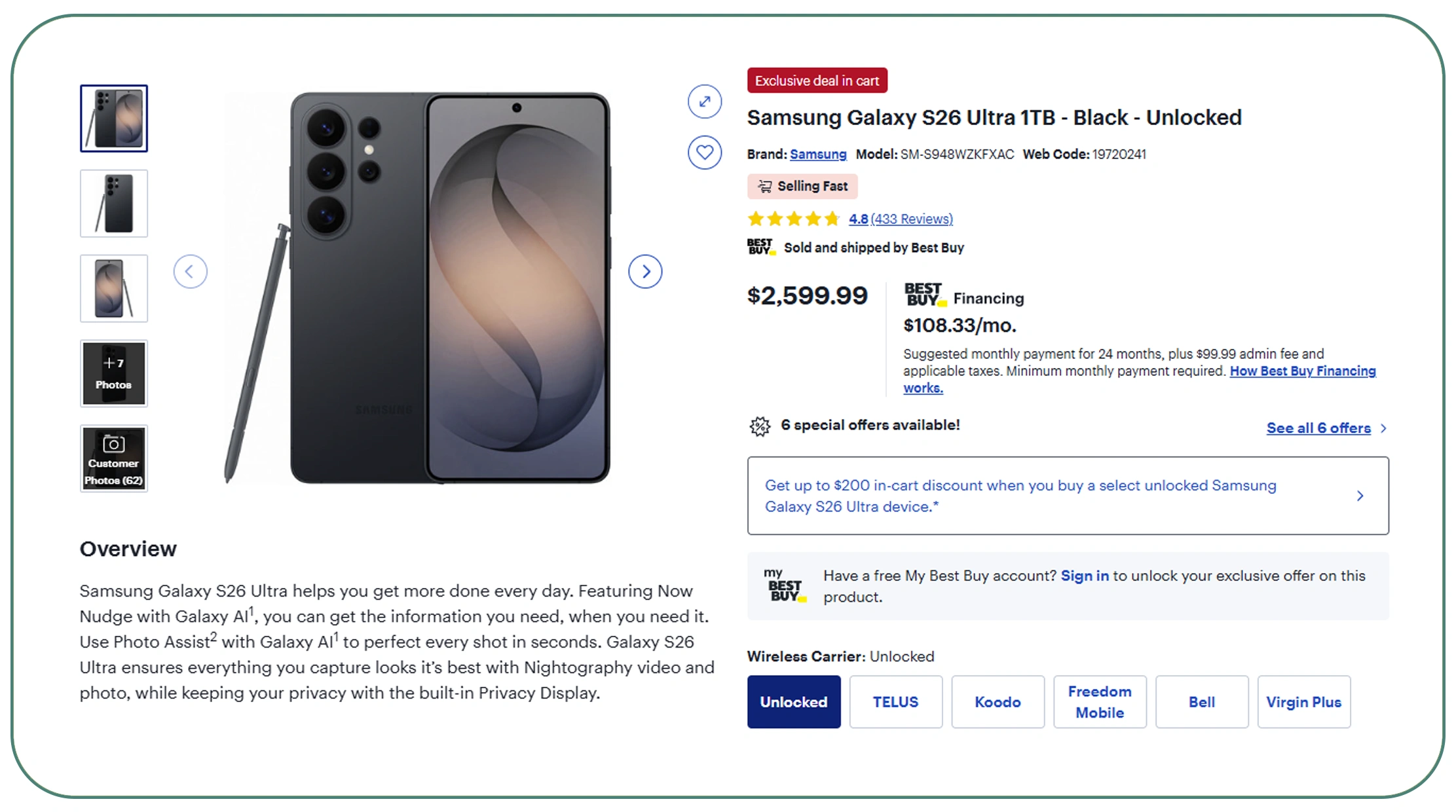
Beyond individual product monitoring, pricing data can reveal broader market trends that influence long-term business strategy. Companies conducting e-commerce price trend analysis data extraction USA can evaluate how prices evolve across product categories, seasons, and geographic regions.
Trend analysis helps businesses anticipate demand shifts and optimize their pricing strategies accordingly. For example, analyzing historical pricing data can reveal patterns such as holiday discounts, seasonal price spikes, or inventory-driven markdowns. Retailers use these insights to plan promotions, forecast revenue, and adjust procurement strategies.
Year
| Year | Companies Using Price Trend Analytics | Forecast Accuracy Improvement |
|---|---|---|
| 2020 | 33% | +6% |
| 2022 | 45% | +11% |
| 2024 | 58% | +16% |
| 2026 | 70% | +22% |
Long-term price trend analysis also supports competitive benchmarking. Businesses can evaluate whether their pricing strategy aligns with market averages, premium positioning, or discount leadership. With accurate trend insights, companies can develop pricing models that maximize both sales volume and profitability while maintaining strong competitive positioning in the market.
Powering Insights with Structured Data
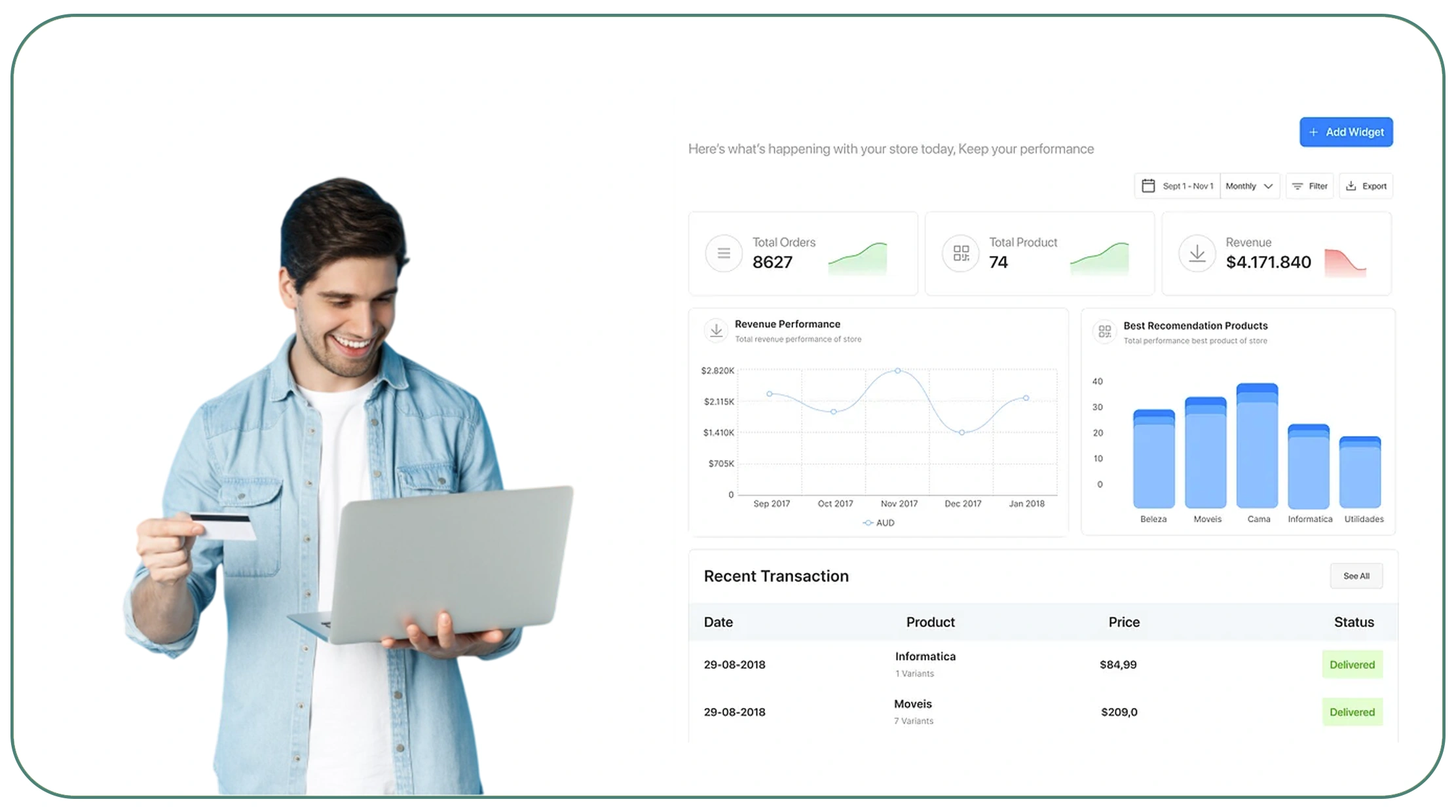
Reliable decision-making requires structured and organized information. Retailers increasingly rely on large-scale E-Commerce Dataset collections that include product prices, ratings, availability, seller details, and promotional information. These datasets enable advanced analytics and machine learning models to identify patterns and optimize pricing strategies.
Comprehensive datasets allow businesses to compare pricing across multiple product categories and platforms simultaneously. Retailers can also integrate these datasets with internal sales data to identify correlations between price changes and conversion rates. As a result, companies can refine their pricing models and develop more accurate demand forecasts.
Year
| Year | Avg. Dataset Size (Product Records) | Businesses Using Data Analytics |
|---|---|---|
| 2020 | 1 million | 42% |
| 2022 | 3 million | 54% |
| 2024 | 6 million | 67% |
| 2026 | 10 million+ | 76% |
Access to comprehensive pricing datasets transforms raw market data into actionable insights. Businesses can evaluate competitor pricing strategies, understand consumer behavior, and optimize marketing campaigns. As e-commerce continues to expand, structured data will remain essential for making informed decisions and maintaining a competitive edge.
Automation for Scalable Data Collection
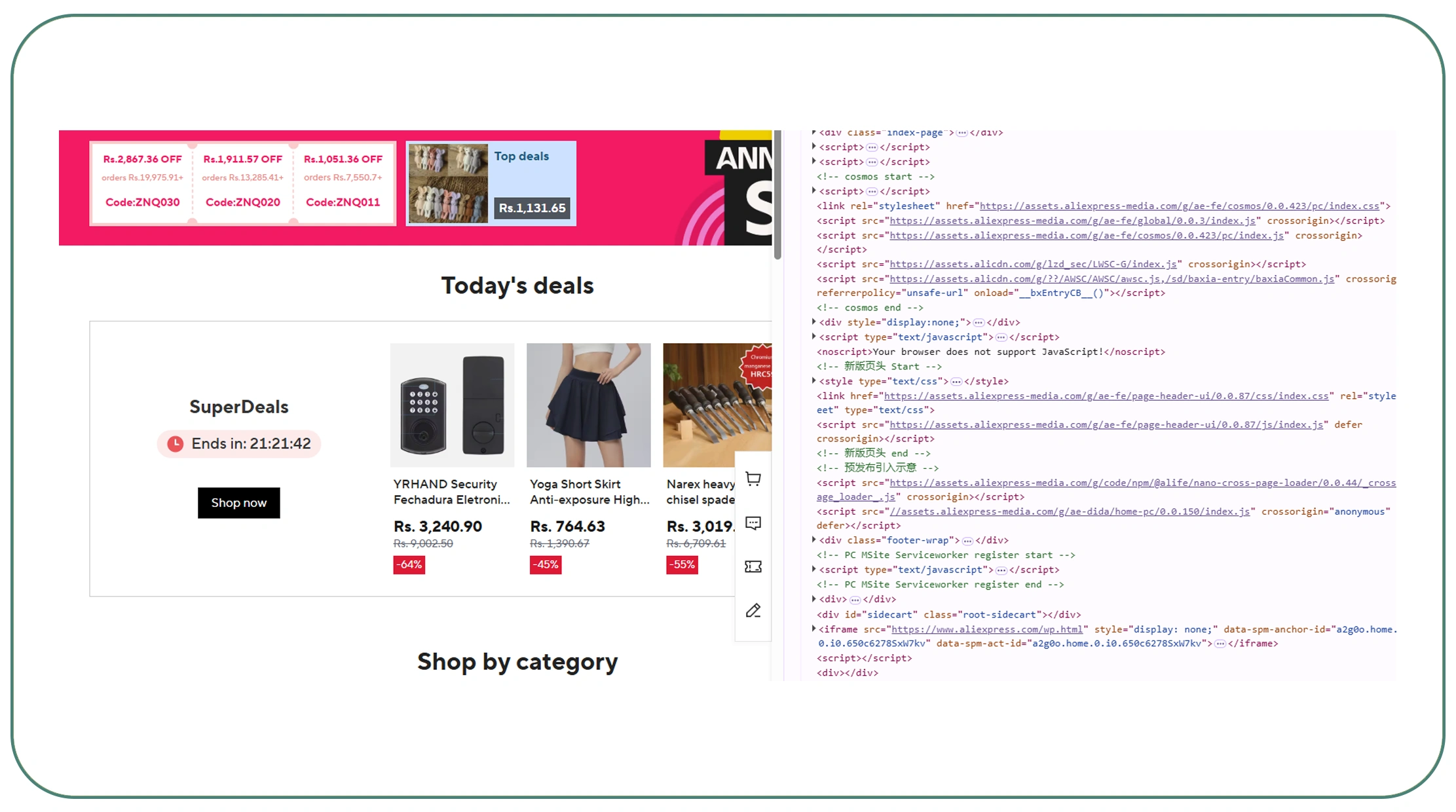
Collecting pricing information manually is inefficient and impractical for businesses monitoring thousands of products across multiple websites. Automation through a robust Web Scraping API enables companies to gather pricing data at scale while maintaining accuracy and efficiency.
Automated APIs can collect product data continuously, delivering structured information in real time. Retailers integrate these APIs into pricing dashboards and analytics systems to monitor competitor pricing without manual intervention. This automation significantly reduces operational costs while improving the speed of decision-making.
Year
| Year | Businesses Using Scraping APIs | Data Collection Speed |
|---|---|---|
| 2020 | 29% | Daily updates |
| 2022 | 43% | Hourly updates |
| 2024 | 58% | Near real-time |
| 2026 | 72% | Real-time |
API-driven data collection also ensures reliability and scalability. Retailers can monitor multiple marketplaces, track thousands of SKUs, and analyze competitor promotions without interruptions. By automating price intelligence workflows, businesses gain continuous insights into market conditions and can adapt quickly to changing competitive environments.
Why Choose Real Data API?
For businesses aiming to implement advanced pricing intelligence strategies, reliable data access is critical. Real Data API provides scalable data extraction solutions that enable retailers to monitor competitor prices, analyze trends, and optimize pricing strategies efficiently. Through advanced Price Comparison capabilities and automated data pipelines, companies can leverage web scraping competitor prices in USA for e-commerce businesses to gain real-time visibility into the competitive landscape.
Real Data API solutions help organizations collect structured pricing information from multiple e-commerce platforms, ensuring consistent and accurate data delivery. Retailers can integrate these insights directly into pricing dashboards, analytics platforms, and decision-making workflows. By combining automation with scalable infrastructure, Real Data API empowers businesses to make data-driven pricing decisions that improve profitability and competitiveness.
Conclusion
In today’s highly competitive online retail environment, pricing intelligence is essential for protecting profit margins and maintaining market share. Businesses that leverage web scraping competitor prices in USA for e-commerce businesses gain a clear understanding of competitor strategies, market trends, and consumer pricing expectations. By integrating automated data extraction tools and analytics, retailers can avoid revenue loss caused by underpricing or overpricing while responding quickly to market changes.
Data-driven pricing strategies enable businesses to stay competitive, improve customer acquisition, and maximize profitability in dynamic e-commerce markets. Companies that invest in automated price intelligence solutions will be better positioned to adapt to evolving market conditions and maintain long-term growth.
Start leveraging web scraping competitor prices in USA for e-commerce businesses today with Real Data API to gain real-time pricing insights and make smarter, data-driven e-commerce decisions!
Latest posts
E-commerce data scraper for inventory analysis 2027 - Real-Time Stock Tracking and Demand Forecasting

How Meesho API data extraction for product research Helps E-Commerce Brands Improve Product Selection and Market Intelligence?
How AliExpress API integration for automated data collection Streamlines Product Monitoring, Price Tracking, and Seller Intelligence
How H&M data scraping for fashion retail analytics Enhances Stock Monitoring, Apparel Pricing, and Product Category Insights







.png)