Introduction
The Middle East grocery sector is undergoing rapid digital transformation, driven by expanding urban populations, rising disposable incomes, and increasing reliance on online and app-based shopping. Retailers like LuLu Hypermarket play a central role in shaping regional grocery consumption across the UAE, Saudi Arabia, Qatar, and beyond. To stay competitive in such a fast-moving environment, businesses need continuous access to accurate and real-time insights. This is where web scraping Middle East grocery market intelligence data becomes essential, enabling brands and analysts to monitor pricing movements, product availability, and shifting consumer demand patterns. By leveraging automated data pipelines such as the LuLu Hypermarket Grocery Scraping API, organizations can replace manual tracking with scalable intelligence systems. These insights help retailers, suppliers, and CPG brands make informed decisions, optimize assortments, and respond proactively to market changes across the Middle East grocery landscape.
Understanding Retail Signals Across a Regional Giant
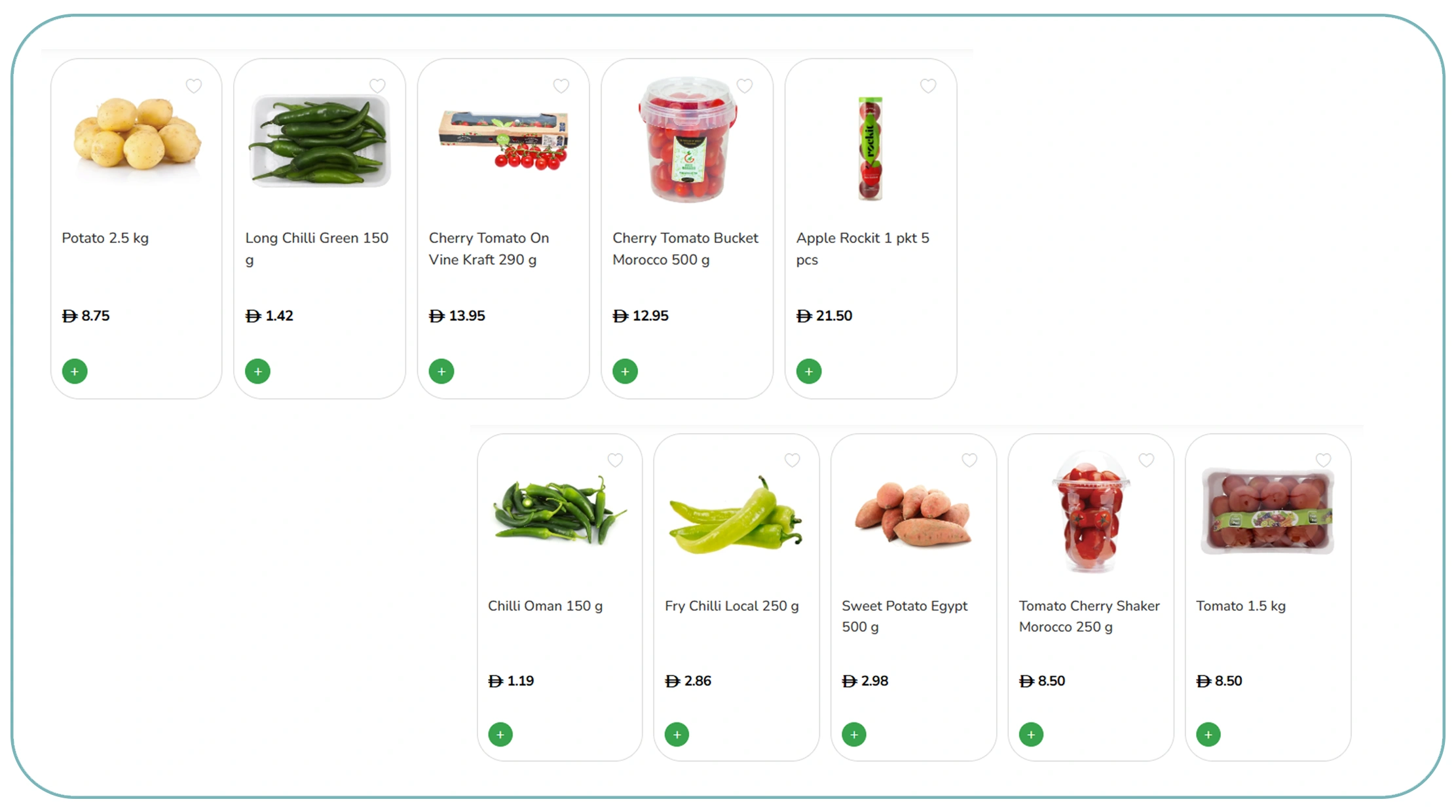
LuLu Hypermarket operates across multiple Middle Eastern markets, each with distinct pricing strategies, consumer preferences, and product assortments. Lulu Hypermarket data scraping for retail insights allows businesses to capture these variations at scale, offering a granular view of how products perform across regions and store formats. From daily essentials to imported premium goods, data extraction reveals which categories experience consistent demand and which are more volatile.
Between 2020 and 2026, LuLu's regional assortment expanded significantly, reflecting growing consumer diversity and cross-border sourcing.
| Year | Avg. SKUs per Category |
|---|---|
| 2020 | 4,200 |
| 2021 | 4,650 |
| 2022 | 5,100 |
| 2023 | 5,600 |
| 2024 | 6,050 |
| 2025 | 6,480 |
| 2026 | 6,900 |
These insights enable retailers and suppliers to align merchandising strategies with local demand while maintaining consistency across the LuLu ecosystem.
Monitoring Price Movements in a Dynamic Market
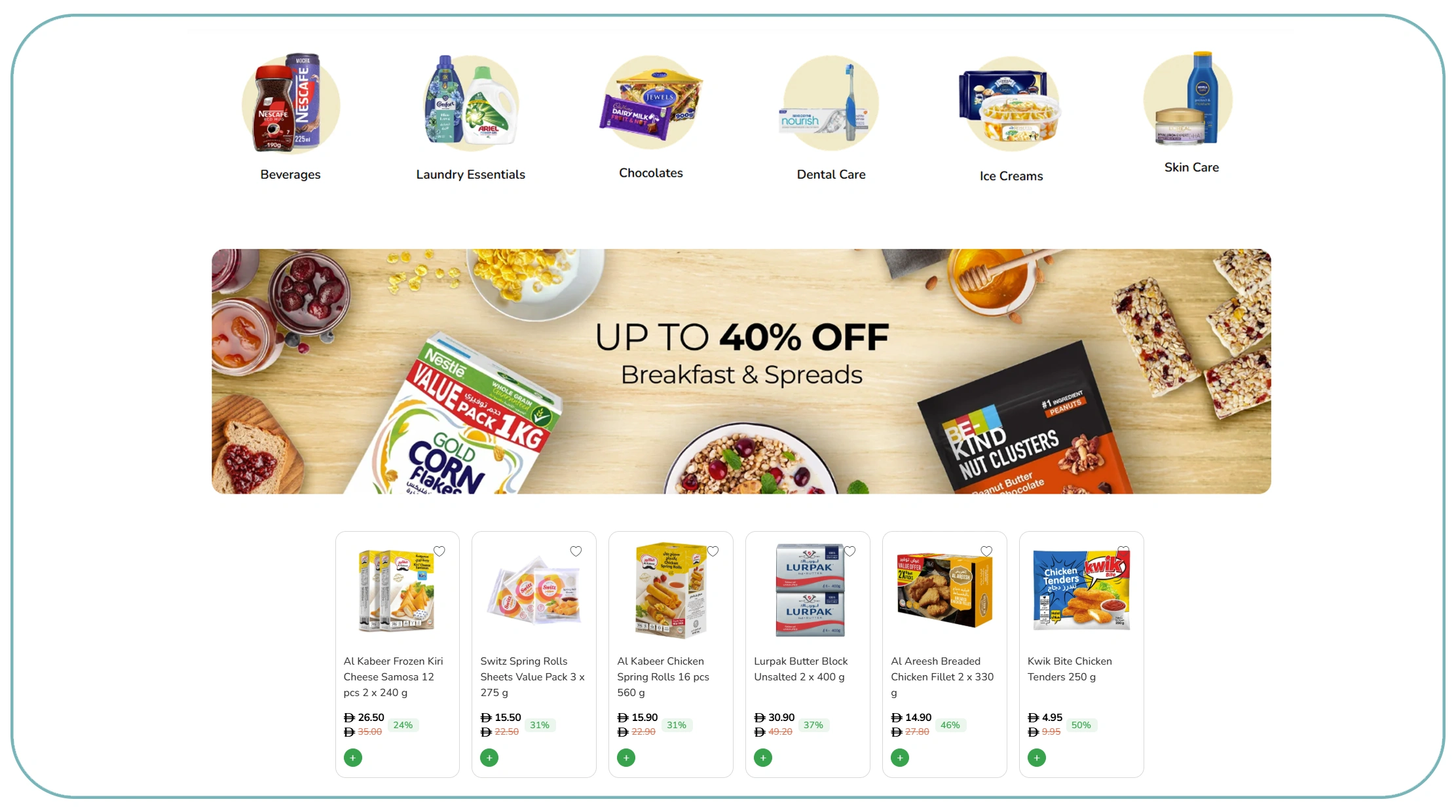
Pricing in the Middle East grocery market is influenced by import costs, currency fluctuations, promotional strategies, and regional competition. Extracting Lulu grocery prices in the Middle East helps brands and analysts understand how prices evolve over time and differ across countries and cities. This is especially critical for essential goods, where even small price changes can significantly impact consumer behavior.
From 2020 to 2026, grocery price volatility increased, driven by global supply chain disruptions and inflationary pressures.
| Year | Price Index |
|---|---|
| 2020 | 100 |
| 2021 | 104 |
| 2022 | 112 |
| 2023 | 118 |
| 2024 | 124 |
| 2025 | 129 |
| 2026 | 135 |
Tracking these trends helps businesses adjust pricing strategies proactively, ensuring competitiveness without compromising margins.
Gaining Visibility into Product Assortment and Availability
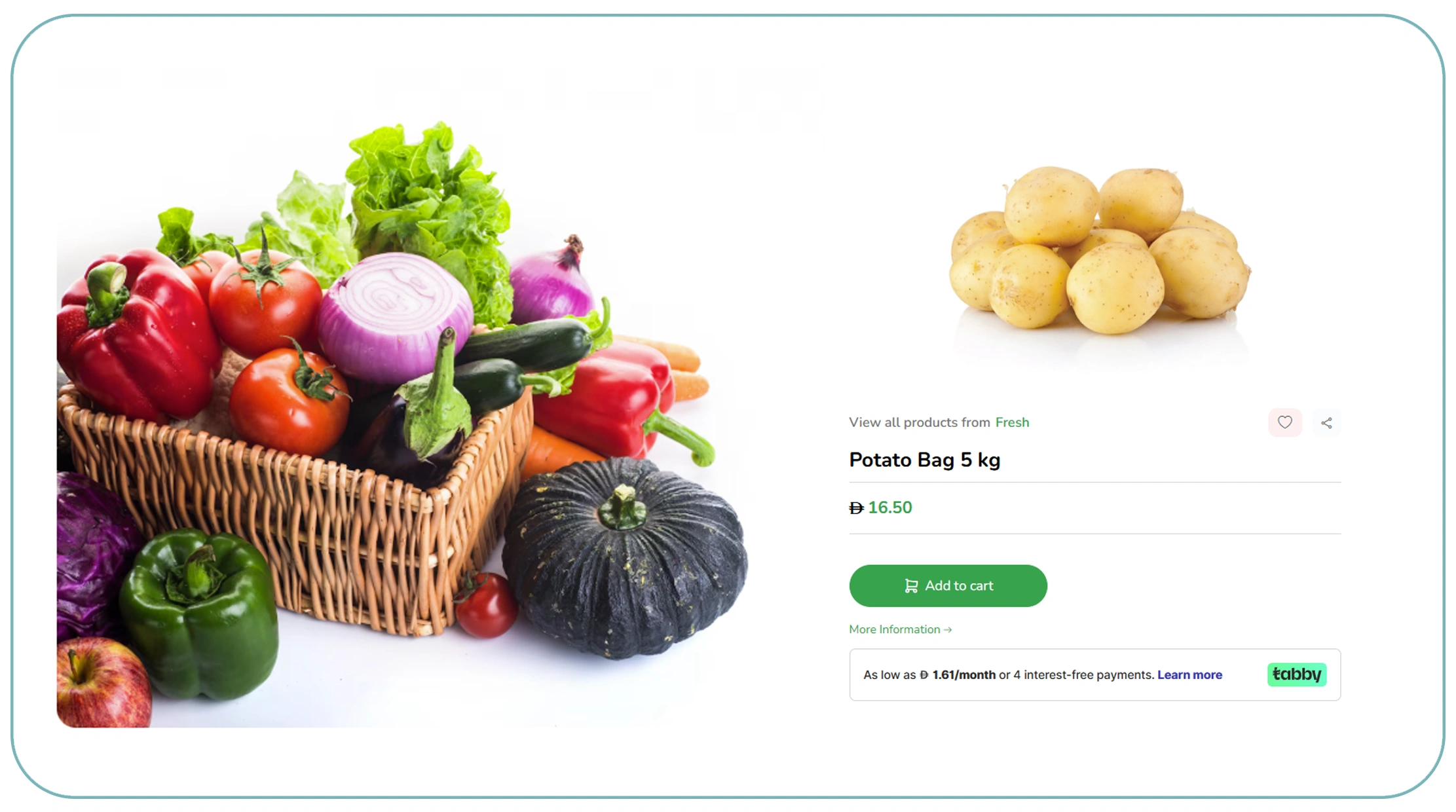
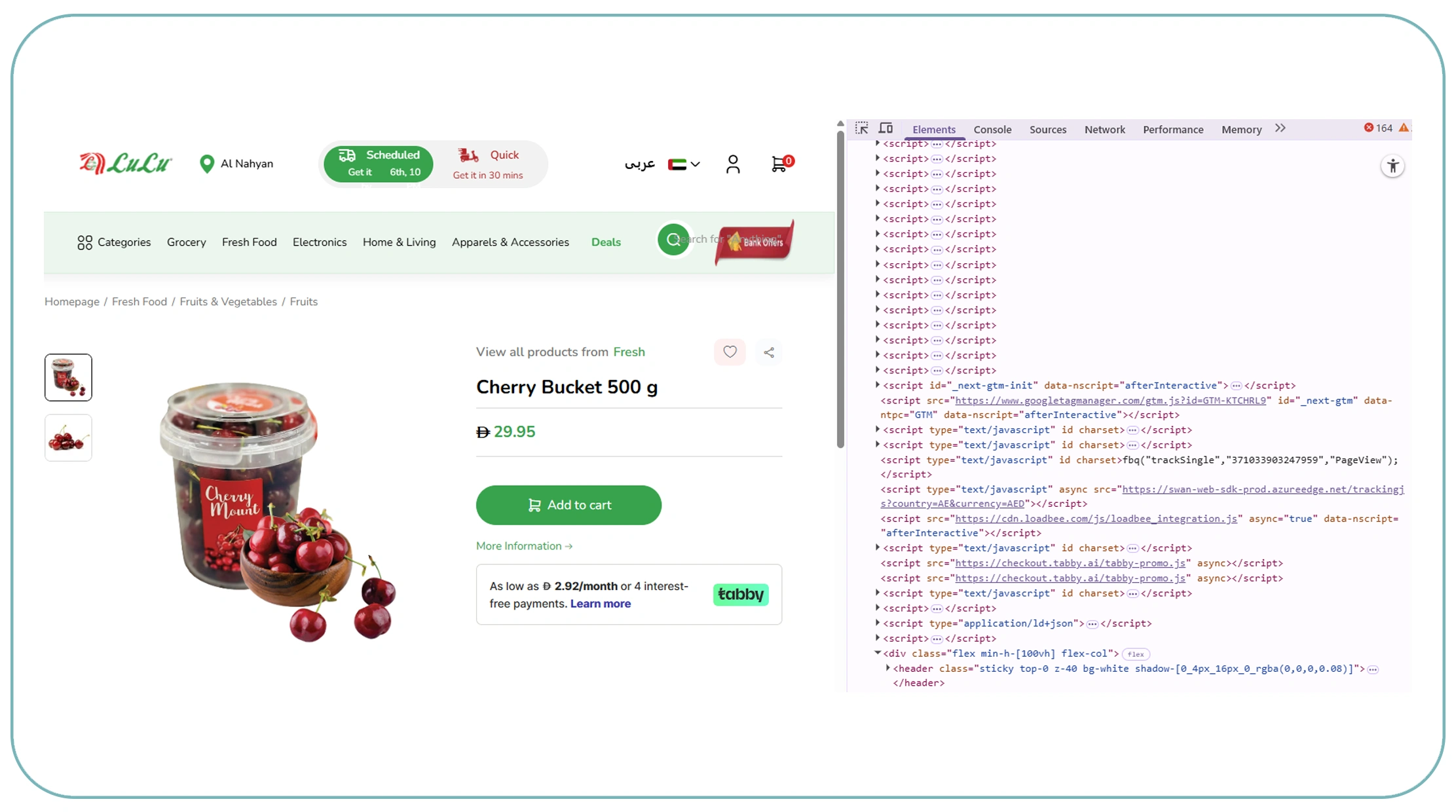
Product availability is a critical factor influencing consumer satisfaction and sales performance. A Lulu Hypermarket product catalog scraper enables continuous monitoring of product listings, categories, pack sizes, and brand presence across digital platforms. This visibility is essential for identifying assortment gaps, discontinued items, and newly launched products.
Between 2020 and 2026, online grocery assortments became more dynamic, with frequent updates driven by seasonal demand and supplier changes.
| Year | In-Stock Rate |
|---|---|
| 2020 | 95% |
| 2021 | 92% |
| 2022 | 89% |
| 2023 | 87% |
| 2024 | 85% |
| 2025 | 84% |
| 2026 | 82% |
Such insights help retailers optimize inventory planning and reduce lost sales due to stockouts.
Structuring Large-Scale Retail Intelligence Pipelines
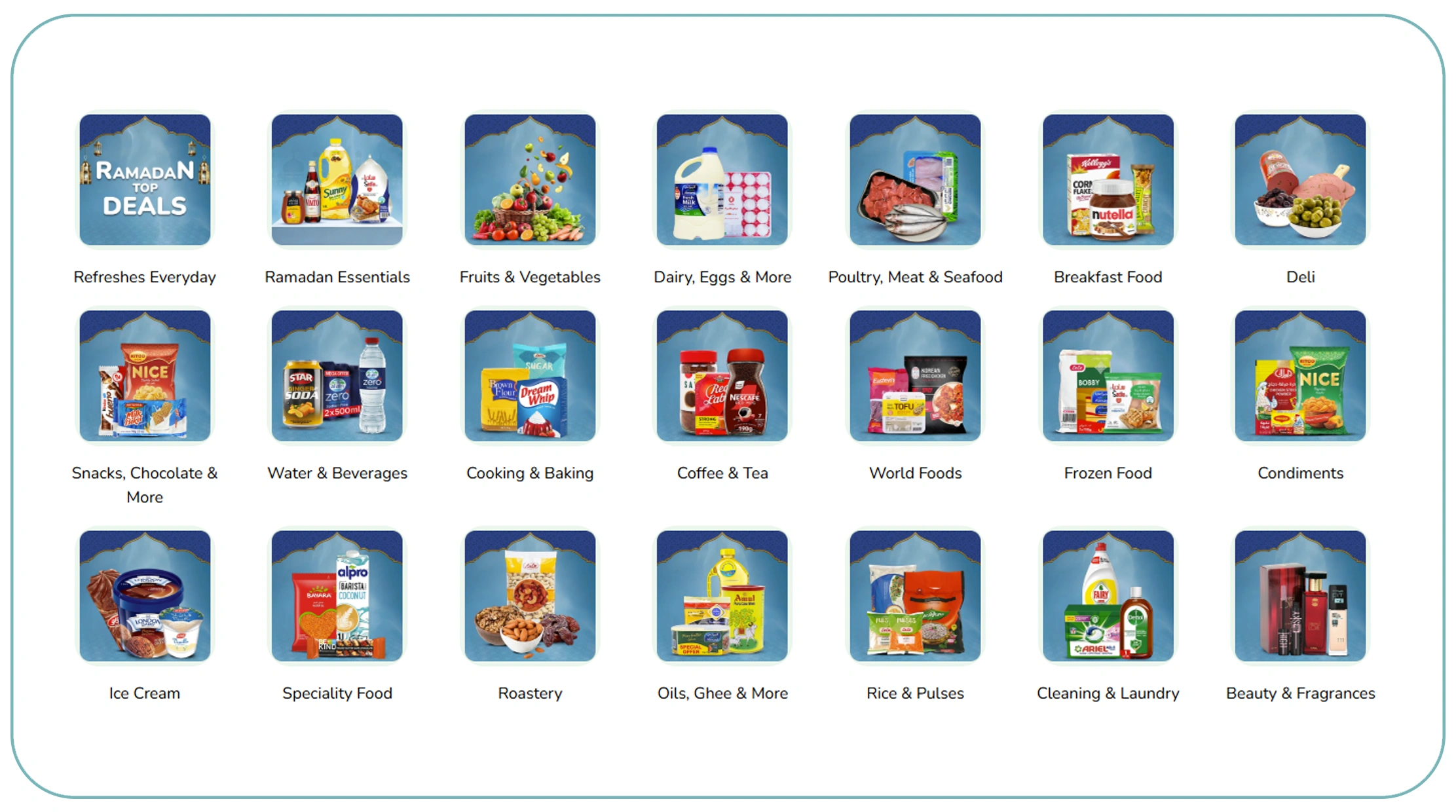
To support enterprise-level decision-making, data must be accurate, standardized, and continuously updated. Lulu Hypermarket data extraction focuses on collecting structured information across pricing, promotions, availability, and product attributes. This data forms the foundation for analytics dashboards, forecasting models, and competitive intelligence systems.
From 2020 onward, the frequency of catalog updates and price changes increased significantly, making manual tracking ineffective.
| Year | Updates per Month |
|---|---|
| 2020 | 1.3 |
| 2021 | 1.8 |
| 2022 | 2.5 |
| 2023 | 3.1 |
| 2024 | 3.6 |
| 2025 | 4.0 |
| 2026 | 4.4 |
Automated extraction ensures businesses always work with current and reliable data.
Enabling Scalable Intelligence for Grocery Analytics
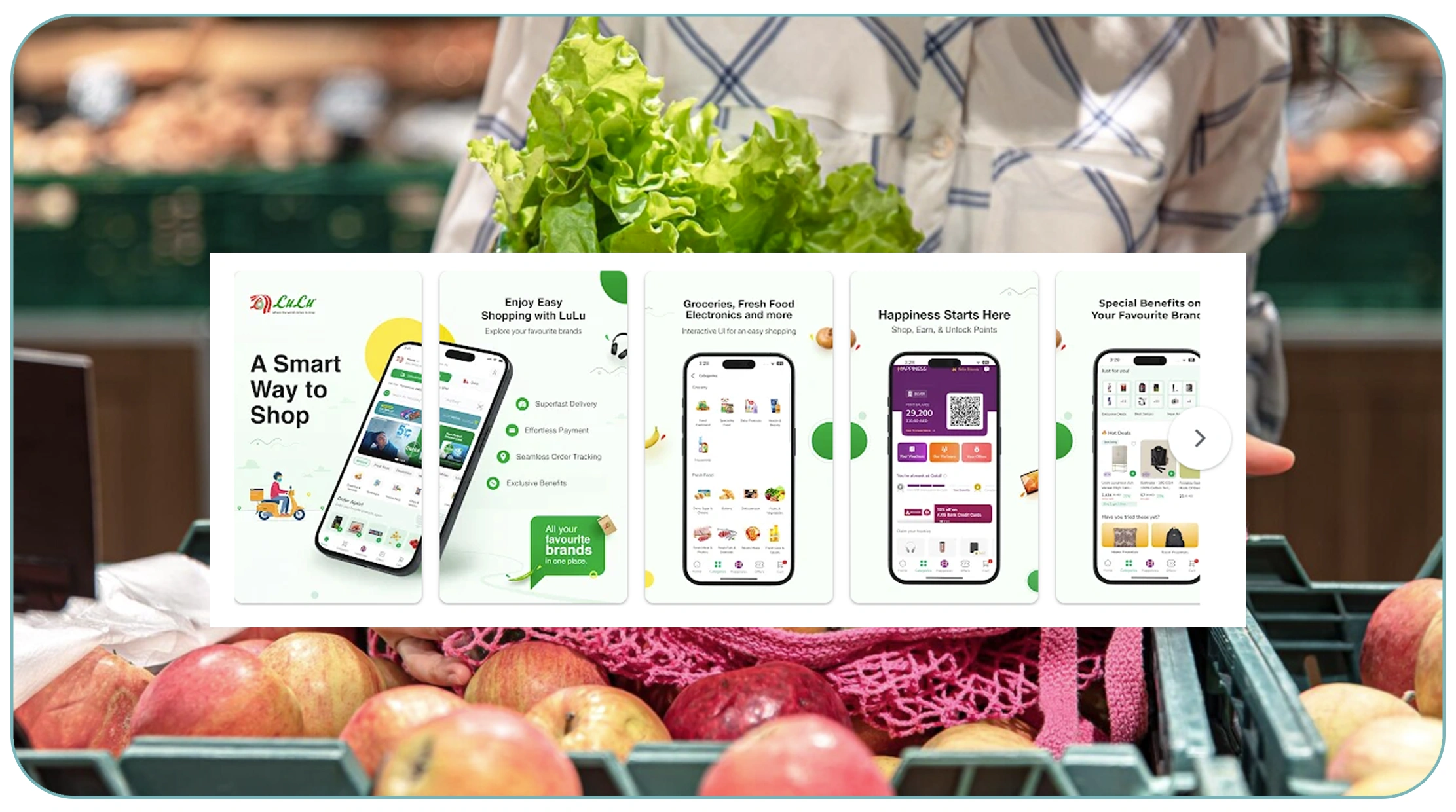
Modern grocery analytics requires flexible and scalable data access. A Grocery Data Scraping API allows businesses to integrate real-time retail data directly into their internal systems. This approach supports advanced use cases such as dynamic pricing, demand forecasting, and regional performance analysis.
Between 2020 and 2026, organizations adopting API-driven data access reported faster decision cycles and improved operational efficiency.
| Metric | Improvement |
|---|---|
| Decision Speed | +42% |
| Forecast Accuracy | +28% |
| Inventory Efficiency | +35% |
Such capabilities are essential for competing in the fast-evolving Middle East grocery market.
Transforming Raw Retail Data into Actionable Assets
Raw data alone does not drive value unless it is transformed into structured, analyzable formats. A well-curated Grocery Dataset enables longitudinal analysis of pricing trends, assortment evolution, and consumer demand shifts. These datasets support both strategic planning and tactical execution across retail operations.
From 2020 to 2026, enriched datasets became central to scenario modeling and market forecasting.
| Year | Data Points Covered |
|---|---|
| 2020 | 1.2M |
| 2021 | 1.8M |
| 2022 | 2.6M |
| 2023 | 3.4M |
| 2024 | 4.2M |
| 2025 | 5.0M |
| 2026 | 5.8M |
Comprehensive datasets empower businesses to uncover hidden patterns and anticipate future market movements.
Why Choose Real Data API?
Real Data API delivers enterprise-grade data solutions tailored for complex retail ecosystems. With advanced tools like the Lulu Shopping App Scraper, businesses gain real-time visibility into pricing, availability, and consumer behavior across LuLu Hypermarket's digital channels. By leveraging web scraping Middle East grocery market intelligence data, Real Data API enables scalable, accurate, and compliant data extraction. Flexible delivery formats, robust APIs, and high data accuracy ensure clients can build reliable analytics workflows and make confident, data-driven decisions in competitive grocery markets.
Conclusion
The Middle East grocery market continues to evolve at a rapid pace, driven by digital adoption and changing consumer expectations. To remain competitive, businesses must rely on continuous intelligence rather than periodic reports. Leveraging web scraping Middle East grocery market intelligence data allows organizations to track prices, availability, and demand patterns across LuLu Hypermarket with precision.
Partner with Real Data API today to unlock real-time grocery intelligence and transform retail data into a strategic advantage for long-term growth!
Latest posts
Why Brands Use Competitive Data Intelligence to Increase Market Share in Highly Competitive Markets?
How To Scrape Competitor Data To Support Market Entry Strategy And Expansion Planning For Data-Driven Business Growth?
How Hotel Occupancy Intelligence Through Public Data Sources Is Reshaping Revenue Management
The ZIP Code Advantage: How Hyper-Local Amazon Product Data Collection Is Redefining Retail Intelligence

Real Data API stands out as one of the premier global companies specializing in web data Scraping and web extraction.





.png)


Rating 4.7
Rating 4.7
Rating 4.5
Rating 4.7
Rating 4.7


Disclaimer : RealData API functions solely as an independent data infrastructure and technology solutions provider. We build customized automation workflows designed to collect publicly accessible web data based exclusively on client instructions. RealData API neither owns proprietary datasets nor engages in the sale or redistribution of extracted information. Our operations are limited strictly to lawful public web data processing and never involve unauthorized access to restricted systems or private networks. Any company names, trademarks, logos, or brand references displayed on this website are used purely for demonstrative and illustrative purposes to showcase our technical capabilities and do not imply endorsement, partnership, or affiliation. Use of our platform and services remains subject to our Terms of Service.