Introduction
In today's hyper-competitive ecommerce ecosystem, businesses rely heavily on accurate and unified product data to drive decisions. However, collecting product information from multiple platforms often results in inconsistent, duplicated, and fragmented datasets. This is where what is entity resolution in ecommerce data scraping becomes critical. Entity resolution is the process of identifying and merging records that refer to the same real-world entity across different sources, even when the data appears inconsistent.
For ecommerce brands, marketplaces, and aggregators, unified product data enables better analytics, pricing intelligence, and catalog management. Without it, businesses risk inaccurate insights and missed opportunities. By integrating entity resolution into data scraping workflows, companies can streamline product development, improve operational efficiency, and gain a competitive edge. This blog explores how to unify product data effectively using advanced entity resolution strategies and tools.
Understanding the Role of Advanced Matching Techniques
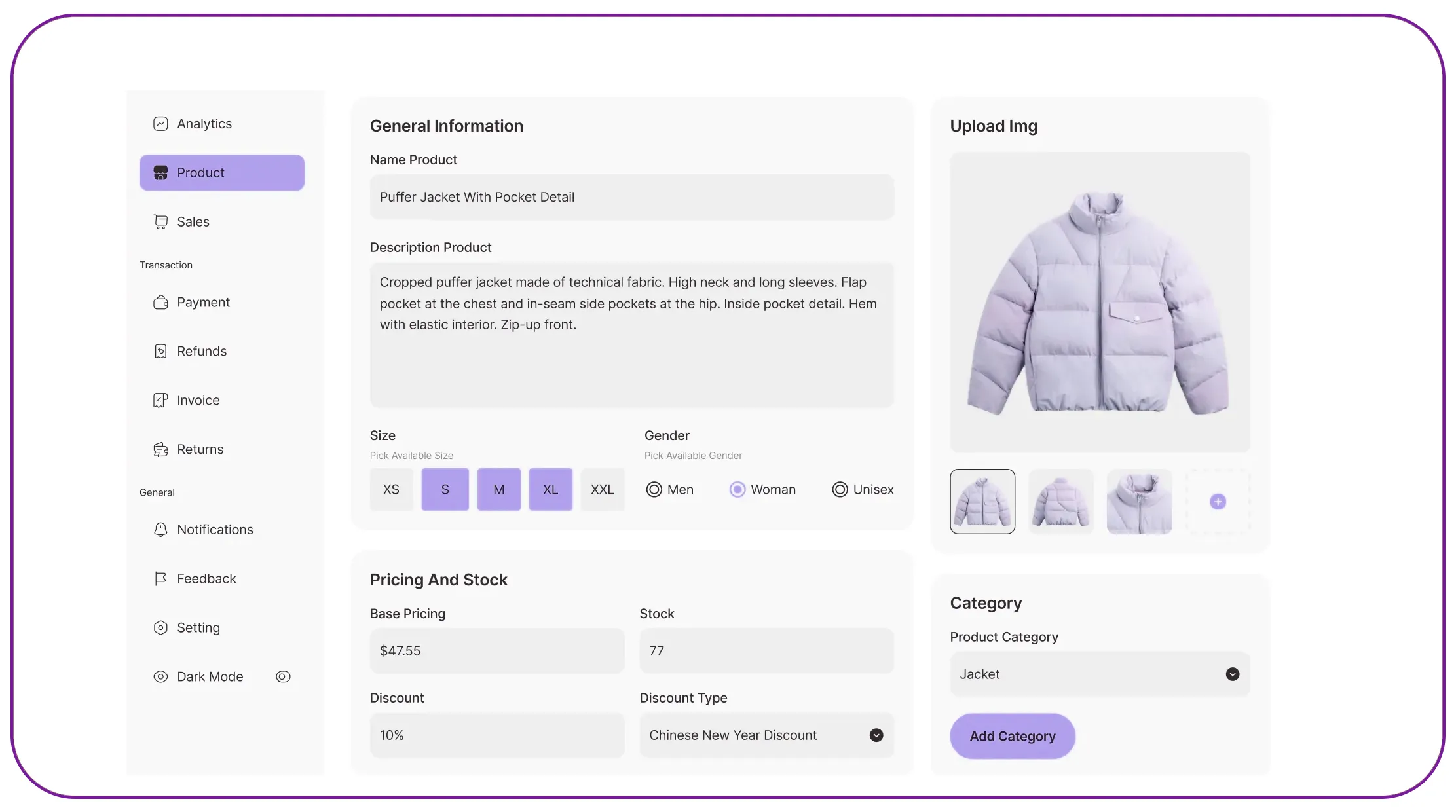
Unifying product data starts with applying advanced matching techniques that identify identical products across different ecommerce platforms. Retailers often use varied naming conventions, SKU formats, and product descriptions, making direct matching difficult. Techniques such as fuzzy string matching, attribute-based comparison, and machine learning models help bridge this gap.
Between 2020 and 2026, the adoption of AI-driven matching systems has significantly increased. Businesses now leverage natural language processing (NLP) to analyze product titles and descriptions more accurately.
| Year | Adoption of AI Matching (%) | Data Accuracy Improvement (%) |
|---|---|---|
| 2020 | 35% | 60% |
| 2022 | 48% | 68% |
| 2024 | 61% | 75% |
| 2026 | 74% | 83% |
These techniques not only reduce duplication but also enhance the quality of product catalogs. By combining structured attributes (price, brand, specifications) with unstructured data (descriptions), businesses achieve higher matching precision. This leads to improved pricing strategies, better inventory planning, and more reliable analytics across multiple platforms.
Building a Scalable Matching Framework
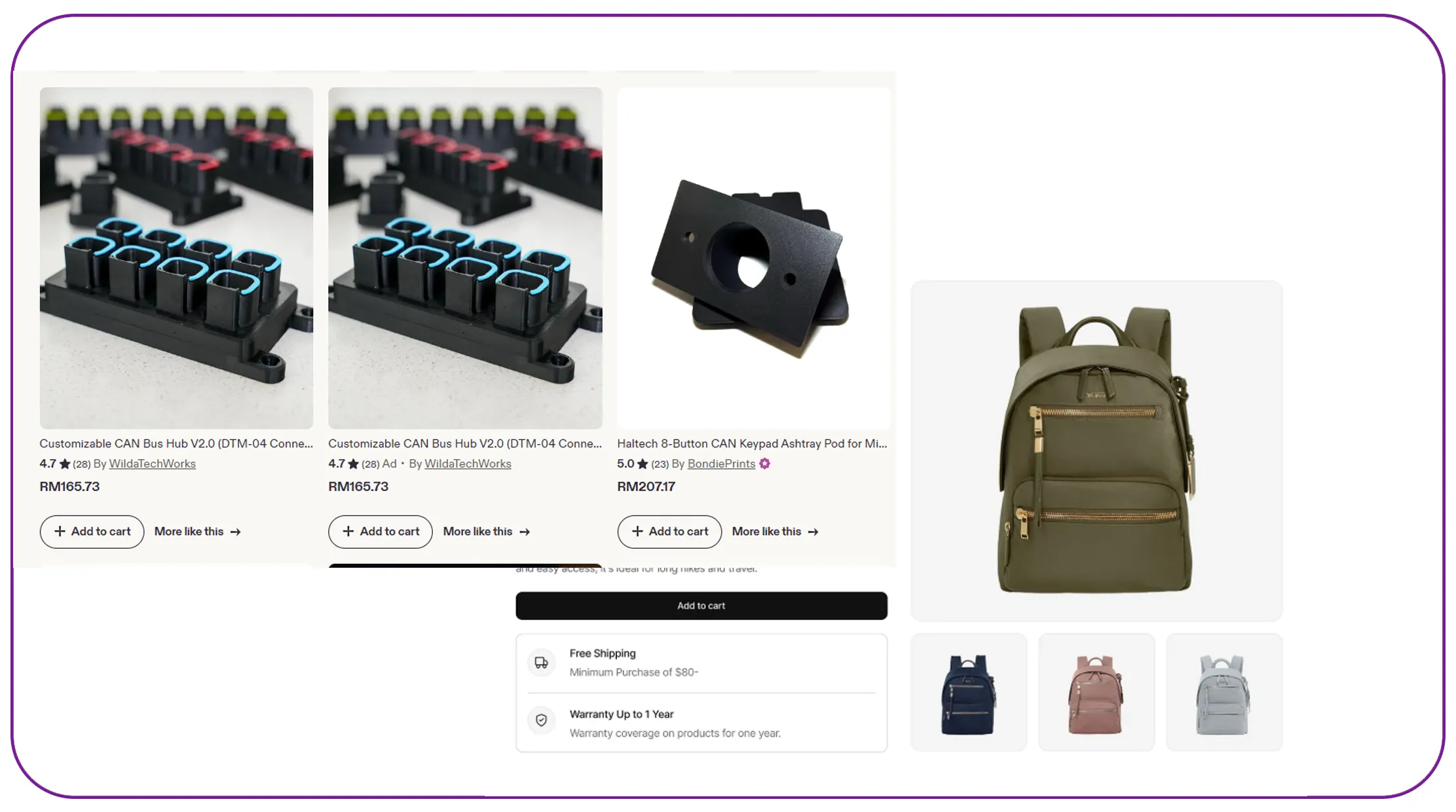
Creating a scalable entity resolution system requires a structured approach that combines rule-based logic with machine learning. The process begins with data normalization—standardizing formats for attributes like brand names, units, and categories. Once normalized, records can be compared using similarity scoring models.
From 2020 to 2026, companies investing in scalable systems have seen measurable efficiency gains.
| Year | Companies Using ER Systems (%) | Processing Speed Improvement (%) |
|---|---|---|
| 2020 | 28% | 40% |
| 2022 | 42% | 55% |
| 2024 | 57% | 68% |
| 2026 | 70% | 80% |
A robust system integrates multiple layers—data cleaning, feature extraction, similarity matching, and validation. Automation plays a key role in handling large datasets, while human oversight ensures accuracy in complex cases. Businesses that invest in scalable frameworks can process millions of product records efficiently, enabling faster decision-making and improved operational workflows.
Choosing the Right Technology Stack
Selecting the right tools is essential for successful entity resolution. Modern solutions include open-source libraries, cloud-based platforms, and AI-powered analytics tools designed to handle large-scale data scraping operations.
The growth in tool adoption reflects the increasing importance of automation in ecommerce data management.
| Year | Tool Adoption Rate (%) | Automation Efficiency (%) |
|---|---|---|
| 2020 | 32% | 50% |
| 2022 | 46% | 63% |
| 2024 | 59% | 72% |
| 2026 | 73% | 85% |
Popular tools offer features like deduplication, clustering, and real-time matching. Integration capabilities with APIs and data pipelines further enhance their usability. Businesses should prioritize tools that support scalability, accuracy, and seamless integration with existing systems. The right technology stack reduces manual effort, accelerates data processing, and ensures consistent results across platforms.
Enhancing Catalog Accuracy and Consistency
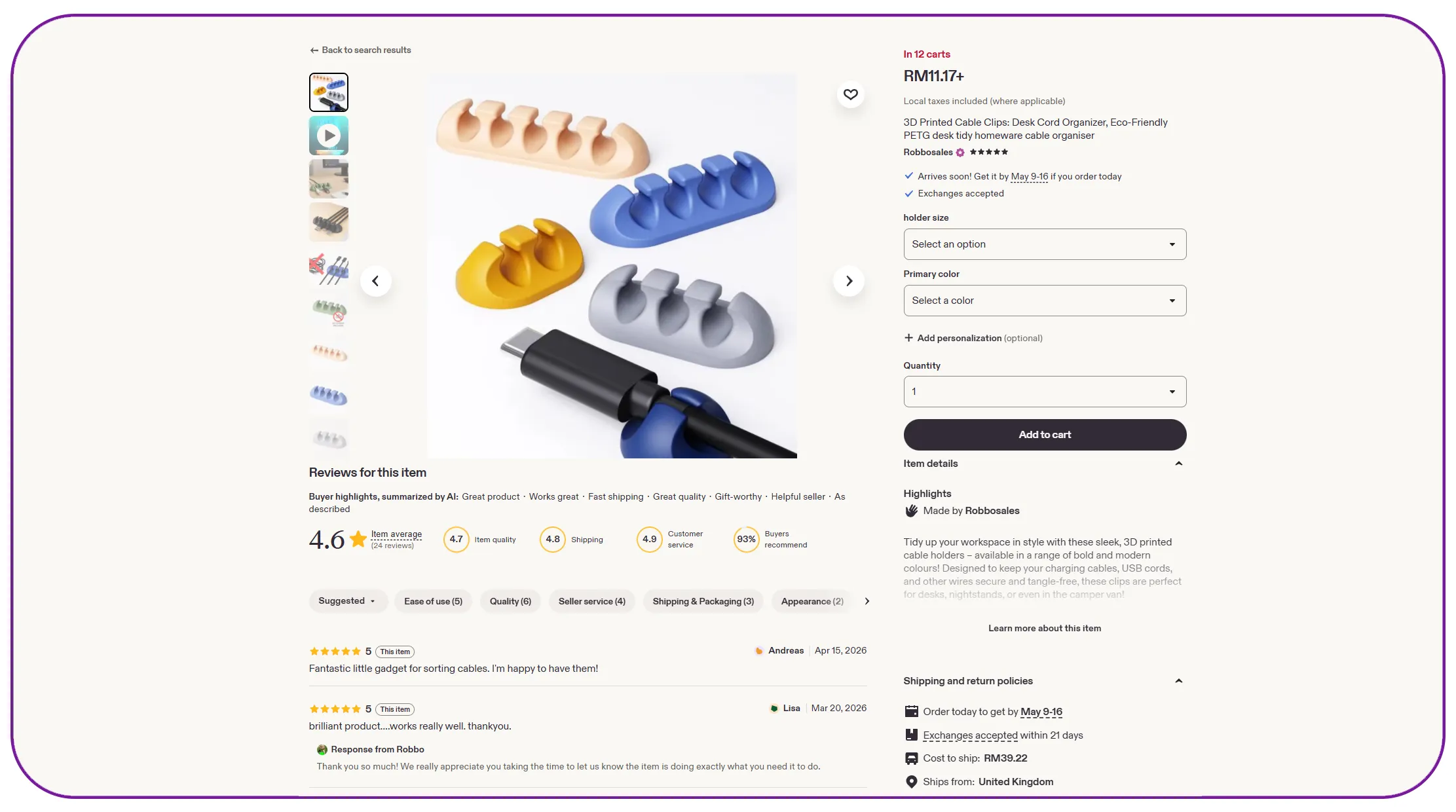
Accurate product matching is at the core of unified ecommerce data. It ensures that identical products from different sources are grouped correctly, eliminating redundancies and inconsistencies. This process directly impacts product development by providing reliable data for analysis and decision-making.
From 2020 to 2026, improvements in product matching have significantly enhanced catalog accuracy.
| Year | Matching Accuracy (%) | Duplicate Reduction (%) |
|---|---|---|
| 2020 | 65% | 50% |
| 2022 | 72% | 60% |
| 2024 | 80% | 70% |
| 2026 | 88% | 82% |
Effective matching involves combining multiple attributes such as brand, price, specifications, and images. Advanced algorithms analyze these attributes to determine similarity scores and identify matches. Businesses that prioritize accurate matching benefit from improved customer experience, better search results, and more efficient inventory management. This ultimately leads to stronger product development strategies and increased revenue potential.
Leveraging APIs for Seamless Data Integration
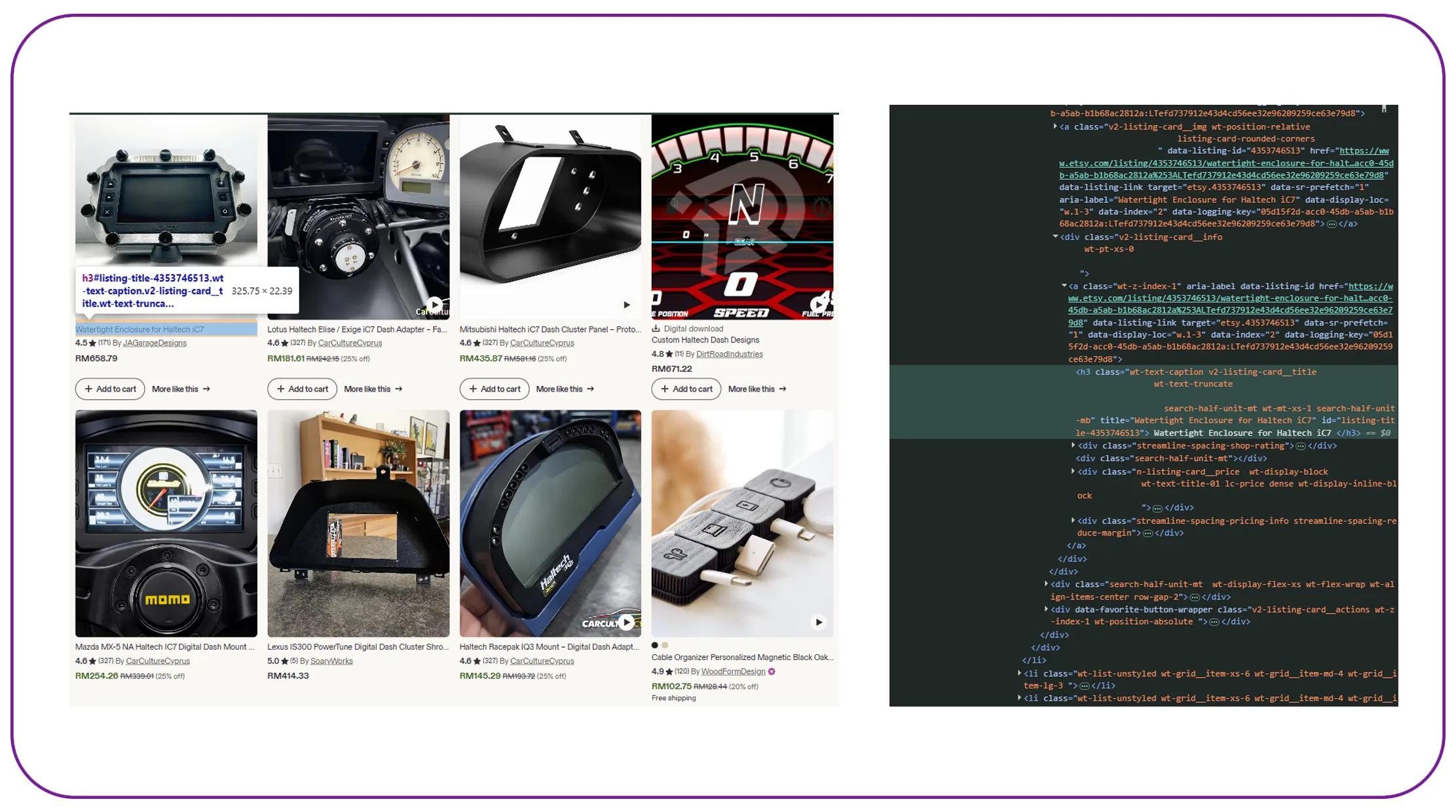
APIs play a crucial role in automating data collection and integration across multiple ecommerce platforms. A Web Scraping API enables businesses to extract structured data efficiently while maintaining consistency and accuracy.
The adoption of APIs has grown rapidly due to their ability to streamline data workflows.
| Year | API Usage (%) | Data Integration Speed Improvement (%) |
|---|---|---|
| 2020 | 30% | 45% |
| 2022 | 44% | 58% |
| 2024 | 60% | 70% |
| 2026 | 76% | 85% |
By integrating APIs with entity resolution systems, businesses can automate the entire pipeline—from data extraction to matching and storage. APIs also support real-time updates, ensuring that product data remains current and accurate. This is particularly important for dynamic pricing and inventory tracking. Companies leveraging APIs gain a competitive advantage by accessing high-quality data faster and more efficiently.
Scaling Operations with Managed Solutions
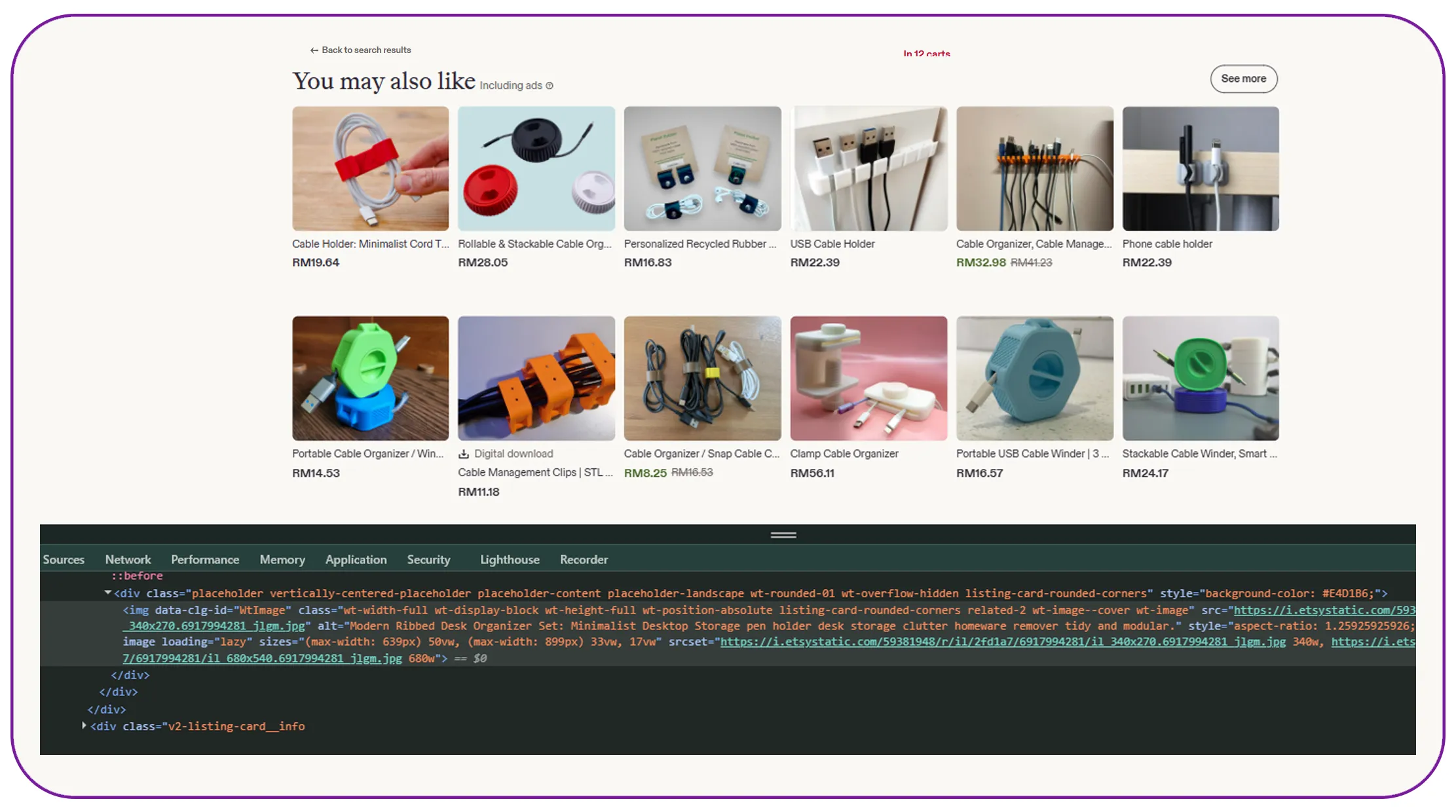
For businesses that lack in-house expertise, web scraping services provide a reliable solution for managing large-scale data operations. These services offer end-to-end support, including data extraction, cleaning, and entity resolution.
The demand for managed services has increased significantly between 2020 and 2026.
| Year | Service Adoption (%) | Cost Efficiency Improvement (%) |
|---|---|---|
| 2020 | 25% | 35% |
| 2022 | 38% | 50% |
| 2024 | 52% | 65% | 2026 | 68% | 78% |
Outsourcing data scraping and entity resolution allows businesses to focus on core activities such as product development and marketing. Service providers use advanced tools and methodologies to deliver accurate and scalable solutions. This approach reduces operational complexity and ensures consistent data quality, enabling businesses to make informed decisions with confidence.
Why Choose Real Data API?
When it comes to reliable and scalable data solutions, Real Data API stands out as a trusted partner. With expertise in what is entity resolution in ecommerce data scraping, the platform offers advanced capabilities for data extraction, matching, and integration. Businesses benefit from high accuracy, real-time updates, and seamless scalability, making it easier to unify product data across multiple platforms. Real Data API empowers organizations to optimize their workflows, enhance product development, and stay ahead in the competitive ecommerce landscape.
Conclusion
Unifying product data across multiple platforms is no longer optional—it's a necessity for ecommerce success. By leveraging what is entity resolution in ecommerce data scraping, businesses can eliminate inconsistencies, improve data accuracy, and unlock valuable insights. From advanced matching techniques to scalable systems and API integrations, entity resolution transforms fragmented data into a powerful asset.
As ecommerce continues to evolve, investing in robust data strategies will be key to staying competitive. Whether through in-house solutions or managed services, businesses must prioritize data quality and consistency.
Ready to transform your ecommerce data strategy? Partner with Real Data API today and unlock the full potential of unified product data.
Latest posts
How Safeway Grocery Data Scraping for Consumer Buying Trends Helps Track Shopper Behavior?
How to Analyze consumer electronics trends Micro Center API to Identify Product Demand and Market Opportunities?

How A guide to Momondo flight data scraping Helps Businesses Overcome Flight Price Tracking and Market Analysis Challenges?
How Scrape Xiaohongshu Product Trends in Real Time Solves Product Discovery and Competitor Monitoring Challenges?






.png)