
Introduction
Real Data API helped a sportswear brand strengthen its market research capabilities by transforming fragmented e-commerce information into structured, actionable intelligence. The brand needed better visibility into product assortment, pricing, discounts, availability, competitor positioning, and changing marketplace trends. Manual research was time-consuming and made it difficult to maintain consistent historical product information. To address these challenges, Real Data API implemented Adidas ecommerce data scraping for market research, enabling systematic collection of relevant e-commerce data for analysis. The solution provided a scalable foundation for tracking products and identifying market movements across categories. As an E-Commerce Scraper solution, the framework supported recurring data collection while organizing information into standardized datasets. This helped research and commercial teams compare product attributes, monitor price movements, evaluate assortment changes, and understand competitive positioning. By converting raw marketplace information into usable datasets, the brand gained a more efficient approach to market intelligence, enabling faster research and more informed decisions around product, pricing, and competitive strategy.
The Client
The client was a sportswear brand looking to expand its understanding of the competitive athletic apparel and footwear market. Its research team needed detailed product-level information to compare assortment, pricing, discounts, availability, and positioning across relevant categories. Existing research methods depended heavily on manual marketplace checks, which created inconsistent records and limited the team's ability to conduct historical comparisons. Real Data API developed a structured solution to extract Adidas ecommerce product data for market research, giving the client access to standardized information that could be analyzed across products, categories, and time periods. The solution also incorporated Web Scraping Adidas SKU-level Product Data to create granular product records and improve competitive benchmarking. With a centralized dataset, the client could evaluate product attributes, price changes, stock conditions, promotional activity, and assortment movements more efficiently. This enabled analysts to spend less time gathering information and more time interpreting market trends, identifying opportunities, and supporting strategic decisions across pricing, merchandising, and competitive intelligence.
Key Challenges
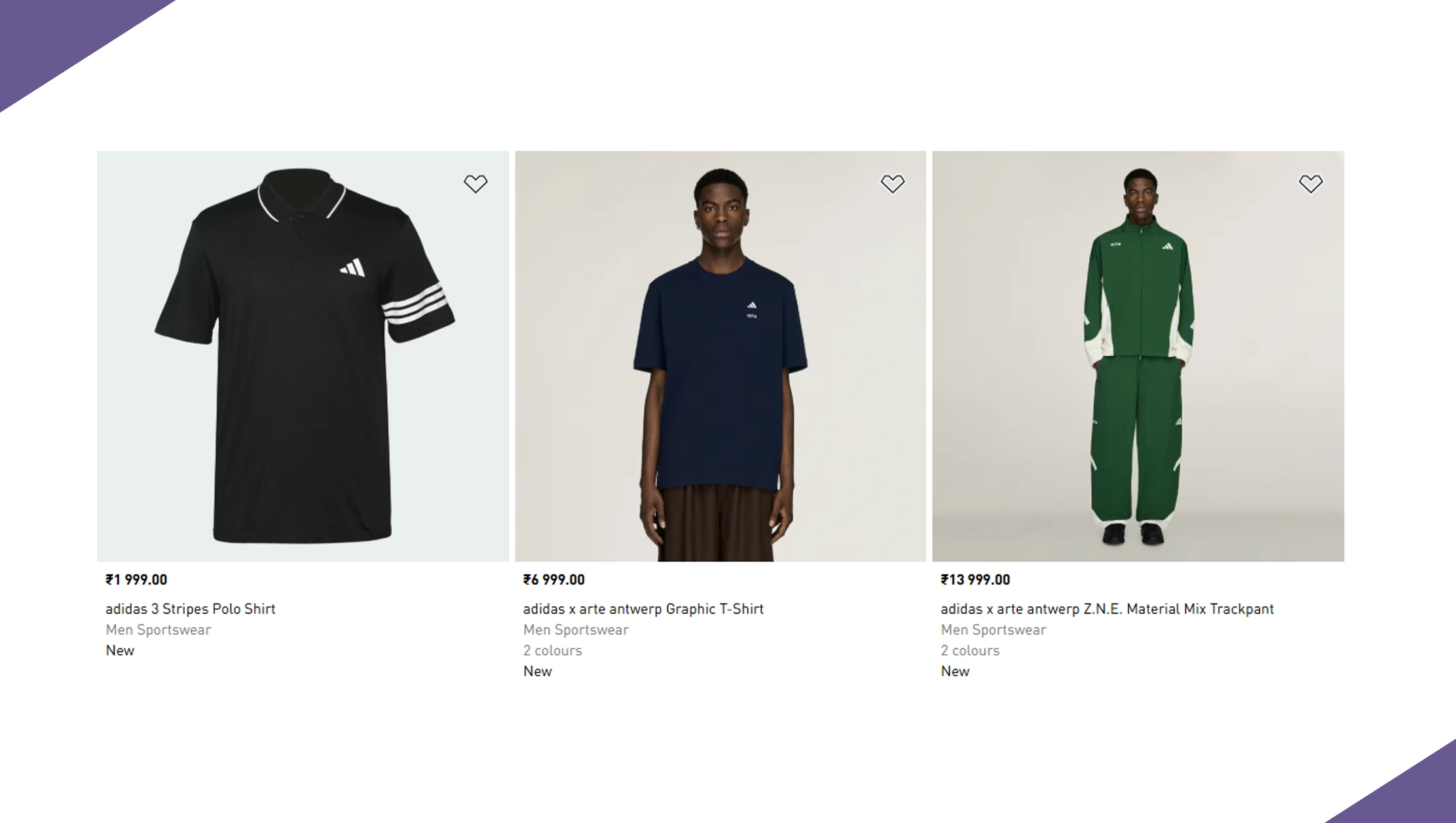
The client's primary challenge was obtaining consistent and structured information from a large and frequently changing sportswear product environment. Adidas product data extraction required the collection of multiple attributes across product listings, including product names, categories, prices, discounts, availability, ratings, and other relevant marketplace signals. Because product information could change frequently, manually collecting and maintaining these records required significant analyst effort and introduced the risk of outdated or inconsistent datasets.
Another challenge involved maintaining product-level visibility across a broad assortment. The research team needed to compare products consistently while identifying changes in pricing, availability, and assortment over time. Without historical records, it was difficult to distinguish temporary changes from broader market trends. The client also wanted to understand how products were positioned relative to competing offerings, requiring reliable information that could support benchmarking and category analysis.
The creation of useful Adidas Fashion Datasets presented an additional challenge because raw e-commerce information needed to be standardized before it could support meaningful analysis. Product names, categories, prices, promotional values, and availability signals needed consistent formatting to enable comparisons. The client therefore required a scalable data collection framework that could automate recurring extraction, preserve historical observations, and provide research-ready datasets without creating additional manual workloads for its internal team.
Key Solutions
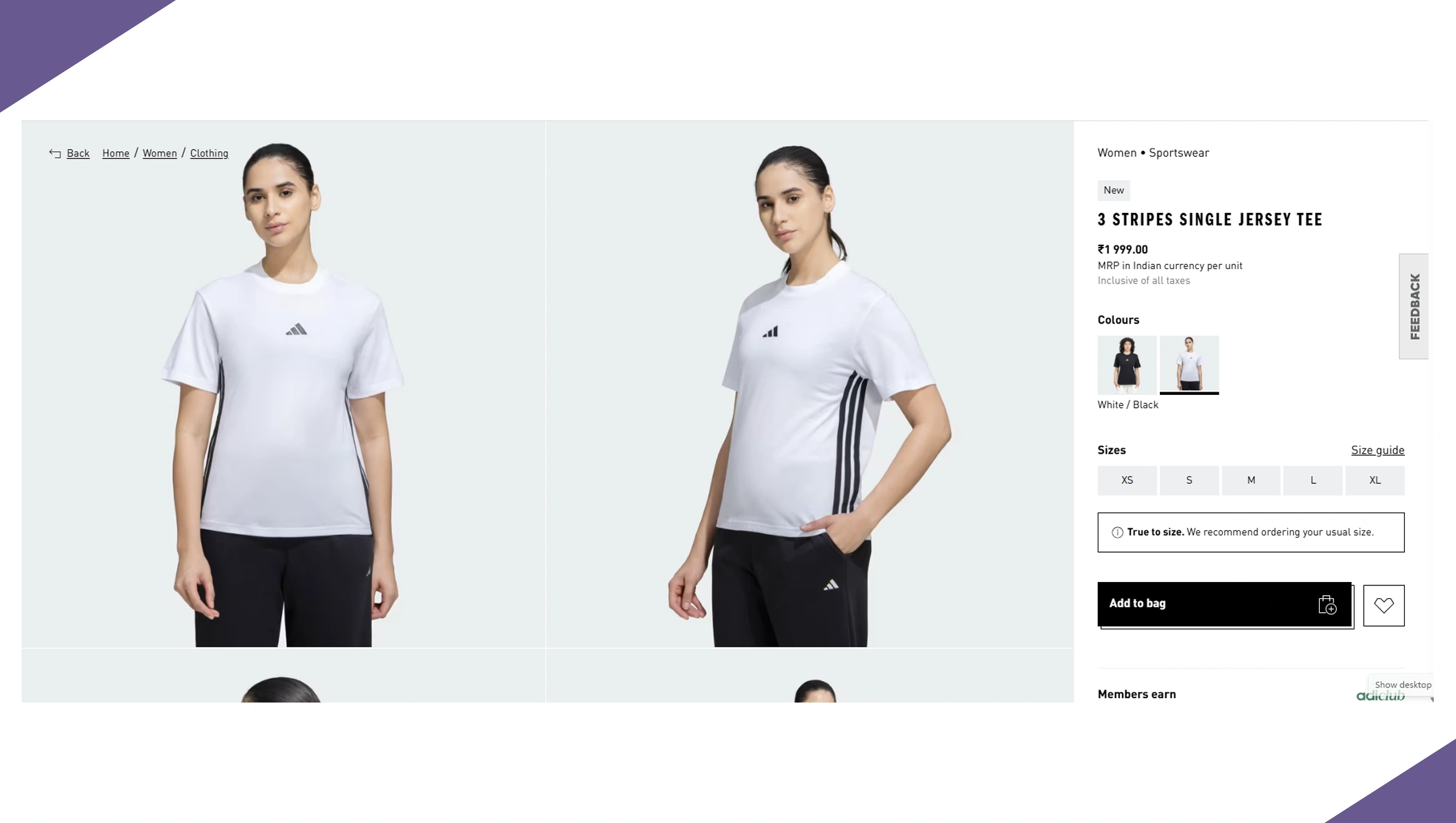
Real Data API developed a structured e-commerce data collection framework designed around the client's market research requirements. The solution focused on collecting relevant product information at scale and transforming raw marketplace observations into standardized datasets. This allowed the client to evaluate product assortment, pricing, availability, promotions, and competitive positioning through a consistent analytical foundation. Automated collection reduced the dependency on repetitive manual research and improved the timeliness of marketplace intelligence.
A major component was the implementation of an Adidas price monitoring API for ecommerce brands, enabling the client to access structured pricing information through a reusable data delivery framework. Product prices could be captured across recurring collection cycles, allowing analysts to compare current and historical values. This supported the identification of price increases, reductions, promotional movements, and differences across product categories. By maintaining historical price records, the client could evaluate pricing patterns rather than relying on individual snapshots.
The solution also supported Adidas ecommerce data scraping for market research, covering relevant product attributes required for competitive and category analysis. Product titles, categories, SKUs, prices, discounts, availability, ratings, reviews, product URLs, and other applicable fields were organized into structured records. Standardized product identifiers helped maintain consistency across recurring data collection and made it easier to compare the same products across different periods.
Real Data API further integrated the collected information into analytical workflows. Data could be delivered through structured feeds and connected to dashboards where business users could review product and pricing trends. Visualization helped research teams identify significant changes without manually reviewing thousands of individual records. Category-level analysis also made it easier to evaluate assortment depth, pricing structures, promotional activity, and product availability.
The framework was designed for scalability, allowing the client to expand monitoring across additional products and categories as research requirements evolved. Automated workflows supported recurring collection, validation, transformation, and delivery, helping maintain data consistency. Historical datasets created a stronger foundation for market trend analysis, while product-level records supported granular competitive benchmarking. Together, these capabilities helped the brand transform e-commerce information into practical market intelligence that could inform pricing, merchandising, product planning, and competitive strategy.
An Adidas API provided a flexible foundation for delivering structured marketplace information into research and business intelligence workflows.
Client Testimonial

"Real Data API significantly improved the way our team conducts competitive research. Previously, gathering product and pricing information required extensive manual effort and made historical comparison difficult. The structured datasets gave us faster access to reliable marketplace signals and helped our analysts focus on understanding market movements rather than collecting information. Adidas competitor monitoring using web data scraper capabilities gave us a much clearer view of product positioning, price changes, availability, and assortment activity. The automated workflow also made recurring research easier to manage and provided a scalable foundation for our ongoing market intelligence requirements."
— Head of Market Intelligence, Sportswear Brand
Conclusion
Real Data API helped the sportswear brand establish a scalable framework for collecting, organizing, and analyzing e-commerce product information. The solution improved visibility into product assortment, pricing, availability, promotions, and competitive positioning while reducing the effort associated with manual research. By integrating structured data collection with analytical workflows, the brand could maintain historical records and identify meaningful market movements more efficiently.
The implementation of an provided a flexible foundation for delivering structured marketplace information into research and business intelligence workflows. Combined with Adidas ecommerce data scraping for market research, the solution enabled the client to transform product-level observations into actionable insights for pricing, merchandising, competitive benchmarking, and market analysis. The scalable framework could also accommodate expanding product and category requirements. Ultimately, Real Data API helped the brand move from fragmented manual research toward a repeatable, data-driven market intelligence process, supporting faster analysis and more informed strategic decisions in the competitive sportswear e-commerce landscape.






.png)



