
Introduction
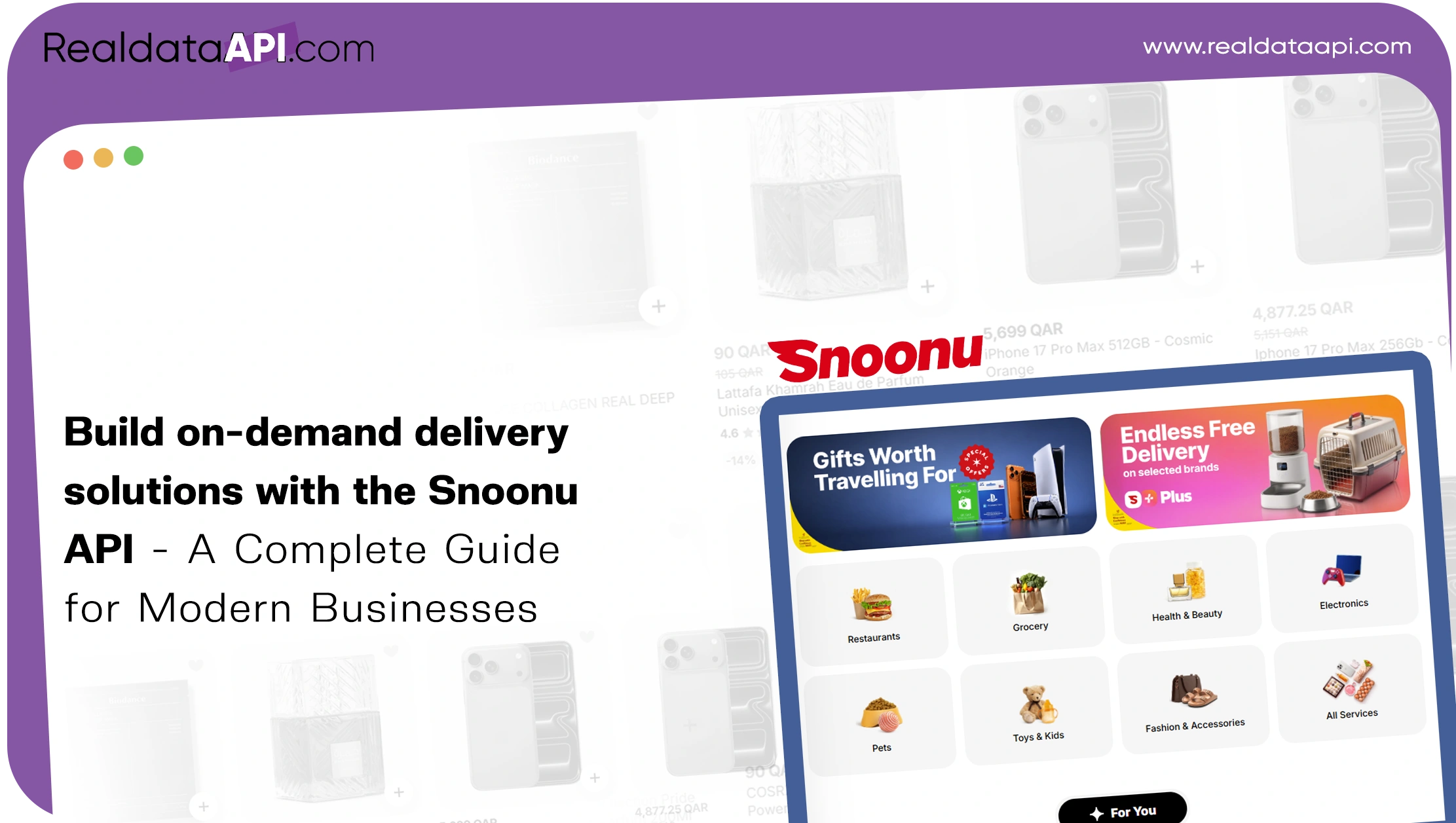
If you want to build a scalable, intelligent, and high-performing delivery platform, the fastest approach is to leverage API-driven data collection. Build on-demand delivery solutions with the Snoonu API enables businesses to access structured delivery, restaurant, pricing, and product information for faster decision-making, automation, and customer satisfaction.
Industry Insight: According to industry estimates, the global quick commerce and food delivery market has grown at over 18% CAGR since 2020 and is expected to exceed $700 billion by 2026 . API-powered data collection and analytics have become essential for businesses seeking real-time competitive intelligence and operational efficiency.
Whether you're a food delivery startup, grocery marketplace, retail aggregator, logistics company, restaurant chain, or market intelligence provider, reliable delivery data fuels smarter business decisions. APIs simplify access to structured information while eliminating the challenges associated with manual monitoring and fragmented datasets.
Businesses increasingly require real-time visibility into restaurant listings, delivery fees, promotions, product catalogs, customer ratings, estimated delivery times, inventory availability, and geographic service coverage. These insights support pricing optimization, demand forecasting, assortment planning, competitor benchmarking, and customer experience improvements.
With Build on-demand delivery solutions with the Snoonu API , organizations can automate large-scale data extraction while integrating structured datasets directly into business intelligence platforms, analytics dashboards, recommendation engines, and operational systems.
For organizations seeking comprehensive delivery intelligence, Snoonu - Fastest Delivery Scraper helps capture continuously updated marketplace information across multiple categories while ensuring scalable and reliable data acquisition for enterprise applications.
How Can Businesses Build Smarter Delivery Platforms with API-Driven Data?
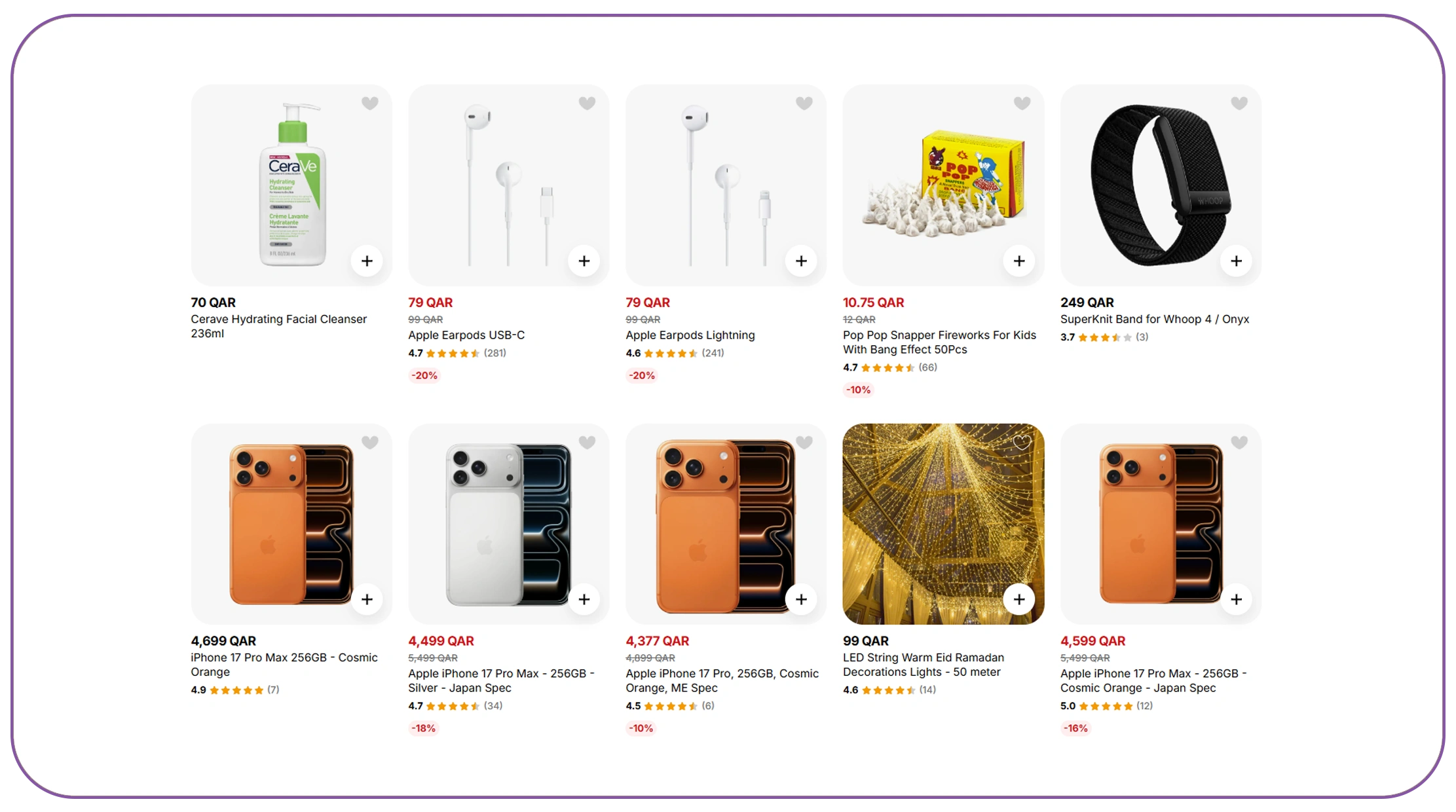
Modern delivery businesses rely on data more than ever before. Every order generates valuable information that can improve operations, pricing, logistics, customer engagement, and marketplace competitiveness.
Instead of manually monitoring hundreds or thousands of products and restaurants, organizations increasingly automate information collection through APIs. Structured datasets improve reporting while enabling faster product launches and operational scaling.
One of the most valuable capabilities available today is scrape Snoonu API integration for delivery apps , allowing businesses to collect marketplace intelligence in standardized formats suitable for automation.
Between 2020 and 2026, API adoption across food delivery and quick commerce platforms has accelerated significantly. Companies are integrating delivery APIs into recommendation engines, pricing systems, CRM platforms, warehouse management solutions, and AI-powered forecasting models. This unified ecosystem reduces manual effort while improving data consistency.
Organizations typically monitor several performance indicators simultaneously, including restaurant availability, cuisine trends, delivery charges, average preparation time, customer ratings, promotional campaigns, product assortment, and geographic expansion. Consolidating these metrics into centralized dashboards enables executives to make faster strategic decisions and identify emerging market opportunities before competitors.
For technology teams, standardized API responses simplify integration with existing software ecosystems. Marketing departments benefit from updated promotional insights, while operations teams use current delivery information to optimize fulfillment processes. Analysts gain continuous access to structured datasets for predictive modeling and competitive benchmarking.
Delivery Platform Growth Indicators (2020–2026)
| Metric | 2020 | 2022 | 2024 | 2026 (Projected) |
|---|---|---|---|---|
| API-Based Integrations | 32% | 49% | 67% | 85% |
| Digital Delivery Orders | 100 Index | 145 | 193 | 258 |
| Marketplace Restaurants | 100 Index | 128 | 171 | 226 |
| Automated Data Pipelines | 24% | 41% | 63% | 82% |
| Enterprise Analytics Adoption | 30% | 48% | 69% | 88% |
The growing reliance on structured API data demonstrates why enterprises continue investing in scalable integration frameworks that support long-term marketplace intelligence, operational efficiency, and customer-centric innovation.
What Makes Real-Time Delivery Data Essential for Business Growth?
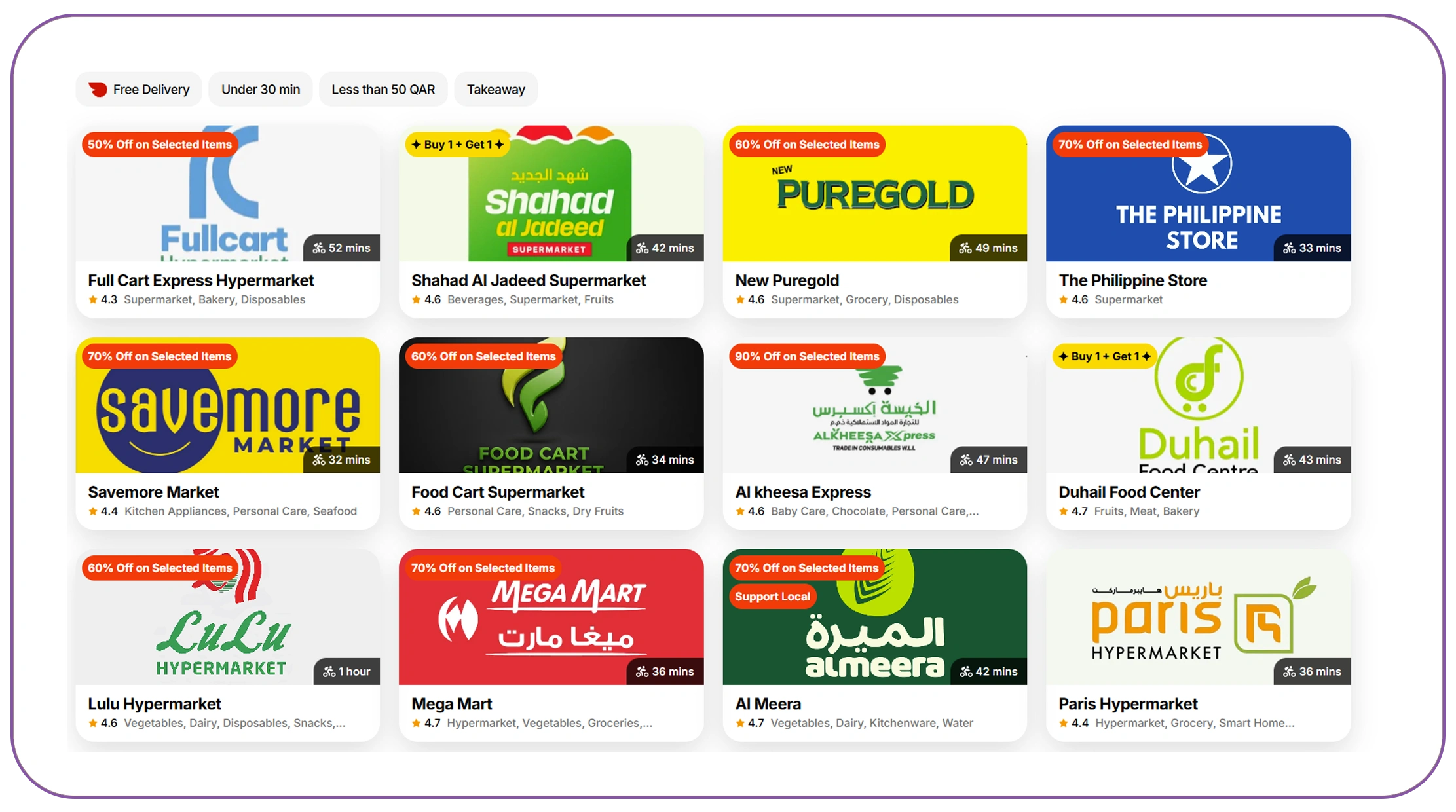
Customer expectations continue evolving. Users now expect accurate delivery estimates, live order tracking, instant availability updates, and personalized recommendations. Businesses that rely on outdated information risk losing customers to faster competitors. This is why Real-time order data scraping using Snoonu API has become an essential capability for delivery platforms and analytics providers.
From 2020 through 2026, the volume of real-time transactions across food delivery and quick commerce platforms has increased dramatically. Every order produces valuable operational insights, including order frequency, preparation time, delivery duration, cancellation rates, customer preferences, peak ordering hours, and promotional effectiveness. Businesses that capture these insights continuously can respond faster to changing consumer demand.
Real-time datasets also improve route optimization, inventory synchronization, staffing decisions, and campaign performance measurement. Restaurant partners benefit from updated menu availability, while logistics teams gain better visibility into delivery workloads and regional demand fluctuations.
For market intelligence companies, continuously updated order data enables benchmarking across multiple cities, cuisines, and delivery categories. Product managers can identify high-performing merchants, while executives can evaluate pricing strategies against competitors using fresh marketplace information instead of outdated reports.
Cloud-native APIs simplify large-scale integration into CRM systems, business intelligence platforms, forecasting tools, and operational dashboards. This reduces manual reporting while ensuring decision-makers always work with current marketplace information.
Real-Time Delivery Metrics (2020–2026)
| Performance Indicator | 2020 | 2022 | 2024 | 2026 (Projected) |
|---|---|---|---|---|
| Daily Orders Processed | 1.0M | 1.8M | 2.9M | 4.5M |
| Live Tracking Accuracy | 84% | 90% | 95% | 98% |
| Average Delivery Visibility | 62% | 79% | 91% | 97% |
| API Data Refresh Frequency | Every 30 min | 15 min | 5 min | Near Real-Time |
| Business Automation Adoption | 29% | 46% | 68% | 87% |
Organizations that invest in real-time operational intelligence gain stronger forecasting capabilities, improved customer satisfaction, and better decision-making across marketing, logistics, and business operations.
Why Are Quick Commerce Insights Becoming a Competitive Advantage?

Quick commerce has transformed customer expectations by making ultra-fast deliveries the new standard. Consumers now expect groceries, meals, pharmacy products, and convenience items to arrive within minutes instead of hours. Businesses must monitor rapidly changing product availability, pricing, promotions, and merchant performance to remain competitive.
This growing need has increased demand for Web scraping Quick commerce app data via Snoonu API , enabling organizations to collect structured marketplace intelligence efficiently.
Between 2020 and 2026, quick commerce platforms expanded into new cities, introduced thousands of additional merchants, and significantly increased product assortments. These changes generated massive amounts of data that businesses now use for assortment optimization, pricing analysis, competitor benchmarking, and demand forecasting.
Retailers analyze product availability across neighborhoods to reduce stockouts. Marketing teams monitor promotional campaigns to understand customer response. Category managers evaluate seasonal demand shifts, while logistics teams optimize delivery capacity using historical marketplace trends.
Advanced analytics built on API-driven datasets also improve AI-powered recommendation engines, personalized offers, and customer segmentation. Instead of reacting to market changes after they occur, businesses can proactively adjust pricing, promotions, and inventory strategies.
The ability to continuously monitor marketplace dynamics helps organizations identify emerging trends before competitors, enabling faster innovation and better customer experiences.
Quick Commerce Growth Snapshot (2020–2026)
| Marketplace Metric | 2020 | 2022 | 2024 | 2026 (Projected) |
|---|---|---|---|---|
| Quick Commerce Orders | 100 Index | 168 | 247 | 362 |
| Active Merchants | 100 Index | 141 | 201 | 289 |
| Product Catalog Size | 100 Index | 156 | 229 | 318 |
| Same-Day Deliveries | 38% | 57% | 74% | 91% |
| Customer Retention | 61% | 70% | 79% | 88% |
Organizations leveraging structured quick commerce intelligence can improve operational agility, discover new market opportunities, and deliver consistently superior customer experiences.
How Can Food Businesses Unlock Better Marketplace Intelligence?
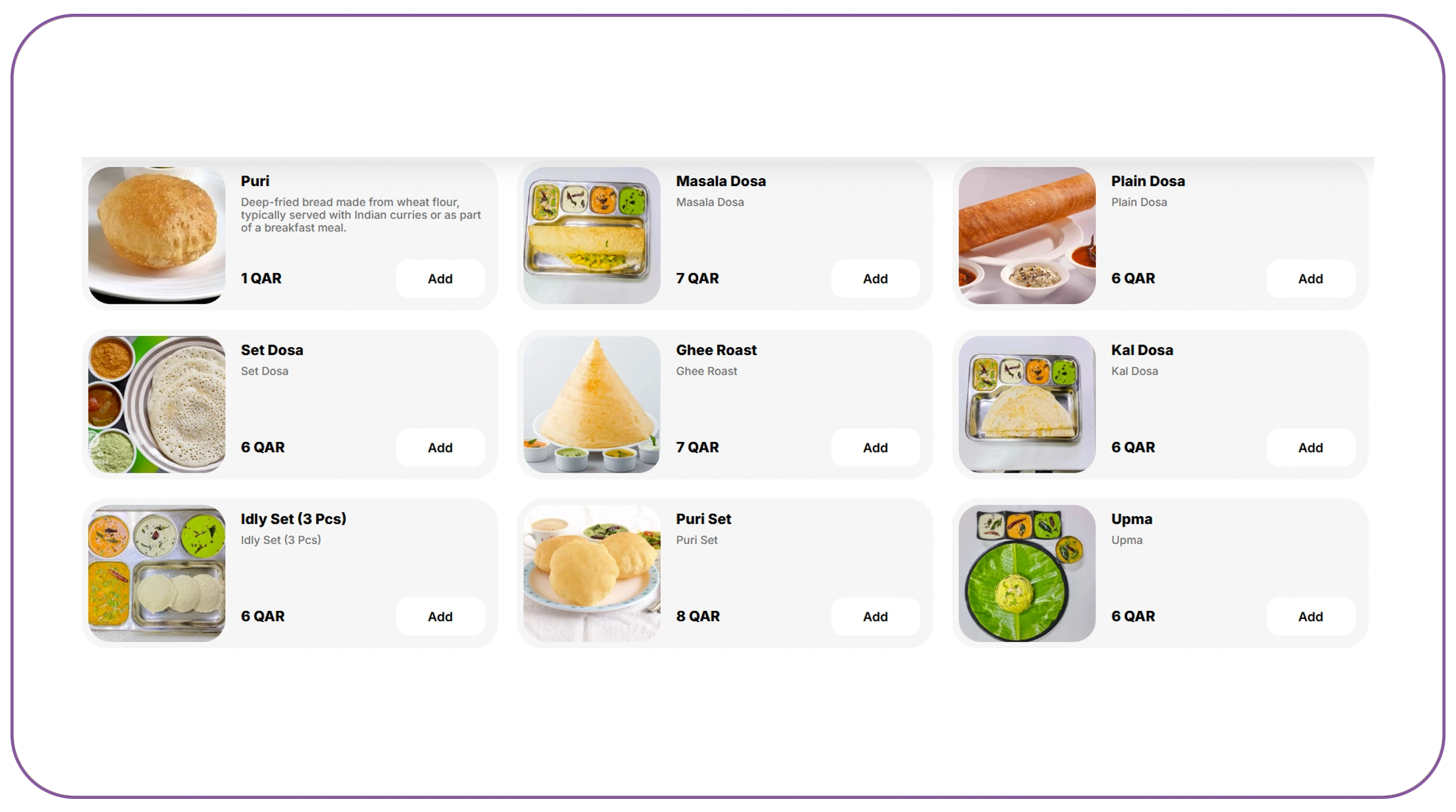
Food delivery platforms generate enormous amounts of structured information every day. Restaurant listings, menus, cuisines, customer ratings, delivery charges, estimated arrival times, promotional offers, and product availability all contribute to business intelligence. A robust Food Data Scraping API helps organizations collect this information automatically for analytics, reporting, and strategic planning.
From 2020 to 2026, food delivery ecosystems have expanded beyond restaurants to include groceries, pharmacies, convenience stores, bakeries, pet supplies, and specialty retailers. This diversification has created more complex datasets that require scalable API-driven collection methods.
Restaurant chains use structured data to compare menu pricing across locations. Investors evaluate regional growth trends before entering new markets. Marketing teams analyze seasonal promotions, while operations managers monitor delivery performance and customer satisfaction metrics.
API-powered datasets also support machine learning initiatives by providing continuously updated information for demand prediction, dynamic pricing, customer segmentation, and recommendation engines. Instead of relying on manual data collection, organizations can automate data ingestion into business intelligence platforms for faster reporting.
Reliable marketplace intelligence enables organizations to optimize menu offerings, benchmark competitors, improve customer engagement strategies, and identify underserved markets with high growth potential.
Food Delivery Intelligence Overview (2020–2026)
| Data Category | 2020 | 2022 | 2024 | 2026 (Projected) |
|---|---|---|---|---|
| Restaurant Listings | 100 Index | 137 | 188 | 254 |
| Menu Updates | Monthly | Weekly | Daily | Real-Time |
| Promotional Campaigns | 100 Index | 165 | 236 | 328 |
| Customer Reviews | 100 Index | 172 | 261 | 389 |
| API-Based Analytics Adoption | 27% | 45% | 66% | 86% |
As digital food marketplaces continue expanding, businesses that automate structured data collection are better positioned to improve decision-making, optimize operations, and maintain a competitive advantage in an increasingly data-driven industry.
How Do Structured Food Datasets Improve Business Intelligence?
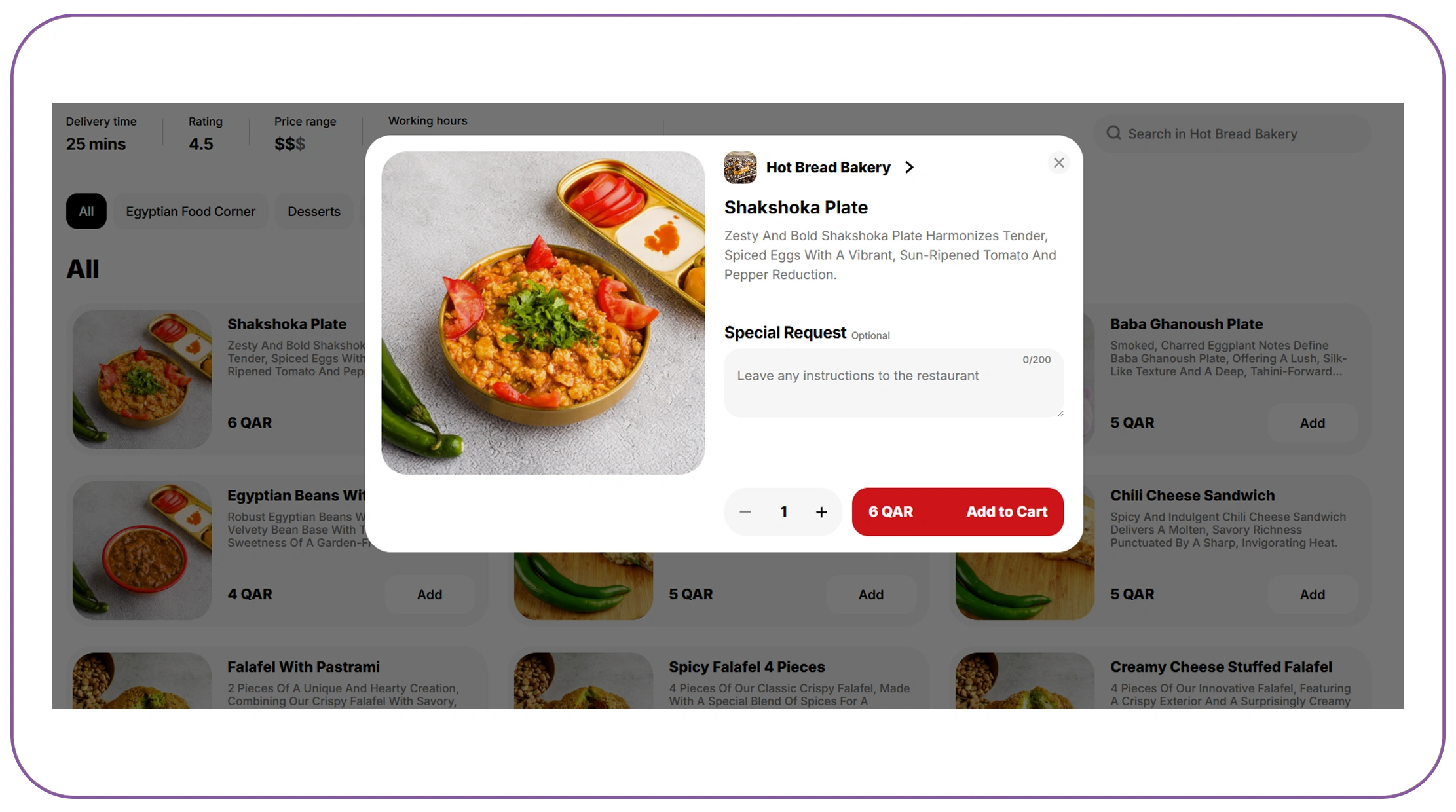
High-quality data is the foundation of every successful delivery platform. Businesses require consistent, accurate, and structured information to make informed decisions about pricing, inventory, customer engagement, and expansion strategies. A comprehensive Food Dataset enables organizations to analyze marketplace performance without relying on fragmented or manually collected information.
From 2020 through 2026, the amount of structured food commerce data has grown rapidly due to increasing digital adoption and expanding merchant ecosystems. Modern datasets typically include restaurant names, cuisines, menu items, pricing, discounts, customer ratings, review counts, delivery fees, estimated delivery times, geographic coverage, and promotional campaigns.
These datasets support multiple business functions. Product teams identify popular menu categories. Marketing departments measure campaign effectiveness. Supply chain managers forecast demand using historical ordering trends. Investors evaluate market maturity before expanding into new regions. Data scientists develop predictive models for recommendation systems and customer retention initiatives.
Well-structured datasets also improve AI-powered analytics by reducing duplicate records, standardizing product information, and enabling automated reporting. Organizations can integrate datasets into dashboards, visualization tools, and forecasting platforms to monitor market movements continuously.
As competition intensifies, businesses that maintain reliable and continuously updated datasets gain greater visibility into consumer behavior and operational performance, enabling faster and more confident strategic decisions.
Food Dataset Growth Indicators (2020–2026)
| Dataset Metric | 2020 | 2022 | 2024 | 2026 (Projected) |
|---|---|---|---|---|
| Structured Restaurant Records | 500K | 900K | 1.6M | 2.5M |
| Menu Items Indexed | 8M | 14M | 22M | 34M |
| Daily Dataset Updates | 50K | 180K | 420K | 900K |
| Customer Reviews Collected | 12M | 28M | 55M | 98M |
| Geographic Markets Covered | 45 | 72 | 105 | 145 |
Organizations leveraging comprehensive food datasets can uncover consumer trends, optimize business strategies, and build scalable analytics ecosystems for long-term growth.
Where Can Food Data APIs Deliver the Greatest Business Value?
Modern enterprises use structured APIs far beyond simple menu collection. Delivery data supports logistics optimization, competitive intelligence, customer analytics, dynamic pricing, inventory planning, and AI-driven recommendations. This is why Food Scraping API Use Cases continue expanding across multiple industries.
Between 2020 and 2026, organizations increasingly adopted API-powered automation to replace manual reporting processes. Retailers monitor competitor pricing across marketplaces. Restaurant chains benchmark menu performance by location. Logistics companies optimize delivery routes using historical order patterns. Financial analysts evaluate marketplace growth using merchant expansion data.
Marketing teams analyze customer engagement to personalize promotions and improve campaign performance. Product managers identify emerging food trends by tracking new menu launches and customer preferences. Technology companies integrate delivery intelligence into recommendation engines that enhance user experiences.
Operational efficiency also improves through automated dashboards that consolidate restaurant data, delivery performance, customer feedback, and pricing trends into a single analytics environment. Decision-makers can respond faster to market shifts while reducing manual data collection costs.
As artificial intelligence becomes increasingly integrated into commerce, structured API data will continue supporting predictive analytics, conversational commerce, automated merchandising, and intelligent delivery planning.
Enterprise API Adoption Trends (2020–2026)
| Business Use Case | 2020 | 2022 | 2024 | 2026 (Projected) |
|---|---|---|---|---|
| Competitive Pricing Analysis | 34% | 52% | 69% | 87% |
| AI Recommendation Systems | 18% | 39% | 61% | 84% |
| Delivery Optimization | 42% | 59% | 77% | 93% |
| Predictive Demand Forecasting | 25% | 44% | 66% | 86% |
| Business Intelligence Dashboards | 37% | 55% | 74% | 91% |
Organizations that embrace API-driven intelligence gain measurable improvements in operational efficiency, customer satisfaction, forecasting accuracy, and long-term digital transformation.
Why Choose Real Data API?
Businesses require more than raw data—they need reliable, scalable, and enterprise-ready solutions that integrate seamlessly into existing workflows. Build on-demand delivery solutions with the Snoonu API becomes even more valuable when combined with Real Data API's expertise in structured data extraction, real-time delivery intelligence, and custom API integration.
Real Data API empowers organizations with:
- Enterprise-grade API integrations for delivery and quick commerce platforms.
- Real-time structured data collection with high accuracy.
- Scalable solutions for startups, enterprises, and analytics providers.
- Automated data pipelines for business intelligence and reporting.
- Secure, compliant, and customizable data delivery.
- Flexible output formats compatible with CRM, ERP, BI, and AI platforms.
- Continuous monitoring of pricing, menus, promotions, restaurants, and delivery trends.
- Dedicated technical support and tailored data extraction solutions.
Whether your goal is competitor benchmarking, operational optimization, AI model training, market research, or customer experience enhancement, Real Data API delivers dependable, actionable datasets that accelerate business growth.
Conclusion
The rapid evolution of food delivery and quick commerce has made real-time data an essential business asset. Organizations that Build on-demand delivery solutions with the Snoonu API can automate data collection, improve operational efficiency, monitor competitors, optimize pricing strategies, and deliver superior customer experiences through structured, scalable, and continuously updated marketplace intelligence.
As the industry continues expanding through 2026 and beyond, investing in reliable API-powered data solutions enables businesses to stay agile, make smarter decisions, and unlock sustainable competitive advantages.
Partner with Real Data API today to build intelligent, scalable, and data-driven delivery solutions that accelerate innovation, improve decision-making, and power the next generation of digital commerce!
Latest posts
Build on-demand delivery solutions with the Snoonu API - A Complete Guide for Modern Businesses
How Valorant and Lotto Games Betting Odds Data Collection Helps Access Betting Data Statistics Via Legal Bypass Methods Like VPN Services
How to Automate Data Collection from MyGate API for Smarter Property Management Analytics
Scrape iFood Restaurant Menus and Prices via API to Power Smarter Restaurant Analytics and Pricing Insights







.png)