
Introduction
Can businesses automate restaurant menu and pricing intelligence?
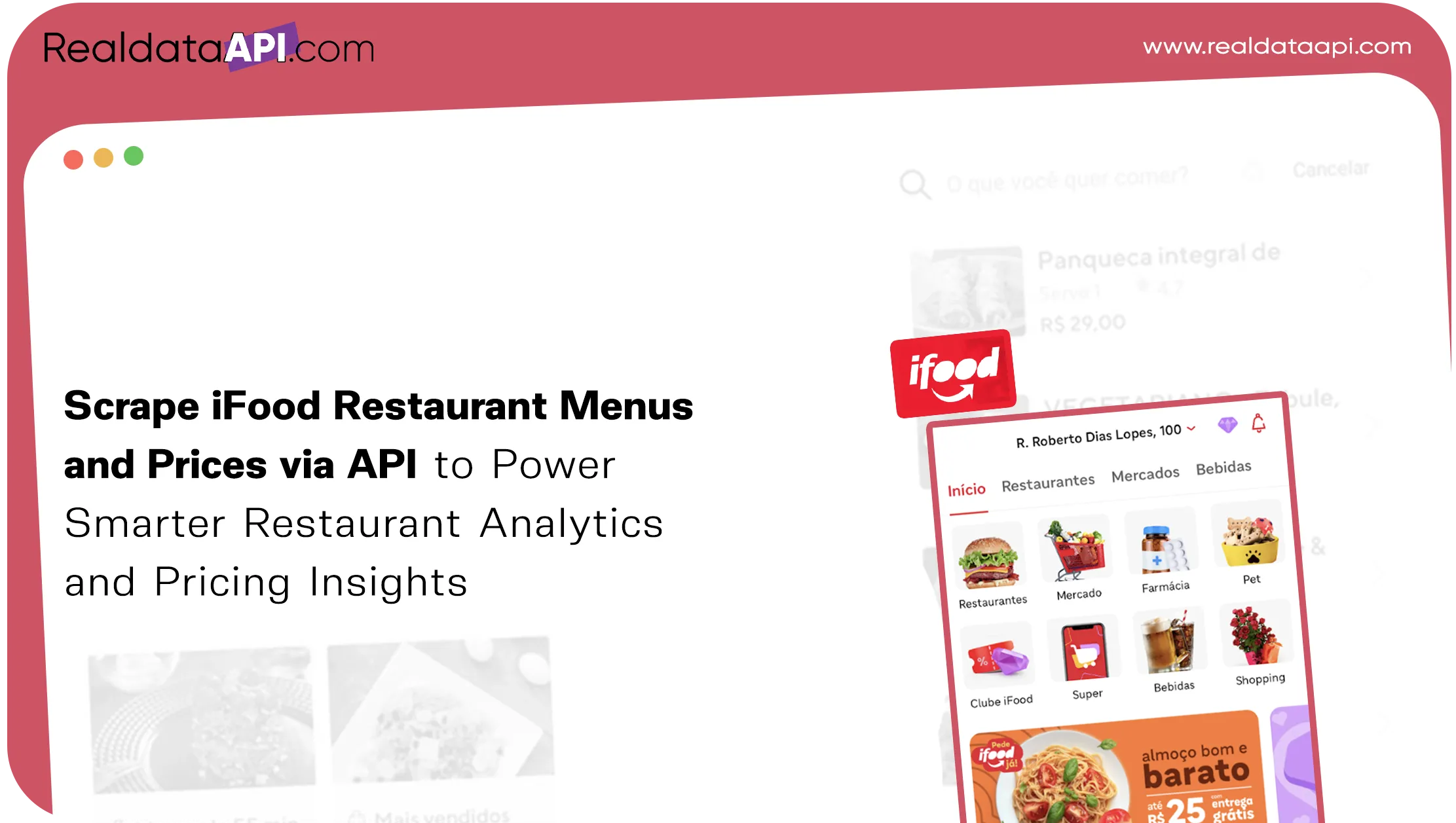
Yes. The fastest way to monitor restaurant menus, pricing, availability, and delivery insights is to scrape iFood restaurant menus and prices via API . Businesses gain structured, real-time datasets that support competitive analysis, pricing optimization, customer experience improvements, and data-driven decision-making.
Industry Insight: Industry reports estimate the global online food delivery market will surpass $700 billion by 2026 , while more than 80% of digital-first restaurants are expected to rely on API-driven analytics for pricing, menu optimization, and customer engagement.
Target Audience: Food delivery platforms, restaurant chains, market research firms, retail intelligence providers, AI developers, and data analytics companies.
Pain Point Solved: Manual restaurant monitoring is slow, inconsistent, and difficult to scale. Automated API-driven data collection delivers accurate, structured, and continuously updated restaurant intelligence.
Modern food delivery marketplaces generate millions of menu updates, promotional campaigns, customer reviews, and pricing changes every month. Businesses require reliable access to this information to improve strategic planning, optimize product offerings, monitor competitors, and forecast demand.
Organizations increasingly integrate restaurant intelligence into business intelligence dashboards, AI recommendation engines, dynamic pricing models, and inventory planning systems. API-based data collection minimizes manual effort while improving data consistency and reporting speed.
A comprehensive Food Dataset provides structured information covering restaurant names, menu categories, item prices, delivery fees, customer ratings, review counts, cuisines, estimated delivery times, promotions, and service availability. These datasets enable organizations to analyze market trends, benchmark competitors, identify pricing opportunities, and improve operational efficiency.
As digital food commerce continues expanding between 2020 and 2026, businesses investing in scalable restaurant data solutions will gain stronger visibility into evolving consumer preferences and marketplace performance.
How Can Businesses Monitor Restaurant Pricing More Efficiently?
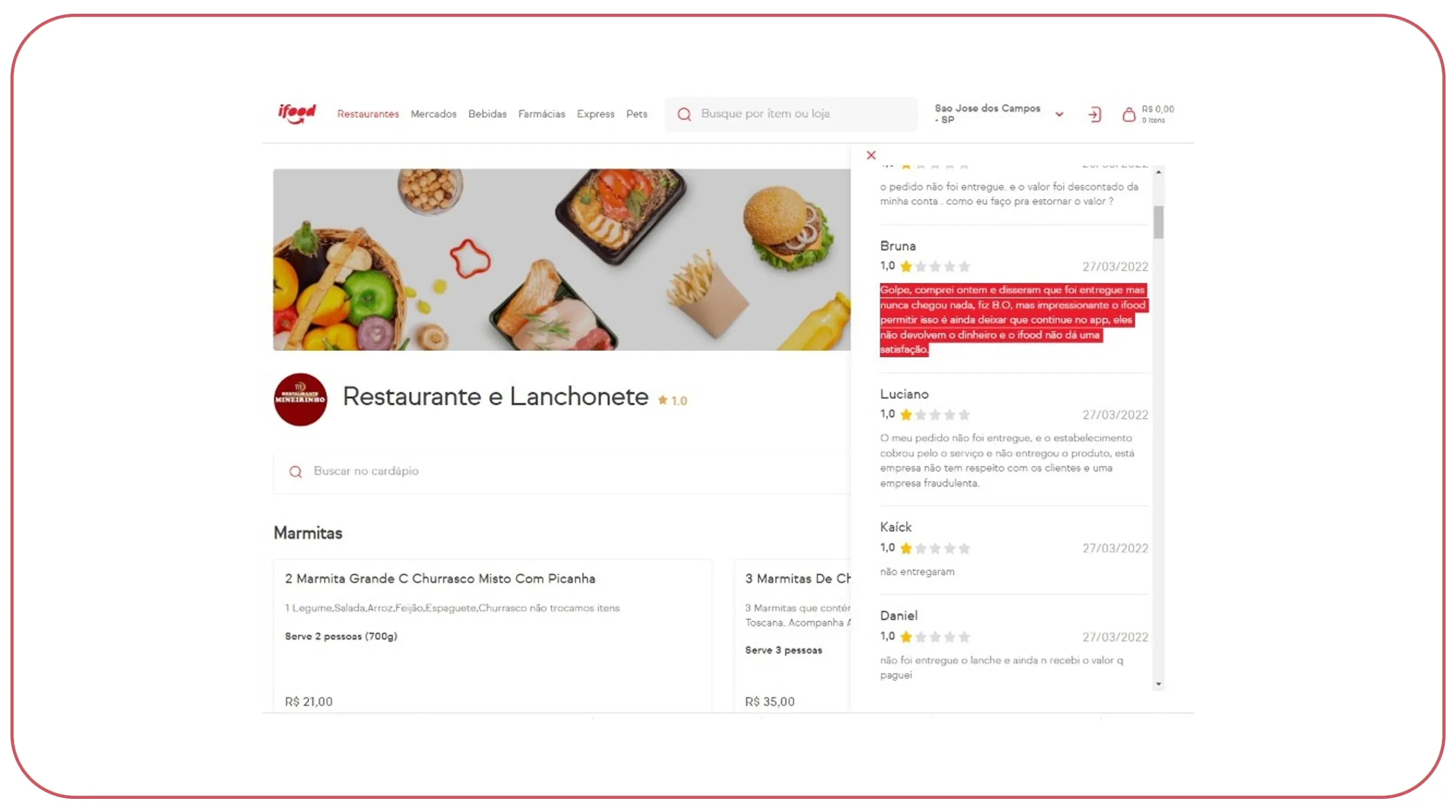
Restaurant pricing changes frequently due to promotions, ingredient costs, seasonal demand, and competitive activity. Businesses that depend on manual monitoring often struggle to maintain accurate datasets. This challenge has increased the adoption of Extract restaurant prices from iFood API solutions that automate continuous price monitoring across thousands of restaurants.
Between 2020 and 2026, restaurant marketplaces experienced significant pricing volatility. Delivery platforms introduced flash promotions, bundled meal offers, loyalty discounts, subscription pricing, and dynamic delivery fees. Businesses monitoring these changes gained valuable insights into customer purchasing behavior and competitor pricing strategies.
Automated API integrations allow organizations to capture restaurant information at scheduled intervals without manual intervention. Analysts can compare menu prices across cities, restaurant brands, cuisines, and delivery regions while identifying pricing trends that influence consumer demand.
Operations teams use structured pricing intelligence to optimize product positioning. Marketing departments evaluate promotional effectiveness. Investors assess regional restaurant growth, while AI models leverage historical pricing data to forecast future market trends.
By integrating structured restaurant pricing into analytics platforms, organizations reduce reporting delays and improve decision-making across pricing strategy, customer acquisition, and revenue optimization.
Key Business Benefits
- Automated restaurant price monitoring
- Competitive pricing intelligence
- Historical pricing analysis
- Regional comparison reporting
- Promotion tracking
- Business intelligence integration
Restaurant Pricing Trends (2020–2026)
| Metric | 2020 | 2022 | 2024 | 2026 (Projected) |
|---|---|---|---|---|
| Restaurants Digitized | 100 Index | 142 | 198 | 276 |
| Average Menu Updates/Month | 6 | 11 | 18 | 29 |
| Promotional Campaigns | 100 Index | 169 | 248 | 355 |
| Dynamic Pricing Adoption | 21% | 39% | 58% | 79% |
| API-Based Price Monitoring | 28% | 47% | 69% | 89% |
Organizations that automate pricing intelligence gain faster access to changing market conditions while improving forecasting accuracy, competitive benchmarking, and customer-focused pricing strategies.
Why Is AI Transforming Restaurant Data Collection?
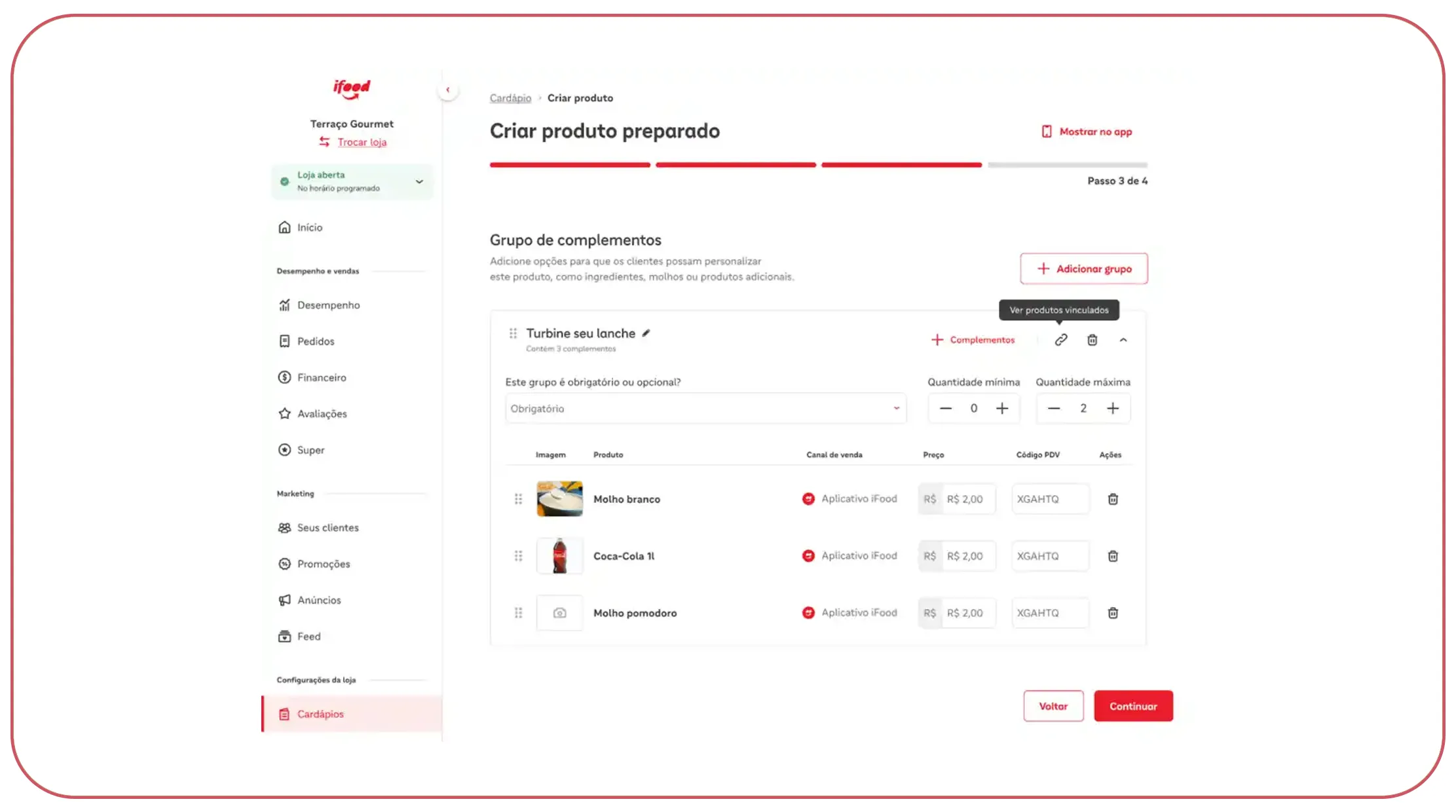
Artificial intelligence has dramatically improved the speed, accuracy, and scalability of restaurant data collection. Instead of relying on periodic manual updates, organizations now deploy intelligent automation through an AI-powered iFood restaurant menu data scraper to collect structured restaurant information continuously.
From 2020 through 2026, AI adoption across digital commerce accelerated due to increasing marketplace complexity. Restaurant menus now change multiple times per week, promotional campaigns launch daily, and delivery availability varies throughout the day. AI-powered extraction systems detect these updates automatically and organize them into standardized datasets.
Machine learning algorithms also improve data quality by identifying duplicate records, correcting inconsistent menu categories, standardizing product names, and validating pricing information before it reaches business intelligence systems.
Food delivery platforms leverage AI-powered datasets to enhance personalized recommendations, optimize restaurant rankings, forecast consumer demand, and improve customer engagement. Marketing teams analyze customer preferences, while category managers identify high-performing cuisines and emerging food trends.
The combination of automation and AI significantly reduces operational costs while enabling organizations to monitor thousands of restaurants simultaneously. This scalable approach supports faster reporting, stronger analytics, and more informed strategic decisions.
Advantages of AI-Driven Restaurant Intelligence
- Faster menu update detection
- Improved data accuracy
- Automated category classification
- Scalable restaurant monitoring
- Enhanced forecasting models
- Continuous marketplace intelligence
AI Adoption in Restaurant Analytics (2020–2026)
| AI Performance Metric | 2020 | 2022 | 2024 | 2026 (Projected) |
|---|---|---|---|---|
| AI Data Processing | 18% | 37% | 61% | 84% |
| Automated Menu Classification | 26% | 48% | 71% | 90% |
| Duplicate Record Reduction | 42% | 63% | 81% | 95% |
| Real-Time Data Validation | 24% | 46% | 68% | 89% |
| Enterprise AI Adoption | 31% | 52% | 73% | 91% |
AI-driven restaurant intelligence enables businesses to transform raw marketplace information into actionable insights that improve operational efficiency, customer satisfaction, and long-term competitive performance.
How Can Businesses Build Better Restaurant Catalog Intelligence?
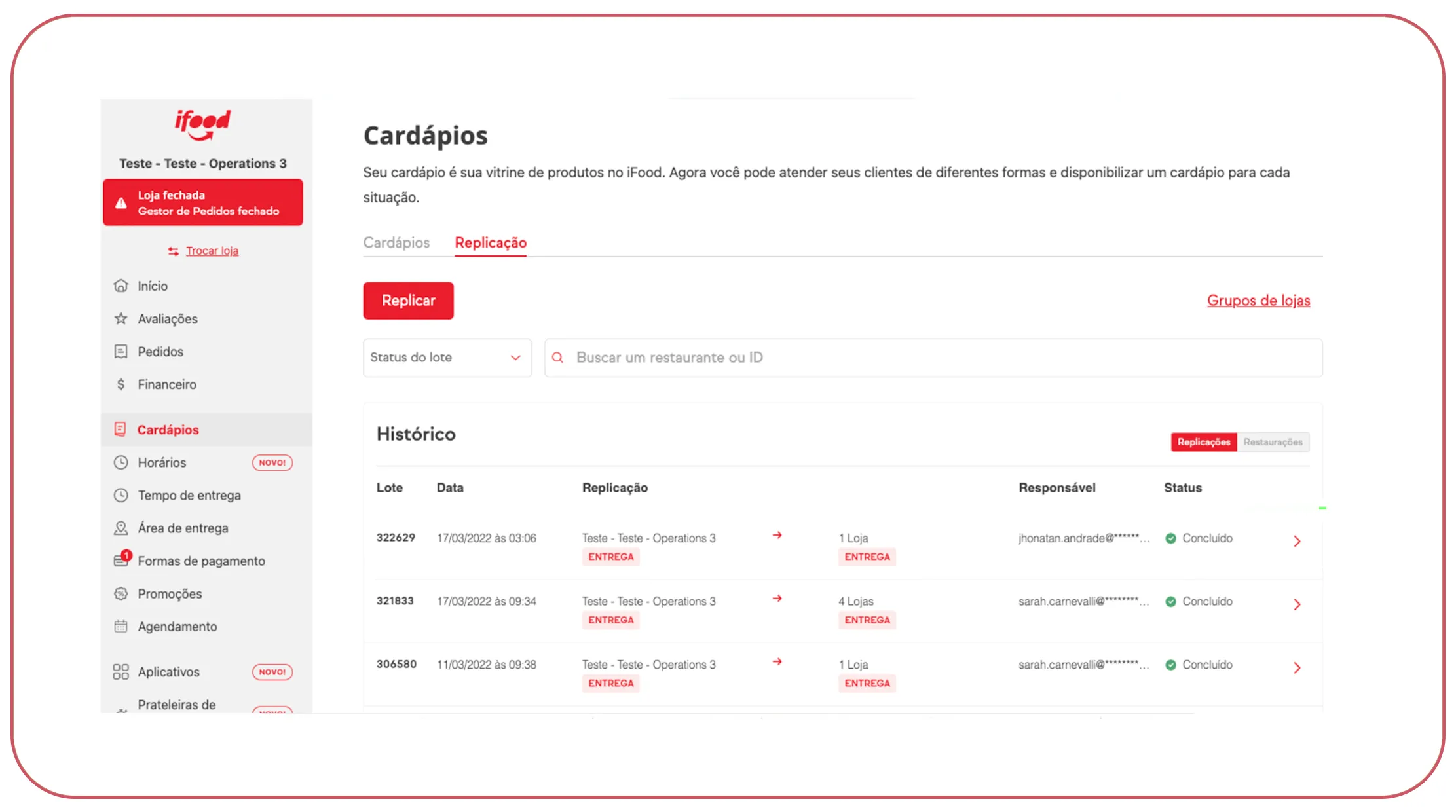
Restaurant catalogs are constantly evolving. New menu items, seasonal offerings, promotional bundles, and limited-time deals appear regularly across delivery platforms. Businesses require structured access to these updates to remain competitive. An iFood catalog API for Restaurant Menu Data Collection enables organizations to automate catalog monitoring while maintaining accurate and standardized restaurant datasets.
Between 2020 and 2026, digital restaurant catalogs expanded significantly as food delivery platforms onboarded thousands of new merchants and diversified menu offerings. Restaurants introduced healthier meals, plant-based alternatives, regional specialties, family combos, and subscription-based discounts to attract customers. Tracking these changes manually became increasingly difficult.
API-driven catalog collection helps businesses monitor menu availability, item descriptions, cuisine classifications, nutritional information, pricing changes, and promotional campaigns. Product managers evaluate new launches, while category analysts identify top-performing cuisines and seasonal demand patterns.
Structured restaurant catalog data also improves recommendation engines and search functionality by organizing products into consistent categories. AI models leverage historical catalog information to forecast emerging food trends and optimize digital merchandising strategies.
Organizations integrating restaurant catalog intelligence into analytics dashboards gain better visibility into customer preferences, competitor offerings, and marketplace expansion opportunities. This data-driven approach enables faster business decisions while reducing manual research efforts.
Key Advantages of Catalog Intelligence
- Automated menu monitoring
- Continuous catalog updates
- Standardized product classification
- Improved search and recommendations
- Faster competitor benchmarking
- Better assortment planning
Restaurant Catalog Growth (2020–2026)
| Catalog Metric | 2020 | 2022 | 2024 | 2026 (Projected) |
|---|---|---|---|---|
| Restaurant Catalog Size | 100 Index | 144 | 206 | 295 |
| Menu Items Added Annually | 100 Index | 152 | 228 | 331 |
| Digital Menu Categories | 28 | 39 | 53 | 68 |
| API-Based Catalog Collection | 24% | 45% | 67% | 88% |
| Automated Catalog Updates | 29% | 48% | 70% | 91% |
Businesses using structured catalog intelligence can rapidly identify marketplace trends, optimize digital merchandising strategies, and improve customer engagement through continuously updated restaurant information.
Why Is Delivery Intelligence Critical for Modern Food Platforms?
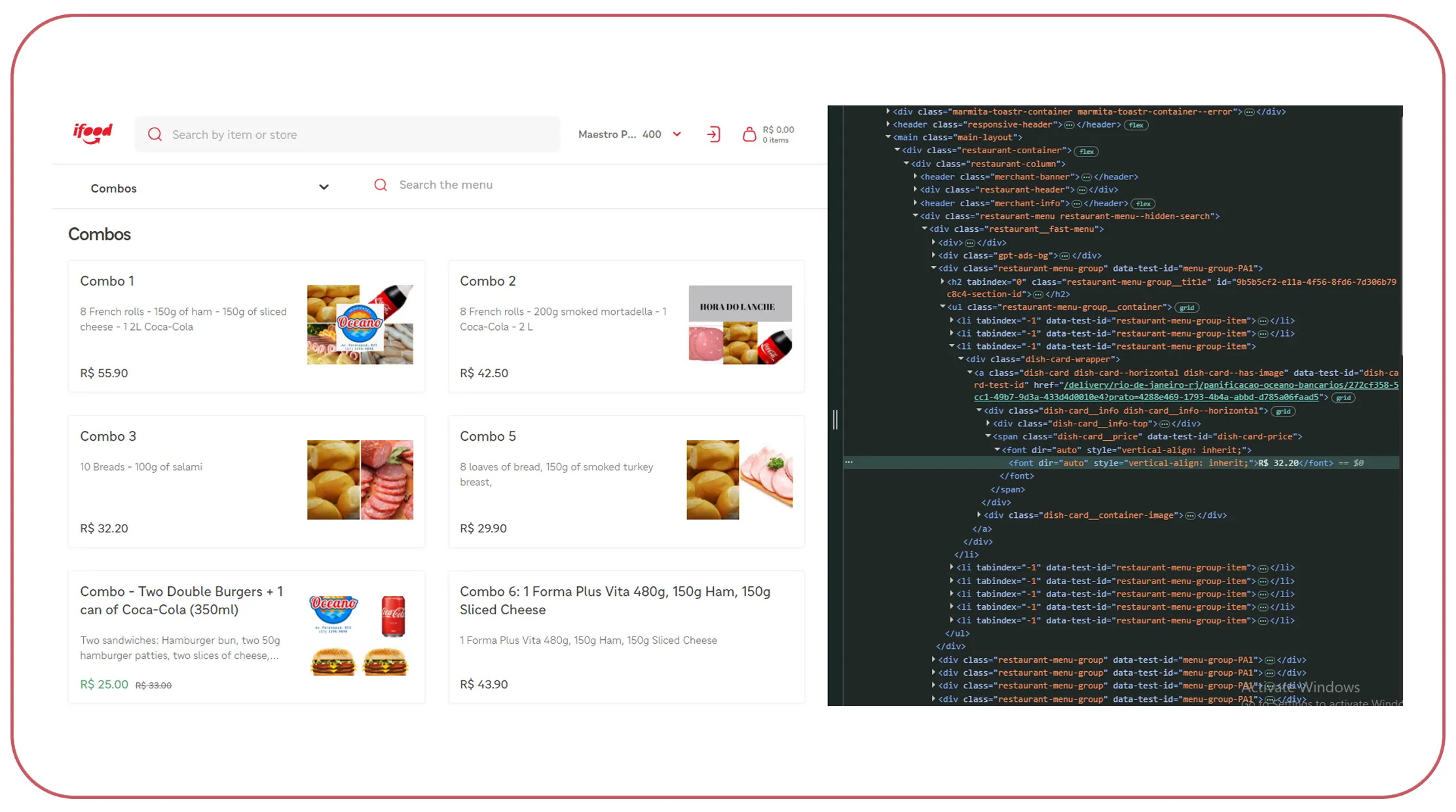
Fast, accurate deliveries have become a defining factor in customer satisfaction. Modern food delivery ecosystems generate valuable operational data that extends beyond menus and pricing. An iFood Delivery API provides structured access to delivery-related information such as estimated arrival times, service availability, delivery charges, order fulfillment trends, and geographic coverage.
Between 2020 and 2026, delivery operations became increasingly sophisticated due to growing customer expectations for speed, transparency, and reliability. Delivery platforms introduced real-time tracking, dynamic routing, surge pricing, scheduled deliveries, and subscription programs to improve customer experiences.
Businesses leverage delivery intelligence to optimize logistics planning, monitor service quality, identify high-demand regions, and forecast delivery workloads. Restaurant chains evaluate fulfillment efficiency across locations, while logistics teams improve driver allocation using historical delivery patterns.
Real-time delivery insights also support AI-powered route optimization and predictive analytics. Operations managers can reduce delays, improve customer satisfaction, and maximize delivery efficiency by continuously monitoring structured operational data.
Integrated delivery analytics enable executives to evaluate regional performance, compare marketplace competitiveness, and make proactive operational improvements based on reliable data instead of manual reporting.
Business Applications
- Delivery performance monitoring
- Regional demand analysis
- Logistics optimization
- Customer satisfaction measurement
- Operational forecasting
- Business intelligence reporting
Delivery Operations Overview (2020–2026)
| Delivery Metric | 2020 | 2022 | 2024 | 2026 (Projected) |
|---|---|---|---|---|
| Average Daily Deliveries | 1.2M | 2.0M | 3.1M | 4.8M |
| Real-Time Tracking Adoption | 48% | 66% | 83% | 96% |
| Average Delivery Accuracy | 84% | 90% | 95% | 98% |
| Same-Day Delivery Orders | 39% | 58% | 76% | 92% |
| API-Based Logistics Integration | 30% | 49% | 71% | 90% |
Organizations utilizing delivery intelligence can improve operational efficiency, optimize logistics performance, enhance customer experiences, and make smarter strategic decisions as food delivery marketplaces continue expanding.
How Can Businesses Scale Restaurant Intelligence Across Thousands of Locations?
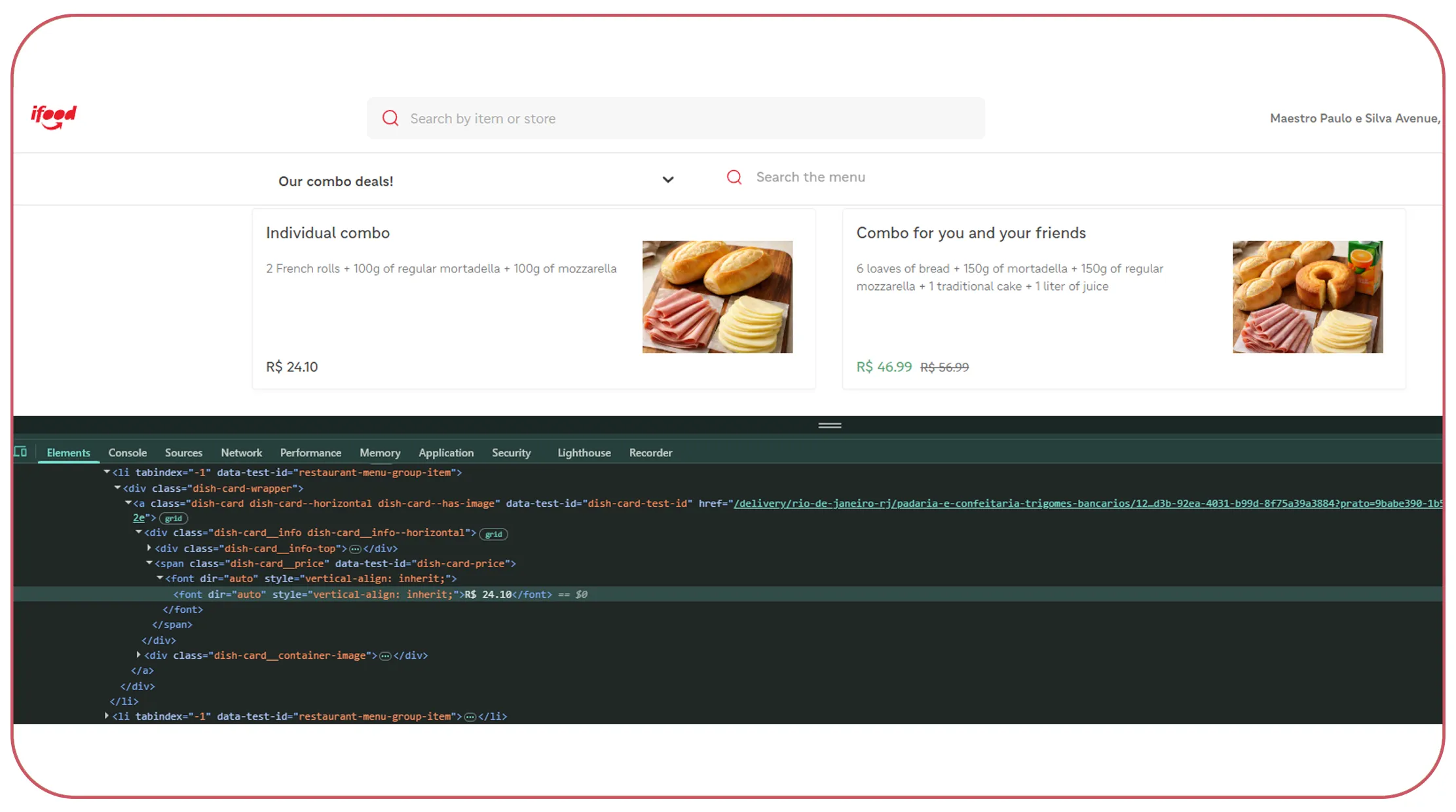
As food delivery marketplaces continue expanding, businesses need scalable solutions that collect and organize restaurant information from thousands of merchants simultaneously. An IFood Scraper enables organizations to automate restaurant discovery, monitor menu changes, capture pricing updates, and analyze marketplace trends without relying on manual data collection.
From 2020 through 2026, the number of restaurants participating in digital food delivery platforms increased significantly. New merchants entered the market every month, while existing restaurants frequently updated menus, introduced promotional offers, and adjusted pricing to respond to consumer demand. Monitoring this volume of information manually became increasingly impractical.
Automated restaurant intelligence helps businesses maintain consistent datasets across multiple cities and regions. Analysts compare restaurant growth, category performance, and promotional strategies. Marketing teams monitor discount campaigns, while operations managers evaluate merchant activity and marketplace expansion.
Structured restaurant intelligence also supports AI-driven forecasting by identifying seasonal demand patterns, regional cuisine preferences, and pricing fluctuations. Business leaders can combine restaurant data with customer analytics to improve strategic planning and expansion decisions.
Scalable restaurant monitoring enables enterprises to generate timely reports, benchmark competitors, optimize digital merchandising, and respond quickly to changing marketplace conditions.
Business Advantages
- Large-scale restaurant monitoring
- Automated menu and pricing updates
- Regional market comparisons
- Merchant performance analysis
- AI-ready structured datasets
- Enterprise reporting automation
Restaurant Intelligence Trends (2020–2026)
| Restaurant Intelligence Metric | 2020 | 2022 | 2024 | 2026 (Projected) |
|---|---|---|---|---|
| Active Restaurant Listings | 100 Index | 148 | 213 | 304 |
| Menu Updates Captured | 100 Index | 173 | 257 | 372 |
| Merchant Expansion | 100 Index | 139 | 194 | 281 |
| Automated Restaurant Monitoring | 26% | 45% | 68% | 89% |
| Enterprise Data Adoption | 33% | 52% | 74% | 92% |
Organizations investing in scalable restaurant intelligence can improve competitive visibility, enhance business forecasting, and support long-term digital transformation through continuously updated marketplace data.
How Can Food Data Support Smarter Business Decisions?
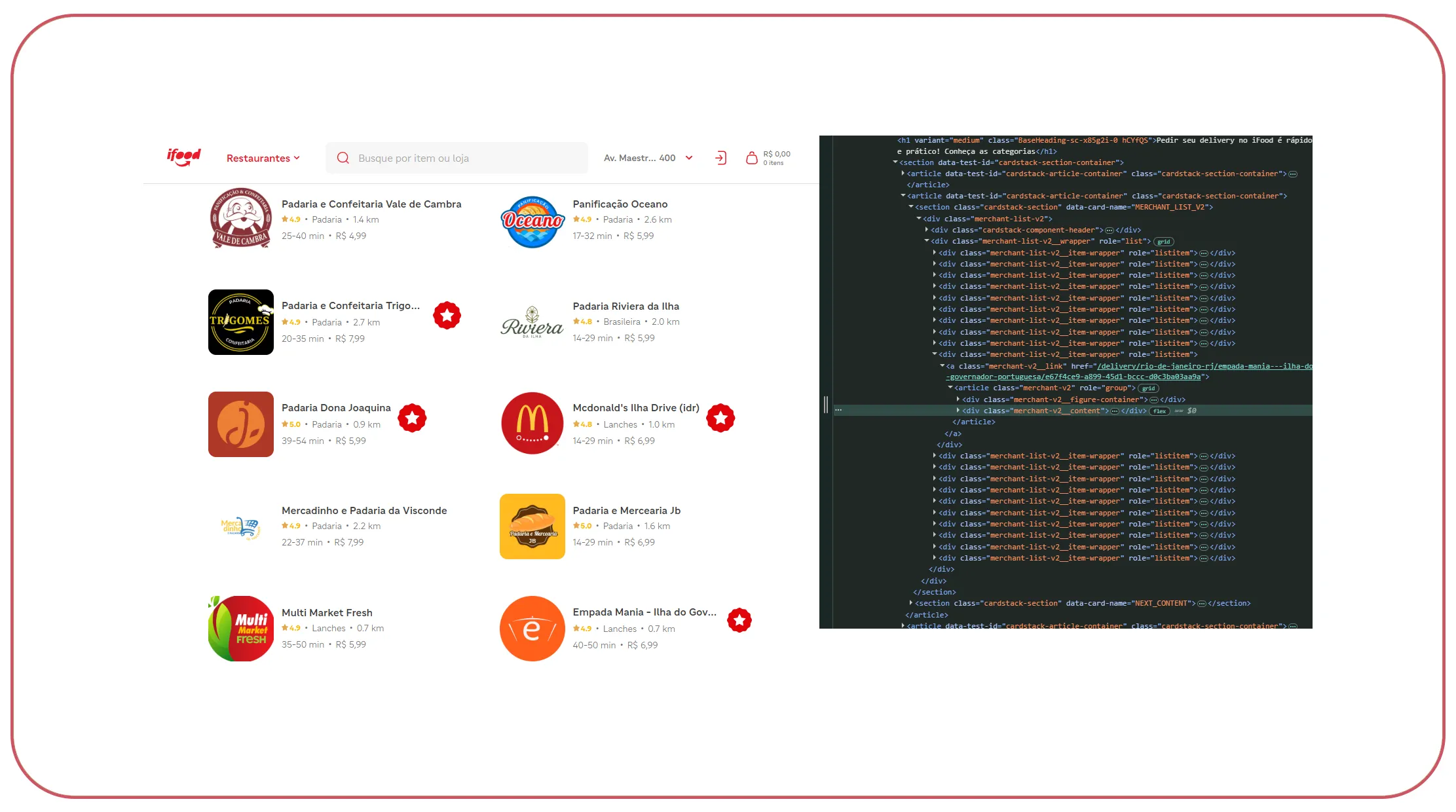
Reliable restaurant information is valuable only when it is transformed into actionable business intelligence. A robust Food Data Scraping API enables organizations to automate structured data collection and integrate restaurant insights into analytics platforms, AI applications, forecasting systems, and operational dashboards.
Between 2020 and 2026, enterprises increasingly relied on structured food data to improve pricing strategies, optimize restaurant partnerships, identify consumer trends, and strengthen customer engagement. Data-driven organizations consistently outperformed competitors by responding faster to market changes.
Food delivery businesses use structured APIs to analyze menu pricing, customer ratings, restaurant availability, cuisine popularity, delivery performance, and promotional campaigns. These insights support inventory planning, marketing optimization, dynamic pricing, and personalized recommendations.
Market research firms leverage historical restaurant datasets to identify emerging trends across cities and regions. Investors monitor marketplace expansion, while technology companies train AI models using structured restaurant information for recommendation engines and predictive analytics.
By integrating food delivery intelligence into enterprise systems, businesses reduce manual effort, improve reporting accuracy, and gain continuous visibility into evolving marketplace dynamics.
Enterprise Applications
- Competitive benchmarking
- Pricing optimization
- Customer behavior analysis
- AI model development
- Market trend forecasting
- Executive business reporting
Food Analytics Growth (2020–2026)
| Analytics Metric | 2020 | 2022 | 2024 | 2026 (Projected) |
|---|---|---|---|---|
| Businesses Using API Data | 29% | 46% | 68% | 88% |
| Automated Business Reports | 32% | 51% | 72% | 91% |
| AI-Based Analytics | 21% | 40% | 63% | 86% |
| Restaurant Data Volume | 100 Index | 162 | 244 | 358 |
| Predictive Analytics Adoption | 24% | 43% | 66% | 87% |
Organizations that leverage structured food intelligence gain faster decision-making, stronger operational efficiency, and greater competitive advantages in the rapidly evolving digital food commerce landscape.
Why Choose Real Data API?
Businesses need more than raw restaurant data—they require reliable, scalable, and enterprise-ready data solutions. With scrape iFood restaurant menus and prices via API , Real Data API helps organizations access structured restaurant intelligence that supports analytics, automation, AI initiatives, and business growth.
Why businesses trust Real Data API
- Real-time restaurant menu and pricing extraction
- Enterprise-grade API integrations
- High-accuracy structured datasets
- Automated data pipelines for analytics
- Scalable solutions for startups and enterprises
- Flexible output formats for BI, AI, CRM, and ERP platforms
- Continuous monitoring of restaurant catalogs, pricing, ratings, and promotions
- Dedicated technical support and customized data solutions
Whether your objective is competitive intelligence, menu optimization, pricing analysis, customer experience enhancement, or AI model development, Real Data API delivers reliable restaurant data that powers informed business decisions.
Conclusion
The food delivery industry continues to evolve rapidly, making real-time restaurant intelligence essential for success. Businesses that scrape iFood restaurant menus and prices via API can automate menu monitoring, analyze pricing trends, optimize operations, benchmark competitors, and build data-driven strategies that improve customer experiences and operational performance.
As restaurant marketplaces continue expanding through 2026 and beyond, investing in structured API-powered data collection provides organizations with the insights needed to adapt quickly, uncover growth opportunities, and maintain a competitive edge.
Partner with Real Data API today to unlock scalable restaurant intelligence, automate food delivery data collection, and transform real-time restaurant insights into measurable business growth!
Latest posts
How Ixigo API Helps Businesses Solve Flight, Train, Hotel, Travel, and Pricing Data Challenges
How to Extract Restaurants, Menus, Prices, Ratings, and Business Data for Market Insights
How Brands Track Restaurant, Menu, Pricing, Rating, and Delivery Data for Competitive Intelligence

How Retailers Track Fashion Products, Prices, Brands, and Category Data for Competitive Intelligence Using AJIO API






.png)



