Introduction
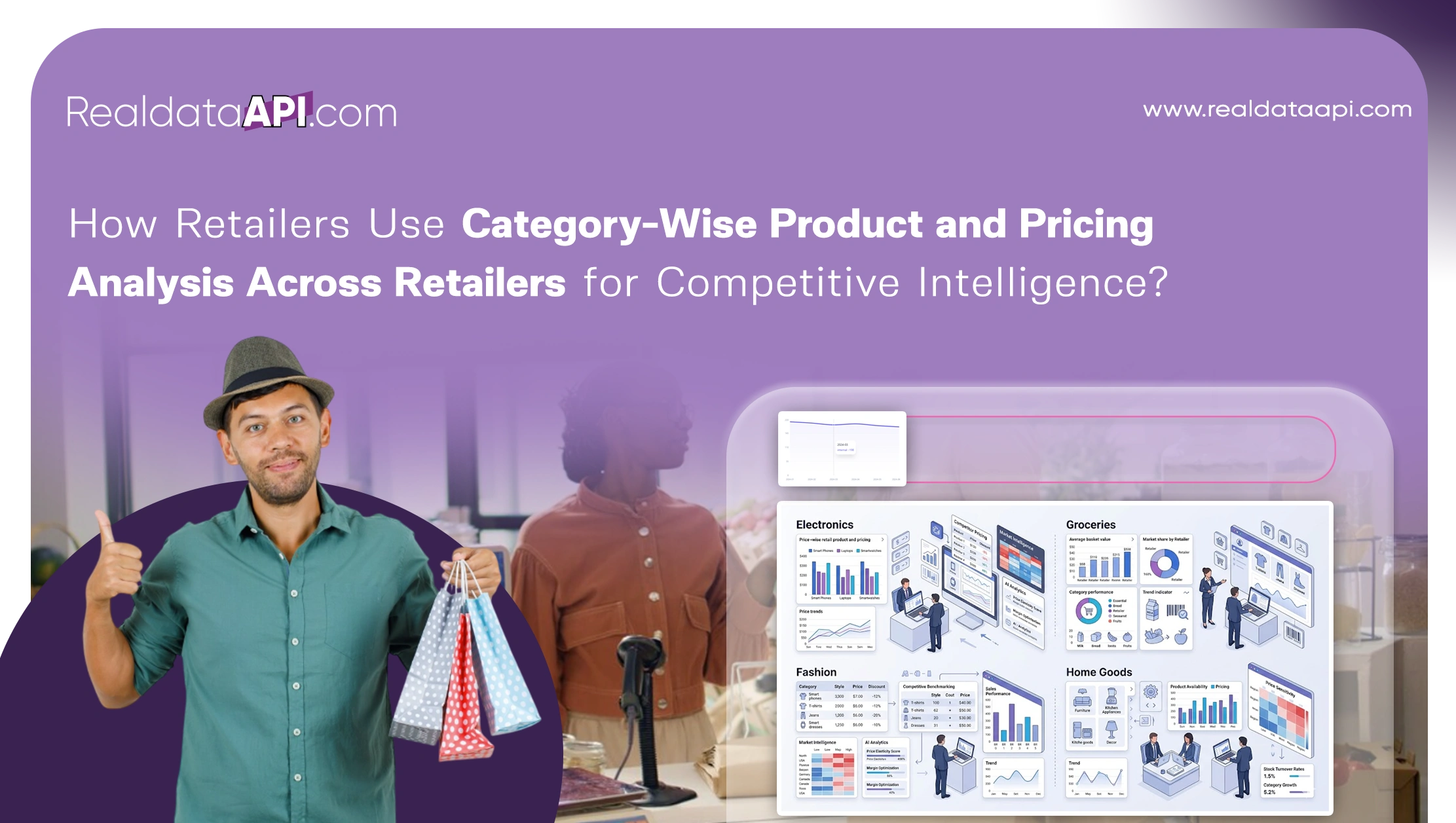
The global retail and eCommerce landscape has become increasingly data-driven, with businesses relying heavily on market intelligence to remain competitive. Retailers today manage thousands of products across multiple categories, marketplaces, and digital channels, making category-level analysis essential for understanding pricing dynamics, assortment trends, and customer demand. To stay ahead in competitive markets, companies increasingly perform category-wise product and pricing analysis across retailers using advanced automation and analytics technologies.
Retail category intelligence allows organizations to compare pricing strategies, monitor assortment variations, identify fast-growing product segments, and benchmark competitors across multiple retail platforms. Businesses leveraging automated retail analytics can make faster and more accurate decisions related to pricing optimization, inventory planning, merchandising, and promotional campaigns.
Modern organizations also rely on the E-Commerce Data Scraping API to automate large-scale retail data extraction and gain structured insights from online stores and marketplaces in real time.
From 2020 to 2026, the adoption of category-level retail intelligence has accelerated significantly as retailers seek deeper visibility into evolving customer behavior and market trends. This blog explores how businesses use category-wise pricing and product analysis to improve competitive intelligence and strengthen retail strategy.
Category Intelligence Supporting Smarter Retail Decisions
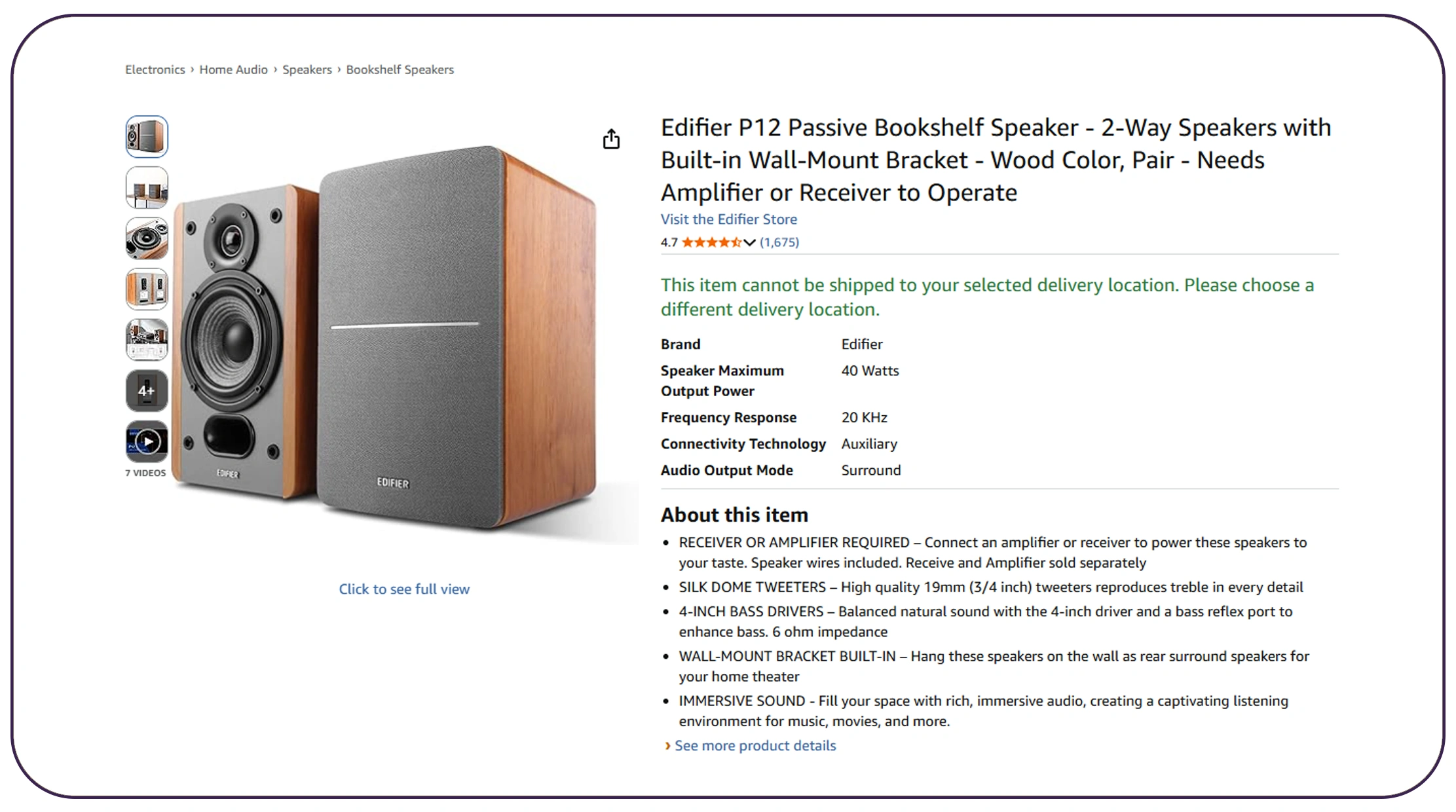
Retail product categories evolve continuously due to changing consumer preferences, pricing competition, and assortment expansion. Businesses increasingly use web scraping ecommerce category insights to monitor category-level performance and understand competitive market positioning.
Category intelligence enables organizations to compare products, pricing, inventory, and promotional activity across multiple retail segments simultaneously.
Retail Category Intelligence Adoption Trends (2020–2026)
| Year | Businesses Using Category Analytics | Automated Retail Intelligence Adoption |
|---|---|---|
| 2020 | 24% | 18% |
| 2021 | 34% | 29% |
| 2022 | 47% | 42% |
| 2023 | 60% | 56% |
| 2024 | 73% | 69% |
| 2025 | 84% | 81% |
| 2026 | 92% | 90% |
Retailers leveraging category intelligence can:
- Monitor category pricing trends
- Analyze product assortment growth
- Compare competitor strategies
- Detect high-demand segments
- Improve category management
- Optimize merchandising decisions
Automated category-level insights help businesses identify market opportunities faster while reducing manual analysis efforts. Retailers can also track how competitors adjust assortments and pricing strategies across different product segments.
As online marketplaces continue expanding, category intelligence has become increasingly essential for effective retail planning and competitive positioning.
Advanced Analytics Enhancing Product and Pricing Visibility
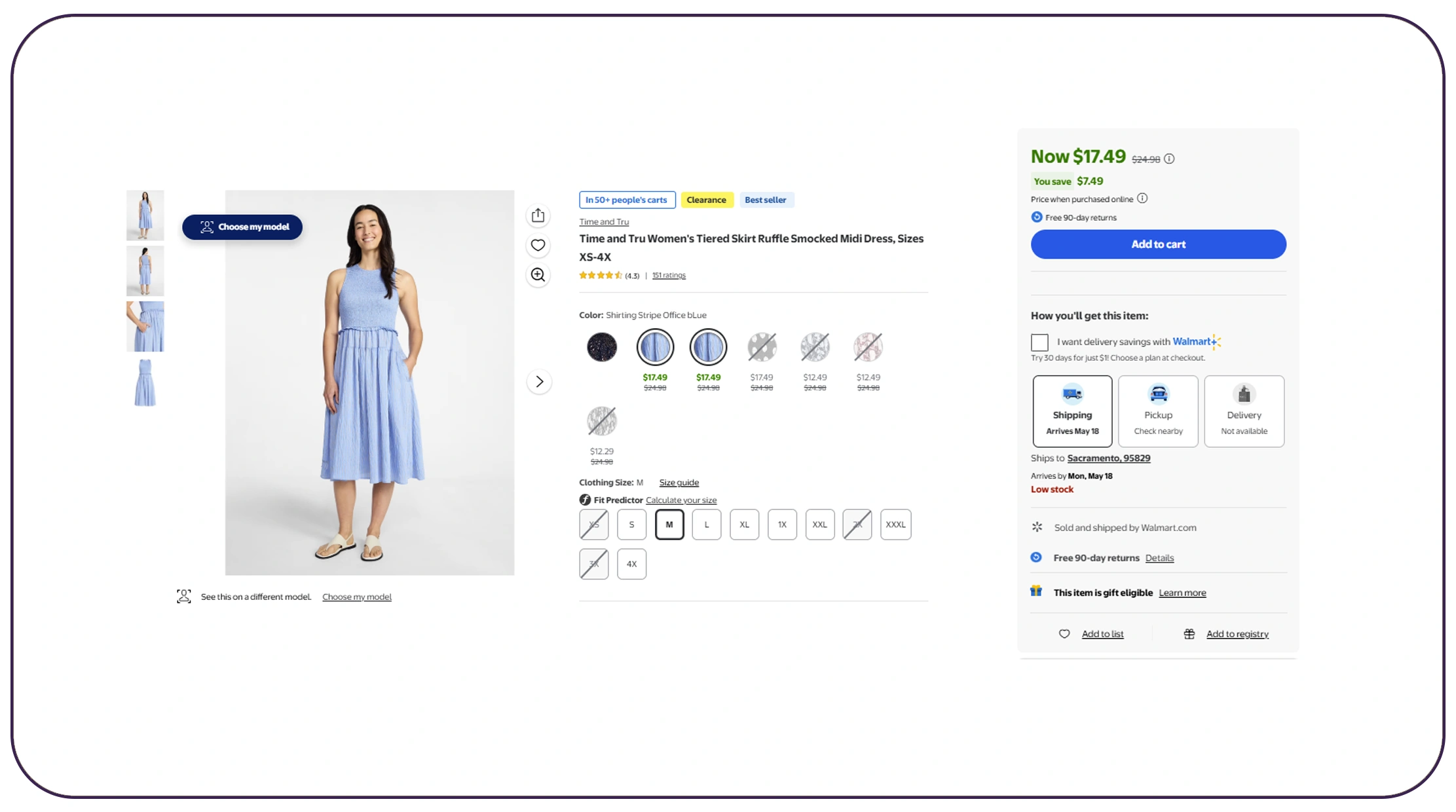
Modern retailers require scalable technologies to analyze millions of products across multiple categories and marketplaces. Businesses increasingly adopt tools for category-level data extraction analysis to automate large-scale product intelligence operations.
Advanced analytics platforms help organizations extract structured pricing data, product attributes, stock information, and promotional details from retail websites in real time.
Retail Analytics Technology Growth (2020–2026)
| Year | Businesses Using Retail Analytics Tools | Automated Category Analysis Adoption |
|---|---|---|
| 2020 | 22% | 17% |
| 2021 | 32% | 27% |
| 2022 | 45% | 41% |
| 2023 | 58% | 54% |
| 2024 | 71% | 67% |
| 2025 | 83% | 80% |
| 2026 | 91% | 89% |
Category analytics technologies help retailers:
- Monitor competitor pricing
- Compare category performance
- Analyze promotional trends
- Detect pricing inconsistencies
- Improve assortment optimization
- Enhance revenue forecasting
Automated category analysis also improves operational scalability by enabling retailers to process vast amounts of product data efficiently.
As product catalogs continue growing across marketplaces, scalable analytics technologies become critical for maintaining visibility into evolving market conditions and competitive activity.
Large-Scale Retail Monitoring Driving Competitive Benchmarking
Retailers increasingly require deeper market visibility to benchmark pricing, assortment diversity, and category performance across competing brands and marketplaces. Businesses therefore rely on large-scale category scraping for retail market insights to collect detailed product intelligence at scale.
Large-scale retail scraping enables organizations to monitor thousands of product categories simultaneously across multiple digital commerce platforms.
Growth of Large-Scale Retail Data Collection (2020–2026)
| Year | Businesses Using Large-Scale Retail Scraping | Multi-Category Monitoring Adoption |
|---|---|---|
| 2020 | 19% | 15% |
| 2021 | 30% | 26% |
| 2022 | 43% | 39% |
| 2023 | 56% | 53% |
| 2024 | 69% | 67% |
| 2025 | 82% | 80% |
| 2026 | 91% | 89% |
Large-scale category monitoring supports:
- Competitive benchmarking
- Dynamic pricing optimization
- Product gap analysis
- Assortment comparison
- Market trend identification
- Demand forecasting
Retailers leveraging large-scale scraping technologies gain deeper visibility into category-level market movements and competitor activities.
These insights are especially valuable during seasonal promotions, flash sales, and major shopping events when pricing and assortment changes occur rapidly across retailers.
Scalable Category Extraction Supporting Retail Intelligence
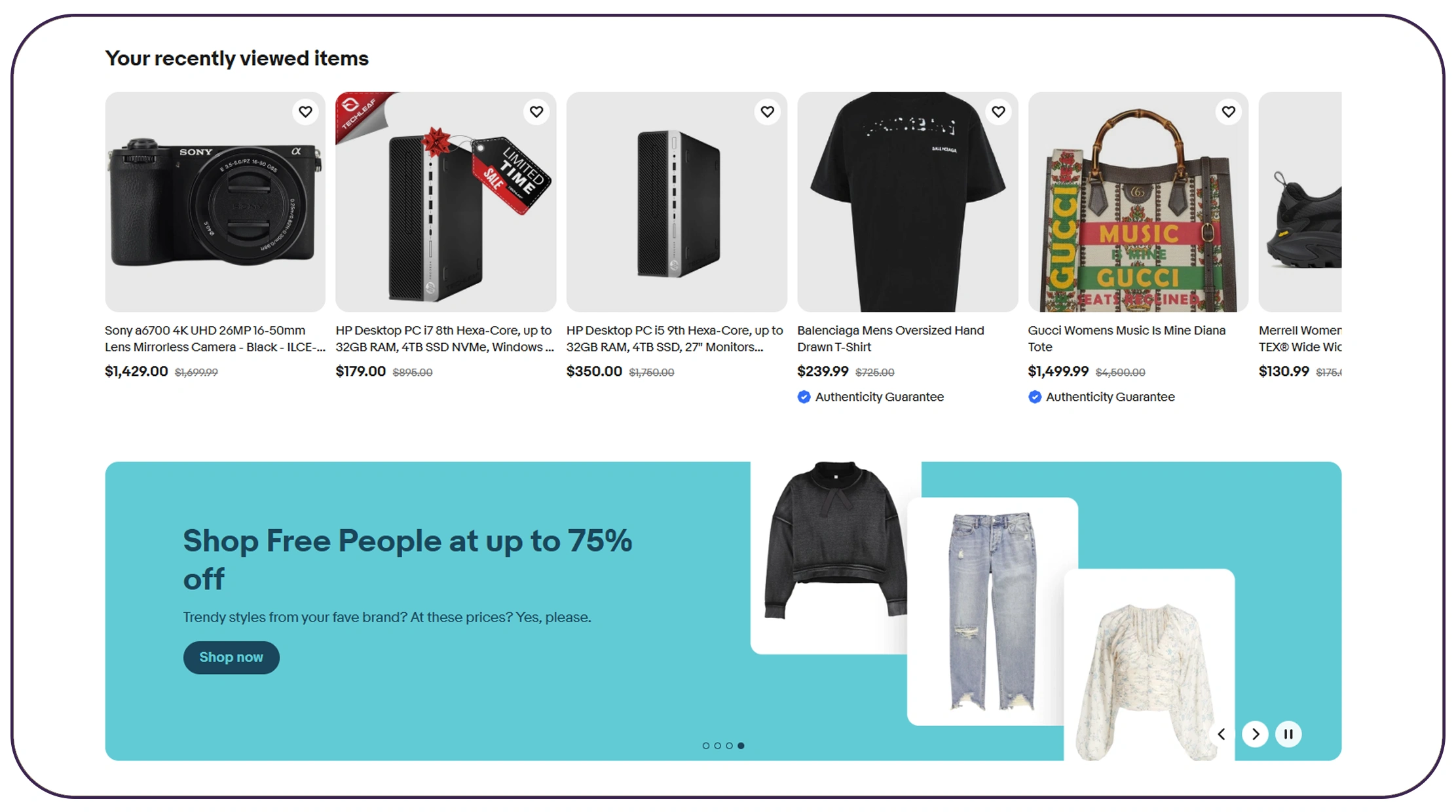
Modern eCommerce platforms contain millions of categorized products that continuously evolve based on market demand and retailer strategies. Businesses increasingly Extract ecommerce product categories at scale to improve retail intelligence and category management operations.
Scalable category extraction systems help businesses organize and analyze structured product data efficiently across multiple retail environments.
Ecommerce Category Extraction Trends (2020–2026)
| Year | Businesses Extracting Product Categories | Automated Category Classification |
|---|---|---|
| 2020 | 23% | 18% |
| 2021 | 34% | 29% |
| 2022 | 48% | 43% |
| 2023 | 61% | 57% |
| 2024 | 74% | 71% |
| 2025 | 86% | 84% |
| 2026 | 93% | 92% |
Category extraction enables businesses to:
- Improve catalog organization
- Analyze category growth trends
- Track product performance
- Optimize assortment planning
- Enhance search visibility
- Support predictive analytics
Retailers using automated category extraction systems gain more accurate visibility into product segmentation and consumer demand patterns.
Structured category data also improves machine learning and AI-powered analytics capabilities by enabling deeper product classification and predictive modeling.
API Automation Expanding Retail Intelligence Capabilities
Retail intelligence technologies continue evolving rapidly as organizations seek scalable automation solutions for category analysis and pricing intelligence. The Top Ecommerce Scraping API Use Cases now include category-level pricing analytics, assortment tracking, inventory monitoring, customer sentiment analysis, and competitor benchmarking.
Advanced APIs enable businesses to automate large-scale retail intelligence operations across multiple online marketplaces.
Ecommerce API Adoption Trends (2020–2026)
| Use Case | 2020 | 2023 | 2026 |
|---|---|---|---|
| Category Pricing Analytics | 28% | 57% | 89% |
| Assortment Monitoring | 23% | 49% | 84% |
| Competitor Benchmarking | 26% | 53% | 87% |
| Inventory Tracking | 24% | 51% | 85% |
| Customer Analytics | 21% | 47% | 81% |
API-driven automation allows businesses to:
- Access real-time retail data
- Improve monitoring scalability
- Reduce manual data collection
- Enable predictive forecasting
- Enhance operational efficiency
- Improve strategic decision-making
Retailers integrating advanced APIs into business intelligence systems gain faster access to actionable category insights and competitive intelligence.
Automation also improves retail visibility by enabling continuous monitoring across thousands of product categories simultaneously.
Structured Data Fueling Predictive Retail Analytics
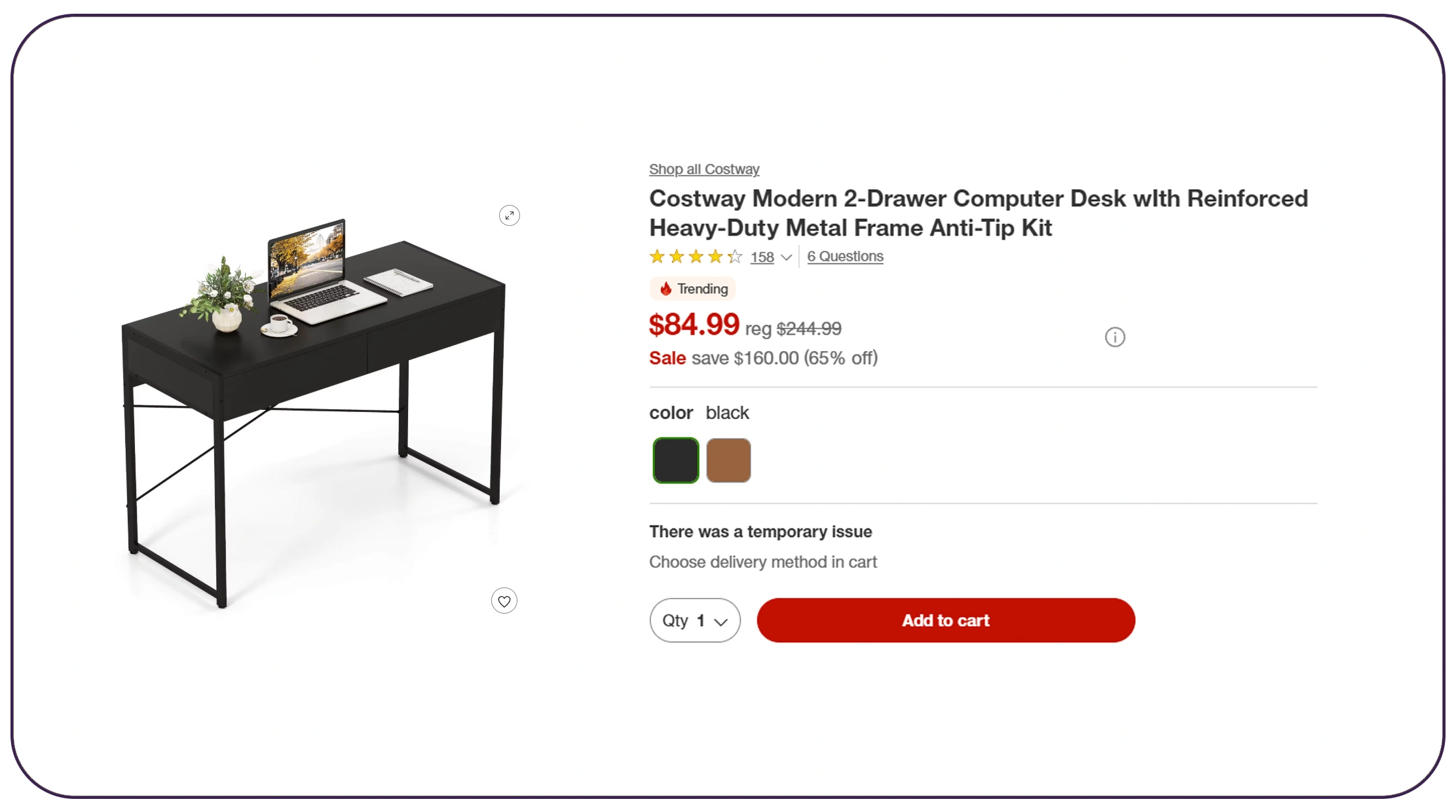
The future of retail intelligence depends heavily on structured data, predictive analytics, and AI-driven decision-making systems. Businesses increasingly leverage large-scale E-Commerce Dataset solutions to support category analytics, pricing optimization, and market forecasting.
Structured retail datasets provide comprehensive insights into:
- Product pricing trends
- Category performance
- Assortment diversity
- Inventory movement
- Consumer demand patterns
- Competitive positioning
Structured Retail Data Growth (2020–2026)
| Year | Structured Retail Dataset Usage | Predictive Retail Analytics Adoption |
|---|---|---|
| 2020 | 25% | 20% |
| 2021 | 36% | 31% |
| 2022 | 49% | 44% |
| 2023 | 62% | 58% |
| 2024 | 75% | 71% |
| 2025 | 87% | 84% |
| 2026 | 94% | 92% |
Predictive retail analytics supports:
- Smarter pricing decisions
- Inventory optimization
- Demand forecasting
- Category growth planning
- Personalized marketing
- Revenue maximization
Businesses using predictive analytics gain stronger visibility into future market trends and customer purchasing behavior.
As digital commerce ecosystems continue expanding, structured retail datasets will remain essential for advanced retail intelligence and strategic planning.
Why Choose Real Data API?
Real Data API delivers enterprise-grade retail intelligence and automation solutions designed for modern retailers, marketplaces, brands, and analytics platforms. Our advanced Web Scraping API technologies help businesses automate category analysis, pricing intelligence, assortment tracking, and competitive benchmarking at scale.
We help organizations perform category-wise product and pricing analysis across retailers using scalable automation systems that provide accurate and real-time retail intelligence.
Our capabilities include:
- Category pricing analytics
- Product assortment monitoring
- Competitor benchmarking
- Marketplace intelligence
- Retail trend analysis
- Inventory tracking
- Real-time retail data extraction
- Enterprise-grade retail APIs
Real Data API provides scalable, secure, and high-performance retail intelligence solutions that support smarter business strategies and operational efficiency.
Conclusion
Retail competition continues intensifying as marketplaces expand and consumer behavior evolves rapidly. Businesses performing category-wise product and pricing analysis across retailers gain powerful advantages through pricing intelligence, assortment visibility, competitor benchmarking, and predictive retail analytics.
As digital commerce environments become increasingly data-driven, automated retail intelligence solutions will play a critical role in improving strategic planning, operational efficiency, and market responsiveness.
Partner with Real Data API to unlock advanced category analytics solutions and transform retail data into actionable competitive intelligence for smarter decision-making and long-term business growth.
Contact Real Data API today to access enterprise-grade retail intelligence, automated category analysis, and scalable eCommerce analytics solutions designed to strengthen your competitive strategy and accelerate retail success!
Latest posts
How Myntra Fashion Dataset Solves Fashion Intelligence Challenges Across Products, Prices, Brands, and Fashion Market Trends?
How Hyatt Travel Dataset Helps Businesses Track Hotels, Room Prices, Amenities, Locations, and Travel Trends?

How Louis Vuitton Fashion Dataset Enables Better Analysis of Luxury Products, Prices, Brands, and Fashion Trends?
How Blinkit Grocery Dataset Enables Smarter Analysis of Products, Prices, Availability, and Quick-Commerce Trends?






.png)