Introduction
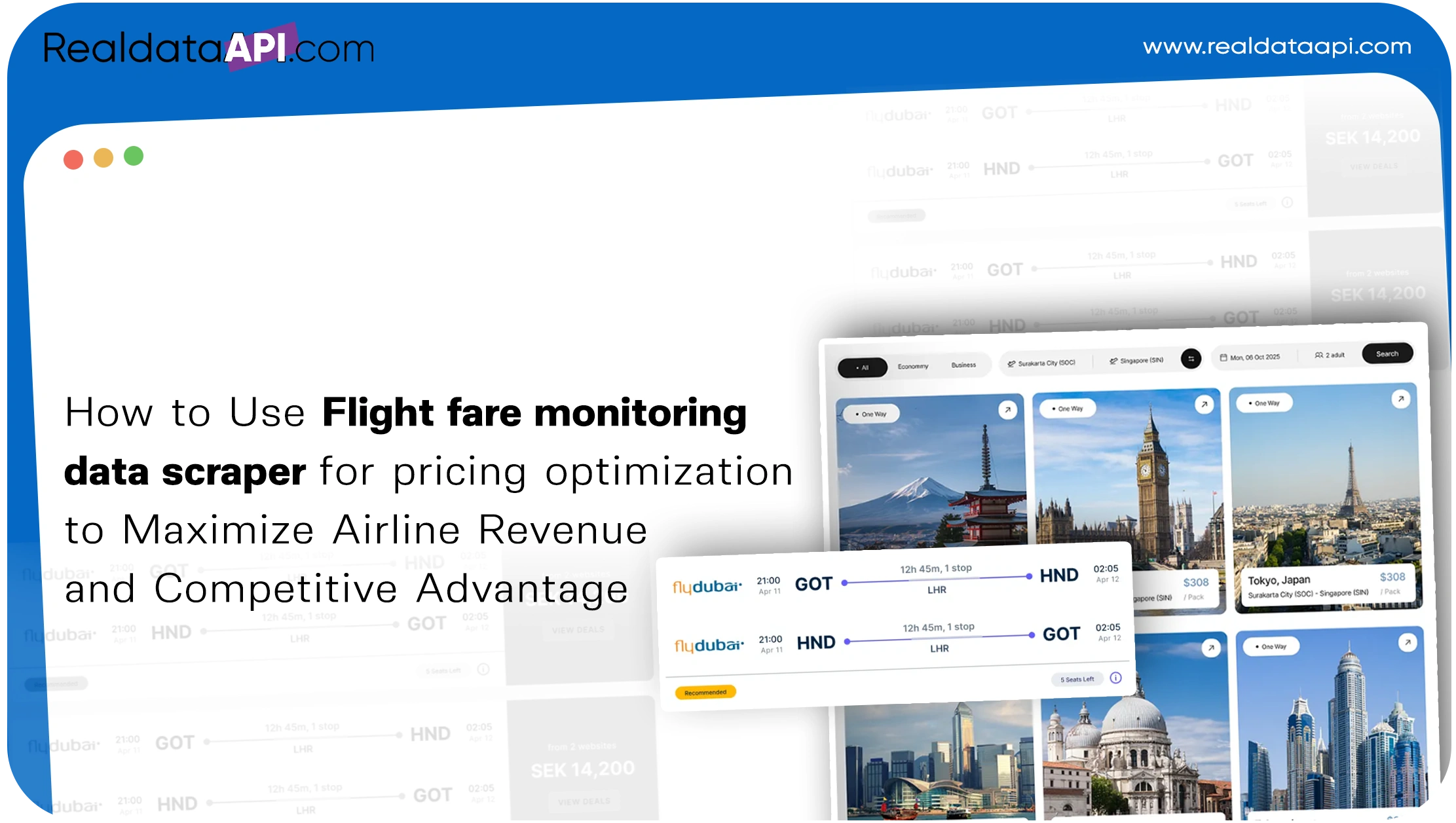
The most effective way to improve airline revenue is to use a Flight fare monitoring data scraper for pricing optimization that continuously tracks airfare changes, competitor pricing, route demand, and booking trends. Combined with a robust Travel Data Scraping API, businesses can automate fare monitoring and make smarter pricing decisions in real time.
Industry Insight: According to industry research, airlines using AI-driven fare optimization and automated pricing intelligence have achieved revenue improvements of 5–15% while significantly reducing manual pricing efforts. Between 2020 and 2026, the adoption of travel data analytics has continued to accelerate as airlines compete in increasingly dynamic markets.
The airline industry is one of the most price-sensitive sectors in the global economy. Flight fares fluctuate throughout the day due to demand, seasonality, fuel prices, competitor actions, booking windows, and promotional campaigns. Manually tracking these changes is no longer practical for airlines, Online Travel Agencies (OTAs), travel aggregators, market researchers, and travel technology companies.
Automated fare monitoring enables organizations to collect accurate pricing intelligence across multiple booking platforms and transform raw data into actionable business insights. By continuously monitoring fare changes, businesses can optimize ticket prices, identify emerging trends, forecast demand, and strengthen their competitive position.
This blog explores how automated airfare monitoring supports revenue optimization, competitive pricing, market intelligence, and demand forecasting using modern travel data solutions.
How Can Airlines Respond Faster to Constant Fare Changes?
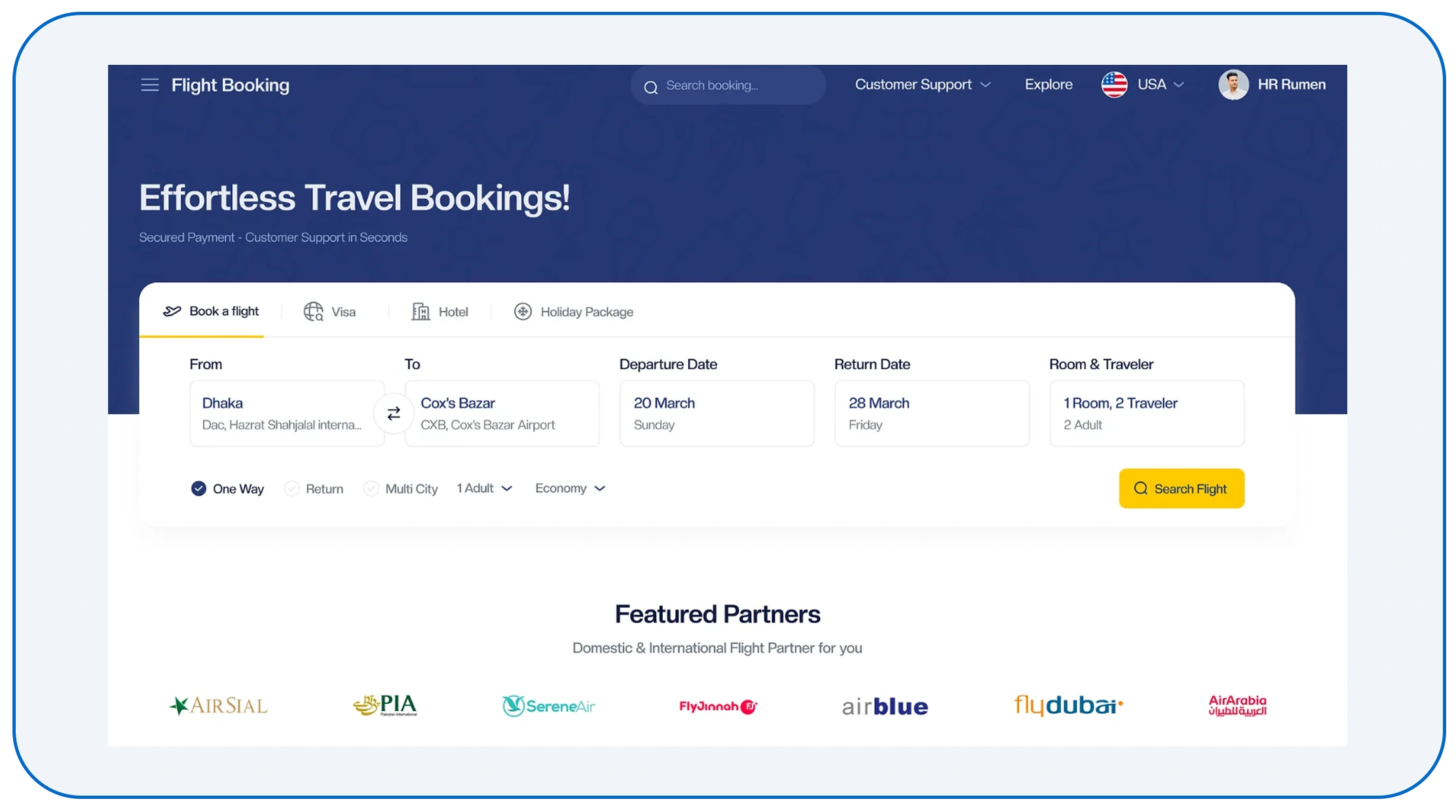
The airline market experiences thousands of fare updates every hour. Ticket prices change because of seat availability, competitor discounts, booking behavior, holiday demand, and route performance. Businesses that react slowly often lose valuable revenue opportunities.
Understanding how airlines use flight fare tracker solutions helps explain why automated monitoring has become an essential part of modern revenue management. These systems continuously collect airfare information from airline websites, OTAs, and booking engines to provide real-time pricing visibility.
A flight fare tracker helps airlines:
- Monitor competitor ticket prices
- Detect fare fluctuations instantly
- Optimize promotional pricing
- Improve yield management
- Increase booking conversions
- Respond quickly to market demand
- Reduce manual monitoring efforts
Instead of relying on spreadsheets or periodic reports, airlines receive continuous market intelligence that supports proactive pricing decisions. Revenue teams can identify opportunities to increase fares during high-demand periods or introduce competitive discounts when required.
Airline Fare Tracking Adoption (2020–2026)
| Year | Airlines Using Fare Tracking | Daily Fare Updates Monitored | Average Revenue Improvement |
|---|---|---|---|
| 2020 | 35% | 500,000 | 4.2% |
| 2021 | 41% | 750,000 | 5.1% |
| 2022 | 50% | 1.2 Million | 6.3% |
| 2023 | 61% | 2.0 Million | 7.6% |
| 2024 | 70% | 3.1 Million | 8.9% |
| 2025* | 78% | 4.8 Million | 10.5% |
| 2026* | 85% | 6.5 Million | 12.0% |
*Projected industry estimates
As pricing competition continues to intensify, automated fare monitoring enables airlines to react within minutes instead of hours, improving both profitability and customer satisfaction.
Why Is Competitive Pricing Intelligence Essential for Airlines?
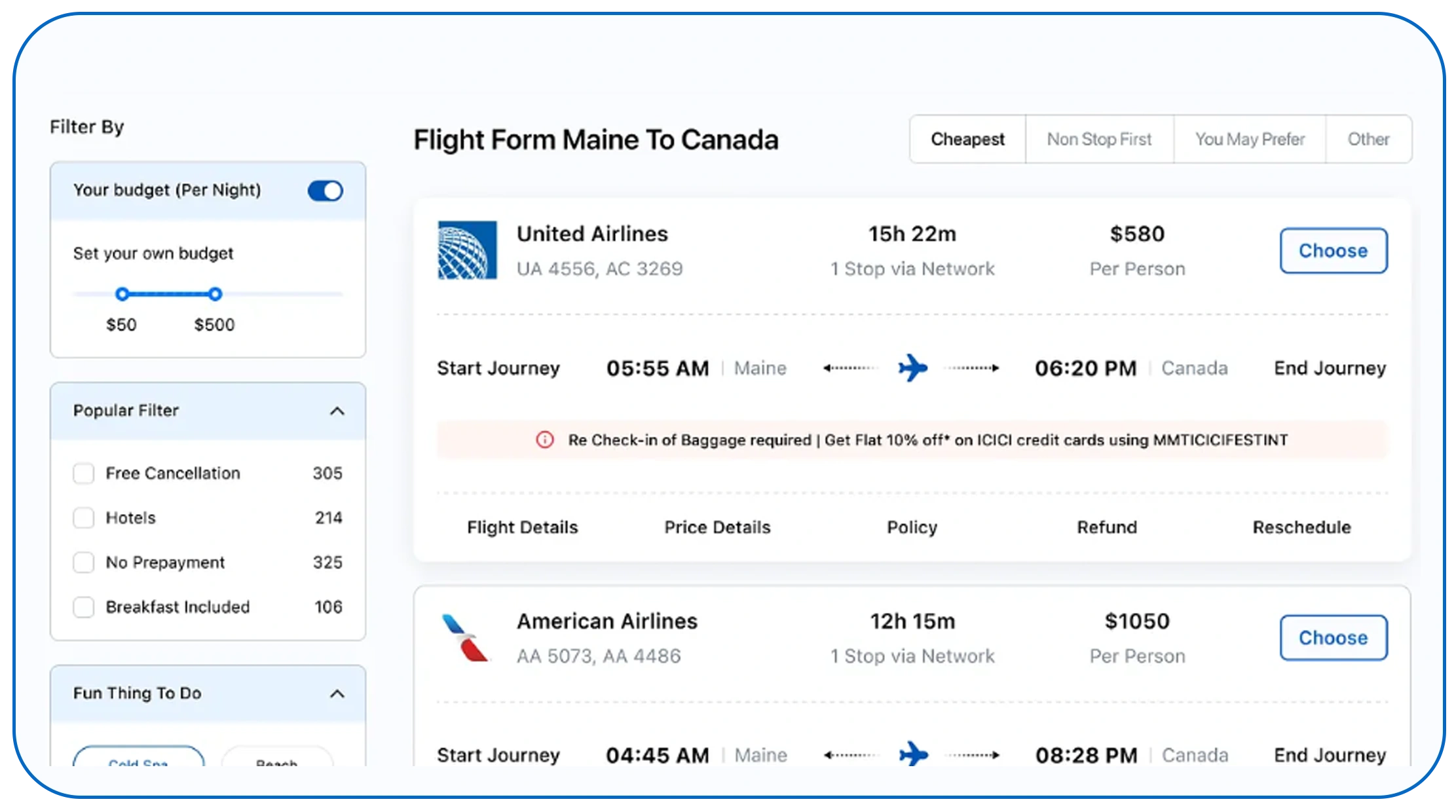
Airlines compete not only on ticket prices but also on schedules, baggage policies, loyalty programs, and bundled services. Even a small pricing difference can significantly influence booking decisions.
Using Airline pricing data intelligence for competitive pricing allows airlines to compare fares across competing carriers, monitor promotional campaigns, analyze route-level competition, and identify pricing opportunities before market conditions change.
Competitive pricing intelligence provides valuable insights such as:
- Route-specific fare comparisons
- Competitor discount monitoring
- Seasonal pricing trends
- Promotional campaign analysis
- Booking window optimization
- Regional pricing variations
- Premium cabin pricing benchmarks
Revenue managers use these insights to maintain competitive pricing without unnecessarily reducing profit margins. Instead of matching every competitor discount, they can identify where premium pricing is justified and where targeted promotions deliver better results.
Competitive Pricing Intelligence Trends
| Year | Airlines Using Pricing Intelligence | Pricing Accuracy | Revenue Growth |
|---|---|---|---|
| 2020 | 32% | 74% | 4.0% |
| 2021 | 39% | 77% | 5.0% |
| 2022 | 48% | 81% | 6.2% |
| 2023 | 58% | 85% | 7.4% |
| 2024 | 68% | 89% | 8.7% |
| 2025* | 77% | 92% | 10.1% |
| 2026* | 84% | 95% | 11.6% |
*Projected industry estimates
With continuous competitive monitoring, airlines gain greater confidence in pricing decisions while minimizing revenue leakage caused by outdated market information.
How Does Automated Flight Data Improve Revenue Strategies?
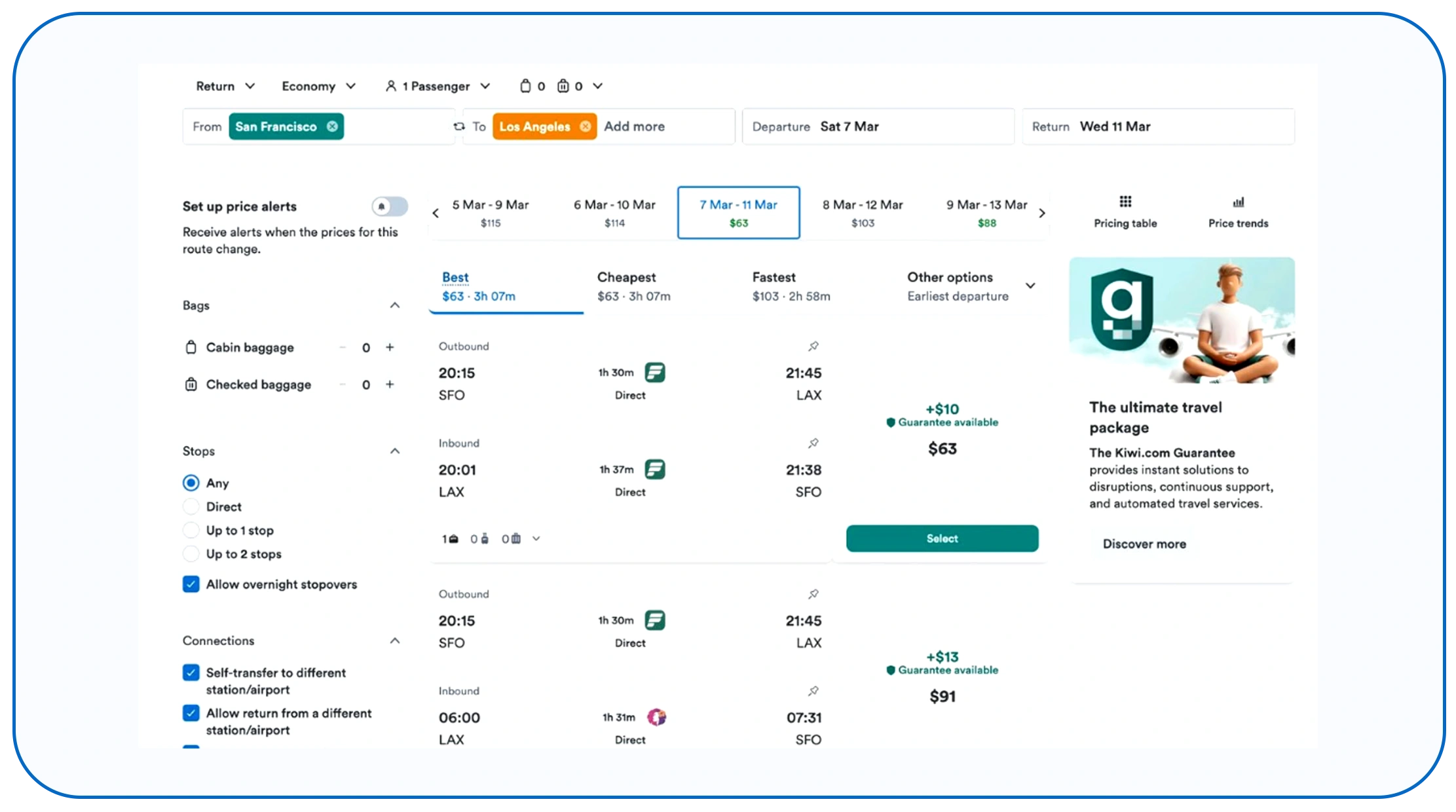
Airfare information contains valuable business intelligence beyond ticket prices. It reveals booking patterns, customer preferences, destination demand, promotional effectiveness, and competitive market dynamics.
Businesses increasingly scrape Flight prices for travel businesses to build comprehensive pricing databases that support revenue optimization, forecasting, and strategic planning. Automated data collection captures information from airline websites, travel aggregators, and OTA platforms in structured formats suitable for advanced analytics.
Collected airfare datasets commonly include:
- Base ticket prices
- Taxes and fees
- Fare classes
- Route availability
- Flight schedules
- Promotional discounts
- Airline rankings
- Booking restrictions
These insights allow revenue managers to identify profitable routes, monitor seasonal demand, evaluate competitor behavior, and optimize pricing strategies across multiple markets.
Growth in Flight Data Intelligence
| Year | Businesses Using Flight Data | Daily Records Collected | Pricing Accuracy |
|---|---|---|---|
| 2020 | 30% | 650,000 | 73% |
| 2021 | 38% | 950,000 | 77% |
| 2022 | 47% | 1.5 Million | 81% |
| 2023 | 58% | 2.4 Million | 86% |
| 2024 | 69% | 3.7 Million | 90% |
| 2025* | 78% | 5.5 Million | 93% |
| 2026* | 86% | 7.8 Million | 96% |
*Projected industry estimates
Automated airfare intelligence empowers airlines, travel agencies, OTAs, and travel technology providers to replace manual research with continuous market monitoring. By combining large-scale data collection with analytics, businesses can make faster pricing decisions, improve booking conversions, optimize promotional campaigns, and maximize long-term revenue performance in an increasingly competitive travel industry.
How Can Businesses Automate Airline Fare Monitoring at Scale?
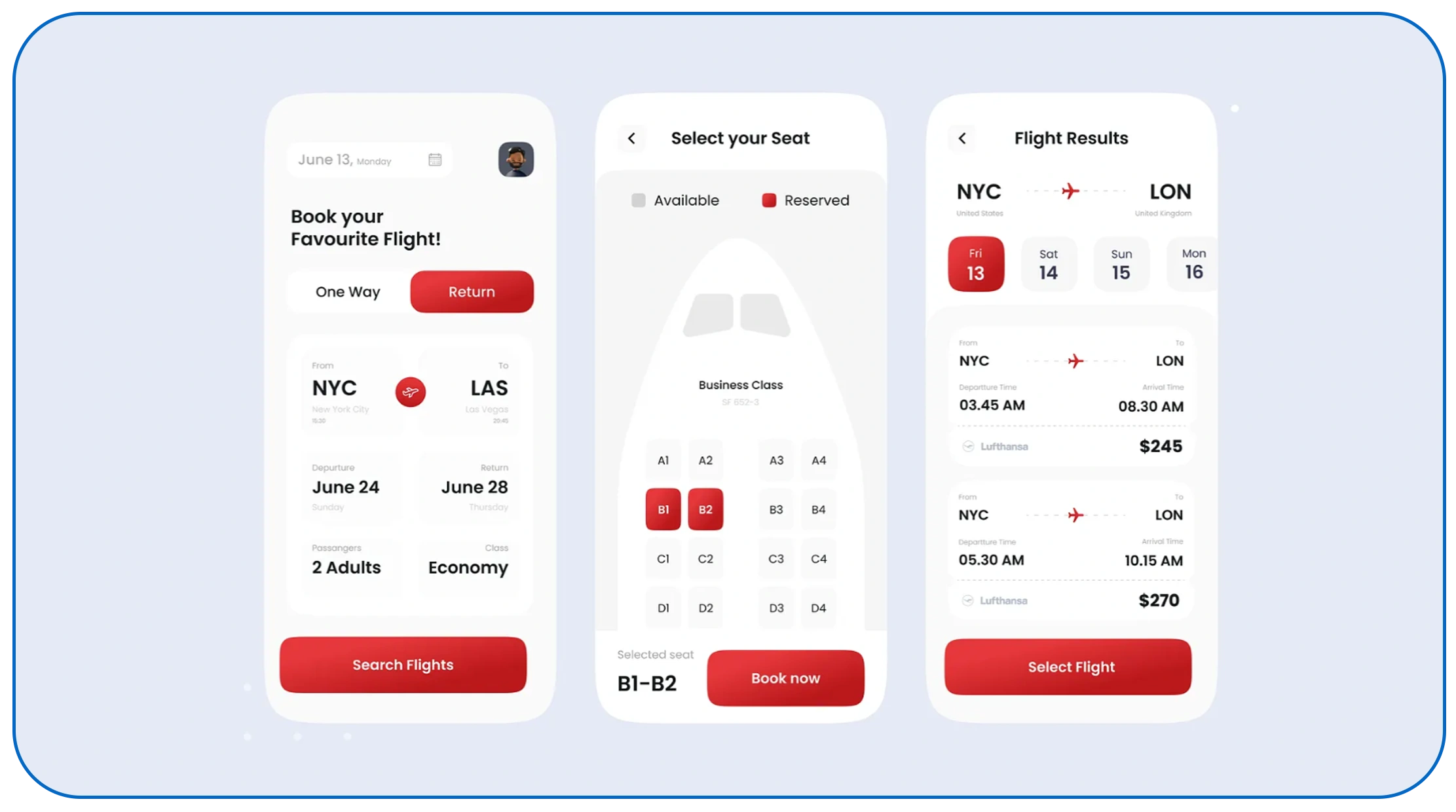
Tracking thousands of airfare changes across airlines, OTAs, and booking platforms manually is inefficient and prone to errors. Modern travel businesses rely on automation to gather accurate pricing information around the clock and respond quickly to market shifts.
Using Airline Fare Monitoring Using Web Scraping APIs enables organizations to collect real-time airfare data from multiple sources without manual intervention. These APIs extract structured information such as ticket prices, seat availability, fare classes, taxes, baggage fees, route schedules, and promotional offers. The data can then be integrated into revenue management platforms, dashboards, or business intelligence tools for immediate analysis.
The benefits of automated fare monitoring include:
- Continuous airfare tracking
- Real-time competitor monitoring
- Automated data delivery
- Reduced operational costs
- Higher pricing accuracy
- Faster revenue optimization
- Improved customer pricing
Automation also supports scalability. Whether a business tracks 100 routes or 100,000 routes, web scraping APIs deliver consistent and reliable data that helps pricing teams make informed decisions.
Airline Fare Monitoring Growth (2020–2026)
| Year | Businesses Using Web Scraping APIs | Daily Fare Records Processed | Automation Rate |
|---|---|---|---|
| 2020 | 28% | 500,000 | 34% |
| 2021 | 35% | 820,000 | 42% |
| 2022 | 45% | 1.4 Million | 51% |
| 2023 | 56% | 2.3 Million | 60% |
| 2024 | 67% | 3.8 Million | 70% |
| 2025* | 76% | 5.6 Million | 79% |
| 2026* | 84% | 8.0 Million | 87% |
*Projected industry estimates
As airfare pricing becomes increasingly dynamic, automated monitoring solutions provide businesses with the speed and scalability needed to stay competitive in global travel markets.
How Are Travel Startups Using AI to Personalize Trip Planning?

Travel startups are transforming customer experiences by combining artificial intelligence with live pricing intelligence. Instead of offering static recommendations, AI-powered platforms provide personalized itineraries based on budgets, traveler preferences, destination popularity, and current airfare trends.
Understanding How Travel Startups Use Real-Time Pricing Data for AI Trip Planning reveals why real-time fare monitoring has become a strategic advantage. AI models analyze continuously updated flight prices alongside hotel rates, travel durations, weather forecasts, and customer behavior to recommend the best travel options.
Real-time pricing data supports:
- Personalized trip recommendations
- Budget-friendly travel planning
- Dynamic package creation
- Smart destination suggestions
- Flexible date optimization
- Fare prediction models
- Better customer engagement
Travel startups can also notify users when fares drop, recommend alternate travel dates, or bundle flights with accommodations to create more attractive offers.
AI Travel Planning Adoption (2020–2026)
| Year | AI Travel Platforms | Travelers Using AI Planning | Booking Conversion Improvement |
|---|---|---|---|
| 2020 | 18% | 15% | 3.8% |
| 2021 | 24% | 21% | 4.9% |
| 2022 | 33% | 30% | 6.1% |
| 2023 | 45% | 42% | 7.6% |
| 2024 | 58% | 55% | 9.0% |
| 2025* | 70% | 67% | 10.5% |
| 2026* | 81% | 79% | 12.3% |
*Projected industry estimates
By combining AI with continuously updated pricing data, startups improve customer satisfaction while increasing bookings and operational efficiency.
Why Is Demand Forecasting Critical for Airline Revenue?
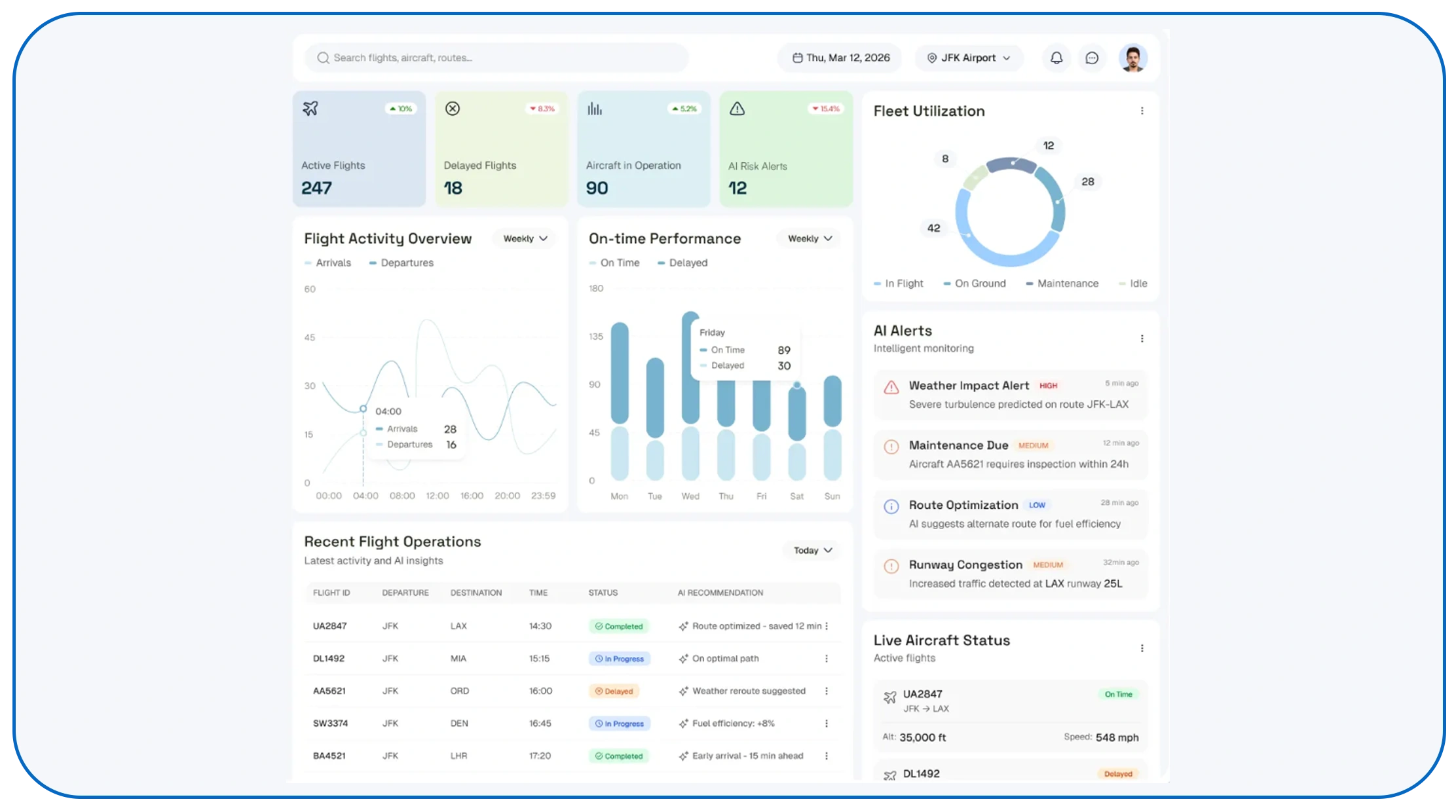
Accurate demand forecasting enables airlines to optimize pricing before market conditions change. Instead of reacting after bookings increase or decline, predictive analytics helps businesses anticipate customer demand and prepare pricing strategies in advance.
Using Travel Demand Forecasting Using OTA Data Extraction allows airlines and travel businesses to combine OTA pricing, booking trends, historical demand, seasonality, holidays, local events, and competitor activity into predictive models.
Forecasting delivers several business advantages:
- Better inventory management
- Smarter promotional timing
- Improved seat utilization
- Higher revenue per route
- Reduced unsold inventory
- More accurate staffing plans
- Improved financial forecasting
Revenue management teams can identify high-demand travel periods, optimize seat pricing, and launch targeted promotions before competitors react.
Travel Demand Forecasting Performance (2020–2026)
| Year | Forecast Accuracy | Revenue Improvement | Businesses Using Predictive Analytics |
|---|---|---|---|
| 2020 | 72% | 4.3% | 26% |
| 2021 | 76% | 5.2% | 34% |
| 2022 | 80% | 6.5% | 43% |
| 2023 | 85% | 7.9% | 55% |
| 2024 | 89% | 9.4% | 66% |
| 2025* | 92% | 10.8% | 76% |
| 2026* | 95% | 12.5% | 84% |
*Projected industry estimates
When combined with live airfare monitoring, predictive demand forecasting empowers travel organizations to make proactive pricing decisions that improve profitability and customer satisfaction.
Why Choose Real Data API?
In today's competitive travel industry, accurate and timely airfare intelligence is essential for maximizing revenue and staying ahead of competitors. Real Data API provides scalable travel data solutions that simplify fare monitoring, market analysis, and pricing optimization.
Whether you need a Flight fare monitoring data scraper for pricing optimization or enterprise-grade travel intelligence solutions, Real Data API delivers reliable, structured, and real-time datasets that integrate seamlessly into your business workflows.
Why businesses choose Real Data API
- Real-time airfare monitoring across multiple travel platforms
- High-quality structured data delivery
- Enterprise-scale web scraping infrastructure
- Reliable API integration
- Global airline and OTA coverage
- Automated scheduling and updates
- Custom travel data solutions
- Secure and scalable architecture
- High data accuracy
- Dedicated technical support
From airlines and OTAs to travel startups and market researchers, Real Data API helps organizations transform raw airfare information into actionable insights that drive smarter pricing decisions and sustainable business growth.
Conclusion
Airfare pricing is more dynamic than ever, making automated monitoring an essential capability for modern travel businesses. Organizations that continuously track fare changes, competitor pricing, booking behavior, and market demand are better positioned to improve revenue, optimize pricing strategies, and enhance customer experiences.
Implementing a Flight fare monitoring data scraper for pricing optimization enables airlines, OTAs, travel agencies, and technology providers to replace manual research with real-time intelligence. By leveraging automated data collection, businesses can make faster decisions, improve forecasting accuracy, strengthen competitive positioning, and maximize long-term profitability.
Ready to elevate your airline pricing strategy? Contact Real Data API today to access real-time travel data solutions that empower smarter pricing, competitive intelligence, and sustainable revenue growth!
Latest posts
How to Scrape Dynamic pricing strategies powered by travel data for Smarter Travel Pricing and Revenue Optimization
How to Use Flight fare monitoring data scraper for pricing optimization to Maximize Airline Revenue and Competitive Advantage
How Best GeM procurement strategies for government contracts Help Businesses Improve Bid Success Rates?
Why Businesses Scrape Insurance Data from PolicyBazaar to Optimize Pricing and Product Strategies?

Real Data API stands out as one of the premier global companies specializing in web data Scraping and web extraction.





.png)


Rating 4.7
Rating 4.7
Rating 4.5
Rating 4.7
Rating 4.7


Disclaimer : RealData API functions solely as an independent data infrastructure and technology solutions provider. We build customized automation workflows designed to collect publicly accessible web data based exclusively on client instructions. RealData API neither owns proprietary datasets nor engages in the sale or redistribution of extracted information. Our operations are limited strictly to lawful public web data processing and never involve unauthorized access to restricted systems or private networks. Any company names, trademarks, logos, or brand references displayed on this website are used purely for demonstrative and illustrative purposes to showcase our technical capabilities and do not imply endorsement, partnership, or affiliation. Use of our platform and services remains subject to our Terms of Service.