
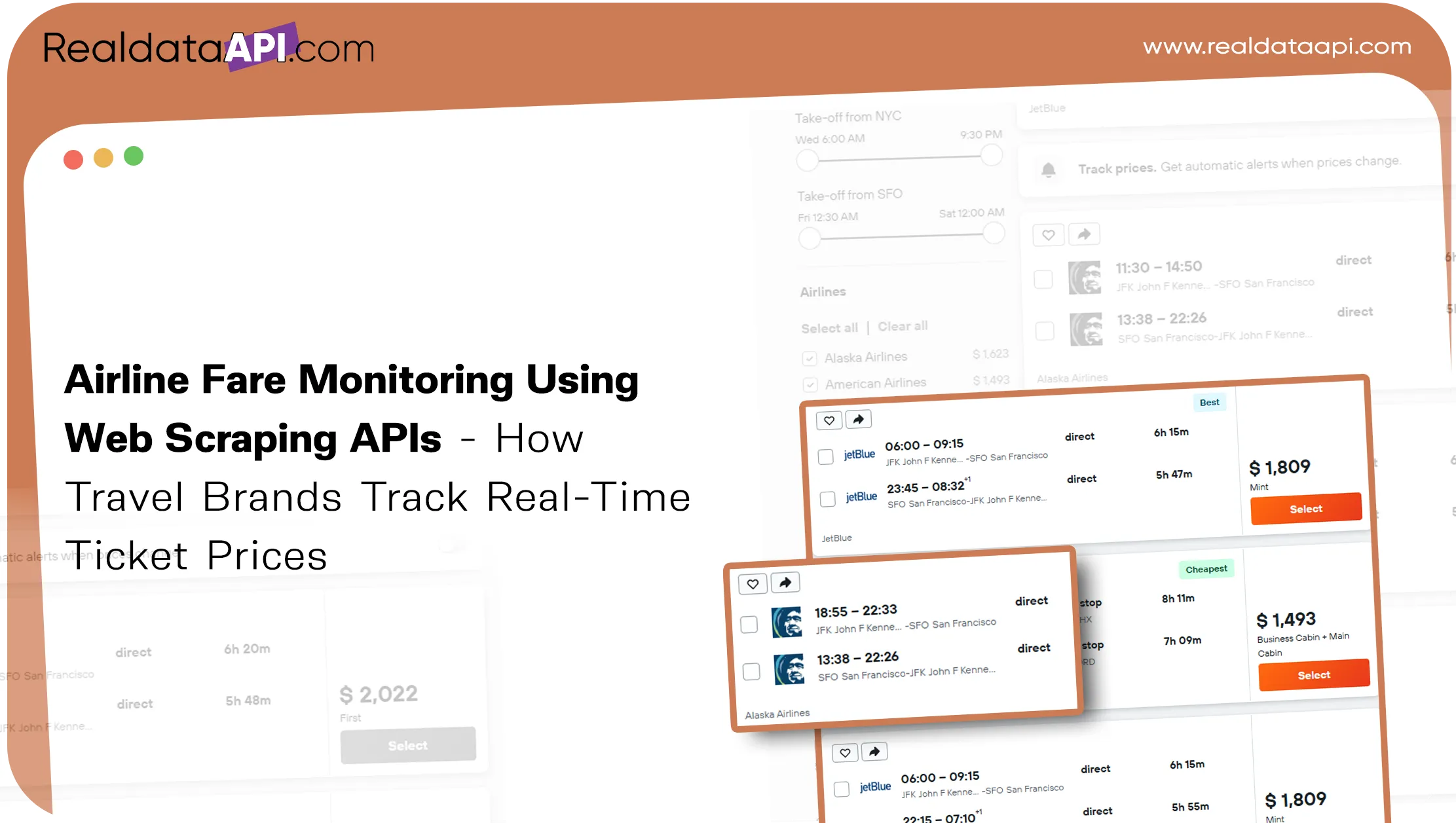
Introduction
Travel brands use automated data collection to track airfare changes in real time and improve pricing strategies. airline fare monitoring using web scraping APIs helps airlines, OTAs, travel startups, and analytics firms monitor ticket prices, competitor routes, and demand trends faster than manual tracking methods.
According to industry estimates, airline ticket prices can fluctuate more than 50 times for the same route before departure. In 2026, the global digital travel market is projected to exceed $1.4 trillion, making real-time pricing intelligence critical for competitive decision-making.
For airlines, OTAs, fare aggregators, travel analytics companies, and revenue management teams, accurate airfare data solves major pain points such as delayed pricing updates, missed fare opportunities, and inefficient revenue optimization.
With the Travel Data Scraping API, businesses can automate fare tracking across airlines and online travel agencies while collecting structured travel intelligence at scale.
Why Are Airlines Investing More in Fare Intelligence?
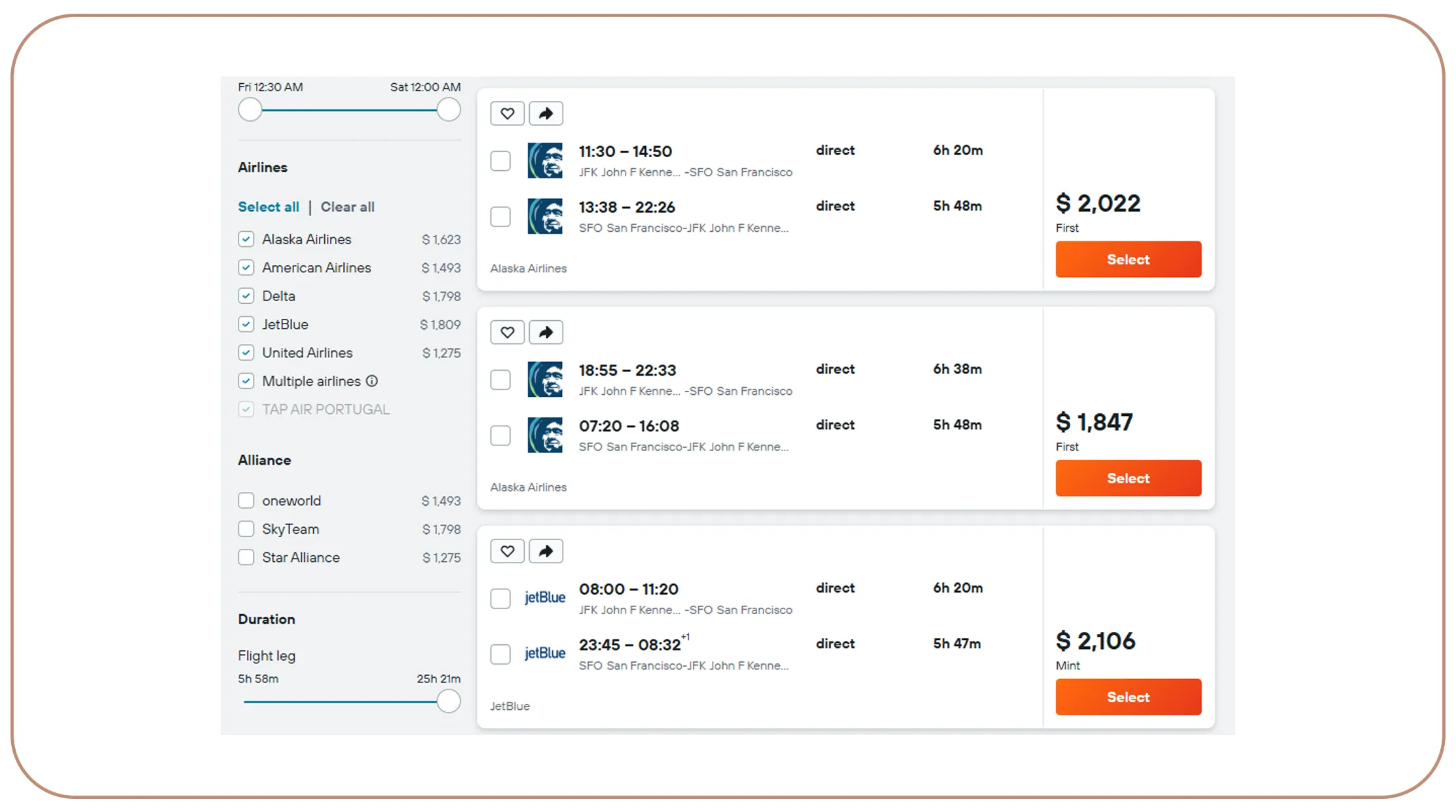
Airlines operate in one of the most dynamic pricing environments in the world. Ticket prices change based on seat inventory, demand, seasonality, competitor pricing, fuel costs, and booking windows. Companies that fail to monitor fare movements lose pricing competitiveness quickly.
Using flight price monitoring solutions for travel companies, businesses can track airfare changes across hundreds of routes and booking platforms in real time.
Airline pricing volatility has increased significantly between 2020 and 2026 due to changing travel demand and digital competition.
| Year | Average Fare Updates Per Route Per Day | Global OTA Competition Growth |
|---|---|---|
| 2020 | 12 | 14% |
| 2021 | 18 | 21% |
| 2022 | 26 | 29% |
| 2023 | 33 | 36% |
| 2024 | 39 | 43% |
| 2025 | 45 | 49% |
| 2026 | 52 | 57% |
Travel companies use fare monitoring systems to:
- Compare airline ticket prices
- Analyze route-level competition
- Track flash sales and discounts
- Monitor seat availability
- Improve dynamic pricing models
Airlines also use competitive fare intelligence to optimize pricing strategies during peak travel seasons. OTAs rely on automated monitoring to display accurate ticket prices to customers instantly.
Automated airfare tracking reduces manual workload and improves forecasting accuracy. Businesses can identify pricing gaps and adjust promotions before competitors react.
This makes real-time fare intelligence essential for modern travel analytics operations.
How Does Airfare Intelligence Improve Revenue Strategy?
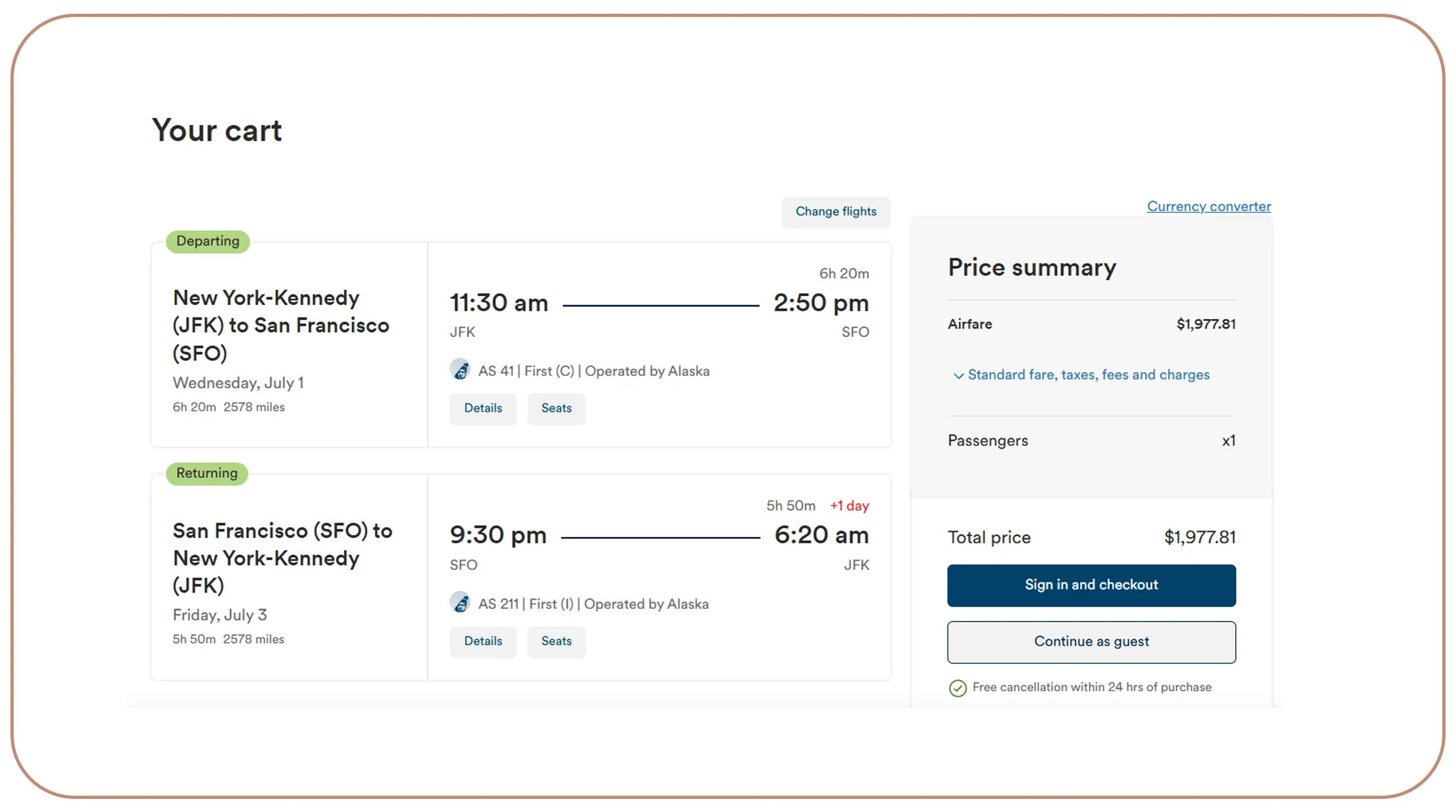
Airline revenue management depends heavily on accurate pricing intelligence. Airlines constantly adjust fares to maximize seat occupancy and profitability. Delayed pricing insights can lead to unsold inventory or reduced margins.
Using airline pricing intelligence using scraped airfare data, businesses gain visibility into route performance, competitor pricing patterns, and traveler demand behavior.
Revenue teams use airfare intelligence to:
- Optimize ticket pricing
- Predict seasonal demand
- Detect competitor discounts
- Analyze booking patterns
- Improve route profitability
The adoption of AI-driven airline pricing tools has accelerated rapidly from 2020 to 2026.
| Year | Airlines Using Automated Pricing Systems |
|---|---|
| 2020 | 22% |
| 2021 | 29% |
| 2022 | 37% |
| 2023 | 46% |
| 2024 | 55% |
| 2025 | 66% |
| 2026 | 74% |
Real-time airfare intelligence helps companies respond to events such as:
- Holiday travel spikes
- Weather disruptions
- Fuel price fluctuations
- Regional demand increases
- Competitor promotions
Travel analytics companies also use airfare datasets to build predictive pricing models. These systems help customers identify the best booking times and lowest fares.
Airlines using automated pricing intelligence can improve revenue per available seat kilometer (RASK) while maintaining competitive ticket prices.
The ability to react instantly to market changes has become a major competitive advantage in the travel industry.
Why Is Automation Becoming Essential in Travel Data Collection?
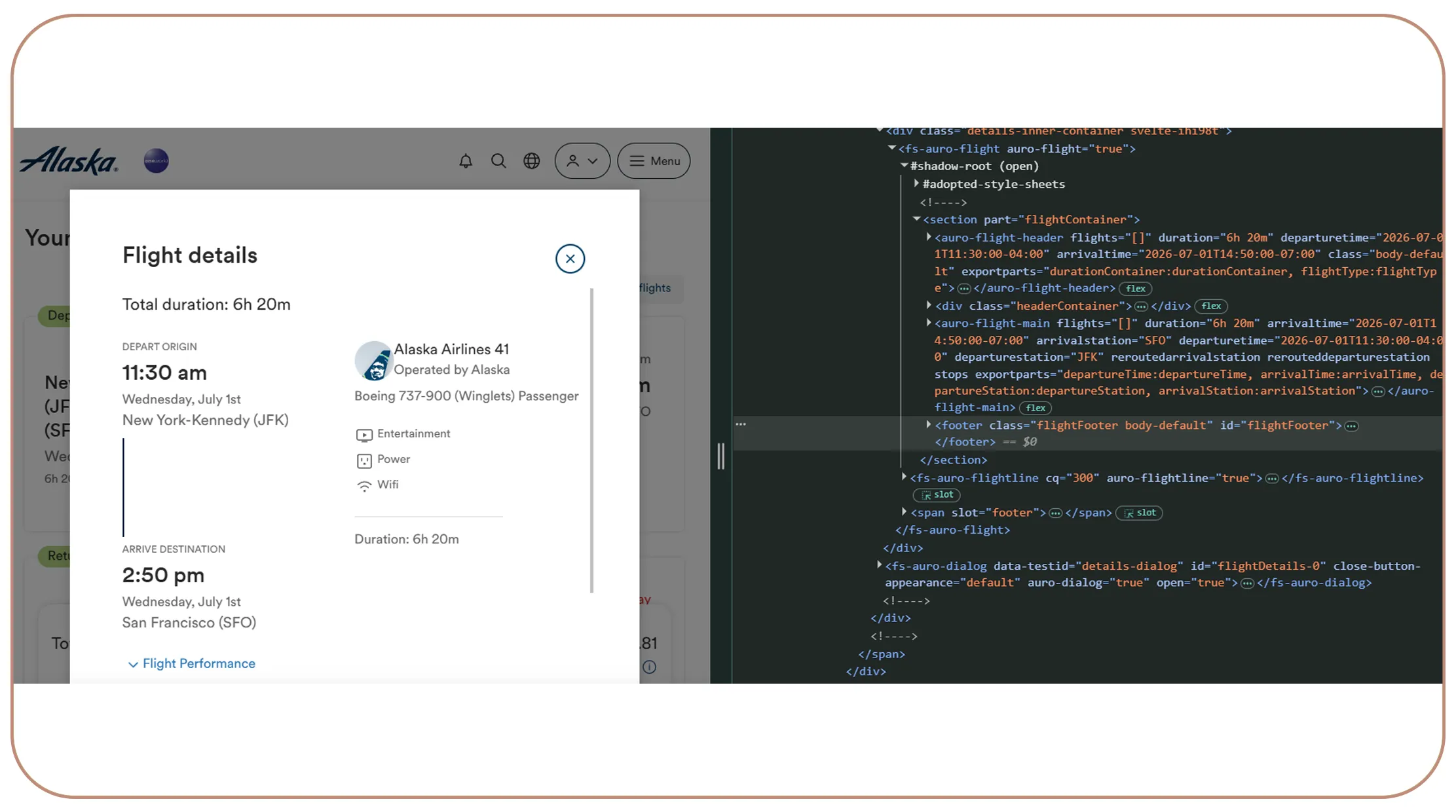
Travel data volumes continue to grow rapidly. Airlines and OTAs manage millions of pricing updates daily across domestic and international routes. Manual monitoring no longer supports modern travel analytics needs.
Using automated flight fare data extraction across airlines and OTAs, businesses can collect structured fare information continuously and at scale.
Automated data extraction supports:
- Multi-airline fare tracking
- OTA price comparison
- Historical pricing analysis
- Route trend forecasting
- Revenue optimization systems
Global airline passenger traffic has steadily increased since 2020.
| Year | Global Airline Passengers |
|---|---|
| 2020 | 1.8 Billion |
| 2021 | 2.3 Billion |
| 2022 | 3.4 Billion |
| 2023 | 4.5 Billion |
| 2024 | 5.1 Billion |
| 2025 | 5.8 Billion |
| 2026 | 6.4 Billion |
As passenger demand grows, airlines require scalable systems to monitor pricing across routes, competitors, and booking channels.
Automation also improves operational efficiency. Travel businesses reduce manual research costs while gaining faster access to accurate data.
Many travel startups use scraping APIs to power airfare comparison engines and fare prediction tools. This improves customer experience and increases booking conversions.
Automated extraction also helps businesses maintain updated pricing databases for analytics dashboards and reporting systems.
How Does Real-Time Fare Tracking Help Travel Brands?
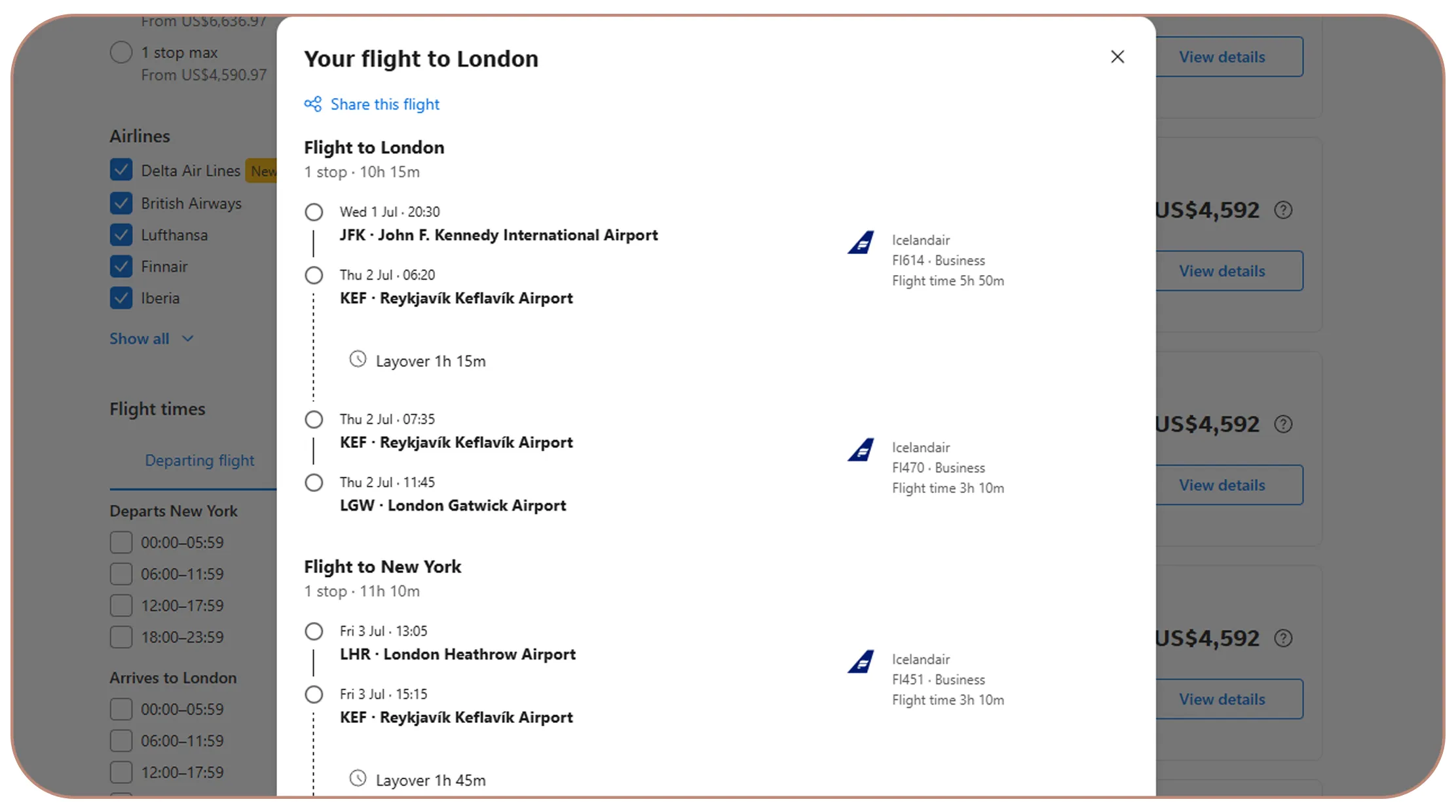
Travel pricing changes every minute. Customers compare fares instantly across websites and booking platforms before purchasing tickets. Real-time tracking ensures businesses remain competitive in this fast-moving environment.
Using real-time airline fare data scraping, travel brands can monitor live airfare updates across airlines, routes, and travel platforms.
Real-time tracking helps businesses:
- Detect sudden price changes
- Identify cheapest fare windows
- Monitor competitor pricing
- Analyze route demand
- Improve booking recommendations
Airline fare changes have become more frequent between 2020 and 2026.
| Year | Average Daily Fare Changes Across Major Routes |
|---|---|
| 2020 | 15 |
| 2021 | 22 |
| 2022 | 31 |
| 2023 | 39 |
| 2024 | 46 |
| 2025 | 54 |
| 2026 | 61 |
Travel aggregators use live fare intelligence to display updated ticket pricing. Customers are more likely to complete bookings when pricing information remains accurate.
Real-time tracking also improves traveler trust. Outdated pricing often results in abandoned bookings and customer frustration.
Airlines use live market intelligence to launch promotional campaigns quickly and maximize route performance during high-demand periods.
This makes real-time fare scraping a critical part of digital travel infrastructure in 2026.
What Are the Biggest Applications of Travel Scraping APIs?
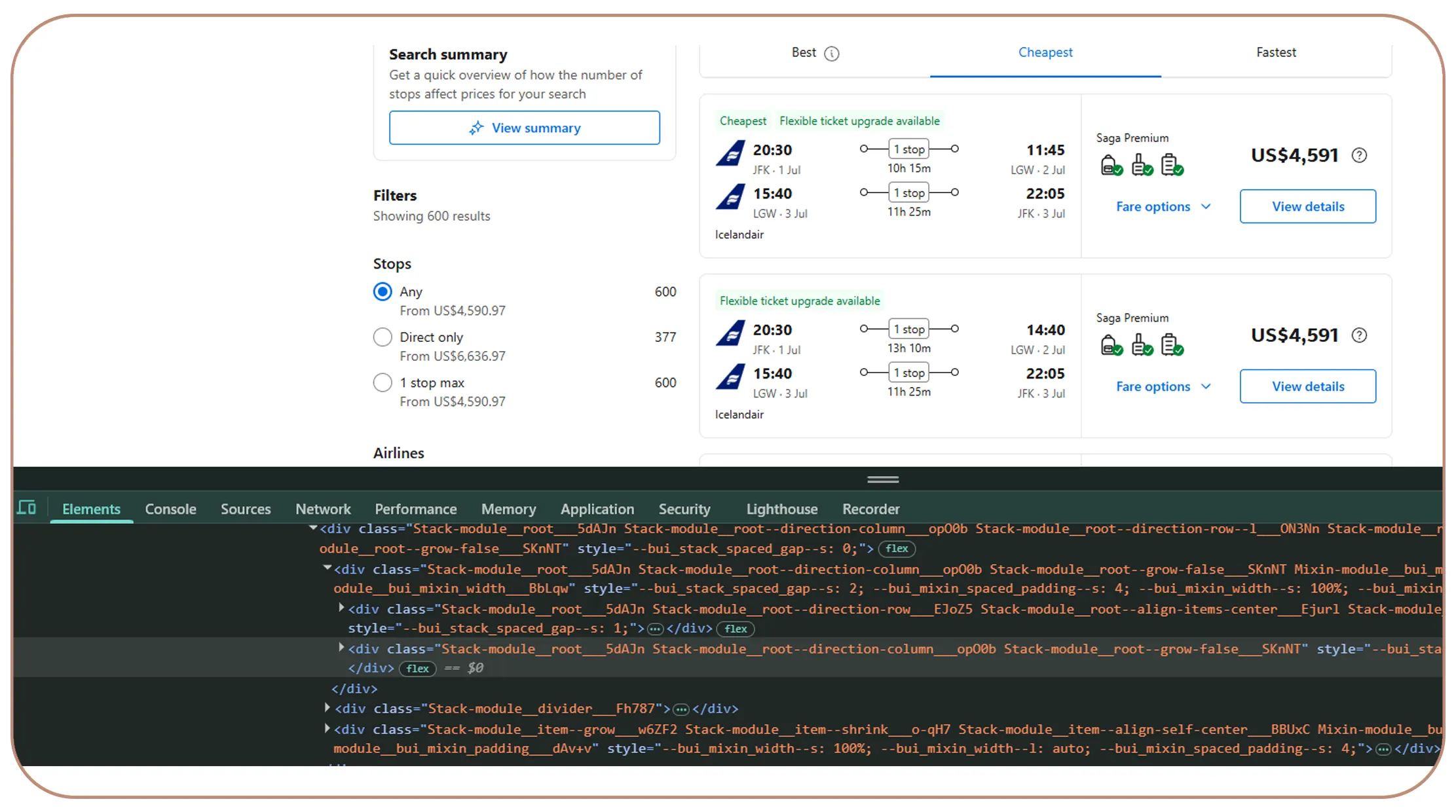
Travel scraping APIs support much more than fare tracking. Modern travel analytics systems depend on automated data pipelines for forecasting, personalization, and business intelligence.
The Top Travel Scraping API Use Cases include:
- Airline fare intelligence
- Hotel pricing analytics
- Route demand forecasting
- OTA competitor tracking
- Travel sentiment analysis
- Dynamic pricing optimization
- Personalized travel recommendations
- Tourism trend monitoring
Travel automation adoption has increased steadily across the industry.
| Year | Travel Companies Using Automation Tools |
|---|---|
| 2020 | 28% |
| 2021 | 35% |
| 2022 | 44% |
| 2023 | 53% |
| 2024 | 62% |
| 2025 | 70% |
| 2026 | 79% |
Travel brands use scraping APIs to improve:
- Pricing competitiveness
- Forecasting accuracy
- Customer targeting
- Market analysis
- Revenue management
AI-powered travel platforms also rely on large datasets to train recommendation engines and pricing prediction models.
Businesses that automate travel data collection gain faster insights and stronger competitive positioning.
As digital travel ecosystems expand, travel scraping APIs will continue driving innovation in airline analytics and customer experience.
Why Is Structured Travel Data Important for Analytics?
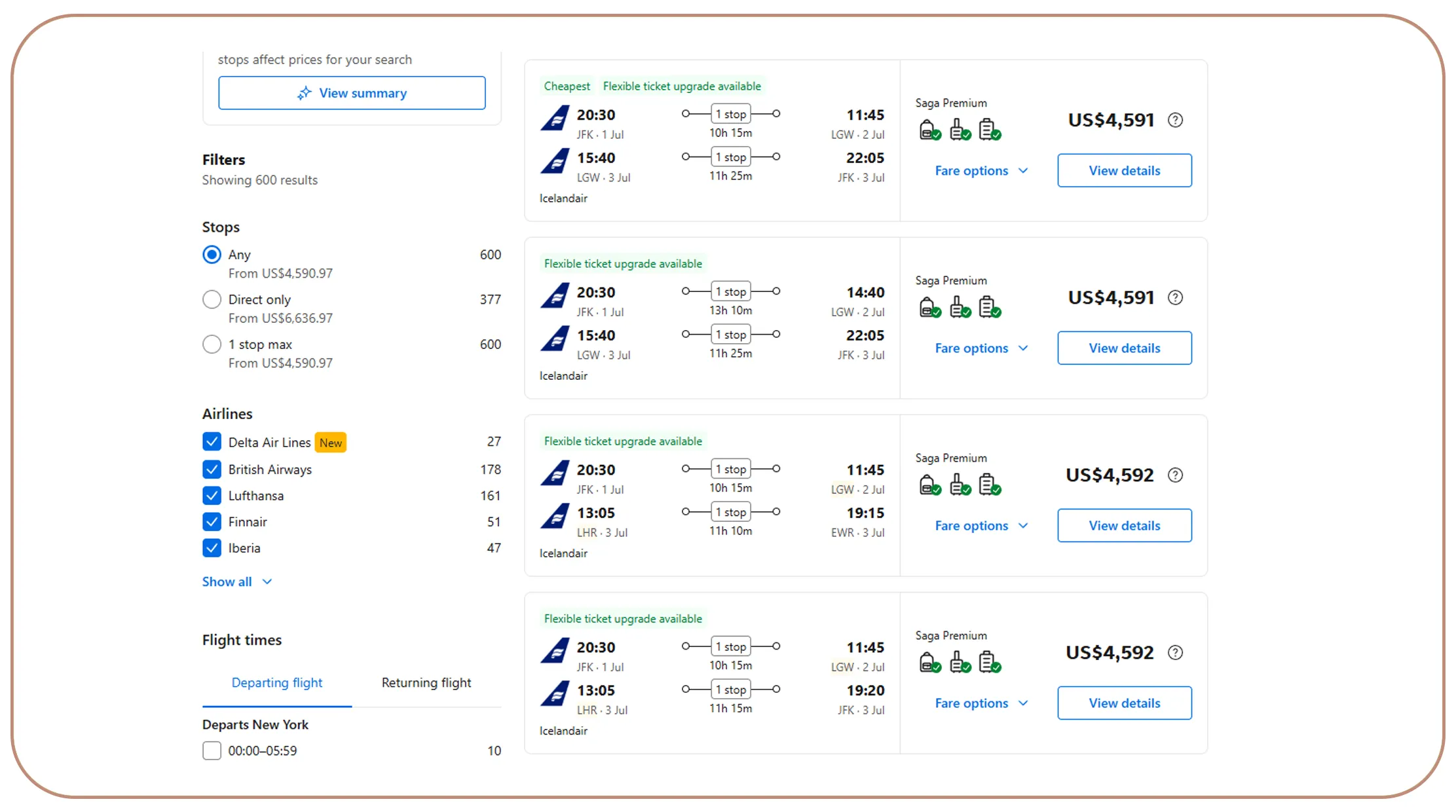
Structured datasets are essential for modern travel intelligence systems. Raw airfare data must be organized into clean formats before businesses can use it for forecasting and analytics.
A comprehensive Travel Dataset includes:
- Airline names
- Flight routes
- Ticket prices
- Seat availability
- Departure schedules
- Baggage information
- Fare classes
Structured data improves dashboard reporting and predictive analytics accuracy.
The global airline route network expanded significantly between 2020 and 2026.
| Year | Active Commercial Airline Routes |
|---|---|
| 2020 | 210,000 |
| 2021 | 245,000 |
| 2022 | 281,000 |
| 2023 | 319,000 |
| 2024 | 356,000 |
| 2025 | 389,000 |
| 2026 | 421,000 |
Travel analytics teams use structured datasets for:
- Historical trend analysis
- Route profitability studies
- Market demand forecasting
- Fare comparison dashboards
- Customer behavior analysis
Structured travel data also supports AI and machine learning systems used in modern travel applications.
Companies can identify pricing patterns, seasonal trends, and emerging travel destinations more effectively using organized datasets.
As airfare competition increases, structured data will remain central to travel intelligence strategies.
Why Choose Real Data API?
Real Data API provides scalable travel intelligence solutions for airlines, OTAs, analytics firms, and travel startups. The platform helps businesses automate airfare tracking and collect structured travel datasets efficiently.
With Dynamic Pricing, airline fare monitoring using web scraping APIs, businesses gain access to:
- Real-time airline fare tracking
- Route-level pricing intelligence
- OTA fare comparison data
- Historical airfare datasets
- Automated travel analytics
- Scalable API integrations
Benefits of using Real Data API include:
- High-speed data extraction
- Structured JSON and CSV output
- Enterprise-scale infrastructure
- Reliable data pipelines
- Multi-platform travel monitoring
- Custom travel data solutions
Travel businesses can automate market intelligence workflows and improve operational efficiency with real-time airfare insights.
The platform supports large-scale analytics systems for competitive pricing and forecasting.
Conclusion
The airline industry is becoming increasingly data-driven and competitive. Businesses that rely on outdated pricing methods struggle to keep pace with rapid airfare fluctuations and changing traveler demand.
By using airline fare monitoring using web scraping APIs, travel brands gain real-time visibility into airline pricing, competitor strategies, route demand, and market trends.
As travel analytics evolves in 2026, automated airfare intelligence will remain essential for airlines, OTAs, revenue management teams, and travel technology platforms.
Ready to transform your travel analytics strategy? Contact Real Data API today and unlock scalable real-time airfare intelligence solutions for smarter travel decisions!
Latest posts

How Mercado Libre API Helps Brands Overcome Product Monitoring, Pricing, and Market Visibility Challenges
How Shipt API for grocery data extraction Enables Real-Time Grocery Product, Pricing, and Inventory Intelligence
How real-time food data scraping services Help Food Brands Track Products, Prices, and Market Trends
Why Sainsbury's grocery data web scraper Is Essential for Smarter Grocery Pricing and Product Intelligence







.png)