Introduction
Modern enterprises rely on real-time business intelligence to improve operational efficiency, forecasting accuracy, customer insights, and strategic decision-making. As businesses collect growing volumes of marketplace, customer, pricing, and operational data, the ability to centralize and automate intelligence workflows has become increasingly important across industries.
Organizations increasingly use automated scraping solutions to integrate scraped data into ERP and BI systems and streamline enterprise analytics processes. Real-time integration allows businesses to synchronize external data sources with ERP platforms, dashboards, cloud systems, and business intelligence tools for faster reporting and actionable insights.
Advanced Web Scraping API solutions support scalable data collection and seamless connectivity between scraping infrastructure and enterprise applications. API-driven workflows improve operational agility while reducing manual reporting bottlenecks and data synchronization delays.
Whether businesses require competitor pricing intelligence, inventory analytics, customer sentiment monitoring, or digital marketplace tracking, integrating scraped data into enterprise systems enables centralized visibility and stronger analytical performance. As organizations continue accelerating digital transformation initiatives, real-time integration frameworks are becoming essential for improving scalability, automation efficiency, and data-driven business intelligence across rapidly evolving enterprise ecosystems.
Streamlined Data Pipelines Improve Operational Visibility

Businesses handling large-scale digital intelligence require structured pipelines that support seamless synchronization between data collection systems and enterprise applications. Efficient data pipelines improve operational transparency while reducing delays in analytics reporting and decision-making processes.
| Year | ERP Data Automation Adoption |
|---|---|
| 2020 | 29% |
| 2021 | 36% |
| 2022 | 44% |
| 2023 | 52% |
| 2024 | 60% |
| 2025 | 68% |
| 2026 | 75% |
Organizations implementing systems to connect web scraping pipelines to ERP software step by step gain stronger control over inventory monitoring, pricing intelligence, and customer analytics workflows. Structured integration frameworks allow businesses to automate data ingestion directly into ERP systems for centralized operational visibility.
Automated pipelines also improve synchronization between external marketplace data and internal enterprise operations. Businesses can monitor supply chain changes, pricing fluctuations, and customer behavior in real time while reducing manual data processing requirements.
Step-by-step integration strategies help enterprises standardize workflows and improve collaboration between technical, operational, and analytics teams. As ERP ecosystems become increasingly data-driven between 2020 and 2026, organizations investing in scalable scraping pipelines continue achieving stronger operational agility, improved reporting consistency, and more efficient enterprise intelligence management.
Enterprise Integration Standards Strengthen Scalability
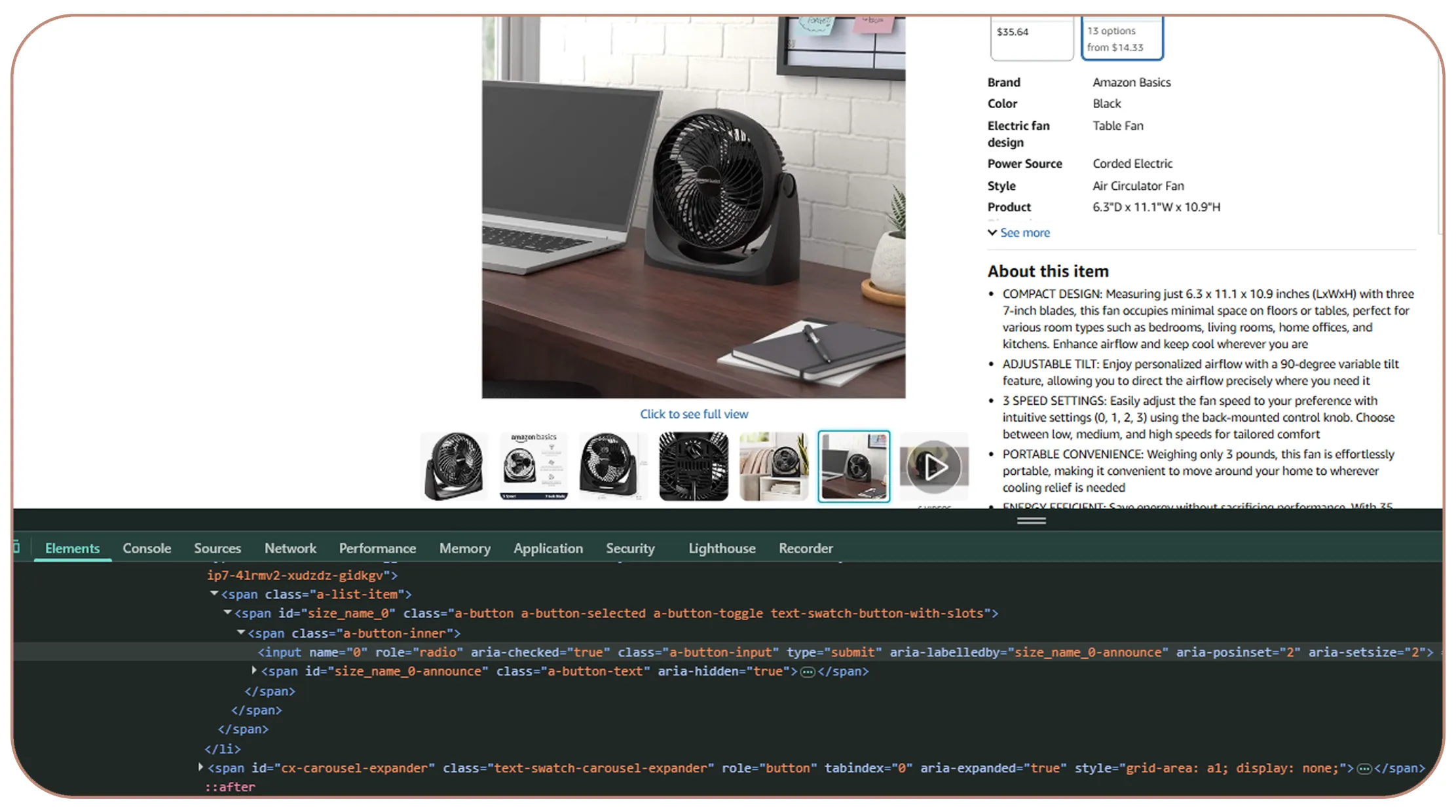
As enterprises expand across multiple digital channels and operational environments, maintaining integration consistency becomes increasingly important for long-term scalability. Businesses require standardized frameworks capable of handling large-scale data synchronization efficiently.
| Year | Enterprise Data Integration Growth |
|---|---|
| 2020 | 33% |
| 2021 | 40% |
| 2022 | 47% |
| 2023 | 55% |
| 2024 | 63% |
| 2025 | 70% |
| 2026 | 77% |
Companies implementing best practices for enterprise data integration from web scraping improve interoperability across ERP systems, cloud platforms, analytics tools, and business intelligence environments. Standardized integration workflows reduce operational bottlenecks while improving reporting accuracy and system scalability.
Structured integration practices also support better governance for data validation, formatting consistency, and API synchronization. Businesses can automate intelligence workflows while maintaining higher reliability across reporting ecosystems.
Modern enterprise environments require continuous synchronization between internal systems and external intelligence sources. Standardized data integration frameworks improve operational transparency and help organizations scale digital transformation initiatives more effectively. As businesses increasingly rely on automation-driven analytics, enterprise integration standards continue playing a critical role in supporting long-term operational resilience and analytical scalability.
Real-Time Synchronization Accelerates Business Intelligence
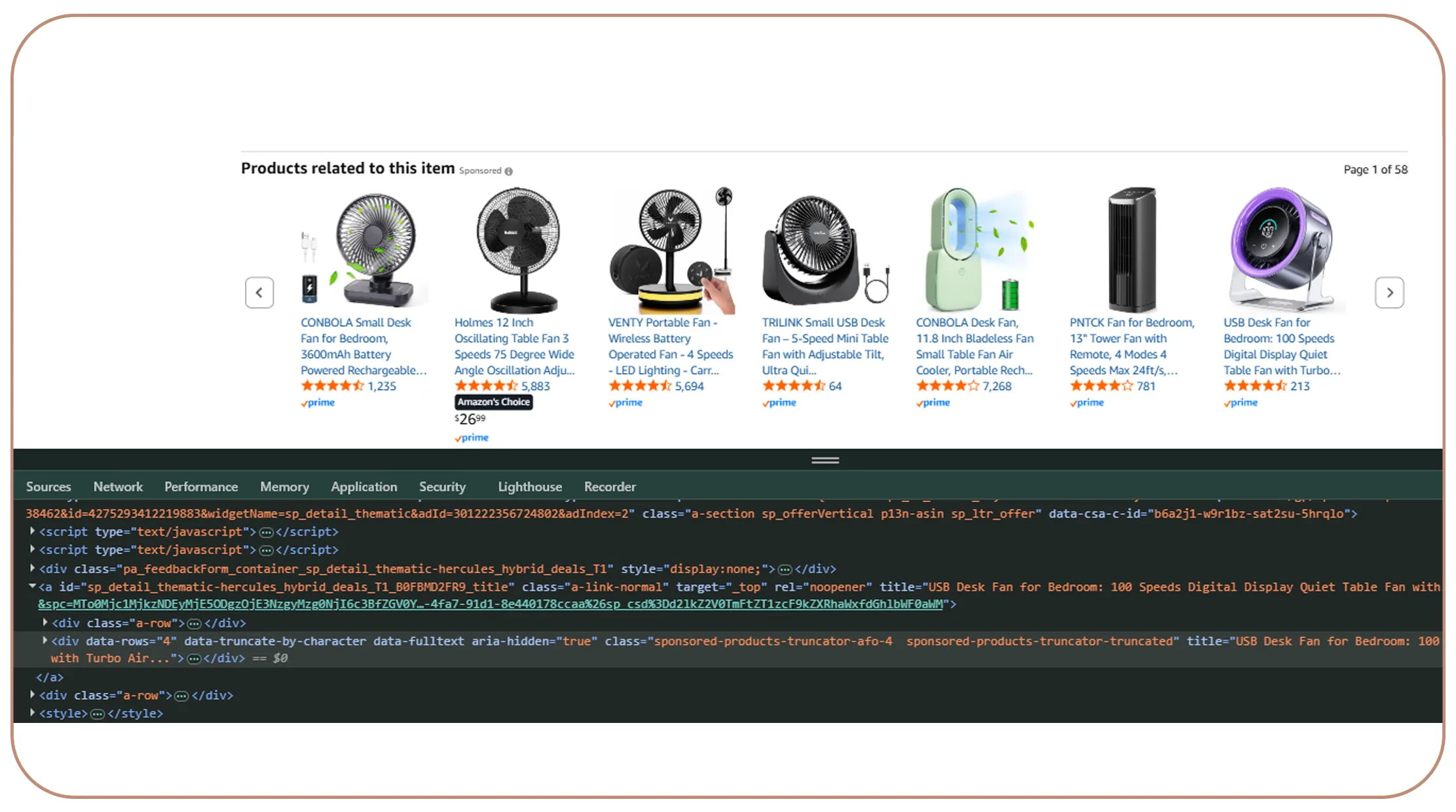
Businesses operating in competitive digital environments require instant access to actionable insights. Delayed reporting cycles often limit operational responsiveness and reduce the effectiveness of strategic decision-making processes.
| Year | Real-Time Business Intelligence Adoption |
|---|---|
| 2020 | 26% |
| 2021 | 34% |
| 2022 | 42% |
| 2023 | 50% |
| 2024 | 58% |
| 2025 | 66% |
| 2026 | 73% |
Organizations implementing real-time integration of scraped data into ERP and BI systems gain continuous visibility into pricing trends, customer behavior, inventory changes, and market conditions. Real-time synchronization improves forecasting accuracy while enabling businesses to react faster to operational disruptions and marketplace opportunities.
Automated integration frameworks also support live dashboards, predictive analytics, and AI-driven reporting systems. Companies can optimize inventory allocation, monitor competitor activity, and strengthen operational planning using continuously updated intelligence streams.
Real-time business intelligence improves collaboration between leadership, analytics, and operations teams by ensuring all stakeholders access the latest information simultaneously. As enterprise ecosystems continue prioritizing automation and predictive analytics through 2026, real-time synchronization remains essential for improving agility, scalability, and enterprise-wide decision-making efficiency.
Automation Infrastructure Enhances Data Accessibility

The increasing volume of digital intelligence requires businesses to adopt scalable automation systems capable of supporting continuous data collection and enterprise-wide accessibility. Manual workflows often limit scalability and create delays in analytical operations.
| Year | Enterprise Automation Adoption |
|---|---|
| 2020 | 30% |
| 2021 | 38% |
| 2022 | 45% |
| 2023 | 53% |
| 2024 | 61% |
| 2025 | 68% |
| 2026 | 76% |
Modern Web Scraping Services enable businesses to automate data extraction, transformation, and synchronization across ERP systems and analytics platforms. Automated infrastructure improves reporting speed while reducing operational dependency on repetitive manual tasks.
Scalable scraping systems also help organizations centralize marketplace intelligence, pricing analytics, customer reviews, and inventory monitoring workflows. Automated delivery pipelines ensure enterprise teams access structured insights with higher consistency and reliability.
Automation-driven integration frameworks improve collaboration between departments while supporting long-term digital transformation goals. Businesses can expand intelligence operations across multiple markets and platforms without compromising reporting accuracy or operational efficiency. As enterprises continue adopting automation-first strategies, scalable scraping infrastructure remains critical for improving accessibility, integration performance, and real-time business intelligence capabilities.
Large-Scale Crawling Supports Enterprise Intelligence Ecosystems

Enterprise organizations increasingly require high-volume intelligence systems capable of processing massive amounts of digital content across websites, marketplaces, and customer platforms. Scalable crawling infrastructure enables businesses to collect and manage enterprise-grade intelligence efficiently.
| Year | Enterprise Crawling Infrastructure Growth |
|---|---|
| 2020 | 22% |
| 2021 | 29% |
| 2022 | 37% |
| 2023 | 45% |
| 2024 | 53% |
| 2025 | 61% |
| 2026 | 69% |
Businesses implementing advanced Enterprise Web Crawling systems improve large-scale data acquisition and operational analytics capabilities. Continuous crawling infrastructure supports centralized monitoring of product pricing, competitor activity, customer feedback, and digital marketplace trends.
Enterprise-grade crawling systems also improve scalability for organizations operating across multiple geographic regions and digital channels. Automated crawling workflows ensure continuous access to updated intelligence streams while reducing reporting inconsistencies.
Large-scale data acquisition helps businesses strengthen predictive analytics, demand forecasting, and operational planning initiatives. As digital ecosystems continue expanding globally, enterprise crawling infrastructure remains essential for organizations seeking scalable business intelligence and long-term operational resilience.
Dashboard-Ready Intelligence Improves Decision-Making

Business intelligence platforms require structured and visualization-ready datasets to support meaningful reporting and actionable insights. Standardized formatting improves dashboard performance while enhancing analytical clarity for enterprise teams.
| Year | BI Dashboard Adoption Growth |
|---|---|
| 2020 | 35% |
| 2021 | 42% |
| 2022 | 49% |
| 2023 | 57% |
| 2024 | 64% |
| 2025 | 71% |
| 2026 | 79% |
Organizations implementing systems to Structure Scraped Data For Power BI And Tableau Dashboards improve reporting efficiency and analytical consistency across business intelligence environments. Structured datasets simplify visualization workflows while enabling faster interpretation of operational trends and performance metrics.
Dashboard-ready intelligence also supports real-time monitoring of sales performance, pricing analytics, inventory changes, and customer engagement metrics. Businesses can customize reporting frameworks based on operational priorities and leadership requirements.
Well-structured data improves collaboration between analytics teams and executive stakeholders by delivering clearer visibility into business performance. As organizations continue expanding their BI infrastructure investments through 2026, structured visualization-ready datasets remain critical for improving enterprise intelligence and strategic decision-making efficiency.
Why Choose Real Data API?
Real Data API provides enterprise-grade integration and scraping solutions designed to simplify analytics workflows, automate intelligence synchronization, and improve operational scalability. Our infrastructure supports real-time connectivity between scraping systems, ERP platforms, cloud environments, and business intelligence ecosystems.
Businesses leveraging our solutions to integrate scraped data into ERP and BI systems gain centralized visibility into marketplace intelligence, pricing trends, customer analytics, and operational reporting. We combine scalable automation frameworks, API-driven synchronization, and structured delivery systems to help organizations reduce manual workloads and improve reporting accuracy. With flexible enterprise integrations and intelligent analytics support, businesses can streamline digital transformation strategies while strengthening operational agility and long-term business intelligence performance.
Conclusion
Real-time integration between scraped data systems and enterprise platforms has become essential for businesses seeking scalable analytics, automation efficiency, and faster operational decision-making. Structured synchronization frameworks enable organizations to centralize intelligence workflows while improving reporting consistency and enterprise visibility.
Businesses that successfully integrate scraped data into ERP and BI systems gain stronger access to actionable insights related to pricing intelligence, customer behavior, inventory tracking, and operational forecasting. Real-time analytics ecosystems improve collaboration across departments while enabling organizations to respond faster to changing market conditions and operational demands.
Real Data API helps enterprises transform fragmented intelligence workflows into scalable real-time analytics ecosystems through advanced scraping infrastructure and enterprise-ready integration solutions.
Ready to integrate real-time scraped intelligence into your ERP and BI systems? Connect with our experts today to accelerate enterprise analytics and automation!
Latest posts

How Louis Vuitton Fashion Dataset Enables Better Analysis of Luxury Products, Prices, Brands, and Fashion Trends?
How Blinkit Grocery Dataset Enables Smarter Analysis of Products, Prices, Availability, and Quick-Commerce Trends?

How Chanel Fashion Dataset Enables Smarter Analysis of Luxury Products, Prices, Categories, and Fashion Trends?
How Foodpanda Food Dataset Helps Businesses Track Restaurants, Menus, Prices, Ratings, and Food Delivery Trends?







.png)



