Introduction
The alcohol industry operates across a highly competitive marketplace where product assortment, pricing, brand visibility, and consumer demand can change frequently. Businesses need structured market intelligence to understand how products perform across retailers, locations, and categories. Liquor Datasets provide organized information about alcohol products, brands, prices, categories, availability, pack sizes, ratings, and other relevant attributes that support market analysis and competitive benchmarking. For this case study, Real Data API helped a client transform scattered online retail information into structured, analytics-ready data. Through Liquor Data Scraping, the project focused on collecting consistent product and pricing information from selected retail sources while maintaining data quality and scalability. The resulting dataset enabled the client to compare alcohol products, identify pricing movements, monitor brand presence, and understand broader market patterns. This structured approach reduced manual research requirements and created a repeatable foundation for ongoing alcohol market intelligence.
The Client
The client was an alcohol market research and retail intelligence company seeking a more scalable way to understand product availability, pricing, brands, and market movements across online liquor retailers. Its existing research process depended heavily on manual browsing, spreadsheet updates, and fragmented information gathered from different sources. This made it difficult to maintain consistent product records and conduct frequent comparisons across retailers and locations.
The client wanted to build a centralized data resource that could support liquor data scraping for alcohol market analysis and provide reliable information for research, benchmarking, and competitive intelligence. The project also required location-level information to understand how product availability and assortment varied between stores and geographic markets. As part of the broader data requirement, the client needed to Extract Total Wine Store Location Data alongside product information so that product and pricing observations could be associated with relevant retail locations.
Real Data API was selected to develop a structured data collection workflow capable of handling recurring extraction, normalization, validation, and delivery. The objective was to create a dependable data pipeline that could support both current analysis and future market research initiatives.
Key Challenges
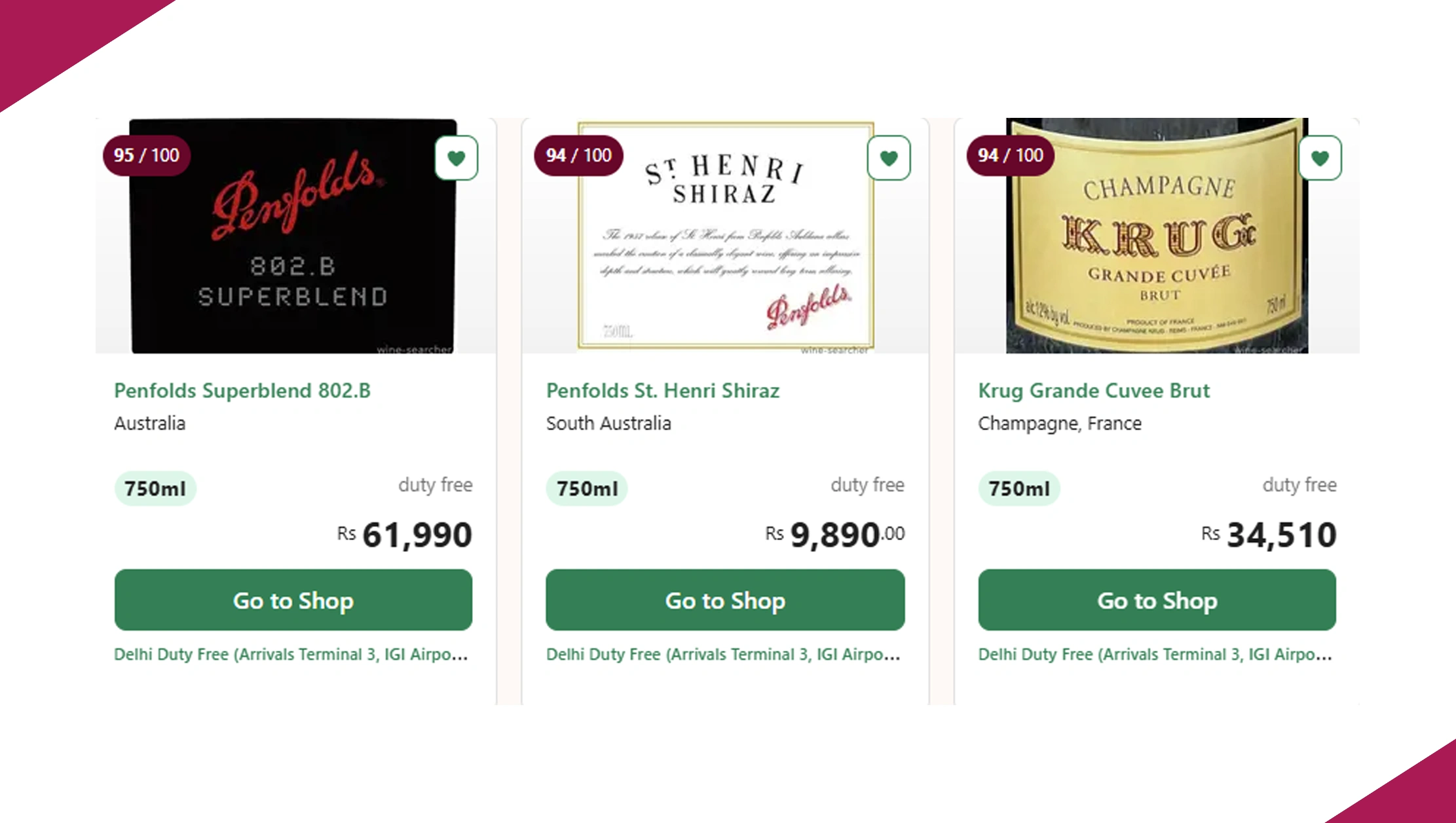
The alcohol retail landscape contains thousands of products across multiple categories, brands, bottle sizes, price points, and store locations. For the client, one of the primary difficulties was maintaining a consistent view of this constantly changing information. Product pages could contain different naming structures, attributes, promotional prices, availability indicators, and category classifications, making direct comparison challenging.
The client needed to scrape liquor product data for market research while preserving important product-level attributes. The extraction process had to capture product names, brands, categories, sizes, prices, availability, ratings where available, product URLs, and location-related information. Another challenge involved separating regular prices from promotional or discounted prices so that pricing comparisons would remain meaningful.
Liquor Data Scraping also had to operate at scale without creating duplicate or inconsistent records. Product information could change between collection cycles, while individual stores might show different availability or pricing. Therefore, the client required a repeatable approach that could identify changes while maintaining historical records.
Data quality was another major concern. Variations in capitalization, product naming, pack-size descriptions, category labels, and brand names could make aggregation difficult. The client therefore needed normalization and validation processes before the data could be used for dashboards, market research, pricing analysis, or competitive benchmarking.
Key Solutions
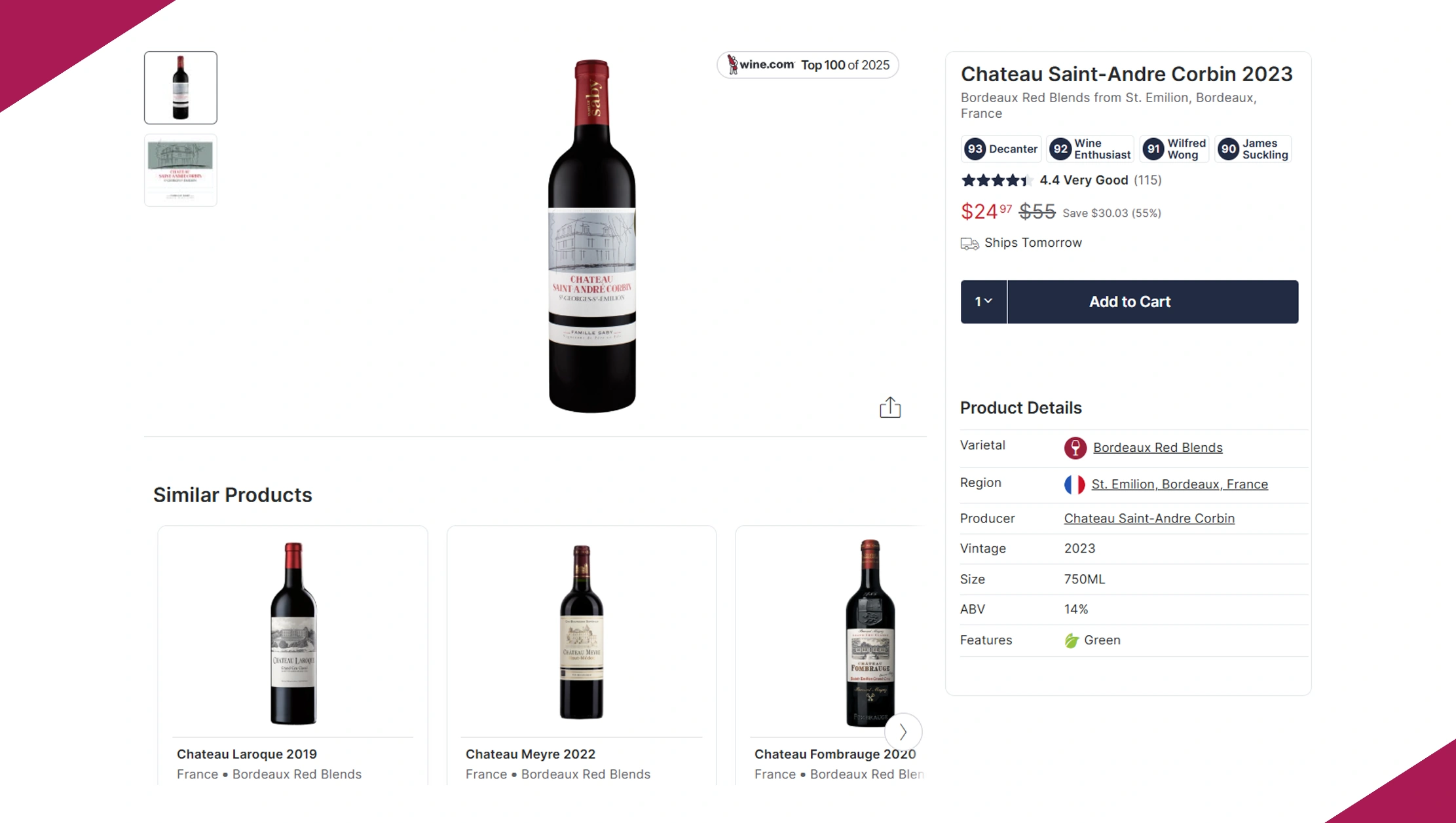
Real Data API designed a structured data collection workflow around the client's product, pricing, brand, and location intelligence requirements. Web Scraping Services, The solution began by identifying the required data fields and establishing a standardized schema for product-level records. This created a consistent framework for collecting information across different pages, categories, and retail locations.
A central component of the project was the development of a liquor API for alcohol product and pricing data, enabling the client to access structured information in a format suitable for downstream analytics. The data pipeline was configured to capture relevant product attributes, including product name, brand, category, subcategory, bottle or pack size, listed price, promotional price where available, availability status, ratings, product URL, and retailer information. Location data was also incorporated where applicable, allowing the client to connect product observations with specific retail markets.
The extraction workflow was designed for recurring collection so that the client could refresh its dataset instead of relying on one-time research. Scheduled data collection helped create a historical record of pricing and availability changes. This allowed analysts to examine how product prices moved over time and identify differences between retailers or locations.
Normalization was another important part of the solution. Raw product information was processed to standardize brand names, product titles, categories, pack sizes, and price formats. Duplicate records were identified and removed where appropriate, while validation checks helped flag incomplete or inconsistent records. This improved the usability of the final dataset for analytical applications.
The solution also incorporated location-level intelligence to support geographic analysis. Store information could be linked with relevant product observations, allowing the client to examine assortment and pricing differences between markets. This helped transform individual retail observations into a broader market intelligence resource.
Real Data API also structured the output for easy integration with analytics environments. Clean datasets could be delivered for use in spreadsheets, databases, dashboards, reporting systems, or internal research workflows. The standardized structure reduced the effort required to prepare the data for analysis.
With recurring extraction and structured delivery, the client gained a more efficient way to monitor product changes. Researchers could compare brands, categories, prices, and availability without repeatedly collecting information manually. The resulting workflow supported faster market research, improved data consistency, and created a scalable foundation for ongoing alcohol retail intelligence.
Client Testimonial

"Before this project, collecting and organizing alcohol product information across different retail sources required considerable manual effort. The structured data solution gave our team a consistent way to monitor products, prices, brands, and store-level information. The liquor product dataset for alcohol price and brand analysis has made it easier for our analysts to compare market conditions and identify meaningful changes. The recurring collection process is particularly valuable because our research team can work with refreshed information rather than relying on outdated spreadsheets. Real Data API provided a scalable approach that fits our ongoing market intelligence requirements and has significantly improved the way we organize and analyze retail alcohol data."
— Market Intelligence Manager, Alcohol Retail Research Company
Conclusion
The project demonstrated how structured data collection can simplify the analysis of a complex alcohol retail environment. By combining product information, pricing attributes, brand details, availability, and location intelligence, the client developed a more consistent foundation for competitive research and market monitoring.
The resulting Liquor Dataset helped organize information that was previously distributed across multiple online sources and required substantial manual effort to analyze. Recurring collection, normalization, validation, and structured delivery allowed the client to maintain a more usable data resource for pricing comparisons, brand analysis, assortment research, and market trend tracking.
For businesses operating in alcohol retail, distribution, market research, or competitive intelligence, reliable data can support more informed analysis of changing market conditions. Real Data API can help organizations build scalable data pipelines tailored to their specific product, pricing, and market intelligence requirements. With structured data available for recurring analysis, businesses can spend less time collecting information manually and more time turning market data into actionable business insights.
FAQs
1. What information can businesses collect through liquor product data scraping?
Businesses can collect product names, brands, categories, sizes, prices, promotional pricing, availability, ratings, product URLs, retailer information, and other publicly available attributes for market analysis.
2. How can a liquor data API support pricing intelligence?
A structured API can provide standardized product and pricing records that businesses can integrate into databases, dashboards, analytics platforms, and recurring monitoring workflows for competitive price analysis.
3. Why is historical alcohol product data valuable?
Historical records allow businesses to compare pricing, availability, assortment, and brand visibility across different periods, helping analysts identify changes and recurring market patterns.
4. Can store location information be connected with product data?
Yes. Store-level information can be associated with product observations where available, enabling geographic comparisons of assortment, pricing, availability, and brand presence across retail markets.
5. How can businesses use alcohol market datasets?
Alcohol market datasets can support competitive research, pricing benchmarking, assortment analysis, brand monitoring, market trend research, retail intelligence, and business reporting.





.png)