Introduction
The global organic and health food industry has witnessed rapid growth over the past decade as consumers increasingly prioritize wellness, sustainability, and clean-label products. Whole Foods Market has emerged as one of the most influential supermarket chains in the organic retail ecosystem, offering extensive product assortments focused on natural, organic, plant-based, and specialty food categories. Retailers, food manufacturers, and market research firms are increasingly leveraging advanced data extraction technologies to monitor pricing trends, product availability, customer preferences, and emerging health food segments.
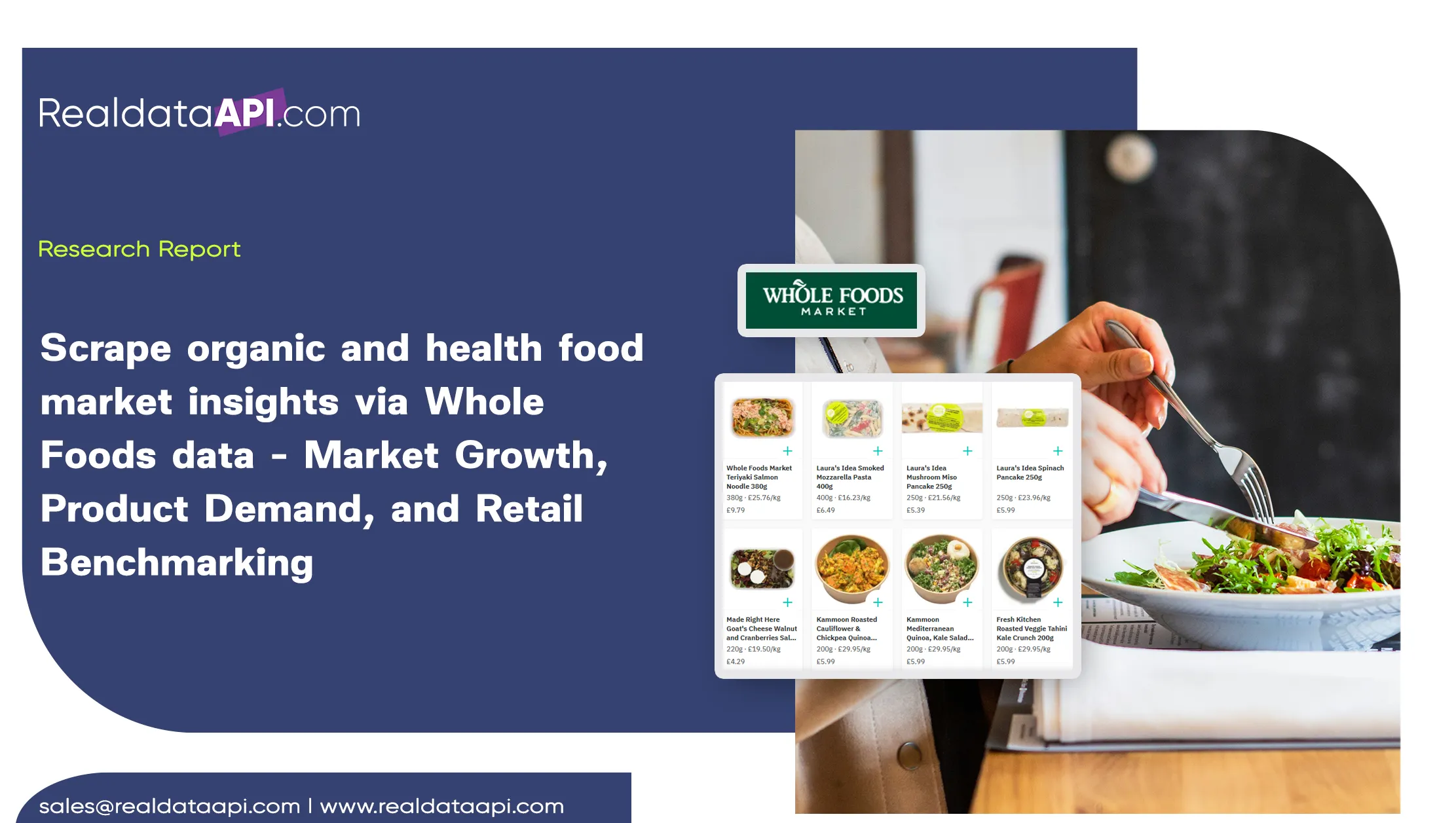
Businesses seeking to Scrape organic and health food market insights via Whole Foods data gain access to valuable retail intelligence that supports product benchmarking, demand forecasting, and competitive analysis. Through structured grocery datasets, organizations can analyze product categories, pricing fluctuations, inventory availability, customer ratings, and regional purchasing trends across the health food sector.
Modern retail intelligence solutions such as the Whole Foods Market Grocery Scraping API provide automated access to large-scale grocery data in real time. These tools enable businesses to track thousands of organic products daily, optimize pricing strategies, evaluate competitor performance, and identify emerging consumer trends within the growing wellness-focused grocery market.
Expansion of Organic Product Intelligence
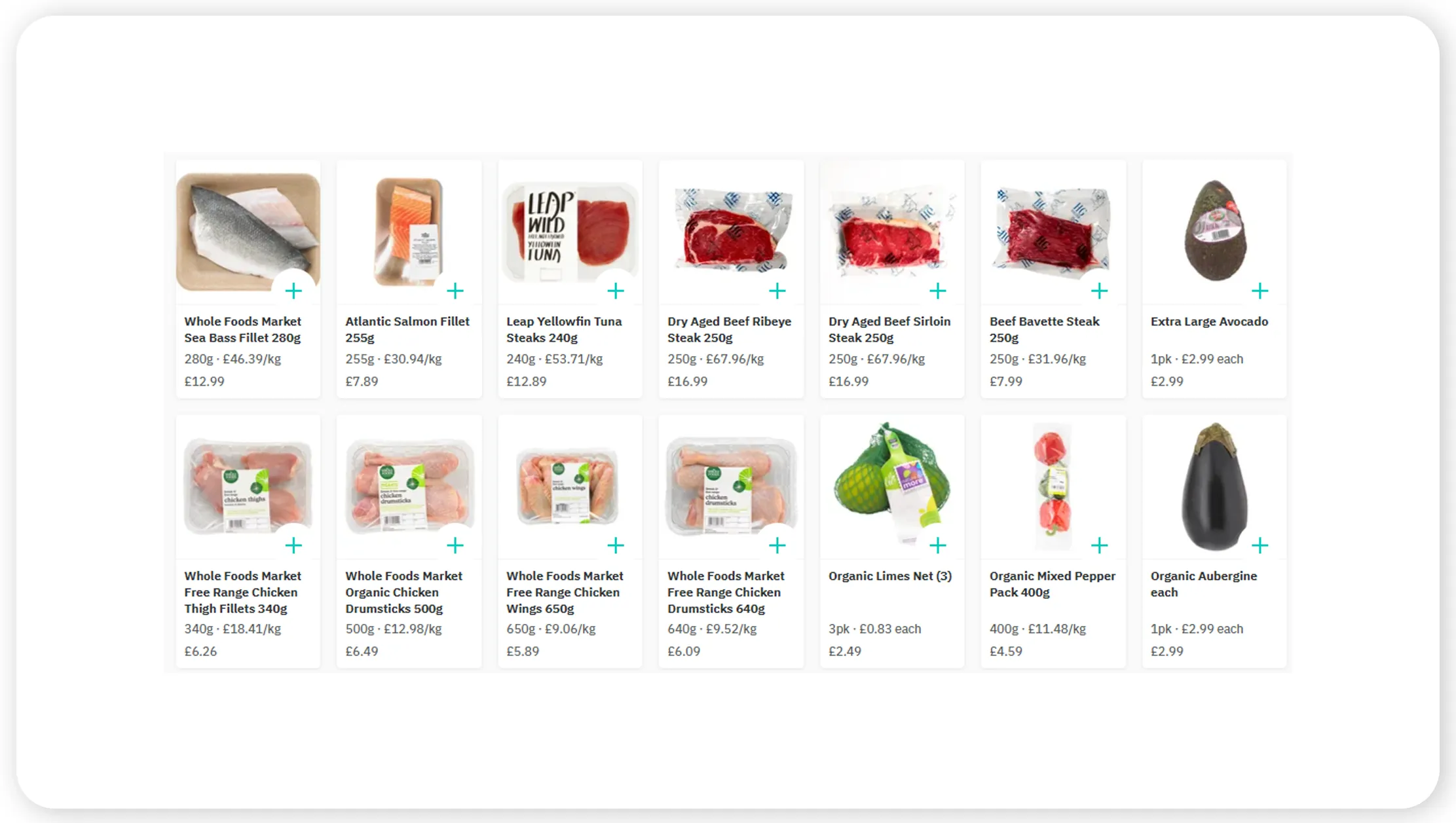
The organic grocery sector continues expanding due to increasing consumer demand for healthy, sustainable, and minimally processed food products. Whole Foods Market remains a leading retailer in this space, offering premium organic assortments across categories such as fresh produce, dairy alternatives, supplements, frozen foods, and eco-friendly household products.
Retail analysts increasingly rely on Whole Foods grocery supermarket data extraction to collect product-level information including prices, stock availability, product ratings, ingredient details, and category trends. Structured retail datasets help businesses understand market demand while supporting inventory optimization and pricing intelligence initiatives.
| Year | Organic Grocery Revenue ($B) | Whole Foods Product Listings | Consumer Demand Growth (%) | Online Organic Sales (%) |
|---|---|---|---|---|
| 2020 | 62 | 48,000 | 12 | 18 |
| 2021 | 68 | 53,000 | 15 | 22 |
| 2022 | 74 | 59,000 | 18 | 27 |
| 2023 | 81 | 64,000 | 20 | 31 |
| 2024 | 89 | 70,000 | 23 | 35 |
| 2025 | 96 | 76,000 | 25 | 39 |
| 2026 | 104 | 82,000 | 28 | 43 |
Businesses use extracted grocery data to monitor category performance, identify high-demand products, and analyze regional market trends. The increasing adoption of health-conscious shopping behaviors has accelerated the importance of real-time grocery intelligence, allowing companies to adapt quickly to evolving consumer expectations and competitive market conditions.
Consumer Purchasing Patterns and Shopping Trends
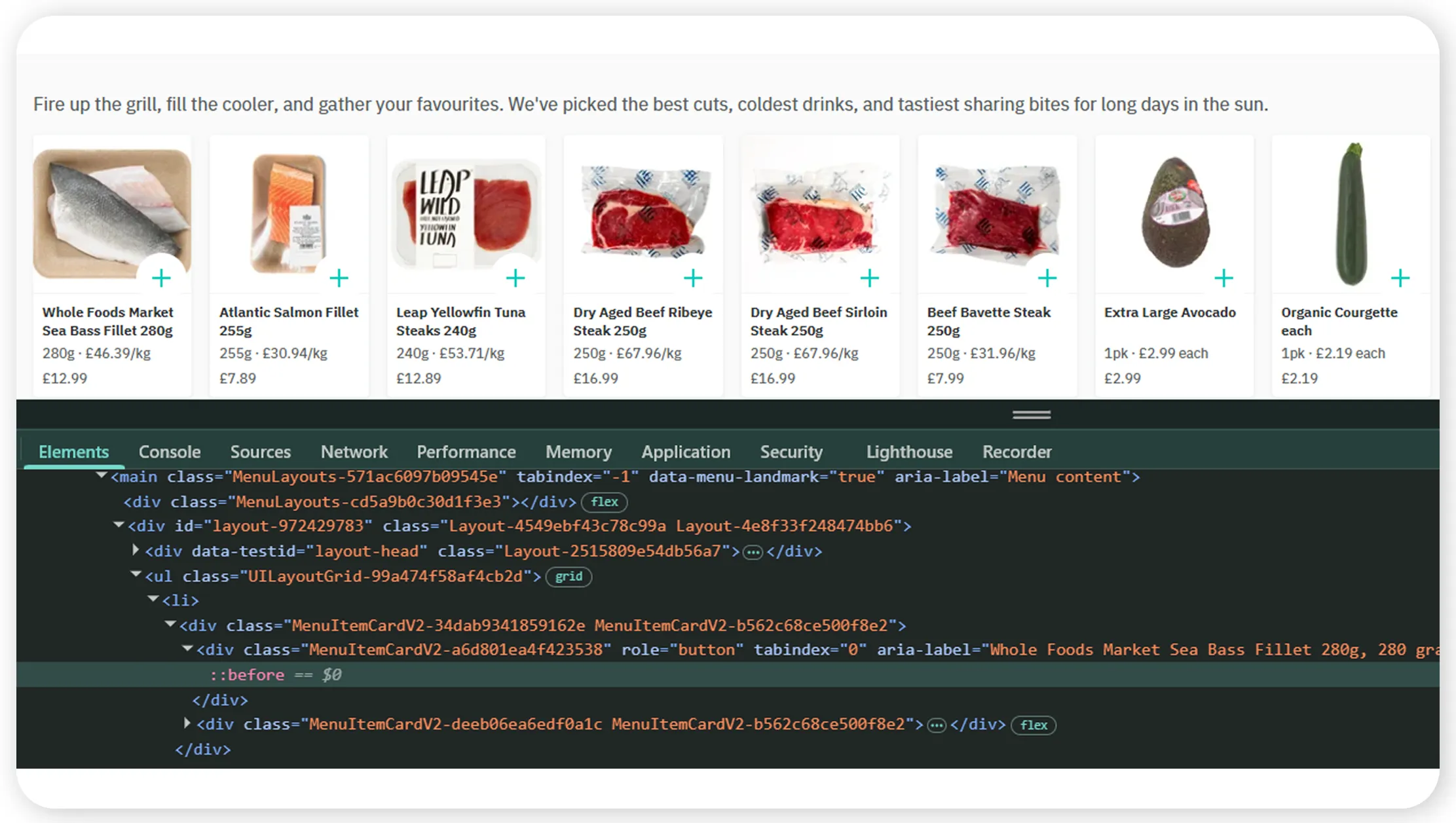
Changing customer preferences continue reshaping the health food and organic grocery landscape. Consumers are increasingly focused on nutritional value, sustainability, clean ingredients, and plant-based alternatives. These evolving priorities have created strong demand for actionable retail analytics across the grocery sector.
Organizations use grocery shopping behavior via Whole Foods data scraping to analyze purchasing trends, product popularity, and customer engagement across online grocery platforms. Retail datasets provide insights into basket composition, repeat purchasing behavior, and seasonal demand fluctuations within the organic food market.
| Year | Avg Organic Basket Size ($) | Repeat Purchase Rate (%) | Plant-Based Product Demand (%) | Mobile Grocery Orders (%) |
|---|---|---|---|---|
| 2020 | 74 | 38 | 21 | 29 |
| 2021 | 79 | 41 | 26 | 34 |
| 2022 | 84 | 45 | 31 | 39 |
| 2023 | 89 | 48 | 36 | 44 |
| 2024 | 94 | 52 | 40 | 49 |
| 2025 | 99 | 56 | 45 | 54 |
| 2026 | 105 | 60 | 50 | 59 |
Retailers and market researchers use consumer shopping insights to improve product positioning, optimize digital marketing campaigns, and forecast future demand patterns. Data-driven understanding of customer purchasing behavior also supports personalized recommendations, category expansion planning, and targeted promotional strategies within the health and wellness grocery segment.
Product-Level Intelligence for Market Analysis
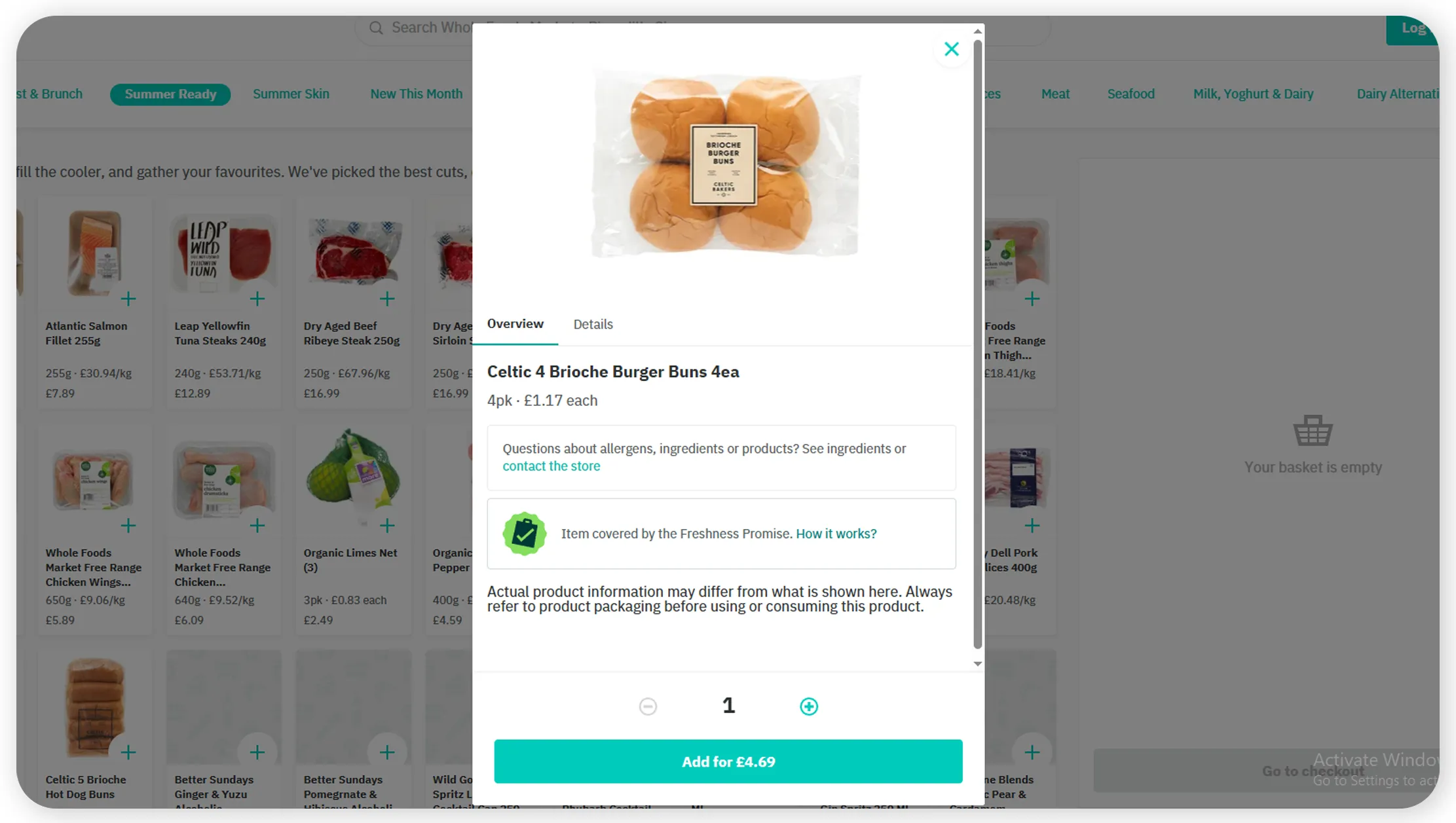
Product-level grocery intelligence plays a critical role in helping retailers and manufacturers understand consumer demand across the organic food industry. Whole Foods Market provides a rich source of structured product information covering categories such as gluten-free foods, vegan products, organic snacks, nutritional supplements, and sustainable packaging solutions.
Businesses increasingly depend on Whole Foods grocery product scraping for consumer insights to evaluate product performance, pricing trends, and customer preferences in real time. Detailed product datasets help organizations identify top-selling SKUs, monitor inventory changes, and analyze customer review sentiment across health food categories.
| Year | Total Organic SKUs | Plant-Based Product Listings | Avg Product Rating | Premium Product Growth (%) |
|---|---|---|---|---|
| 2020 | 31,000 | 6,500 | 4.1 | 10 |
| 2021 | 35,000 | 7,800 | 4.2 | 13 |
| 2022 | 39,000 | 9,100 | 4.3 | 16 |
| 2023 | 44,000 | 10,600 | 4.4 | 19 |
| 2024 | 49,000 | 12,200 | 4.5 | 22 |
| 2025 | 54,000 | 13,900 | 4.5 | 25 |
| 2026 | 60,000 | 15,700 | 4.6 | 28 |
Advanced product analytics support assortment optimization, trend forecasting, and competitive benchmarking. By analyzing structured product data, businesses can identify emerging wellness trends, evaluate category profitability, and strengthen supply chain planning for rapidly growing organic and health-focused product segments.
Data Infrastructure and Retail Benchmarking
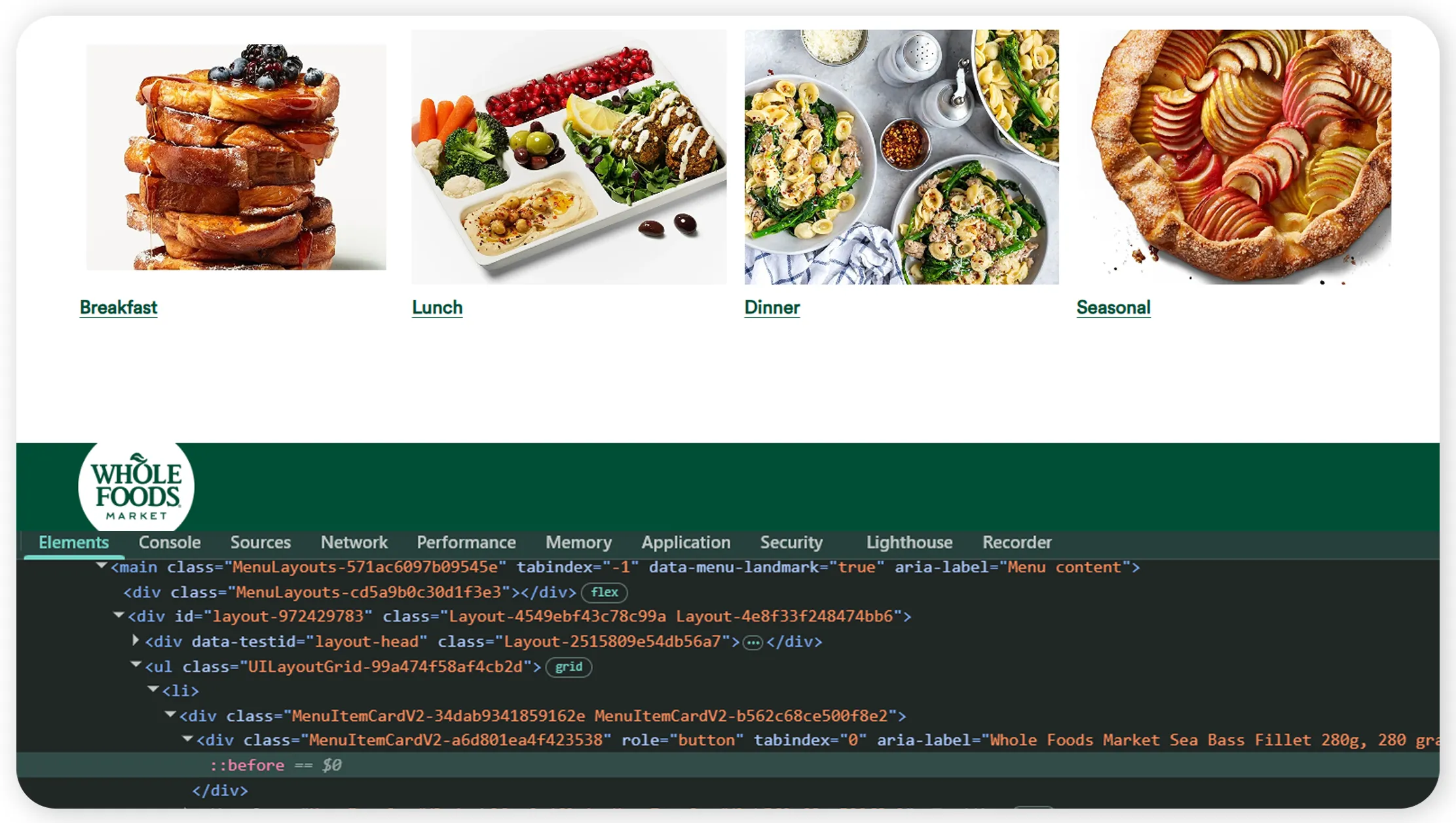
Structured retail datasets have become essential for organizations seeking to improve competitive intelligence and operational efficiency within the grocery industry. Whole Foods Market generates extensive digital retail data that supports pricing analysis, market forecasting, and customer behavior monitoring.
Companies use Web Scraping Whole Foods Market Dataset solutions to extract large-scale grocery information across multiple categories and geographic regions. These datasets enable businesses to compare pricing structures, monitor inventory availability, and evaluate promotional performance within the organic retail market.
| Year | Products Tracked Daily | Pricing Updates per Day | Online Traffic (Millions) | Data Accuracy (%) |
|---|---|---|---|---|
| 2020 | 28,000 | 4 | 8.1 | 91 |
| 2021 | 34,000 | 6 | 9.3 | 92 |
| 2022 | 41,000 | 8 | 10.5 | 93 |
| 2023 | 48,000 | 10 | 11.8 | 94 |
| 2024 | 56,000 | 12 | 13.1 | 95 |
| 2025 | 63,000 | 14 | 14.4 | 96 |
| 2026 | 71,000 | 16 | 15.8 | 97 |
Retail benchmarking solutions allow businesses to monitor competitor pricing strategies, compare regional product assortments, and identify shifting market dynamics. As digital grocery commerce expands, structured datasets provide critical visibility into evolving consumer demand and retail competition across the organic food sector.
Delivery Intelligence and Online Grocery Expansion
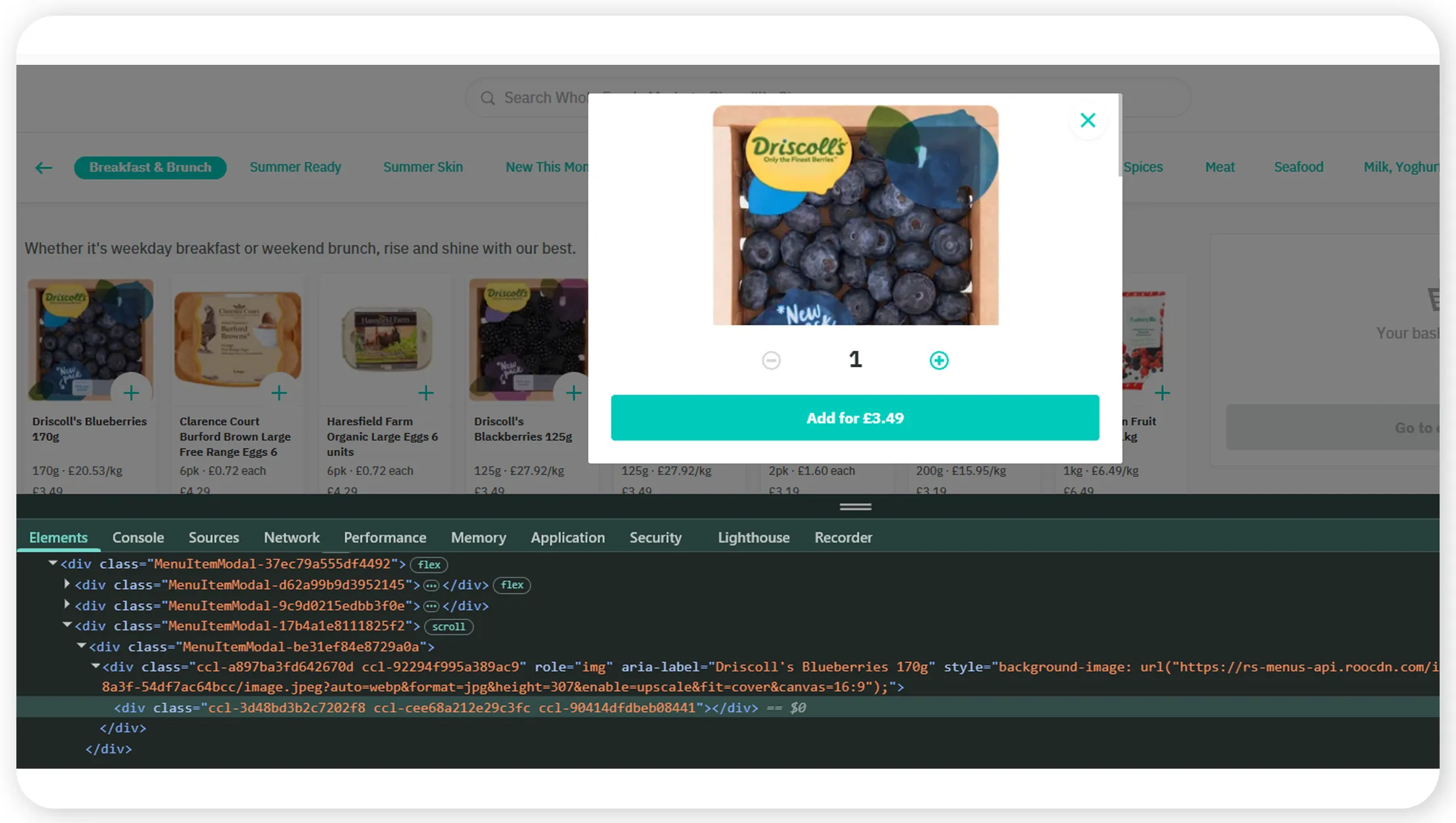
The rapid growth of online grocery shopping has transformed how consumers purchase organic and health-focused products. Whole Foods Market continues expanding its delivery capabilities to meet increasing demand for convenience, same-day fulfillment, and digital grocery experiences.
Organizations leverage Whole Foods Market Delivery Scraper solutions to monitor delivery availability, fulfillment performance, shipping fees, and regional service coverage. Delivery intelligence supports logistics optimization while improving customer satisfaction and operational planning.
| Year | Delivery Orders (Millions) | Avg Delivery Fee ($) | Same-Day Delivery Coverage (%) | Online Grocery Revenue Growth (%) |
|---|---|---|---|---|
| 2020 | 42 | 5.2 | 22 | 18 |
| 2021 | 49 | 5.4 | 27 | 21 |
| 2022 | 57 | 5.6 | 32 | 25 |
| 2023 | 66 | 5.8 | 38 | 29 |
| 2024 | 75 | 6.0 | 43 | 33 |
| 2025 | 84 | 6.3 | 48 | 36 |
| 2026 | 94 | 6.5 | 54 | 40 |
Delivery-focused retail analytics help businesses improve route efficiency, monitor regional demand patterns, and evaluate delivery competitiveness. Companies can also analyze delivery slot availability, customer retention metrics, and fulfillment trends to optimize online grocery operations and enhance customer experiences.
Real-Time Retail Intelligence and Market Monitoring
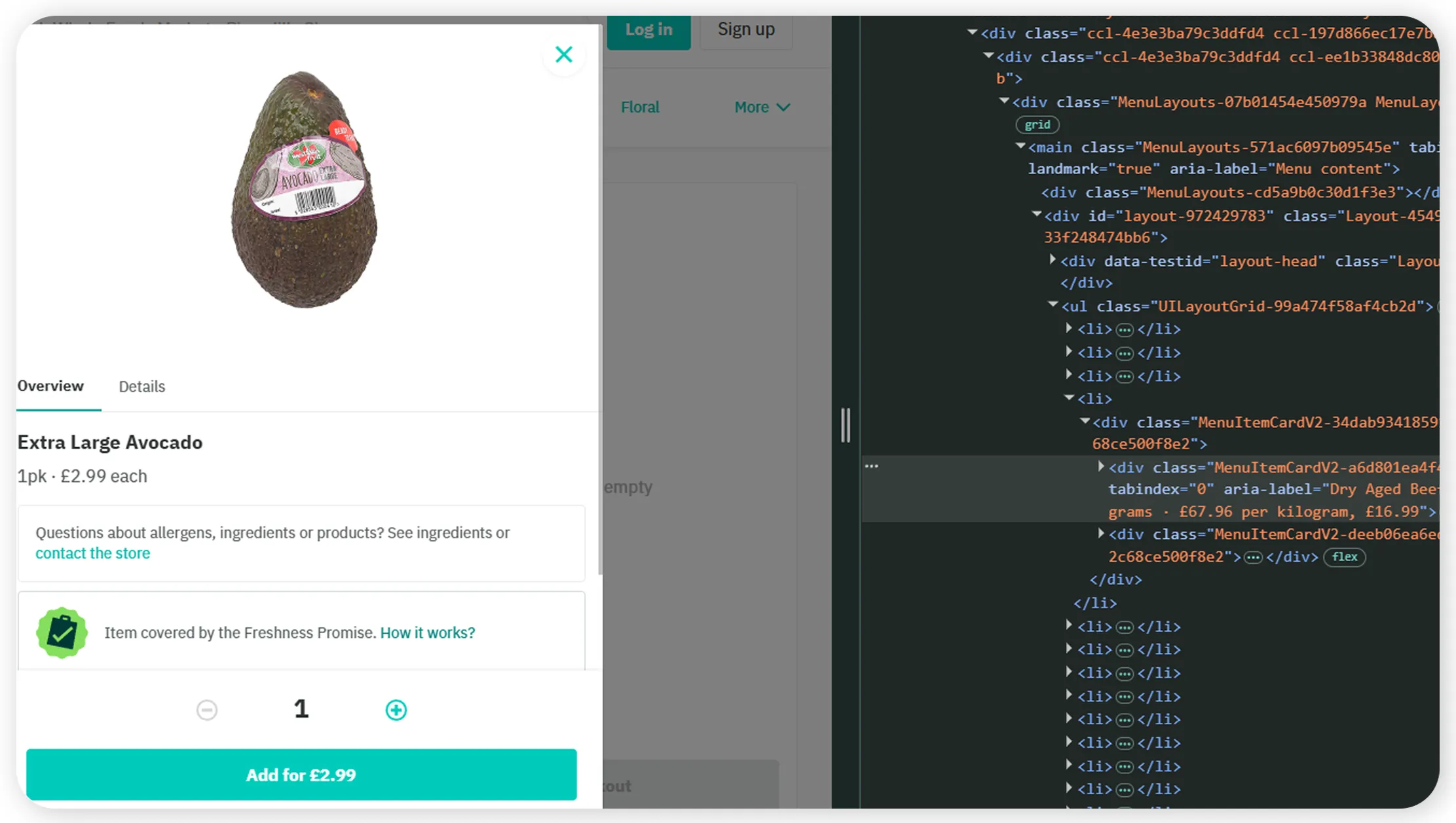
Real-time retail intelligence has become increasingly important for businesses operating in the fast-growing organic grocery sector. Dynamic pricing models, evolving customer demand, and inventory fluctuations require continuous monitoring to maintain competitive advantage.
Businesses utilize Real-Time Whole Foods Supermarket Data Extraction to access up-to-date grocery information including prices, stock changes, product launches, and promotional activity. Real-time analytics platforms provide immediate visibility into retail market shifts, enabling faster decision-making and improved operational agility.
| Year | Real-Time Data Requests (Millions) | Daily Inventory Updates | Product Availability Accuracy (%) | Avg Price Monitoring Frequency |
|---|---|---|---|---|
| 2020 | 18 | 12,000 | 89 | 3x daily |
| 2021 | 24 | 15,000 | 91 | 5x daily |
| 2022 | 31 | 19,000 | 92 | 7x daily |
| 2023 | 39 | 24,000 | 94 | 9x daily |
| 2024 | 48 | 29,000 | 95 | 11x daily |
| 2025 | 57 | 35,000 | 96 | 13x daily |
| 2026 | 67 | 42,000 | 97 | 15x daily |
Real-time grocery monitoring enables retailers and brands to respond quickly to inventory shortages, competitor price changes, and emerging consumer trends. Advanced retail intelligence platforms improve forecasting accuracy, optimize pricing strategies, and support agile decision-making across rapidly changing health food markets.
Why Choose Real Data API?
Modern grocery analytics requires scalable and reliable data infrastructure capable of handling large retail datasets in real time. Real Data API provides advanced scraping solutions designed to support retail intelligence, market benchmarking, and grocery analytics for businesses operating within the organic and health food sector.
Organizations seeking to Scrape organic and health food market insights via Whole Foods data benefit from high-frequency data extraction, structured datasets, and customizable API integrations. Real Data API enables businesses to monitor pricing trends, product assortments, customer preferences, inventory fluctuations, and delivery performance across the Whole Foods ecosystem.
Key advantages include:
- Real-time grocery data extraction
- Scalable retail intelligence solutions
- High dataset accuracy and reliability
- Product-level market insights
- Delivery and inventory monitoring
- Competitive benchmarking capabilities
- Automated pricing analytics
- Flexible API integration support
Businesses can leverage these capabilities to improve operational efficiency, optimize marketing strategies, forecast demand, and gain deeper visibility into evolving organic grocery market trends.
Conclusion
The organic and health food industry continues experiencing strong growth driven by increasing consumer demand for wellness-focused products, sustainable sourcing, and digital grocery convenience. Whole Foods Market remains a major force within this evolving retail ecosystem, generating valuable retail intelligence across pricing, product demand, delivery performance, and customer engagement.
The growing need to Scrape organic and health food market insights via Whole Foods data highlights the importance of advanced grocery analytics and real-time retail intelligence solutions. Businesses that leverage structured datasets and automated scraping technologies gain a significant competitive advantage through improved market visibility, faster decision-making, and stronger retail benchmarking capabilities.
As online grocery commerce and health-conscious consumer behavior continue expanding through 2026, data-driven retail intelligence will remain essential for forecasting trends, optimizing operations, and maintaining competitiveness within the rapidly evolving organic food market.
Unlock powerful organic grocery intelligence with Real Data API and transform your business strategy using scalable, real-time Whole Foods retail data solutions!
Latest posts
How Brands Can Improve Customer Insights with web scraping sentiment analysis of product reviews at scale

How Property Businesses Can Scrape real estate applications with the Apartment List API for Smarter Market Insights
How to Scrape Ecommerce Search Rankings for Brands to Achieve Up to 50% Better Ranking Accuracy?
Web Scraping Competitor Product Monitoring Using Marketplace Data for Real-Time E-commerce Insights and Business Growth?






.png)