Introduction
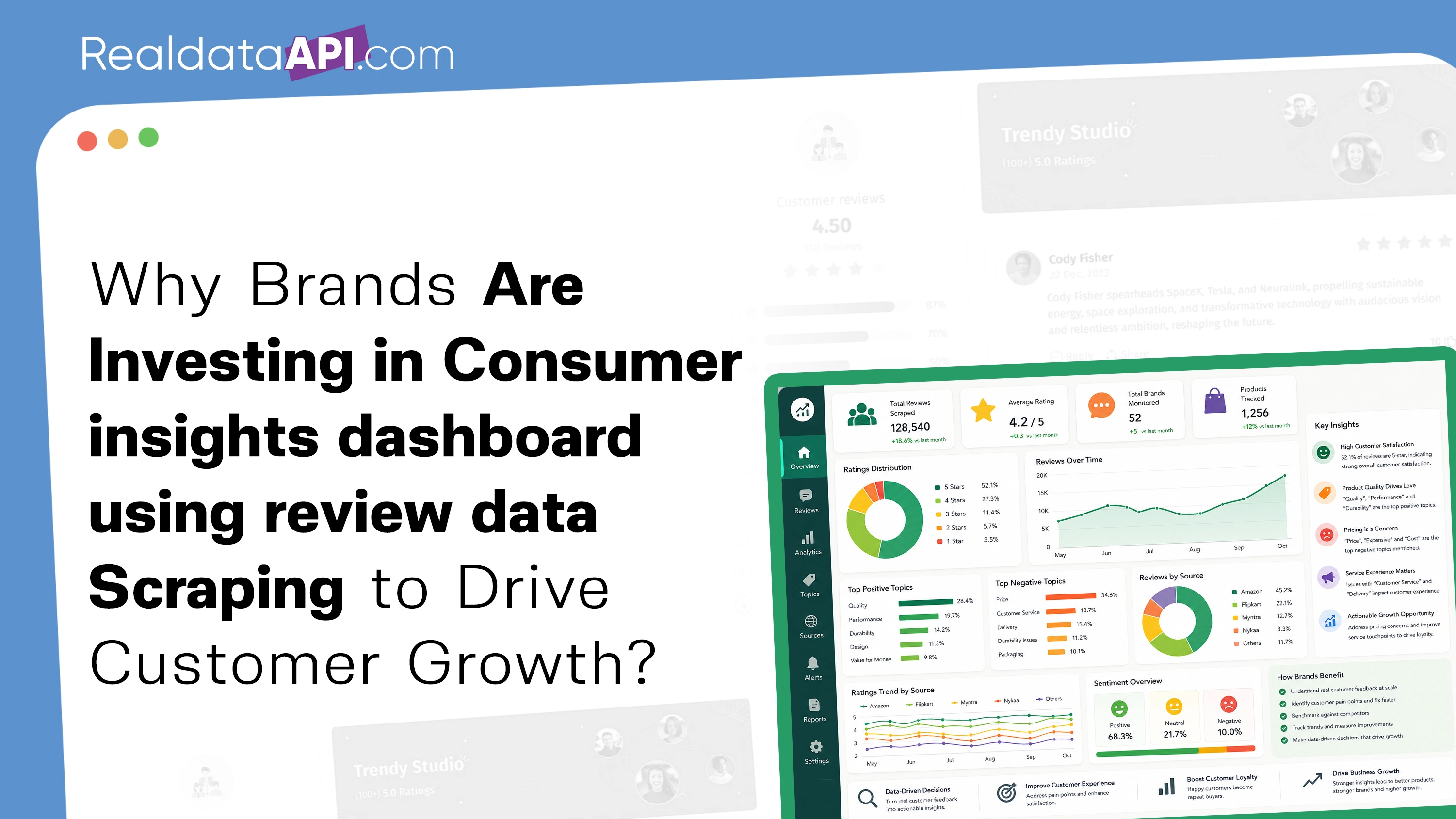
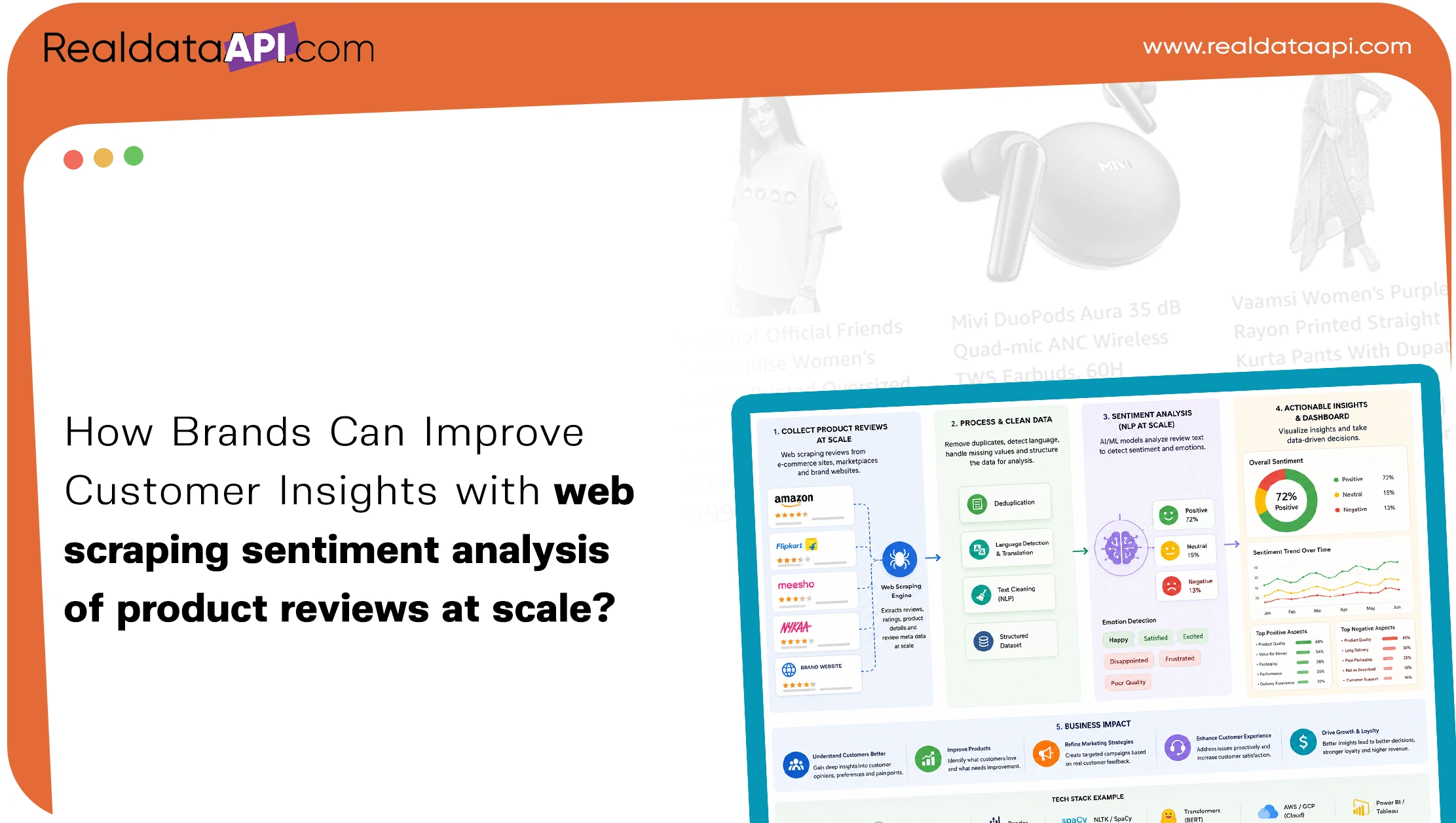
Brands can gain deeper customer insights by using web scraping sentiment analysis of product reviews at scale to collect, analyze, and interpret millions of product reviews. Combined with Web Scraping Services , this approach helps businesses understand customer preferences, improve products, strengthen brand reputation, and make faster data-driven decisions.
Industry Insight: Industry research indicates that more than 90% of online shoppers read reviews before purchasing, while organizations using AI-powered sentiment analytics report up to a 20% improvement in customer satisfaction . Between 2020 and 2026, enterprises have increasingly adopted automated review analysis to enhance customer experiences and optimize product strategies.
For eCommerce retailers, consumer brands, manufacturers, product managers, marketing teams, and marketplace sellers, customer reviews are a valuable source of business intelligence. Every review reveals opinions about product quality, pricing, packaging, delivery, customer service, and overall satisfaction. However, manually analyzing thousands of reviews is slow and inefficient.
By combining web scraping with sentiment analytics, businesses can transform unstructured customer feedback into meaningful insights. These insights help identify recurring complaints, measure customer satisfaction, compare competitors, prioritize product improvements, and predict changing market trends.
This guide explains how scalable review intelligence helps brands understand customer behavior, improve decision-making, and create products that better meet customer expectations.
How Can Businesses Discover Valuable Customer Opinions Faster?
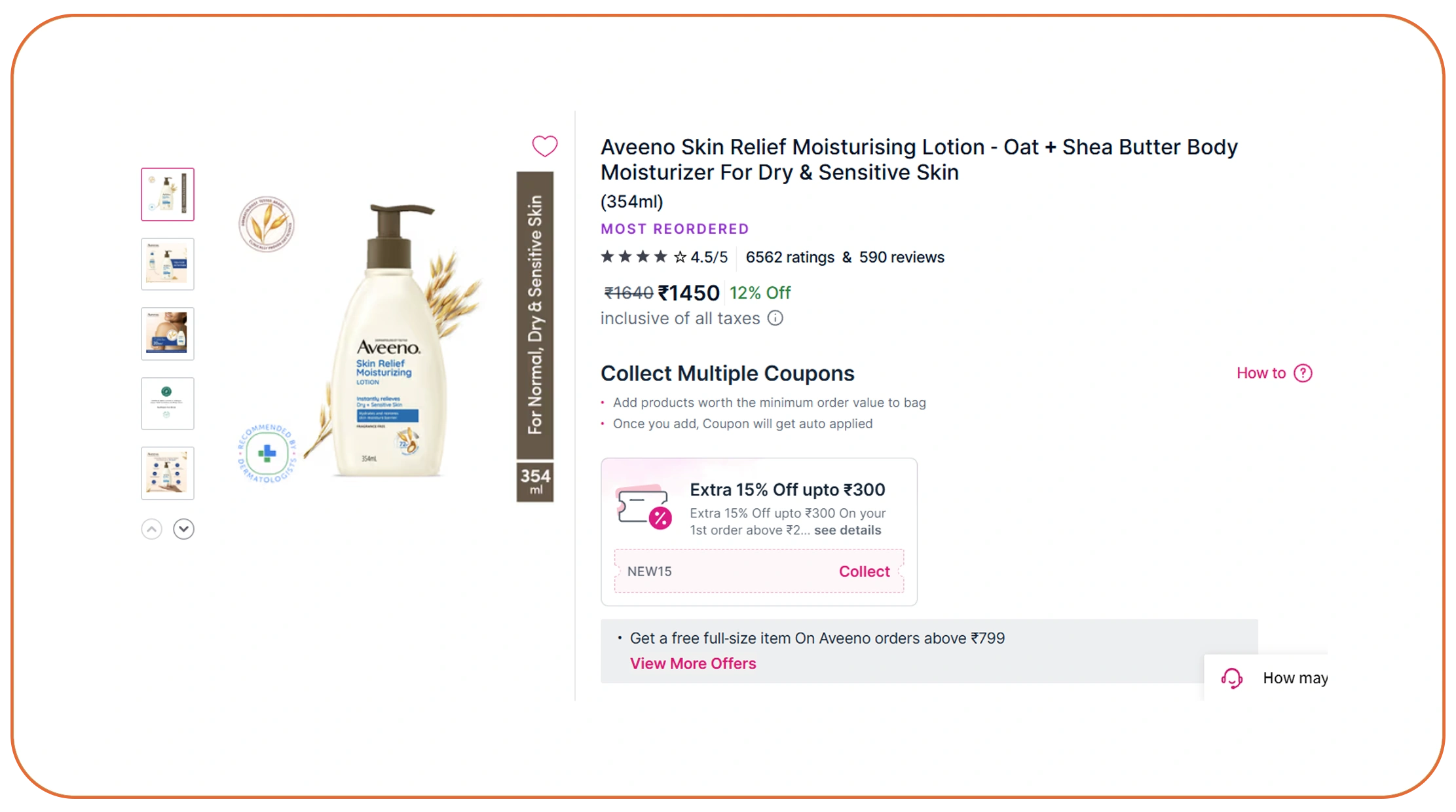
Customer reviews contain valuable insights that help businesses understand what customers appreciate and what needs improvement. Instead of manually reviewing thousands of comments, organizations can automate the process and uncover meaningful trends much faster.
One effective solution is scrape product review sentiment analysis , which automatically collects reviews from eCommerce websites, online marketplaces, and review platforms before applying AI models to classify customer opinions. This enables businesses to identify positive, negative, and neutral sentiment while understanding the reasons behind customer satisfaction.
Businesses benefit by being able to:
- Monitor customer satisfaction continuously.
- Detect recurring product issues.
- Identify frequently praised features.
- Compare competitor customer feedback.
- Improve customer experience strategies.
- Prioritize product enhancements.
- Reduce manual review efforts.
- Support data-driven decision-making.
Sentiment analysis also reveals emotional patterns that traditional ratings often overlook. For example, two products may both receive four-star ratings, yet customer comments may highlight entirely different strengths and weaknesses. Understanding these details enables businesses to make more informed product and marketing decisions.
Another major advantage is scalability. AI-powered review analysis allows businesses to process millions of customer opinions daily, providing faster insights without increasing operational costs.
Customer Review Analytics Growth (2020–2026)
| Year | Reviews Processed (Millions) | Businesses Using Sentiment Analytics | Customer Satisfaction Improvement |
|---|---|---|---|
| 2020 | 480 | 34% | 8% |
| 2021 | 590 | 42% | 10% |
| 2022 | 710 | 50% | 13% |
| 2023 | 860 | 60% | 15% |
| 2024 | 1,020 | 69% | 17% |
| 2025 | 1,210 | 78% | 20% |
| 2026* | 1,420 | 86% | 23% |
Projected industry estimates.
Businesses that continuously analyze customer opinions gain faster market intelligence, improve customer satisfaction, and strengthen competitive positioning.
Why Should Brands Analyze Customer Emotions Instead of Ratings Alone?
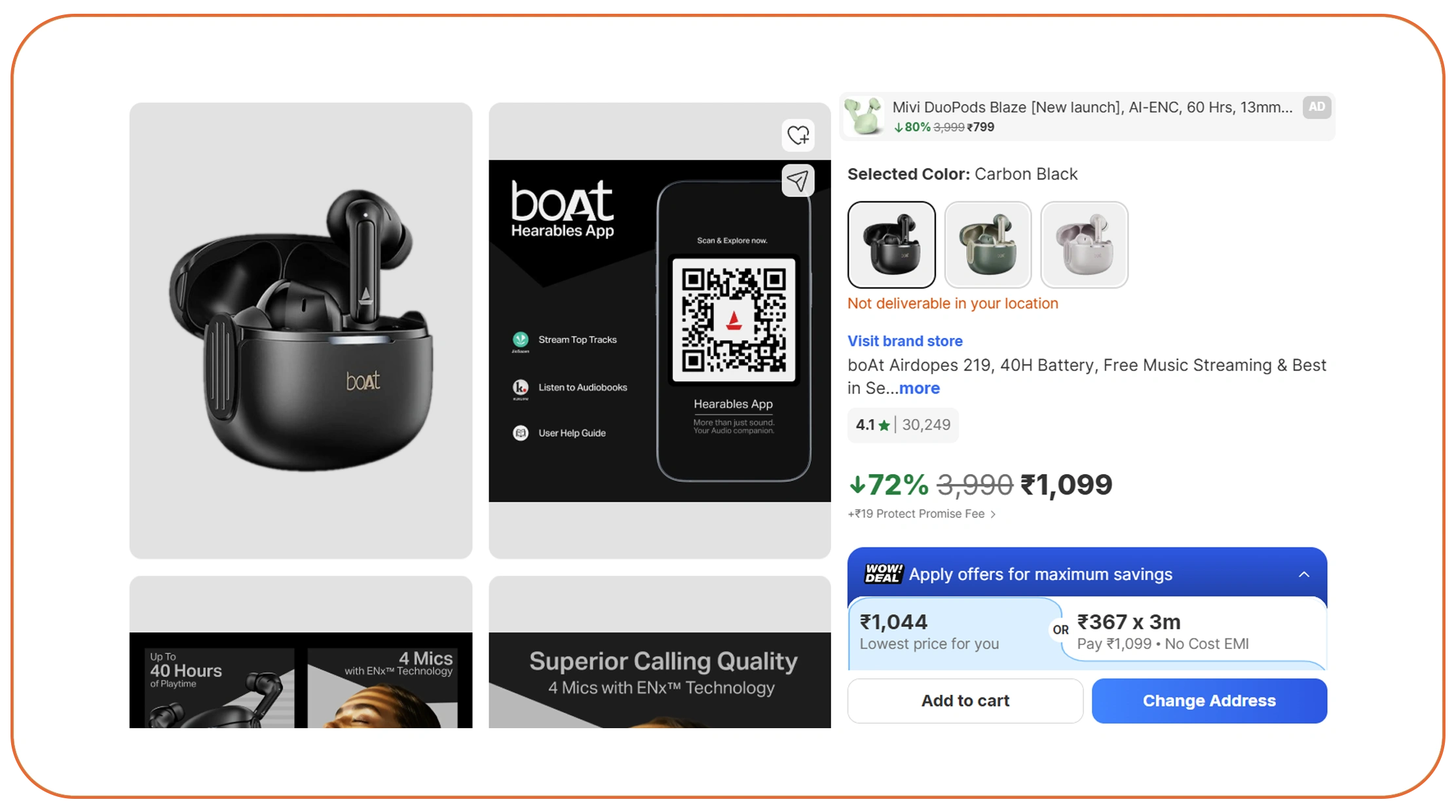
Star ratings provide a quick overview of customer satisfaction, but they rarely explain why customers feel a certain way. Written reviews contain richer information that helps businesses understand customer expectations, frustrations, and buying motivations.
Using Consumer sentiment data intelligence from product reviews , organizations can identify emotional patterns hidden within customer feedback. This approach enables brands to understand how customers perceive product quality, usability, pricing, packaging, delivery speed, and customer service.
Consumer sentiment intelligence helps businesses:
- Measure overall customer perception.
- Detect early signs of product dissatisfaction.
- Understand purchasing motivations.
- Compare sentiment across competitors.
- Improve product messaging.
- Enhance customer support.
- Monitor brand reputation.
- Guide long-term product planning.
AI-powered sentiment analytics also allows businesses to group similar opinions into categories such as durability, design, performance, value for money, or ease of use. These categorized insights simplify decision-making for product managers and marketing teams.
Another important advantage is competitive benchmarking. Businesses can compare customer sentiment for their products against competing brands to identify strengths, weaknesses, and market opportunities. This enables more targeted product improvements and marketing campaigns.
Consumer Sentiment Adoption (2020–2026)
| Year | Businesses Using Sentiment Intelligence | Brand Reputation Improvement | Customer Retention |
|---|---|---|---|
| 2020 | 36% | 9% | 73% |
| 2021 | 44% | 11% | 75% |
| 2022 | 53% | 13% | 78% |
| 2023 | 62% | 16% | 81% |
| 2024 | 71% | 18% | 84% |
| 2025 | 79% | 21% | 87% |
| 2026* | 87% | 24% | 90% |
Projected industry estimates.
Organizations that combine customer sentiment intelligence with business analytics gain a clearer understanding of customer needs, enabling them to build stronger products, improve customer loyalty, and achieve sustainable business growth.
How Can Businesses Turn Large-Scale Review Data into Actionable Insights?
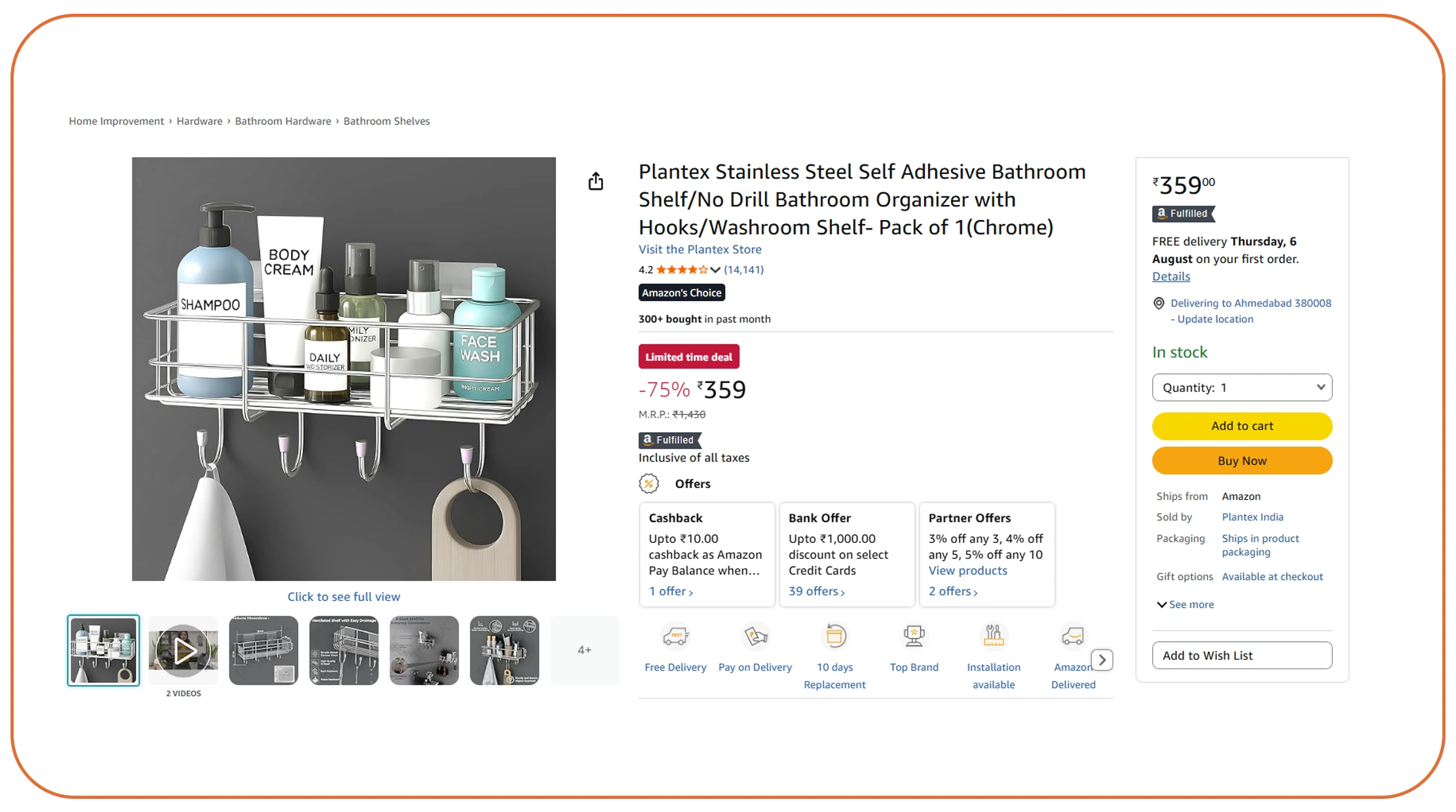
As online shopping continues to grow, businesses receive millions of product reviews across marketplaces, brand websites, and mobile apps. Manually analyzing this volume of feedback is nearly impossible. Automated data extraction enables organizations to transform massive datasets into meaningful business intelligence.
Using Sentiment Analysis data extraction of Product Reviews , businesses can automatically gather review text, star ratings, timestamps, reviewer details, verified purchase status, and product information from multiple sources. AI models then categorize the feedback into positive, neutral, or negative sentiment while identifying recurring themes.
This approach helps organizations:
- Detect common customer complaints.
- Identify highly appreciated product features.
- Monitor competitor review trends.
- Measure customer satisfaction by product category.
- Improve marketing messages using customer language.
- Reduce product return rates.
- Support faster product improvements.
- Build data-driven customer experience strategies.
Another advantage is real-time monitoring. Instead of waiting for monthly reports, businesses receive continuous updates that help them respond quickly to emerging customer concerns. For example, if multiple reviews mention a packaging defect or delayed delivery, teams can investigate and resolve the issue before it affects brand reputation.
Historical review datasets also provide valuable forecasting insights. By comparing review trends over several years, businesses can identify seasonal purchasing behavior, changing customer expectations, and product lifecycle patterns.
Product Review Data Extraction Trends (2020–2026)
| Year | Reviews Extracted (Millions) | Businesses Using Automated Review Extraction | Decision Accuracy |
|---|---|---|---|
| 2020 | 520 | 32% | 76% |
| 2021 | 640 | 40% | 80% |
| 2022 | 780 | 49% | 84% |
| 2023 | 940 | 59% | 88% |
| 2024 | 1,120 | 68% | 91% |
| 2025 | 1,320 | 77% | 94% |
| 2026* | 1,560 | 86% | 97% |
Projected industry estimates.
Businesses that automate review data extraction gain faster insights, improve operational efficiency, and make better customer-focused decisions.
Why Is Understanding Customer Emotion Critical for Brand Success?
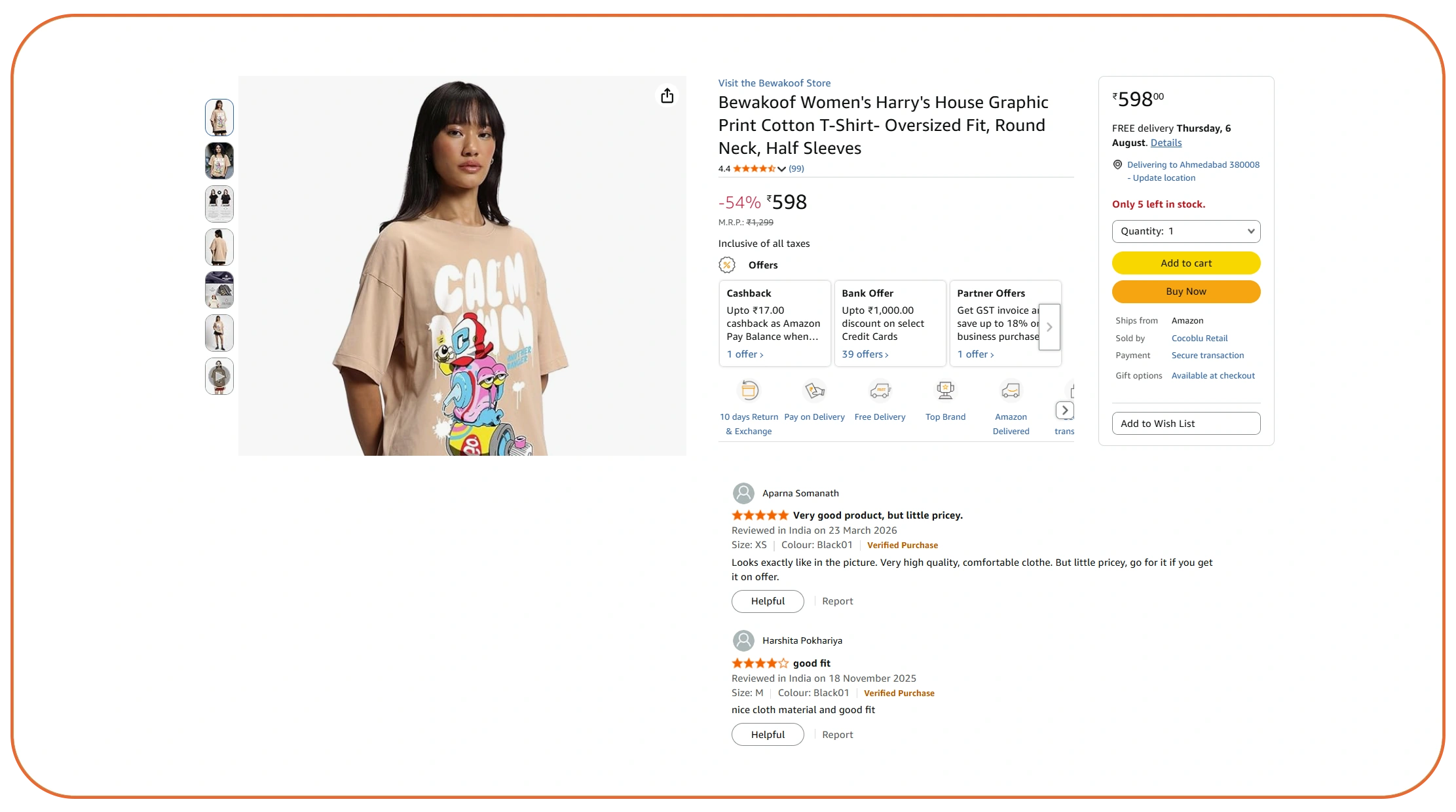
Customers do more than rate products—they express emotions, expectations, frustrations, and experiences. Understanding these emotions helps businesses improve products and strengthen customer relationships.
Modern organizations use Sentiment Analysis to evaluate customer opinions beyond simple star ratings. AI algorithms classify reviews based on emotional tone and identify the reasons behind positive or negative experiences.
Key benefits include:
- Measure customer happiness.
- Detect dissatisfaction before it escalates.
- Compare sentiment across brands.
- Improve customer support quality.
- Prioritize product improvements.
- Strengthen brand reputation.
- Identify emerging consumer trends.
- Support long-term business planning.
Sentiment analytics also enables product managers to understand which product features customers appreciate most. Marketing teams can use these insights to create more compelling campaigns, while customer service teams can proactively address recurring concerns.
Businesses can also segment sentiment by geography, product category, or customer demographics. This helps create personalized strategies that improve engagement across different customer groups.
As AI technology advances, sentiment models continue improving their ability to recognize context, emotion, and intent, making customer feedback analysis more accurate than ever.
AI Sentiment Analysis Adoption (2020–2026)
| Year | Businesses Using AI Sentiment Analysis | Customer Satisfaction | Brand Trust Improvement |
|---|---|---|---|
| 2020 | 30% | 74% | 68% |
| 2021 | 39% | 77% | 71% |
| 2022 | 48% | 80% | 75% |
| 2023 | 58% | 84% | 79% |
| 2024 | 68% | 87% | 83% |
| 2025 | 78% | 90% | 87% |
| 2026* | 87% | 93% | 91% |
Projected industry estimates.
Organizations that leverage AI-powered sentiment insights can better understand customer expectations, enhance product quality, and foster stronger brand loyalty.
How Do APIs Simplify Large-Scale Customer Review Analytics?

Collecting review data from multiple marketplaces manually is inefficient and difficult to scale. APIs provide a faster and more reliable way to access structured review information for analytics and reporting.
A robust Web Scraping API automates the collection of customer reviews, ratings, reviewer details, product metadata, and timestamps from various online sources. The extracted data can be integrated directly into BI dashboards, CRM systems, machine learning models, and enterprise analytics platforms.
Businesses using review APIs can:
- Automate large-scale review collection.
- Monitor reviews across multiple marketplaces.
- Build centralized review databases.
- Enable AI-powered analytics.
- Receive real-time customer insights.
- Improve reporting efficiency.
- Reduce manual operational costs.
- Scale analytics as product catalogs grow.
APIs also improve collaboration between product, marketing, customer support, and executive teams by providing consistent, structured data. Instead of relying on separate reports, every department can access the same up-to-date insights to support informed decision-making.
As businesses expand into global markets, API-driven review intelligence becomes essential for monitoring multilingual reviews, identifying regional trends, and maintaining consistent customer experiences across channels.
Review API Adoption (2020–2026)
| Year | Businesses Using Review APIs | Reviews Processed Daily | Automation Level |
|---|---|---|---|
| 2020 | 26% | 6 Million | 45% |
| 2021 | 34% | 9 Million | 53% |
| 2022 | 43% | 13 Million | 61% |
| 2023 | 54% | 19 Million | 69% |
| 2024 | 65% | 27 Million | 77% |
| 2025 | 76% | 39 Million | 85% |
| 2026* | 86% | 55 Million | 92% |
Projected industry estimates.
API-driven review intelligence enables businesses to analyze customer opinions at scale, improve decision-making speed, and build stronger customer-centric strategies.
How Can Enterprises Scale Review Intelligence Across Global Markets?

As businesses expand across multiple countries and marketplaces, customer feedback grows exponentially. Managing millions of reviews from different platforms, languages, and product categories requires a scalable data collection strategy. Enterprise-grade web crawling enables organizations to gather large volumes of review data while maintaining accuracy and consistency.
Modern organizations rely on Enterprise Web Crawling to automate the collection of product reviews, ratings, seller feedback, and customer comments from numerous online sources. Instead of manually monitoring multiple platforms, businesses receive centralized datasets that support real-time analytics and strategic planning.
Enterprise crawling helps businesses:
- Collect reviews from multiple marketplaces.
- Monitor customer sentiment across regions.
- Track competitor product feedback.
- Analyze multilingual customer opinions.
- Build centralized review databases.
- Improve AI model training.
- Support enterprise reporting.
- Scale data collection without increasing manual effort.
Large-scale crawling also enables businesses to compare customer preferences across different markets. For example, consumers in one region may prioritize affordability, while others value premium features or faster delivery. Understanding these regional differences helps brands localize products and marketing strategies more effectively.
Historical review archives further strengthen forecasting by revealing seasonal buying behavior, recurring product issues, and long-term customer satisfaction trends.
Enterprise Review Intelligence Growth (2020–2026)
| Year | Enterprises Using Web Crawling | Reviews Collected Annually (Billions) | Business Intelligence Accuracy |
|---|---|---|---|
| 2020 | 28% | 2.8 | 78% |
| 2021 | 36% | 3.5 | 81% |
| 2022 | 46% | 4.6 | 85% |
| 2023 | 57% | 5.9 | 89% |
| 2024 | 68% | 7.4 | 92% |
| 2025 | 79% | 9.1 | 95% |
| 2026* | 88% | 11.2 | 97% |
Projected industry estimates.
Organizations that implement enterprise-scale review intelligence gain deeper customer insights, improve operational efficiency, and make faster, data-driven decisions across global markets.
Why Choose Real Data API?
Real Data API provides enterprise-grade data extraction solutions that help businesses convert millions of customer reviews into actionable business intelligence. Our scalable infrastructure enables organizations to automate review collection, perform AI-powered sentiment analytics, and generate structured datasets for advanced decision-making.
With expertise in web scraping sentiment analysis of product reviews at scale , Real Data API helps retailers, manufacturers, consumer brands, marketplace sellers, and market research firms unlock valuable customer insights without the complexity of manual data collection.
Our solutions offer:
- Automated product review extraction from leading marketplaces.
- AI-ready structured review datasets.
- Real-time sentiment monitoring.
- Historical review analytics.
- Competitor benchmarking and market intelligence.
- Multi-language review collection.
- Custom dashboards and reporting.
- Secure, scalable API integrations.
- Enterprise-grade data quality and reliability.
- Flexible solutions tailored to business objectives.
Whether you need to improve customer experience, optimize product development, strengthen brand reputation, or support machine learning initiatives, Real Data API delivers reliable data that drives measurable business outcomes.
Conclusion
Customer reviews have become one of the most valuable sources of business intelligence in modern eCommerce. Businesses that collect and analyze customer opinions at scale gain a deeper understanding of consumer expectations, product performance, and emerging market trends.
By leveraging web scraping sentiment analysis of product reviews at scale , organizations can transform unstructured feedback into meaningful insights that improve products, optimize customer experiences, strengthen marketing strategies, and increase long-term profitability. Combined with AI-driven analytics and enterprise web crawling, sentiment analysis enables brands to make faster and more informed decisions.
As customer expectations continue to evolve through 2026 and beyond, scalable review intelligence will remain a key competitive advantage for businesses looking to innovate, improve customer satisfaction, and accelerate sustainable growth.
Ready to turn millions of customer reviews into actionable insights? Contact Real Data API today to leverage advanced sentiment analysis and scalable web scraping solutions that empower smarter decisions and drive lasting business success!
Latest posts
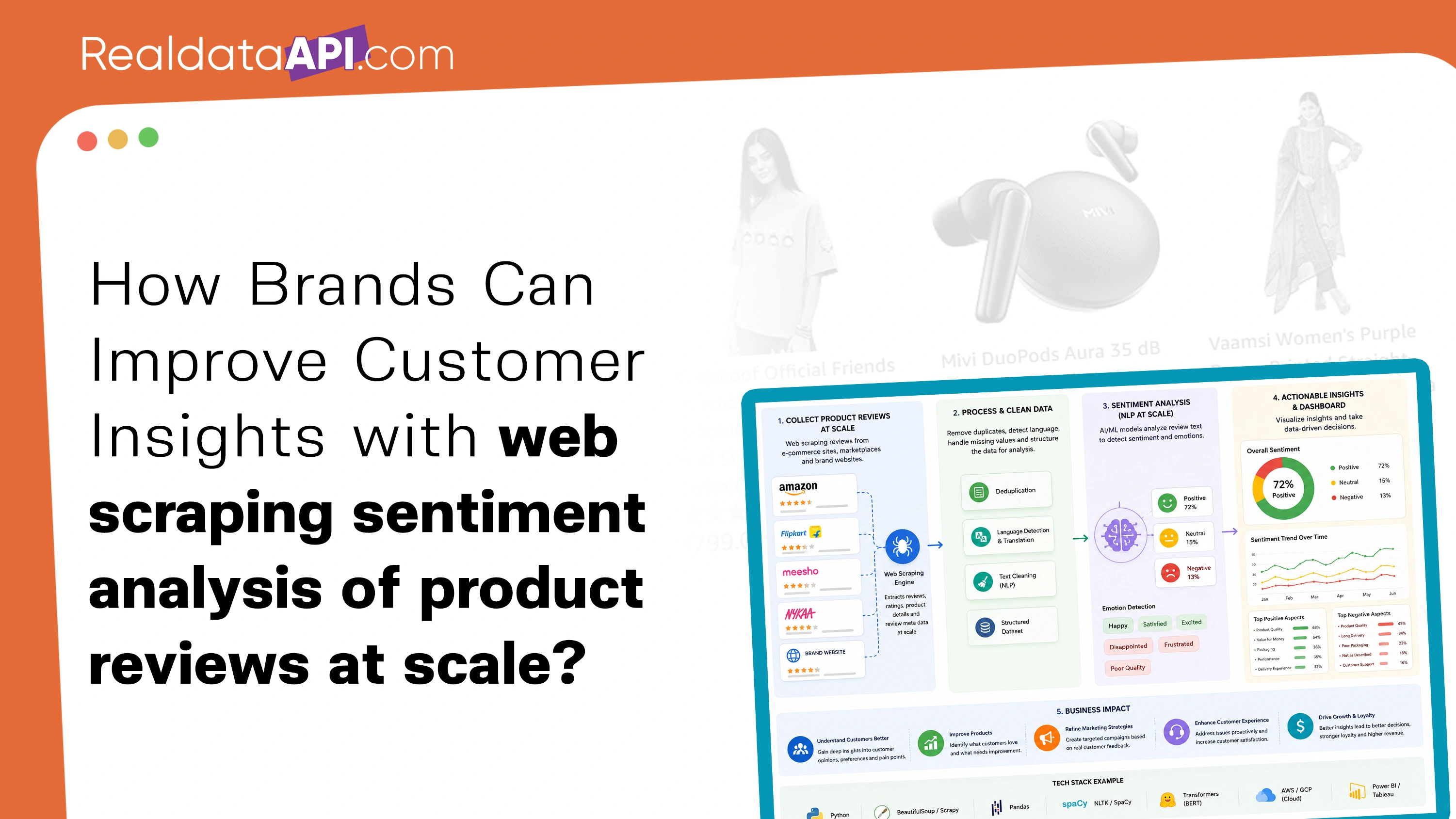
How Brands Can Improve Customer Insights with web scraping sentiment analysis of product reviews at scale

How Property Businesses Can Scrape real estate applications with the Apartment List API for Smarter Market Insights
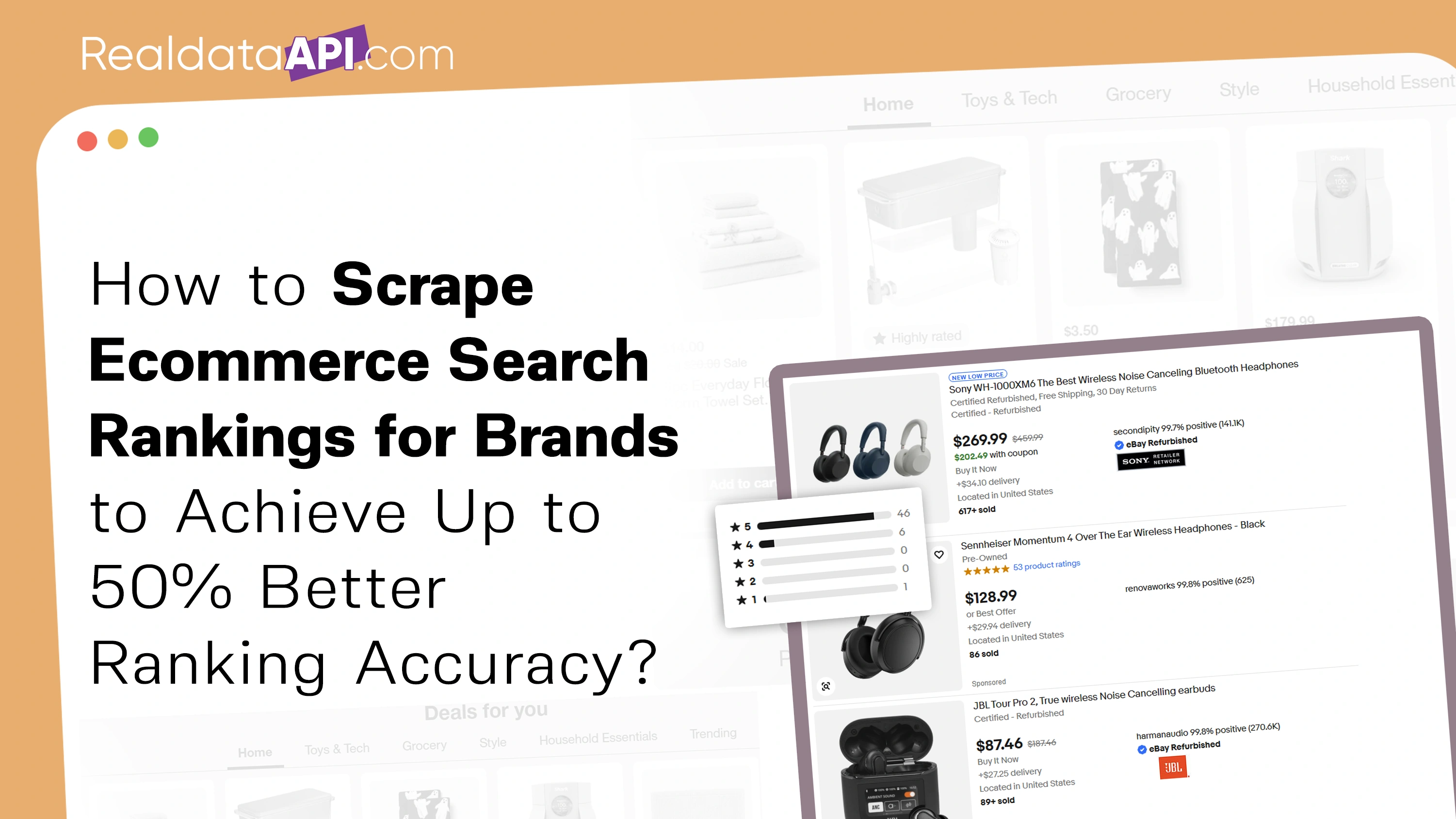
How to Scrape Ecommerce Search Rankings for Brands to Achieve Up to 50% Better Ranking Accuracy?
Web Scraping Competitor Product Monitoring Using Marketplace Data for Real-Time E-commerce Insights and Business Growth?






.png)



