Introduction
Marketplaces are where products are discovered, compared and bought. For anyone building a seller database, tracking competitors or researching a category, structured market place saves weeks of manual work.
Seller-level data
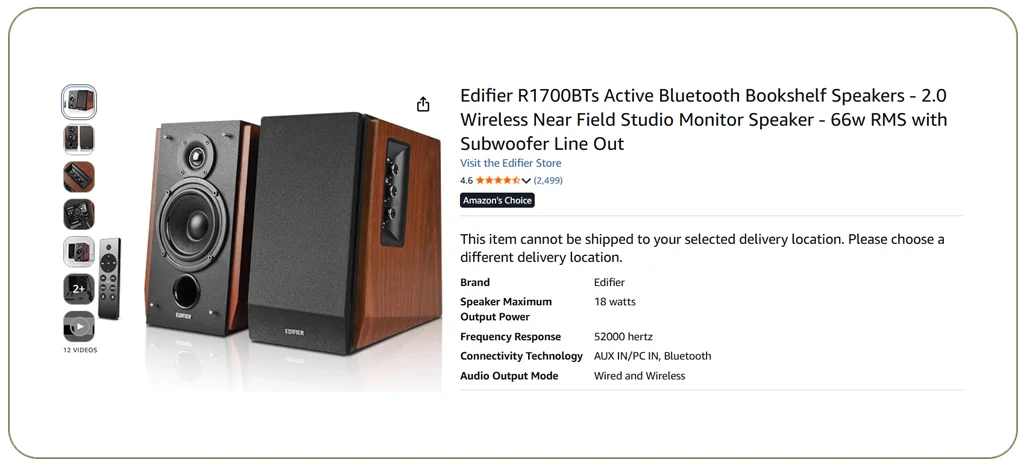
Seller data shows who sells what and how well they perform. Typical fields:
- Seller name, ID, store URL and location
- Seller rating, follower count and years active
- Number of listings and product categories
- Fulfilment method (marketplace-fulfilled vs seller-fulfilled)
- Prices and stock for each listing
Platform notes
- Walmart Marketplace and TikTok Shop (USA): useful for finding active sellers and trending products.
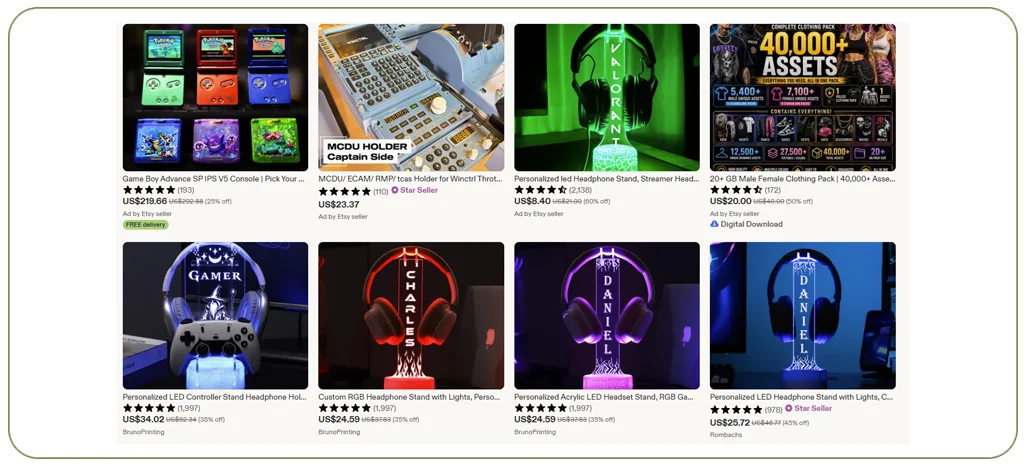
- Etsy (USA): handmade and niche products, with tags, shop sales count and reviews.
- Amazon: for example the Industrial & Scientific category, where product specifications and part numbers matter.
Category data projects
In technical categories, buyers care about attributes such as dimensions, material, grade and compatibility. A good scrape captures these specification tables instead of only the title and price. For broader product-level comparisons, teams can also use e-commerce data scraping to collect prices, availability, ratings and product specifications in a consistent format.
Price breakup data
Some resale and refurbished platforms show the final price with deductions, fees and conditions. Capturing the full breakup, not just the headline price, is important for resale-value comparisons. When comparing marketplace offers at scale, Competitive Benchmarking can help teams review price movements alongside seller and listing details.
Use cases
- Building a verified seller list for sourcing or partnerships
- Competitor and pricing research
- Trend discovery on TikTok Shop and Etsy
- Category sizing for new product launches
A step-by-step workflow for building a seller database
- Define the goal: a sourcing list, a competitor list or a market-sizing study each need different fields.
- Choose platforms and categories: for example Walmart toys, Etsy home decor or Amazon industrial supplies.
- Collect listings: search results and category pages produce the first list of products and sellers.
- Open seller pages: store profiles add ratings, location, listing counts and fulfilment details.
- Clean and merge: the same seller may appear on several platforms, so records are merged by name and store details.
- Deliver: a CSV, JSON or API with a refresh schedule keeps the database current. For teams that need an API-based workflow, the Amazon data API and Etsy Data Api provide platform-specific options for structured listing and seller information.
Quality checks that matter
- Remove inactive stores, such as shops with no recent listings or reviews.
- Flag sellers with unusual rating patterns for manual review.
- Standardise categories so results from different platforms can be compared.
- Store the collection date, since seller metrics change quickly.
Example: finding trending products on TikTok Shop and Etsy
A product-development team wants ideas for a new line of home accessories. It collects listings from TikTok Shop and Etsy for related keywords and compares price points, review counts and shop sales figures where shown. Products that appear in many shops, with strong reviews and steady prices, point to proven demand, while very low-priced listings show where competition is heavy.
Technical categories on Amazon
For wider marketplace research beyond technical product attributes, Amazon Category Data can support category-level discovery and competitor benchmarking.
In categories like Industrial & Scientific, buyers search by specification rather than by brand. A useful dataset keeps the part number, manufacturer, dimensions, material, grade and compatibility information in separate columns, so a procurement team can filter, compare and cross-reference parts quickly.
Why choose Real Data API for marketplace seller data scraping
Real Data API builds scrapers for each marketplace, merges data into one seller and product structure, and delivers it in your preferred format. You can start with one platform and one category and expand once you are happy with the results.
Conclusion
Marketplace seller data scraping gives sourcing, product and sales teams a faster way to find sellers, track competitors and size categories on Walmart, TikTok Shop, Etsy and Amazon. With clean merging and regular refreshes, the data supports decisions that would otherwise take weeks of manual research. Businesses comparing multiple retail channels can also explore e-commerce datasets for structured product, pricing and availability information.
Need seller or category data? Real Data API can set it up quickly.
FAQs
1. Can you get sales numbers?
Only where the platform shows them (for example Etsy sales counts or best-seller ranks).
2. Is personal data collected?
Only public business information; personal data is out of scope.
3. Can you collect seller contact details?
Only business information that is publicly shown. Personal data is not collected, and some platforms do not show contact details at all.
4. Can I monitor a list of competitor sellers over time?
Yes. A fixed list of sellers can be tracked on a schedule to see new listings, price changes and rating trends.
5. What if a platform changes its layout?
Scrapers are monitored and updated, so the output structure stays the same for your team.
6. Can I combine data from several marketplaces?
Yes. Data from Walmart, TikTok Shop, Etsy and Amazon can be merged into one standard format.
Latest posts
Marketplace Seller Data Scraping: Walmart, TikTok Shop, Etsy & Amazon Category Data
BookMyShow Data Scraping: Movie-Wise & City-Wise Ticket Availability and Pricing
India Medicine Database Scraping: 1mg, PharmEasy & Netmeds (Brands, Salts, MRP)
Matrimony Site Data Scraping: Legal and Ethical Considerations




.png)


