.gif)
.png)
Introduction
When a business asks about scraping matrimony platforms, the first question should be not "can it be done" but "should it be done, and for what purpose". Profiles on these sites contain highly personal information, so the legal and ethical bar is much higher than for product or price data.
Note: this article is general information, not legal advice. Consult qualified legal counsel before any project that touches personal data.
Why this data is sensitive
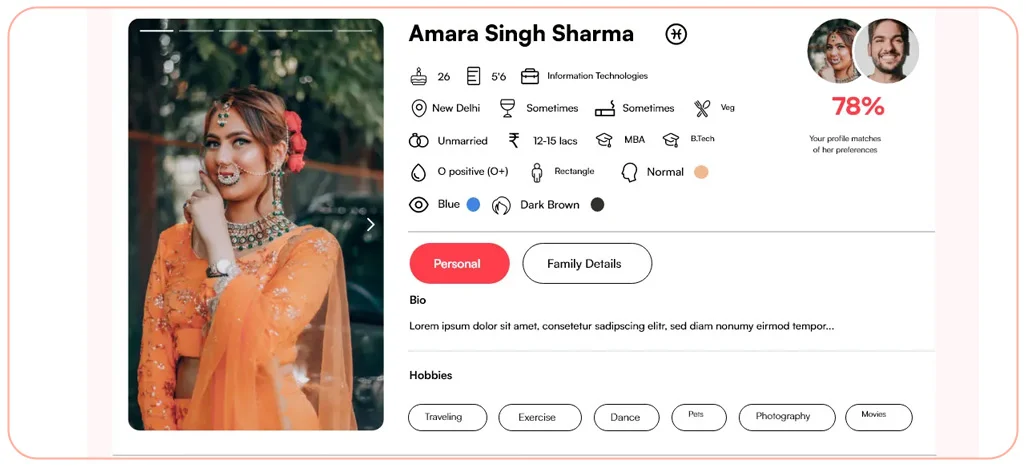
Matrimony profiles can include names, photos, age, family details, income, religion, caste, location and contact preferences. Much of it falls into categories that data-protection laws treat with extra care. Users share it for one purpose, finding a match, not for resale or unrelated marketing.
Key risks
- Privacy law: India's Digital Personal Data Protection Act, 2023 and other regional laws (such as GDPR for EU users) set rules on collecting and using personal data.
- Platform terms: most matrimony sites prohibit automated collection in their terms of use.
- Reputational harm: using profile data for spam or unsolicited contact can damage trust and invite complaints.
- Misuse risk: profile data can enable fraud or harassment, which is why platforms protect it.
Safer alternatives for businesses
Many legitimate goals do not need individual profiles:
- Market research: aggregate, anonymised statistics such as the number of listings by city or age band, collected from public pages without personal identifiers
- Competitor analysis: subscription plans, pricing, features and published success stories
- Wedding-industry insights: trends in services, vendors and pricing, drawn from wedding marketplaces rather than profile databases
- Partnerships or official data access: ask the platform about API or data-sharing agreements
What responsible providers do
A responsible web scraping services provider will ask about the purpose, avoid collecting personal data, refuse requests that look like profile harvesting and document compliance steps.
A decision checklist before any project
Before a team asks for data from a matrimony platform, it should be able to answer these questions clearly:
- What exact business question are we trying to answer?
- Can that question be answered with aggregated or anonymised data instead of individual profiles?
- Does the platform's terms of use allow automated collection of this data?
- Which privacy laws apply to the people whose data would be involved?
- Who will have access to the data, how long will it be stored and how will it be protected?
- Is there a way to ask the platform for official access or a partnership?
If the answers are unclear, the project should not start until legal advice has been taken.
What the law and good practice say about personal data
Data-protection laws generally expect personal data to be collected for a clear purpose, used only for that purpose, kept secure and deleted when no longer needed. People who share details on a matrimony site do so to find a partner, so reusing those details for cold outreach, lead lists or resale is difficult to justify. Even where information is visible to registered users, that does not automatically make it free to collect and reuse.
A better project: market research without personal profiles
A wedding services company wants to know where demand for its services is growing. Instead of collecting profiles, it studies publicly available, non-personal information, such as subscription plans, featured success-story themes, city-level interest trends published by the platforms and wedding vendor marketplaces. It combines these with search-interest data and its own sales data. The company gets clear market insights without touching any individual's personal information. For broader research workflows, businesses can also explore privacy-conscious structured datasets that support analysis without requiring individual matrimony profiles.
How a responsible provider handles such requests
A responsible data provider asks about purpose first, declines requests that involve harvesting individual profiles, suggests safer alternatives and documents what was collected and why. Real Data API follows this approach and can help you design a research project that answers your business question without the privacy risk.
FAQs
1. Is all matrimony data off-limits?
Personal profile data is high-risk. Aggregate, non-personal data is lower-risk, but platform terms and local law still apply.
2. What should we do first?
Define the business goal, get legal advice and prefer anonymised data.
3. Can aggregated statistics be collected safely?
Aggregated and anonymised statistics carry much lower risk than individual profiles, but the platform's terms and local laws still apply.
4. What about photos and contact details?
These are personal data and should not be collected for marketing or resale.
5. Can I use the data to find leads for wedding vendors?
Vendor marketplaces and public business directories are better sources, since they list businesses that want to be found.
6. Should I involve a lawyer?
Yes. Laws differ by country, and a qualified lawyer can confirm what is allowed for your specific use.
Conclusion
Matrimony site data scraping is a high-risk area because it involves sensitive personal information. Businesses should define a clear goal, prefer aggregated and anonymised data, respect platform terms and take legal advice. In most cases, wedding-industry research can be done with safer sources and still deliver strong insights.
Exploring wedding-industry research? Real Data API can help you find privacy-safe data sources.
Latest posts
India Medicine Database Scraping: 1mg, PharmEasy & Netmeds (Brands, Salts, MRP)
Matrimony Site Data Scraping: Legal and Ethical Considerations
Flight Price Scraping for India and How Travel Aggregators Use It
Real Estate Data Scraping from Zillow, Realtor & Redfin for Niche Property Leads



.png)


