.gif)
.png)

Introduction
Contractors, insurers and investors often need very specific property lists. For example, a roofing company that works with slate and tile may only want homes that already have those materials in a given state. Real estate portals describe many such details, and structured extraction turns them into a targeted lead database.
Sources
- Zillow
- Realtor.com
- Redfin
Combining all three improves coverage, because each portal lists slightly different properties and details.
Typical fields
- Address, city, state, ZIP and coordinates
- Price, price history and listing status
- Bedrooms, bathrooms, lot size and square footage
- Year built, property type and roof material (where described)
- Listing description text and photos
- Agent or broker details for the listing
How niche filtering works
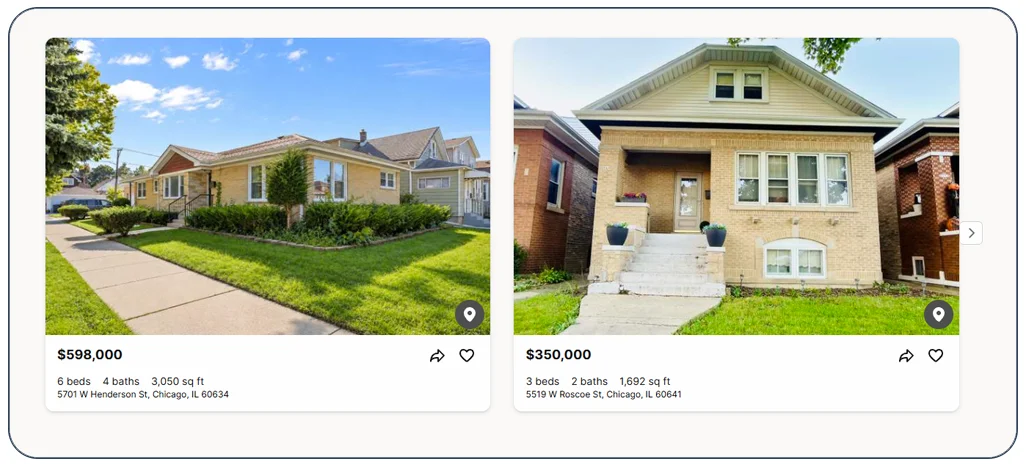
Roof material is often not a filter on the portal, so it appears in the description or home-facts section. The pipeline collects listings for the target area, then searches the text for keywords such as slate, tile or clay and flags matching properties. Results from the three portals are merged and duplicates removed by address.
Use cases
- Contractor lead generation for roofing, solar or HVAC
- Insurance risk profiling
- Investor screening by feature
- Local market reports
Quality and compliance tips
- Keyword matches should be verified, so include the matched text snippet.
- Use property data for business purposes only and follow applicable marketing and privacy rules when contacting owners.
Step-by-step: building a niche property lead database
- Choose the geography: a state, county or list of ZIP codes.
- Set the property filters: property type, price range, year built and listing status.
- Collect listings from Zillow, Realtor.com and Redfin for each area.
- Extract details: open each listing to read home facts and the description text.
- Flag matches: search for the keywords that define your niche, such as slate, tile, clay or standing seam.
- Merge and de-duplicate results across portals by address.
- Deliver a file or API with the matched snippet next to each flag. For teams that need structured property records at scale, a real estate scraping API can support repeatable extraction and delivery.
Adding value with enrichment
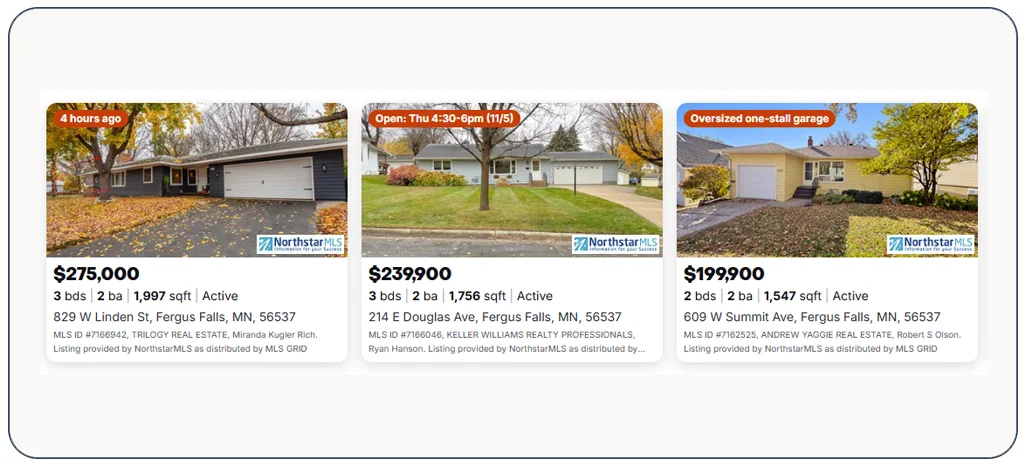
A raw list is useful, but enrichment makes it actionable. Year built can suggest roof age, listing price can indicate budget, and recent sale dates can show new owners. Coordinates let you group leads by neighbourhood so crews can plan efficient routes. These attributes can also be combined with broader real estate datasets for market-level comparisons.
Choosing keywords carefully
Keyword rules decide the quality of your list. Words like tile can describe a floor as well as a roof, so rules should look for roof-related phrases such as tile roof or clay tile roofing. Testing the rules on a small sample and checking the matched snippets reduces false positives before you run a whole state.
Example: a roofing contractor in Iowa
A roofing company that specialises in slate and tile wants homes in Iowa that already have those roofs. The pipeline collects listings across the state, flags those whose descriptions mention slate or tile roofs, and merges the results. The company receives a clean list with the address, year built, listing price and the matching text, and its sales team can focus on likely customers.
Why choose Real Data API for real estate data scraping
Real Data API combines multiple portals, applies keyword logic to listing text and delivers verified, de-duplicated leads. You can begin with one county to check the match quality before covering the entire state.
FAQs
1. Can you cover an entire state?
Yes, by splitting into counties or ZIP codes.
2. How current is the data?
It reflects what is live on the portals at run time.
3. Do real estate portals show roof material as a filter?
Often they do not, which is why text analysis of descriptions and home facts is used.
4. How accurate is keyword-based flagging?
It is a strong first filter, but it depends on how sellers write descriptions. The matched snippet lets you verify each lead.
5. Can I get owner contact details?
Portals typically show listing agent details, not owner details. Owner outreach should follow privacy and marketing laws.
6. How often should the database be updated?
Weekly is common, because listings go on and off the market quickly.
Conclusion
Real Estate Data Scraping from Zillow, Realtor.com and Redfin makes it possible to build niche property lead databases that would be impossible to filter by hand. With careful keyword rules, merging across portals and clear verification, contractors, insurers and investors get targeted leads they can act on.
Need a niche property database? Real Data API can build it for your state and feature criteria.
Latest posts

India Medicine Database Scraping: 1mg, PharmEasy & Netmeds (Brands, Salts, MRP)

Matrimony Site Data Scraping: Legal and Ethical Considerations

Flight Price Scraping for India and How Travel Aggregators Use It
Real Estate Data Scraping from Zillow, Realtor & Redfin for Niche Property Leads


.png)


