Introduction
Ecommerce competition is increasingly shaped by rapid changes in product pricing, assortment, promotions, seller activity, and customer demand. For an ecommerce intelligence platform serving brands and retailers, collecting these signals manually across multiple marketplaces was becoming difficult to scale. The company needed a reliable way to gather structured product information, refresh datasets regularly, and transform marketplace observations into actionable competitive intelligence. Real Data API provided the required infrastructure through an ecommerce data extraction API for product data, enabling the client to automate product-level data collection across multiple ecommerce sources.
The project focused on creating a scalable pipeline capable of collecting product titles, prices, discounts, brands, categories, ratings, reviews, availability, and seller information. The resulting datasets allowed the client to expand competitive research coverage while reducing dependence on manual data gathering. Through automation, the platform could provide customers with more timely market intelligence, improve pricing comparisons, and support research across larger product catalogs.
The implementation also incorporated an E-Commerce Scraper to streamline collection from selected ecommerce websites and marketplaces.
The Client
The client was an ecommerce intelligence platform helping brands, retailers, and market researchers understand competitive conditions across online marketplaces. Its customers required accurate information about competing products, pricing movements, product availability, promotions, seller activity, and category-level assortment. As the client expanded its customer base, the volume and frequency of data requests increased significantly.
Previously, research teams depended on a combination of manual browsing, spreadsheets, and fragmented extraction processes. This approach worked for smaller projects but became inefficient when customers requested information across thousands of products and multiple ecommerce websites. The company therefore needed a scalable infrastructure capable of collecting consistent information while preserving historical records for comparison.
The client selected Real Data API to support its broader web scraping ecommerce product data strategy. The objective was to create a repeatable pipeline that could accommodate different websites, product categories, and customer requirements without requiring researchers to manually collect information. The resulting infrastructure would allow the platform to deliver structured ecommerce intelligence while supporting more frequent dataset refreshes.
Key Challenges
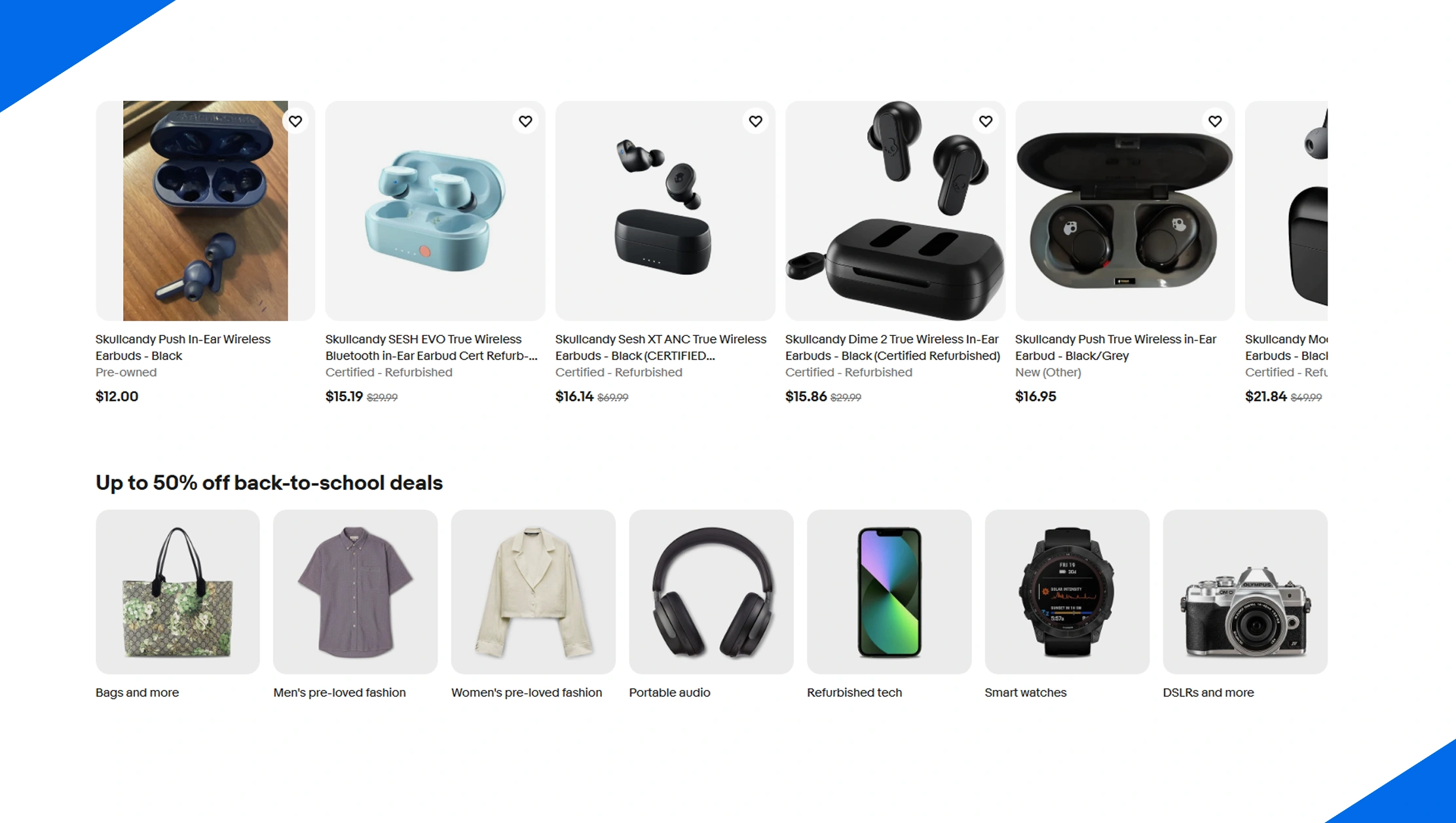
The first challenge involved scale. The client needed to collect information from large product catalogs across multiple ecommerce websites. Manually visiting product pages and recording information created significant operational overhead and made frequent updates impractical. As product catalogs changed, previously collected information could quickly become outdated.
Another challenge was data consistency. Different ecommerce websites organize product information differently, using different page structures, naming conventions, pricing formats, seller fields, and product attributes. The client needed standardized datasets so that products from different sources could be compared within a single analytical environment. This required an automated approach to scrape e-commerce product information from websites while maintaining consistent output structures.
Pricing presented another major challenge. Competitor prices can change frequently because of discounts, promotions, inventory conditions, and marketplace competition. A periodic manual collection process could miss important price movements and make historical analysis incomplete.
The client also needed scalable E-Commerce Data Scraping capabilities that could support recurring extraction without creating excessive infrastructure or maintenance requirements. Data quality was equally important because missing prices, duplicate products, inconsistent categories, or incorrect seller information could reduce the usefulness of competitive intelligence reports.
Finally, the platform needed historical data. Capturing only the current marketplace state was insufficient because customers wanted to understand how prices, availability, and product positioning changed over time. The solution therefore had to support repeatable collection and timestamped records that could feed downstream analytics and research workflows.
Key Solutions
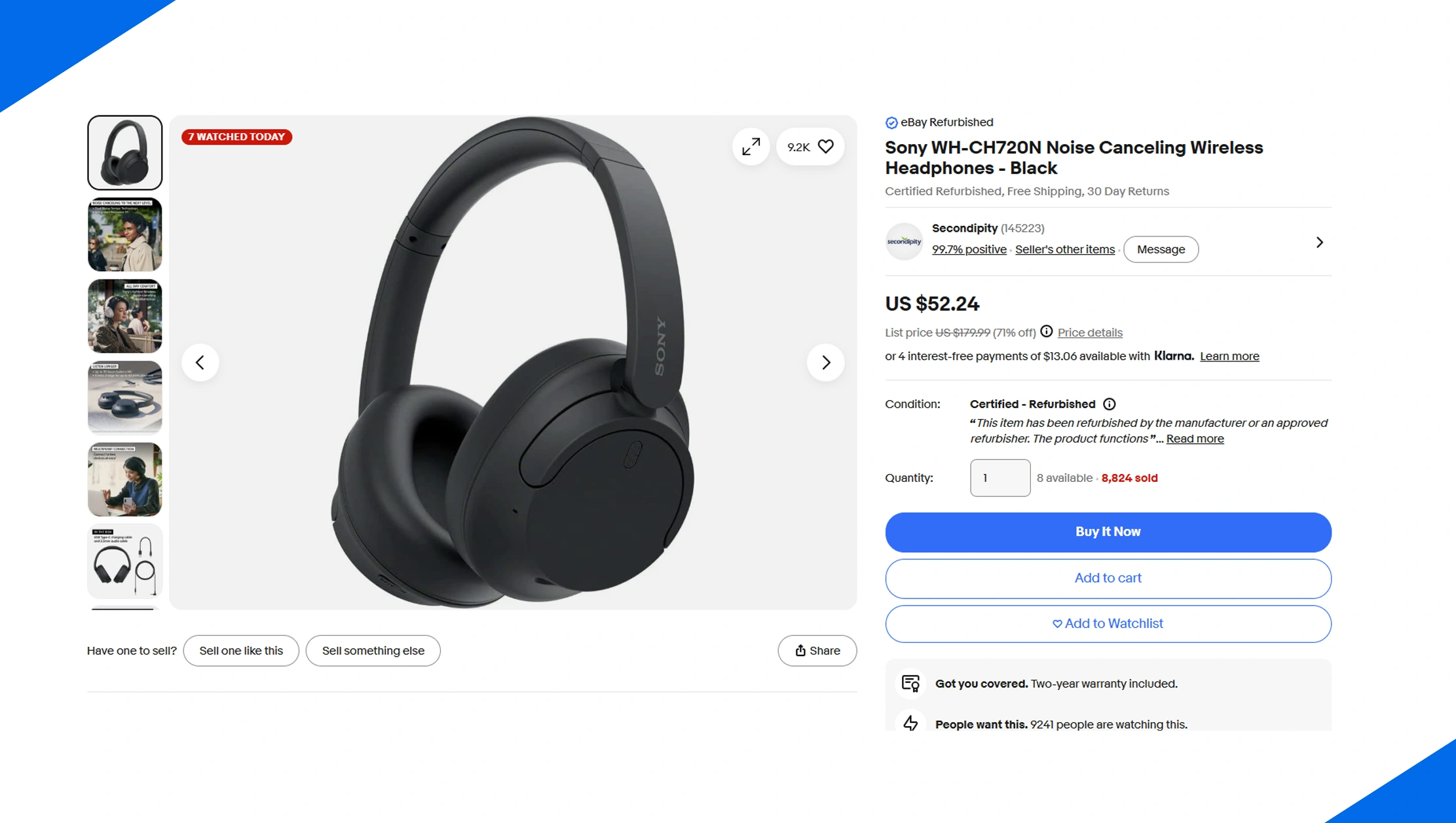
Real Data API designed an automated extraction workflow around the client's competitive research requirements. The solution began by defining a standardized product schema covering important attributes such as product name, brand, category, price, original price, discount, availability, seller information, ratings, review counts, product URLs, and other available product-specific fields. This common structure allowed information collected from different ecommerce sources to be consolidated into consistent datasets.
The extraction pipeline was configured to extract product prices from ecommerce websites at recurring intervals. Instead of relying on isolated snapshots, the client could maintain historical price observations and compare current values against previous records. This helped identify price increases, discounts, promotional changes, and competitive pricing gaps across monitored products.
Real Data API also supported different Ecommerce Scraping API Use Cases, allowing the platform to expand beyond basic product collection. The same infrastructure could be applied to competitor price monitoring, product assortment research, seller analysis, review intelligence, availability monitoring, category research, and market trend analysis. This flexibility enabled the client to serve different customer requirements without developing separate data-collection systems for every use case.
A structured data pipeline was introduced to process collected information before delivery. Product attributes were normalized where possible, allowing the client to compare products across different sources more efficiently. Timestamped observations created a historical layer that could be used to analyze pricing trends and marketplace changes.
The workflow also reduced manual intervention. Instead of research teams repeatedly searching product pages and copying information into spreadsheets, automated extraction generated structured records that could be transferred into the client's analytics environment. This enabled researchers to spend more time interpreting market trends rather than collecting raw information.
The solution was designed for scalability. New ecommerce sources and product categories could be incorporated into the workflow as the client's customer requirements expanded. The architecture could also support different collection frequencies depending on the importance and volatility of a particular dataset. High-priority products could be monitored more frequently, while less volatile categories could follow longer refresh cycles.
The resulting system gave the client a more dependable foundation for competitive research. Product-level observations could be transformed into dashboards, reports, alerts, pricing comparisons, and customer-facing intelligence products. Historical records also enabled the company to move beyond static product catalogs toward trend-oriented ecommerce analysis.
Client Testimonial

"Real Data API helped us transform the way we collect and use marketplace intelligence. With real-time ecommerce pricing data extraction, our research team can monitor competitive changes much faster and provide customers with more timely insights. The ecommerce data extraction API for product data has also allowed us to expand coverage across more products and ecommerce sources without increasing manual research efforts at the same rate. The structured datasets have made our competitive analysis workflows more efficient and easier to scale."
— Head of Ecommerce Intelligence, Client Organization
Conclusion
The project demonstrated how automated product-data extraction can help an ecommerce intelligence platform expand competitive research while improving operational efficiency. By replacing fragmented manual collection with a structured extraction pipeline, the client gained a scalable way to monitor product prices, availability, seller information, ratings, reviews, and assortment changes across multiple ecommerce sources.
The resulting E-Commerce Dataset provided a foundation for historical analysis, competitor benchmarking, pricing intelligence, product research, and customer-facing market reports. Automated refreshes also helped the platform respond more quickly to marketplace changes and provide more timely information to its customers.
The implementation showed that an ecommerce data extraction API for product data can serve as more than a simple data-collection mechanism. When connected to structured processing, historical storage, and analytics workflows, it can become a core component of an ecommerce intelligence infrastructure.
For businesses looking to scale competitive research, Real Data API can help build customized product-data extraction pipelines designed around specific marketplaces, categories, products, and analytical requirements.






.png)