Introduction
Retail grocery pricing is highly dynamic, with prices, promotions, pack sizes, and product availability changing frequently across stores and digital marketplaces. For the client, manually comparing competitor prices had become time-consuming and made it difficult to identify pricing gaps quickly. Real Data API developed a structured solution using scrape grocery API for retail pricing analysis to automate the collection and organization of grocery pricing information. The solution captured product names, brands, categories, pack sizes, prices, discounts, availability, and related marketplace attributes from selected retail sources. The resulting Grocery Data Scraping API enabled the client to access standardized pricing information for competitive benchmarking and market analysis. Instead of depending on occasional manual checks, the retailer could establish a repeatable data workflow and analyze price movements over time. This created a stronger foundation for identifying competitor pricing patterns, evaluating promotional activity, and supporting more informed retail pricing decisions.
The Client
The client was a growing retail brand operating in a competitive grocery market where customers could easily compare prices across multiple retailers and online shopping platforms. The company managed a broad assortment covering everyday grocery categories and needed better visibility into how competing retailers positioned similar products. Its existing research process involved manual searches and spreadsheet-based comparisons, which required significant effort and made frequent monitoring difficult. The management team wanted to extract grocery product data using API workflows so pricing information could be collected consistently and delivered in a structured format. The business also wanted Brands Leverage Top Retail Pricing Platforms for Grocery to understand how competing products were priced across different channels. Real Data API worked with the client to define relevant data fields, competitor sources, product categories, and collection requirements. The objective was to create a scalable pricing intelligence workflow that could support the retailer's merchandising, competitive analysis, and pricing teams without relying on repetitive manual research.
Key Challenges
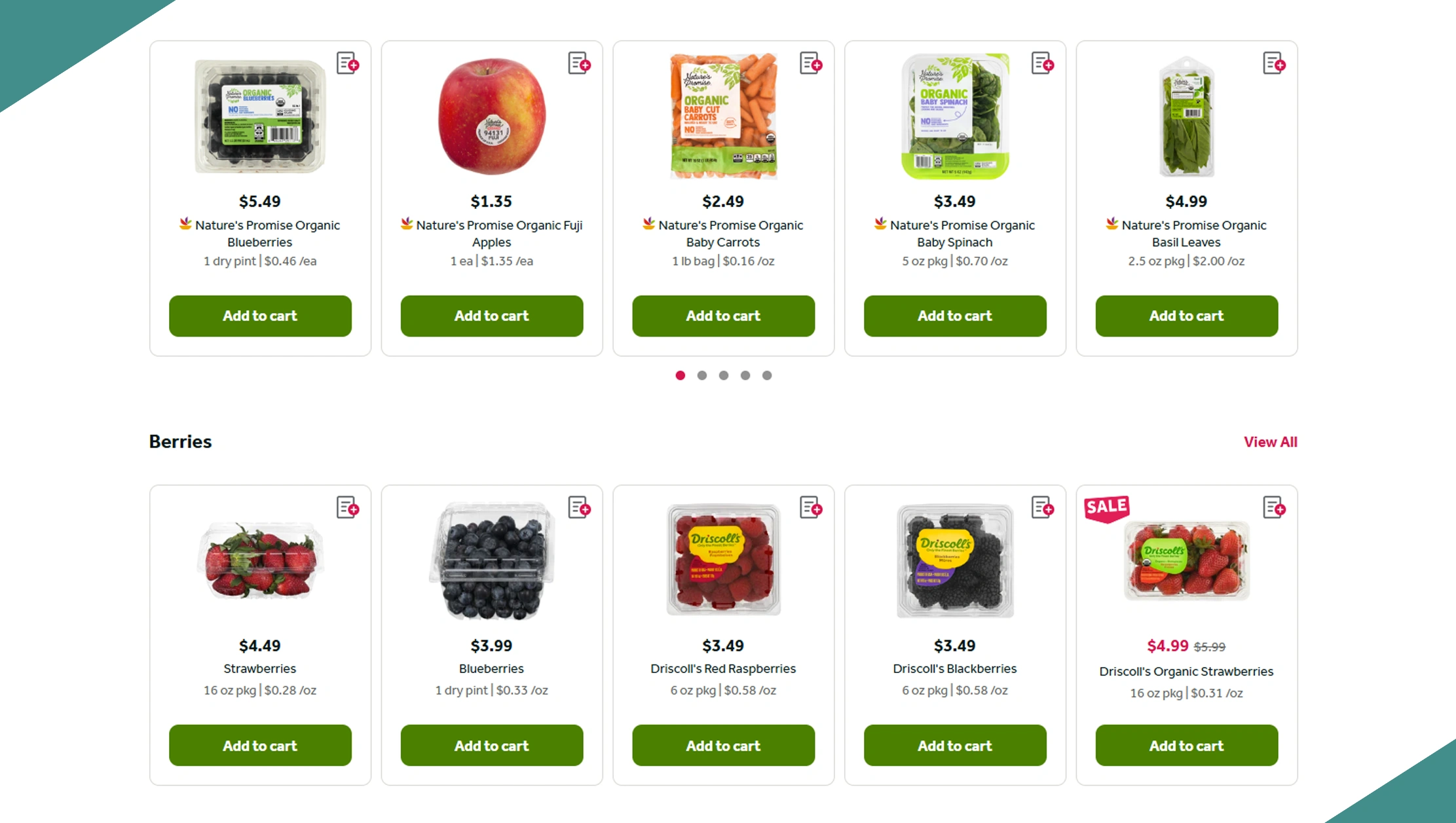
The client's biggest challenge was maintaining consistent visibility into competitor grocery prices. Grocery products frequently appear in different pack sizes, variants, brands, and promotional formats, making direct price comparisons difficult. A competitor might list a product at a lower headline price while selling a smaller quantity, creating an inaccurate impression of its actual price advantage. The client therefore needed standardized product attributes that could support meaningful comparisons.
The retailer also faced challenges with the frequency of manual monitoring. Checking multiple retail websites and marketplaces consumed valuable employee time, while spreadsheet-based records quickly became outdated. The absence of a centralized historical dataset made it difficult to determine whether a competitor price represented a temporary promotion or a longer-term pricing strategy.
Another challenge was maintaining data consistency across sources. Product names, categories, pack sizes, units, currencies, discounts, and availability could be represented differently between platforms. The client needed a reliable normalization process before the information could be used for analysis.
To address these requirements, the project focused on web scraping grocery prices for competitive analysis while maintaining structured product identifiers and timestamps. The solution needed to support recurring collection, validation, normalization, historical comparison, and easy access to the resulting data.
Key Solutions
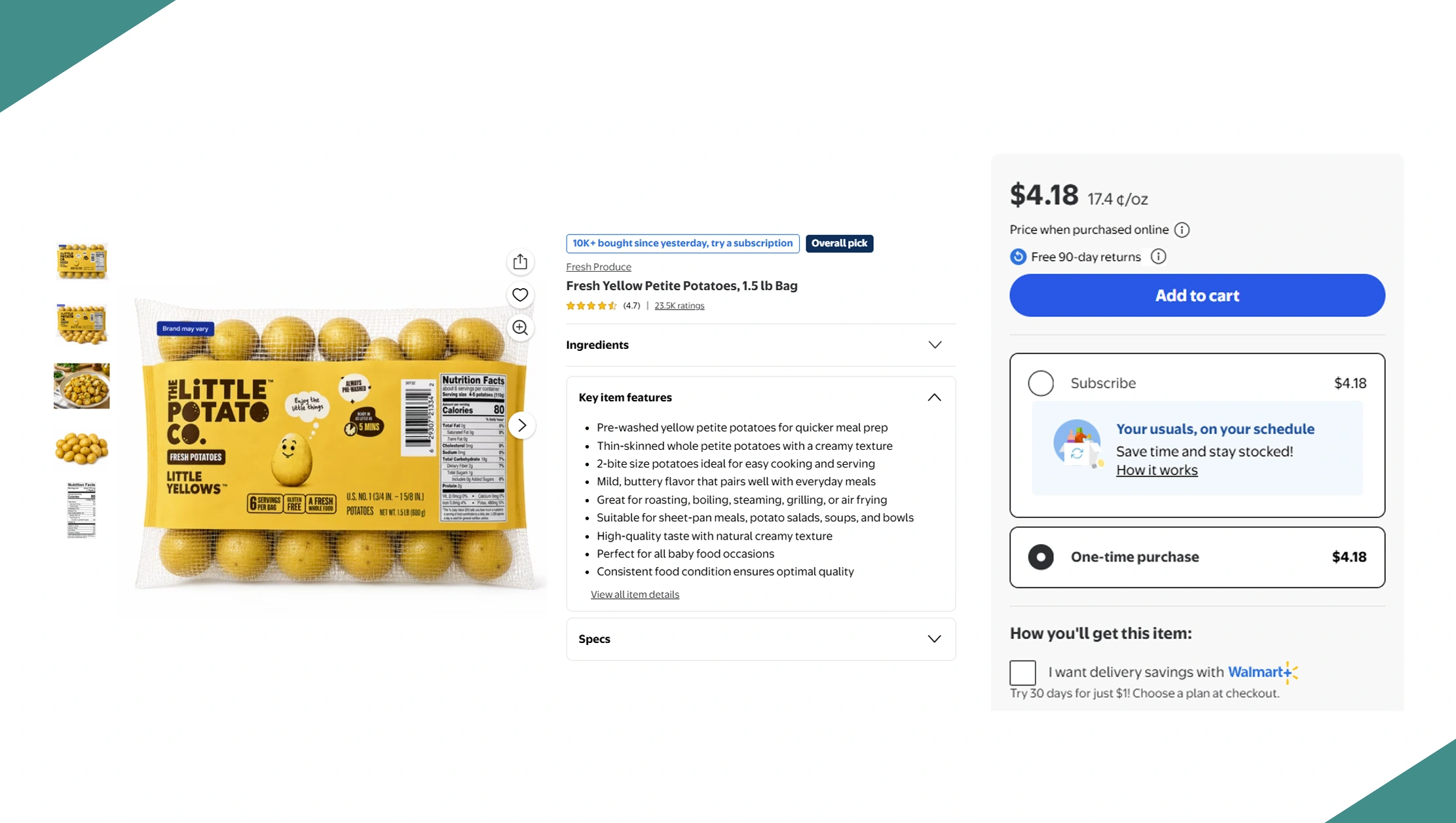
Real Data API designed a structured grocery pricing data workflow around the client's competitive intelligence requirements. The first stage involved defining the product attributes required for reliable comparison. These included product name, brand, category, pack size, unit information, listed price, promotional price where available, discount information, availability, source, and collection timestamp. Establishing a consistent schema helped the client compare products across different retail sources without depending on inconsistent page formats.
The next stage focused on automated collection. Instead of requiring analysts to repeatedly visit competitor websites, the data workflow collected relevant grocery product and pricing information according to the client's defined monitoring requirements. The extracted records were processed and normalized so that similar products could be grouped more effectively. Pack-size and unit information received particular attention because price-per-unit comparisons can provide a more meaningful view of competitive positioning than headline prices alone.
Real Data API also introduced real-time grocery competitor price monitoring capabilities so the retailer could observe pricing changes more frequently. New price observations could be compared with historical records to identify increases, decreases, promotional movements, and changes in availability. This helped separate short-term promotional activity from broader competitor pricing patterns.
The processed information was organized into structured datasets that could be used by the client's pricing and merchandising teams. Historical records allowed analysts to evaluate how competitor prices changed across different periods and categories. The client could examine whether specific brands were consistently priced above or below competitors and whether particular product categories experienced greater pricing volatility.
The solution also supported the client's objective to Brand Optimize Retail Strategy Using Grocery Pricing Trends by turning raw pricing observations into commercially useful signals. Rather than reacting to every competitor price change, the retailer could evaluate broader trends before considering pricing adjustments. Category-level comparisons helped identify areas where the company had a potential price disadvantage, while promotional tracking provided additional context for interpreting temporary price movements.
Data validation was incorporated into the workflow to identify missing fields, duplicate records, unexpected values, and inconsistent product attributes. This was important because pricing decisions depend on trustworthy data. Timestamping also ensured that analysts could determine when each observation had been collected.
The resulting architecture gave the retailer a repeatable process for collecting, processing, storing, and analyzing grocery pricing information. It reduced dependence on manual research while creating a foundation that could scale as the retailer added more products, categories, competitors, or monitoring requirements.
Most importantly, the solution connected data collection with business decisions. Pricing teams could use structured observations for competitive benchmarking, merchandising teams could examine assortment and promotional changes, and management could gain a broader view of market pricing behavior. This transformed grocery pricing research from an occasional manual exercise into a more consistent data-driven workflow.
Client Testimonial

"Before working with Real Data API, our team spent considerable time manually checking competitor grocery prices and maintaining spreadsheets. The new solution gave us a much more organized way to monitor pricing and understand market movements. The structured datasets made comparisons easier, while recurring collection helped us keep our analysis current. The project also gave our pricing team better historical visibility into competitor behavior. Real Data API's grocery data collection services for retailers helped us move toward a more scalable and data-driven competitive pricing process."
— Head of Pricing & Merchandising, Retail Brand
Conclusion
The retail brand needed a scalable way to understand competitor grocery pricing without relying on repetitive manual research. Real Data API addressed this challenge by developing an automated workflow that collected, normalized, validated, and organized grocery product and pricing information. The resulting Grocery Dataset gave the retailer a structured foundation for competitive benchmarking, historical price analysis, promotional monitoring, and assortment intelligence.
By combining recurring data collection with standardized product attributes and timestamps, the client could move beyond isolated price checks and analyze broader market trends. Pricing teams gained better visibility into competitor movements, while merchandising teams could evaluate category-level pricing and promotional patterns.
The solution also created a foundation for future expansion into additional retailers, categories, products, and analytical use cases. For businesses operating in fast-changing grocery markets, reliable pricing data can support faster and more informed commercial decisions.
Want to build a scalable grocery pricing intelligence solution for your retail business? Contact Real Data API to automate grocery data collection and turn competitor pricing data into actionable retail insights!






.png)