
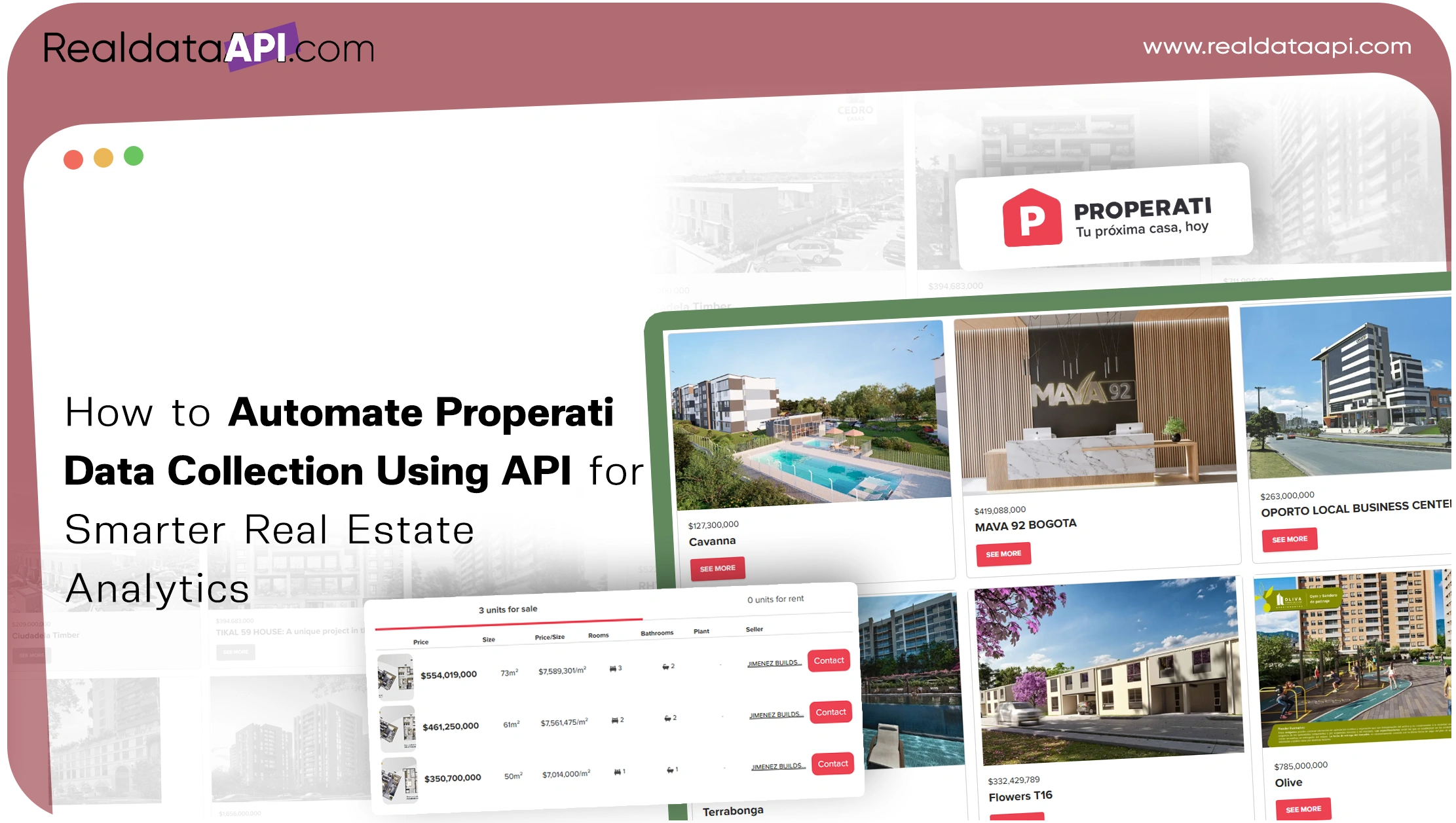
Introduction
How can businesses automate Properati property data for real estate analytics?
The simplest and most scalable solution is to Automate Properati Data Collection Using API. Businesses can automatically collect property listings, pricing, availability, locations, amenities, and market trends without manual effort. A robust Properati Data Scraping API delivers structured, real-time property intelligence that helps real estate platforms, investors, PropTech companies, and market researchers make faster and more informed decisions.
Industry Insight: According to industry estimates, the global PropTech market has grown by over 38% since 2020, while more than 75% of enterprise real estate firms now rely on automated property data to improve pricing analysis, investment decisions, and market forecasting. Adoption is expected to continue rising through 2026.
Who should read this blog?
This guide is ideal for:
- Real estate marketplaces
- Property investors
- PropTech startups
- Real estate analytics companies
- Market research firms
- Enterprise data teams
If your challenge is collecting accurate property data at scale while eliminating manual work, API-driven automation provides the speed, consistency, and reliability needed for modern real estate analytics.
How Can Businesses Build Accurate Property Intelligence?
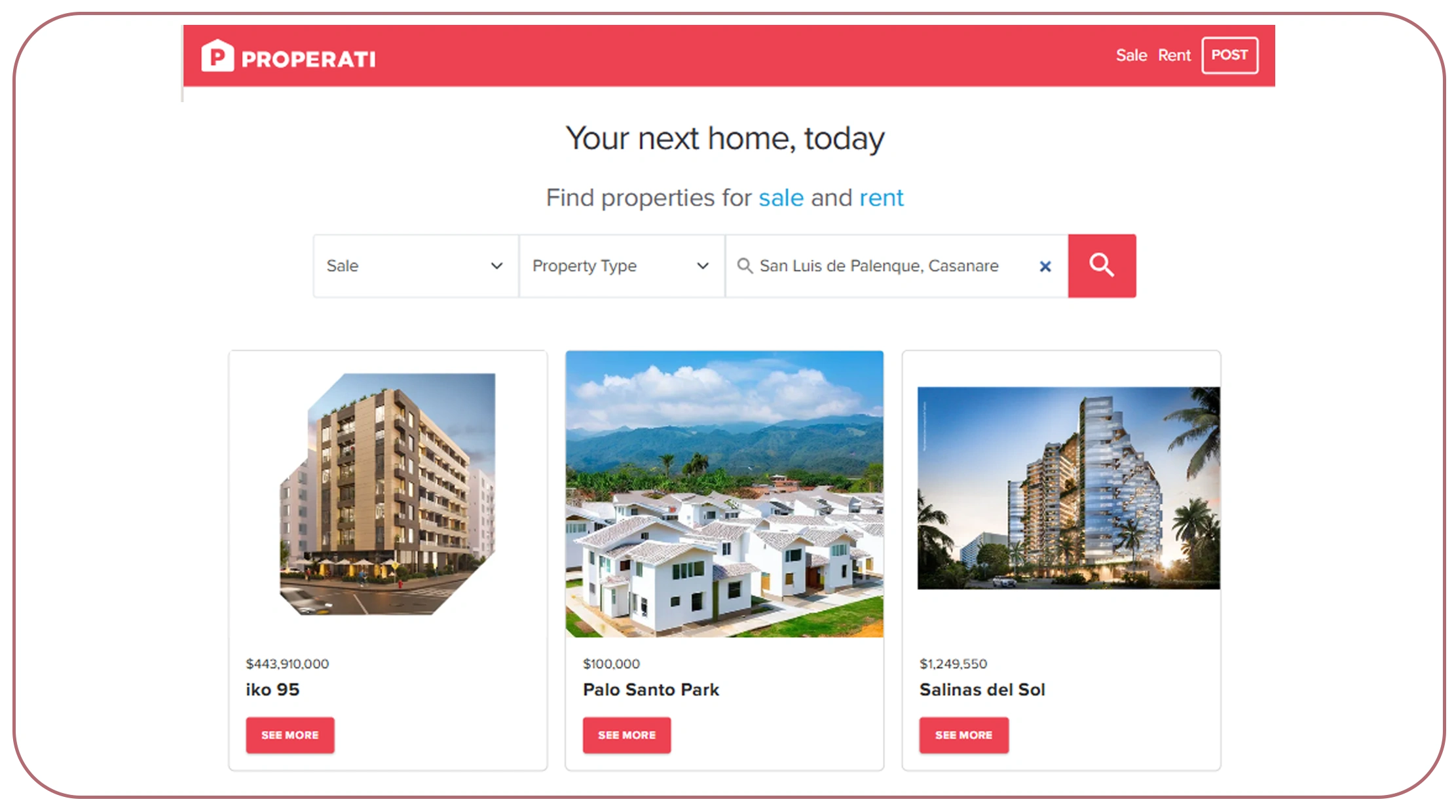
Reliable real estate analytics begins with high-quality property information. Businesses require continuously updated listing data to monitor pricing changes, property availability, neighborhood trends, and investment opportunities. Manual research often produces inconsistent results and cannot keep pace with rapidly changing property markets.
Organizations use Properati property data extraction to collect detailed information including property titles, listing prices, property types, locations, amenities, bedrooms, bathrooms, square footage, agent details, listing status, and publication dates. Automated extraction standardizes these records into structured datasets that improve reporting, forecasting, and business intelligence.
By continuously collecting updated listing information, organizations gain immediate visibility into market movements while improving operational efficiency. Automated property intelligence also supports portfolio evaluation, comparative market analysis, and pricing optimization without requiring time-consuming manual updates.
Property Data Collection Trends (2020-2026)
| Year | Property Listings | Cities Covered | Daily Listing Updates | Data Accuracy |
|---|---|---|---|---|
| 2020 | 520,000 | 410 | 15,200 | 95.4% |
| 2021 | 590,000 | 445 | 19,800 | 96.2% |
| 2022 | 665,000 | 490 | 24,600 | 97.4% |
| 2023 | 748,000 | 545 | 31,900 | 98.2% |
| 2024 | 845,000 | 610 | 40,500 | 98.9% |
| 2025 | 955,000 | 680 | 50,800 | 99.3% |
| 2026* | 1,080,000 | 760 | 63,700 | 99.6% |
*Projected industry estimates.
Key Benefits
- Monitor property listings continuously.
- Track pricing changes automatically.
- Improve market intelligence.
- Support investment research.
- Standardize property datasets.
- Enhance reporting accuracy.
Organizations that automate property data collection gain a competitive advantage by accessing current market information without manual effort. Faster access to accurate listing data enables better investment decisions, stronger market forecasting, and improved customer experiences across digital real estate platforms.
Why Is Real-Time Property Data Essential for Modern Analytics?
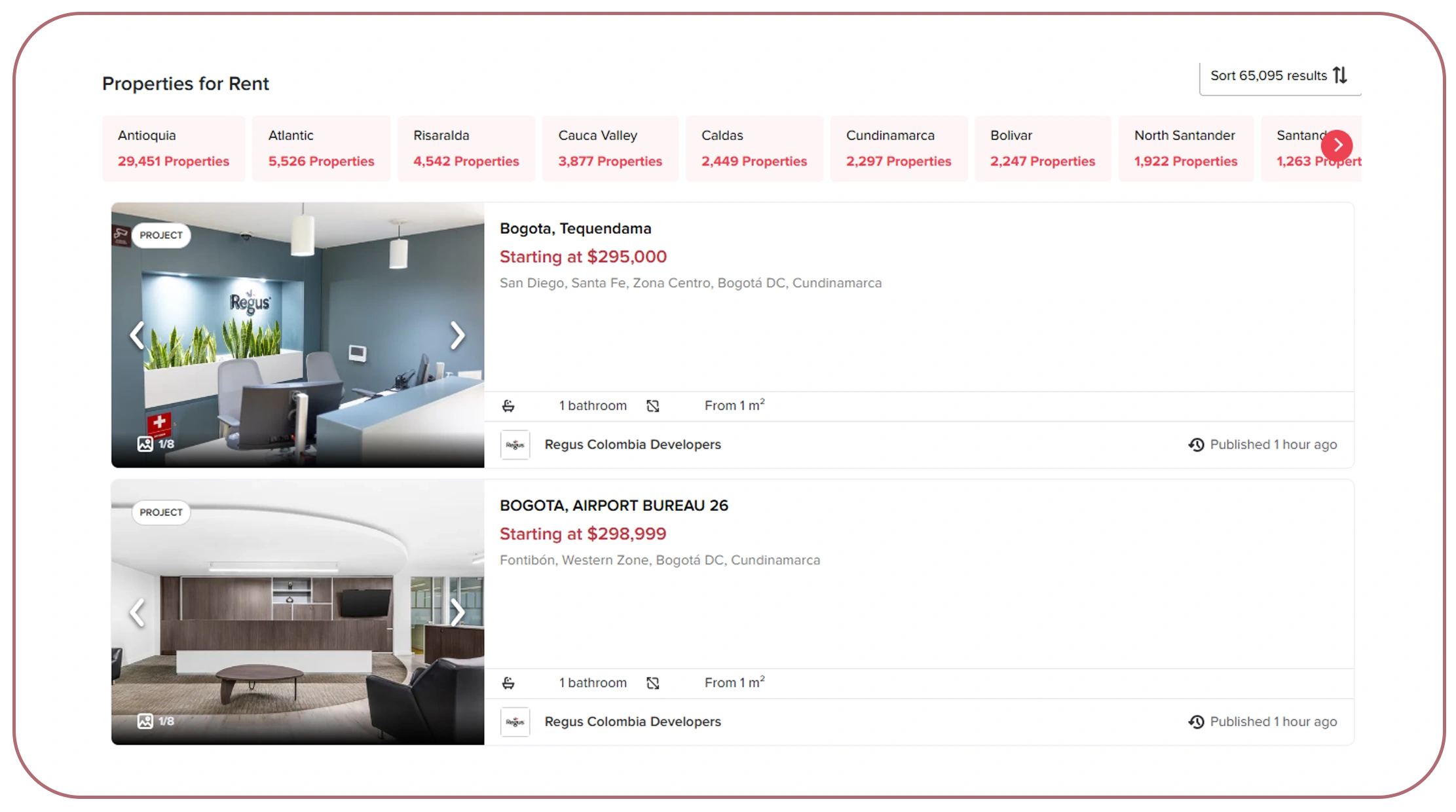
Real estate markets change throughout the day. New properties appear, prices fluctuate, listings are removed, and availability changes frequently. Businesses need continuous access to updated information to make confident decisions and maintain competitive advantages.
Organizations can Scrape Properati property listings data using API to automatically synchronize listing updates with business intelligence platforms, CRM systems, investment dashboards, and property marketplaces. Automated integration removes repetitive manual work while ensuring decision-makers always have access to fresh property intelligence.
Real-time APIs also standardize listing information, making it easier to compare property prices, neighborhoods, amenities, property sizes, and market activity across multiple locations. Consistent datasets improve valuation models, investment analysis, and customer-facing search experiences.
Real-Time Property Analytics Growth (2020-2026)
| Year | API Requests (Millions) | Active Listings | Average Response Time | Update Frequency |
|---|---|---|---|---|
| 2020 | 14 | 520,000 | 2.0 sec | Daily |
| 2021 | 22 | 590,000 | 1.7 sec | Daily |
| 2022 | 34 | 665,000 | 1.4 sec | Hourly |
| 2023 | 48 | 748,000 | 1.1 sec | Hourly |
| 2024 | 66 | 845,000 | 0.9 sec | Near Real Time |
| 2025 | 88 | 955,000 | 0.7 sec | Near Real Time |
| 2026* | 114 | 1,080,000 | 0.5 sec | Real Time |
*Projected industry estimates.
Advantages of Real-Time APIs
- Access current property listings instantly.
- Improve pricing transparency.
- Monitor listing availability continuously.
- Enhance investment analysis.
- Accelerate reporting workflows.
- Deliver better customer experiences.
Businesses using automated APIs respond more quickly to changing market conditions while improving operational efficiency. Continuous access to structured property data helps organizations identify emerging opportunities, improve forecasting accuracy, and build scalable analytics platforms capable of supporting long-term growth in competitive real estate markets.
How Can Property Data Improve Market Forecasting?
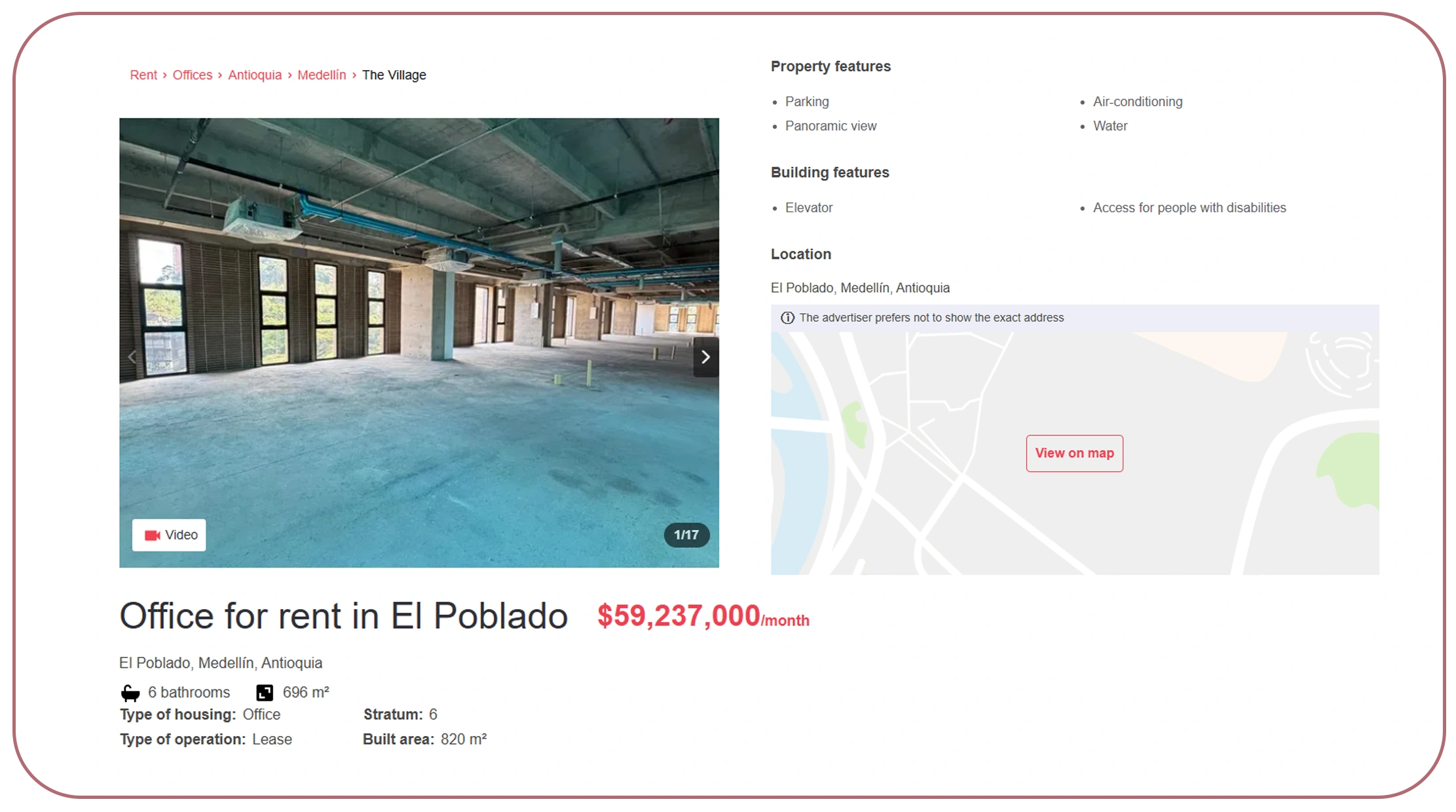
Successful real estate decisions depend on timely market intelligence. Investors, brokers, developers, and analytics teams require accurate property data to evaluate neighborhood demand, pricing trends, inventory movement, and future investment opportunities. Real-time analytics replaces guesswork with measurable insights.
Organizations perform Housing market analysis using Properati API to monitor listing activity, average property prices, inventory growth, property types, and regional demand. Continuous API-driven updates enable businesses to identify emerging markets, compare historical trends, and forecast future opportunities using structured property intelligence.
Real-time housing analytics also improve portfolio planning by highlighting neighborhoods experiencing strong price appreciation, increasing inventory, or changing buyer demand. These insights support faster investment decisions while reducing reliance on outdated reports.
Housing Market Analytics Trends (2020-2026)
| Year | Active Property Listings | Markets Covered | Monthly Data Updates | Forecast Accuracy |
|---|---|---|---|---|
| 2020 | 540,000 | 390 | 18,000 | 91.8% |
| 2021 | 610,000 | 430 | 23,500 | 93.2% |
| 2022 | 690,000 | 475 | 29,600 | 95.1% |
| 2023 | 775,000 | 530 | 36,800 | 96.8% |
| 2024 | 865,000 | 595 | 45,700 | 98.1% |
| 2025 | 970,000 | 665 | 56,900 | 99.0% |
| 2026* | 1,090,000 | 740 | 69,800 | 99.4% |
*Projected industry estimates.
Benefits of Housing Analytics
- Monitor regional price movements.
- Identify emerging investment markets.
- Compare neighborhood performance.
- Improve forecasting accuracy.
- Analyze inventory growth.
- Support strategic planning.
Organizations leveraging automated housing analytics gain a comprehensive understanding of changing market conditions. Continuous data updates enable faster responses to pricing fluctuations, inventory shifts, and consumer demand. As markets become increasingly competitive, reliable forecasting helps businesses reduce investment risks while identifying long-term growth opportunities supported by data rather than assumptions.
Why Do Standardized Property Records Improve Analytics?
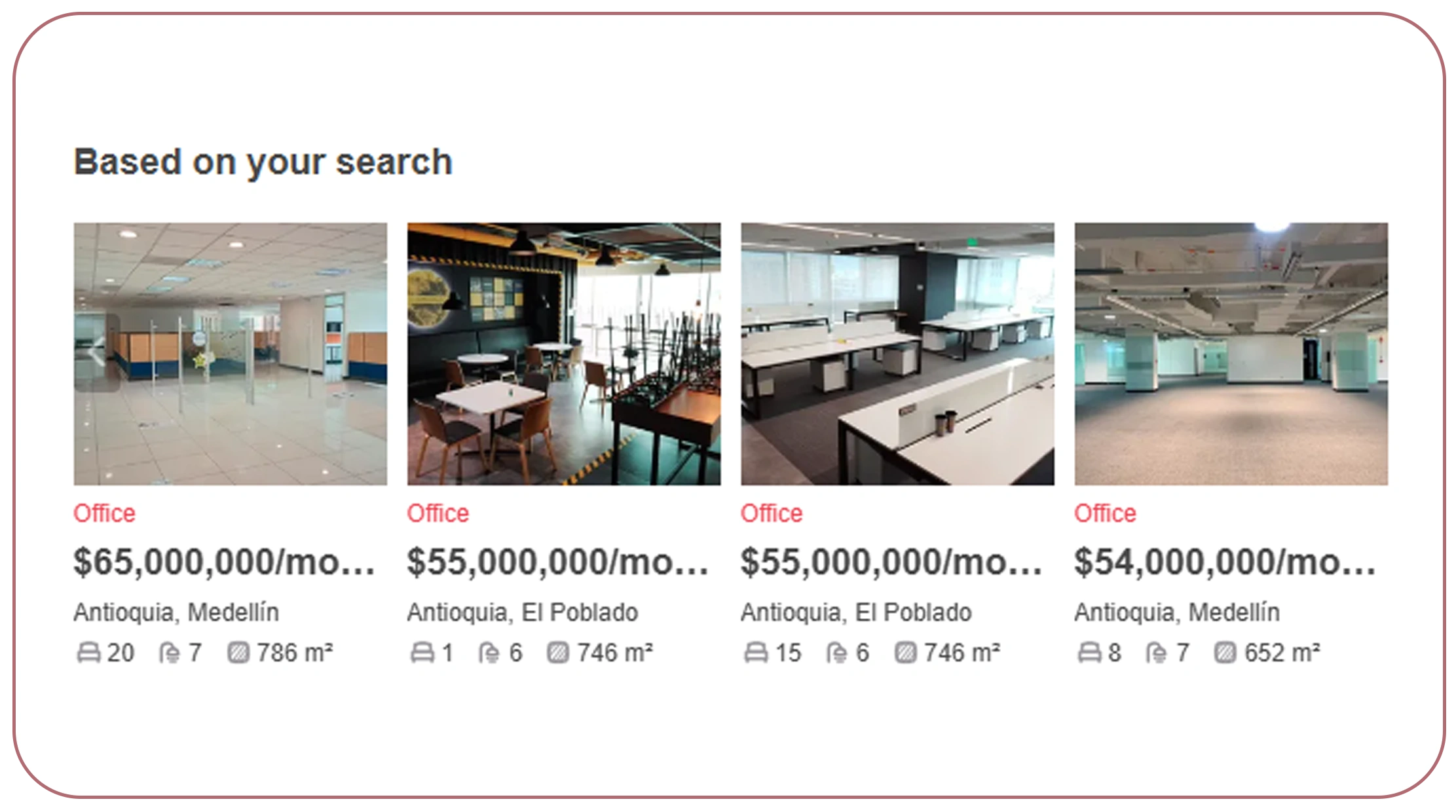
Accurate analytics require structured and standardized property information. When property records are collected from multiple sources, inconsistent formats can create duplicate listings, missing values, and reporting errors. A unified property database simplifies analysis while improving business intelligence.
A comprehensive Real Estate Dataset includes property titles, addresses, listing prices, property types, square footage, bedroom and bathroom counts, amenities, listing status, publication dates, agent details, geographic coordinates, and neighborhood information. Standardized records allow organizations to compare properties consistently across regions while integrating seamlessly into CRM systems, investment platforms, and analytics dashboards.
Historical datasets also enable long-term trend analysis by tracking pricing changes, inventory growth, market cycles, and neighborhood performance over several years. These insights strengthen investment strategies while improving valuation accuracy.
Real Estate Dataset Growth (2020-2026)
| Year | Property Records | Regions Covered | Dataset Size (TB) | Data Accuracy |
|---|---|---|---|---|
| 2020 | 710,000 | 420 | 5.6 | 95.6% |
| 2021 | 790,000 | 465 | 6.8 | 96.5% |
| 2022 | 885,000 | 515 | 8.2 | 97.6% |
| 2023 | 980,000 | 575 | 9.8 | 98.4% |
| 2024 | 1,095,000 | 645 | 11.9 | 99.0% |
| 2025 | 1,225,000 | 715 | 14.3 | 99.3% |
| 2026* | 1,370,000 | 790 | 16.8 | 99.6% |
*Projected industry estimates.
Why Standardized Datasets Matter
- Improve reporting consistency.
- Reduce duplicate records.
- Enhance valuation models.
- Support predictive analytics.
- Simplify enterprise integrations.
- Enable faster business decisions.
Standardized datasets provide a reliable foundation for advanced real estate analytics. Businesses can compare market performance across locations, monitor historical trends, and develop predictive models with greater confidence. By maintaining clean and structured property records, organizations improve operational efficiency while delivering more accurate insights to investors, analysts, and decision-makers.
How Can Businesses Unlock More Value from Real Estate APIs?
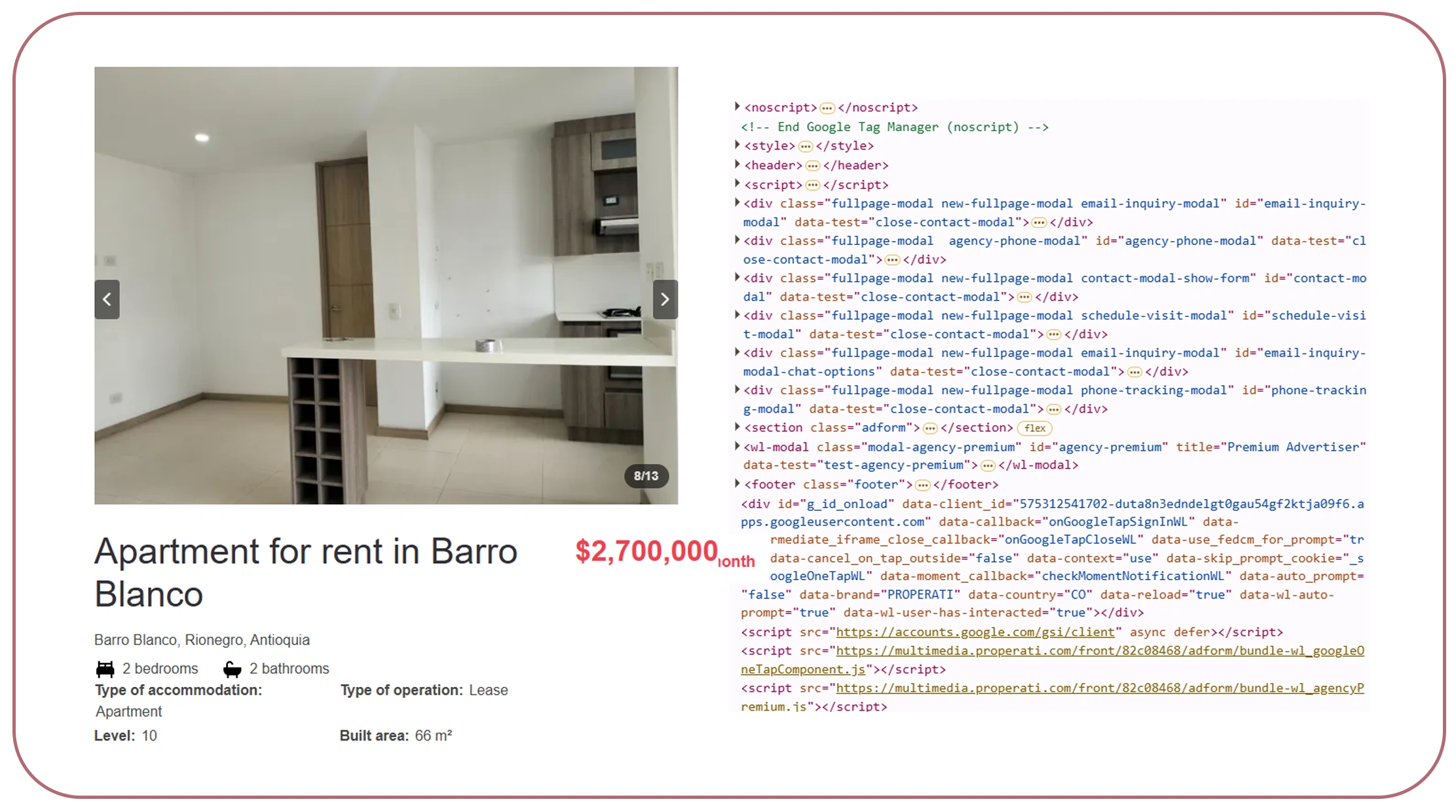
Real estate APIs have evolved beyond simple listing retrieval. Today, they support market intelligence, investment research, valuation models, customer engagement, and portfolio management. Businesses that integrate automated APIs gain continuous access to structured property data while reducing operational complexity.
Organizations implement Real Estate Scraping API Use Cases across property marketplaces, investment platforms, mortgage providers, CRM systems, valuation engines, relocation services, and business intelligence applications. Automated integrations continuously synchronize listing information, enabling teams to monitor market activity, evaluate investment opportunities, benchmark competitors, and improve customer experiences.
Enterprise APIs also simplify large-scale analytics by delivering standardized property records directly into dashboards and reporting platforms without manual intervention.
Real Estate API Adoption (2020-2026)
| Year | Enterprise Clients | API Requests (Millions) | Connected Applications | Data Accuracy |
|---|---|---|---|---|
| 2020 | 360 | 20 | 680 | 95.4% |
| 2021 | 445 | 30 | 840 | 96.5% |
| 2022 | 560 | 44 | 1,030 | 97.5% |
| 2023 | 705 | 63 | 1,280 | 98.3% |
| 2024 | 865 | 87 | 1,590 | 98.9% |
| 2025 | 1,040 | 116 | 1,940 | 99.3% |
| 2026* | 1,240 | 150 | 2,350 | 99.6% |
*Projected industry estimates.
Common Business Applications
- Property marketplace platforms.
- Investment portfolio management.
- Property valuation systems.
- Competitive market intelligence.
- CRM integration.
- Executive reporting dashboards.
Organizations using enterprise APIs gain faster access to reliable market intelligence while reducing manual workloads. Automated property synchronization improves operational efficiency, supports data-driven decision-making, and enables scalable analytics as property markets continue to expand.
How Can Automation Generate Better Real Estate Leads?
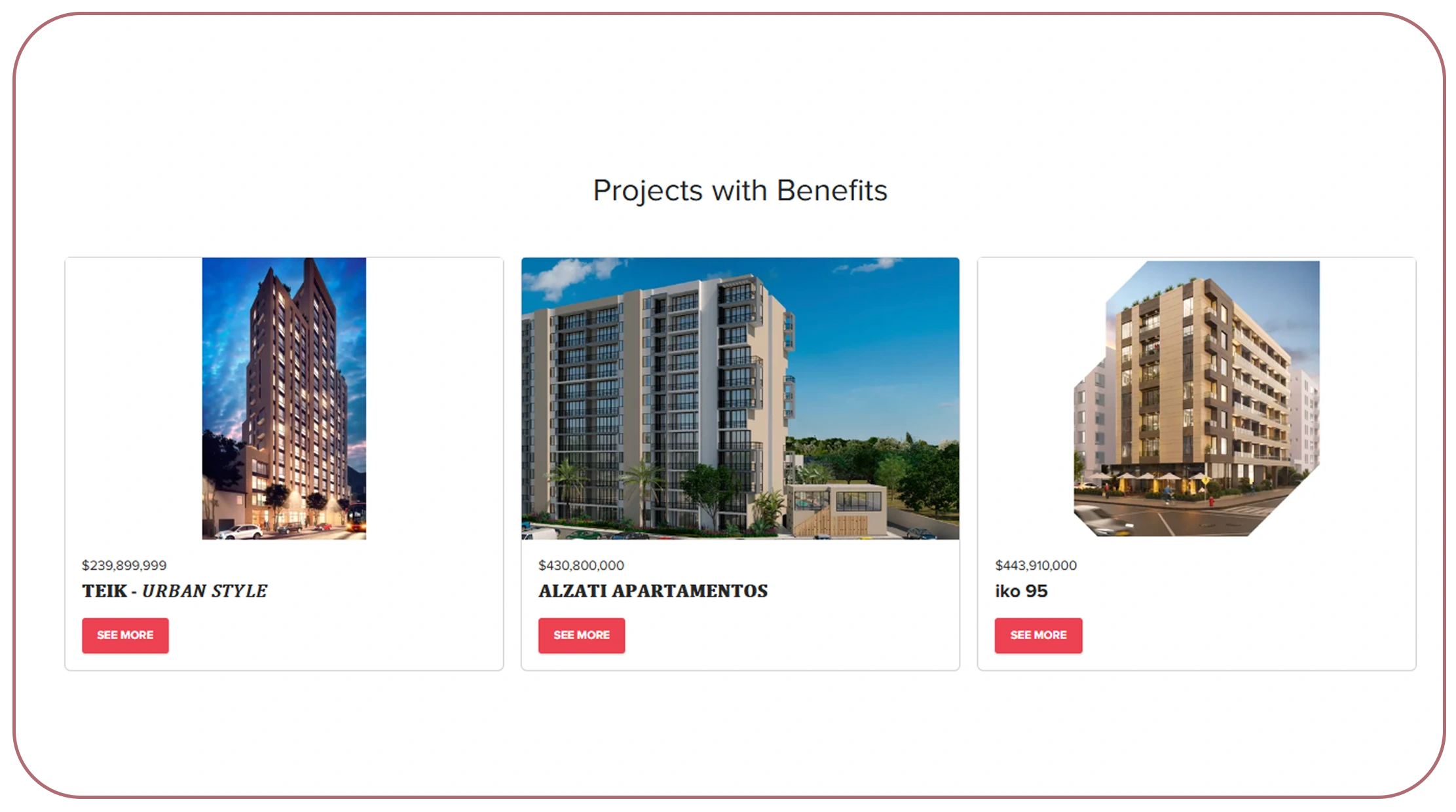
Generating high-quality leads requires continuous monitoring of new listings, pricing updates, and property availability. Manual prospecting often results in missed opportunities and delayed customer engagement. Automated data collection ensures businesses identify valuable leads as soon as they enter the market.
Organizations can Automate Real Estate Lead Generation Easily with Web Scraping by continuously collecting newly published listings, pricing adjustments, property specifications, and neighborhood insights. These updates flow directly into CRM platforms and marketing systems, allowing sales teams to prioritize prospects and respond quickly.
Automation also improves campaign targeting by identifying high-demand locations, premium properties, and newly available inventory. Sales teams receive accurate information without repetitive manual research, improving both productivity and conversion rates.
Lead Generation Performance (2020-2026)
| Year | New Listings Captured | Qualified Leads | CRM Integrations | Lead Accuracy |
|---|---|---|---|---|
| 2020 | 225,000 | 102,000 | 230 | 94.9% |
| 2021 | 275,000 | 128,000 | 295 | 96.0% |
| 2022 | 340,000 | 160,000 | 365 | 97.2% |
| 2023 | 420,000 | 201,000 | 455 | 98.1% |
| 2024 | 510,000 | 245,000 | 570 | 98.8% |
| 2025 | 615,000 | 301,000 | 705 | 99.2% |
| 2026* | 735,000 | 365,000 | 860 | 99.5% |
*Projected industry estimates.
Benefits of Lead Automation
- Capture new listings instantly.
- Increase qualified lead volume.
- Improve sales response time.
- Reduce manual prospecting.
- Enhance marketing efficiency.
- Boost conversion opportunities.
Automated lead generation transforms property intelligence into measurable business growth. Organizations gain faster access to high-value opportunities while improving customer engagement and strengthening long-term sales performance.
Why Choose Real Data API?
Real Data API provides enterprise-grade property intelligence through intelligent automation, scalable APIs, and continuously updated datasets. Whether you need to Automate Properati Data Collection Using API for real estate marketplaces, investment analysis, valuation models, or market research, our platform delivers structured, reliable, and real-time property data. With seamless integration into analytics platforms, CRM systems, and business applications, Real Data API helps organizations reduce manual effort, improve reporting accuracy, accelerate market analysis, and make confident data-driven decisions.
Conclusion
Real-time property intelligence has become essential for organizations operating in today's competitive real estate market. By choosing to Automate Properati Data Collection Using API, businesses gain immediate access to accurate listings, pricing updates, market trends, and property insights that improve forecasting, investment planning, and operational efficiency. Automated APIs eliminate manual data collection while delivering scalable, structured information that supports smarter real estate analytics.
Ready to modernize your property data strategy? Contact Real Data API today and discover how our scalable API solutions can automate property intelligence and power your next generation of real estate analytics!
Latest posts
How to Automate Properati Data Collection Using API for Smarter Real Estate Analytics

How to Scrape Rent.com Apartment Listings via API to Track Rental Prices, Availability & Market Trends?

How to Build Gaming Applications with PlayStation 4 Games API to Deliver Real-Time Game Data and Better User Experiences?

How Real Estate Investment Heat Maps Data Scraping via RERA Helps Investors Identify High-Growth Markets






.png)