Introduction
The fastest way to identify emerging real estate opportunities is through web scraping Villa and township project data . Automated data extraction delivers real-time insights into project launches, pricing trends, developer activity, amenities, and location growth, enabling investors to make faster and more informed property investment decisions.
Industry Insight: Industry estimates suggest the global PropTech market is projected to exceed $90 billion by 2026 , while more than 75% of institutional real estate firms are expected to use AI and data analytics to guide investment strategies and market forecasting.
Target Audience: Real estate investors, developers, PropTech companies, brokers, financial institutions, research firms, and property analytics platforms.
Pain Point Solved: Manual property research is fragmented and time-consuming. Automated data extraction provides structured, accurate, and continuously updated real estate intelligence that simplifies investment analysis.
The real estate industry generates vast amounts of information every day, including new villa launches, township developments, pricing updates, project approvals, amenities, builder information, construction progress, and inventory availability. Investors require reliable access to this data to identify profitable markets before competitors.
Organizations using web scraping Villa and township project data can automate property intelligence and integrate it directly into investment dashboards, GIS platforms, AI models, and business intelligence systems.
A comprehensive Web Scraping Real Estate Data API enables businesses to collect structured information covering project names, developers, property configurations, locations, pricing, possession timelines, amenities, approvals, and sales status. Between 2020 and 2026, automated property intelligence has become increasingly important for organizations seeking faster, data-driven investment decisions and stronger competitive advantages.
How Can Automated Property Intelligence Improve Investment Decisions?

The growing number of villa communities and integrated township developments makes manual market monitoring increasingly difficult. Investors need continuous access to updated project information to identify attractive opportunities before market conditions change. Automated villa project data extraction services provide scalable access to structured property information without relying on manual research.
Between 2020 and 2026, villa developments expanded rapidly due to increasing demand for premium housing, gated communities, sustainable living, and larger residential spaces. Developers introduced new amenities, smart home technologies, and integrated township concepts that significantly diversified the property market.
Automated extraction solutions continuously monitor project launches, pricing updates, builder announcements, possession schedules, inventory changes, and project approvals. Investment firms compare projects across multiple cities, while developers evaluate competitor strategies using standardized datasets.
Structured property intelligence also supports AI-powered forecasting models that predict future appreciation based on historical pricing, infrastructure development, and project activity. Banks use these insights to evaluate financing opportunities, while research organizations analyze long-term housing demand.
Automation significantly reduces reporting delays, improves data accuracy, and enables organizations to make faster investment decisions using continuously updated property intelligence.
Business Benefits
- Continuous project monitoring
- Automated pricing updates
- Builder activity tracking
- Investment opportunity identification
- Historical market analysis
- Enterprise reporting automation
Villa Development Trends (2020–2026)
| Market Indicator | 2020 | 2022 | 2024 | 2026 (Projected) |
|---|---|---|---|---|
| Villa Projects Launched | 100 Index | 141 | 203 | 287 |
| Township Developments | 100 Index | 148 | 216 | 309 |
| Automated Property Monitoring | 24% | 43% | 65% | 87% |
| Digital Investment Platforms | 28% | 47% | 69% | 90% |
| AI-Based Property Forecasting | 19% | 36% | 58% | 82% |
Organizations using automated property intelligence improve investment planning, reduce research time, and identify high-potential residential developments with greater confidence.
Why Is Market Intelligence Critical for Villa Development Analysis?

Successful property investment depends on understanding changing market conditions before competitors. Property market data intelligence for villa developments enables investors to monitor pricing movements, project launches, construction progress, buyer demand, and regional growth using structured and continuously updated datasets.
From 2020 through 2026, developers expanded premium villa communities into suburban growth corridors, smart cities, and integrated townships. Improved infrastructure, metro connectivity, and increasing demand for spacious housing accelerated residential development across several high-growth regions.
Market intelligence platforms combine project registrations, builder performance, pricing history, property configurations, amenities, and geographic information into centralized dashboards. Investors compare appreciation trends across cities, while developers evaluate competitor positioning and identify underserved markets.
Structured market intelligence also enhances AI-powered analytics by identifying emerging investment clusters, seasonal demand patterns, and future growth corridors. Financial institutions leverage these datasets to strengthen risk assessments, while property consultants provide more accurate investment recommendations.
Organizations integrating real estate intelligence into business dashboards gain stronger visibility into market dynamics and make better strategic decisions supported by reliable property data.
Key Advantages
- Regional market comparison
- Builder performance analysis
- Price trend monitoring
- Demand forecasting
- Infrastructure impact evaluation
- Portfolio optimization
Villa Market Intelligence Trends (2020–2026)
| Intelligence Metric | 2020 | 2022 | 2024 | 2026 (Projected) |
|---|---|---|---|---|
| Digital Property Intelligence Adoption | 26% | 45% | 67% | 89% |
| Residential Project Analytics | 100 Index | 152 | 225 | 319 |
| Investment Dashboard Usage | 23% | 41% | 63% | 85% |
| AI-Based Market Analysis | 18% | 35% | 57% | 81% |
| Structured Property Data Integration | 30% | 50% | 72% | 92% |
Businesses leveraging advanced property market intelligence gain faster access to investment opportunities, improve forecasting accuracy, and strengthen long-term real estate decision-making through reliable, structured analytics.
How Can Real-Time Property Monitoring Improve Investment Accuracy?

Property markets evolve quickly as developers launch new projects, revise prices, introduce premium amenities, and update construction milestones. Investors who rely on outdated reports often miss valuable opportunities. A Real-time villa and township project data scraper enables organizations to continuously monitor market activity and make informed investment decisions using fresh and structured property intelligence.
Between 2020 and 2026, residential developments experienced significant growth across metropolitan cities and emerging suburban markets. Integrated townships expanded with mixed-use developments, while luxury villa projects attracted buyers seeking spacious homes and modern community living. Continuous monitoring became essential for tracking these rapidly changing market dynamics.
Real-time property intelligence allows investment firms to identify newly launched projects, compare pricing across locations, monitor construction progress, and evaluate developer performance without manual data collection. Property consultants use live insights to advise clients on investment opportunities, while developers benchmark competitor projects and pricing strategies.
Structured property information also supports AI-powered investment models by combining historical pricing trends, project availability, infrastructure development, and buyer demand into predictive analytics. Businesses can integrate these insights into CRM platforms, GIS systems, executive dashboards, and business intelligence tools for faster reporting and strategic planning.
Continuous property monitoring reduces research effort, improves investment timing, and enables organizations to respond quickly to evolving market conditions.
Key Business Benefits
- Live project monitoring
- Automated pricing intelligence
- Construction progress tracking
- Developer performance analysis
- Faster investment decisions
- AI-ready structured datasets
Real-Time Property Intelligence Trends (2020–2026)
| Property Intelligence Metric | 2020 | 2022 | 2024 | 2026 (Projected) |
|---|---|---|---|---|
| Live Project Updates | 100 Index | 157 | 236 | 341 |
| Automated Property Tracking | 27% | 46% | 68% | 89% |
| AI Investment Platforms | 20% | 38% | 60% | 84% |
| Real-Time Market Monitoring | 24% | 44% | 66% | 88% |
| Digital Property Dashboards | 32% | 52% | 73% | 93% |
Organizations implementing continuous property monitoring gain stronger market visibility, improve investment timing, reduce operational effort, and make faster evidence-based decisions across rapidly evolving villa and township markets.
Why Does Structured Property Data Create Better Market Intelligence?

Successful real estate analytics depends on high-quality structured information. A comprehensive Real Estate Dataset enables investors, developers, banks, PropTech companies, and market research firms to evaluate projects using standardized data collected from multiple real estate sources.
Between 2020 and 2026, residential real estate expanded significantly with new villa communities, integrated townships, plotted developments, and mixed-use residential projects. This growth generated millions of property records containing developer information, project specifications, pricing history, amenities, construction milestones, approvals, and inventory details.
Structured datasets help businesses organize this information into consistent formats for advanced analytics. Investment firms identify high-growth locations by comparing project density and appreciation trends. Developers evaluate competing projects before launching new communities. Banks strengthen lending decisions using historical project performance, while research firms analyze long-term housing demand and regional development.
AI-powered analytics further improve decision-making by identifying investment patterns, forecasting appreciation potential, and recommending promising markets based on historical property activity. Organizations integrate structured datasets into business intelligence platforms, GIS applications, ERP systems, and executive dashboards to automate reporting and improve operational efficiency.
Reliable datasets also reduce duplicate records, improve reporting consistency, and simplify cross-market comparisons for enterprise decision-makers.
Business Advantages
- Standardized property records
- Historical pricing analysis
- Developer benchmarking
- Investment forecasting
- Executive reporting
- AI-powered market intelligence
Real Estate Dataset Growth (2020–2026)
| Dataset Metric | 2020 | 2022 | 2024 | 2026 (Projected) |
|---|---|---|---|---|
| Property Records Indexed | 100 Index | 153 | 227 | 326 |
| Villa Projects Monitored | 100 Index | 146 | 214 | 304 |
| Township Projects Tracked | 100 Index | 151 | 222 | 315 |
| Automated Dataset Updates | 29% | 49% | 71% | 91% |
| Enterprise Data Integration | 33% | 53% | 74% | 93% |
Organizations leveraging structured real estate datasets improve forecasting accuracy, optimize investment strategies, strengthen competitive intelligence, and build scalable analytics platforms capable of supporting long-term real estate growth.
How Can Real Estate APIs Support Enterprise Growth?

Real estate organizations increasingly rely on APIs to automate data collection, improve operational efficiency, and generate actionable market intelligence. Top Real Estate Scraping API Use Cases extend far beyond property listings, enabling businesses to monitor project launches, pricing trends, developer activity, inventory availability, construction progress, and regional investment opportunities.
Between 2020 and 2026, PropTech adoption accelerated as organizations invested in AI-powered analytics, cloud platforms, and automated property intelligence. APIs became central to digital transformation by delivering structured real estate data directly into business applications.
Investment firms use APIs to benchmark competing developments and identify emerging growth corridors. Developers monitor market supply and pricing strategies before launching new projects. Financial institutions strengthen lending decisions through project analytics, while brokerage firms improve customer engagement using real-time property information.
Property APIs also support predictive analytics by combining historical market trends with current project activity. AI models forecast demand, identify appreciation opportunities, and evaluate investment risks. Executives access unified dashboards that consolidate project registrations, builder information, pricing, amenities, and construction milestones into meaningful business insights.
Scalable API integrations reduce manual research, improve reporting accuracy, and accelerate strategic decision-making across the real estate ecosystem.
Enterprise Applications
- Competitive property intelligence
- Pricing trend analysis
- Project launch monitoring
- Builder performance evaluation
- Portfolio management
- Executive business intelligence
Real Estate API Adoption (2020–2026)
| Business Metric | 2020 | 2022 | 2024 | 2026 (Projected) |
|---|---|---|---|---|
| Enterprises Using Property APIs | 28% | 47% | 69% | 90% |
| AI-Based Property Analytics | 20% | 39% | 61% | 84% |
| Automated Investment Reports | 31% | 51% | 73% | 92% |
| Cloud Property Platforms | 26% | 45% | 67% | 89% |
| Executive Dashboard Adoption | 34% | 55% | 76% | 94% |
Organizations implementing enterprise property APIs gain faster market visibility, improve investment planning, optimize operations, and support long-term digital transformation.
Which API Features Deliver the Most Value for Property Analytics?
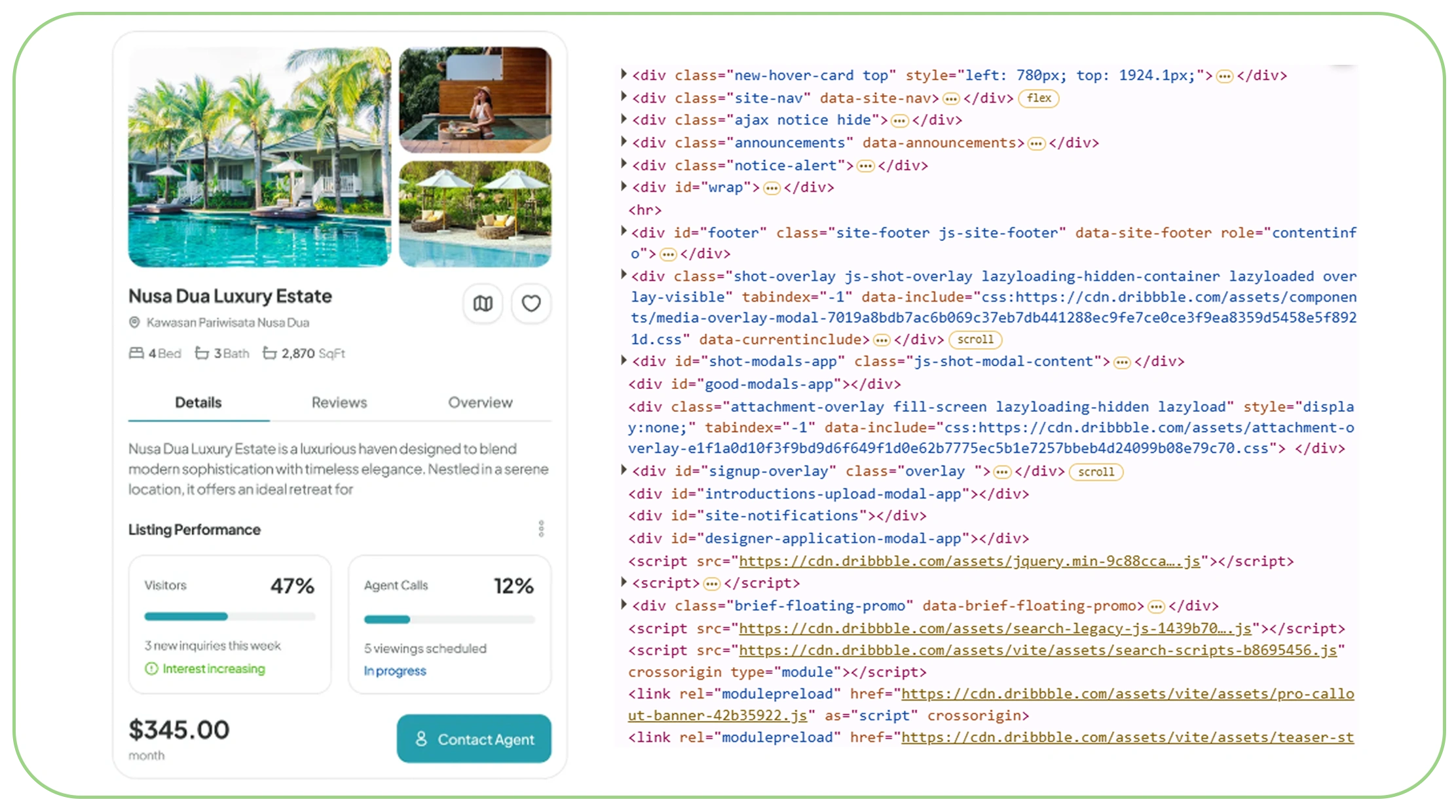
Modern property analytics platforms require scalable, accurate, and continuously updated data sources. Best Real Estate Data APIs for Property Analytics Platforms provide structured access to project details, pricing, amenities, builder information, project status, geographic locations, approvals, and historical market trends that power advanced analytics.
Between 2020 and 2026, property analytics evolved from static reporting to AI-driven forecasting supported by real-time data pipelines. Organizations increasingly integrated APIs into GIS systems, CRM software, ERP platforms, investment dashboards, and machine learning applications.
Comprehensive APIs enable businesses to compare regional developments, evaluate property appreciation, monitor construction progress, identify emerging investment hotspots, and benchmark developer performance. Investors receive timely intelligence, while research firms generate detailed market reports using standardized datasets.
Advanced APIs also improve customer experiences by powering recommendation engines, interactive property maps, valuation models, and predictive investment tools. Data scientists leverage structured datasets to train AI models that forecast demand, optimize pricing strategies, and identify long-term growth opportunities.
By integrating high-quality APIs into analytics ecosystems, businesses reduce manual effort while improving reporting speed, forecasting accuracy, and strategic decision-making.
Business Advantages
- Real-time property intelligence
- Standardized structured datasets
- AI-powered analytics
- Market forecasting
- GIS integration
- Executive reporting
Property Analytics Growth (2020–2026)
| Analytics Metric | 2020 | 2022 | 2024 | 2026 (Projected) |
|---|---|---|---|---|
| Analytics Platform Adoption | 30% | 49% | 71% | 92% |
| AI Forecasting Usage | 18% | 36% | 59% | 83% |
| Automated Property Reporting | 29% | 48% | 70% | 91% |
| Real-Time Market Intelligence | 25% | 44% | 66% | 88% |
| Structured API Integration | 33% | 53% | 75% | 94% |
Businesses leveraging advanced real estate APIs improve investment decisions, streamline operations, strengthen competitive analysis, and accelerate innovation across the property industry.
Why Choose Real Data API?
Businesses require dependable, scalable, and enterprise-ready property intelligence to stay competitive in today's digital real estate market. With web scraping Villa and township project data , Real Data API delivers structured real estate datasets that help investors, developers, PropTech companies, research firms, and financial institutions make faster, data-driven decisions.
Why Businesses Trust Real Data API
- Enterprise-grade real estate data extraction
- Real-time monitoring of villa and township projects
- High-accuracy structured property datasets
- Automated API integration with BI, GIS, CRM, and ERP platforms
- Continuous tracking of pricing, inventory, amenities, and developer activity
- Flexible delivery formats for AI, analytics, and reporting
- Scalable solutions for startups and enterprises
- Dedicated technical support and customized data workflows
Whether your objective is investment intelligence, competitor benchmarking, property analytics, or digital transformation, Real Data API delivers reliable real estate data that powers smarter business strategies.
Conclusion
The real estate market continues to become more data-driven, making automated property intelligence essential for successful investment planning. Organizations using web scraping Villa and township project data can monitor project launches, evaluate pricing trends, analyze developer performance, identify emerging growth markets, and improve investment decisions through structured analytics.
As PropTech adoption accelerates through 2026 and beyond, businesses that invest in scalable real estate data solutions will gain greater visibility, reduce research effort, strengthen forecasting accuracy, and maintain a competitive advantage in an evolving property landscape.
Partner with Real Data API today to automate villa and township project data collection, unlock real-time property intelligence, and transform structured real estate data into smarter investment decisions and measurable business growth!
Latest posts

How to Scrape Best Buy Atlanta Product Availability and Prices Using API to Power Smarter Pricing Decisions

Use SHEIN API to Scrape the Website - Unlock Actionable Fashion Ecommerce Insights
How to Build Grocery Shopping Apps with the Esselunga API for Real-Time Retail Data Integration
How Businesses Can Improve Profitability with web scraping Dynamic pricing using marketplace data?







.png)