Introduction
The fastest way to create scalable grocery applications is to build grocery shopping apps with the Esselunga API. API-driven retail data provides real-time access to product catalogs, pricing, inventory, promotions, and availability, enabling businesses to deliver seamless shopping experiences and smarter retail analytics.
Industry Insight: According to industry estimates, the global online grocery market is projected to exceed $1 trillion by 2026 , with over 80% of digital grocery retailers expected to rely on API-powered automation and real-time retail intelligence for inventory management, pricing optimization, and customer engagement.
Target Audience: Grocery retailers, eCommerce platforms, retail technology providers, quick commerce startups, market research firms, and AI solution developers.
Pain Point Solved: Manual grocery data collection is slow, inconsistent, and difficult to scale. API-powered automation provides accurate, structured, and continuously updated retail data for smarter decision-making.
Consumers increasingly expect accurate pricing, live inventory updates, personalized recommendations, and frictionless checkout experiences. To meet these expectations, businesses need structured retail intelligence that integrates directly into mobile apps, analytics platforms, recommendation engines, and inventory management systems.
Organizations that build grocery shopping apps with the Esselunga API gain access to continuously updated grocery information, including product names, categories, prices, promotional offers, stock availability, nutritional information, images, and brand details.
A comprehensive Grocery Dataset enables retailers and technology providers to monitor product performance, analyze pricing strategies, optimize assortments, forecast demand, benchmark competitors, and improve customer satisfaction. As digital grocery commerce continues expanding between 2020 and 2026, API-powered data integration has become essential for building scalable and intelligent grocery shopping platforms.
How Can Retailers Accelerate Grocery App Development?
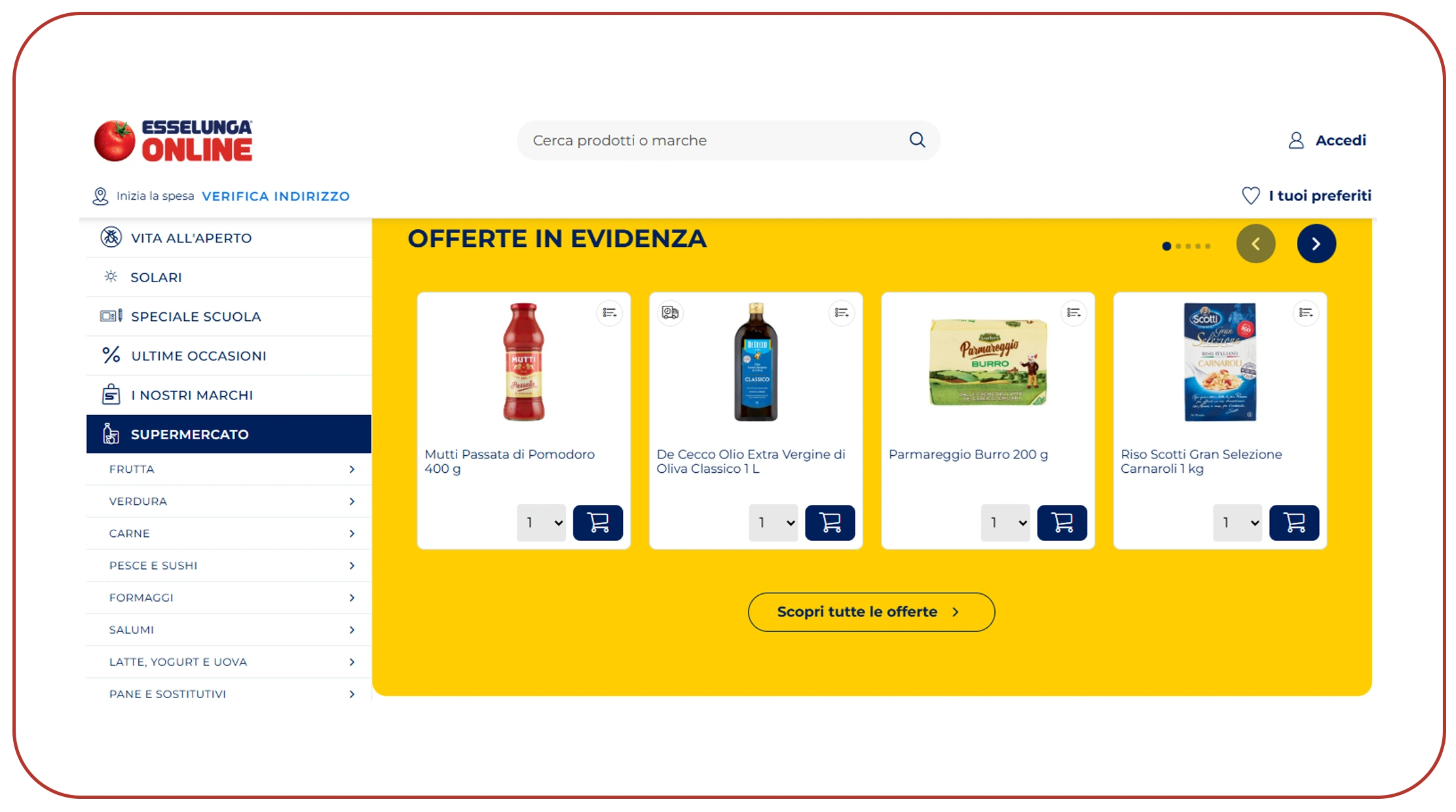
Building a grocery shopping application requires accurate product information, consistent inventory updates, and reliable pricing intelligence. Manual product management becomes increasingly difficult as grocery catalogs expand across thousands of SKUs. Web Scraping Esselunga API for Grocery Shopping App Development enables organizations to automate structured retail data collection while significantly reducing operational effort.
Between 2020 and 2026, grocery retailers rapidly expanded their digital catalogs by introducing private-label products, fresh produce, household essentials, ready-to-eat meals, and health-focused product lines. Product assortment complexity increased alongside customer expectations for real-time availability and pricing transparency.
API-driven grocery intelligence allows development teams to synchronize product catalogs automatically while ensuring applications display current information. Marketing teams monitor promotional campaigns and seasonal discounts. Category managers analyze product assortment trends, while operations teams improve inventory planning using continuously updated datasets.
Structured grocery data also supports AI-powered recommendation engines that personalize shopping experiences based on purchasing behavior and product preferences. Developers can integrate standardized datasets into mobile apps, websites, business intelligence dashboards, and inventory systems with minimal manual processing.
Organizations leveraging automated grocery data reduce maintenance costs while improving customer satisfaction through accurate product information and faster application updates.
Key Business Benefits
- Automated grocery catalog synchronization
- Real-time pricing updates
- Inventory visibility
- Promotion monitoring
- Faster mobile app development
- Enterprise-ready structured datasets
Grocery App Development Trends (2020–2026)
| Metric | 2020 | 2022 | 2024 | 2026 (Projected) |
|---|---|---|---|---|
| Grocery SKUs Managed | 100 Index | 151 | 224 | 328 |
| API-Based Product Updates | 30% | 48% | 69% | 89% |
| Digital Grocery Orders | 100 Index | 165 | 247 | 361 |
| Retail App Adoption | 42% | 59% | 76% | 92% |
| Automated Catalog Management | 26% | 45% | 67% | 88% |
Retailers adopting automated grocery data collection improve operational efficiency, accelerate digital transformation, and deliver richer customer experiences across multiple shopping channels.
Why Is Automated Grocery Data Essential for Digital Commerce?
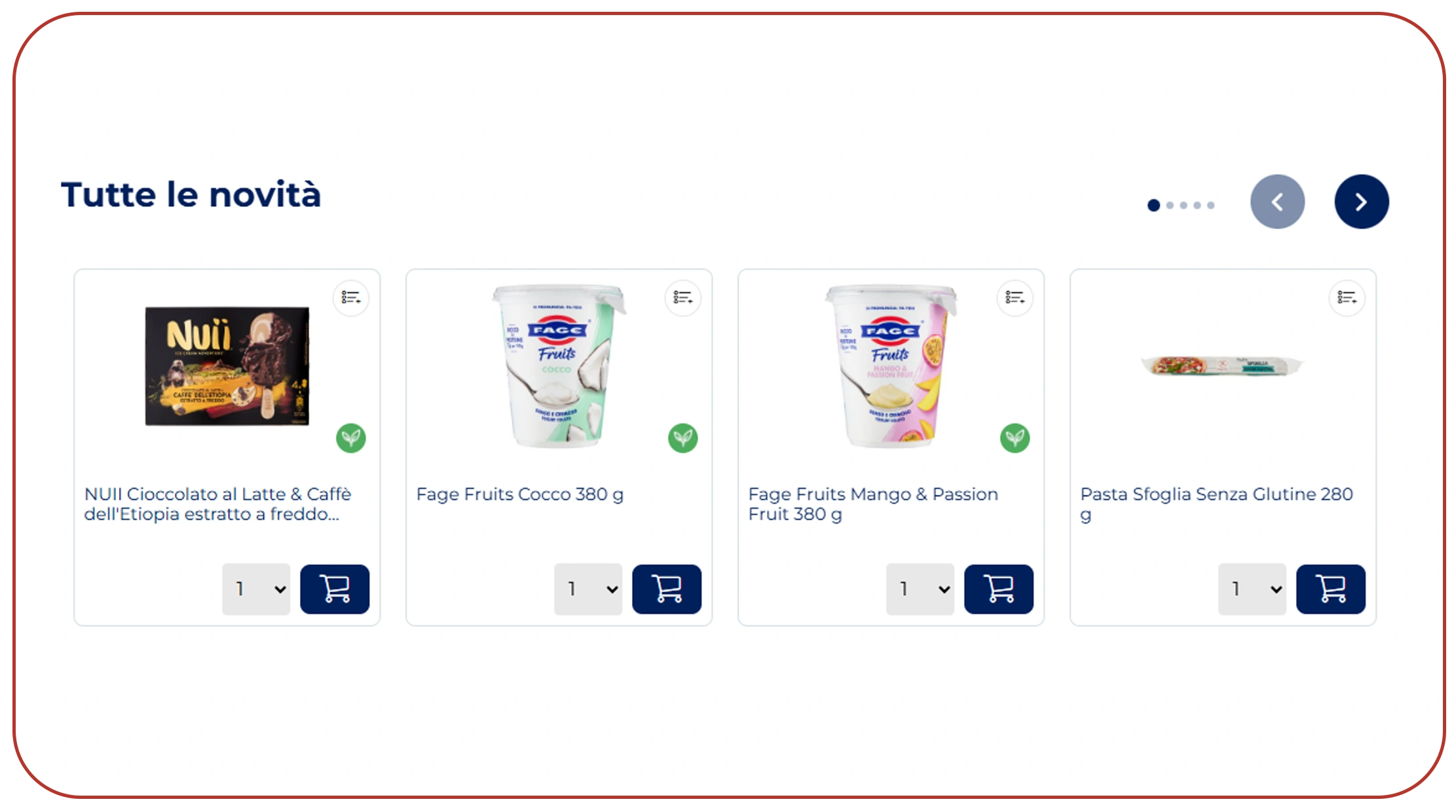
Digital grocery platforms operate in an environment where prices, inventory, and promotions change continuously. Businesses require timely and structured data to remain competitive. Scrape Grocery Shopping Apps with Esselunga API enables organizations to automate grocery intelligence and gain real-time visibility into rapidly changing retail marketplaces.
From 2020 through 2026, grocery eCommerce experienced significant growth driven by mobile shopping, same-day delivery, subscription services, and personalized promotions. Retailers expanded product assortments while introducing dynamic pricing strategies to respond to changing consumer demand.
Automated grocery data collection provides businesses with comprehensive insights into product availability, pricing trends, promotional effectiveness, customer preferences, and category performance. Marketing teams optimize campaigns using real-time pricing intelligence, while procurement managers forecast demand more accurately through historical product data.
Retail analytics platforms integrate structured grocery datasets to improve assortment planning, identify emerging consumer trends, and benchmark competitor offerings. AI-powered applications leverage these datasets to generate personalized recommendations and optimize customer journeys.
By replacing manual monitoring with scalable API-driven automation, organizations reduce operational costs, improve reporting accuracy, and gain the agility needed to compete in an increasingly digital grocery marketplace.
Business Advantages
- Continuous product monitoring
- Automated inventory tracking
- Competitive pricing analysis
- Better assortment planning
- Enhanced customer personalization
- Faster retail reporting
Grocery Commerce Growth (2020–2026)
| Retail Metric | 2020 | 2022 | 2024 | 2026 (Projected) |
|---|---|---|---|---|
| Online Grocery Sales | 100 Index | 158 | 239 | 347 |
| Product Catalog Expansion | 100 Index | 146 | 214 | 309 |
| Dynamic Pricing Adoption | 22% | 41% | 63% | 84% |
| AI Retail Analytics | 19% | 38% | 61% | 86% |
| API-Based Retail Automation | 28% | 47% | 70% | 90% |
Businesses that automate grocery data collection gain stronger market visibility, improve customer engagement, optimize pricing strategies, and build scalable retail applications capable of supporting long-term digital growth.
How Can Businesses Deliver Smarter Retail Experiences with Live Product Intelligence?
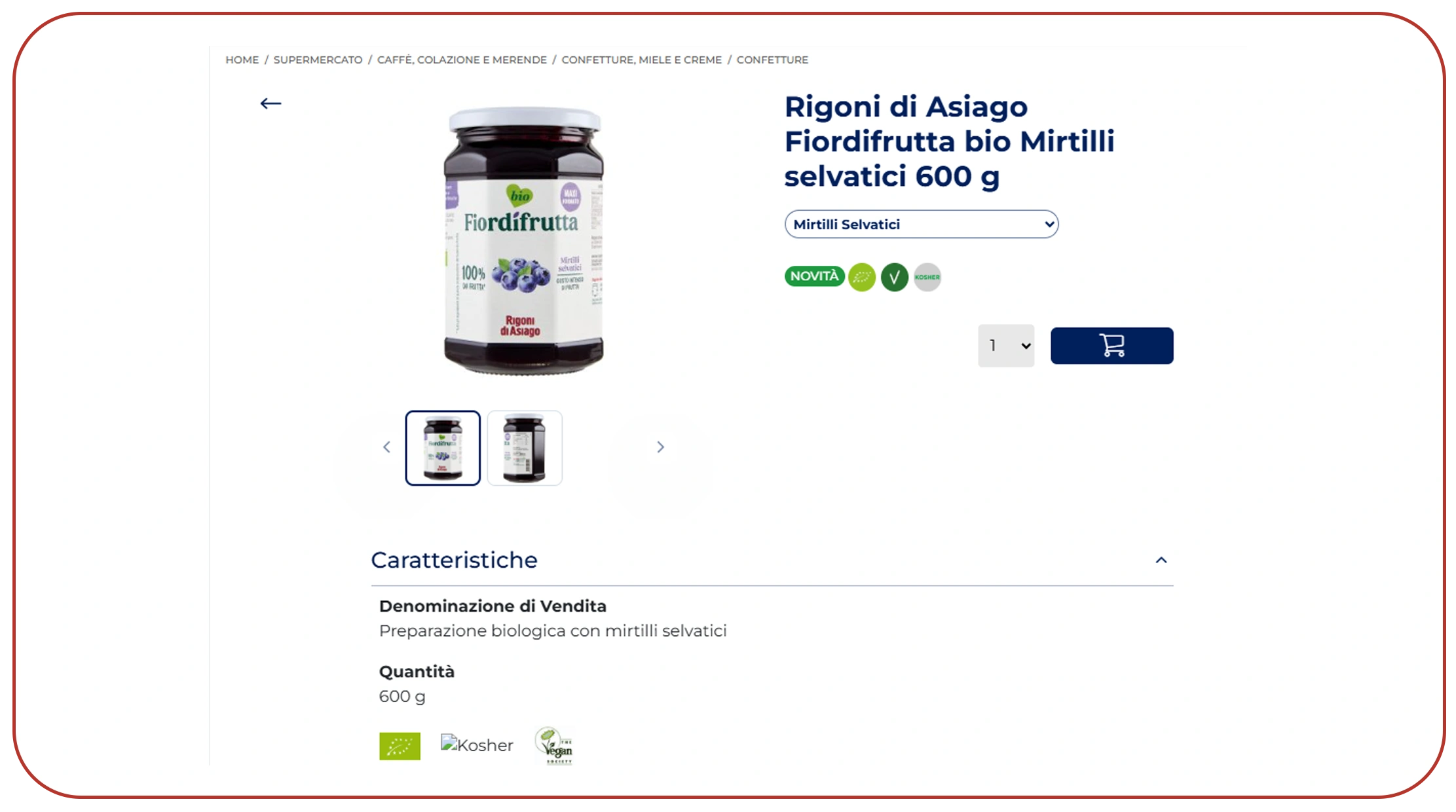
Modern grocery shoppers expect accurate product information, real-time stock updates, personalized recommendations, and seamless shopping experiences. Retailers can meet these expectations through grocery shopping app data scraping using Esselunga API , which provides structured and continuously updated retail information for digital grocery platforms.
From 2020 to 2026, grocery retailers significantly expanded their online offerings by increasing product assortments, introducing exclusive brands, and launching targeted promotional campaigns. These rapid catalog changes created a growing need for automated data collection capable of keeping digital storefronts synchronized with real-time marketplace information.
Live grocery data supports multiple business functions. Product managers monitor category performance. Marketing teams evaluate promotional effectiveness. Inventory planners forecast stock requirements using historical demand patterns. Customer experience teams improve search accuracy and recommendation engines through structured product information.
Retail intelligence also enables businesses to identify emerging shopping trends across fresh produce, dairy, beverages, packaged foods, household essentials, and health products. AI-powered analytics further enhance demand forecasting by combining historical pricing, inventory availability, and seasonal purchasing behavior.
Organizations integrating automated grocery intelligence into business dashboards gain faster reporting, stronger competitive visibility, and improved operational efficiency while reducing manual product maintenance.
Key Benefits of Live Retail Intelligence
- Continuous product availability monitoring
- Faster inventory synchronization
- Better customer recommendations
- Promotion performance tracking
- Improved category management
- AI-ready retail datasets
Grocery Intelligence Trends (2020–2026)
| Retail Intelligence Metric | 2020 | 2022 | 2024 | 2026 (Projected) |
|---|---|---|---|---|
| Product Listings Indexed | 100 Index | 149 | 221 | 319 |
| Daily Product Updates | 120K | 310K | 610K | 1.1M |
| Inventory Accuracy | 83% | 89% | 95% | 98% |
| Personalized Recommendations | 31% | 49% | 70% | 90% |
| Automated Retail Analytics | 27% | 46% | 68% | 89% |
Organizations leveraging live grocery intelligence improve operational agility, optimize digital merchandising, and deliver highly personalized shopping experiences across web and mobile applications.
Why Is API-Driven Grocery Automation the Future of Retail?
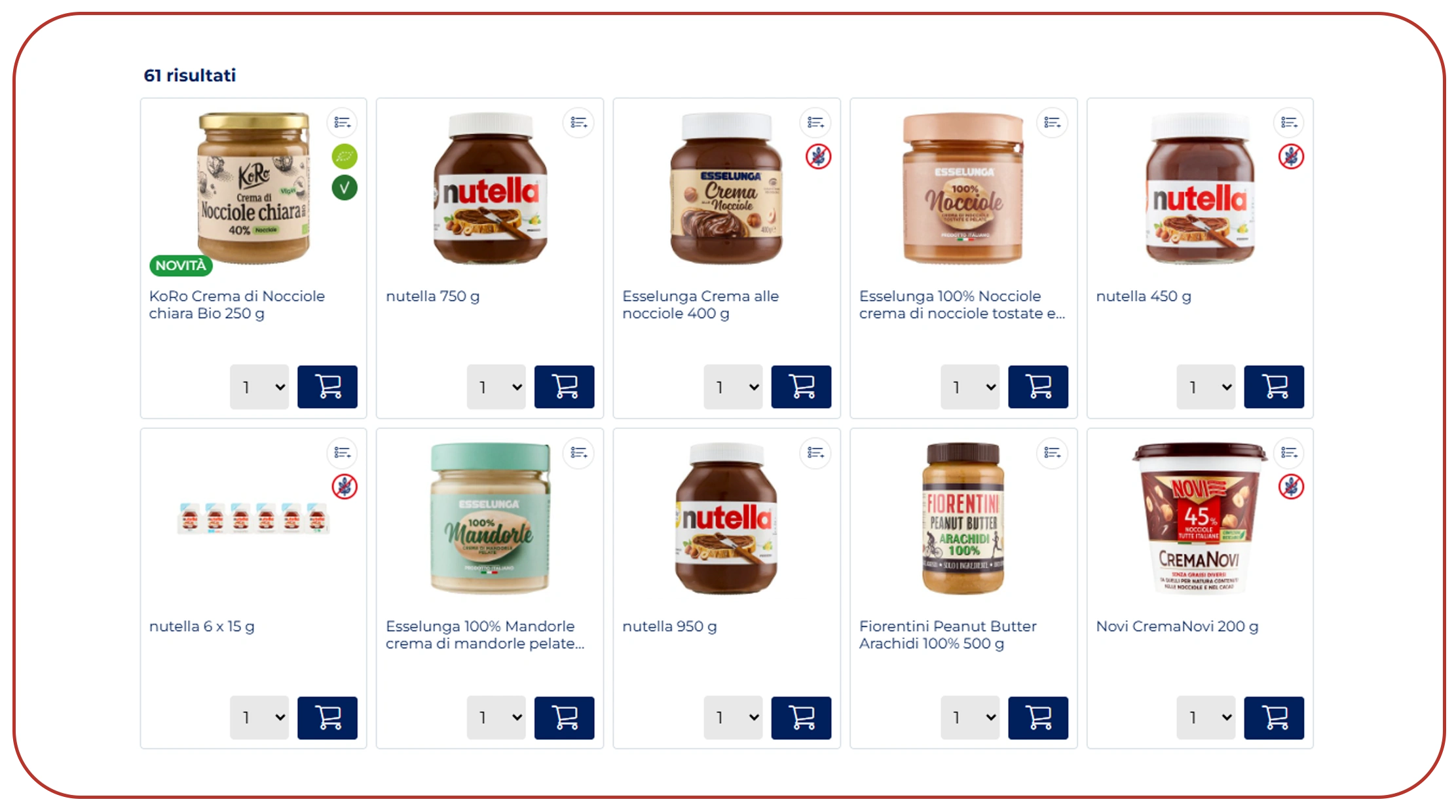
Retailers manage thousands of products across multiple categories, brands, and locations. Manual catalog maintenance slows business operations and increases the risk of outdated product information. An Esselunga Grocery Scraping API enables businesses to automate product collection, inventory synchronization, pricing updates, and promotional monitoring at enterprise scale.
Between 2020 and 2026, grocery retailers accelerated digital transformation through AI-driven merchandising, automated inventory management, and cloud-based commerce platforms. Consumers increasingly expected real-time stock visibility, accurate pricing, and personalized shopping journeys regardless of device or location.
API-powered grocery automation simplifies complex retail workflows by delivering structured datasets directly into eCommerce platforms, ERP systems, CRM software, inventory management tools, and business intelligence dashboards. Retail operations teams reduce manual updates, while category managers gain immediate access to product assortment changes and pricing movements.
Automation also improves decision-making by enabling continuous monitoring of grocery catalogs, promotional campaigns, and inventory availability. Data scientists use structured retail information to train predictive models that optimize demand forecasting, replenishment planning, and dynamic pricing strategies.
As grocery marketplaces continue evolving, API-driven automation provides retailers with the flexibility to scale operations while maintaining high-quality customer experiences.
Business Applications
- Product catalog automation
- Inventory synchronization
- Dynamic pricing analysis
- Promotion monitoring
- Business intelligence reporting
- AI-powered retail forecasting
Retail Automation Growth (2020–2026)
| Automation Metric | 2020 | 2022 | 2024 | 2026 (Projected) |
|---|---|---|---|---|
| API-Based Retail Systems | 29% | 48% | 70% | 91% |
| Automated Inventory Updates | 34% | 56% | 76% | 93% |
| Digital Product Catalogs | 100 Index | 153 | 226 | 324 |
| Smart Pricing Engines | 18% | 37% | 61% | 85% |
| Enterprise Automation Adoption | 30% | 50% | 72% | 92% |
Businesses implementing API-powered grocery automation improve operational efficiency, strengthen inventory accuracy, accelerate digital innovation, and create scalable retail ecosystems capable of supporting long-term business growth.
How Can Grocery Data Improve Strategic Business Decisions?
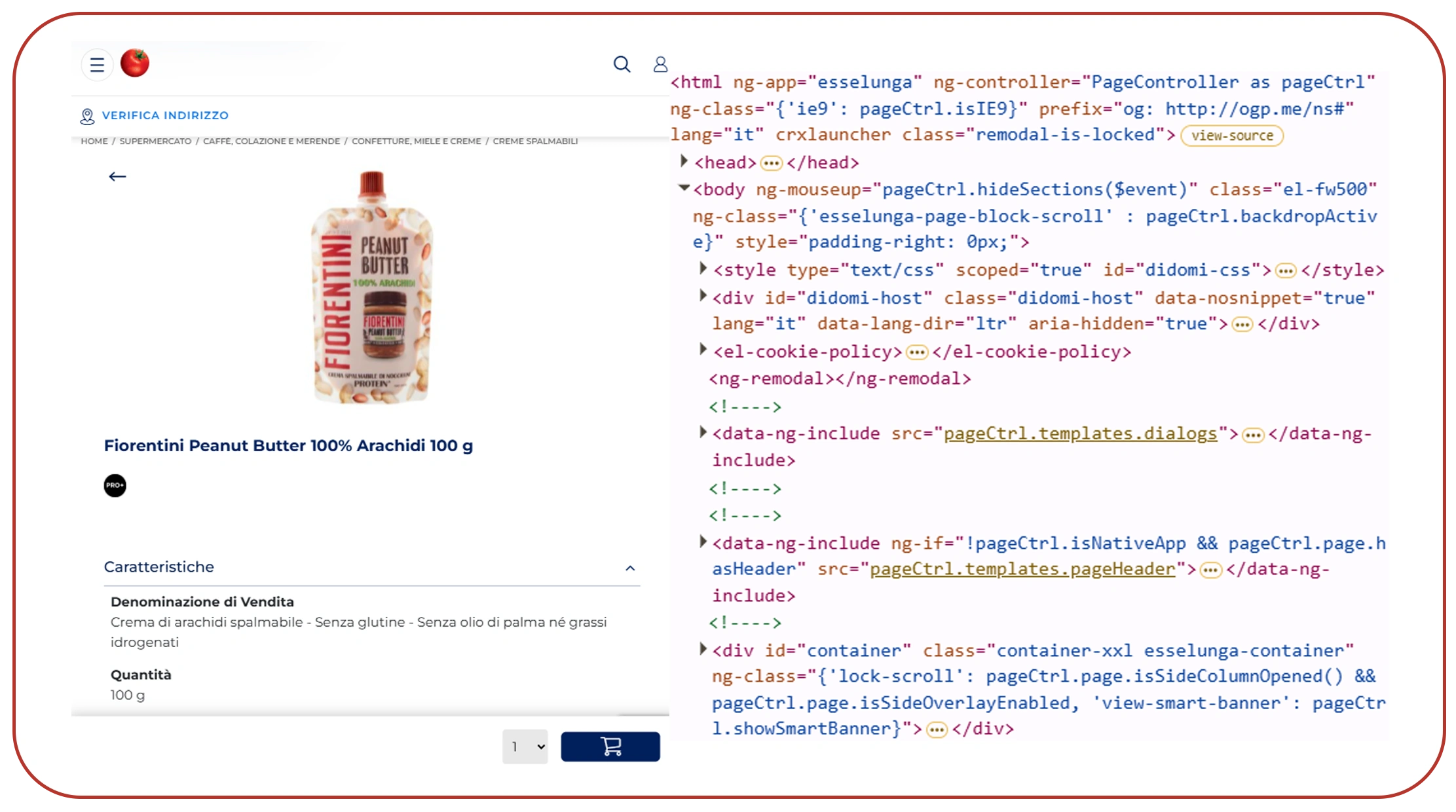
Retail success depends on timely, accurate, and structured product information. A robust Grocery Data Scraping API enables businesses to collect grocery data automatically and transform it into actionable insights for pricing optimization, inventory planning, customer engagement, and competitive analysis.
Between 2020 and 2026, grocery retailers expanded their digital product catalogs while consumer expectations for personalized shopping experiences continued to rise. Retailers increasingly relied on API-driven grocery intelligence to monitor product availability, compare pricing across categories, evaluate promotional campaigns, and understand purchasing behavior.
Structured grocery data supports multiple business functions. Merchandising teams analyze category performance and identify top-selling products. Marketing departments evaluate campaign effectiveness using pricing and promotional data. Supply chain managers forecast inventory requirements by analyzing seasonal demand and product movement trends.
AI-powered analytics further enhance business intelligence by identifying purchasing patterns, recommending personalized offers, and improving replenishment planning. Historical grocery datasets also help executives benchmark competitors, evaluate supplier performance, and identify emerging product opportunities before they become mainstream.
Organizations integrating structured grocery intelligence into enterprise reporting platforms gain faster access to meaningful insights while reducing manual data processing and improving decision-making across departments.
Enterprise Benefits
- Pricing optimization
- Inventory forecasting
- Category performance analysis
- Customer behavior insights
- AI-powered recommendations
- Competitive benchmarking
Grocery Analytics Growth (2020–2026)
| Analytics Metric | 2020 | 2022 | 2024 | 2026 (Projected) |
|---|---|---|---|---|
| Retailers Using API Data | 27% | 46% | 68% | 89% |
| AI-Based Retail Analytics | 20% | 39% | 63% | 87% |
| Inventory Forecast Accuracy | 81% | 88% | 94% | 98% |
| Automated Business Reports | 30% | 51% | 73% | 92% |
| Product Insights Generated | 100 Index | 166 | 248 | 359% |
Businesses that leverage structured grocery intelligence improve forecasting accuracy, optimize retail operations, and create more personalized shopping experiences that drive customer loyalty and revenue growth.
Where Can Grocery APIs Create the Greatest Business Value?
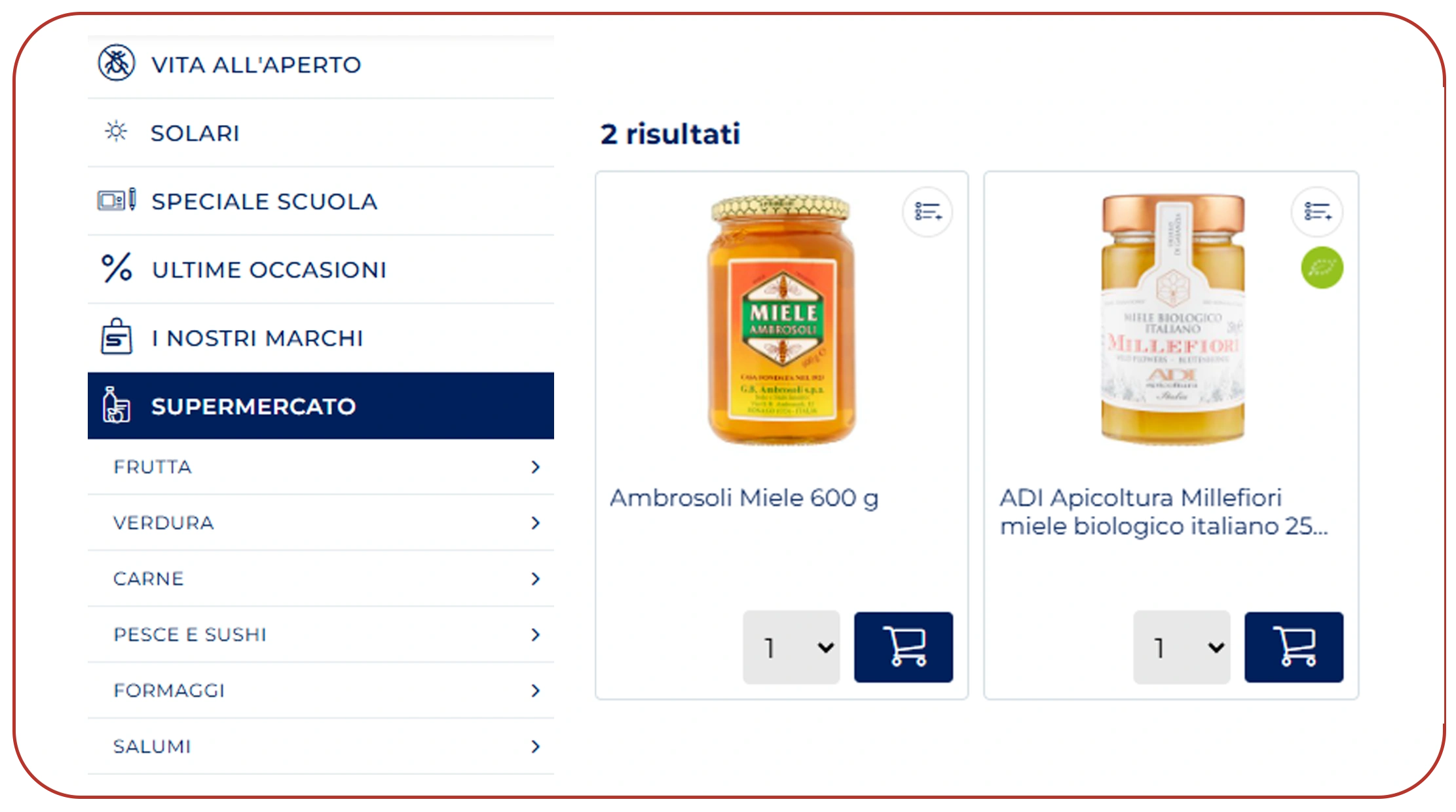
Modern grocery APIs support much more than product listings. Businesses use them to improve pricing strategies, optimize inventory, automate promotions, strengthen supply chain operations, and enhance customer experiences. These expanding Grocery Scraping API Use Cases demonstrate how API-driven retail intelligence has become a strategic asset across the grocery ecosystem.
From 2020 through 2026, grocery retailers accelerated digital transformation by integrating APIs into eCommerce platforms, warehouse management systems, mobile applications, AI recommendation engines, and executive dashboards. Structured retail intelligence enabled organizations to respond quickly to changing customer demand and evolving market conditions.
Retail chains monitor competitor pricing to remain competitive. Brand manufacturers analyze shelf presence and promotional performance across regions. Market research firms identify emerging consumer preferences using structured grocery datasets. Technology companies build recommendation engines that personalize shopping experiences based on product history and purchasing behavior.
Executives also use API-powered insights to evaluate category growth, supplier performance, inventory turnover, and regional demand. This holistic view improves strategic planning while reducing manual reporting and operational inefficiencies.
As grocery commerce continues becoming more data-driven, scalable API integrations will remain essential for innovation, automation, and long-term business growth.
Business Applications
- Competitive price monitoring
- Assortment optimization
- Supply chain visibility
- Promotion performance analysis
- Customer personalization
- Executive business intelligence
Grocery API Adoption (2020–2026)
| Business Use Case | 2020 | 2022 | 2024 | 2026 (Projected) |
|---|---|---|---|---|
| Price Intelligence | 34% | 53% | 72% | 91% |
| Inventory Automation | 31% | 49% | 70% | 90% |
| AI Product Recommendations | 22% | 41% | 65% | 88% |
| Supply Chain Analytics | 28% | 47% | 68% | 87% |
| Executive BI Dashboards | 36% | 56% | 76% | 93% |
Organizations adopting API-driven grocery intelligence strengthen operational efficiency, improve customer satisfaction, and build agile retail ecosystems capable of adapting to changing consumer expectations.
Why Choose Real Data API?
Businesses need reliable, scalable, and enterprise-ready retail data solutions that integrate seamlessly into existing systems. With build grocery shopping apps with the Esselunga API , Real Data API delivers structured grocery intelligence that supports retail automation, advanced analytics, AI applications, and digital commerce innovation.
Why Businesses Trust Real Data API
- Enterprise-grade grocery data extraction solutions
- Real-time product catalog, pricing, and inventory monitoring
- High-accuracy structured grocery datasets
- Automated API integrations for retail platforms
- Flexible delivery formats for BI, CRM, ERP, and AI systems
- Continuous tracking of product availability, promotions, brands, and categories
- Scalable solutions for retailers, startups, and enterprise organizations
- Dedicated technical support and customized data services
Whether you are building grocery shopping platforms, enhancing customer experiences, conducting competitive research, or optimizing inventory management, Real Data API provides reliable retail intelligence that powers smarter business decisions.
Conclusion
Digital grocery commerce continues evolving rapidly, making real-time retail intelligence essential for sustainable growth. Businesses that build grocery shopping apps with the Esselunga API can automate product data collection, optimize pricing strategies, improve inventory visibility, personalize customer experiences, and make faster, data-driven decisions using structured grocery intelligence.
As online grocery retail expands beyond 2026, organizations that invest in scalable API-powered data solutions will be better positioned to innovate, respond to market changes, and maintain a competitive advantage.
Partner with Real Data API today to build intelligent grocery applications, automate real-time retail data integration, and transform structured grocery insights into measurable business growth!
Latest posts

How WhatsApp Scraper Helps Businesses Extract Public Business Profiles and Contact Data
How Businesses Use Instagram profile scraper to Track Profiles, Followers, Engagement, and Social Media Data
How Ixigo API Helps Businesses Solve Flight, Train, Hotel, Travel, and Pricing Data Challenges
How to Extract Restaurants, Menus, Prices, Ratings, and Business Data for Market Insights






.png)



