Quick Summary
- WhatsApp Scraper helps businesses organize publicly available business profile information into structured records for market research, business discovery, category analysis, and competitive intelligence.
- WhatsApp Social Media Data Scraping can support recurring collection of permitted public information, helping research teams reduce manual work and create consistent datasets for analysis.
Introduction
WhatsApp Scraper can help businesses transform publicly available business information into structured datasets for research, market mapping, and business intelligence. The core benefit is straightforward: instead of manually identifying businesses and recording profile details one by one, teams can organize permitted public information into consistent fields that are easier to filter, compare, and analyze.
WhatsApp Social Media Data Scraping is particularly relevant to companies researching local businesses, service providers, retailers, distributors, agencies, and other organizations that maintain a business presence on digital messaging platforms. Useful fields can include publicly displayed business names, categories, descriptions, websites, business hours, locations, and other information made available to users.
The scale of WhatsApp makes structured business information increasingly relevant. Meta reported that WhatsApp had more than 2 billion users globally in February 2020. (About Facebook) By 2025, Meta reported that more than 3 billion people in over 180 countries used WhatsApp. (About Facebook)
For research teams, however, scale creates a data-management problem. A large number of businesses can produce thousands or millions of potential records, while business profiles may change over time. A useful workflow therefore needs standardized fields, timestamps, validation, deduplication, and clear rules around what information can be collected and used.
This blog explains how businesses can structure public business information, where it can support decision-making, what metrics can be monitored, and how historical datasets can make research more consistent.
How Can Businesses Build Structured Business Profile Research?
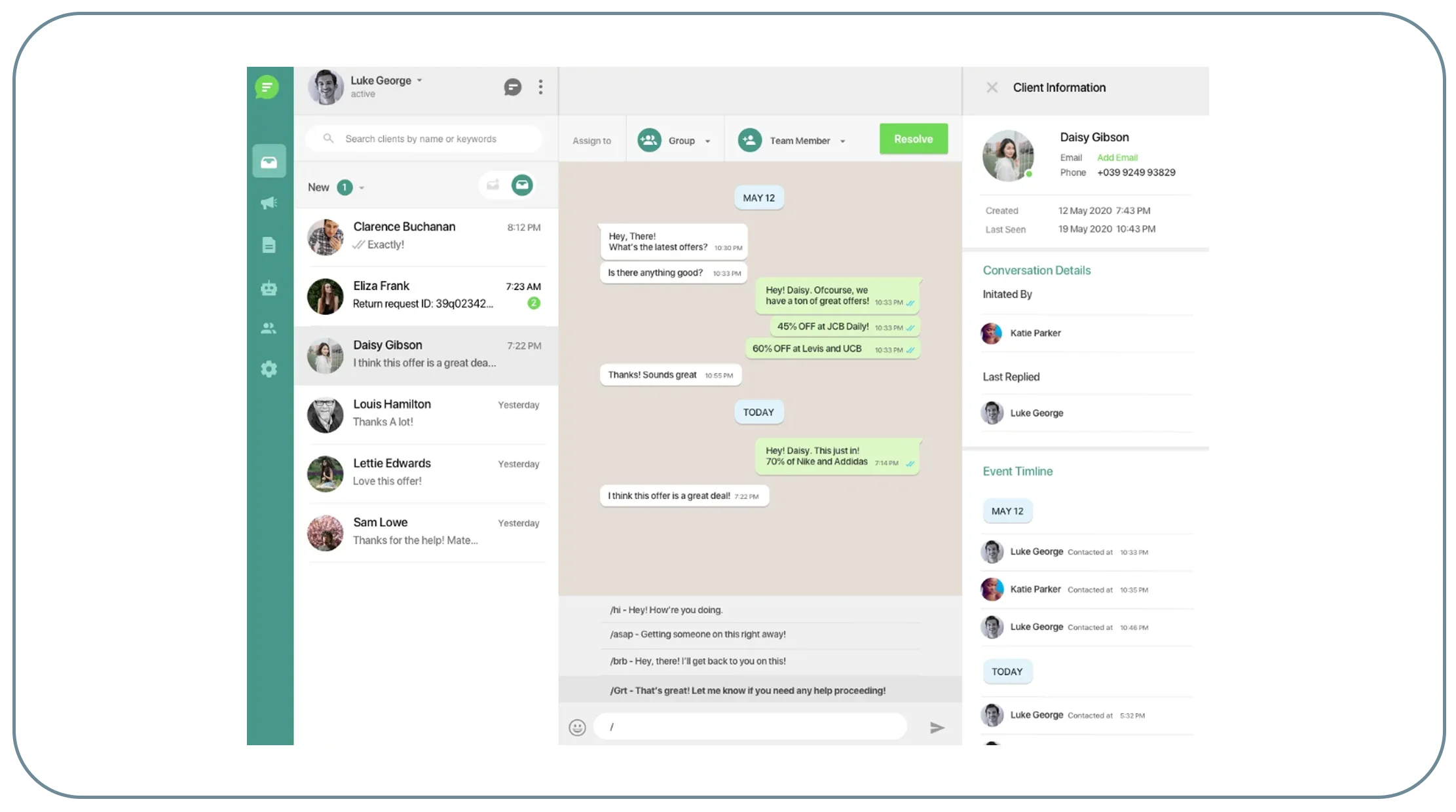
WhatsApp business profile web scraping can help research teams collect publicly displayed business attributes into a standardized format. Depending on what is publicly available and permitted, fields may include business name, category, description, location, operating hours, website, and other profile-level information.
This is useful for agencies, B2B researchers, market intelligence teams, franchise operators, and local-market analysts that need to identify businesses across specific industries or geographic areas.
Meta's business-messaging statistics demonstrate the growing role of messaging-based business discovery. In July 2020, Meta stated that more than 50 million people were using the WhatsApp Business app. (About Facebook) In October 2020, Meta also reported that more than 175 million people every day messaged a WhatsApp Business account. (About Facebook)
| Data field | Example | Business purpose |
|---|---|---|
| Business name | Company or store name | Entity identification |
| Category | Restaurant, retailer, agency | Market segmentation |
| Description | Public business description | Service classification |
| Location | City or service area | Geographic analysis |
| Hours | Operating schedule | Availability research |
| Website | Public website | Business verification |
| Profile URL | Public reference | Record validation |
| Collection date | Timestamp | Historical tracking |
From 2020 through 2022, Meta continued expanding tools that allowed businesses to establish digital storefronts and communicate with customers. In 2022, Meta said more than one billion people connected with a business account each week across its messaging services. (About Facebook)
By 2023, Meta reported more than 200 million users of the WhatsApp Business app globally. (About Facebook) In 2024, Meta continued adding business discovery, verification, AI, and customer communication features. (About Facebook)
The 2025–2026 environment makes historical profile monitoring increasingly useful because business information can change as companies launch new services, update locations, change operating hours, or modify their digital presence.
Actionable insight: Create a unique business record using a combination of publicly available identifiers and normalized business names. Always preserve the collection timestamp so analysts can distinguish current information from historical observations.
What Business Information Can Be Organized at Scale?
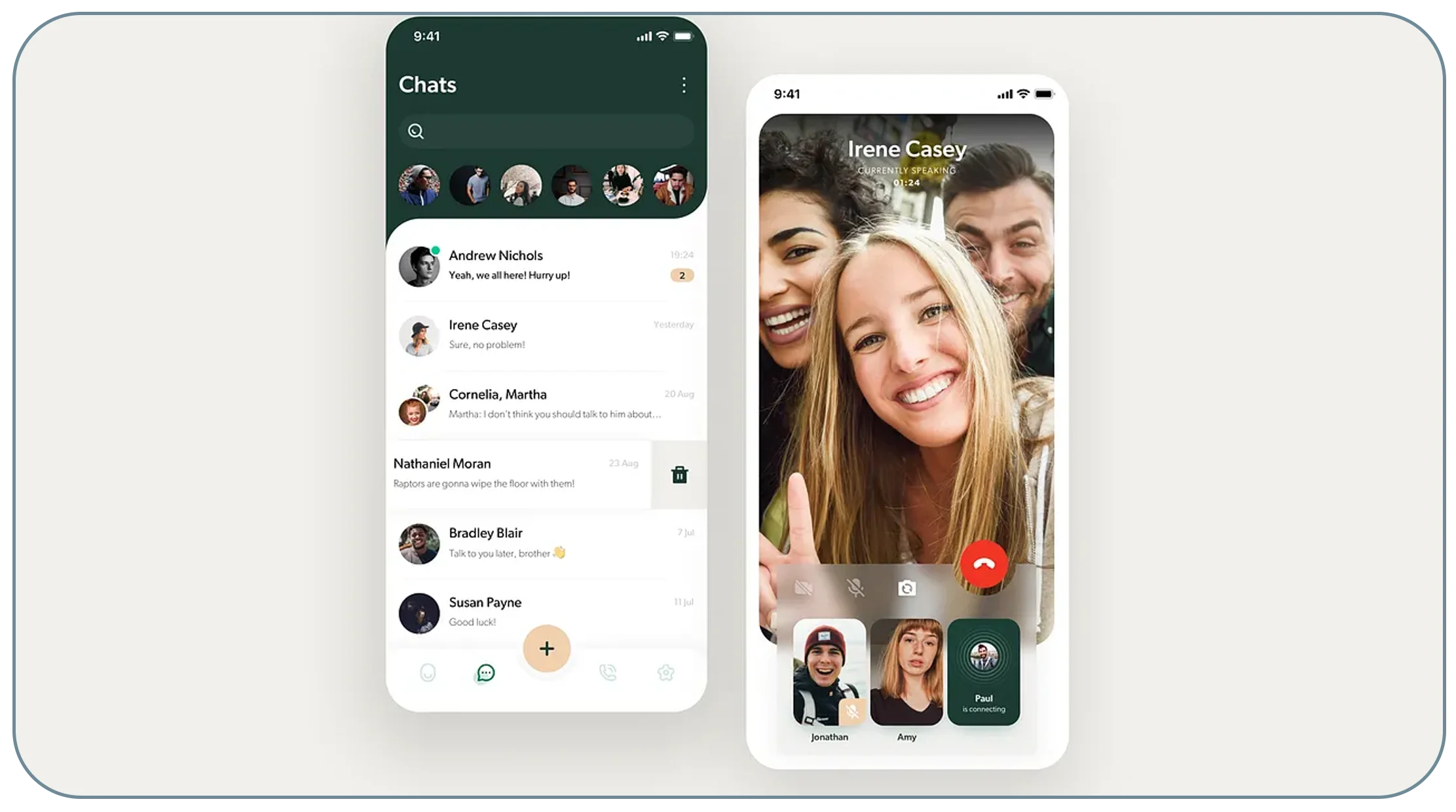
WhatsApp business information data scraping can organize publicly available business attributes into structured datasets that support market research. The emphasis should be on information that is intentionally made public and appropriate for collection, rather than private conversations or restricted account information.
For B2B researchers, the value comes from converting fragmented profile observations into consistent records. A dataset can group businesses by category, geography, operating status, services, and other publicly visible characteristics.
| Data category | Possible fields | Research application |
|---|---|---|
| Identity | Business name | Entity matching |
| Classification | Category, industry | Market segmentation |
| Location | City, region | Geographic analysis |
| Services | Publicly listed services | Service mapping |
| Hours | Opening and closing times | Availability analysis |
| Digital presence | Website, public links | Business verification |
| Profile status | Available, changed, removed | Change monitoring |
| Timestamp | Collection date/time | Historical analysis |
The historical development of WhatsApp's business ecosystem provides context. In 2020, Meta said more than 50 million people used the WhatsApp Business app. (About Facebook) In 2022, Meta opened the cloud-based WhatsApp Business Platform to businesses worldwide, making business messaging infrastructure more accessible to companies and developers. (About Facebook)
In 2023, Meta reported more than 200 million WhatsApp Business app users worldwide. (About Facebook) In 2024, Meta announced additional business capabilities including AI tools, verification, and expanded calling support. (About Facebook)
By 2025, more than three billion people were using WhatsApp globally. (About Facebook) Meta's 2026 announcement also states that WhatsApp has more than three billion users and introduces usernames designed to improve privacy by allowing users to contact people and businesses without necessarily exposing phone numbers when the feature is enabled. (About Facebook)
This progression highlights why structured research should distinguish between public business information and private user information.
Actionable insight: Design datasets around business-level fields rather than personal-chat data. This creates a clearer analytical purpose and reduces unnecessary collection of sensitive information.
How Can Companies Map Public Business Listings?
Businesses can scrape WhatsApp business listings when the information is publicly accessible and the collection is permitted. The resulting dataset can help identify businesses by geography, category, service type, or other publicly observable attributes.
This approach is particularly useful for market researchers and B2B teams that need to answer questions such as:
- How many businesses operate in a specific category?
- Which geographic markets have the largest business presence?
- Which service categories are expanding?
- Which businesses have updated their public information?
- Which public profiles contain websites or other business references?
| Business segment | Useful attributes | Potential analysis |
|---|---|---|
| Restaurants | Category, location, hours | Local market mapping |
| Retailers | Category, website, location | Competitor discovery |
| Service providers | Services, location | Supplier research |
| Agencies | Services, website | B2B prospect research |
| Healthcare businesses | Category, location, hours | Market structure analysis |
| Local franchises | Brand, location | Geographic expansion |
The need for digital business discovery has expanded alongside WhatsApp's business adoption. Meta reported in 2020 that businesses were using WhatsApp to help customers ask questions, discover products, and communicate directly. (About Facebook) In 2022, Meta said more than one billion people connected with business accounts each week across its messaging services. (About Facebook)
Meta's 2024 updates further expanded business discovery and engagement capabilities. For example, Meta Verified for WhatsApp businesses introduced verification, impersonation protection, support, and additional business features in selected markets before wider availability. (About Facebook)
In 2025 and 2026, WhatsApp's user base remained above three billion globally, according to Meta. (About Facebook)
Actionable insight: Segment records by geography and business category before analysis. This allows teams to build comparable market maps rather than treating every discovered business as part of one undifferentiated dataset.
Build structured public-business datasets that make market discovery, segmentation, and competitive research faster, more consistent, and easier to analyze.
Get Insights Now!How Can Contact Data Support Business Research?
A WhatsApp contact data API can be considered as part of a broader data architecture when organizations need structured access to permitted business information. The focus should remain on publicly available business contact details and applicable platform permissions, rather than private user information.
For B2B researchers, contact-related fields may include a publicly displayed business contact point, website, business location, or other information intentionally provided for customer discovery. Such records can then be joined with company categories and geographic attributes to create business research datasets.
| Field | Purpose | Example use |
|---|---|---|
| Business name | Entity identification | Company matching |
| Public contact point | Business outreach | Lead research |
| Website | Verification | Company validation |
| Category | Segmentation | Industry analysis |
| Location | Territory mapping | Regional targeting |
| Business hours | Timing analysis | Outreach planning |
| Source reference | Traceability | Data verification |
| Timestamp | Freshness | Record maintenance |
The importance of business messaging has grown substantially. In 2020, Meta reported that more than 175 million people each day messaged WhatsApp Business accounts. (About Facebook) In 2022, Meta reported that more than one billion people connected with business accounts every week across its messaging services. (About Facebook)
In India, Meta reported in 2023 that more than 60% of people on WhatsApp messaged a business account and that the WhatsApp Business app had more than 200 million users globally. (About Facebook)
By 2024, Meta was expanding business tools in India, including verification and customer communication capabilities. (About Facebook) The 2026 introduction of optional WhatsApp usernames also changes how contact discovery can work, with Meta stating that users who enable usernames will not necessarily expose their phone number when first contacted. (About Facebook)
Actionable insight: Separate business contact records from personal identifiers. Store only fields necessary for the stated research purpose and maintain source and timestamp fields for validation.
What Can Continuous Monitoring Reveal About Business Profiles?
A WhatsApp Scraper can support recurring observation of publicly available business information when the collection complies with applicable platform rules and privacy requirements. Continuous monitoring can identify profile changes that one-time research may miss.
For example, a market research team could compare business categories every month and flag changes in descriptions, hours, websites, or publicly displayed business attributes.
| Change type | Previous observation | New observation | Business use |
|---|---|---|---|
| Category | Retail | Retail + Delivery | Service expansion |
| Hours | 9 AM–6 PM | 9 AM–8 PM | Operating change |
| Website | Not listed | Website added | Digital expansion |
| Description | Original text | Updated text | Positioning change |
| Location | Old location | New location | Geographic movement |
| Profile status | Available | No longer visible | Record review |
The historical progression of WhatsApp illustrates why longitudinal monitoring can be useful. The platform passed two billion users in 2020. (About Facebook) By 2025, Meta reported more than three billion users across more than 180 countries. (About Facebook)
Business functionality also expanded during this period. Meta introduced the cloud-based WhatsApp Business Platform in 2022. (About Facebook) In 2024, the company announced AI tools, Meta Verified, and expanded business calling capabilities. (About Facebook) In 2025, Meta reported that more than two billion people used WhatsApp every day. (About Facebook)
The 2026 username rollout adds another important consideration: public contact discovery may increasingly rely on business identifiers other than traditional phone numbers. (About Facebook)
Actionable insight: Maintain a versioned profile history. Comparing old and new records makes it easier to identify genuine business changes instead of treating every collection as a new entity.
How Can a Structured Dataset Improve Market Intelligence?
A WhatsApp Social Media Dataset can bring publicly available business observations into a consistent analytical structure. Instead of keeping profile information in disconnected spreadsheets, organizations can create a reusable dataset containing business entities, categories, locations, public attributes, timestamps, and source references.
This is valuable for agencies, market researchers, lead-generation teams, franchise analysts, local-market researchers, and businesses conducting competitive intelligence.
| Dataset layer | Information | Purpose |
|---|---|---|
| Business entity | Name, category | Entity identification |
| Geography | City, region | Market mapping |
| Profile attributes | Description, hours | Business classification |
| Public links | Website, references | Verification |
| Contact fields | Permitted public business contact | Research |
| Historical layer | Timestamped observations | Change detection |
| Analytical layer | Categories and metrics | Reporting |
The market has developed considerably from 2020 to 2026. Meta reported more than 50 million WhatsApp Business app users in 2020. (About Facebook) By 2023, the company reported more than 200 million users of the WhatsApp Business app worldwide. (About Facebook)
In 2024, Meta continued adding business-focused functionality, including AI tools and verification. (About Facebook) In 2025, WhatsApp surpassed three billion users globally according to Meta. (About Facebook) The 2026 username initiative demonstrates continued development around privacy and identity management, with Meta emphasizing that users will need to know an exact username to initiate contact when the feature is used. (About Facebook)
These developments reinforce the value of maintaining flexible schemas. A dataset designed only around phone numbers may become less useful as business discovery mechanisms evolve.
Actionable insight: Use modular schemas that can accommodate new public identifiers, profile attributes, business categories, and source fields without rebuilding the entire data pipeline.
Why Choose Real Data API?
A scalable Social Media Data Scraping workflow should prioritize structured collection, validation, historical storage, and responsible handling of publicly available information. For businesses conducting large-scale research, these capabilities can reduce repetitive manual work and improve dataset consistency.
Real Data API can support organizations that need structured data workflows for research and analytics. A practical implementation should include:
- Schema design: Define required business, category, location, and source fields before collection.
- Data validation: Check incomplete, duplicate, or inconsistent records.
- Normalization: Standardize business names, categories, locations, and formatting.
- Historical tracking: Preserve timestamps to identify changes.
- Quality controls: Detect unusual records and collection anomalies.
- Scalable processing: Support growing research requirements.
- Analytics-ready delivery: Provide data in formats suitable for dashboards, databases, or analysis tools.
What should businesses prioritize?
The first priority should be data purpose. Collect only information necessary for the intended business objective.
The second priority should be data provenance. Each record should have enough source and timestamp information to support validation.
The third priority should be privacy and compliance. Public availability does not automatically mean unrestricted collection or unrestricted use. Businesses should consider applicable privacy laws, platform terms, and legitimate-use requirements before deploying a collection workflow.
The fourth priority should be historical consistency. A standardized schema allows researchers to compare records over time even when individual business profiles change.
Conclusion
Businesses can use WhatsApp Scraper workflows to organize permitted public business information into structured datasets for market research, business discovery, competitive intelligence, and geographic analysis. The strongest results come from combining standardized fields, historical timestamps, validation, entity matching, and responsible data practices.
From more than two billion WhatsApp users in 2020 to more than three billion in 2025, the platform has continued expanding its global reach. (About Facebook) At the same time, business-focused capabilities have expanded through the WhatsApp Business Platform, business verification, AI tools, and new identity features. (About Facebook)
For businesses, the opportunity is not simply to collect more records. The objective is to create clean, traceable, purpose-built datasets that answer specific research questions and remain useful as digital business profiles evolve.
Start building structured public business datasets with Real Data API to accelerate market research, business discovery, and competitive intelligence while maintaining consistent data quality and responsible collection practices!
FAQs
1. What is a WhatsApp Scraper used for?
A WhatsApp Scraper can organize permitted public business information such as names, categories, descriptions, locations, websites, and other publicly displayed attributes into structured research datasets.
2. What is WhatsApp Social Media Data Scraping?
WhatsApp Social Media Data Scraping refers to collecting permitted public information into structured datasets for market research, business discovery, segmentation, and competitive analysis while respecting applicable privacy requirements.
3. What information can WhatsApp business profile web scraping collect?
WhatsApp business profile web scraping can organize publicly displayed business names, categories, descriptions, locations, operating hours, websites, and timestamps, subject to availability, permissions, platform rules, and applicable laws.
4. Why use WhatsApp business information data scraping?
WhatsApp business information data scraping can reduce manual research by organizing permitted public business attributes into standardized records that support geographic analysis, category mapping, entity research, and market intelligence.
5. Can businesses scrape WhatsApp business listings?
Businesses can scrape WhatsApp business listings only where collection is permitted and information is publicly accessible. Real Data API can support structured workflows while teams apply appropriate privacy and platform requirements.
Latest posts
How WhatsApp Scraper Helps Businesses Extract Public Business Profiles and Contact Data
How Businesses Use Instagram profile scraper to Track Profiles, Followers, Engagement, and Social Media Data
How Ixigo API Helps Businesses Solve Flight, Train, Hotel, Travel, and Pricing Data Challenges
How to Extract Restaurants, Menus, Prices, Ratings, and Business Data for Market Insights






.png)