Introduction
Manufacturers and distributors scrape product data from Grainger to monitor catalog updates, product pricing, inventory availability, and technical specifications. Access to Grainger Product and Review Datasets enables businesses to improve procurement, benchmark competitors, optimize pricing, and make faster, data-driven decisions in the industrial and B2B marketplace.
Industry Insight: The global industrial distribution market continues to grow as businesses increasingly rely on digital procurement platforms. Industry reports estimate that millions of industrial products are researched online each month, making real-time product intelligence essential for manufacturers, distributors, and procurement teams.
Industrial buyers expect accurate product information, competitive pricing, and up-to-date inventory before making purchasing decisions. Grainger frequently updates product listings, specifications, technical documents, pricing, and availability across thousands of industrial categories.
Manual monitoring cannot keep pace with these frequent updates. Automated product data extraction enables businesses to collect structured information that supports procurement, pricing optimization, supplier benchmarking, and product catalog management while improving operational efficiency.
How Can Product Catalog Intelligence Improve Industrial Sales?
A comprehensive product catalog is the foundation of industrial commerce. Manufacturers and distributors need continuous visibility into new products, discontinued items, category expansion, and specification updates to remain competitive.
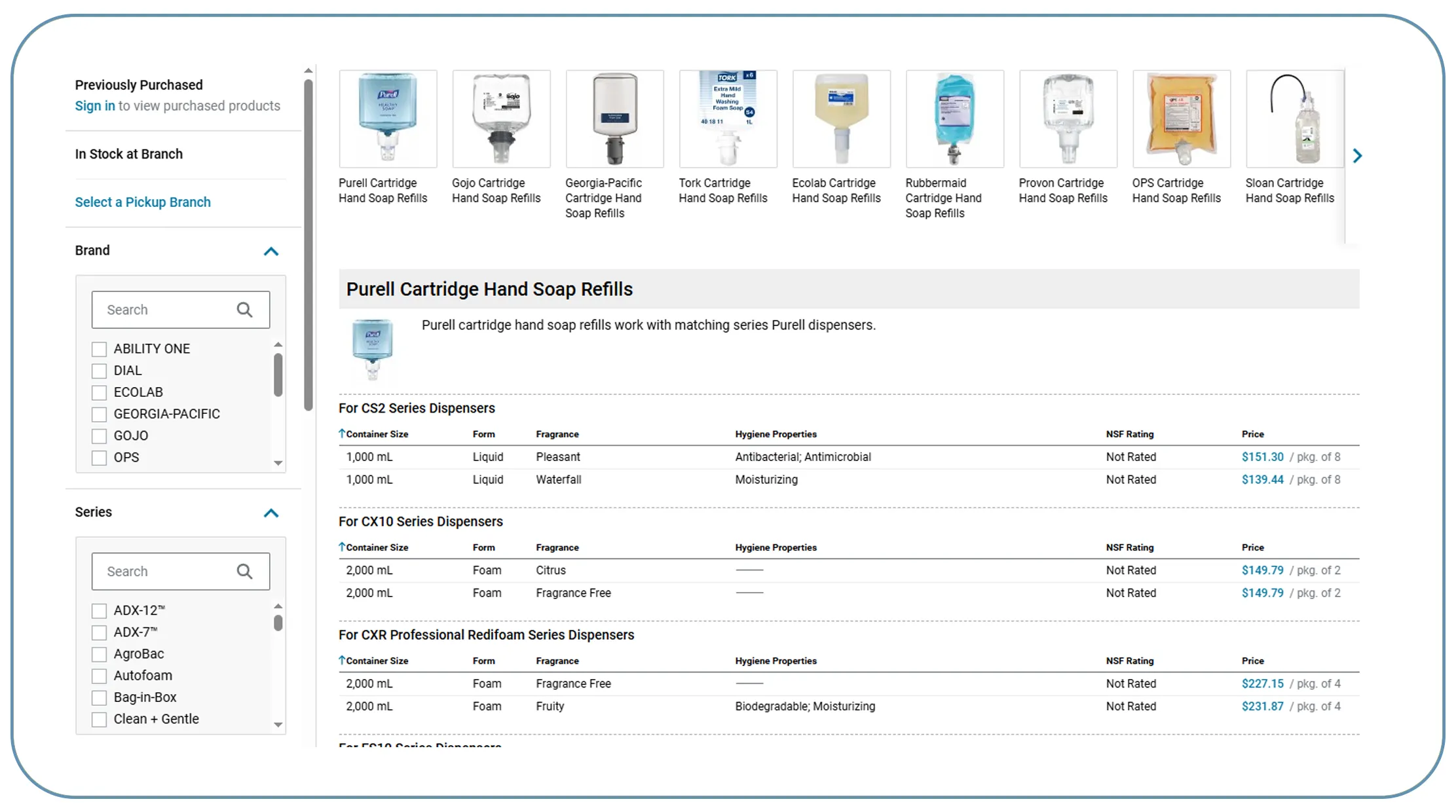
Using Grainger industrial product catalog data scraping, businesses can monitor thousands of industrial products across tools, electrical supplies, safety equipment, HVAC systems, plumbing, fasteners, material handling products, and maintenance supplies.
Industry Insight: Industrial product catalogs continue to expand each year as manufacturers introduce new equipment, replacement parts, and safety solutions to meet changing business requirements.
Industrial Catalog Growth (2020–2026)
| Year | Estimated Active Products | Annual Catalog Growth |
|---|---|---|
| 2020 | 1.4 Million | — |
| 2021 | 1.6 Million | 14% |
| 2022 | 1.8 Million | 13% |
| 2023 | 2.0 Million | 11% |
| 2024 | 2.2 Million | 10% |
| 2025* | 2.4 Million | 9% |
| 2026* | 2.6 Million | 8% |
*Projected
Why should businesses monitor product catalogs?
Catalog intelligence helps organizations:
- Identify new product launches.
- Track discontinued products.
- Monitor category expansion.
- Compare competing brands.
- Improve assortment planning.
- Enhance procurement strategies.
How does catalog intelligence improve decision-making?
Organizations can:
- Benchmark industrial suppliers.
- Expand product portfolios.
- Improve sourcing decisions.
- Reduce catalog inconsistencies.
- Support supplier negotiations.
- Strengthen competitive positioning.
For example, if new industrial safety products are introduced across multiple categories, distributors can quickly evaluate market demand, compare competing manufacturers, and update their own product offerings. Continuous catalog intelligence enables organizations to respond faster to market changes and maintain an accurate product portfolio for customers.
Why Is Product Data Collection Important for Procurement?
Procurement teams require detailed product information before making purchasing decisions. Product descriptions, specifications, dimensions, compatibility, pricing, certifications, and availability all influence supplier selection and inventory planning.
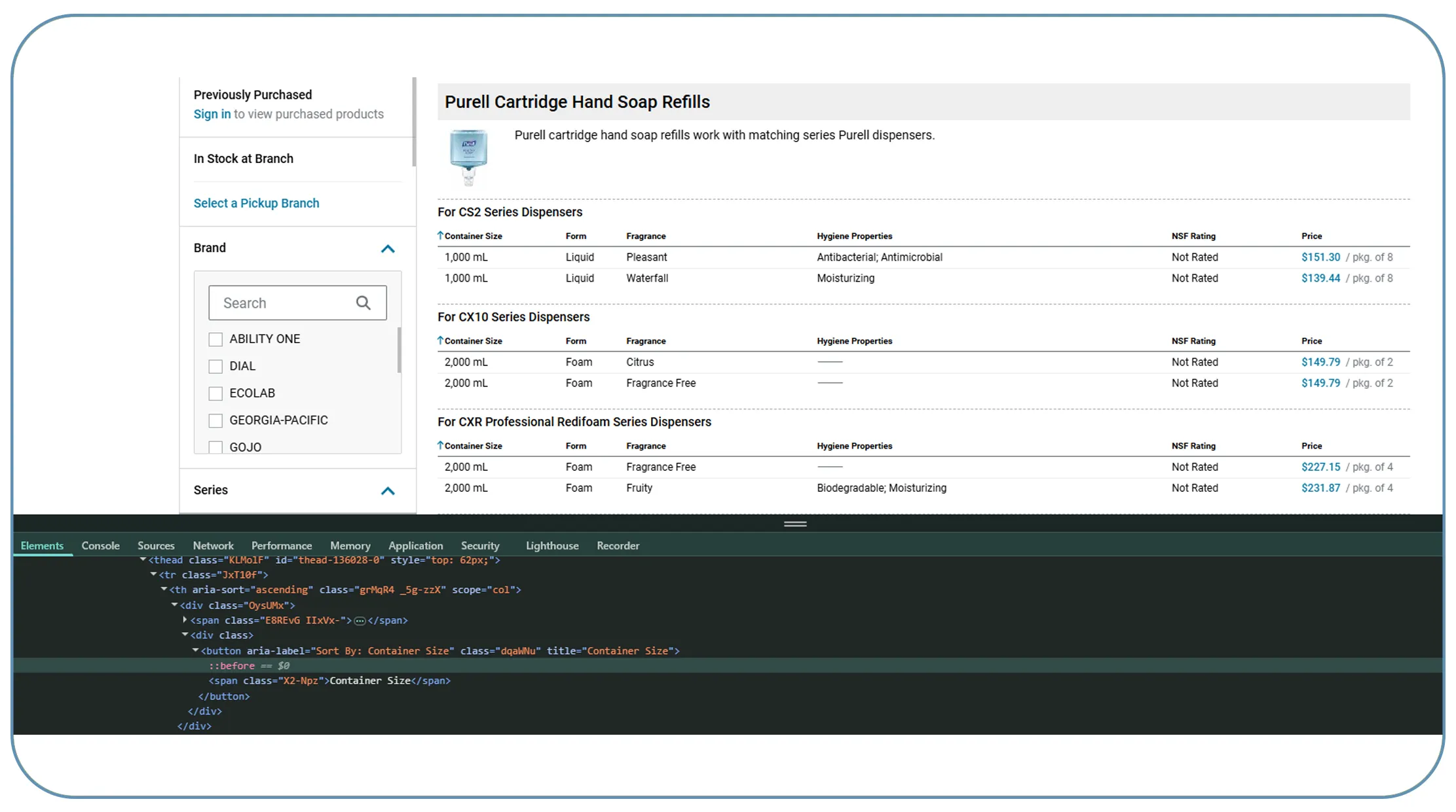
Using Grainger Product Data Collection, organizations can automate the extraction of structured product information across thousands of industrial SKUs, improving purchasing efficiency and reducing manual research.
Industry Insight: Procurement professionals increasingly rely on structured product datasets to accelerate sourcing decisions and improve consistency across enterprise purchasing systems.
Product Data Availability (2020–2026)
| Year | Structured Product Records | Average Product Attributes |
|---|---|---|
| 2020 | 1.2 Million | 22 |
| 2021 | 1.5 Million | 26 |
| 2022 | 1.8 Million | 30 |
| 2023 | 2.1 Million | 34 |
| 2024 | 2.4 Million | 38 |
| 2025* | 2.7 Million | 42 |
| 2026* | 3.0 Million | 46 |
*Projected
Why should procurement teams collect product data?
Structured product information helps businesses:
- Compare supplier offerings.
- Standardize procurement records.
- Monitor specification changes.
- Improve purchasing accuracy.
- Reduce sourcing time.
- Strengthen inventory planning.
How does product data improve business performance?
Organizations can:
- Automate procurement workflows.
- Compare competing products.
- Improve supplier evaluation.
- Reduce purchasing errors.
- Support inventory optimization.
- Increase operational efficiency.
For instance, when sourcing industrial motors or electrical components, procurement teams can compare specifications, certifications, dimensions, and pricing from multiple manufacturers before placing orders. Structured product data simplifies supplier evaluation and enables businesses to make informed purchasing decisions while reducing operational risks.
How Can Product Images Improve Industrial Catalog Quality?
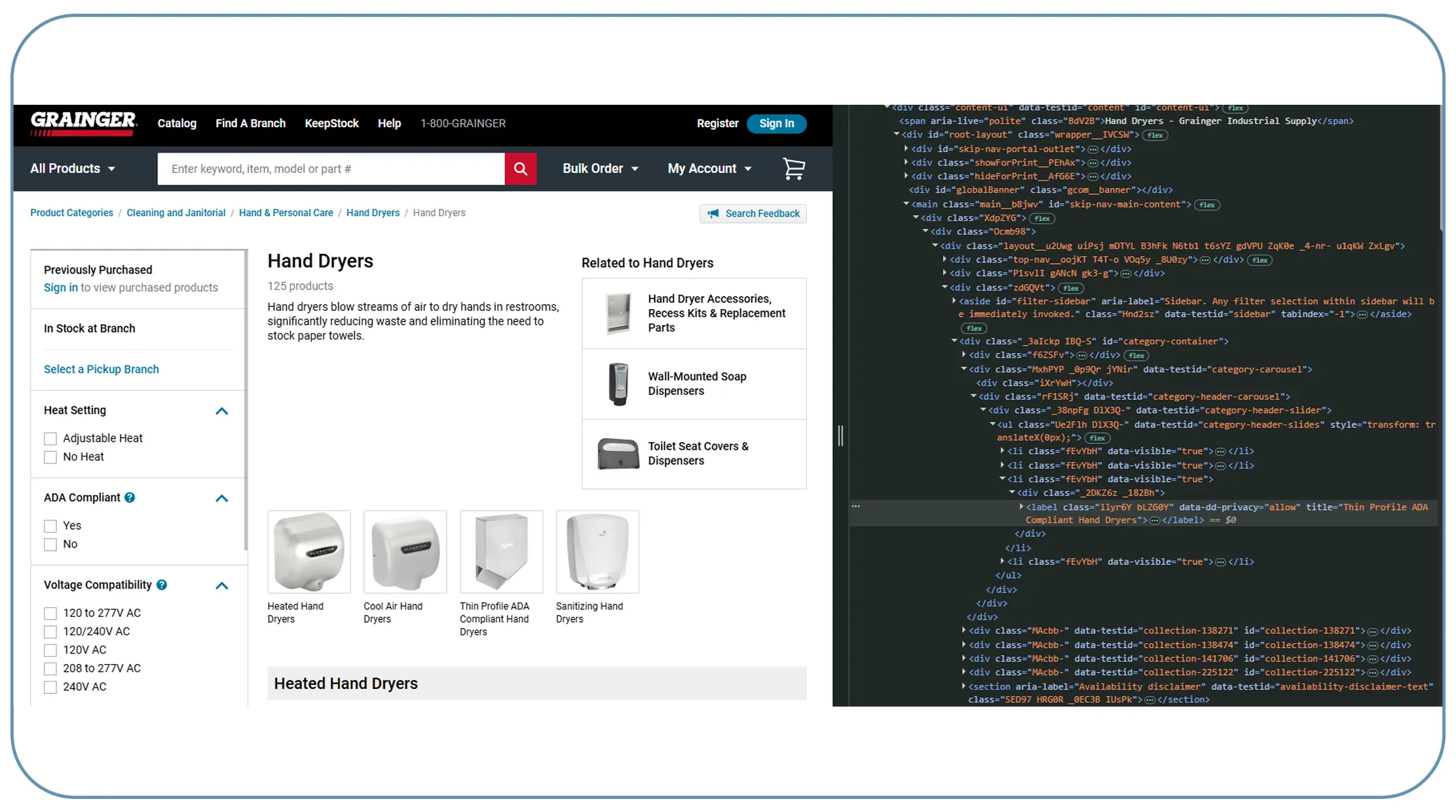
Product images play a critical role in industrial purchasing. Buyers often compare equipment, tools, replacement parts, and safety products visually before reviewing technical specifications. High-quality image intelligence helps manufacturers, distributors, and procurement teams maintain accurate product catalogs and improve the customer buying experience.
Using a Grainger product image data scraper, businesses can automatically collect product images alongside SKU details, descriptions, pricing, and specifications. This creates a richer product database for e-commerce platforms, procurement systems, and internal catalog management.
Industry Insight: B2B e-commerce studies show that complete product listings with clear images and technical information improve buyer confidence and increase product engagement during the purchasing process.
Product Image Coverage (2020–2026)
| Year | Products with Images | Average Images per Product |
|---|---|---|
| 2020 | 1.1 Million | 2 |
| 2021 | 1.4 Million | 3 |
| 2022 | 1.7 Million | 4 |
| 2023 | 2.0 Million | 5 |
| 2024 | 2.3 Million | 6 |
| 2025* | 2.6 Million | 7 |
| 2026* | 2.9 Million | 8 |
*Projected
Why should businesses collect product images?
Image intelligence helps organizations:
- Improve catalog quality.
- Verify product listings.
- Compare similar products.
- Support digital merchandising.
- Reduce catalog inconsistencies.
- Enhance buyer confidence.
How do product images support business decisions?
Organizations can:
- Improve product matching.
- Simplify catalog management.
- Accelerate product onboarding.
- Enhance customer experience.
- Support marketing campaigns.
- Strengthen product verification.
For example, industrial distributors can compare images of safety gloves, power tools, or electrical components to ensure listings remain accurate across multiple supplier catalogs. Image intelligence also helps identify packaging updates, branding changes, and discontinued products, supporting better inventory and catalog management.
Why Is Real-Time Product Monitoring Essential?
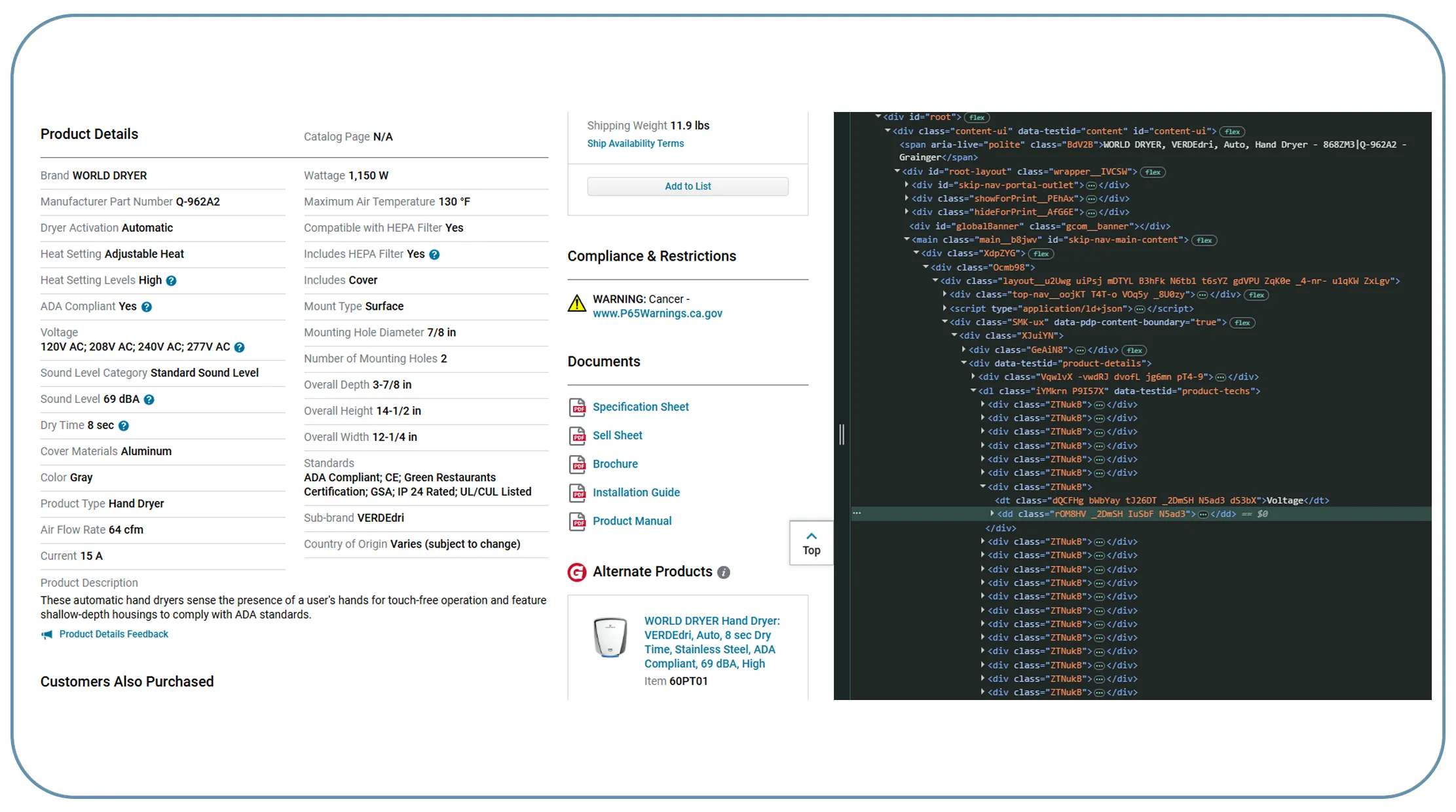
Industrial product catalogs change frequently as suppliers update prices, introduce new products, revise specifications, or adjust inventory availability. Businesses that monitor these changes continuously can respond faster to market developments and maintain accurate product information.
Using Real-time Grainger product data extraction, manufacturers and distributors receive up-to-date information that supports procurement, pricing optimization, inventory planning, and competitive benchmarking.
Industry Insight: Organizations using automated real-time monitoring can identify catalog updates much faster than those relying on manual reviews, enabling quicker business decisions and more accurate reporting.
Real-Time Catalog Updates (2020–2026)
| Year | Average Daily Product Updates | Businesses Using Automated Monitoring |
|---|---|---|
| 2020 | 4,500 | 36% |
| 2021 | 6,200 | 44% |
| 2022 | 8,700 | 53% |
| 2023 | 11,300 | 62% |
| 2024 | 14,100 | 70% |
| 2025* | 17,000 | 78% |
| 2026* | 20,200 | 85% |
*Projected
Why monitor products in real time?
Continuous monitoring enables businesses to:
- Detect catalog updates.
- Track pricing changes.
- Monitor inventory levels.
- Identify new products.
- Compare supplier activity.
- Improve procurement planning.
How does real-time intelligence improve operations?
Organizations can:
- Reduce manual monitoring.
- Improve purchasing decisions.
- React quickly to market changes.
- Optimize inventory planning.
- Enhance supplier management.
- Increase operational efficiency.
For instance, if an industrial equipment supplier updates product availability for high-demand replacement parts, distributors can adjust purchasing schedules before shortages affect customer orders. Real-time intelligence enables proactive planning instead of reactive decision-making.
How Can Product Specifications and Pricing Improve Competitive Intelligence?
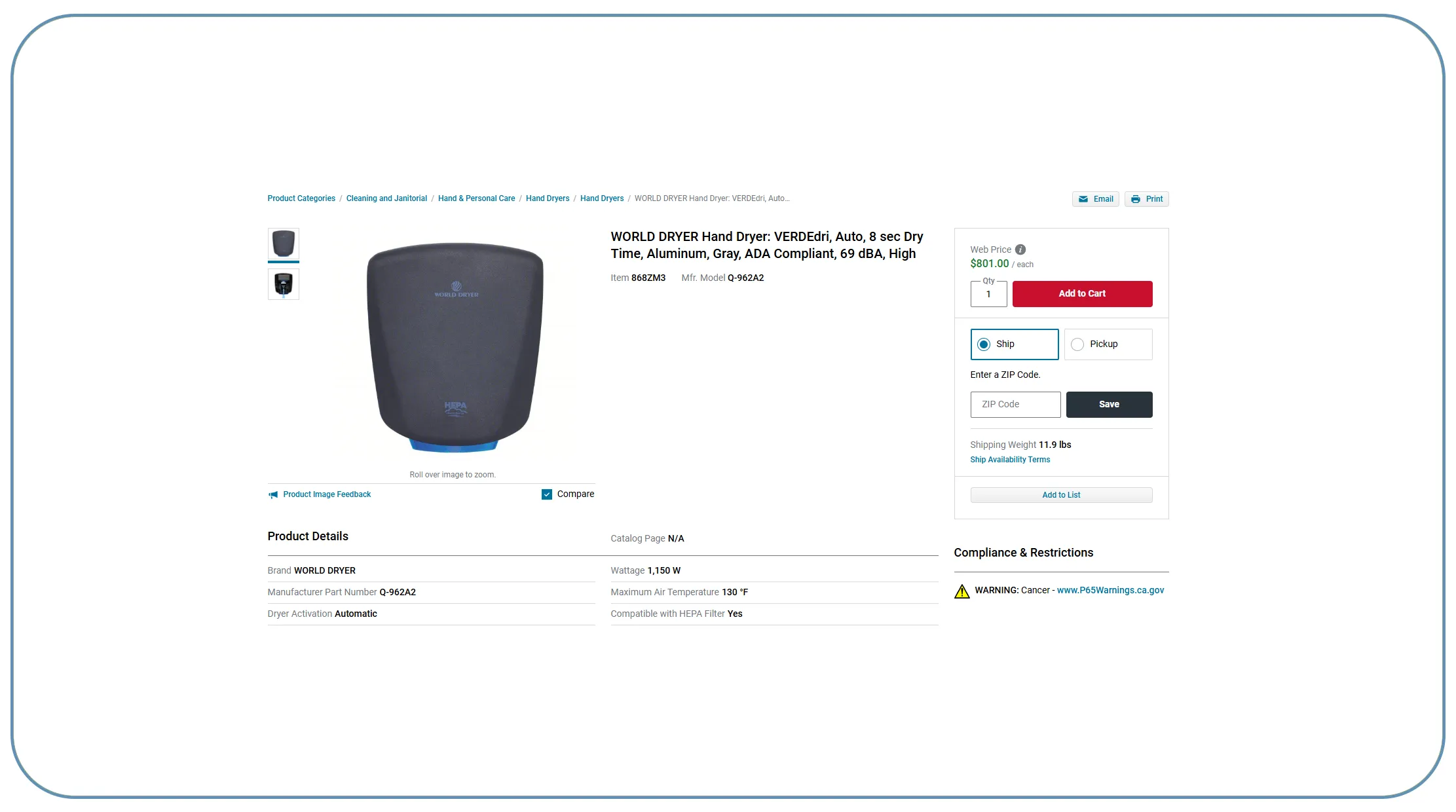
Technical specifications and pricing are among the most valuable data points in industrial commerce. Buyers evaluate compatibility, dimensions, certifications, materials, and prices before selecting suppliers. Monitoring these details enables businesses to benchmark competitors and improve pricing strategies.
Using Scrape Grainger Product Specifications And Pricing Data, organizations can automatically collect detailed product attributes together with pricing information across thousands of industrial SKUs.
Industry Insight: Procurement and pricing teams increasingly depend on structured specification and pricing data to compare suppliers, negotiate contracts, and optimize sourcing strategies across industrial product categories.
Product Specification & Pricing Growth (2020–2026)
| Year | Products with Complete Specifications | Average Daily Price Updates |
|---|---|---|
| 2020 | 1.3 Million | 3,800 |
| 2021 | 1.6 Million | 5,100 |
| 2022 | 1.9 Million | 6,700 |
| 2023 | 2.2 Million | 8,400 |
| 2024 | 2.5 Million | 10,300 |
| 2025* | 2.8 Million | 12,600 |
| 2026* | 3.1 Million | 15,000 |
*Projected
Why monitor specifications and pricing?
Businesses can:
- Compare technical features.
- Benchmark supplier pricing.
- Evaluate competing products.
- Monitor certification updates.
- Improve procurement planning.
- Strengthen pricing strategies.
How does specification intelligence support growth?
Organizations can:
- Standardize product comparisons.
- Improve sourcing efficiency.
- Reduce procurement risks.
- Support pricing optimization.
- Enhance supplier evaluation.
- Improve customer recommendations.
For example, when comparing industrial pumps from multiple manufacturers, procurement teams can evaluate flow capacity, material composition, certifications, warranty information, and pricing simultaneously. This enables faster purchasing decisions while ensuring product quality and cost-effectiveness. Combining specification intelligence with pricing analytics creates a comprehensive foundation for strategic procurement and competitive market analysis.
How Can Industrial Product Listings Strengthen Market Intelligence?
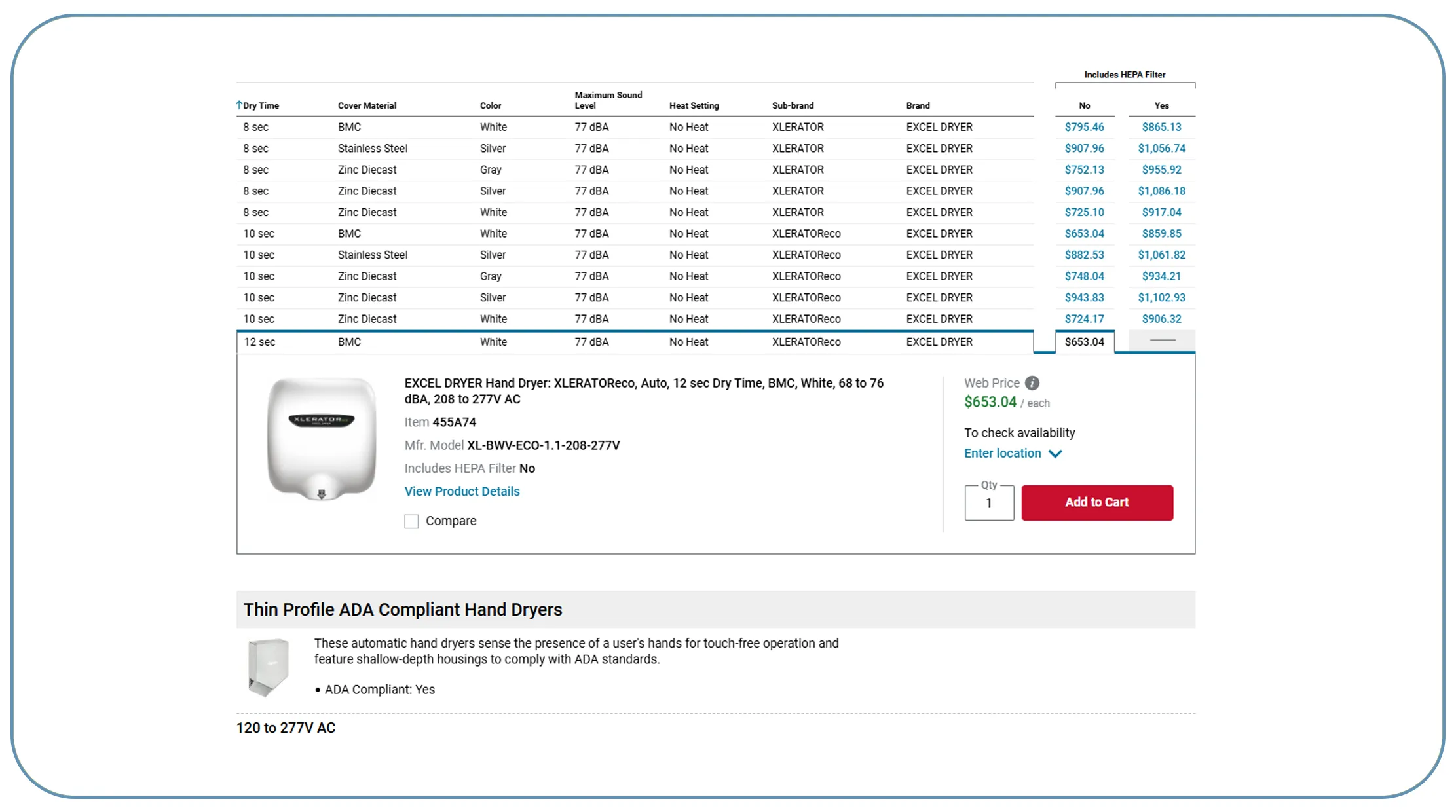
Industrial product listings contain valuable information that helps manufacturers, distributors, procurement teams, and market researchers understand market trends. By analyzing product availability, pricing, specifications, and category expansion, businesses can improve sourcing decisions, benchmark competitors, and identify new growth opportunities.
Using Extract Industrial Product Listings and Prices from Grainger, organizations can build structured datasets covering industrial equipment, safety supplies, electrical components, HVAC products, plumbing materials, hand tools, power tools, fasteners, and maintenance products. These datasets support strategic planning and improve operational efficiency.
Industry Insight: Industrial market analysts estimate that organizations using centralized product intelligence reduce manual product research while improving pricing transparency and procurement planning across multiple supplier networks.
Industrial Listing Growth (2020–2026)
| Year | Estimated Product Listings | Average Daily Listing Updates |
|---|---|---|
| 2020 | 1.5 Million | 4,200 |
| 2021 | 1.8 Million | 5,700 |
| 2022 | 2.1 Million | 7,300 |
| 2023 | 2.4 Million | 9,100 |
| 2024 | 2.7 Million | 11,000 |
| 2025* | 3.0 Million | 13,400 |
| 2026* | 3.3 Million | 16,000 |
*Projected
Why monitor industrial product listings?
Comprehensive listing intelligence helps businesses:
- Compare supplier catalogs.
- Track product launches.
- Monitor discontinued products.
- Analyze pricing trends.
- Evaluate category growth.
- Improve sourcing decisions.
How do product listings improve business performance?
Organizations can:
- Build centralized product databases.
- Benchmark competing suppliers.
- Improve procurement planning.
- Optimize inventory management.
- Support demand forecasting.
- Strengthen competitive intelligence.
For example, if several suppliers introduce new energy-efficient industrial motors within a short period, manufacturers can evaluate pricing, technical specifications, and product positioning before updating their own offerings. Continuous monitoring of industrial listings also enables distributors to expand high-demand categories and respond quickly to evolving customer requirements.
Why Choose Real Data API?
Real Data API provides scalable industrial data extraction solutions that help manufacturers, distributors, procurement teams, and B2B marketplaces transform raw product information into actionable business intelligence. Our automated platform collects product listings, technical specifications, prices, inventory status, images, reviews, and catalog updates from leading industrial marketplaces.
Leveraging Industrial product intelligence using Grainger data scraping, we deliver structured, high-quality datasets that integrate seamlessly with procurement systems, ERP platforms, analytics tools, and business intelligence dashboards.
Our core capabilities include:
- Industrial product catalog extraction
- Product specification monitoring
- Price and inventory tracking
- Product image collection
- Review and rating extraction
- Historical pricing intelligence
- Product category analytics
- API-ready structured datasets
- Enterprise data integration
- Customized reporting solutions
Why businesses choose Real Data API
- High-frequency automated data collection.
- Accurate and scalable industrial datasets.
- Enterprise-ready API delivery.
- Flexible output formats for analytics.
- AI-assisted data validation and quality assurance.
- Dedicated technical support and customized solutions.
Whether you need competitor benchmarking, procurement intelligence, product catalog monitoring, or pricing analytics, Real Data API helps your organization make faster, smarter, and more data-driven decisions.
Conclusion
Industrial markets are becoming increasingly digital, making real-time product intelligence essential for manufacturers and distributors. Continuous monitoring of product listings, specifications, pricing, images, inventory, and catalog updates helps businesses improve procurement, strengthen competitive positioning, optimize pricing, and enhance customer experiences. Organizations that invest in automated industrial data collection gain better visibility into market changes and can respond more quickly to evolving customer and supplier demands.
Ready to unlock real-time industrial product intelligence? Contact Real Data API today to build a customized Grainger data extraction solution that delivers accurate product listings, pricing insights, catalog updates, and competitive market intelligence to support smarter business decisions!
Latest posts
Why Brand Scrape Product Data From Shopee To Monitor Prices, Inventory, And Competitor Performance?

Why Businesses scrape OTA travel data to Track Hotel Rates, Flight Prices, and Travel Trends?
Why Manufacturers And Distributors Scrape Product Data From Grainger To Track Catalog Updates, Pricing, And Inventory?

How Can Real-Time Data Collection From Booking and Expedia Transform Travel Market Intelligence?
How to Scrape Customer Review Data for Product Development to Improve Product Accuracy by 48%?

Real Data API stands out as one of the premier global companies specializing in web data Scraping and web extraction.





.png)


Rating 4.7
Rating 4.7
Rating 4.5
Rating 4.7
Rating 4.7


Disclaimer : RealData API functions solely as an independent data infrastructure and technology solutions provider. We build customized automation workflows designed to collect publicly accessible web data based exclusively on client instructions. RealData API neither owns proprietary datasets nor engages in the sale or redistribution of extracted information. Our operations are limited strictly to lawful public web data processing and never involve unauthorized access to restricted systems or private networks. Any company names, trademarks, logos, or brand references displayed on this website are used purely for demonstrative and illustrative purposes to showcase our technical capabilities and do not imply endorsement, partnership, or affiliation. Use of our platform and services remains subject to our Terms of Service.