
Introduction
The travel industry changes rapidly as hotel rates, room availability, promotions, and customer demand fluctuate throughout the day. Businesses that depend on outdated travel information often struggle to adjust pricing strategies, monitor competitors, and identify emerging opportunities across global destinations. Access to continuously updated travel data enables agencies, hospitality brands, travel aggregators, and market analysts to make informed decisions backed by reliable insights instead of assumptions.
Modern travel intelligence increasingly depends on Real-Time Data Collection From Booking and Expedia to capture dynamic pricing, occupancy trends, promotional offers, and destination-level performance. According to industry reports, more than 70% of travelers compare multiple booking platforms before making reservations, while hotel prices may change several times within a single day depending on demand and inventory.
This constant movement makes automated data collection an essential part of competitive travel analytics. Businesses can also extend their research through Expedia Vacation Package Scraping, allowing them to evaluate bundled travel offers, flight combinations, and accommodation packages across different markets. Reliable data collection ultimately creates a stronger foundation for operational planning, customer engagement, and long-term business growth.
Tracking Dynamic Hotel Pricing Across Evolving Global Travel Markets
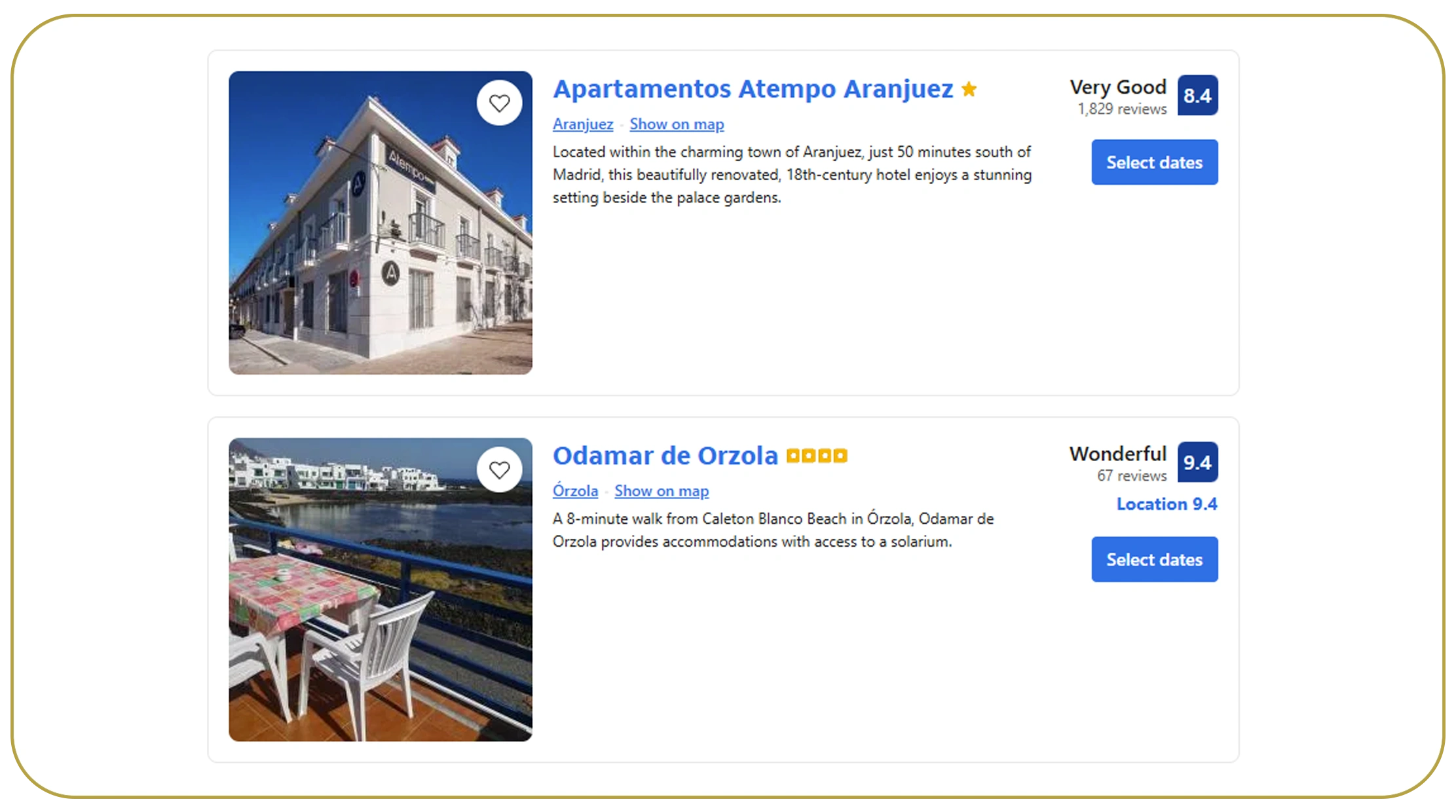
Accurate hotel pricing intelligence has become essential for travel agencies, hospitality brands, tourism researchers, and booking aggregators that operate in highly competitive environments. Businesses relying on manual monitoring frequently miss these updates, leading to delayed decisions and weaker pricing strategies. Organizations increasingly depend on booking.com Hotel Data Scraping to Monitor Prices and Availability to automate the collection of hotel information while maintaining consistency across thousands of listings.
Businesses conducting booking.com and Expedia Hotel Data Scraping can compare hotel listings, promotional campaigns, customer ratings, amenities, and occupancy patterns from multiple sources. Combining these datasets creates a broader understanding of regional competition and allows decision-makers to identify pricing gaps, high-demand destinations, and emerging travel opportunities without depending on fragmented information.
Organizations that automate hotel pricing analysis commonly experience measurable operational improvements. Industry research indicates hotel room rates can fluctuate between 20% and 40% during holidays, festivals, and peak tourism seasons, while automated monitoring significantly reduces manual research efforts. Consistent access to updated pricing information supports better forecasting, promotional planning, and revenue optimization across domestic and international travel markets.
Key Highlights:
- Monitor hotel pricing changes throughout the day.
- Track room availability across multiple destinations.
- Analyze promotional campaigns automatically.
- Improve pricing decisions using structured datasets.
The combination of structured hotel data and continuous monitoring provides long-term strategic advantages by improving reporting accuracy and strengthening competitive positioning.
| Challenge | Business Impact | Recommended Solution |
|---|---|---|
| Rapid rate fluctuations | Delayed pricing updates | Automated hotel monitoring |
| Inventory changes | Missed booking opportunities | Continuous availability tracking |
| Seasonal demand shifts | Inaccurate forecasting | Historical trend evaluation |
| Promotional campaigns | Limited visibility | Automated pricing intelligence |
Strengthening Competitive Insights Through Automated Market Intelligence Collection
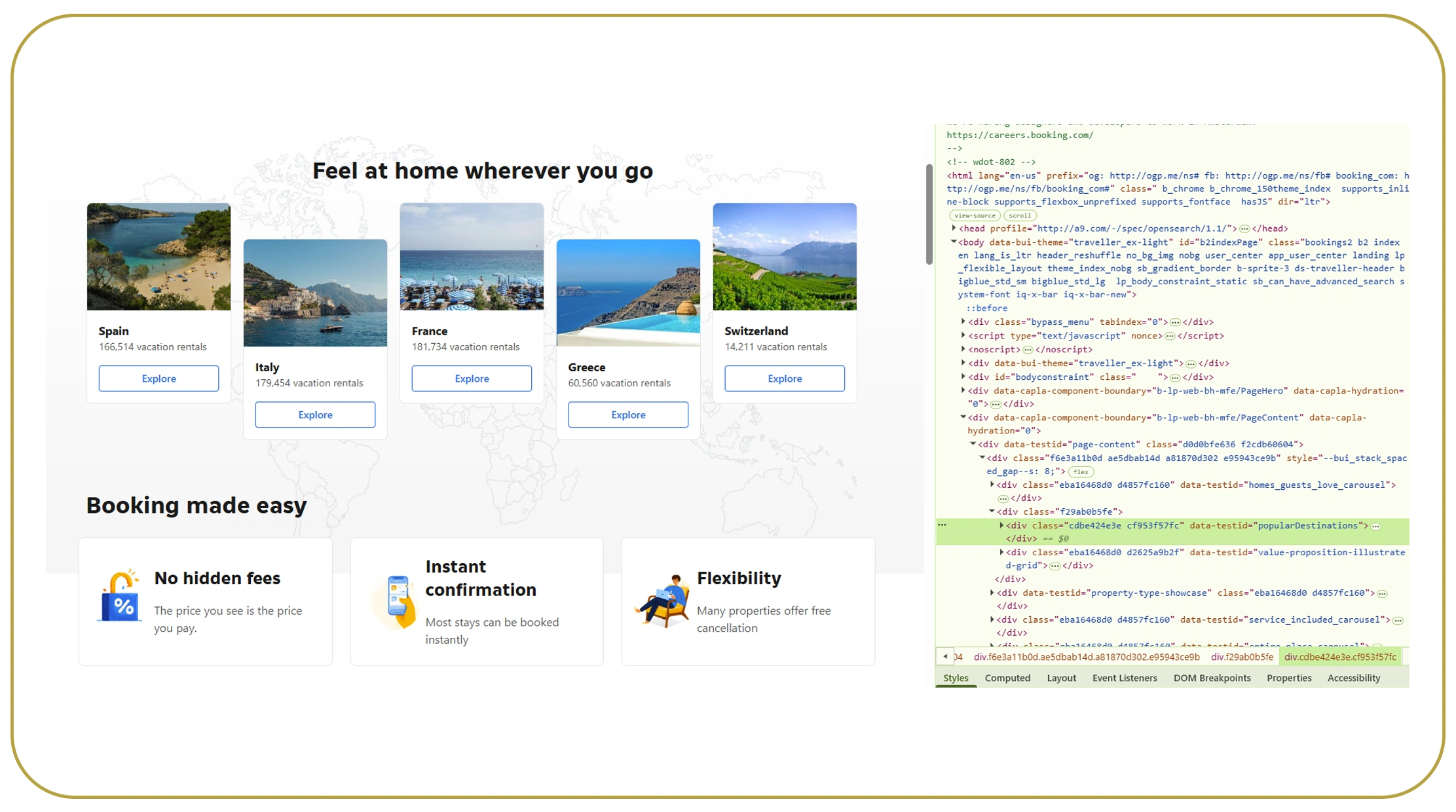
Successful travel businesses require reliable competitive intelligence to understand changing market conditions and respond quickly to pricing movements. Rather than relying on periodic manual research, companies increasingly integrate a Booking Data Scraping API to collect standardized travel information efficiently across large geographical regions and thousands of hotel properties.
Effective benchmarking depends on comparing information across major booking platforms instead of evaluating isolated datasets. Businesses performing booking.com vs Expedia Price Comparison can assess pricing differences, promotional strategies, cancellation policies, property rankings, and seasonal discounts to identify competitive advantages.
Industry studies suggest automated market intelligence solutions can reduce monitoring workloads by more than 60%, enabling analysts to dedicate additional time to forecasting, customer segmentation, and strategic planning. Continuous data collection also improves reporting consistency by minimizing manual errors and ensuring travel datasets remain current even during periods of rapid market fluctuations.
Key Benefits:
- Centralize competitive hotel information.
- Improve analytical reporting accuracy.
- Reduce manual monitoring efforts.
- Support faster strategic decision-making.
Organizations adopting scalable travel intelligence frameworks improve collaboration across pricing, marketing, revenue management, and business development teams while creating a stronger foundation for long-term operational planning.
| Intelligence Area | Operational Value | Business Outcome |
|---|---|---|
| Hotel pricing | Automated comparisons | Better pricing decisions |
| Property listings | Standardized information | Improved benchmarking |
| Customer reviews | Sentiment analysis | Enhanced service planning |
| Market activity | Continuous reporting | Faster operational response |
Transforming Strategic Planning With Reliable Travel Intelligence Resources
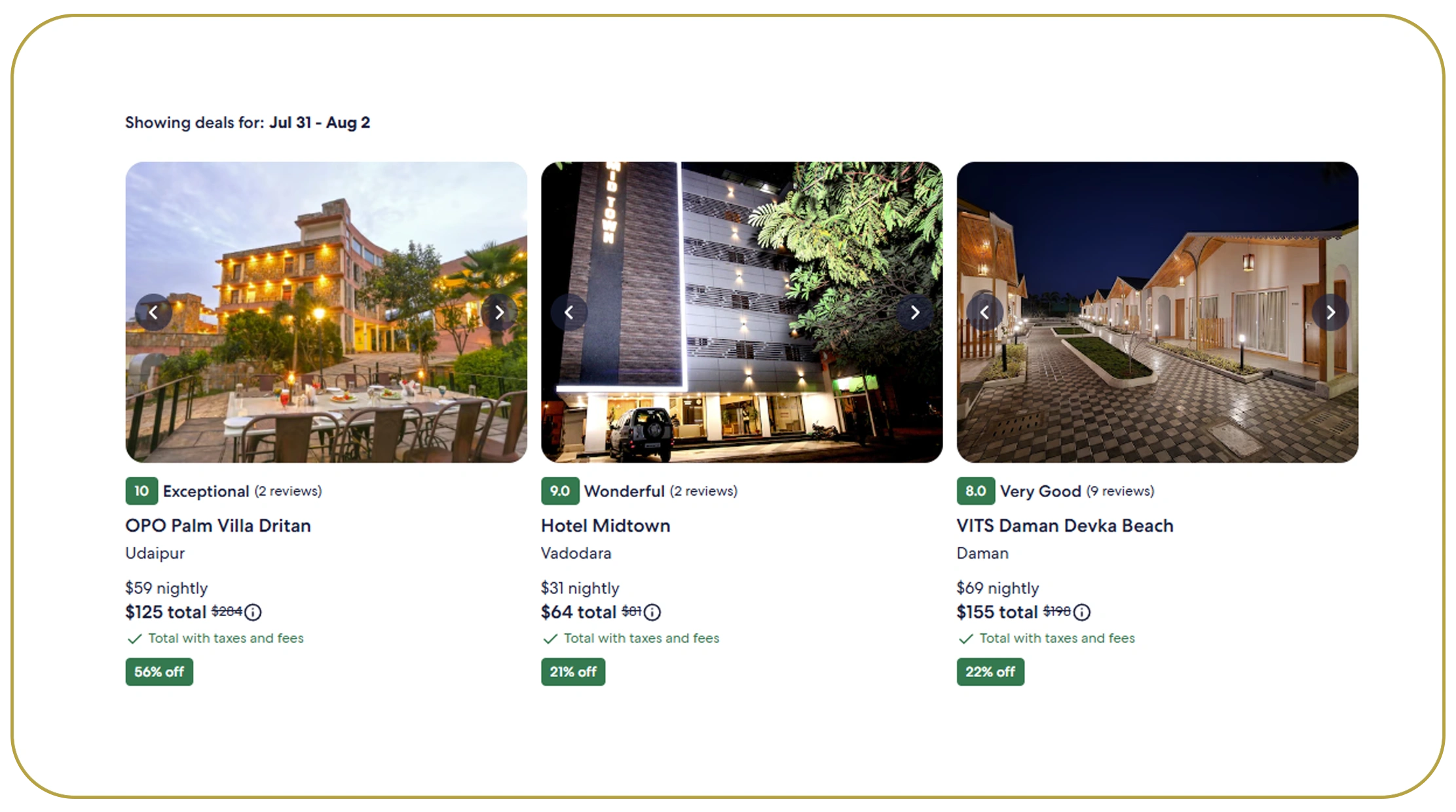
Modern travel analytics require dependable datasets that support pricing strategies, destination research, investment planning, and long-term forecasting. Integrating an Expedia Travel Dataset into analytical workflows enables organizations to organize large volumes of travel information for reporting, predictive modeling, and operational decision-making while maintaining data consistency across multiple business functions.
Comprehensive market visibility becomes more valuable when businesses incorporate Travel Market Data Intelligence From booking.com and Expedia into their analytical strategies. Combining information from multiple travel platforms provides broader visibility into pricing movements, property performance, seasonal demand, traveler preferences, and destination competitiveness.
Recent industry research indicates that organizations implementing data-driven pricing strategies can improve revenue performance by approximately 10–15% through continuous market monitoring and historical trend evaluation. Standardized travel datasets also simplify dashboard creation, executive reporting, and predictive analytics while supporting faster responses to changing market conditions.
Strategic Advantages:
- Build accurate forecasting models.
- Standardize enterprise travel datasets.
- Improve regional market analysis.
- Strengthen long-term business planning.
Organizations further strengthen competitive positioning through booking.com and Expedia Competitor Price Monitoring, allowing analysts to identify pricing opportunities, benchmark market performance, and evaluate promotional activities with greater confidence.
| Dataset Category | Analytical Purpose | Business Advantage |
|---|---|---|
| Hotel inventory | Demand monitoring | Better planning |
| Historical pricing | Trend forecasting | Revenue optimization |
| Property attributes | Market segmentation | Competitive analysis |
| Destination insights | Regional evaluation | Strategic investments |
How Real Data API Can Help You?
Travel businesses require scalable solutions that provide accurate, continuously updated information across major booking platforms. By integrating Real-Time Data Collection From Booking and Expedia into daily business operations, organizations can automate travel intelligence, reduce manual monitoring, and improve strategic decision-making through reliable datasets that support pricing, forecasting, and competitive analysis.
Our solutions help organizations by providing:
- Continuous monitoring of hotel rates across multiple destinations.
- Automated collection of property availability and inventory updates.
- Standardized datasets ready for analytics and business intelligence tools.
- Historical records for trend analysis and forecasting.
- Flexible integration with internal dashboards and reporting systems.
- Scalable infrastructure designed for high-volume travel data extraction.
Businesses also strengthen long-term analytics through Travel Market Data Intelligence From booking.com and Expedia, enabling better market visibility, stronger forecasting accuracy, and more informed operational planning across global travel ecosystems.
Conclusion
Travel businesses increasingly depend on reliable market intelligence to respond quickly to pricing fluctuations, changing traveler preferences, and evolving competitive landscapes. By adopting Real-Time Data Collection From Booking and Expedia, organizations can improve forecasting accuracy, automate pricing analysis, and make faster decisions supported by continuously updated travel insights.
Comprehensive analytics become even more valuable when combined with booking.com and Expedia Competitor Price Monitoring, helping businesses benchmark pricing strategies and identify market opportunities with greater confidence. Contact Real Data API today to build a scalable travel data solution tailored to your business objectives and transform your travel intelligence strategy.
Latest posts
How Foodpanda Food Dataset Helps Businesses Track Restaurants, Menus, Prices, Ratings, and Food Delivery Trends?
How IKEA E-commerce Dataset Helps Businesses Solve Product, Pricing, Category, and Retail Trend Challenges?
How Target e-commerce dataset Helps Brands Track Products, Prices, Availability, and Retail Market Trends for Smarter Insights?
How Dior fashion dataset Helps Brands Track Luxury Products, Prices, Collections, and Fashion Trends for Smarter Insights?






.png)