
Introduction
The online travel industry has become one of the most data-driven sectors in the global economy, with millions of travelers comparing hotel prices, flight fares, vacation rentals, and travel packages across multiple online travel agencies (OTAs) every day. As pricing changes frequently based on demand, seasonality, competitor activity, and availability, businesses require continuous access to reliable travel intelligence to remain competitive. This is why organizations increasingly scrape OTA travel data to monitor pricing fluctuations, analyze customer preferences, and identify emerging travel trends in real time. Modern travel brands, hospitality chains, travel startups, airlines, and market intelligence firms also rely on Scrape OTA Pricing Data For Travel Aggregators to build dynamic pricing strategies, optimize inventory, enhance customer experiences, and improve revenue management. With automated web scraping solutions, companies gain structured datasets that support strategic planning, competitor benchmarking, and demand forecasting while minimizing manual data collection efforts. As digital bookings continue to dominate global tourism, leveraging accurate OTA data has become essential for making informed business decisions and responding quickly to changing market conditions.
Understanding Dynamic Hotel Pricing Across Global OTAs
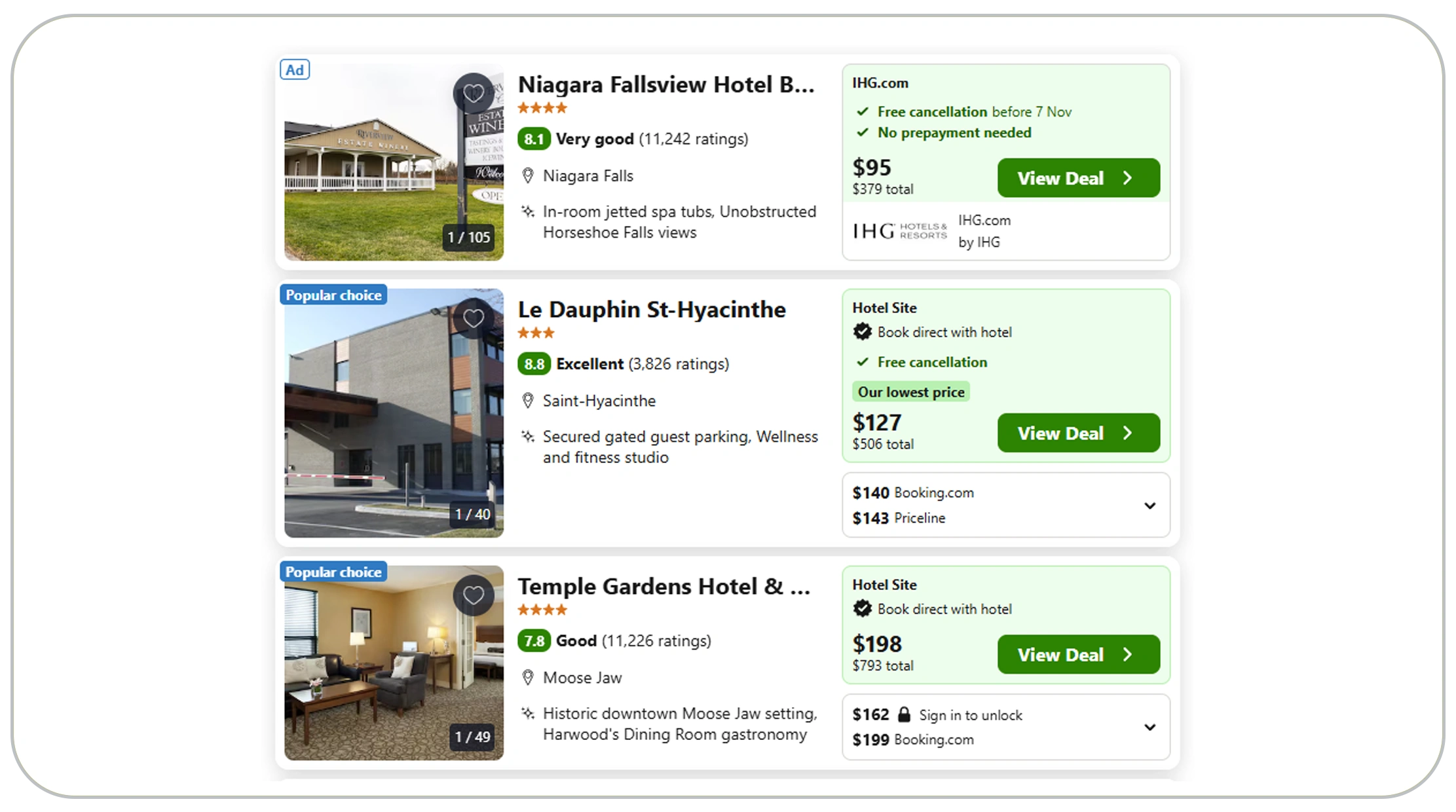
Hotel pricing has evolved significantly over the past decade. Instead of fixed room rates, hotels now implement dynamic pricing models that change multiple times daily based on occupancy, local events, competitor pricing, booking windows, customer demand, and seasonal travel patterns. Businesses monitoring these fluctuations gain valuable insights into market behavior, enabling them to improve pricing strategies and maximize revenue.
According to industry estimates, over 75% of major hotel chains now use AI-driven revenue management systems that continuously optimize room prices. OTAs such as Booking platforms, Expedia, Agoda, and Hotels.com reflect these pricing changes almost instantly, creating an enormous volume of pricing data for businesses to analyze. By implementing OTA hotel pricing data scraping, travel companies can collect thousands of hotel listings, room categories, discounts, taxes, cancellation policies, and promotional offers in real time.
The collected information helps organizations compare pricing across destinations, monitor competitors, identify discount trends, and optimize pricing strategies for various customer segments. Revenue managers can quickly identify underpriced or overpriced inventory and respond with competitive pricing adjustments before losing potential bookings.
OTA Hotel Pricing Trends (2020–2026)
| Year | Average Daily Rate Growth | Dynamic Pricing Adoption | OTA Booking Share |
|---|---|---|---|
| 2020 | -18% | 48% | 61% |
| 2021 | 10% | 55% | 64% |
| 2022 | 17% | 63% | 67% |
| 2023 | 11% | 71% | 69% |
| 2024 | 9% | 77% | 71% |
| 2025* | 8% | 82% | 73% |
| 2026* | 8% | 86% | 75% |
Projected industry estimates.
Key business advantages include:
- Continuous monitoring of hotel pricing changes
- Competitive benchmarking across multiple OTAs
- Identification of promotional pricing trends
- Revenue optimization through market intelligence
- Better forecasting for seasonal travel demand
- Faster pricing decisions supported by real-time datasets
As travel competition intensifies globally, automated hotel pricing intelligence enables organizations to make data-backed decisions while maintaining profitability across changing market conditions.
Unlocking Competitive Intelligence Through Flight Fare Monitoring
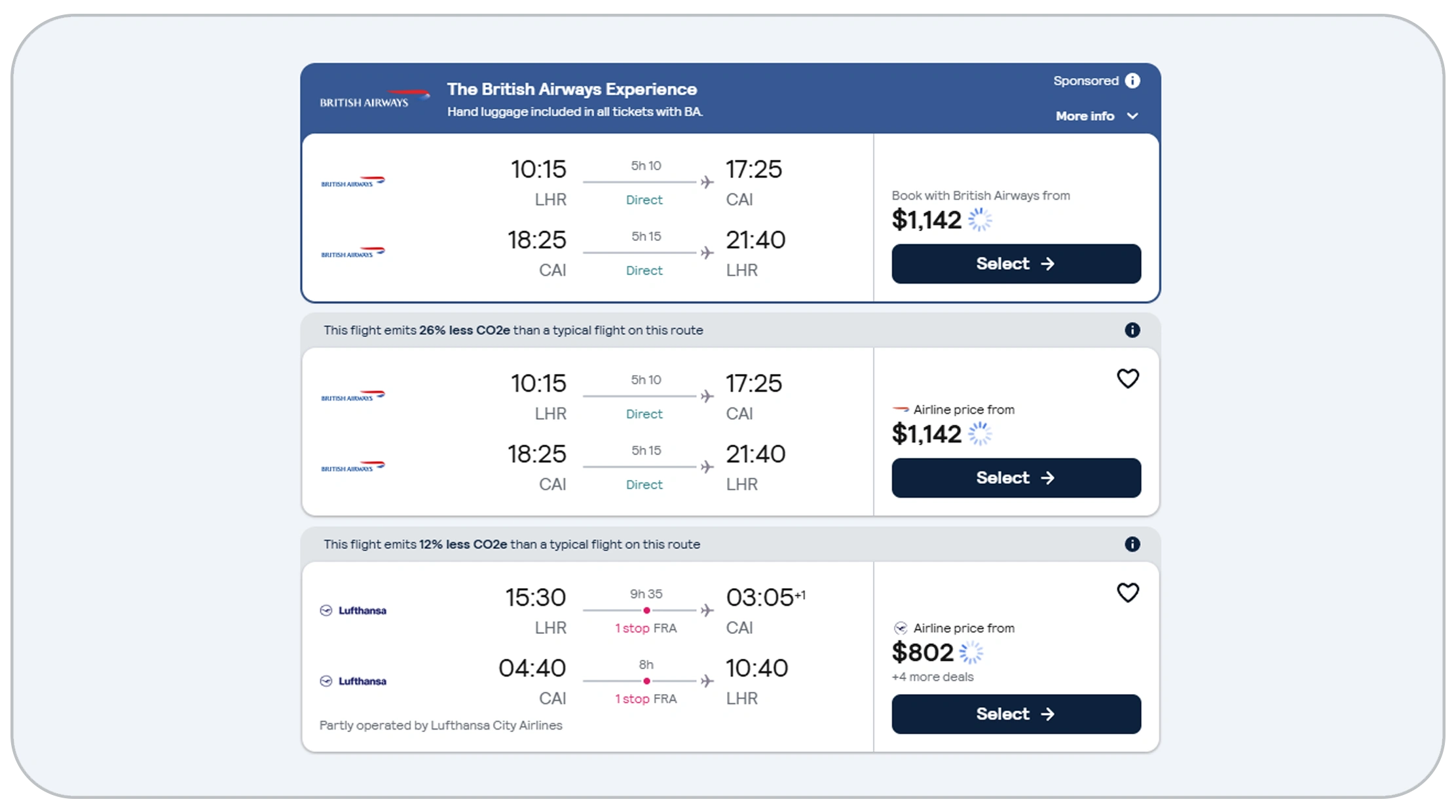
Airline ticket pricing changes far more frequently than hotel pricing. Flight fares fluctuate based on seat availability, fuel prices, demand, booking timing, airline competition, holidays, and route popularity. Some international routes experience dozens of price changes within a single day, making manual monitoring virtually impossible. Businesses therefore invest in automated systems that perform OTA flight fare data extraction to capture accurate and timely airfare information across leading travel marketplaces.
Real-time airfare intelligence supports airlines, OTAs, travel agencies, corporate travel managers, and market research firms by providing visibility into fare movements across different carriers and booking channels. Companies can evaluate pricing differences between direct airline websites and third-party OTAs while identifying the most competitive fare structures.
Beyond pricing, extracted datasets often include baggage policies, seat availability, flight duration, layover information, refund conditions, cabin classes, and promotional discounts. These insights help organizations improve customer offerings, optimize pricing algorithms, and strengthen revenue management strategies.
Flight Fare Intelligence Trends (2020–2026)
| Year | Average Daily Fare Updates | Digital Flight Bookings | AI Pricing Adoption |
|---|---|---|---|
| 2020 | 12 | 52% | 34% |
| 2021 | 18 | 59% | 41% |
| 2022 | 24 | 65% | 50% |
| 2023 | 31 | 71% | 60% |
| 2024 | 38 | 76% | 69% |
| 2025* | 44 | 80% | 76% |
| 2026* | 50 | 84% | 82% |
Projected industry estimates.
Organizations using automated airfare intelligence benefit by:
- Tracking competitor fare adjustments in real time
- Identifying profitable pricing opportunities
- Monitoring route-specific demand patterns
- Comparing airline promotions across OTAs
- Improving customer price transparency
- Supporting dynamic pricing and travel recommendation engines
As the travel industry becomes increasingly competitive, comprehensive flight fare intelligence enables businesses to react quickly to market changes, improve pricing accuracy, and deliver greater value to travelers while maximizing operational efficiency.
Expanding Market Coverage with Vacation Rental Intelligence
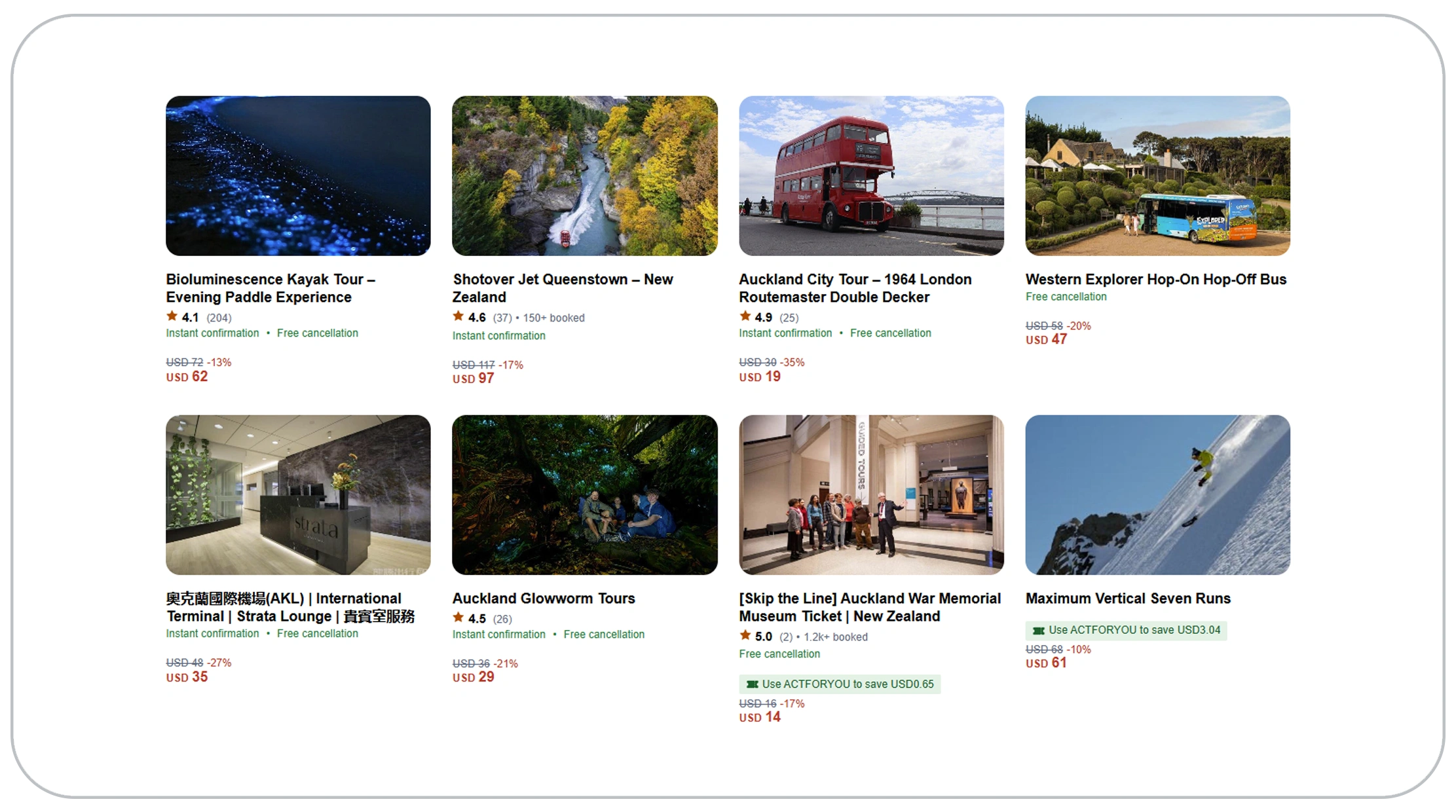
The rapid growth of vacation rentals has transformed the travel industry, giving travelers more accommodation choices beyond traditional hotels. Platforms offering apartments, villas, cottages, serviced homes, and luxury rentals now compete directly with hotels in many destinations. For travel businesses, understanding pricing, occupancy, amenities, host performance, and customer preferences across these listings is essential for building competitive offerings. Automated OTA vacation rental data collection enables organizations to gather structured information from multiple travel platforms without relying on manual research.
Vacation rental datasets typically include nightly rates, cleaning fees, availability calendars, property types, occupancy limits, amenities, cancellation policies, host ratings, and booking restrictions. By analyzing this information, businesses can compare rental pricing across regions, identify high-demand destinations, monitor seasonal occupancy, and optimize their own inventory management strategies.
The collected intelligence also supports tourism boards, investment firms, hospitality consultants, and travel startups looking to evaluate market opportunities. Understanding which destinations experience rising demand allows businesses to allocate marketing budgets more effectively and improve customer targeting. Property management companies can benchmark their listings against competitors while identifying opportunities to improve pricing and occupancy.
Vacation Rental Market Trends (2020–2026)
| Year | Global Vacation Rental Bookings | Average Occupancy | Mobile Booking Share |
|---|---|---|---|
| 2020 | 42% | 48% | 51% |
| 2021 | 55% | 56% | 58% |
| 2022 | 66% | 63% | 64% |
| 2023 | 74% | 69% | 70% |
| 2024 | 81% | 73% | 76% |
| 2025* | 86% | 76% | 80% |
| 2026* | 90% | 79% | 84% |
Projected industry estimates.
Businesses gain several competitive advantages through vacation rental intelligence:
- Monitor rental price fluctuations across destinations.
- Compare amenities and property features with competitors.
- Analyze seasonal occupancy and booking behavior.
- Identify emerging tourism hotspots.
- Improve investment and expansion decisions.
- Enhance pricing strategies using real-time market insights.
As travelers increasingly seek flexible accommodation options, vacation rental intelligence provides businesses with a broader understanding of changing consumer preferences and evolving tourism markets.
Transforming Customer Feedback into Business Intelligence
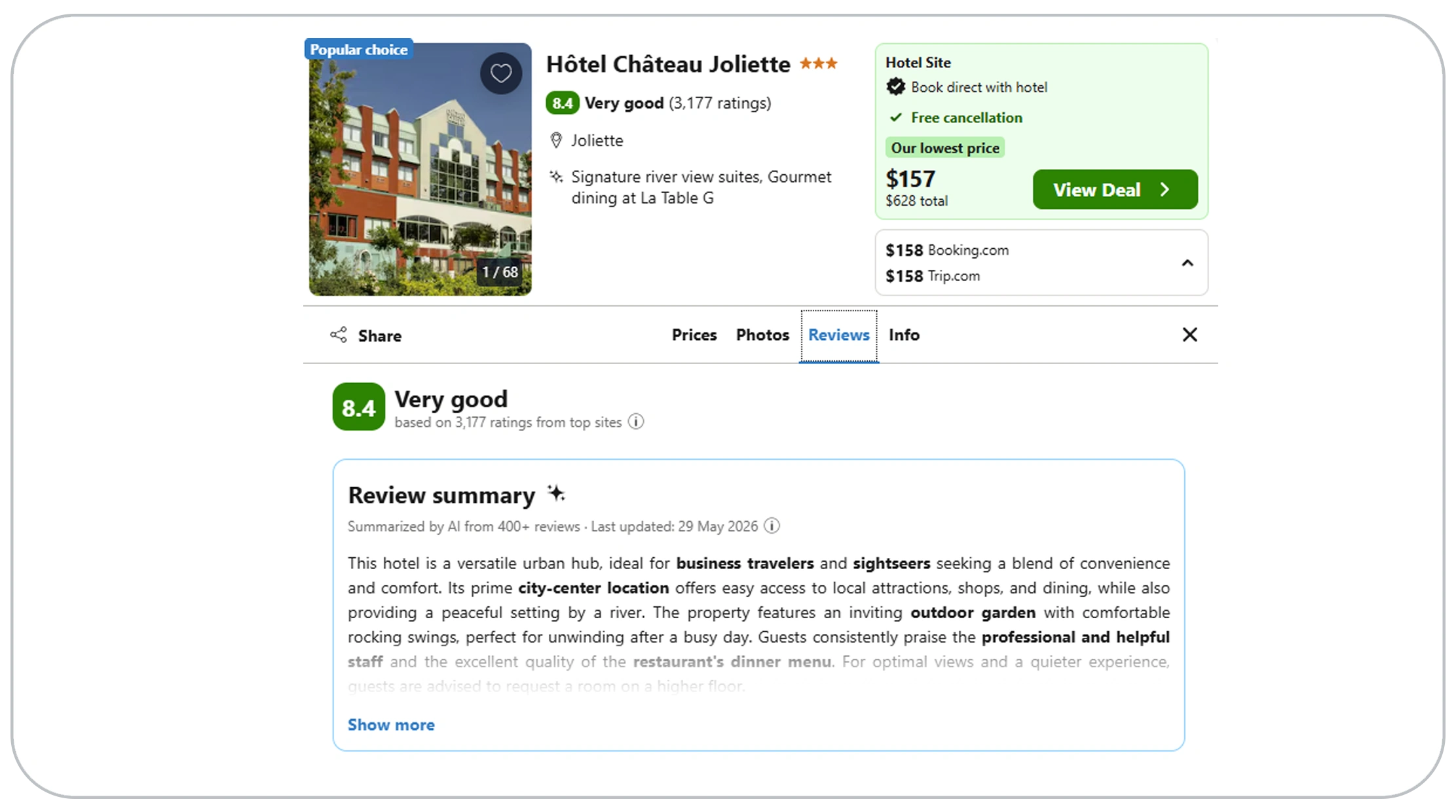
Customer reviews have become one of the strongest influences on travel booking decisions. Travelers no longer evaluate accommodations based solely on price—they also consider cleanliness, service quality, amenities, location, responsiveness, and overall guest satisfaction. This growing dependence on user-generated content has made review analytics a strategic asset for hospitality companies. By using an OTA hotel reviews data scraper, organizations can collect thousands of verified customer reviews, ratings, and feedback to better understand traveler expectations. Many businesses also scrape OTA travel data alongside review information to connect pricing trends with customer sentiment and booking behavior.
Review datasets provide insights into recurring complaints, frequently praised amenities, customer demographics, service consistency, and seasonal satisfaction trends. Hotels can quickly identify operational weaknesses, while travel agencies can recommend properties with consistently high ratings. Hospitality chains also use sentiment analysis powered by artificial intelligence to classify positive, neutral, and negative feedback, enabling faster improvements in guest experiences.
Beyond customer satisfaction, review intelligence supports reputation management, competitive benchmarking, and product development. Monitoring review patterns across different cities and travel categories allows businesses to understand how traveler expectations vary by destination and market segment.
Hotel Review Analytics Trends (2020–2026)
| Year | Average Reviews per Property | Travelers Reading Reviews | Businesses Using Sentiment Analysis |
|---|---|---|---|
| 2020 | 420 | 72% | 29% |
| 2021 | 510 | 76% | 36% |
| 2022 | 640 | 81% | 45% |
| 2023 | 780 | 85% | 55% |
| 2024 | 910 | 88% | 64% |
| 2025* | 1,040 | 91% | 72% |
| 2026* | 1,180 | 93% | 79% |
Projected industry estimates.
Key business benefits include:
- Monitor customer satisfaction across multiple OTAs.
- Identify recurring operational issues quickly.
- Compare competitor review performance.
- Improve hotel rankings through service enhancements.
- Analyze traveler sentiment using AI-powered models.
- Strengthen brand reputation with data-driven improvements.
Review intelligence complements pricing and availability data, enabling travel businesses to make balanced decisions that improve both profitability and customer experience.
Building a Unified View of the Digital Travel Ecosystem
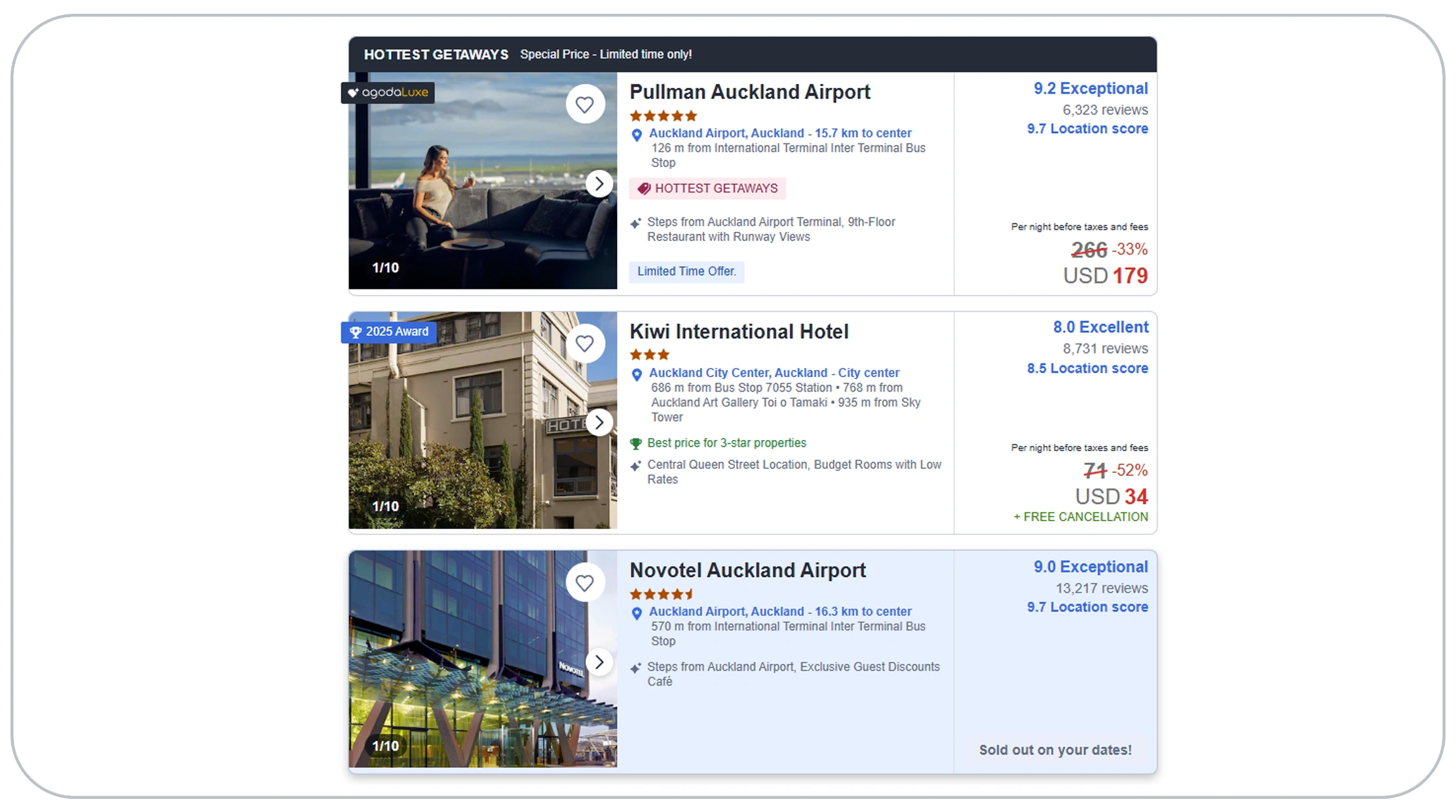
The modern travel marketplace generates enormous volumes of structured and unstructured data every minute. Travelers compare hotel prices, flight fares, vacation rentals, destination packages, reviews, discounts, loyalty programs, and cancellation policies before completing a booking. Businesses that can consolidate this information into a unified intelligence platform gain a significant competitive advantage. By leveraging Web Scraping OTA Travel Marketplace Data, organizations can collect comprehensive datasets from multiple online travel agencies and transform them into actionable market insights.
Instead of monitoring individual competitors manually, automated data extraction enables travel companies to analyze thousands of listings simultaneously. These datasets typically include hotel inventories, airline schedules, pricing updates, package deals, promotional campaigns, occupancy trends, room availability, and destination popularity. Such intelligence supports revenue management, competitor benchmarking, market expansion planning, and customer personalization initiatives.
As AI-powered analytics become more sophisticated, businesses are combining OTA marketplace data with internal booking information to improve recommendation engines and dynamic pricing models. This integrated approach helps organizations identify pricing gaps, forecast booking behavior, and deliver personalized travel experiences based on real-time market conditions.
OTA Marketplace Intelligence Trends (2020–2026)
| Year | Travel Bookings via OTAs | Businesses Using Marketplace Analytics | AI-Based Pricing Adoption |
|---|---|---|---|
| 2020 | 58% | 34% | 31% |
| 2021 | 63% | 41% | 39% |
| 2022 | 69% | 50% | 48% |
| 2023 | 74% | 60% | 58% |
| 2024 | 79% | 69% | 66% |
| 2025* | 83% | 76% | 74% |
| 2026* | 87% | 82% | 81% |
Projected industry estimates.
Key advantages include:
- Centralized monitoring of multiple OTA platforms.
- Real-time tracking of hotel, flight, and package pricing.
- Faster identification of competitor promotions.
- Enhanced personalization using integrated travel datasets.
- Better strategic planning through cross-market comparisons.
- Scalable intelligence for global travel operations.
A unified marketplace view empowers travel businesses to react faster to industry changes while delivering more competitive products and services.
Predicting Future Travel Patterns with Data Intelligence
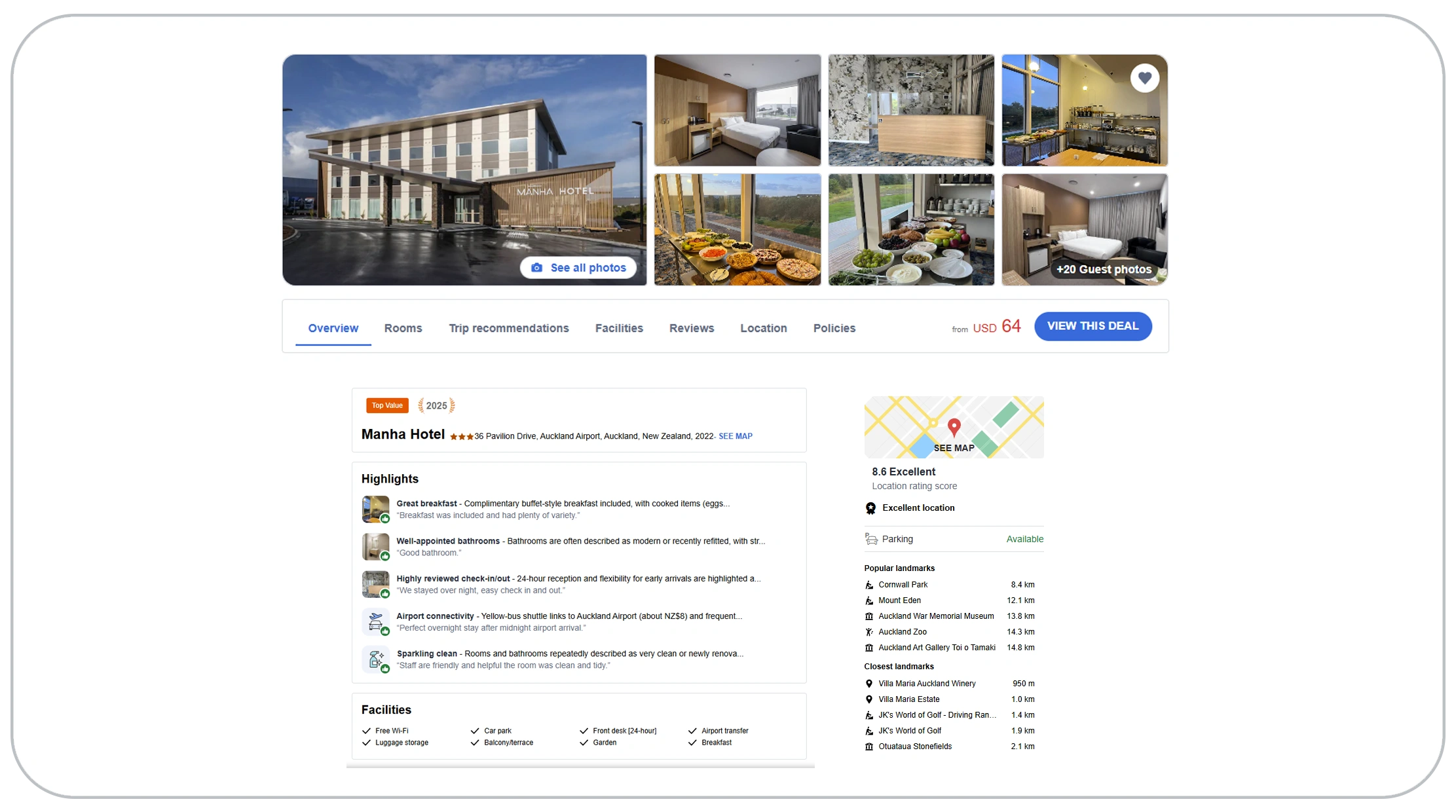
Forecasting travel demand has become one of the most valuable capabilities for airlines, hotel chains, travel agencies, tourism boards, and hospitality investors. Accurate forecasting enables businesses to optimize staffing, pricing, marketing campaigns, inventory allocation, and expansion strategies well before travel demand changes occur. Automated OTA Data Scraping For Travel Demand Forecasting provides organizations with historical and real-time datasets that strengthen predictive analytics models.
Travel demand forecasting combines multiple variables, including hotel occupancy, airfare fluctuations, seasonal events, customer reviews, destination popularity, search behavior, and booking trends. Machine learning algorithms analyze these datasets to predict future demand with greater accuracy than traditional forecasting methods.
Businesses can anticipate holiday travel surges, monitor destination recovery after disruptions, identify emerging tourist markets, and optimize promotional campaigns. Revenue managers also benefit by adjusting room prices and flight fares before competitors respond, increasing both occupancy and profitability.
Travel Demand Forecasting Trends (2020–2026)
| Year | Businesses Using Predictive Analytics | Forecast Accuracy | AI Adoption in Demand Planning |
|---|---|---|---|
| 2020 | 28% | 68% | 25% |
| 2021 | 36% | 72% | 33% |
| 2022 | 47% | 77% | 44% |
| 2023 | 58% | 82% | 55% |
| 2024 | 67% | 86% | 64% |
| 2025* | 75% | 89% | 72% |
| 2026* | 82% | 92% | 79% |
Projected industry estimates.
Benefits of demand forecasting include:
- Predict seasonal booking fluctuations.
- Optimize dynamic pricing strategies.
- Improve inventory planning.
- Allocate marketing budgets efficiently.
- Reduce operational risks through predictive insights.
- Increase revenue by anticipating customer demand.
As predictive analytics continues to evolve, travel businesses that leverage comprehensive OTA datasets will be better positioned to respond proactively to changing market conditions.
Why Choose Real Data API?
Real Data API provides enterprise-grade web scraping solutions that help travel companies convert massive volumes of OTA information into structured, real-time business intelligence. Our scalable infrastructure supports hotels, airlines, travel agencies, tourism boards, online booking platforms, and market research firms by delivering reliable datasets with high accuracy and minimal latency.
Using Travel Demand Forecasting Using OTA Data Extraction, organizations can build predictive models that identify booking trends, seasonal demand, pricing opportunities, and emerging travel destinations. Businesses also scrape OTA travel data through our automated APIs to monitor hotel rates, flight prices, vacation rentals, customer reviews, promotions, and competitor activities across multiple travel platforms.
Our solutions offer:
- Real-time data extraction with automated scheduling.
- Scalable APIs for high-volume travel datasets.
- Structured outputs in JSON, CSV, XML, and database-ready formats.
- AI-ready datasets for machine learning and forecasting.
- Advanced proxy management and anti-block handling.
- Customized scraping workflows for global OTA platforms.
- High data accuracy with continuous monitoring.
- Secure, compliant, and enterprise-ready infrastructure.
Whether your objective is revenue optimization, competitive benchmarking, pricing intelligence, or customer analytics, Real Data API delivers reliable travel data that powers smarter decisions and long-term business growth.
Conclusion
The travel industry continues to evolve rapidly, driven by dynamic pricing, changing customer preferences, digital bookings, and intense market competition. Organizations that leverage automated OTA data intelligence gain a significant advantage by monitoring hotel rates, flight fares, vacation rentals, customer reviews, and marketplace trends in real time. These insights enable businesses to improve pricing strategies, enhance customer experiences, forecast demand, and identify new revenue opportunities.
As AI, predictive analytics, and automation become increasingly important, businesses that invest in high-quality travel datasets will be better equipped to respond to changing market conditions and maintain a competitive edge. By implementing Track OTA Competitor Prices Using Web Scraping, organizations can make faster, data-driven decisions while improving operational efficiency and profitability. At the same time, they can scrape OTA travel data to unlock comprehensive market intelligence that supports sustainable growth across the global travel ecosystem.
Ready to transform travel intelligence into measurable business growth? Partner with Real Data API to access scalable OTA data extraction solutions that power smarter pricing, competitive monitoring, demand forecasting, and next-generation travel analytics!
Latest posts
Why Brand Scrape Product Data From Shopee To Monitor Prices, Inventory, And Competitor Performance?
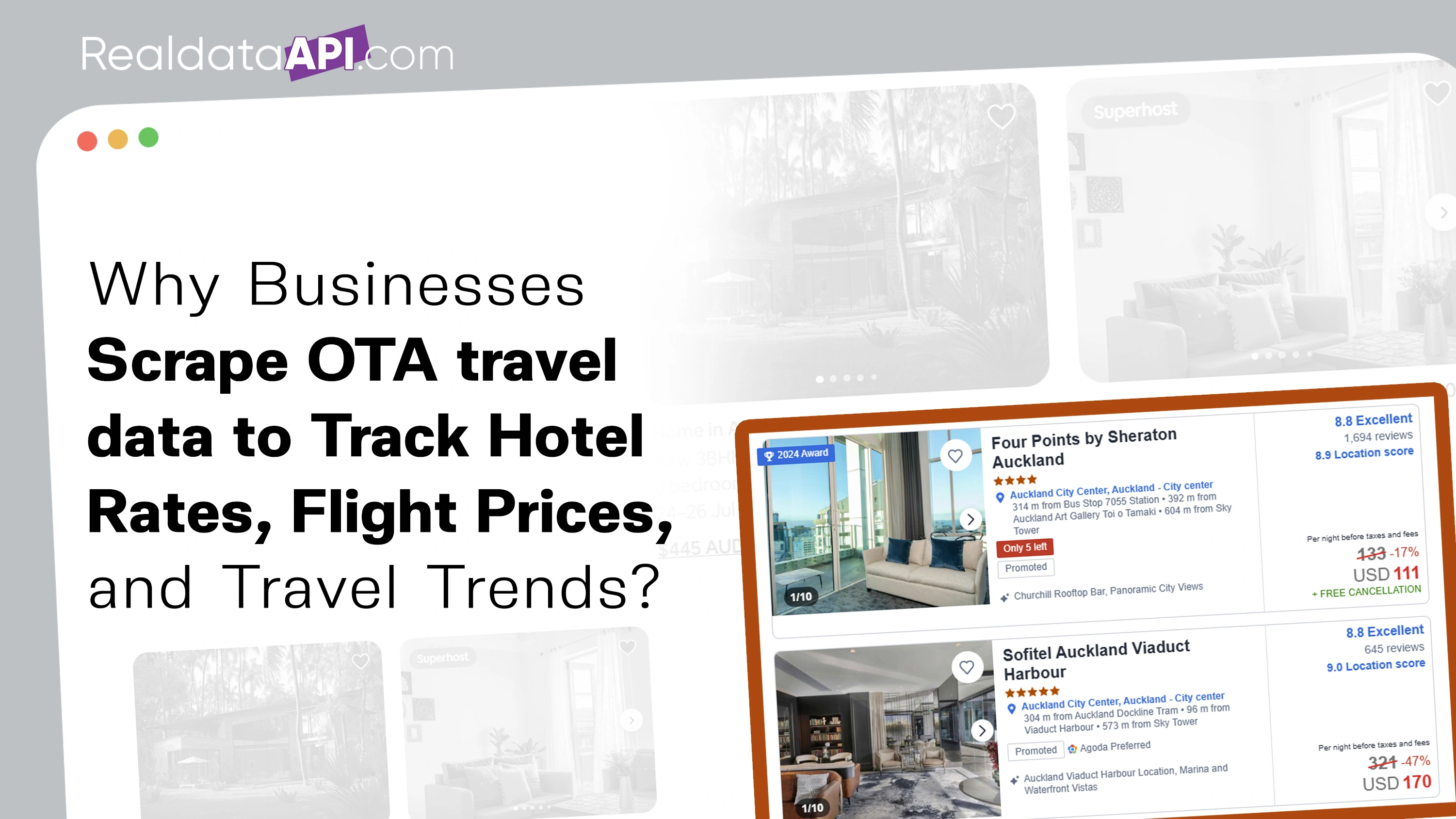
Why Businesses scrape OTA travel data to Track Hotel Rates, Flight Prices, and Travel Trends?
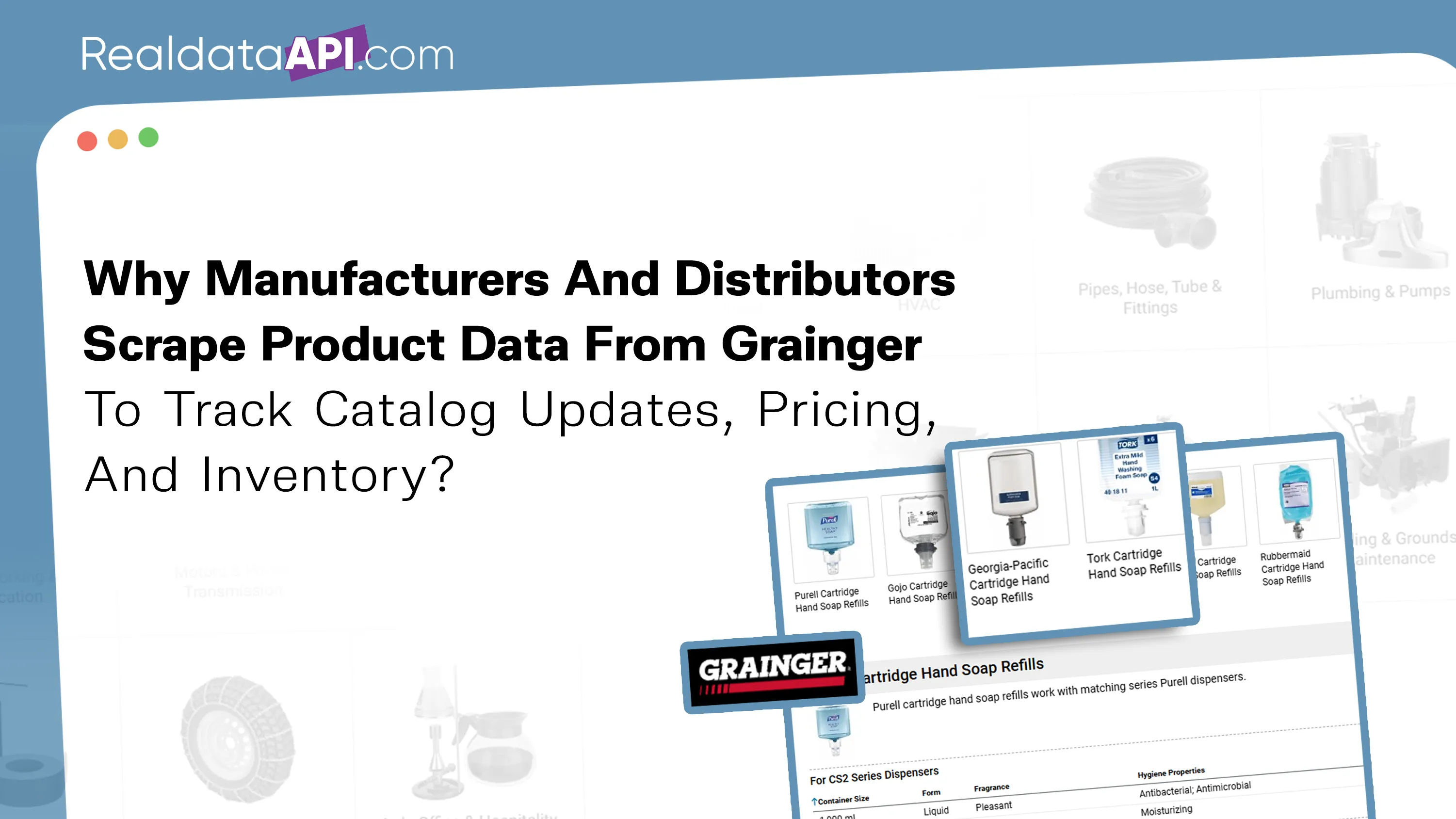
Why Manufacturers And Distributors Scrape Product Data From Grainger To Track Catalog Updates, Pricing, And Inventory?
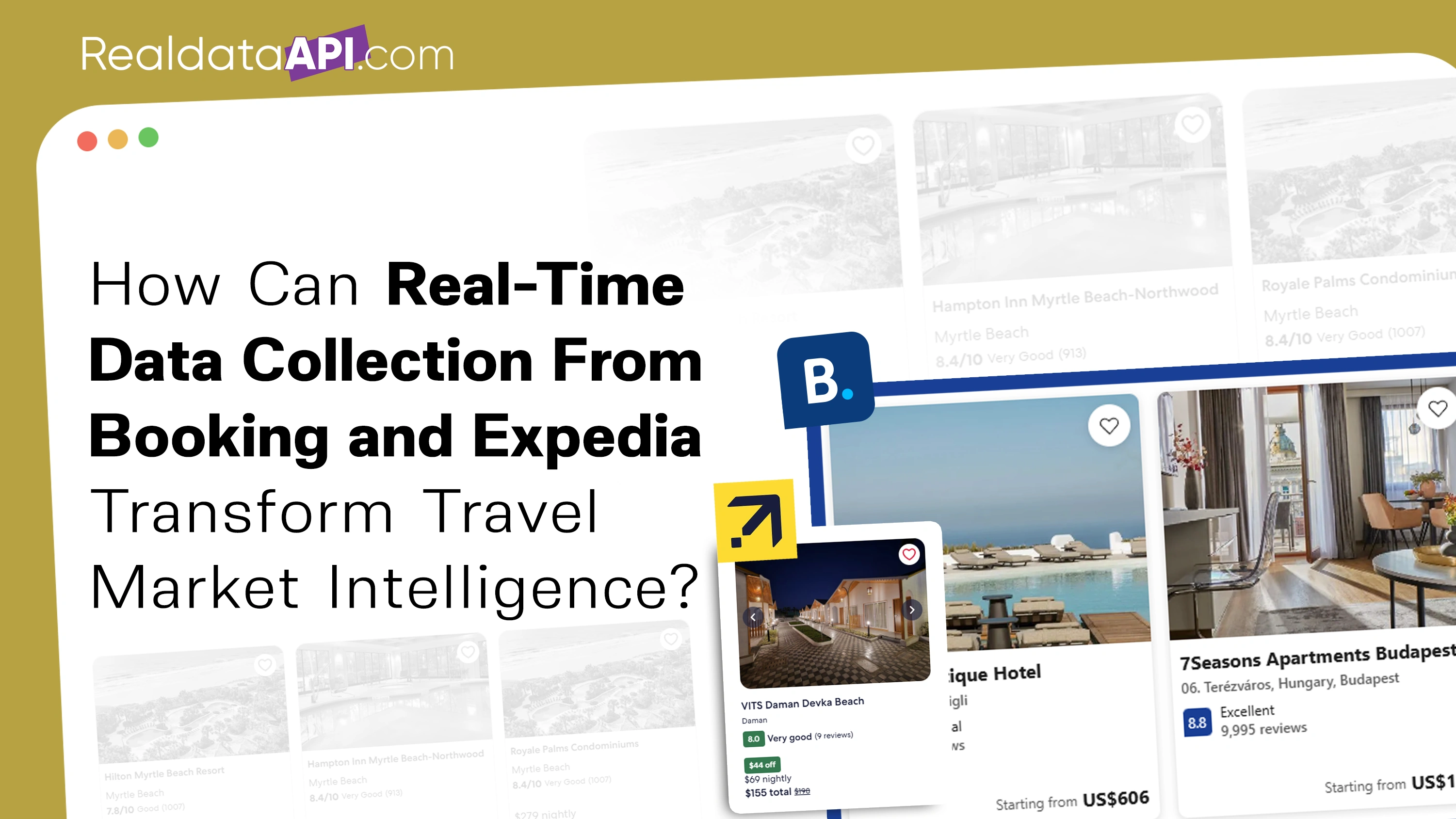
How Can Real-Time Data Collection From Booking and Expedia Transform Travel Market Intelligence?
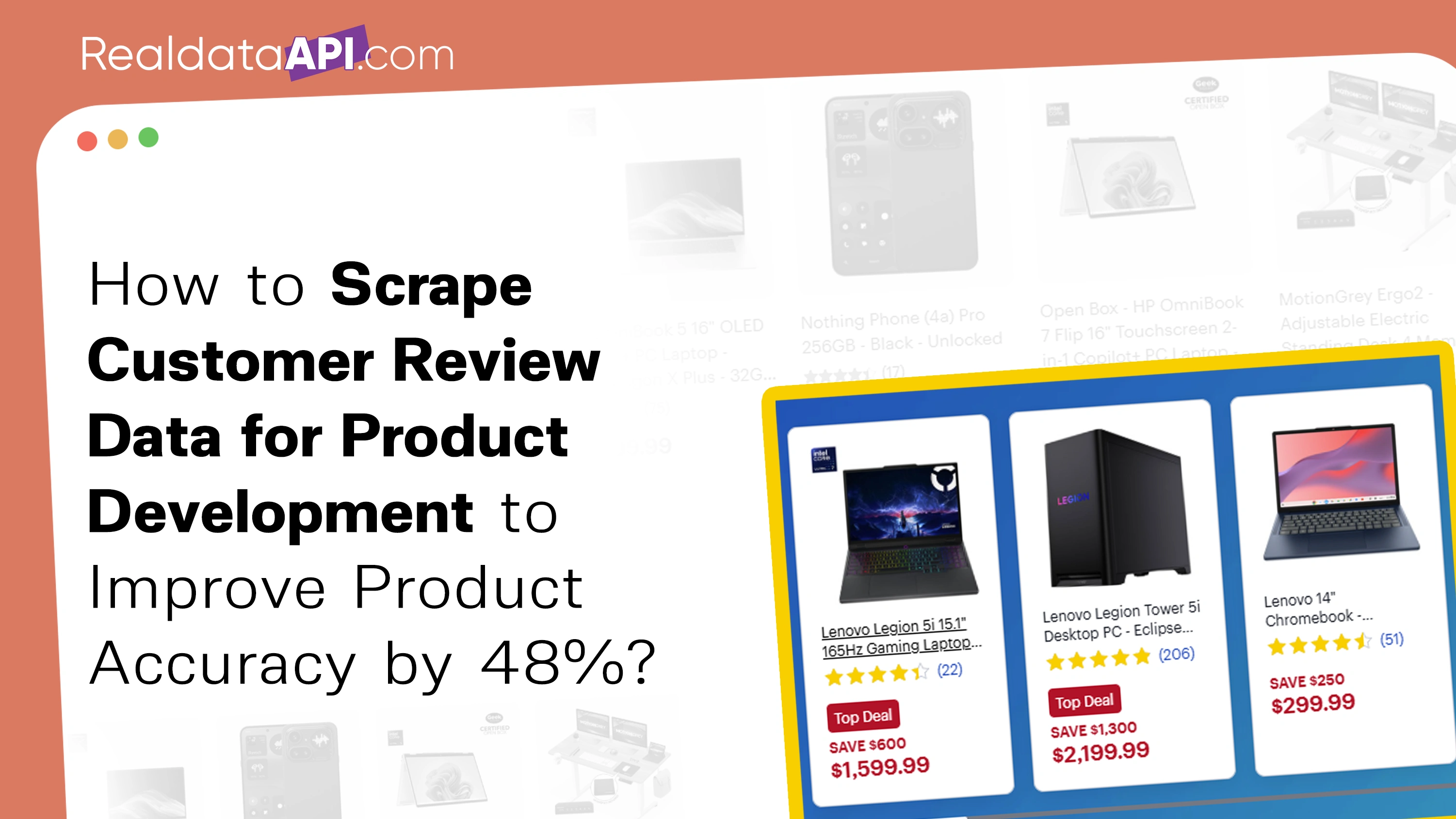
How to Scrape Customer Review Data for Product Development to Improve Product Accuracy by 48%?

Real Data API stands out as one of the premier global companies specializing in web data Scraping and web extraction.





.png)


Rating 4.7
Rating 4.7
Rating 4.5
Rating 4.7
Rating 4.7


Disclaimer : RealData API functions solely as an independent data infrastructure and technology solutions provider. We build customized automation workflows designed to collect publicly accessible web data based exclusively on client instructions. RealData API neither owns proprietary datasets nor engages in the sale or redistribution of extracted information. Our operations are limited strictly to lawful public web data processing and never involve unauthorized access to restricted systems or private networks. Any company names, trademarks, logos, or brand references displayed on this website are used purely for demonstrative and illustrative purposes to showcase our technical capabilities and do not imply endorsement, partnership, or affiliation. Use of our platform and services remains subject to our Terms of Service.