Introduction
The battle for consumer attention has shifted from physical store shelves to digital storefronts. In quick commerce ecosystems, shelf space is determined by search rankings, product visibility, inventory availability, promotional placement, and pricing competitiveness. Brands that fail to monitor these factors risk losing sales opportunities to competitors.
A reliable Quick Commerce Data Scraping API helps organizations collect real-time marketplace intelligence and transform raw platform data into actionable business insights. As platforms continue expanding across metropolitan and tier-two markets, the importance of digital shelf intelligence has increased significantly.
Modern brands must monitor product listings continuously to understand visibility trends, inventory fluctuations, and promotional performance. Data scraping enables businesses to track thousands of SKUs automatically and gain deeper insights into consumer behavior.
The rapid growth of quick commerce between 2020 and 2026 has created a highly competitive marketplace. Brands that leverage data intelligence are better positioned to secure top placements, improve conversion rates, and maximize revenue growth.
How Can Brands Improve Product Visibility Across Platforms?
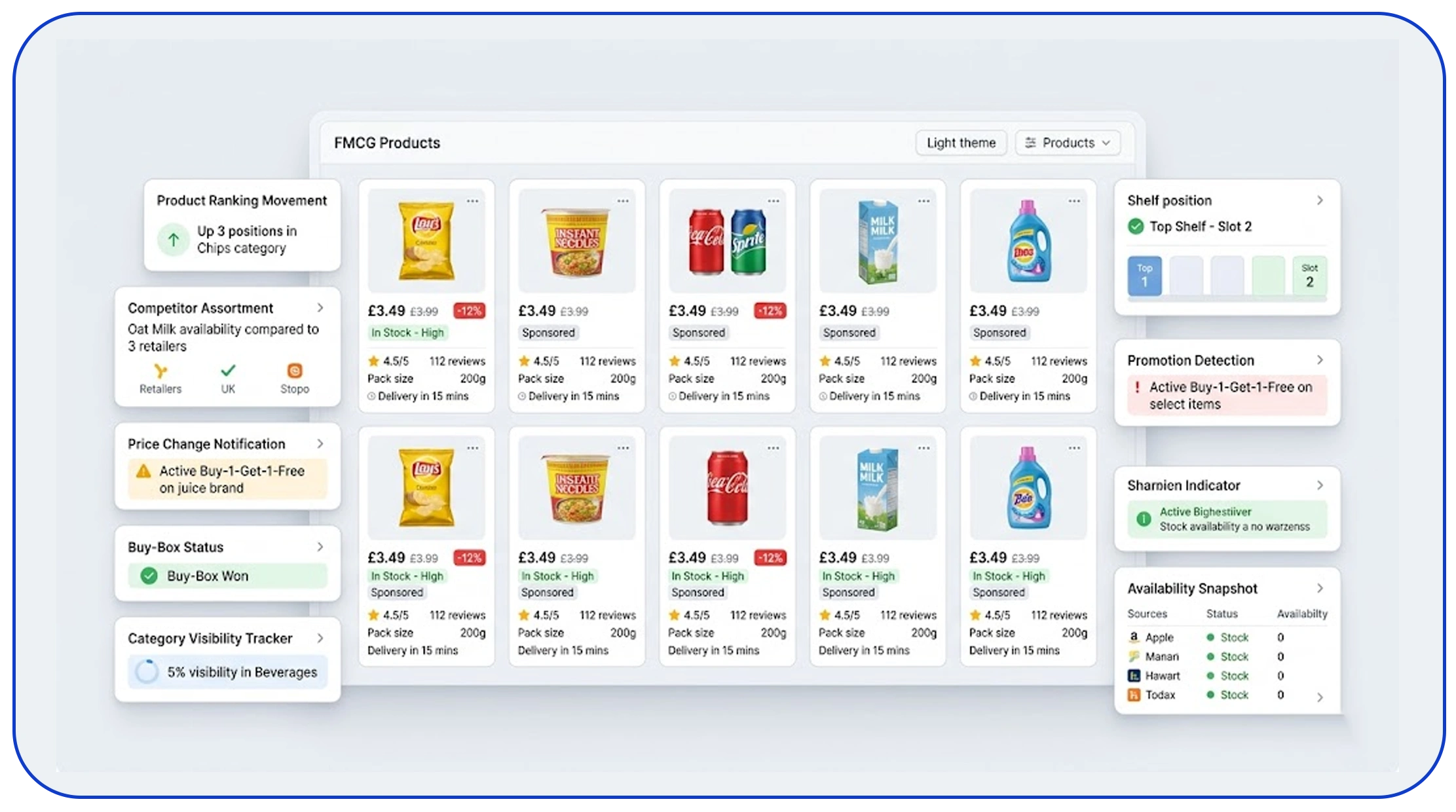
Brands must understand how products appear across search results, category pages, and promotional placements. Visibility directly influences customer engagement and purchasing decisions.
Using scrape digital shelf data from quick commerce platforms, businesses can monitor product rankings, search placements, promotional banners, and category positioning across multiple marketplaces.
Digital Shelf Visibility Trends (2020–2026)
| Year | Visibility Importance | Brand Investment |
|---|---|---|
| 2020 | Moderate | Moderate |
| 2021 | High | Growing |
| 2022 | Very High | Significant |
| 2023 | Critical | High |
| 2024 | Critical | Very High |
| 2025 | Essential | Enterprise-Wide |
| 2026 | Business Critical | Maximum |
Key visibility metrics include:
- Search ranking position
- Featured product placement
- Category visibility
- Promotional banner appearance
- Sponsored listing performance
Brands that monitor visibility continuously can identify ranking losses early and take corrective actions before revenue declines occur.
Why Visibility Matters
Consumers often purchase products appearing within the first few search results. Small ranking changes can significantly impact sales performance. Digital shelf monitoring ensures brands remain competitive and maintain strong customer engagement across channels.
Why Is Real-Time Monitoring Becoming Essential?
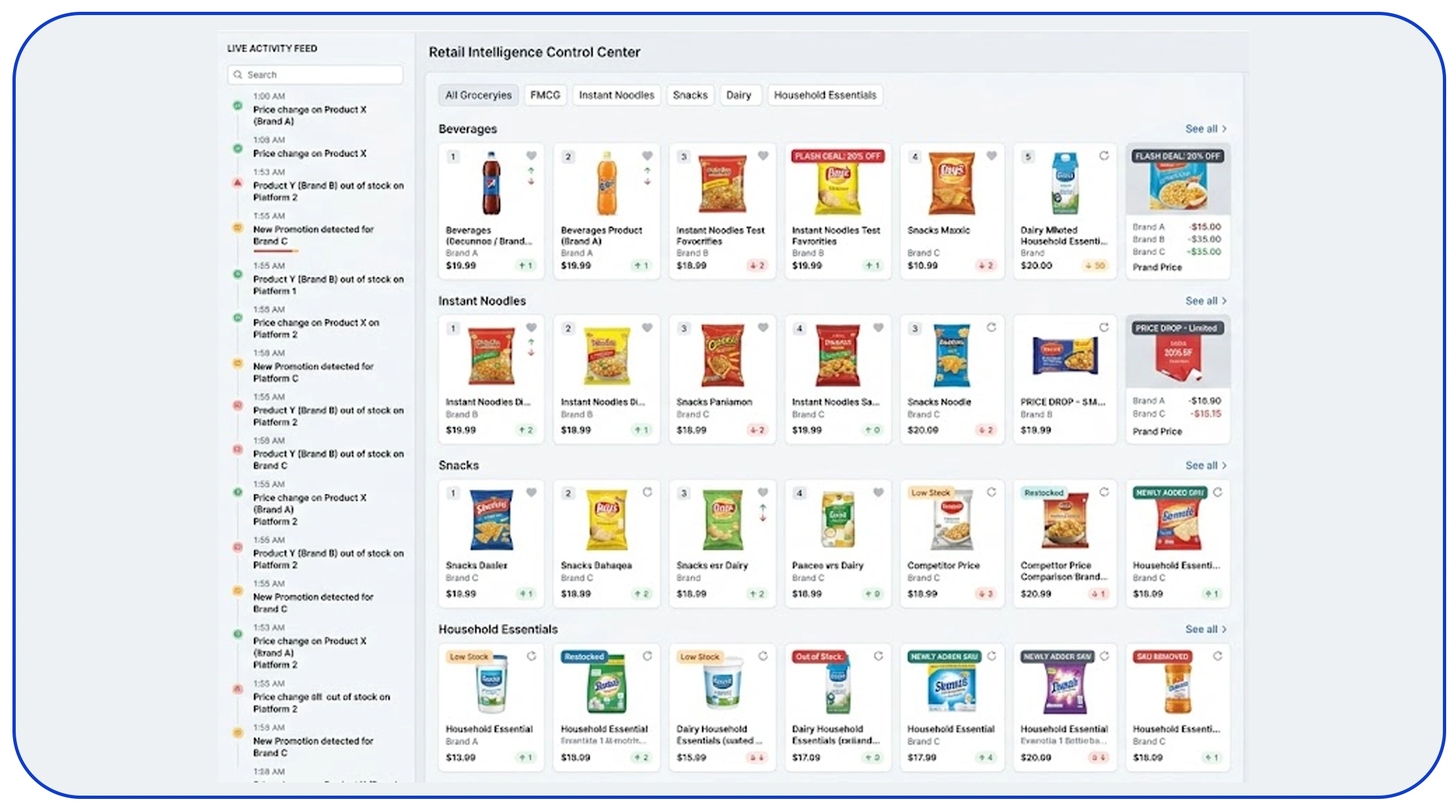
Quick commerce marketplaces change constantly. Product rankings, discounts, inventory status, and promotional campaigns can shift several times a day.
This is where real-time quick commerce data scraping for brands becomes essential. Continuous monitoring enables businesses to detect market changes instantly and respond before competitors gain an advantage.
Marketplace Activity Growth (2020–2026)
| Year | Daily Price Changes | Inventory Updates |
|---|---|---|
| 2020 | Low | Moderate |
| 2021 | Moderate | Moderate |
| 2022 | High | High |
| 2023 | Very High | Very High |
| 2024 | Extreme | Extreme |
| 2025 | Continuous | Continuous |
| 2026 | Real-Time | Real-Time |
Benefits of real-time monitoring include:
- Faster decision-making
- Improved pricing competitiveness
- Better promotional planning
- Enhanced inventory management
- Stronger category performance
Real-time intelligence also allows brands to track campaign effectiveness and adjust marketing strategies immediately when market conditions change.
What Happens Without Monitoring?
Without continuous monitoring, brands often discover ranking drops, inventory issues, or competitor promotions too late. This delay can lead to reduced visibility, lower sales, and lost market share.
How Does Inventory Visibility Impact Shelf Performance?
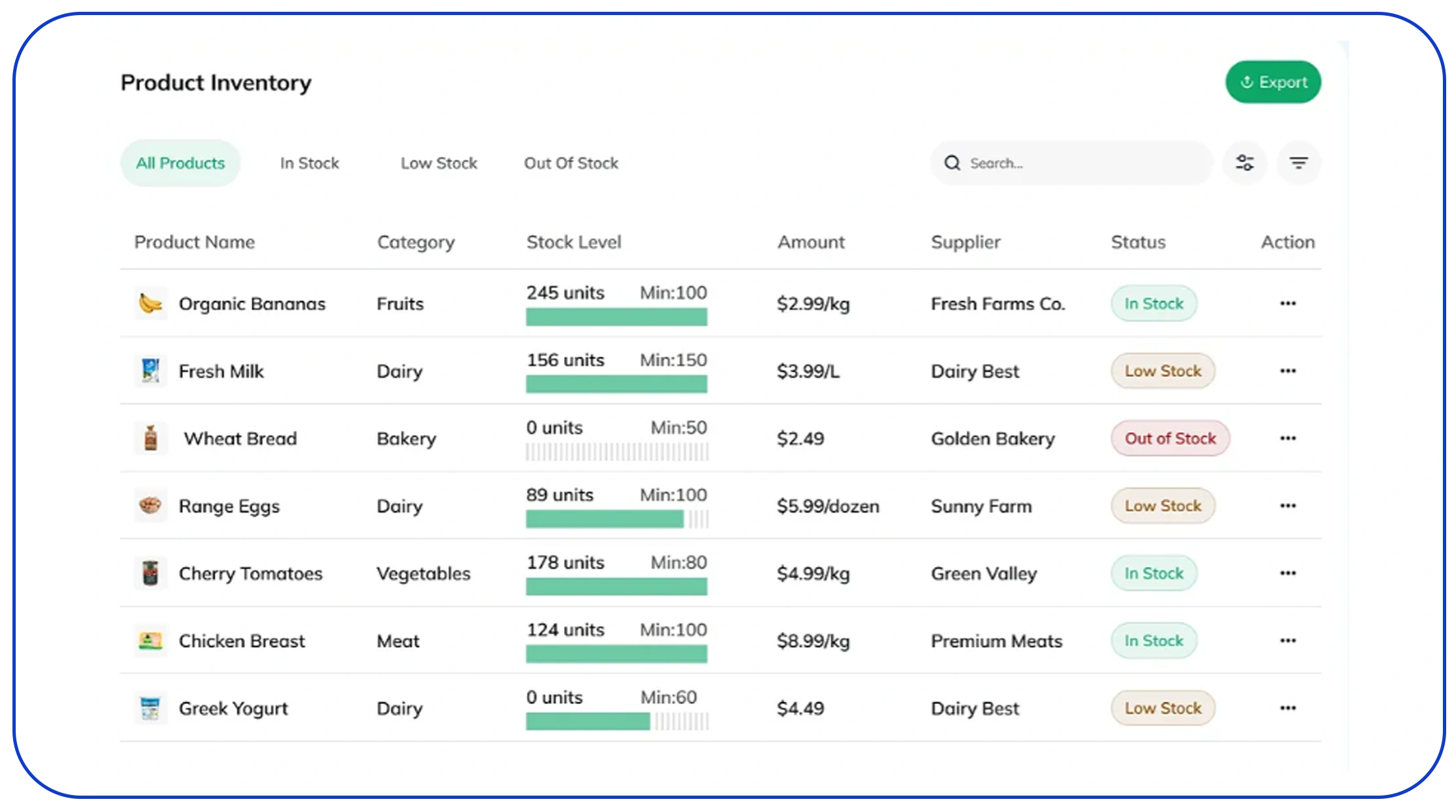
Inventory availability is one of the most important factors affecting digital shelf success. Even top-ranked products lose visibility when they become unavailable.
Brands increasingly use solutions that extract stock availability data for quick commerce brands to ensure products remain visible and accessible to customers.
Inventory Impact Statistics (2020–2026)
| Year | Estimated Revenue Loss from Stockouts |
|---|---|
| 2020 | 8% |
| 2021 | 10% |
| 2022 | 12% |
| 2023 | 14% |
| 2024 | 15% |
| 2025 | 16% |
| 2026 | 18% |
Inventory monitoring helps brands:
- Prevent stockouts
- Maintain ranking positions
- Improve customer satisfaction
- Support demand forecasting
- Reduce lost revenue
When products remain consistently available, algorithms often reward them with stronger visibility. This creates a positive cycle of improved rankings, higher conversions, and stronger sales performance.
Why Stock Availability Matters
Consumers rarely wait for unavailable products to return. Most simply switch to competing brands. Continuous inventory tracking helps organizations protect revenue and maintain digital shelf presence in increasingly competitive marketplaces.
How Can Visibility Intelligence Improve Brand Performance?
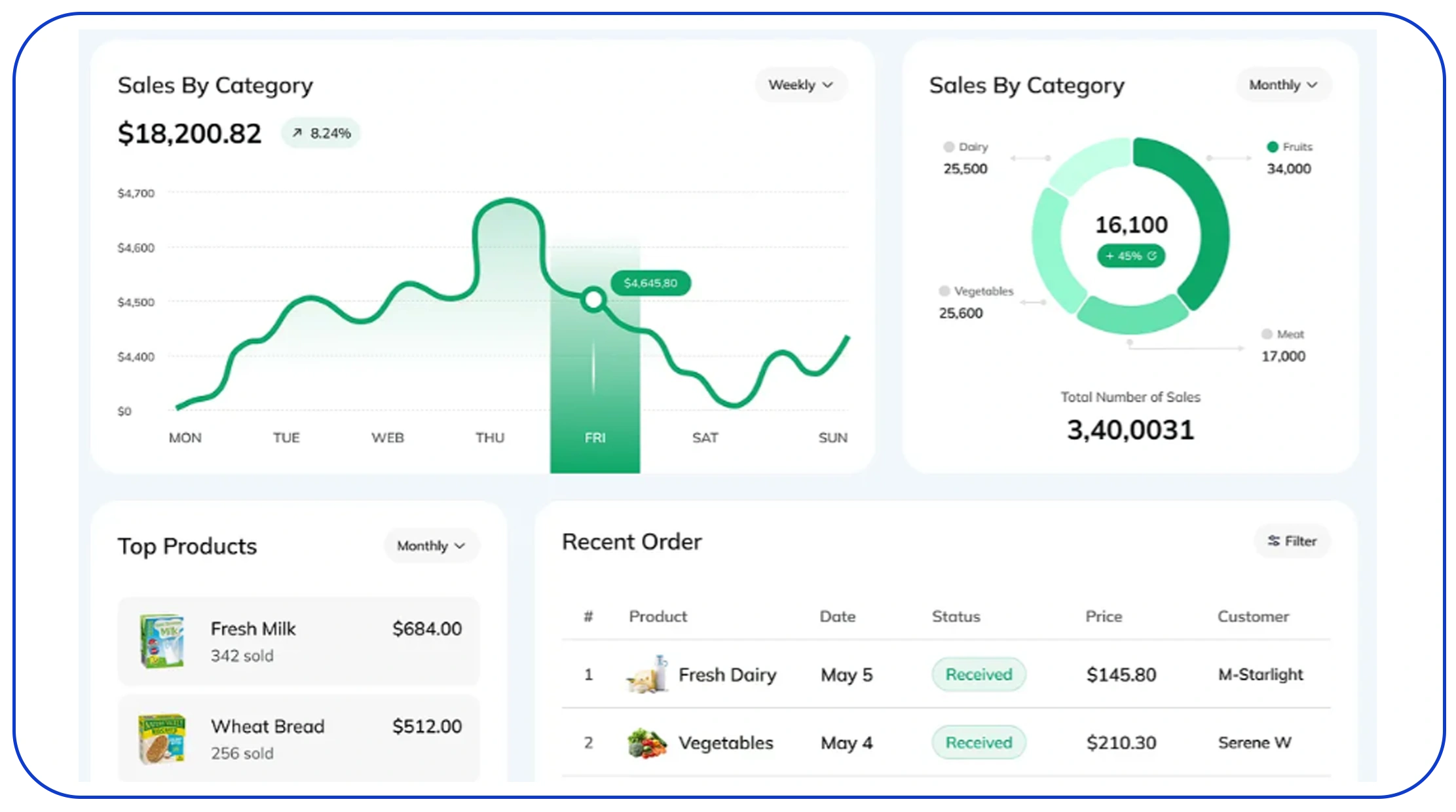
Winning digital shelf space requires more than competitive pricing. Brands must understand how visible they are compared to competitors and identify factors affecting discoverability.
Organizations increasingly rely on Quick Commerce brand visibility data scraping solutions to monitor product placement, search rankings, category performance, sponsored listings, and promotional exposure. These insights help businesses understand whether products are gaining or losing visibility within quick commerce ecosystems.
Brand Visibility Performance Trends (2020–2026)
| Year | Average Visibility Tracking Adoption |
|---|---|
| 2020 | 22% |
| 2021 | 31% |
| 2022 | 45% |
| 2023 | 57% |
| 2024 | 69% |
| 2025 | 81% |
| 2026 | 92% |
Visibility intelligence supports:
- Search ranking optimization
- Competitor benchmarking
- Category performance tracking
- Promotional effectiveness analysis
- Product discoverability improvements
Brands can identify which products consistently appear in top positions and determine the factors influencing their success. This information supports smarter merchandising strategies and stronger campaign execution.
Why Visibility Tracking Matters
Digital shelf space is limited. Consumers often select products displayed prominently within search results and category pages. Brands that monitor visibility consistently can make faster adjustments and maintain stronger marketplace presence.
As quick commerce expands through 2026, visibility intelligence will become a core component of successful retail strategies.
Can Artificial Intelligence Prevent Lost Sales?
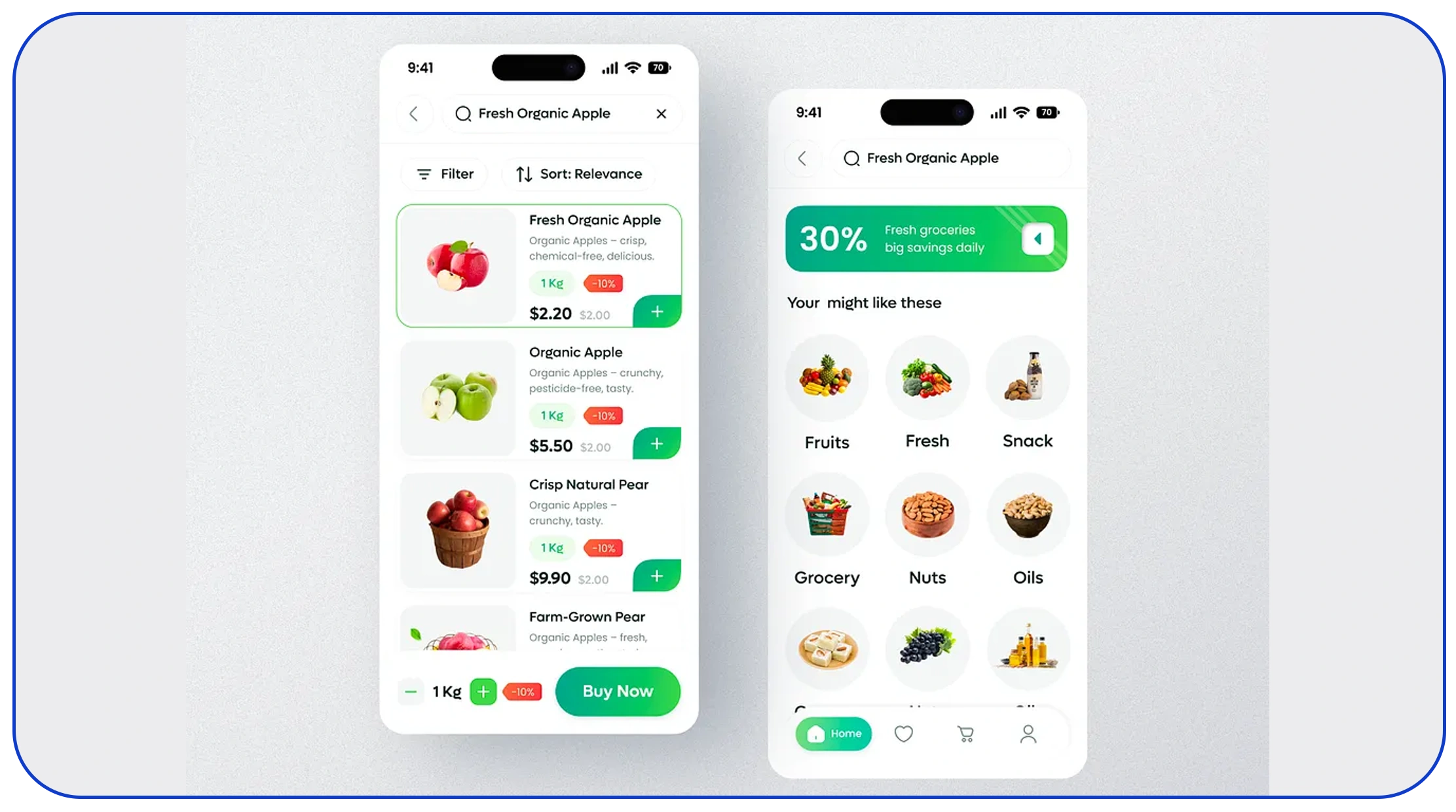
One of the biggest challenges in quick commerce is inventory disruption. Products frequently move in and out of stock due to fluctuating demand, supply chain constraints, and fulfillment challenges.
Businesses are increasingly adopting Real-Time Out-Of-Stock Detection In Quick Commerce Apps Using AI to identify inventory risks before they negatively affect sales performance.
AI-powered systems continuously analyze marketplace activity and generate alerts when inventory shortages occur. These alerts help brands react quickly and reduce lost sales opportunities.
Out-of-Stock Impact Analysis (2020–2026)
| Year | Estimated Stockout Events Increase |
|---|---|
| 2020 | Baseline |
| 2021 | +12% |
| 2022 | +21% |
| 2023 | +29% |
| 2024 | +38% |
| 2025 | +46% |
| 2026 | +55% |
Benefits of AI-powered stock monitoring include:
- Early inventory alerts
- Reduced lost revenue
- Improved customer experience
- Better replenishment planning
- Enhanced forecasting accuracy
How AI Creates Competitive Advantages
Traditional inventory monitoring often identifies issues too late. AI systems analyze patterns continuously and provide actionable recommendations. This enables brands to maintain product availability and protect digital shelf rankings.
As quick commerce platforms continue scaling, AI-driven inventory intelligence will become essential for minimizing operational risks and maximizing sales performance.
What Role Does Research Play in Digital Shelf Success?
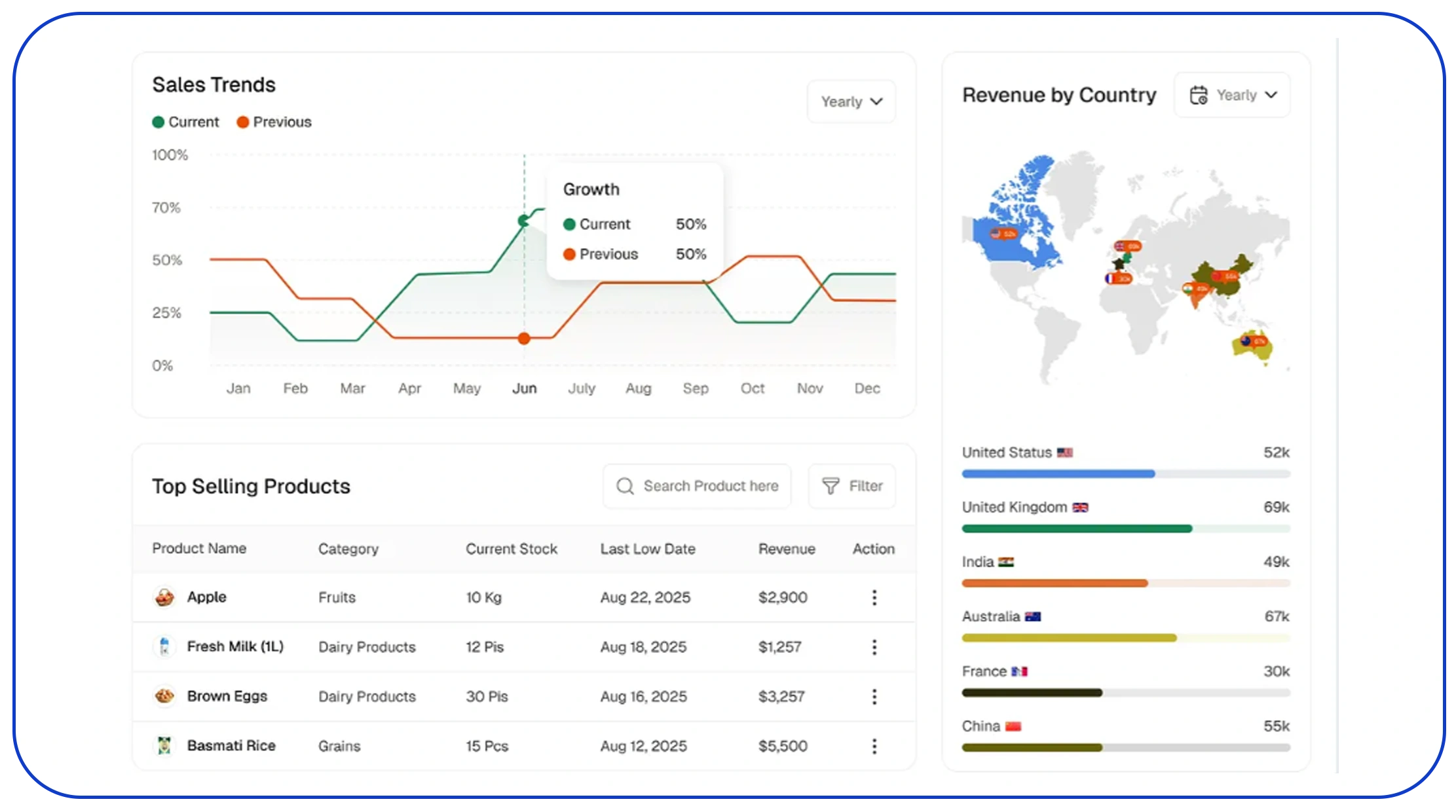
Effective decision-making requires reliable data. Organizations that understand marketplace dynamics are better equipped to improve visibility, optimize pricing, and increase conversions.
Comprehensive Market Research helps businesses evaluate category growth, competitor behavior, consumer demand, and promotional effectiveness across quick commerce ecosystems.
Quick Commerce Research Priorities (2020–2026)
| Research Area | Importance in 2020 | Importance in 2026 |
|---|---|---|
| Pricing Analysis | High | Critical |
| Visibility Monitoring | Moderate | Critical |
| Inventory Tracking | Moderate | Very High |
| Consumer Insights | High | Critical |
| Competitor Analysis | High | Critical |
Research-driven businesses can:
- Identify market opportunities
- Monitor emerging trends
- Benchmark competitors
- Improve campaign planning
- Support product expansion decisions
Why Data-Driven Research Matters
Market conditions change rapidly. Consumer preferences evolve. Competitors launch new products and promotions regularly. Continuous research ensures businesses remain informed and capable of adapting quickly.
Brands that prioritize marketplace intelligence often make better strategic decisions and achieve stronger long-term growth.
Why Choose Real Data API?
Real Data API helps brands, retailers, manufacturers, and analytics teams gain comprehensive visibility into quick commerce ecosystems through advanced data collection and intelligence solutions.
Whether organizations need product visibility monitoring, inventory tracking, pricing intelligence, or competitive analysis, our solutions provide accurate and scalable datasets that support smarter decision-making.
Businesses seeking a reliable Web Scraping API, quick commerce data scraping for digital shelf intelligence solution can leverage Real Data API to access real-time marketplace information across leading quick commerce platforms.
Key Benefits of Real Data API:
- Real-time marketplace monitoring
- Product visibility tracking
- Inventory intelligence
- Competitive benchmarking
- Automated data collection
- Custom API integrations
- Scalable enterprise solutions
- Structured analytics-ready datasets
How Real Data API Supports Brands
Our solutions transform raw marketplace data into actionable insights that help brands improve discoverability, maintain stock availability, optimize pricing, and strengthen digital shelf performance.
By providing reliable intelligence at scale, Real Data API enables organizations to stay competitive in rapidly evolving quick commerce environments.
Conclusion
Digital shelf space has become one of the most valuable assets in modern retail. Brands that understand product visibility, inventory performance, pricing trends, and competitor activity are better positioned to capture consumer attention and increase sales.
Throughout 2026 and beyond, quick commerce data scraping for digital shelf intelligence will continue helping businesses monitor rankings, detect stock issues, optimize promotions, and improve marketplace performance. Organizations that invest in data-driven decision-making gain stronger visibility, better customer engagement, and greater competitive advantages.
The future of quick commerce belongs to brands that act on real-time intelligence rather than relying on delayed reporting and manual research. Continuous monitoring enables faster responses, smarter strategies, and more effective execution.
Ready to Win More Digital Shelf Space?
Partner with Real Data API today and unlock real-time quick commerce intelligence that helps your brand improve visibility, optimize performance, and stay ahead of the competition!
Latest posts
How to Scrape Public Posts and Trends Using Truth Social API to Overcome Real-Time Social Media Monitoring Challenges?
Scrape grocery prices using Biedronka API to Overcome Grocery Pricing, Promotion Tracking, and Market Analysis Challenges
Why Businesses scrape Rozetka product listings data via API to Track Inventory, Pricing, and Marketplace Trends?
How to Scrape TikTok creator profile data using RetrieveTik API for Influencer Analytics and Marketing Intelligence?






.png)