Introduction
Luxury and fast-fashion brands are transforming the global retail landscape through aggressive pricing strategies, rapid product launches, and evolving consumer engagement models. Businesses increasingly rely on Louis Vuitton vs Chanel vs Zara a data-driven fashion retail face-off analytics to compare pricing trends, category performance, customer demand, and promotional strategies across leading fashion retailers.
Modern retail intelligence systems powered by Chanel Fashion Datasets help brands, analysts, and retailers evaluate assortment expansion, inventory movement, and fashion trend evolution in real time.
Between 2020 and 2026, digital fashion retail has experienced significant growth due to increased online shopping adoption, mobile commerce, and social media-driven consumer demand. Structured fashion analytics now play a critical role in helping businesses optimize pricing strategies, improve merchandising decisions, and strengthen competitive positioning across luxury and fast-fashion markets.
How Are Consumer Shopping Behaviors Changing Across Fashion Segments?
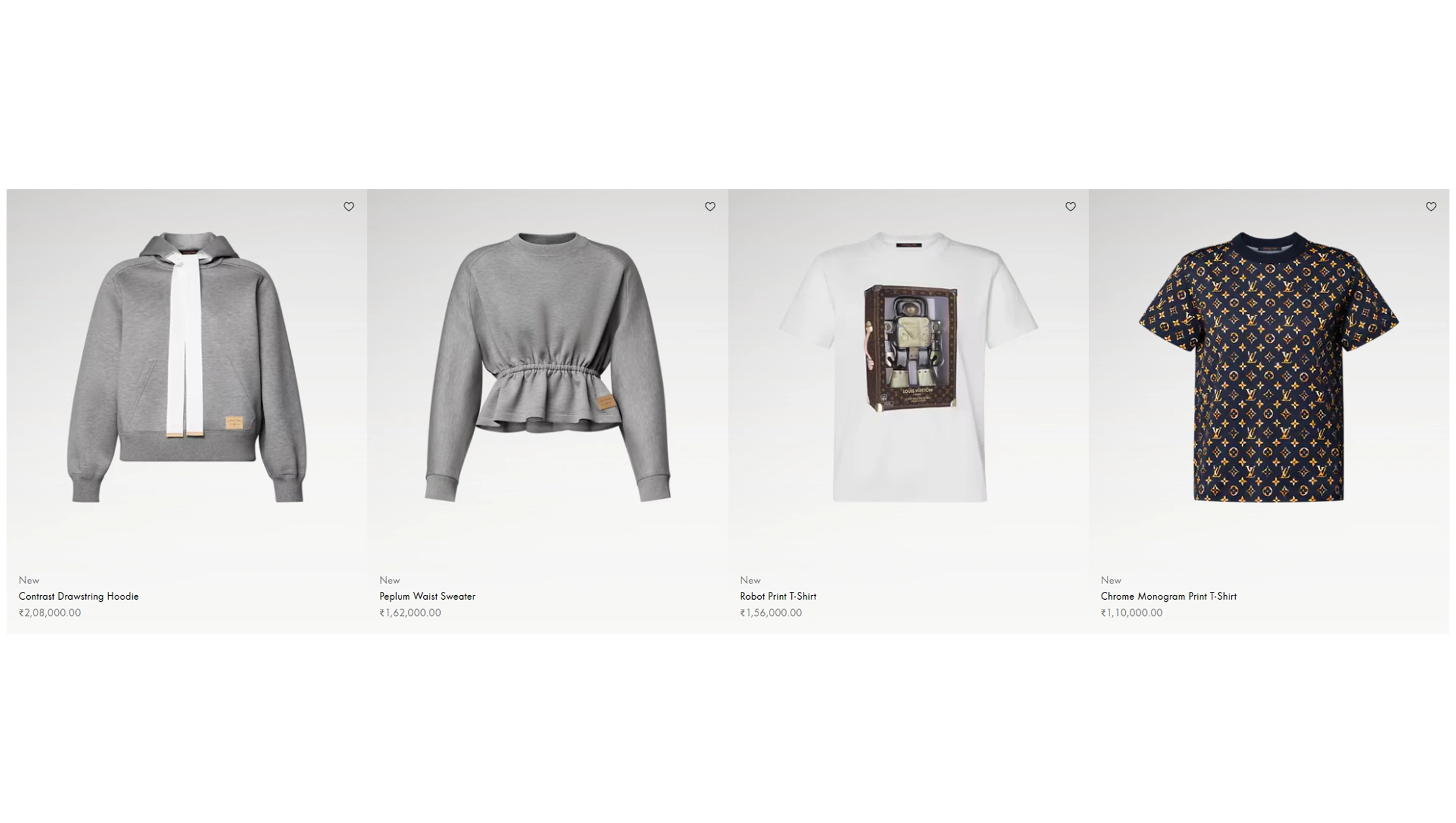
Consumer buying behavior has evolved significantly due to digital commerce growth, influencer-driven shopping trends, and changing preferences toward luxury and affordable fashion categories. Businesses use Scrape consumer buying behavior in luxury and fast fashion retail solutions to track purchasing trends, category demand, and customer engagement patterns across global fashion marketplaces.
Retailers analyze customer behavior to understand how luxury exclusivity and fast-fashion accessibility influence buying decisions. These insights help brands optimize assortment planning and promotional strategies.
Fashion Consumer Trend Analysis (2020–2026)
| Year | Online Fashion Buyers | Luxury Fashion Growth | Fast Fashion Growth |
|---|---|---|---|
| 2020 | 310 Million | 9% | 14% |
| 2021 | 365 Million | 13% | 19% |
| 2022 | 428 Million | 18% | 24% |
| 2023 | 501 Million | 23% | 31% |
| 2024 | 587 Million | 29% | 38% |
| 2025 | 672 Million | 34% | 45% |
| 2026 | 760 Million | 40% | 52% |
Key Consumer Insights
- Luxury buyers prefer exclusivity and premium branding
- Fast-fashion customers prioritize affordability
- Mobile shopping continues to rise globally
- Social media strongly influences buying decisions
- Seasonal collections drive repeat purchases
Fashion retailers use these insights to improve inventory forecasting, optimize campaign planning, and strengthen customer targeting strategies across digital retail platforms.
Why Is Pricing Intelligence Essential in Fashion Retail?
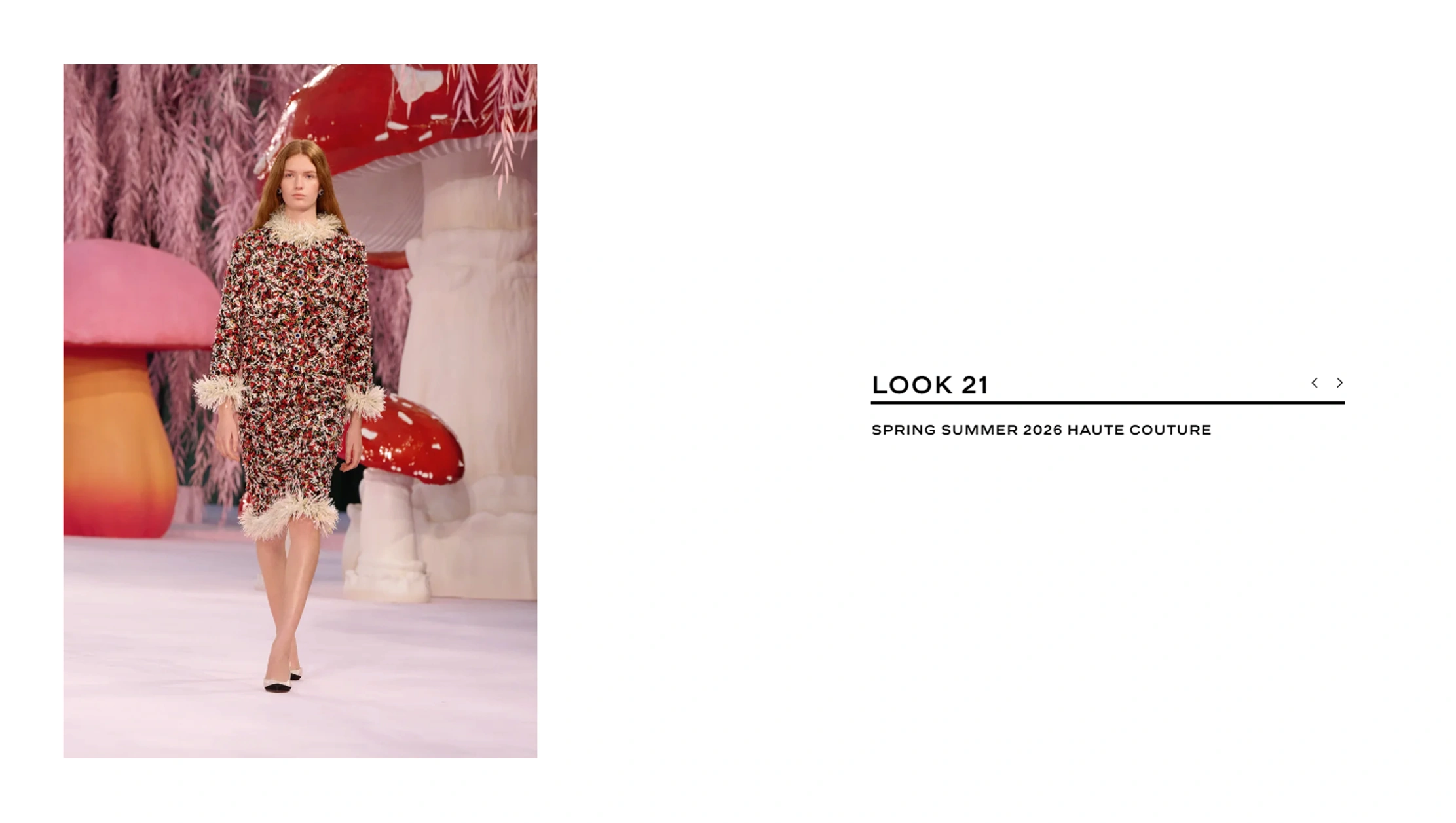
Fashion pricing strategies directly influence customer acquisition, brand positioning, and profitability. Businesses use Louis Vuitton Chanel Zara fashion pricing data scraping solutions to compare category-level pricing trends, promotional campaigns, and competitor discount strategies across fashion segments.
Luxury brands focus on premium positioning and limited discounting, while fast-fashion retailers rely heavily on dynamic pricing and seasonal campaigns to increase sales volume.
Fashion Pricing Trend Analysis (2020–2026)
| Year | Luxury Price Growth | Fast Fashion Discount Growth |
|---|---|---|
| 2020 | 7% | 12% |
| 2021 | 11% | 18% |
| 2022 | 16% | 25% |
| 2023 | 22% | 33% |
| 2024 | 29% | 40% |
| 2025 | 35% | 48% |
| 2026 | 42% | 56% |
Key Pricing Intelligence Benefits
- Compare category-level pricing
- Track promotional campaigns
- Analyze competitor discounting
- Monitor seasonal price shifts
- Improve premium positioning strategies
Retailers use pricing intelligence to identify pricing gaps and optimize campaign timing across apparel, footwear, and accessories categories.
Structured pricing analytics help brands maintain competitiveness while preserving profitability in evolving fashion markets.
How Are Promotions Influencing Fashion Retail Growth?
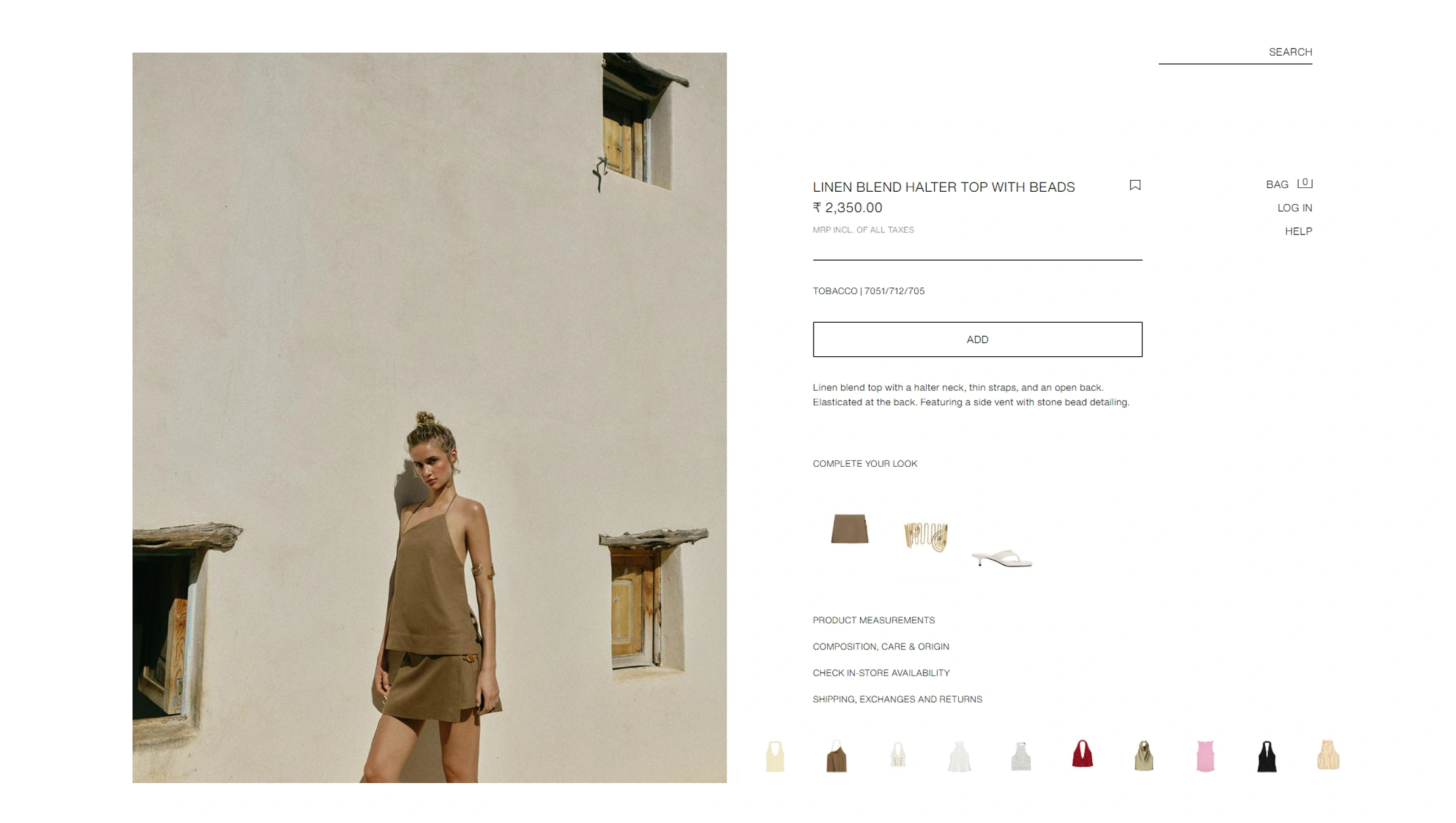
Promotional campaigns continue to drive customer engagement across both luxury and fast-fashion segments. Businesses increasingly rely on fashion pricing data intelligence and promotion trends 2026 analytics to monitor discount activity, bundle offers, and seasonal campaign performance.
Retailers evaluate promotional trends to understand which campaigns improve conversions and customer retention most effectively.
Promotion Campaign Growth Trends (2020–2026)
| Year | Promotional Campaign Growth | Customer Conversion Increase |
|---|---|---|
| 2020 | 15% | 8% |
| 2021 | 22% | 13% |
| 2022 | 30% | 19% |
| 2023 | 39% | 26% |
| 2024 | 47% | 33% |
| 2025 | 56% | 41% |
| 2026 | 65% | 49% |
Major Promotion Insights
- Limited-time campaigns increase urgency
- Fast-fashion discounts improve conversions
- Luxury exclusivity supports premium pricing
- Influencer promotions increase visibility
- Seasonal sales drive repeat purchases
Retailers monitor promotional overlap between brands to improve campaign scheduling and reduce pricing conflicts. Real-time analytics also help businesses measure the performance of flash sales and category-specific discounts.
Promotion intelligence enables faster decision-making and strengthens merchandising strategies across competitive fashion markets.
What Role Does Product-Level Pricing Analytics Play?
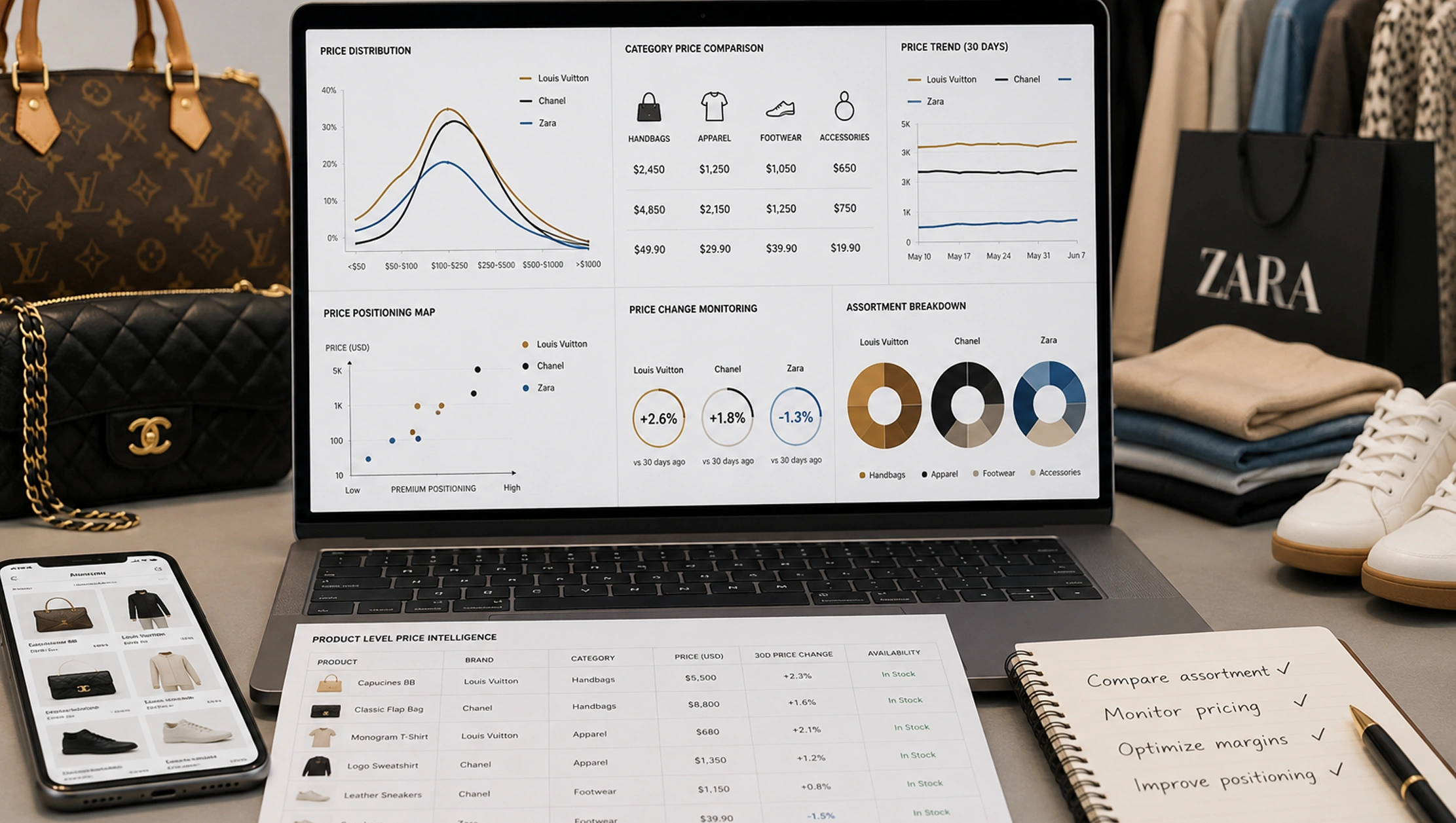
Product-level pricing intelligence helps brands compare assortment strategies and monitor category-level pricing movements in real time. Businesses use Louis Vuitton Chanel Zara apparel pricing trends data extraction solutions to analyze product pricing across luxury handbags, apparel, footwear, and accessories categories.
Retailers compare premium product positioning with mass-market pricing strategies to improve assortment planning and margin optimization.
Apparel Pricing Comparison Trends (2020–2026)
| Year | Avg. Luxury Apparel Price | Avg. Fast Fashion Apparel Price |
|---|---|---|
| 2020 | $420 | $38 |
| 2021 | $465 | $42 |
| 2022 | $518 | $47 |
| 2023 | $584 | $53 |
| 2024 | $651 | $59 |
| 2025 | $724 | $66 |
| 2026 | $805 | $74 |
Product-Level Pricing Insights
- Luxury brands maintain premium pricing consistency
- Fast-fashion pricing changes more frequently
- Dynamic pricing improves competitiveness
- Regional pricing varies significantly
- Product category demand influences pricing models
Retailers use structured pricing analytics to strengthen assortment planning and optimize category-level profitability.
Real-time monitoring also helps businesses respond quickly to market changes and promotional competition across global fashion marketplaces.
How Are Fashion Datasets Supporting Retail Intelligence?
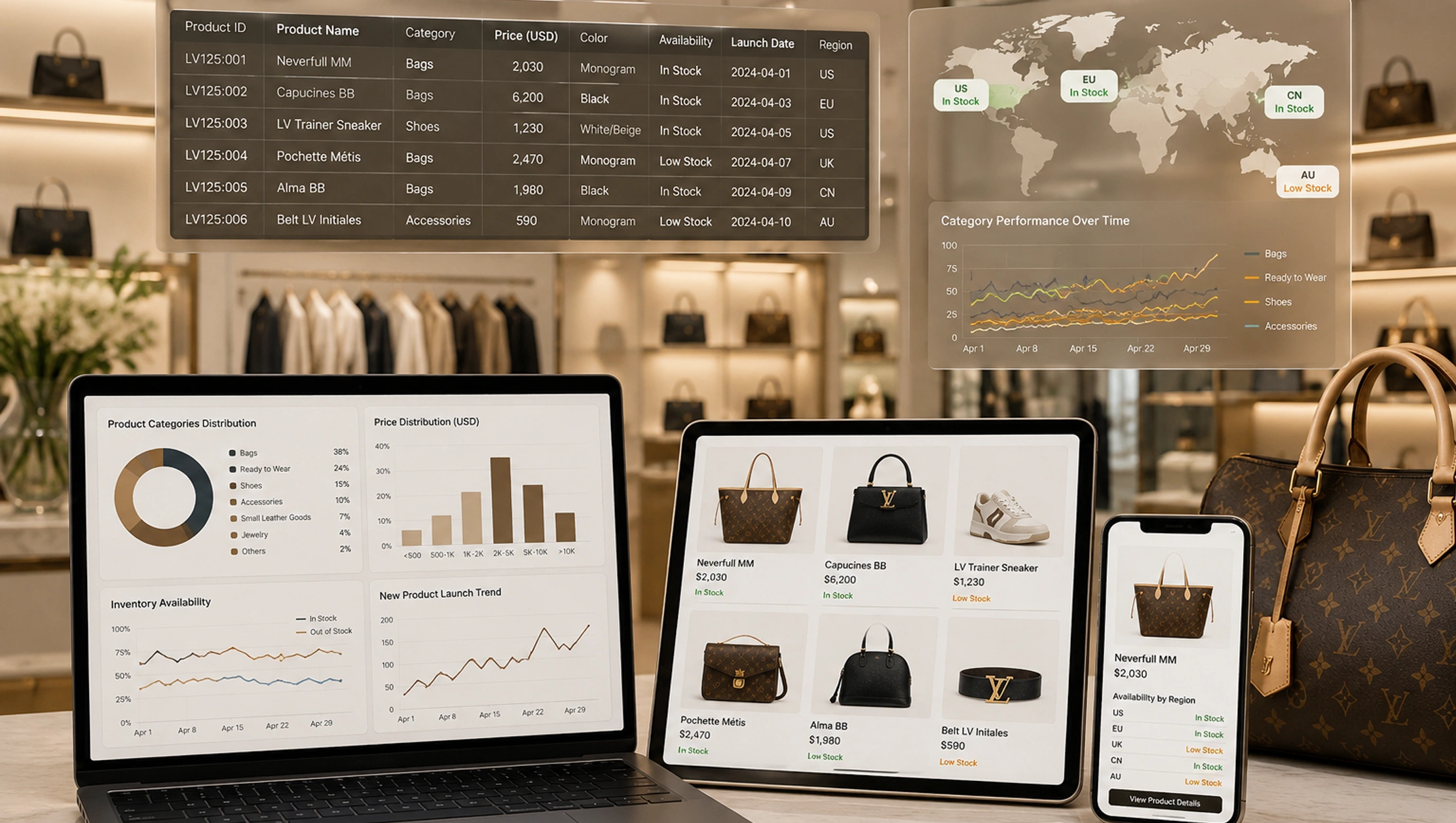
Fashion datasets provide structured insights into pricing, inventory movement, product launches, and assortment expansion. Businesses increasingly use Louis Vuitton Fashion Datasets to monitor product-level trends and improve retail forecasting strategies.
Retailers leverage structured datasets to analyze collection launches, inventory availability, and category performance across luxury and fast-fashion markets.
Fashion Dataset Growth Trends (2020–2026)
| Year | Dataset Volume Growth | Retail Analytics Adoption |
|---|---|---|
| 2020 | 18% | 24% |
| 2021 | 27% | 33% |
| 2022 | 37% | 43% |
| 2023 | 48% | 54% |
| 2024 | 59% | 65% |
| 2025 | 71% | 77% |
| 2026 | 83% | 88% |
Benefits of Structured Fashion Datasets
- Improve forecasting accuracy
- Monitor inventory visibility
- Analyze assortment expansion
- Compare product launches
- Strengthen pricing intelligence
Fashion retailers increasingly integrate retail datasets into BI dashboards and forecasting systems to improve strategic planning and operational visibility.
Structured retail intelligence also supports faster merchandising decisions and better category management across online marketplaces.
Why Are APIs Critical for Modern Fashion Analytics?
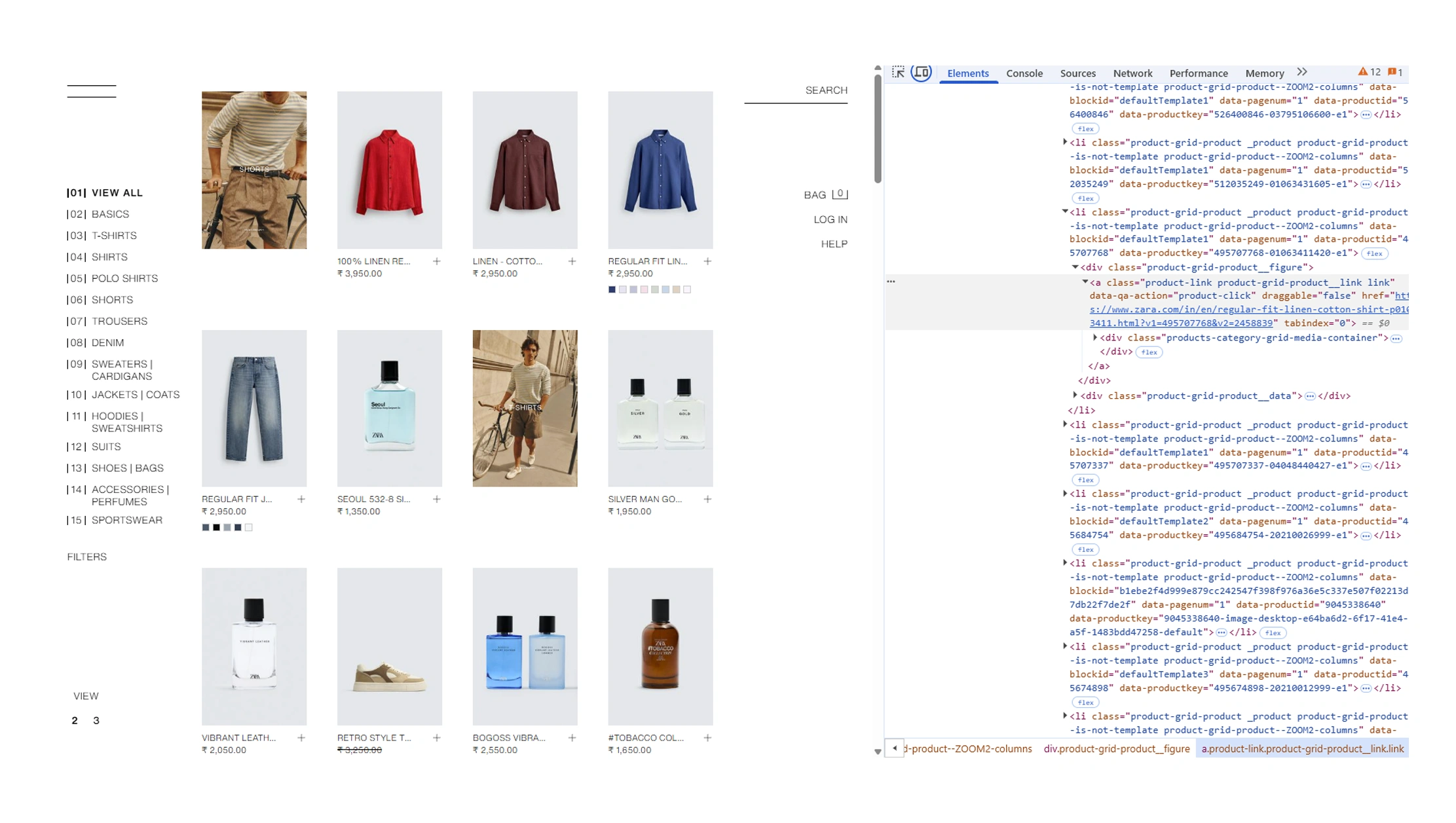
API-driven retail intelligence systems enable businesses to automate large-scale data collection and real-time monitoring processes efficiently. Companies increasingly rely on the Zara API to collect structured pricing, inventory, assortment, and promotional datasets across global fashion marketplaces.
APIs reduce manual monitoring workloads while improving scalability, reporting accuracy, and analytics speed.
Fashion API Adoption Trends (2020–2026)
| Year | API Adoption Growth | Automated Reporting Usage |
|---|---|---|
| 2020 | 16% | 21% |
| 2021 | 25% | 30% |
| 2022 | 35% | 41% |
| 2023 | 46% | 52% |
| 2024 | 58% | 64% |
| 2025 | 71% | 76% |
| 2026 | 84% | 89% |
Key API Benefits
- Real-time product monitoring
- Faster pricing updates
- Automated inventory tracking
- Improved reporting scalability
- Better dashboard integration
Retailers using API-driven analytics gain stronger visibility into category performance, promotional campaigns, and pricing fluctuations across fashion markets.
Automation also improves operational efficiency and supports continuous competitive intelligence monitoring.
Why Choose Real Data API?
Businesses require scalable retail intelligence solutions to compete effectively in evolving fashion markets. The Chanel API supports automated access to pricing trends, assortment analytics, inventory visibility, and promotional intelligence across global fashion marketplaces.
With expertise in Louis Vuitton vs Chanel vs Zara a data-driven fashion retail face-off analytics, Real Data API delivers structured fashion datasets, competitor monitoring solutions, API-driven reporting infrastructure, and real-time retail intelligence tailored for luxury and fast-fashion businesses.
The platform helps brands improve pricing optimization, assortment planning, and merchandising strategies using scalable automated analytics systems.
Conclusion
The global fashion industry continues to evolve through changing consumer preferences, digital retail growth, and increasingly competitive pricing strategies. Businesses increasingly depend on Louis Vuitton vs Chanel vs Zara a data-driven fashion retail face-off intelligence to compare product assortments, monitor pricing trends, and analyze category-level performance across luxury and fast-fashion segments.
Real-time retail intelligence, API-driven analytics, and structured fashion datasets enable businesses to optimize pricing, improve forecasting, and strengthen competitive positioning in dynamic fashion markets.
Partner with Real Data API today to unlock scalable fashion analytics solutions and gain deeper retail intelligence through automated pricing, assortment, and consumer trend monitoring systems!
Latest posts
How to Track Global Anime Viewing Trends via Crunchyroll Data Scraping for Smarter Audience Insights?
How to Scrape streaming content trends using HBO Max data for Smarter Content Strategy?
Traveloka Data Scraping For Travel Price Intelligence - How To Monitor Price Changes, Discounts, And Travel Demand
How Bolt Food Data Scraping for Food Delivery Market Trends Helps Businesses Overcome Delivery Market Intelligence Challenges?






.png)