Introduction
Anime has evolved from a regional entertainment format into a global streaming phenomenon, creating a growing need for reliable audience and content intelligence. global anime viewing trends via Crunchyroll data scraping can help businesses study catalog changes, content availability, genres, ratings, release schedules, language options, and other publicly observable signals that reveal how anime consumption is changing across markets.
Crunchyroll's scale makes this data particularly valuable. The platform passed 3 million paid subscribers in July 2020 and 4 million by February 2021. Sony later reported nearly 10 million paying members in 2022, more than 12 million in July 2023, over 17 million by March 2025, and more than 21 million by the end of March 2026.
A properly designed Crunchyroll API workflow can complement scraped, publicly accessible information by creating structured datasets for analytics, market research, content discovery, and competitive intelligence. Data collection should always respect applicable laws, platform terms, access controls, robots directives, copyright requirements, and privacy obligations.
For streaming businesses, studios, advertisers, researchers, and data analysts, the objective is not simply to collect anime records. The real value comes from converting changing catalog and audience signals into measurable insights that can support decisions about content strategy, localization, marketing, and market expansion.
Building a Reliable Anime Content Intelligence Pipeline
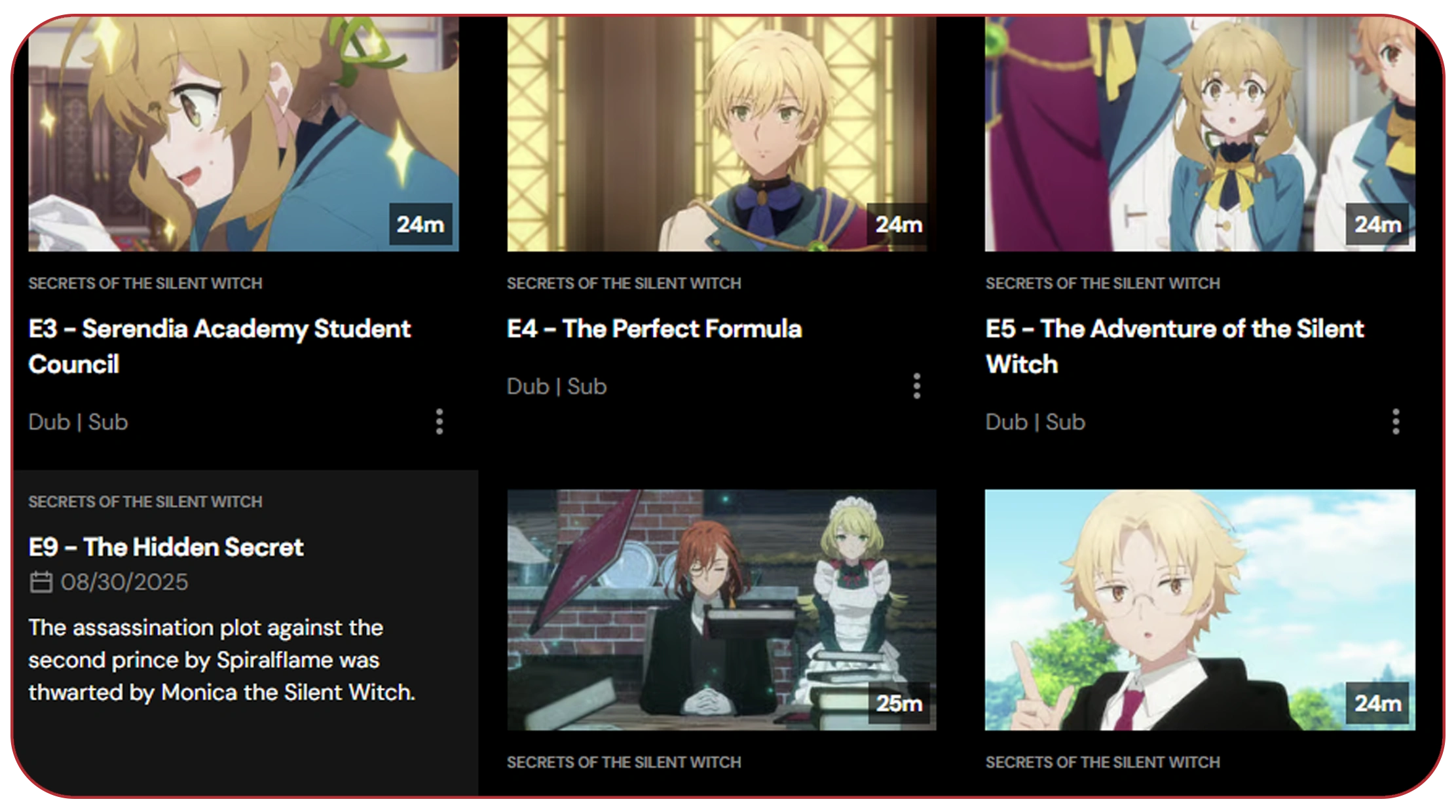
Anime catalogs change constantly. New seasonal titles appear, older shows leave markets, episodes are added, dubbing languages expand, and metadata can change as content moves through its lifecycle. Businesses attempting to monitor these changes manually can quickly end up with incomplete or outdated spreadsheets.
Extract Crunchyroll anime catalog data workflows can create structured records containing fields such as title, season, genre, episode count, release status, language availability, content type, synopsis, ratings, and publication dates where these details are publicly accessible. Once standardized, the records can be compared over time instead of being treated as isolated observations.
A historical dataset also makes it easier to distinguish temporary changes from meaningful trends. For example, analysts can compare the number of titles available in different genres during each year and identify whether action, fantasy, romance, comedy, or other categories are gaining representation.
Indicative industry timeline
| Year | Publicly reported Crunchyroll paid-subscriber milestone | Analytical significance |
|---|---|---|
| 2020 | 3M | Strong baseline for global anime streaming growth |
| 2021 | 4M | Continued expansion in paid adoption |
| 2022 | Nearly 10M | Major scale increase following service integration |
| 2023 | 12M+ | Continued international growth |
| 2024 | 15M+ | Larger addressable streaming audience |
| 2025 | 17M+ | Sustained expansion |
| 2026 | 21M+ | Record scale reported by Sony |
These figures are platform-level subscriber milestones rather than viewing-hour measurements, so they should not be interpreted as direct evidence of individual title viewership. Sony's 2026 announcement reported more than 21 million paid subscribers globally as of March 2026.
For data analysts, the important lesson is that a growing platform requires equally scalable data infrastructure. Automated collection, validation, deduplication, historical snapshots, and structured storage can turn frequently changing catalog information into a usable research asset.
Turning Changing Catalogs into Comparable Streaming Signals
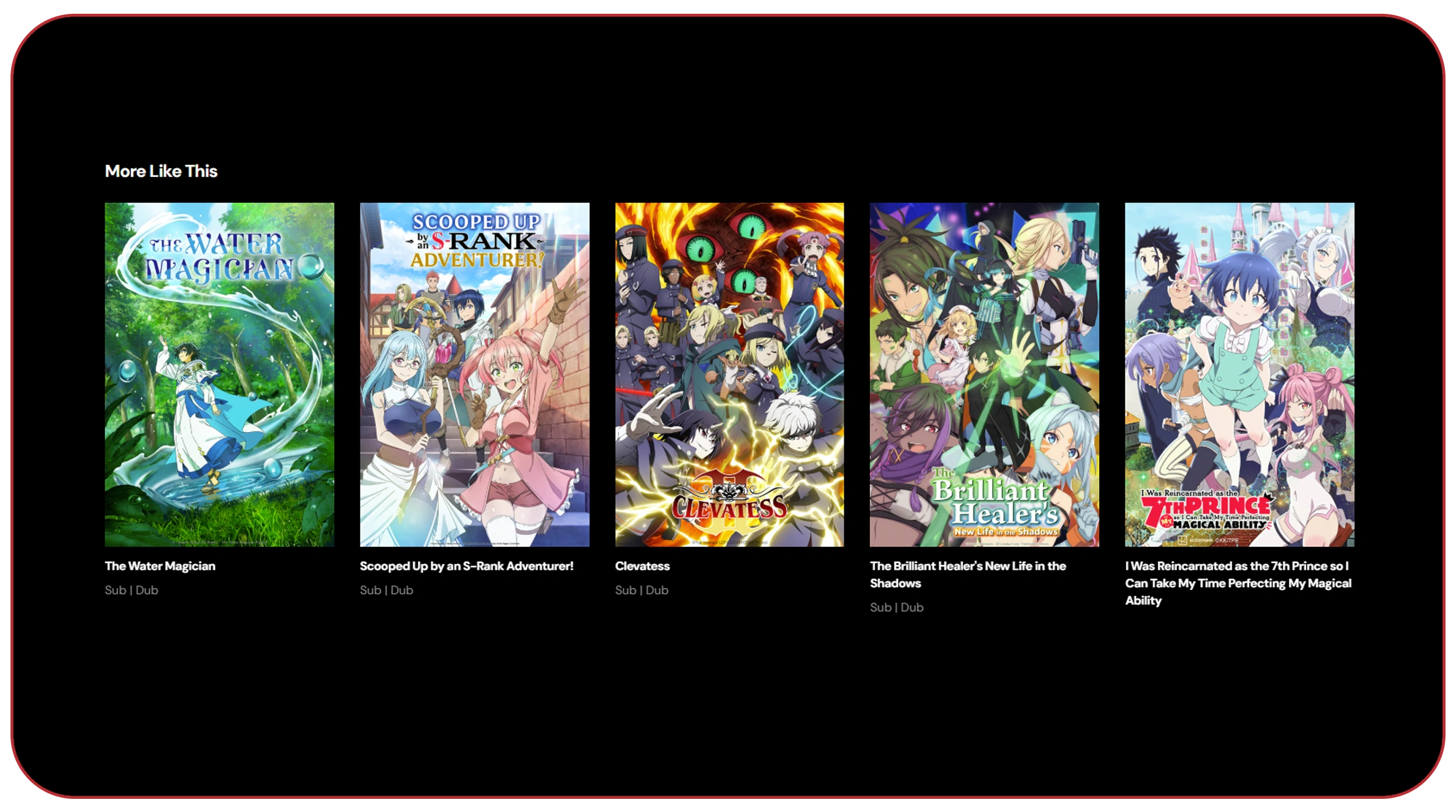
The biggest challenge in streaming analytics is not collecting information once; it is maintaining comparable information over time. A title that appears today may have different availability, language support, episode counts, or metadata several months later. Without historical snapshots, analysts may struggle to determine what actually changed.
A Crunchyroll streaming content data scraper can be designed to capture recurring snapshots of publicly available content information. Instead of producing a one-time list, the workflow can record when a title was first observed, whether it remained available, which metadata fields changed, and how its position within the catalog evolved.
This approach supports several useful analytical dimensions. Genre frequency can reveal shifts in content supply. Release calendars can identify seasonal peaks. Language metadata can indicate localization priorities. Episode availability can help analysts understand simulcast and completed-series patterns. Title-level changes can also be compared against external search, social, or market datasets.
Example historical monitoring framework
| Year | Suggested monitoring focus | Example analytical question |
|---|---|---|
| 2020 | Catalog baseline | Which genres dominated the available library? |
| 2021 | Expansion | How did title and language coverage change? |
| 2022 | Integration period | How did the catalog structure evolve? |
| 2023 | International growth | Which content categories expanded fastest? |
| 2024 | Competition | Which titles or genres appeared increasingly strategic? |
| 2025 | Localization | Which language and regional signals became more prominent? |
| 2026 | Scale | Which catalog patterns persist across multiple seasons? |
The growth trajectory provides useful context. Crunchyroll reported 50,000 episodes and more than 25,000 hours of series, music, and films in August 2024, while Sony described the service as having more than 17 million subscribers in 2025.
For Real Data API users, the goal should be a repeatable pipeline rather than an isolated scraping task. Data should be normalized into consistent schemas, monitored for missing values, and stored with timestamps. That makes longitudinal analysis possible and helps businesses distinguish genuine audience or catalog trends from ordinary content rotation.
Scaling Collection for Market Research and Audience Analysis
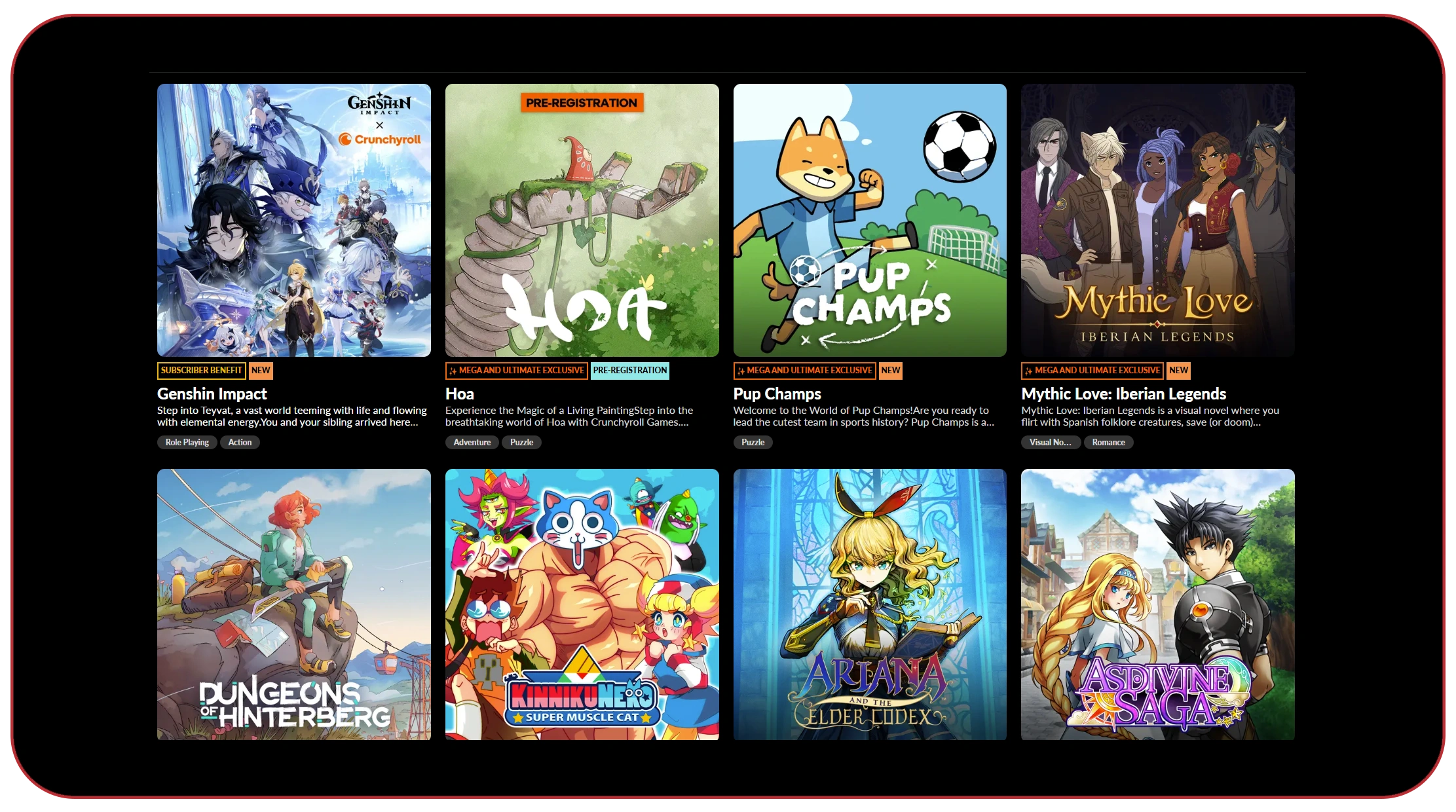
As anime becomes more international, organizations need datasets that can support more than simple title discovery. Studios may want to evaluate genre opportunities, advertising teams may need audience signals, and streaming businesses may want to compare content availability across markets.
Crunchyroll Anime Data Extraction Services can support these requirements by transforming publicly accessible platform information into structured datasets suitable for downstream analytics. Instead of manually checking thousands of pages, teams can establish scheduled collection processes that capture defined fields at regular intervals.
The resulting data can be connected with other sources such as search trends, social engagement, demographic research, box-office information, merchandise sales, and third-party audience datasets. This creates a broader market intelligence layer without assuming that any single platform represents the entire anime audience.
Potential analytical outputs
| Dataset component | Possible business use |
|---|---|
| Title and series metadata | Content discovery and catalog analysis |
| Genre classification | Genre demand research |
| Episode information | Release-cycle monitoring |
| Language availability | Localization analysis |
| Release dates | Seasonal programming research |
| Ratings or visible popularity signals | Content prioritization |
| Availability changes | Market and catalog monitoring |
The scale of the ecosystem makes automation increasingly important. Crunchyroll had more than 21 million paid subscribers globally by March 2026, according to Sony, demonstrating the size of the audience ecosystem surrounding the service.
However, extraction quality matters as much as extraction volume. A large dataset containing duplicates, inconsistent title names, missing timestamps, or mixed language metadata can produce misleading conclusions. A professional workflow should therefore include schema validation, deduplication, timestamping, change detection, and quality checks.
Real Data API can be positioned as the infrastructure layer that helps businesses collect and structure relevant data for analysis. The final objective is actionable intelligence: identifying what content is appearing, how catalogs are changing, which genres are receiving attention, and where additional research may be justified.
Creating a Historical Dataset for Long-Term Anime Intelligence

Long-term analysis requires historical context. A title's current popularity does not necessarily explain its trajectory, while a single seasonal snapshot cannot reveal whether a genre is experiencing sustained growth. Building a structured OTT Dataset allows analysts to compare content and platform signals across multiple years.
The phrase global anime viewing trends via Crunchyroll data scraping is therefore best understood as a longitudinal research approach rather than a single extraction project. Historical snapshots can help analysts compare catalog composition, release frequency, language coverage, title longevity, and other observable indicators.
2020--2026 analytical framework
| Period | Data priority | Example output |
|---|---|---|
| 2020 | Baseline | Initial catalog and genre benchmark |
| 2021 | Expansion | Changes in title and language coverage |
| 2022 | Platform integration | Catalog and distribution comparisons |
| 2023 | Audience growth | Content supply and popularity research |
| 2024 | Scale | Larger catalog and localization analysis |
| 2025 | Internationalization | Regional and language intelligence |
| 2026 | Current benchmark | Multi-year trend comparison |
Subscriber growth offers useful context for interpreting the broader expansion. Crunchyroll reported 3 million paid users in 2020, 4 million in early 2021, nearly 10 million in 2022, more than 12 million in 2023, over 17 million in 2025, and more than 21 million in March 2026.
The data should still be interpreted carefully. Subscriber numbers measure paid memberships, not viewing hours, completion rates, or title-level consumption. Scraped catalog signals similarly describe observable platform information rather than private user behavior.
Combining these sources with external datasets can create a more complete analytical model. Researchers could examine whether particular genres are expanding alongside overall platform growth, whether localization is increasing, and whether major releases coincide with changes in search interest or social engagement.
This historical approach is especially valuable for forecasting. A clean seven-year dataset can help organizations identify recurring seasonal patterns, catalog expansion cycles, content gaps, and emerging categories. Instead of reacting to individual titles, teams can make decisions using evidence accumulated across multiple years.
Monitoring Competitive Signals Without Losing Historical Context
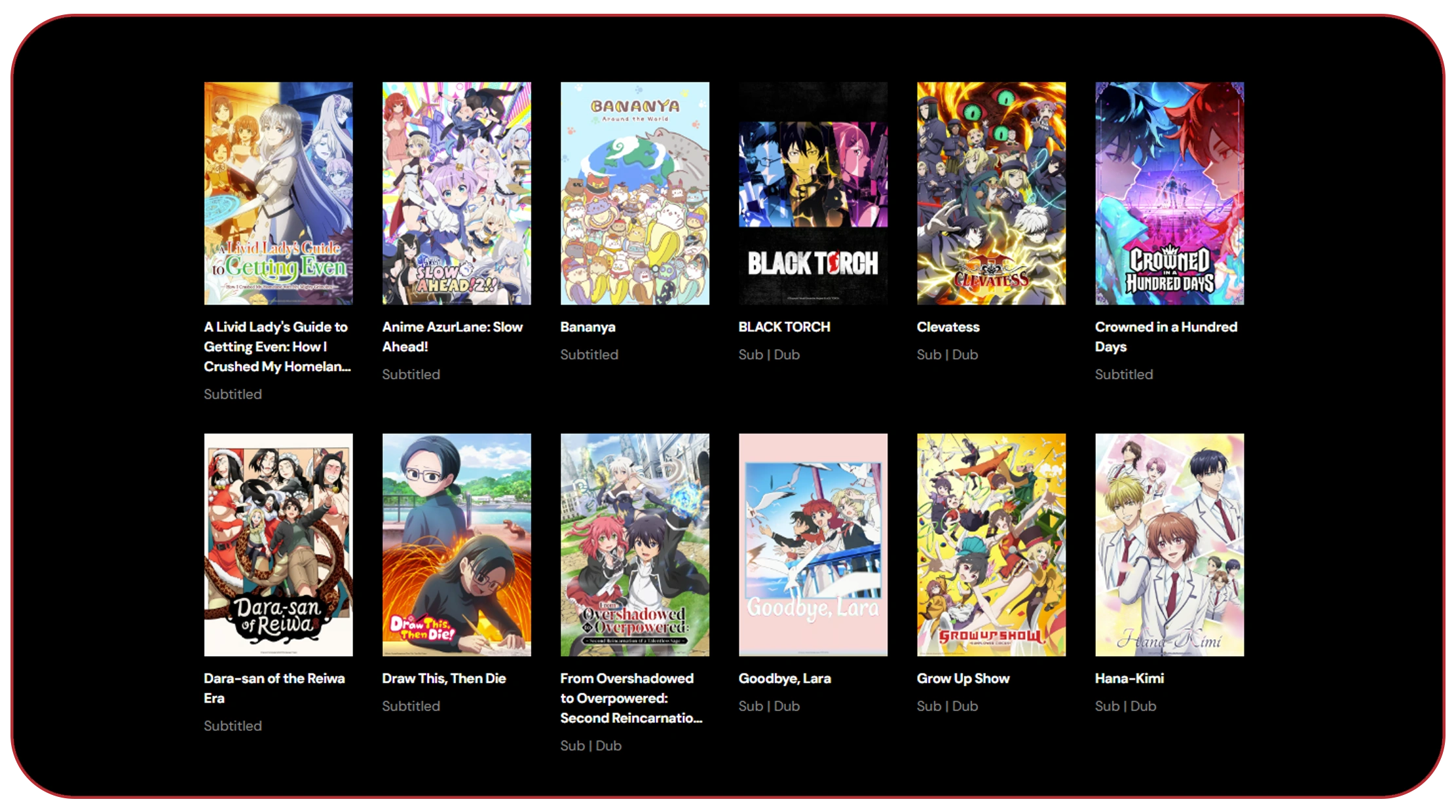
Anime streaming has become increasingly competitive. Crunchyroll is a specialist platform, but major entertainment companies such as Netflix, Amazon, and Disney have also increased their investment in anime and related content. This makes comparative market intelligence increasingly important.
A Crunchyroll Scraper can be incorporated into a wider competitive monitoring system that tracks publicly observable information from multiple streaming platforms. The objective is not to copy protected content or access private information. It is to create structured market observations from information that is lawfully accessible.
For example, analysts can compare genre coverage, title availability, release timing, language support, content formats, and visible metadata across competing services. Historical snapshots make these comparisons even more valuable because they show how competitive positioning changes over time.
Example competitive KPI framework
| KPI | 2020--2021 focus | 2022--2024 focus | 2025--2026 focus |
|---|---|---|---|
| Catalog size | Establish baseline | Measure expansion | Track maturity |
| Genre mix | Identify core categories | Monitor diversification | Detect emerging niches |
| Language coverage | Record initial availability | Measure localization | Compare regional reach |
| New releases | Establish seasonal patterns | Track acceleration | Monitor competitive intensity |
| Availability | Identify market coverage | Track changes | Detect strategic shifts |
Industry evidence supports the importance of this competitive environment. Sony has described anime as a key growth area and highlighted Crunchyroll's expansion alongside broader investments across its entertainment businesses.
Audience engagement signals can provide another layer of analysis. The 2025 Crunchyroll Anime Awards received a record 51 million votes, while the 2026 awards received more than 73 million votes, approximately 40% higher year over year. These votes are not streaming figures, but they demonstrate the scale of global fan participation around anime-related content.
For businesses, combining catalog intelligence with external engagement indicators can reveal stronger patterns than either dataset alone. A title's presence, genre, localization, release timing, and external audience engagement can collectively provide a richer picture of market momentum.
Automating Recurring Collection for Scalable Streaming Analytics
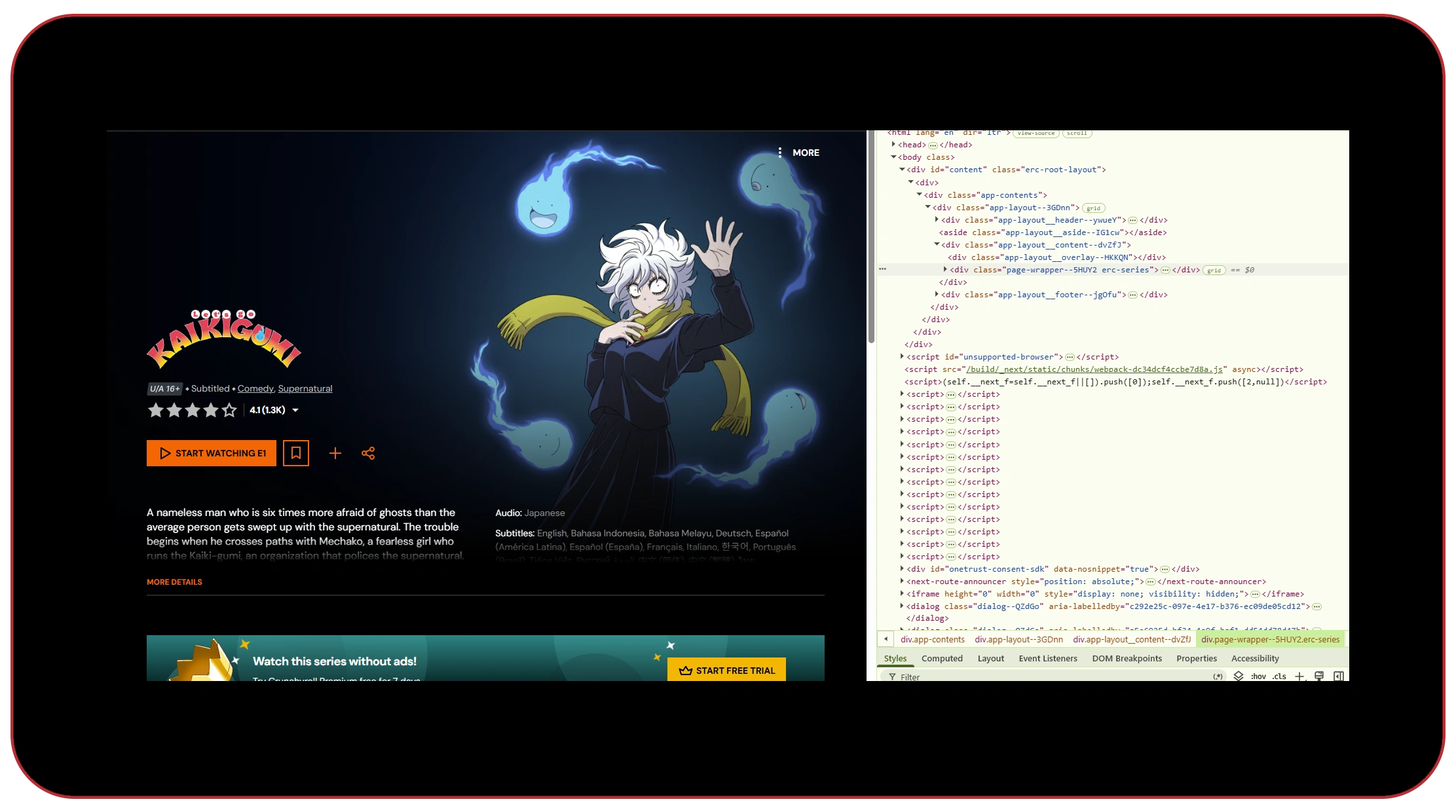
Manual data collection becomes inefficient as the number of titles, markets, languages, and historical snapshots increases. Automation provides a way to maintain consistent datasets while reducing repetitive research work.
An OTT Data Scraping API can provide the technical foundation for scheduled collection, structured output, data transformation, and integration with analytics platforms. Depending on the permitted data source and collection method, businesses can feed structured records into databases, dashboards, data warehouses, or machine-learning pipelines.
A robust workflow generally follows several stages. First, define the fields required for the research objective. Second, collect only permitted publicly accessible information. Third, normalize title names, dates, genres, languages, and other fields. Fourth, attach collection timestamps. Fifth, detect changes between snapshots. Finally, deliver the resulting dataset through an API or another structured interface.
Example automation cycle
| Stage | Output |
|---|---|
| Discovery | Identify relevant public catalog pages |
| Collection | Gather permitted structured fields |
| Validation | Check completeness and formatting |
| Normalization | Standardize titles, dates, and categories |
| Historical storage | Preserve timestamped snapshots |
| Change detection | Identify additions and removals |
| Analytics | Generate trend and competitive reports |
The need for scalable infrastructure is reinforced by Crunchyroll's growth. Sony reported more than 21 million paid subscribers as of March 2026, while its 2026 corporate strategy identifies anime as an important growth sector.
For Real Data API, the opportunity is to move beyond one-off extraction and provide reusable data infrastructure. Businesses can schedule collection, connect datasets to business intelligence tools, and create repeatable research workflows.
Importantly, automation should include compliance controls. Rate limits, robots directives, terms of service, copyright restrictions, authentication requirements, and privacy considerations should be reviewed before collection begins. Responsible data engineering protects both the reliability of the pipeline and the organization using it.
Why Choose Real Data API?
For companies researching anime and streaming markets, data quality, consistency, scalability, and delivery speed are critical. global anime viewing trends via Crunchyroll data scraping can become significantly more useful when the underlying records are structured, timestamped, validated, and ready for analysis.
Real Data API can help businesses build automated data workflows around permitted sources and transform collected information into structured datasets. Instead of maintaining disconnected spreadsheets, teams can integrate data into dashboards, databases, research systems, and analytics pipelines.
The platform approach is particularly useful for organizations that need recurring data rather than a one-time report. Scheduled collection can support historical monitoring, while standardized schemas make it easier to compare records across time and integrate them with other market datasets.
Businesses can use the resulting intelligence for content research, competitive monitoring, market forecasting, localization analysis, catalog tracking, and audience research. Combined with external signals such as search trends, social engagement, and industry reports, structured streaming data can become a powerful foundation for strategic decision-making.
Conclusion
Anime's rapid international growth has created a large and increasingly complex data landscape. Crunchyroll's paid subscriber base grew from 3 million in 2020 to more than 21 million by March 2026, according to company announcements and Sony reporting. This expansion highlights why businesses need reliable, repeatable methods for understanding content availability and audience-related market signals.
global anime viewing trends via Crunchyroll data scraping can help organizations build historical datasets that reveal changes in genres, titles, release patterns, localization, and catalog composition. When combined with external market and engagement data, these signals can support more informed content, marketing, and competitive strategies.
The strongest approach is to treat data collection as an ongoing intelligence pipeline rather than a one-time scraping exercise. Automated collection, historical snapshots, validation, normalization, and API delivery can make large streaming datasets easier to analyze and integrate.
Ready to turn anime streaming data into actionable market intelligence? Contact Real Data API to explore scalable, structured data solutions for your next analytics project!
Latest posts
How Real Estate Data Scraping Help Maximize Investment Opportunities with Real-Time Property Listings and Investment Insights
How Instacart API for grocery availability data Helps Retailers Solve Real-Time Stock Visibility Challenges
Why Swiggy API for real-time food delivery data Matters for Tracking Menus, Offers, Availability, and Competitor Trends

How ecommerce scraping API for real-time product data Helps Businesses Track Prices, Inventory, and Competitor Changes






.png)



